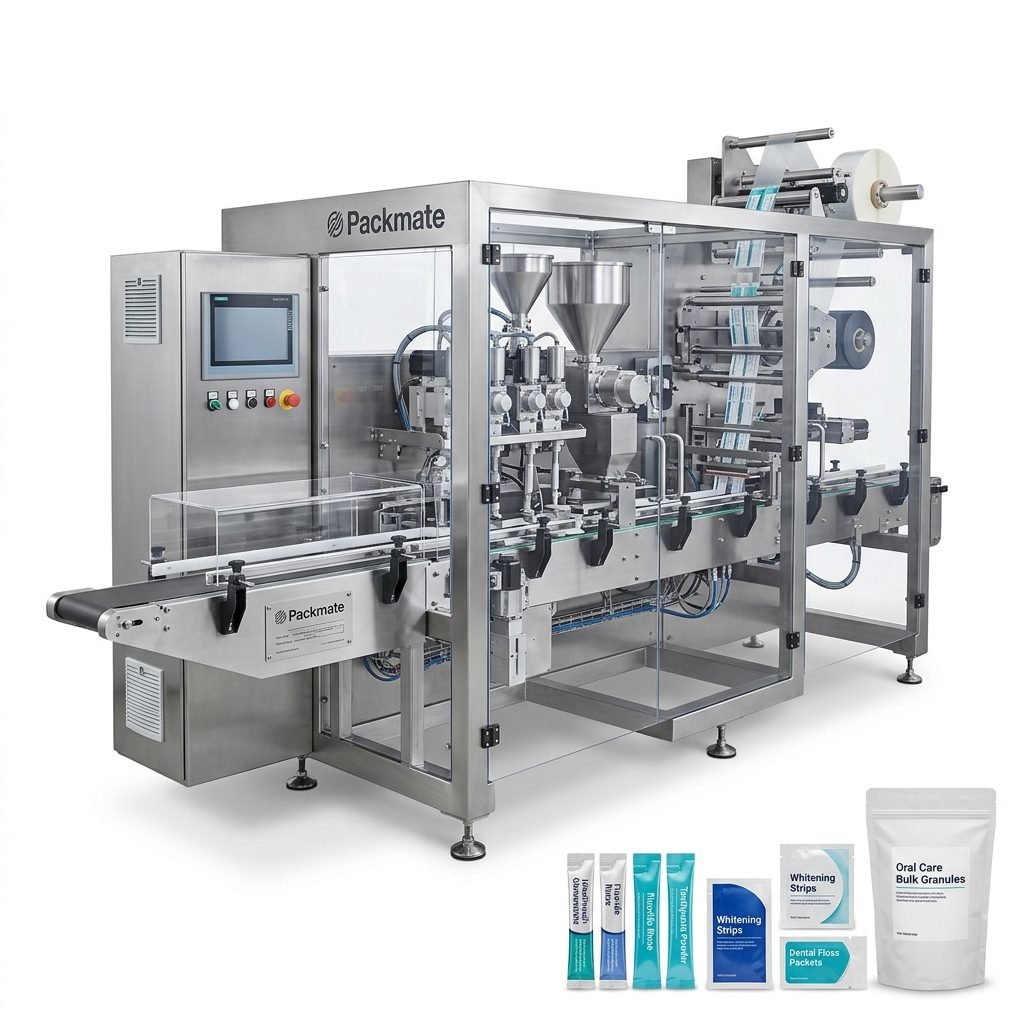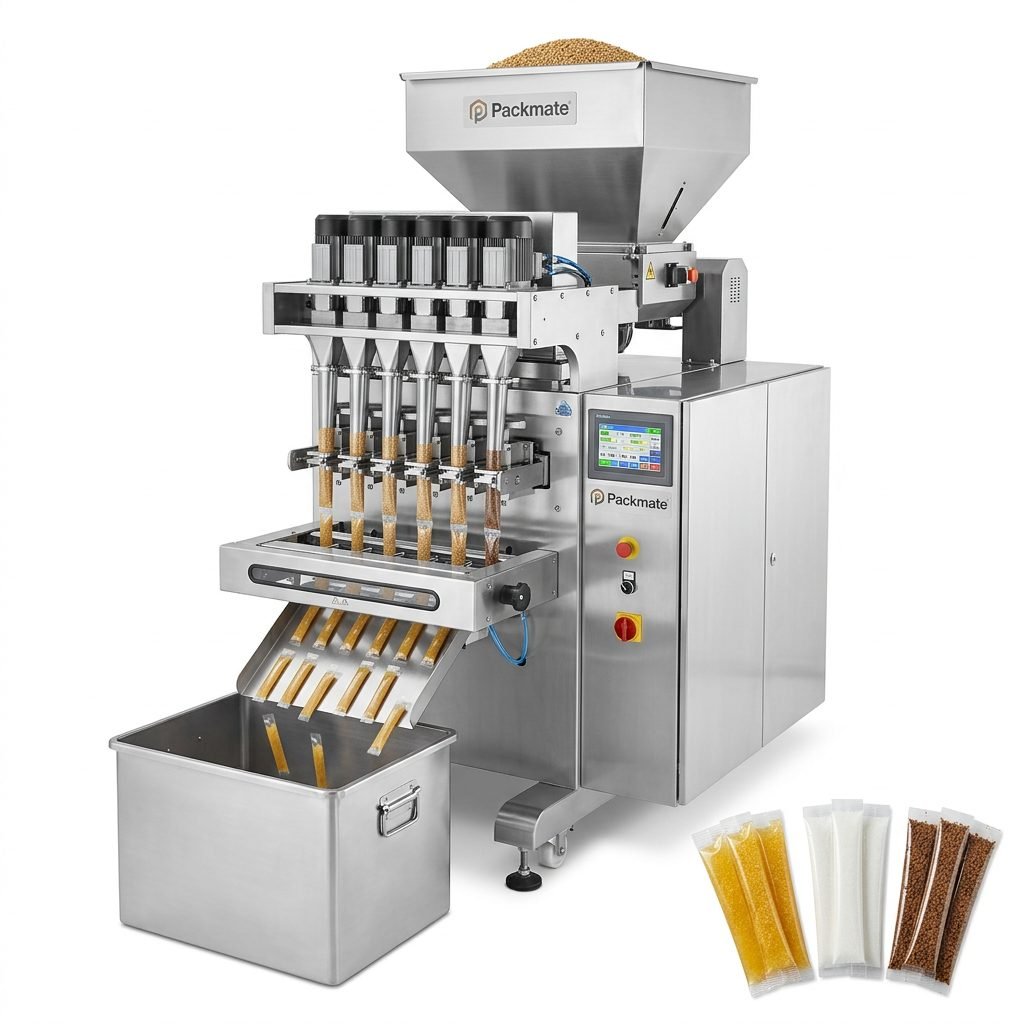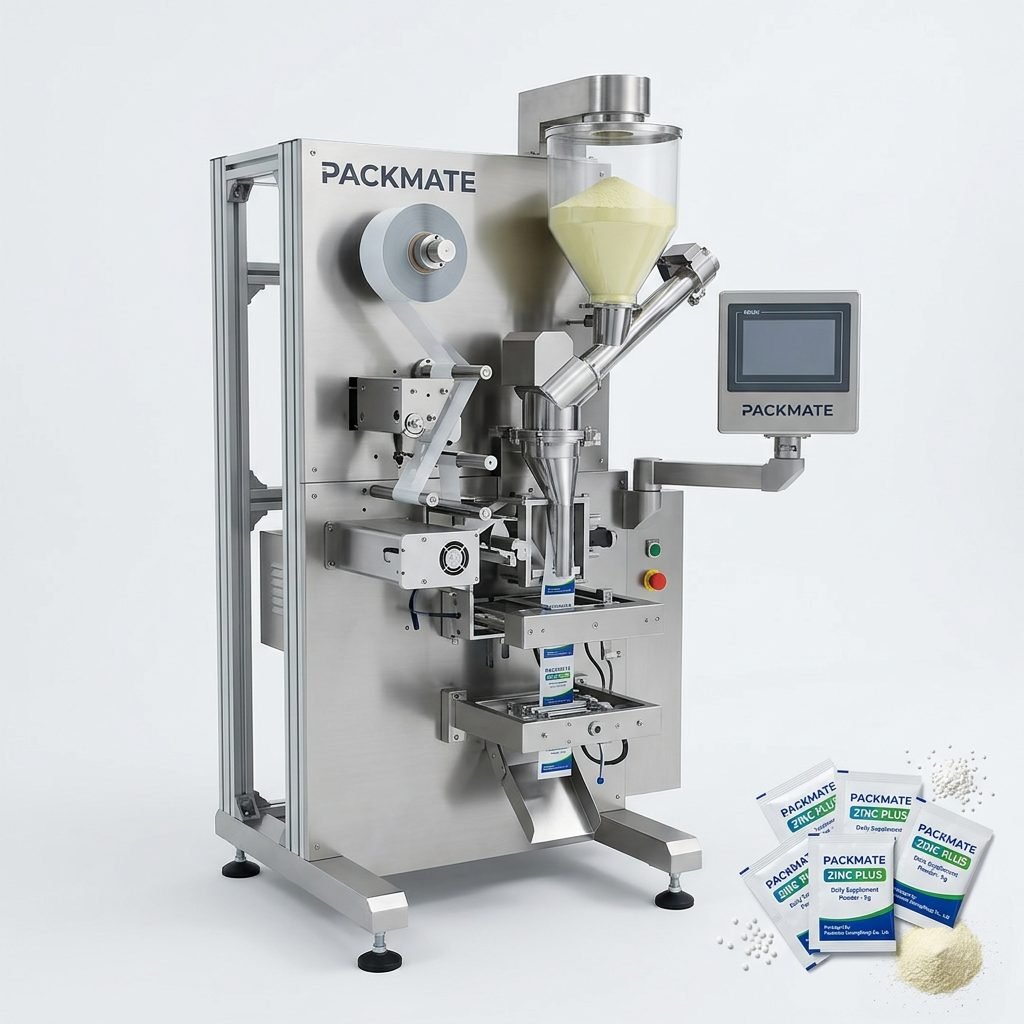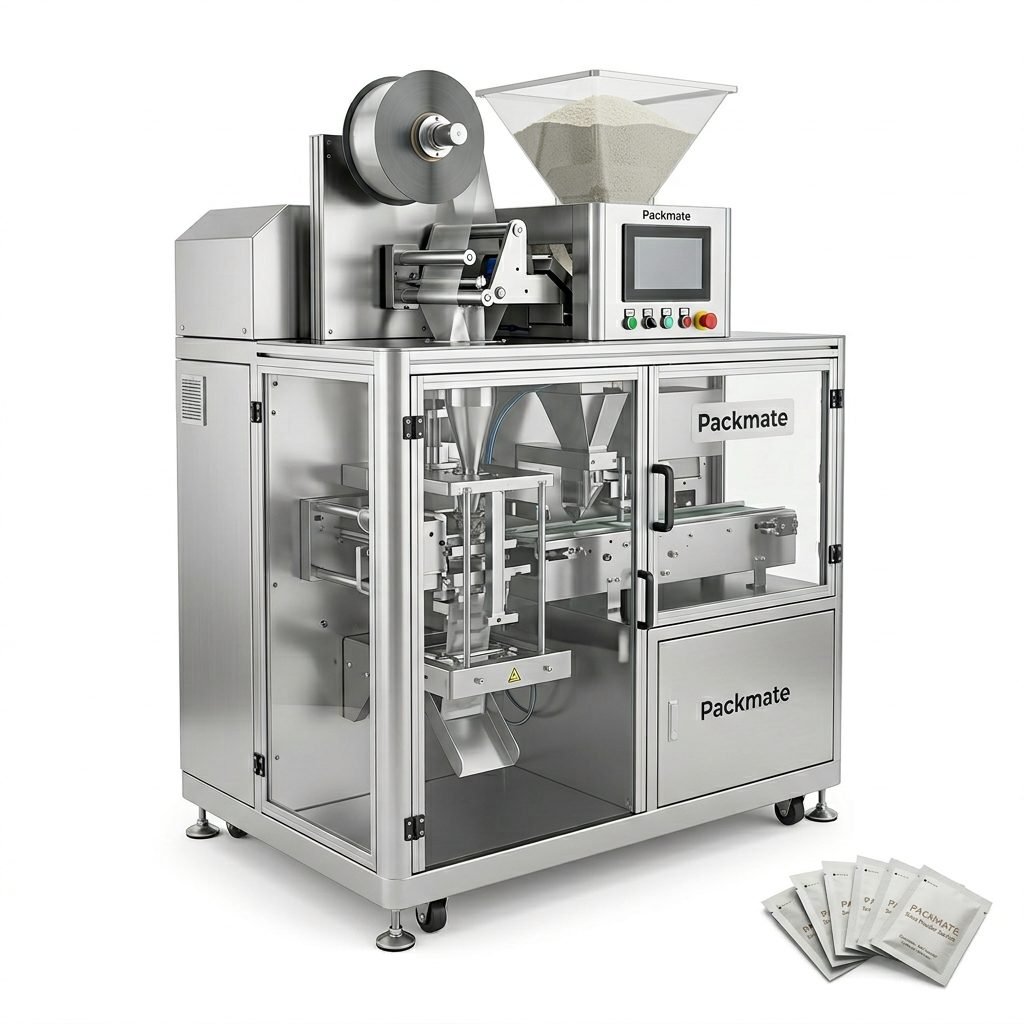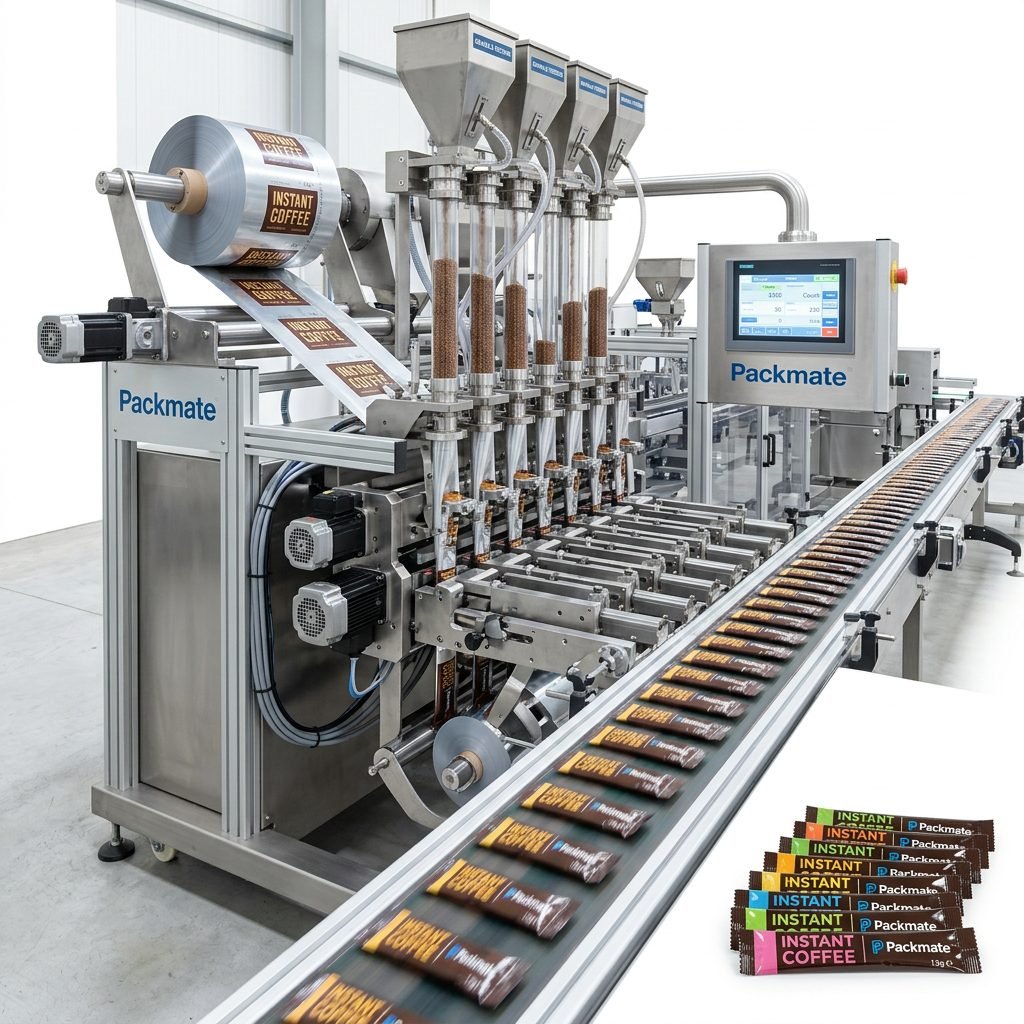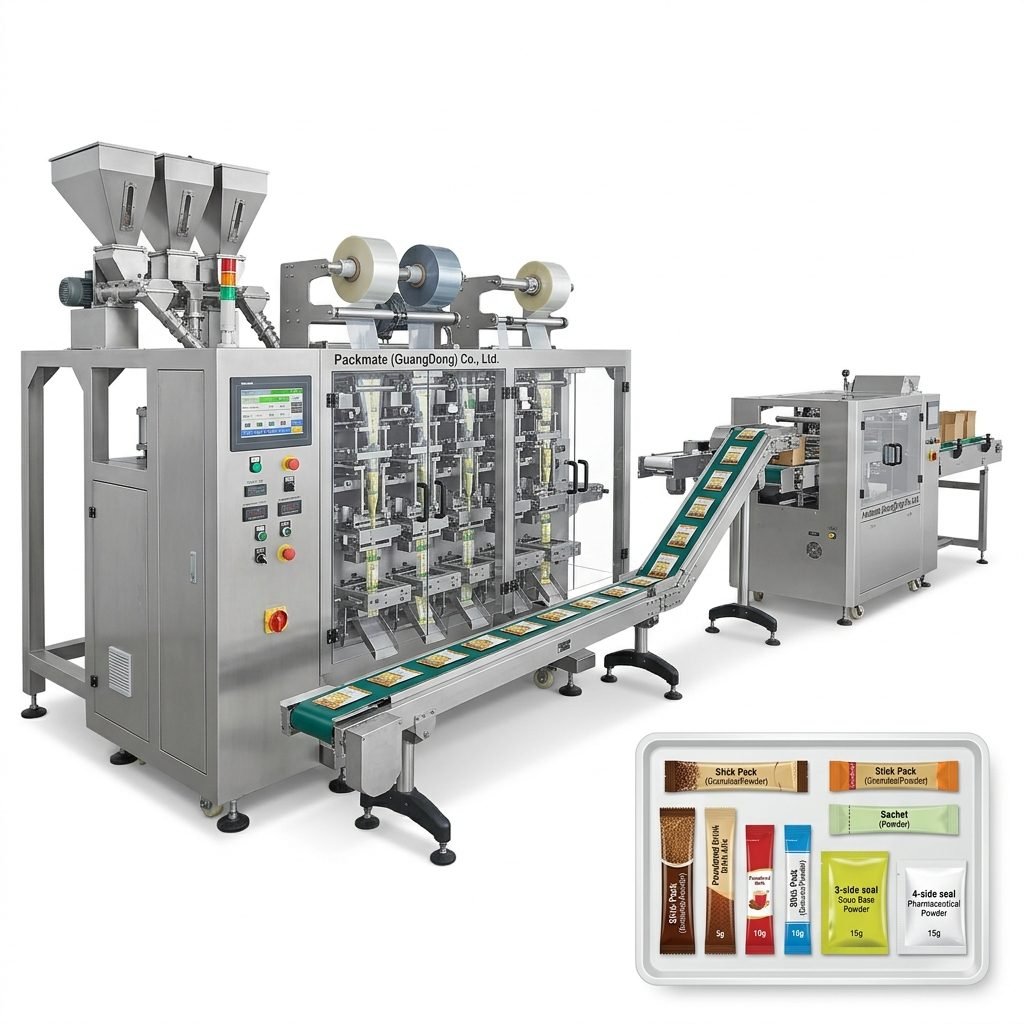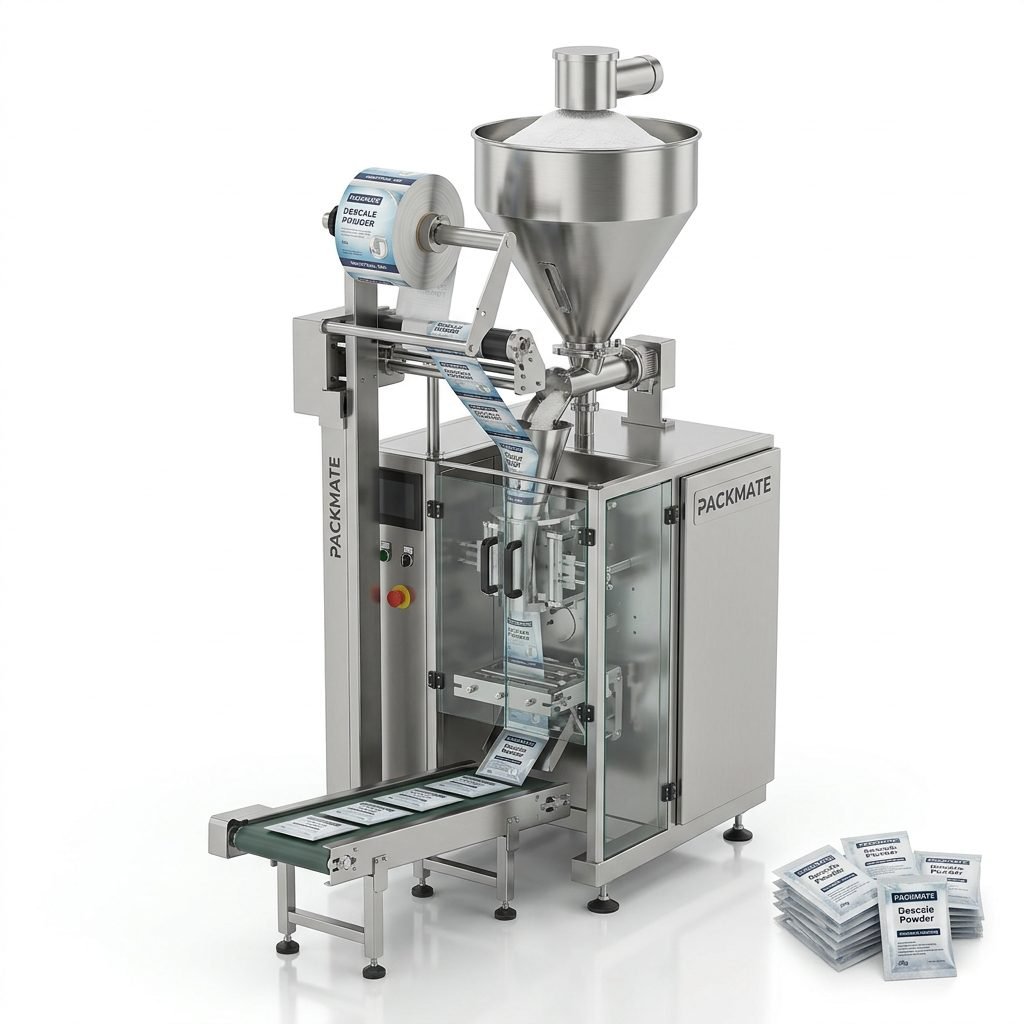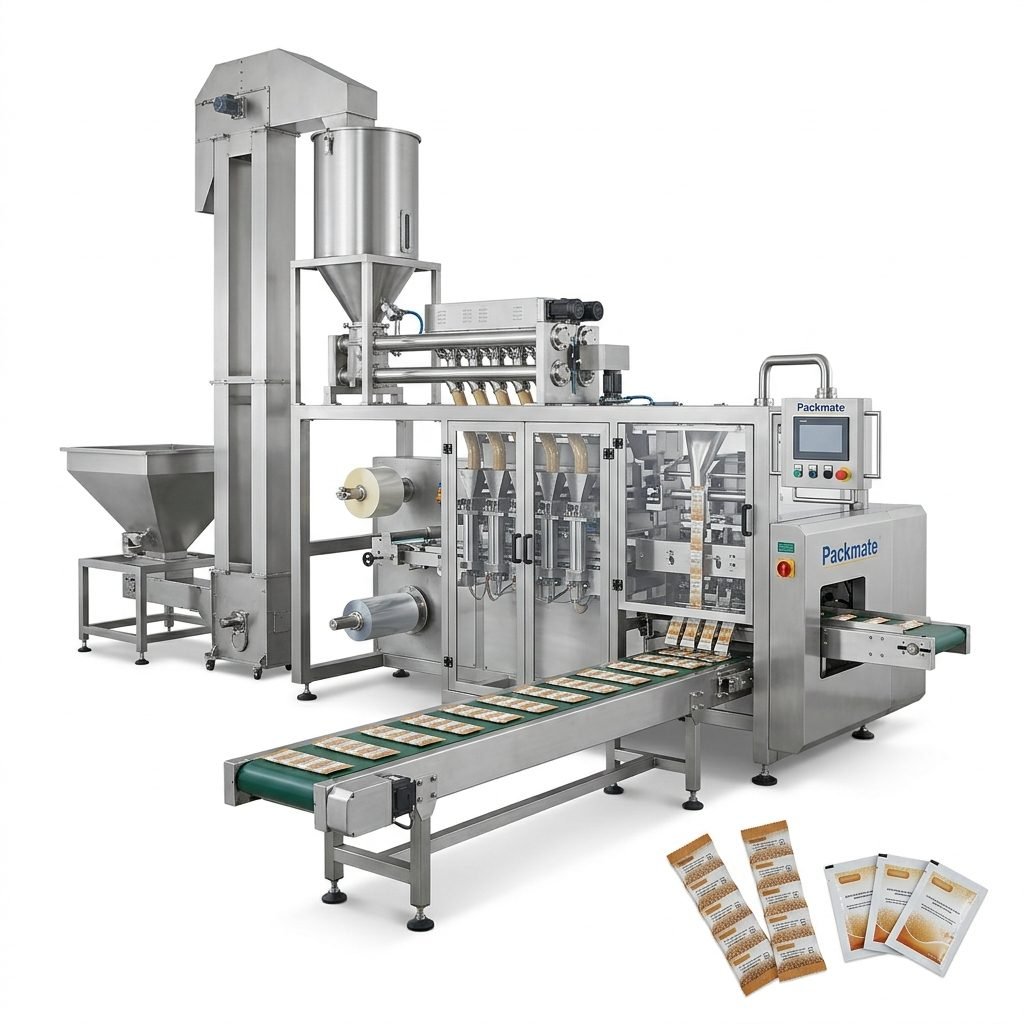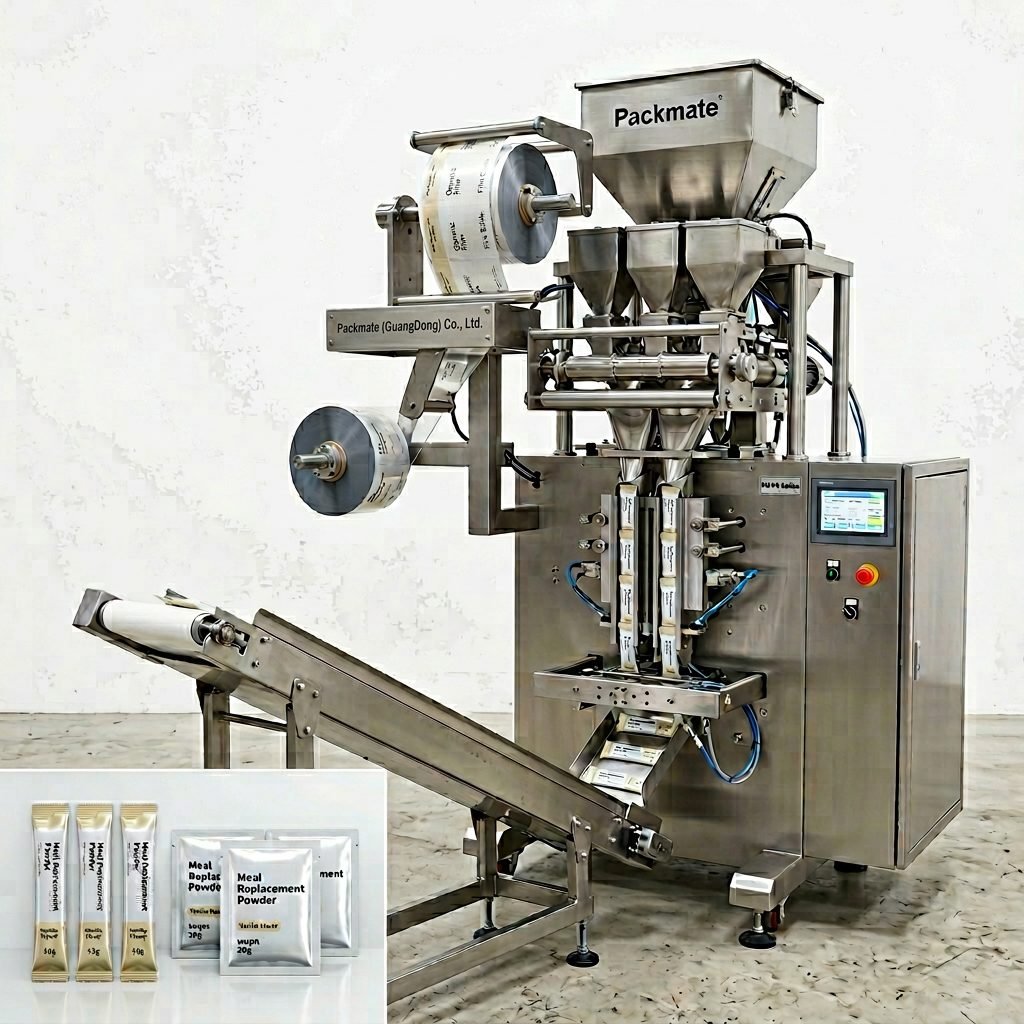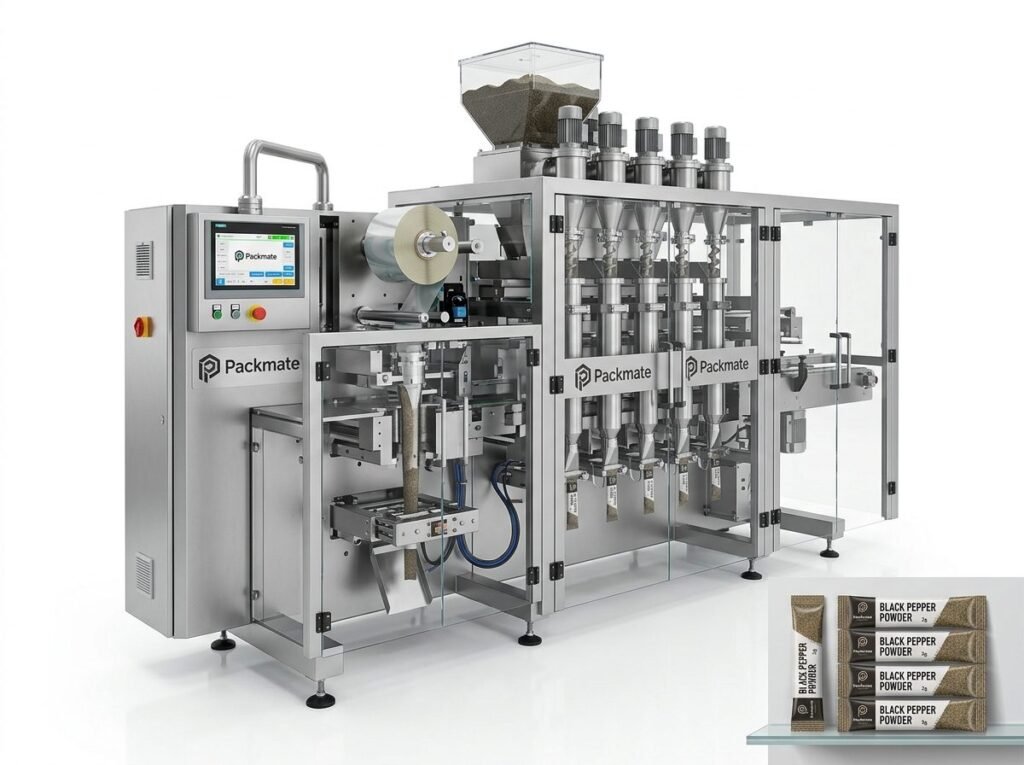
The evolution of manufacturing has ushered in the era of the smart factory, where connectivity, data, and automation converge to create unprecedented levels of efficiency and control. For industries with stringent quality and safety requirements—namely food, pharmaceuticals, and health products—this transformation is not merely an upgrade but a necessity. A Smart Factory Packaging Line represents the pinnacle of this evolution, integrating intelligent machinery, real-time monitoring, and adaptive processes to ensure product integrity from filling to final palletizing.
The Core Pillars of a Smart Packaging Line
What distinguishes a smart line from a conventional automated one? It is the seamless integration of several key technological pillars that work in concert.
1. IoT-Enabled Machinery & Real-Time Monitoring
Every machine on the line—from the multi-head weigher to the cartoner—is equipped with sensors and connected to a central Industrial Internet of Things (IIoT) platform. This allows for the continuous collection of critical data points: machine speed, temperature, fill weight accuracy, and downtime events. Operators and managers can monitor the entire line’s performance in real-time from a dashboard, receiving instant alerts for any deviations from set parameters. This proactive approach to maintenance, often called predictive maintenance, prevents unexpected breakdowns and ensures consistent output.
2. Advanced Robotics & Adaptive Automation
Modern robotics provide unparalleled flexibility. Collaborative robots (cobots) can work safely alongside human operators for tasks like case packing or loading raw materials. Vision-guided robots equipped with sophisticated cameras can perform precise quality checks, identifying and rejecting packages with sealing defects, incorrect labels, or damaged products. This level of adaptive automation is crucial for handling the diverse packaging formats common in health and pharma, such as stick packs, sachets, and blister packs, often on the same line with minimal changeover time.
3. Data Analytics & AI-Driven Optimization
The true intelligence of a smart factory lies in its ability to learn and improve. The vast amounts of data generated are not just for monitoring; they are analyzed by AI algorithms to uncover inefficiencies. These systems can predict optimal machine settings for different products, suggest preventive maintenance schedules, and even adjust line speeds in real-time to balance throughput with energy consumption. This data-driven decision-making transforms the packaging line from a cost center into a strategic asset for continuous improvement.
Key Benefit: Traceability & Compliance
For the food and pharmaceutical sectors, regulatory compliance is non-negotiable. A smart packaging line inherently supports full traceability. Each product unit can be linked to data about its production batch, machine conditions during packaging, and quality inspection results. This creates an immutable digital record, simplifying compliance with standards like FDA 21 CFR Part 11, EU GMP, and FSMA, and enabling rapid, targeted recalls if necessary.
Industry-Specific Applications and Benefits
Smart Solutions for the Food Industry
In food packaging, smart lines address critical challenges of freshness, safety, and speed. Modified Atmosphere Packaging (MAP) lines are integrated with gas flush monitors that continuously verify the correct gas mixture to extend shelf life. Checkweighers and metal detectors are networked to automatically reject under/overweight or contaminated packages, with all reject data logged for analysis. For companies like Packmate, providing solutions that handle everything from snack granules to viscous sauces with minimal waste is a key focus. The ability to quickly switch between products and package sizes allows food manufacturers to respond agilely to market trends.
Transforming Pharmaceutical Packaging
The pharma industry demands absolute precision and sterility. Smart packaging lines for pharmaceuticals often operate in controlled environments, with integrated systems to monitor airborne particles and room conditions. Serialization and aggregation are automated processes where each saleable unit receives a unique serial number, which is then linked to its bundle, case, and pallet. This end-to-end serialization, mandated in many markets, is efficiently managed by a smart line’s software, ensuring patient safety and combating counterfeit drugs. You can explore specific pharmaceutical packaging solutions designed to meet these rigorous standards.
Enhancing Health & Nutraceutical Products
The health products sector, including vitamins, supplements, and protein powders, combines the need for food-grade safety with pharma-like accuracy in dosing. Smart lines excel here by ensuring precise fill weights for expensive active ingredients, reducing giveaway and protecting profit margins. Furthermore, they manage the complexity of packaging formats—from single-dose stick packs favored for on-the-go consumption to large canisters—all while maintaining impeccable documentation for Good Manufacturing Practices (GMP). View real-world implementation cases to see how these solutions perform in practice.
Implementing Your Smart Packaging Line: A Strategic Partnership
Transitioning to a smart factory model is a significant investment. Success hinges on choosing the right partner—one with deep technical expertise and industry experience. A provider like Packmate (GuangDong) Co., Ltd. offers more than just machines; they deliver turnkey solutions. This includes:
→ Needs Analysis & Custom Design: Engineering a line that fits your specific products, throughput goals, and facility constraints.
→ Integration & Commissioning: Seamlessly connecting all mechanical, electrical, and software components into a cohesive system.
→ Training & Support: Empowering your team to operate, maintain, and leverage the data from the new system effectively.
Learn more about their approach and capabilities on their Company Profile page.
The Future is Integrated and Sustainable
The next frontier for smart packaging is deeper integration with upstream and downstream processes and a stronger focus on sustainability. Lines will not only package efficiently but also optimize material usage, reducing plastic and film waste through precise cutting and sealing. Energy consumption data will be used to run lines during off-peak utility hours. Furthermore, smart lines will be integral to the circular economy, easily handling packaging made from recycled or biodegradable materials. Staying ahead requires a partner committed to continuous innovation and service.
In conclusion, investing in a Smart Factory Packaging Line is a strategic decision that drives quality, compliance, efficiency, and agility for food, pharma, and health product manufacturers. It transforms packaging from a manual, error-prone necessity into a data-rich, reliable, and competitive advantage.
Frequently Asked Questions (FAQs)
1. What is the typical ROI period for investing in a smart packaging line?
Return on Investment (ROI) varies based on scale and existing operations, but most facilities see a payback period of 2-4 years. This is achieved through significant reductions in material waste, lower labor costs, minimized downtime, increased throughput, and avoided costs from recalls or compliance issues.
2. Can a smart packaging line be integrated with our existing ERP or MES software?
Yes, a core feature of a well-designed smart line is its open architecture and ability to communicate via standard protocols (like OPC UA, MQTT). This allows it to seamlessly integrate with your existing Enterprise Resource Planning (ERP) and Manufacturing Execution Systems (MES), providing real-time production data to the wider business.
3. How does a smart line handle changeovers between different products or package sizes?
Smart lines are designed for rapid changeover. This is achieved through features like servo-driven adjustments (where settings are saved digitally and recalled with a button press), quick-release mechanisms, and recipe management software. Changeover times can often be reduced by over 50% compared to traditional lines.
4. Is the data generated by the line secure from cyber threats?
Reputable providers prioritize cybersecurity. This includes implementing firewalls, secure user authentication, role-based access controls, and regular security patches for software. It is crucial to discuss security architecture with your solution provider during the planning phase.
5. What kind of training is required for our staff to operate a smart packaging line?
While the system is more automated, staff training shifts from manual operation to system supervision, data interpretation, and exception handling. A good provider will offer comprehensive training programs for operators, maintenance technicians, and line managers, covering both the HMI (Human-Machine Interface) and the central monitoring software to ensure a smooth transition.