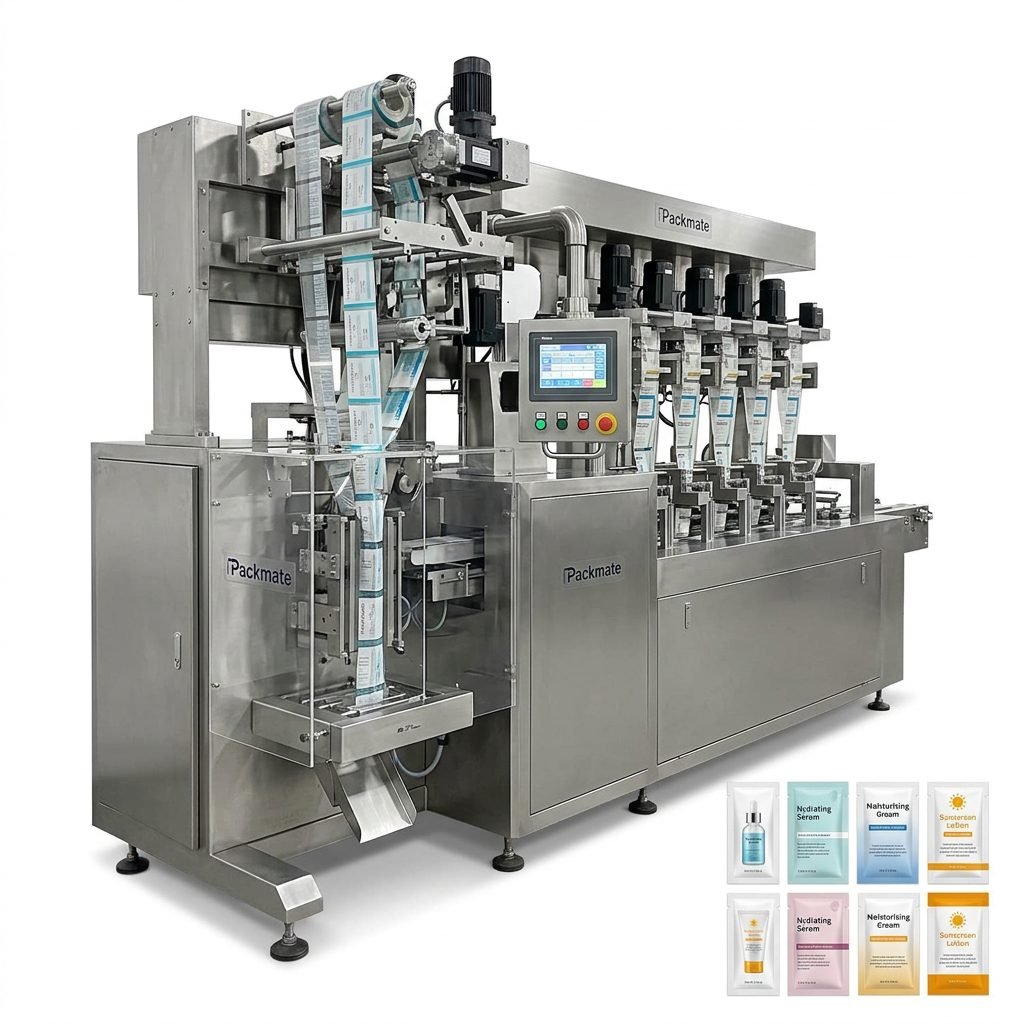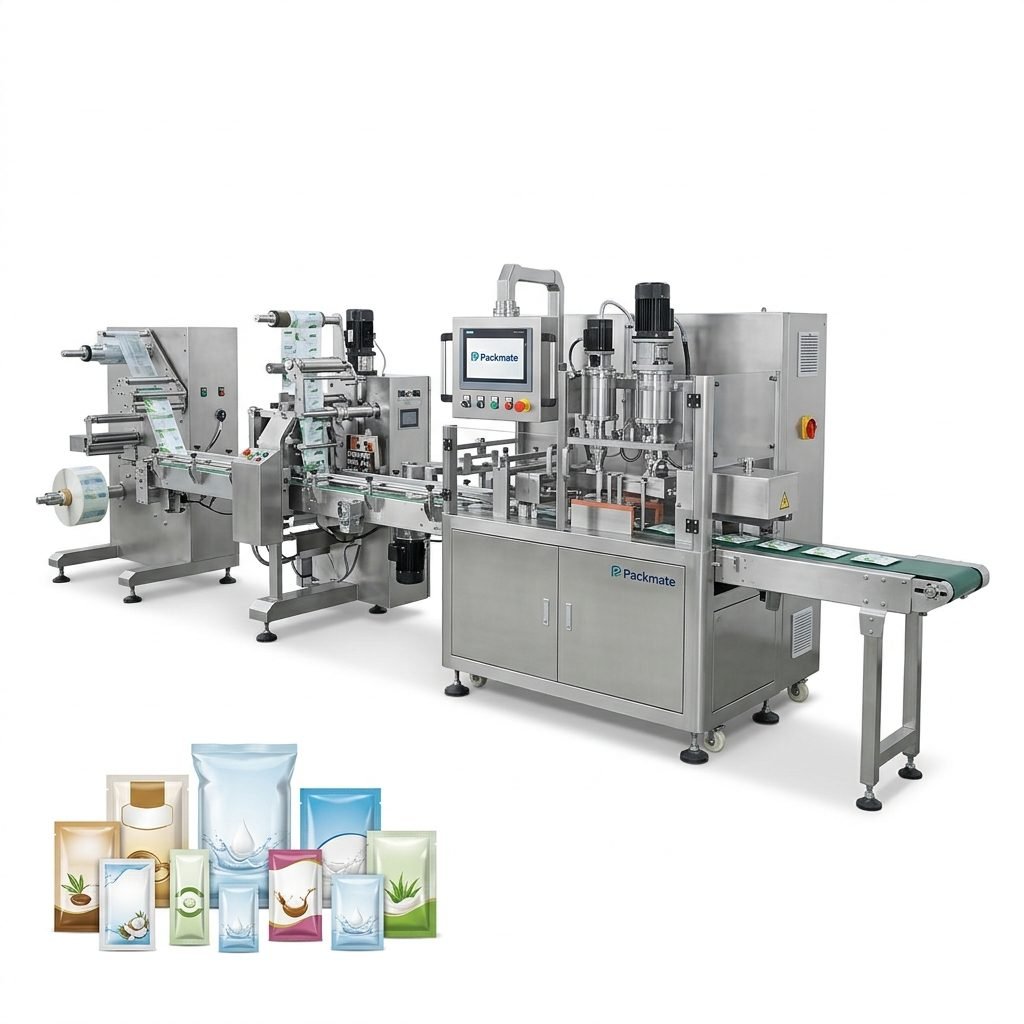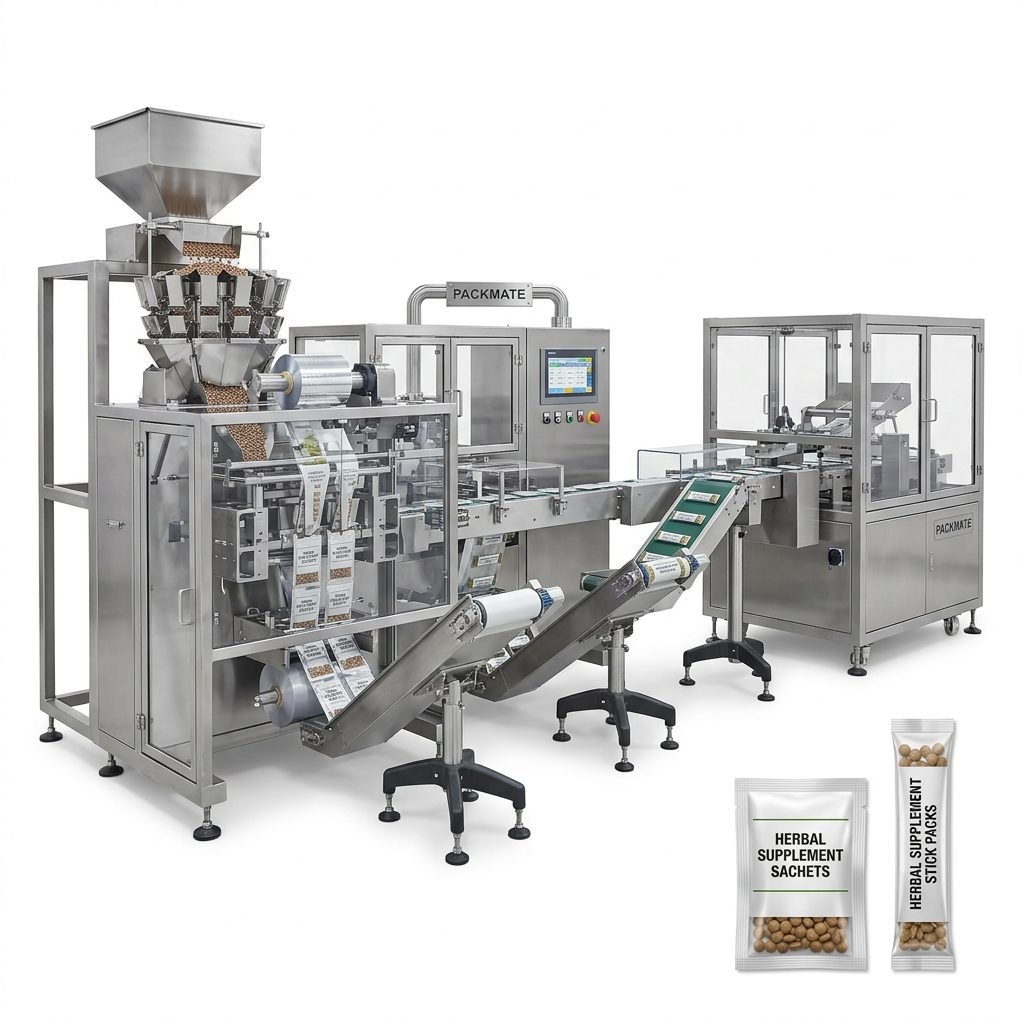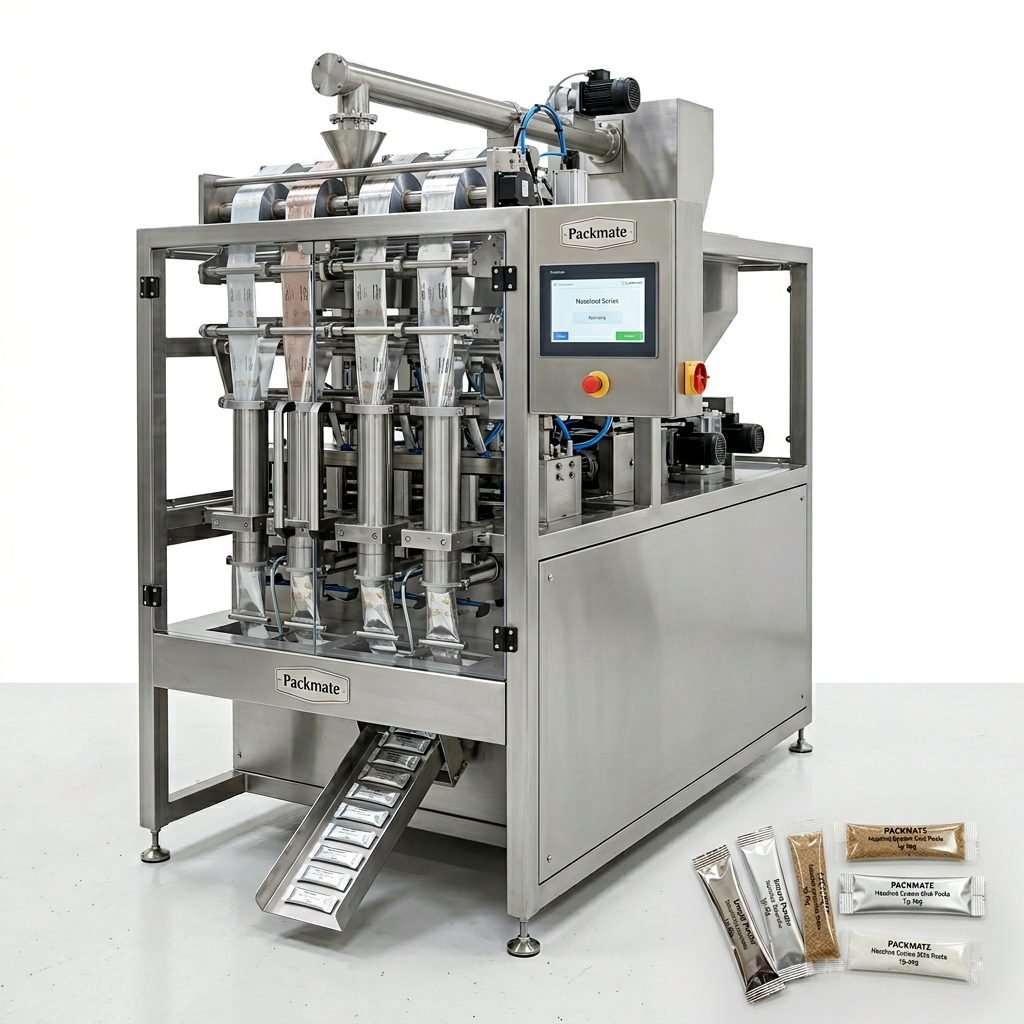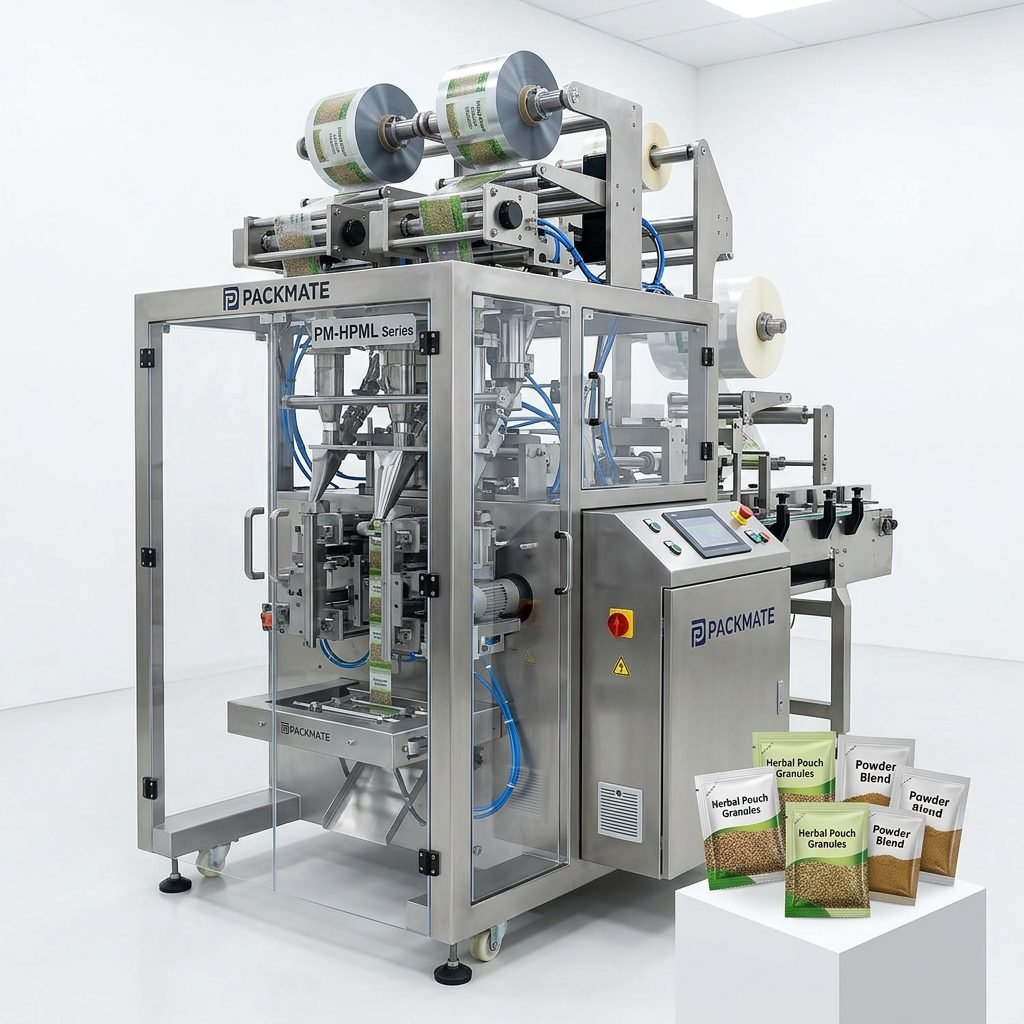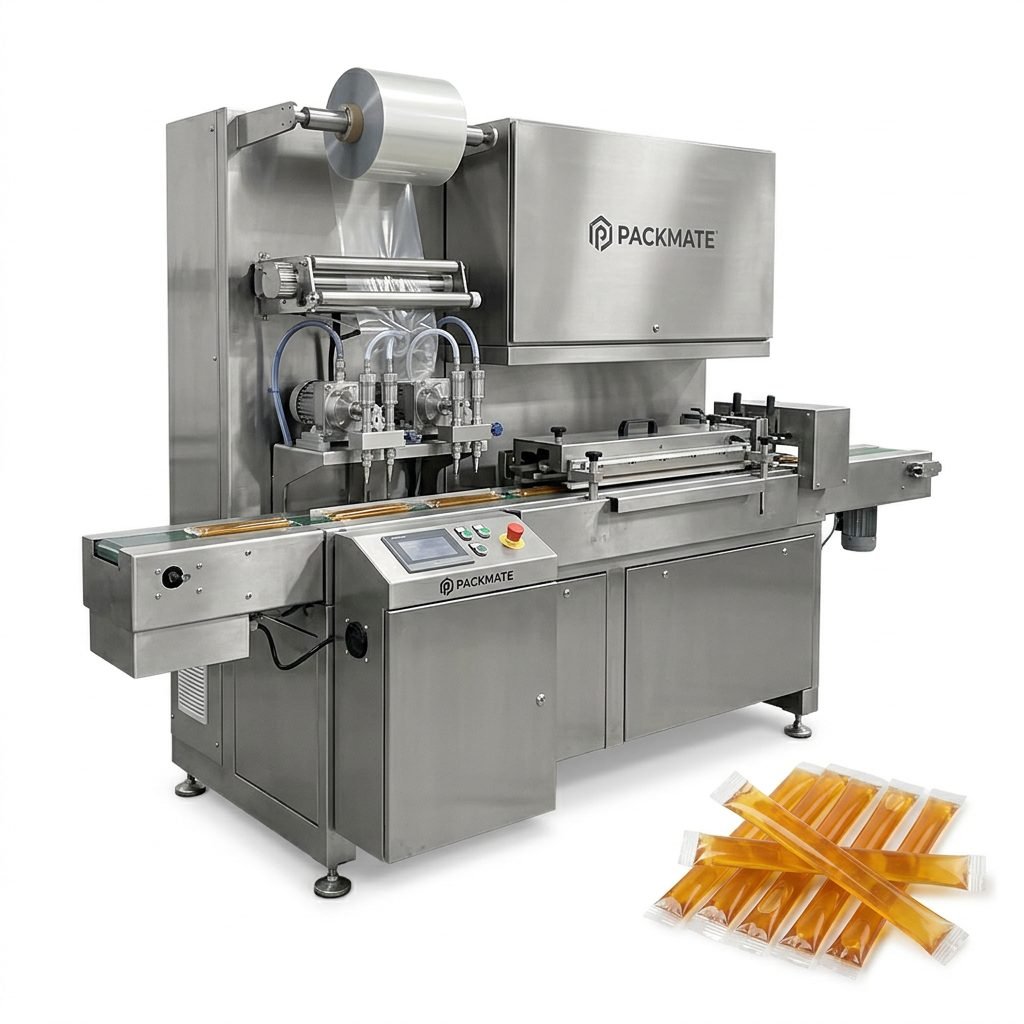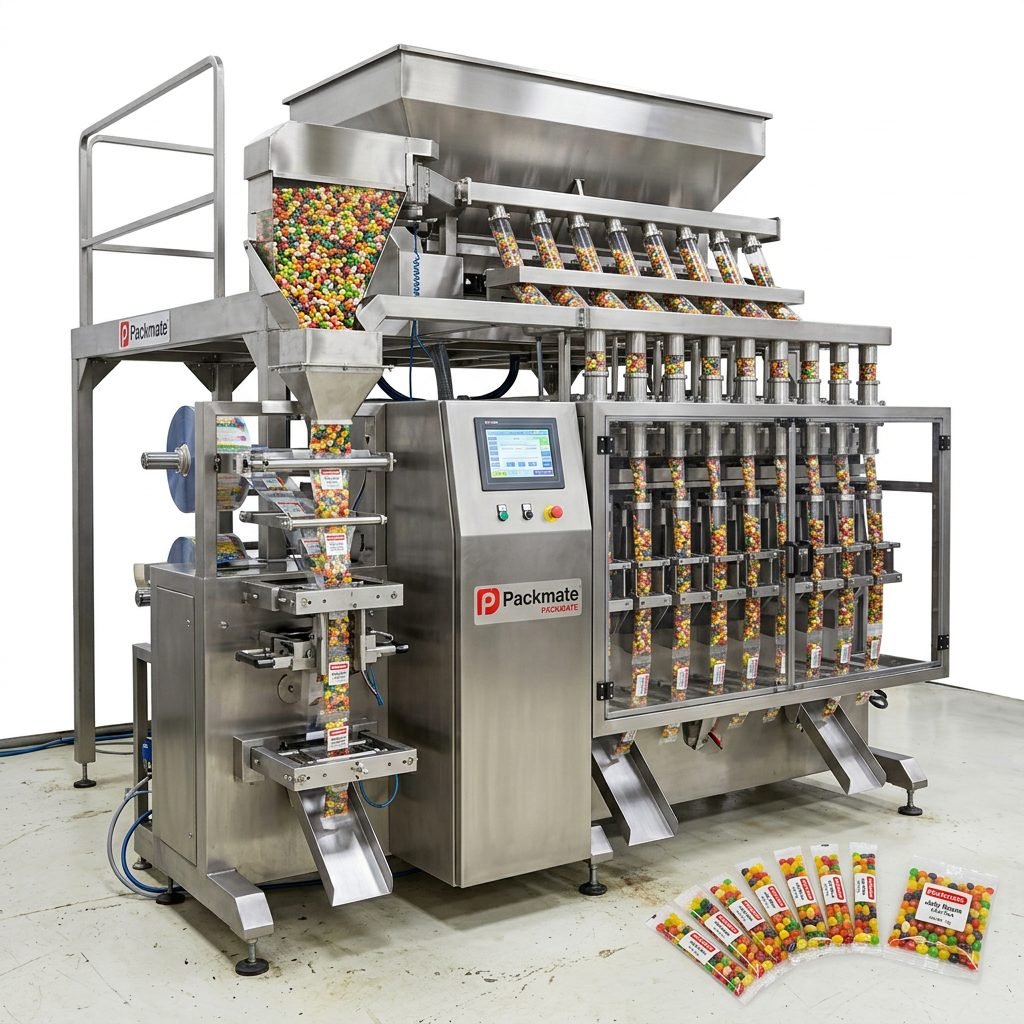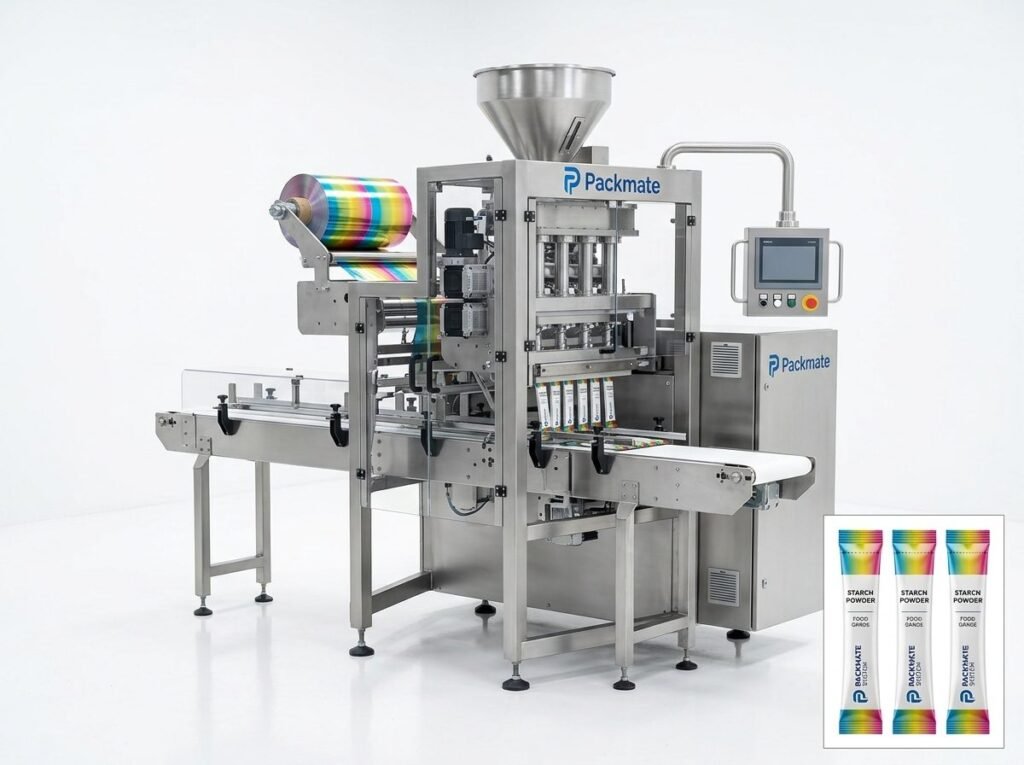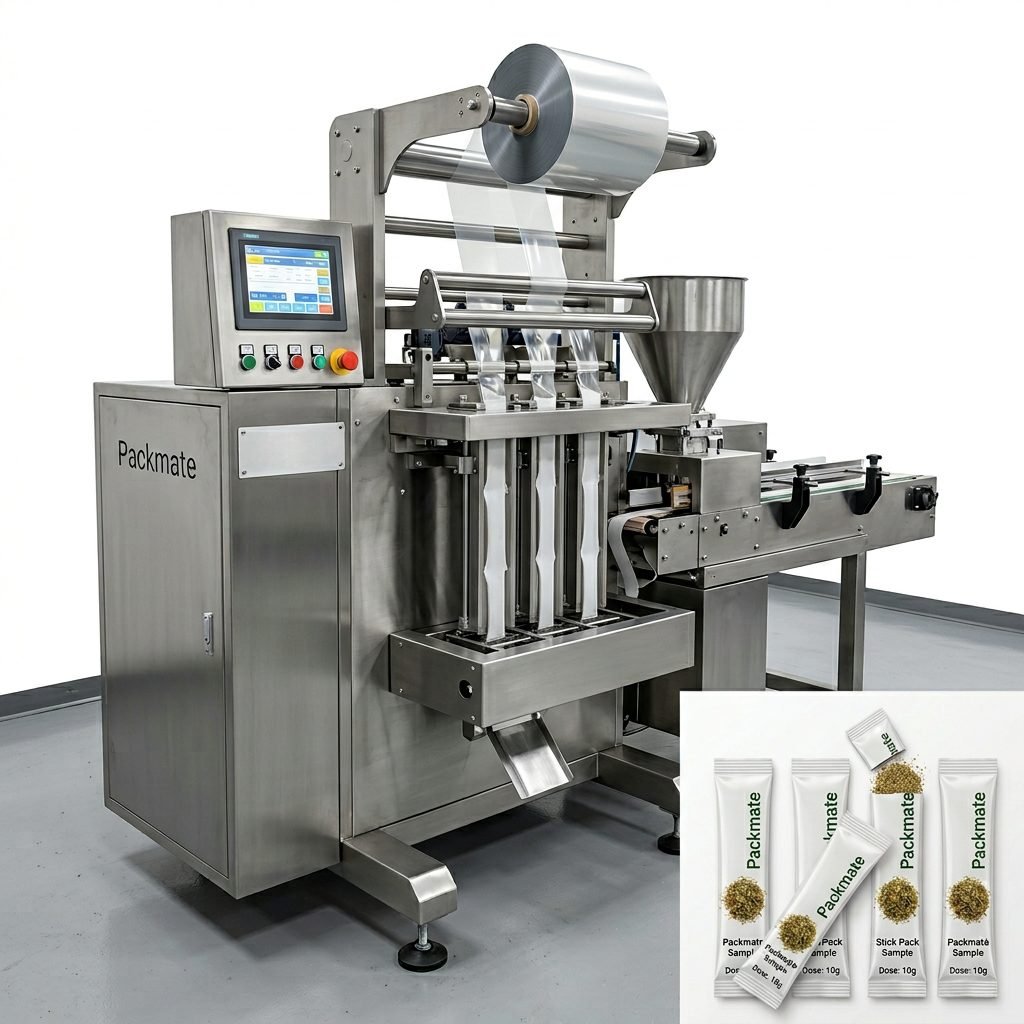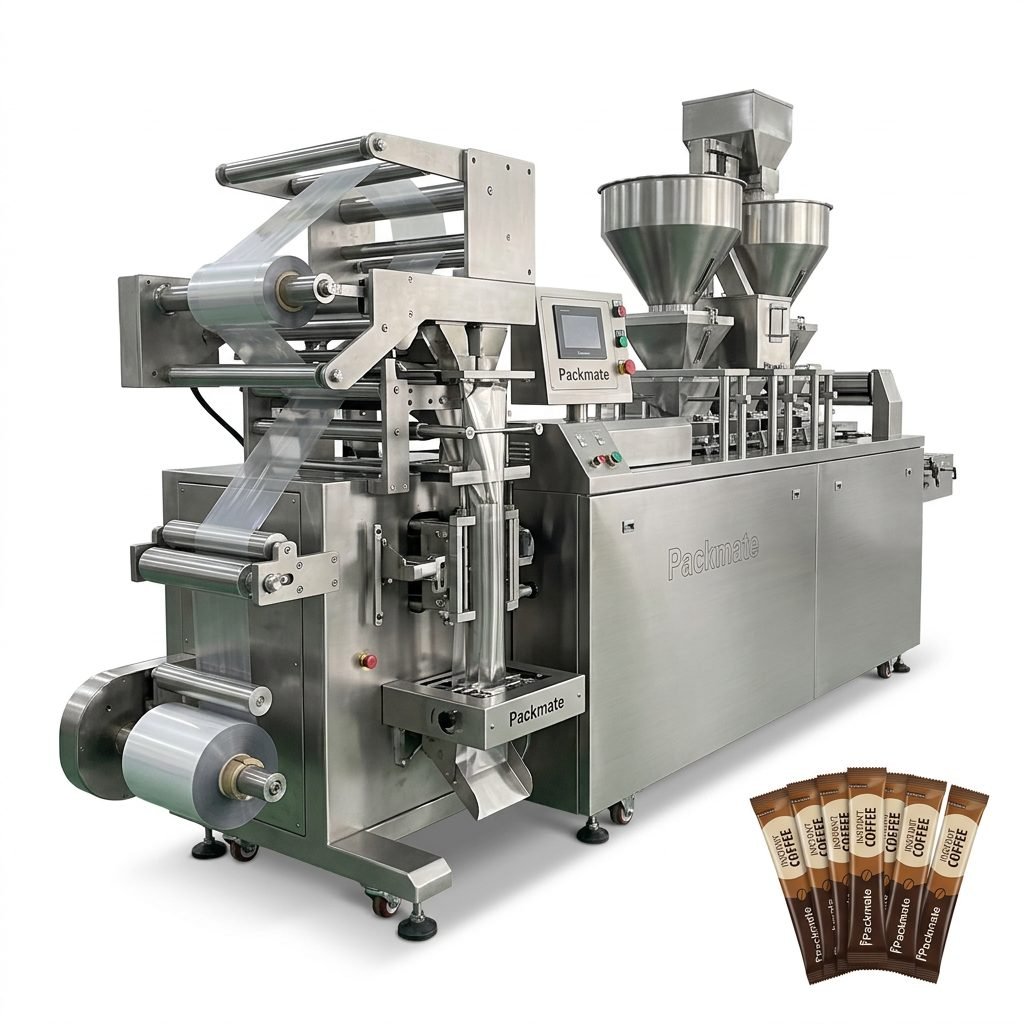
In the highly specialized and demanding ammunition industry, precision, safety, and efficiency are non-negotiable. Every component, from the projectile to the propellant, requires meticulous handling. This extends critically to the final stage of production: packaging. Manual or outdated packaging methods introduce significant risks of contamination, inconsistency, and human error, while also creating bottlenecks that limit throughput. To meet stringent safety regulations, ensure product integrity, and achieve scalable production, forward-thinking manufacturers are turning to fully integrated Ammunition Packaging Line Solutions. These systems encompass automated filling, precision sealing, and complete turnkey packing systems, transforming a critical operational phase into a pillar of reliability and competitive advantage.
The Critical Role of Automated Packaging in Ammunition Production
Packaging is far more than just putting finished rounds into a box. It is the final safeguard of product quality and a key component of brand assurance. For ammunition, packaging must:
- Ensure Absolute Safety: Prevent accidental discharge, protect from moisture and corrosion, and secure contents during transport and storage.
- Guarantee Consistency: Deliver precise count, uniform presentation, and tamper-evident seals for every single package.
- Maximize Efficiency: Keep pace with high-speed manufacturing lines without becoming a bottleneck, reducing labor costs and physical strain on workers.
- Provide Traceability: Facilitate lot coding, barcoding, and data tracking for quality control and supply chain management.
An integrated packaging line addresses all these needs seamlessly, moving from bulk handling to retail-ready boxes with minimal human intervention. For a comprehensive look at how such integration works across industries, explore our range of packaging solutions.
Core Components of an Ammunition Packaging Line
A robust, turnkey ammunition packaging system is engineered as a synchronized unit. Its core components work in concert to automate the entire process:
1. Automated Feeding & Orienting Systems
The process begins with the gentle and precise handling of finished rounds. Vibratory bowl feeders, linear conveyors, or robotic pick-and-place units are calibrated to handle specific calibers. These systems orient each cartridge correctly—primer down, projectile up—and feed them at a consistent, controlled rate to the next stage. This eliminates manual sorting and feeding, which is time-consuming and prone to errors.
2. High-Speed Automated Filling Machines
This is the heart of the line, where speed meets precision. Cartridges are counted and transferred into their primary packaging, which is typically:
- Cartridge Boxes: Rigid plastic or cardboard boxes with precise cell counts (e.g., 20, 50 rounds). Machines accurately drop the correct number of rounds into each compartment.
- Stripper Clips & Magazines: Systems designed to load rounds onto clips or into magazines with exact alignment and tension.
- Bulk Ammo Cans: For larger quantities, volumetric or count-based fillers ensure consistent fill weights and counts for sealed metal or plastic containers.
The precision of this stage is paramount, as overfills or underfills are unacceptable from both a commercial and safety standpoint.
3. Precision Sealing & Closing Systems
Once filled, the package must be securely sealed. The sealing method depends on the packaging type:
- Heat Sealing: For foil-lined cardboard boxes or plastic clamshells, applying consistent heat and pressure to create a hermetic, tamper-evident seal.
- Adhesive Sealing: For flap-style boxes, applying glue precisely to ensure a secure, clean closure.
- Induction Sealing: For ammo cans with foil liners, creating an airtight seal between the liner and the container rim.
This stage often integrates inkjet or laser coders to print lot numbers, expiration dates, barcodes, and other vital information directly onto the package in real-time.
4. Secondary & Tertiary Turnkey Packing Systems
A complete line doesn’t stop at the primary package. A turnkey system automates the subsequent steps:
- Collation: Grouping individual boxes into larger units (e.g., 10 boxes per bundle).
- Case Packing: Automatically loading bundles or individual boxes into shipping cases or cartons.
- Palletizing: Robotic arms or automatic palletizers stack cases onto pallets in a stable, optimized pattern for secure shipping.
This end-to-end automation, from single round to palletized load, defines a true turnkey packing system. It dramatically reduces manual labor, minimizes handling damage, and optimizes logistics. See real-world applications in our detailed project case studies.
Key Benefits of Implementing an Integrated Packaging Line
✅ Enhanced Safety & Compliance
Minimizes direct human contact with product, reducing the risk of accidents. Ensures consistent application of safety seals and mandatory markings, aiding compliance with ITAR, DOT, and other regulations.
✅ Unmatched Consistency & Quality Control
Eliminates count errors and ensures every package is identical. Integrated vision systems and checkweighers can reject non-conforming packages, guaranteeing 100% quality assurance.
✅ Dramatic Increase in Productivity
Automated lines operate continuously at high speeds, far exceeding manual capabilities. This increases overall output and allows skilled labor to be redeployed to higher-value tasks like supervision and maintenance.
✅ Significant Cost Reduction
Lowers long-term labor costs, reduces material waste from errors, and decreases product loss due to damage. The ROI is often realized faster than anticipated through efficiency gains.
✅ Superior Scalability & Flexibility
Modern lines are designed with changeover in mind. With quick-adjust parts and programmable logic controllers (PLCs), switching between different calibers or package sizes can be accomplished in minutes, not hours.
Why Partner with an Experienced Turnkey Solution Provider?
Designing and implementing an ammunition packaging line is not a task for generalist machine vendors. It requires a partner with deep domain expertise in handling sensitive, regulated products and a proven track record in automation. This is where a specialist like Packmate (GuangDong) Co., Ltd. brings immense value.
With over 22+ years of company development and a 20,000㎡ modern manufacturing facility, Packmate possesses the engineering prowess and production capacity to deliver reliable, high-performance solutions. Our approach involves a complete partnership:
- Needs Analysis: We work closely with your team to understand your specific products, volumes, and challenges.
- Customized Design: We engineer a line that fits your exact footprint, throughput goals, and future growth plans.
- In-House Manufacturing: All core equipment is built in our factory under strict quality controls, ensuring durability and performance.
- Installation & Commissioning: Our expert technicians supervise installation, conduct rigorous testing, and train your operators.
- Ongoing Support: We provide comprehensive after-sales service, including spare parts, remote support, and preventive maintenance programs.
Our commitment to quality, innovation, and collaboration ensures your packaging line is not just machinery, but a strategic asset. Learn more about our corporate philosophy on our Mission & Vision page.
Conclusion
In the competitive and precision-driven ammunition industry, optimizing the packaging process is a direct path to greater safety, reliability, and profitability. Investing in a fully automated ammunition packaging line solution—encompassing automated feeding, precision filling, reliable sealing, and turnkey packing systems—eliminates bottlenecks, enforces stringent quality standards, and future-proofs your operations. By partnering with an experienced provider who understands the unique demands of your sector, you gain more than machines; you gain a competitive edge built on efficiency and unwavering quality.
Frequently Asked Questions (FAQs)
1. What is the typical ROI for an automated ammunition packaging line?
Return on Investment varies based on scale and current manual costs, but most facilities see a full ROI within 12 to 24 months. Savings come from drastically reduced labor, minimized product giveaway/waste, higher throughput, and lower damage rates. A detailed cost-benefit analysis is part of our initial consultation.
2. How flexible is the line for different calibers and package types?
Modern lines are designed for flexibility. Key components like feeders, guides, and filling heads can be equipped with quick-change mechanisms. With proper tooling and PLC programming, changeover between similar calibers (e.g., from 9mm to .45 ACP boxes) can often be achieved in under 30 minutes.
3. How does the system ensure 100% accurate round counting?
Accuracy is achieved through multiple redundant systems. Primary counting is done via high-precision sensors in the feeder. Secondary verification often comes from in-line checkweighers that detect underweight or overweight packages, or vision systems that inspect cell fill status before sealing, automatically rejecting any package that doesn’t meet the exact count.
4. What kind of safety features are integrated?
Safety is paramount. Features include emergency stop buttons throughout the line, guarded moving parts, interlocked access panels, anti-jam sensors, and containment designs for the rare event of a primer discharge. Systems are designed to meet or exceed relevant machinery safety standards (e.g., CE, ANSI).
5. Do you provide support for line integration with our existing manufacturing equipment?
Yes, as a turnkey provider, we specialize in integration. We can design interfaces to connect seamlessly with your upstream manufacturing processes (like cartridge collating) and downstream systems (like warehouse management software) to create a cohesive, data-connected production flow from start to finish.
For more answers, please visit our dedicated FAQs page.