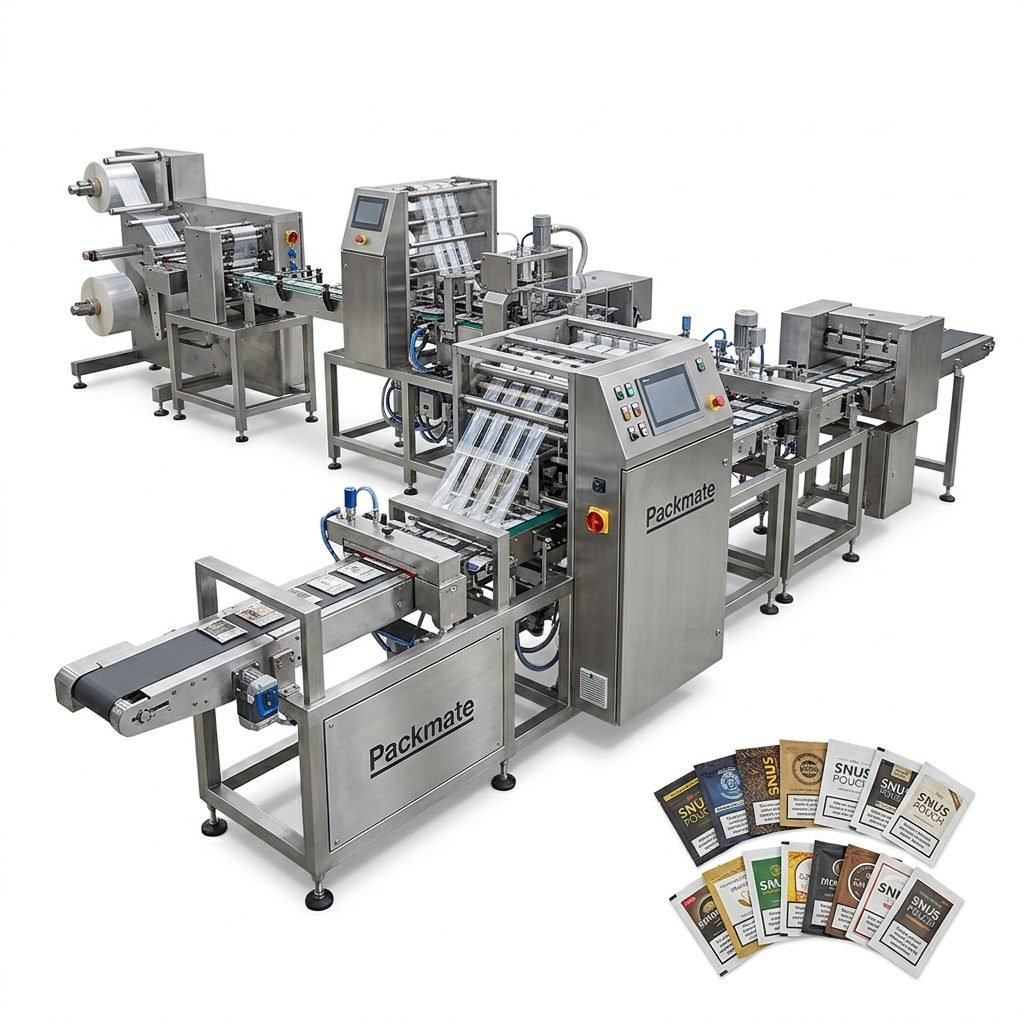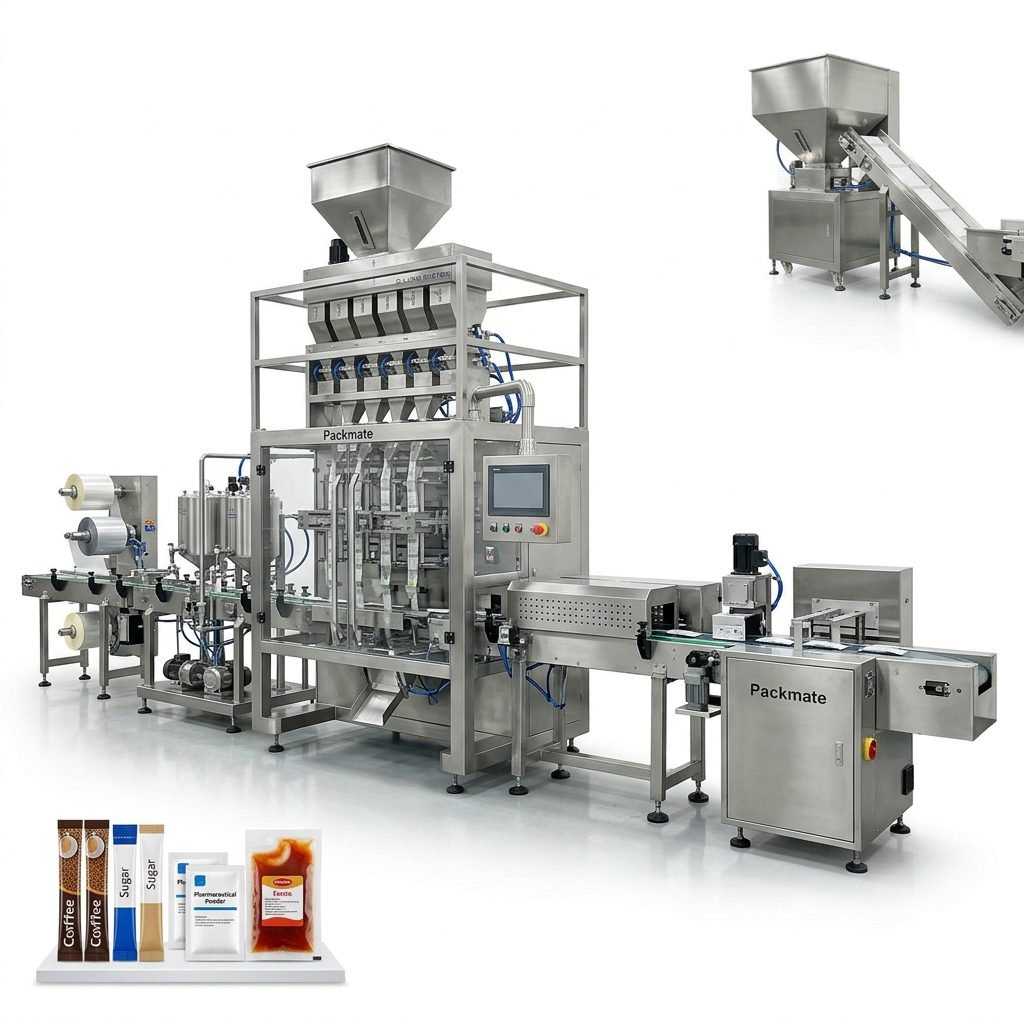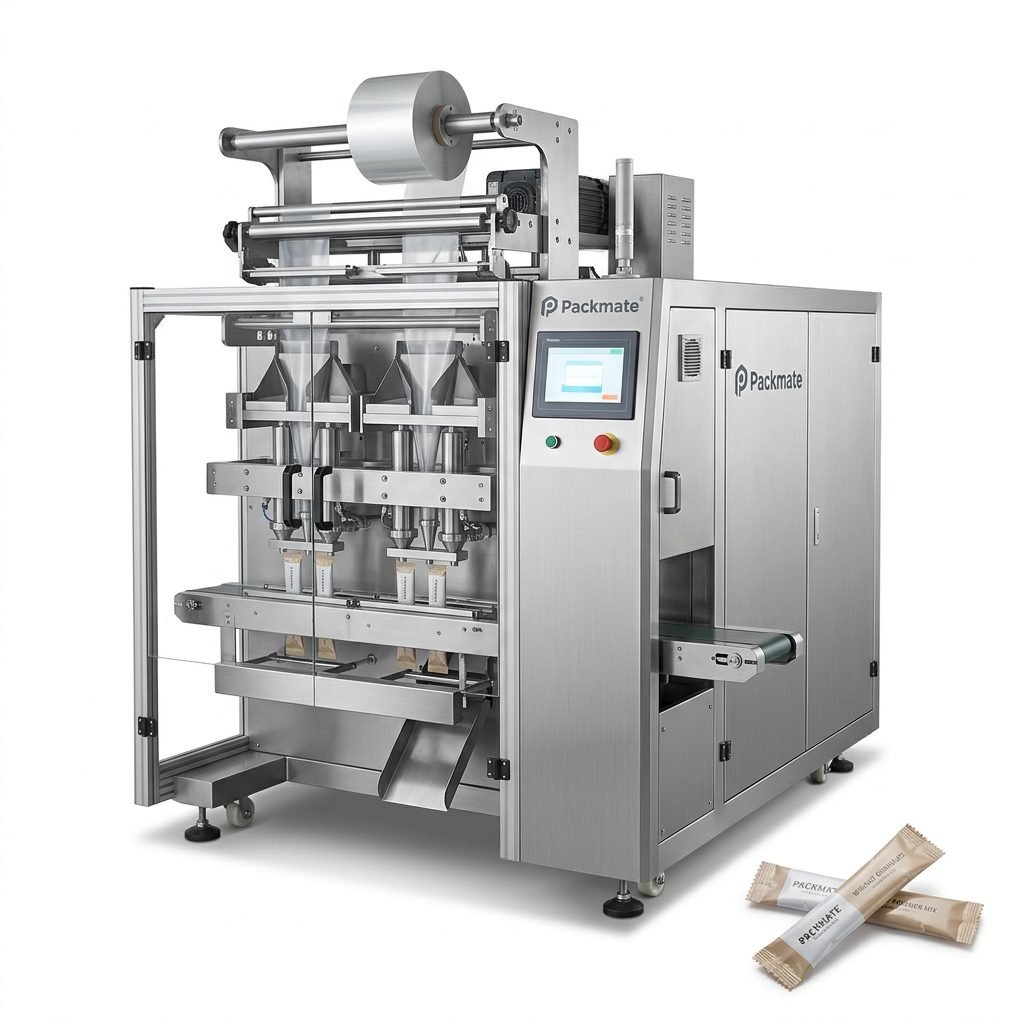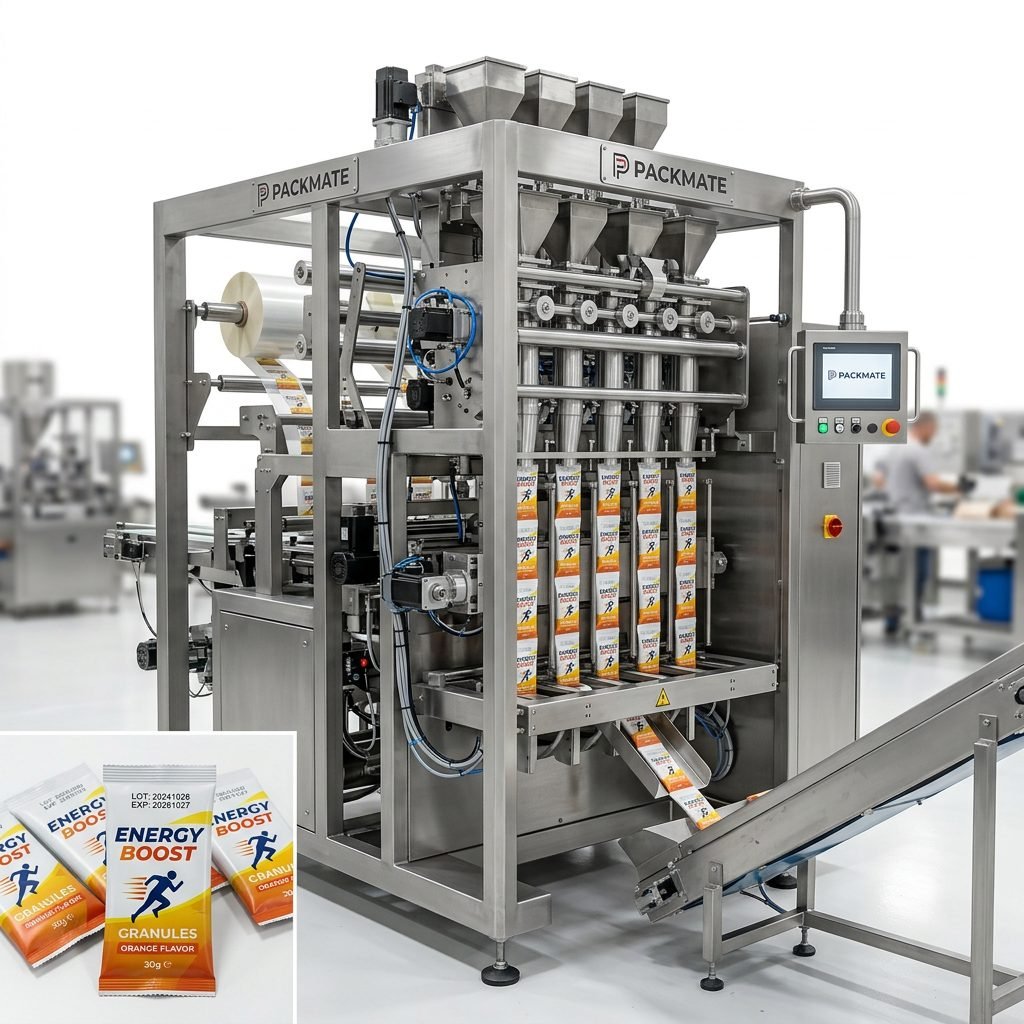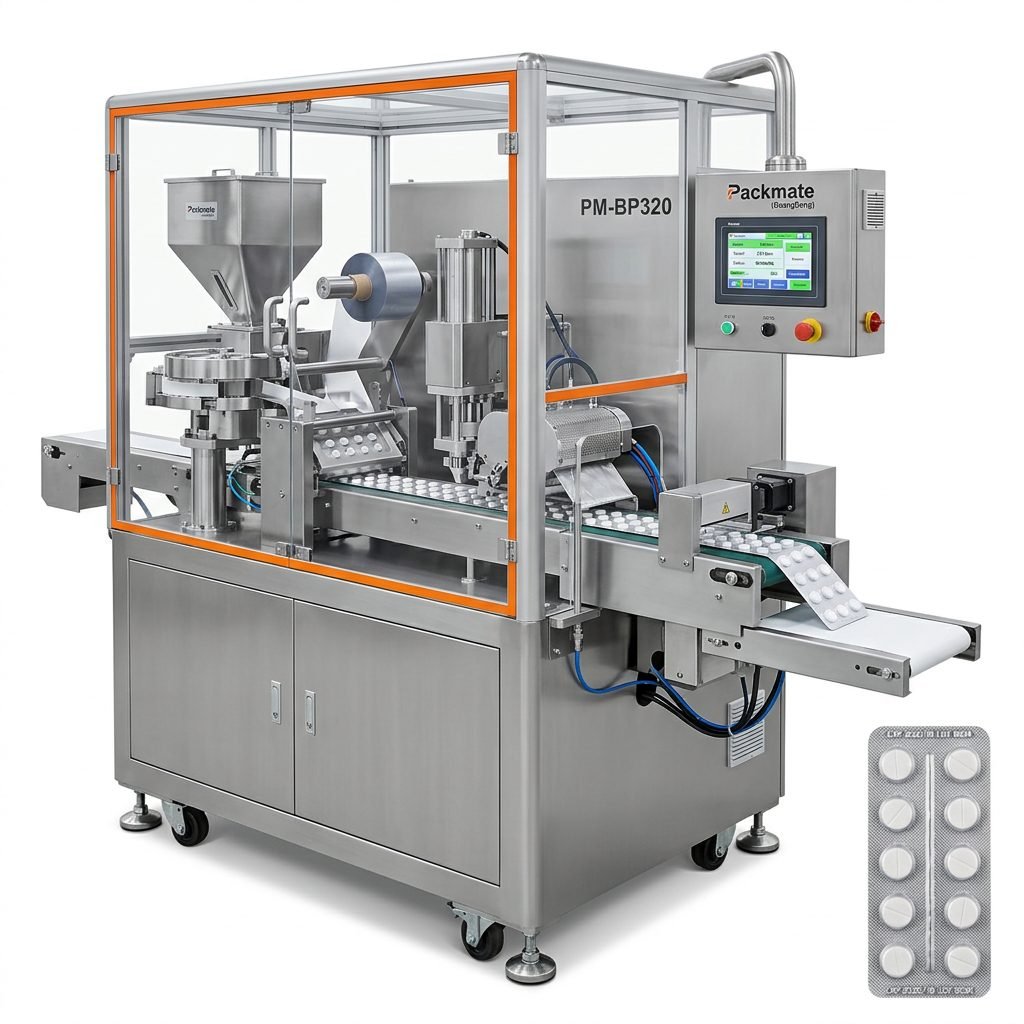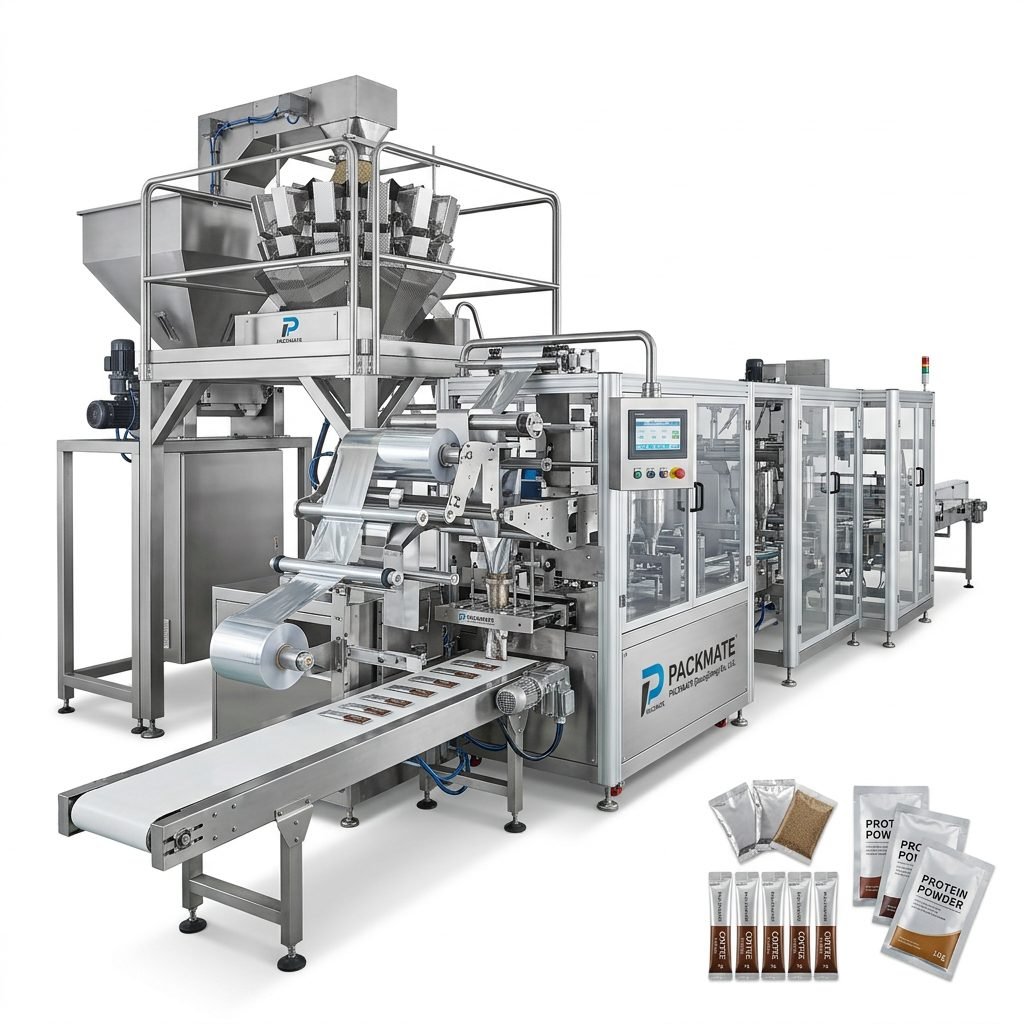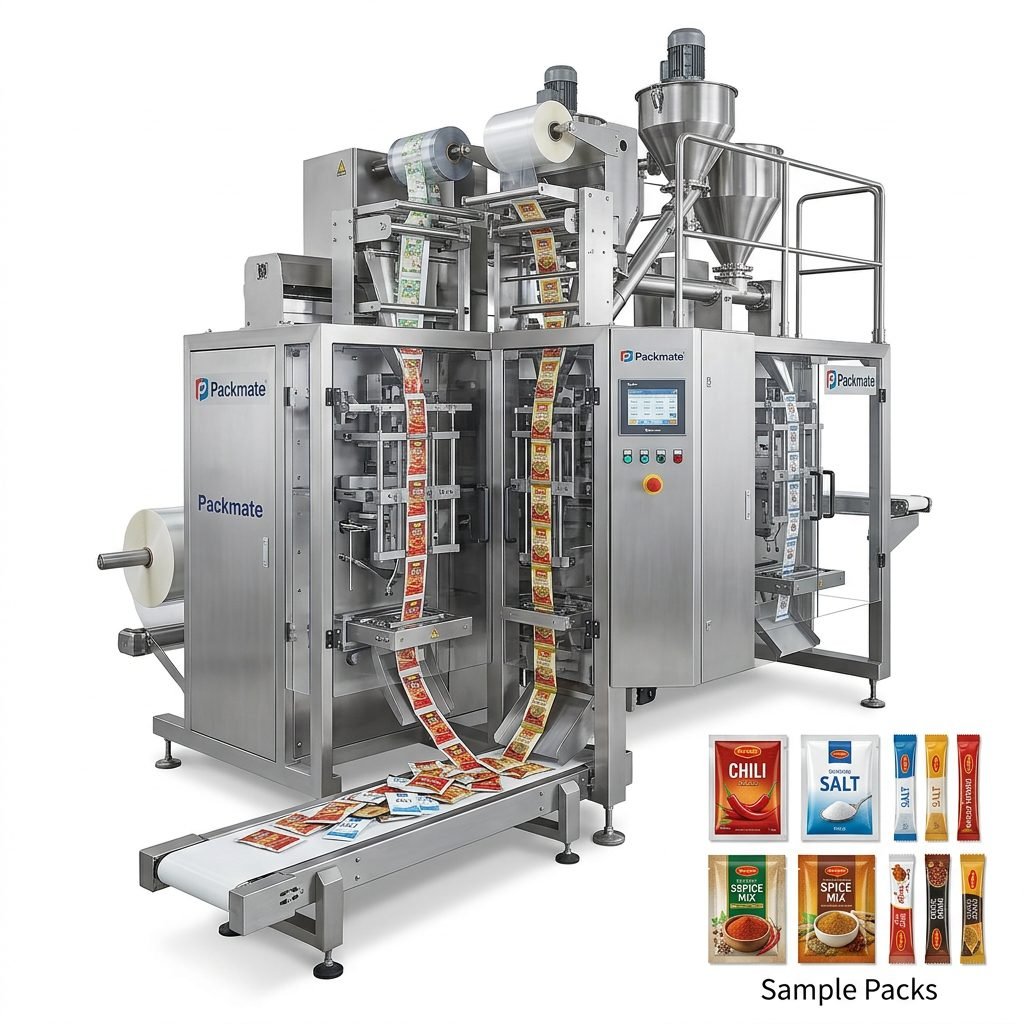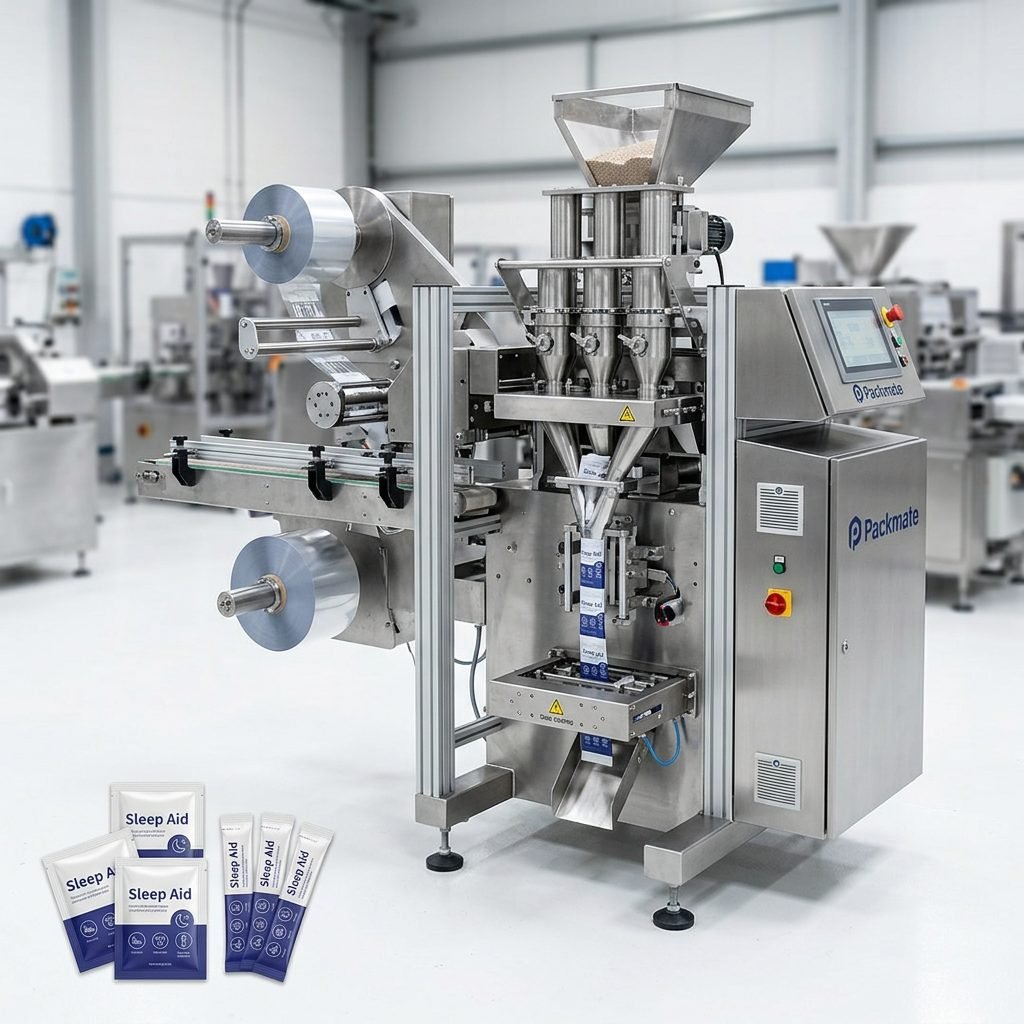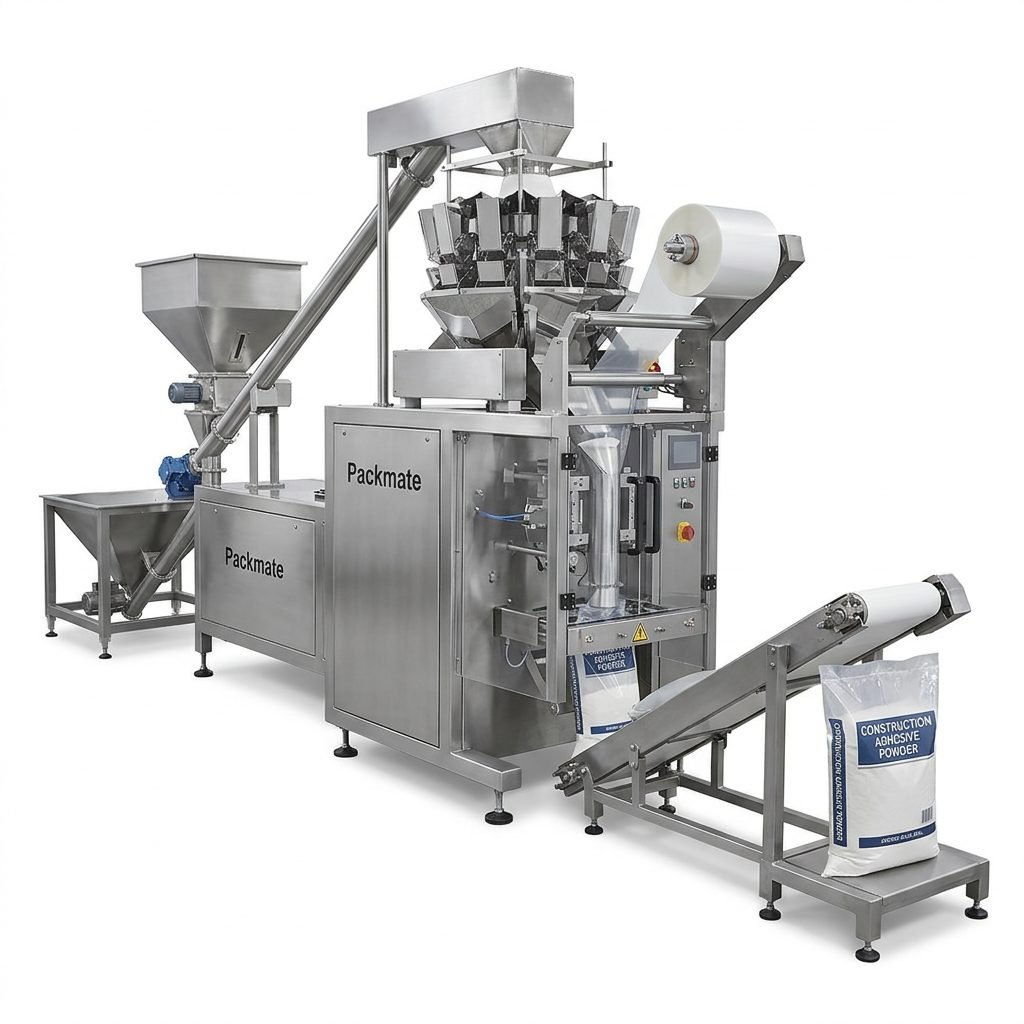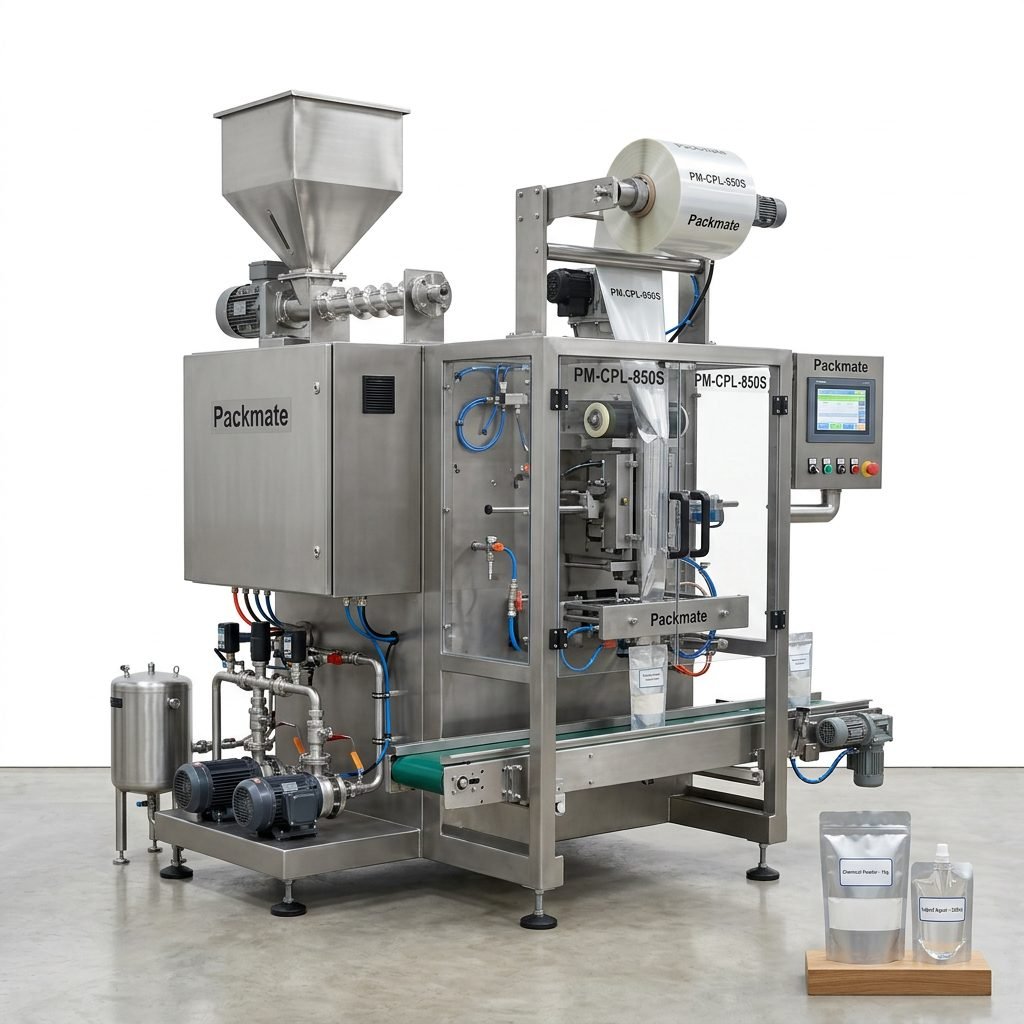
In the highly regulated and precision-driven world of pharmaceuticals, packaging is far more than just a final step—it’s a critical component of product integrity, safety, and patient trust. For manufacturers of sachets, stick packs, and liquid pharmaceuticals, achieving consistent, compliant, and efficient packaging at scale presents a unique set of challenges. The solution lies in turnkey automation: integrated packaging line solutions designed from the ground up to meet the stringent demands of the industry.
Why Turnkey Automation is Non-Negotiable in Pharma
Pharmaceutical packaging lines must operate with near-perfect accuracy. Any deviation can lead to product contamination, incorrect dosing, or regulatory non-compliance. A turnkey solution ensures that every component—from the dosing system and form-fill-seal machine to the cartoner and case packer—is engineered to work in flawless harmony. This eliminates integration headaches, reduces validation time, and provides a single point of accountability for the entire line’s performance, a principle deeply embedded in the operations at Packmate (GuangDong) Co., Ltd..
Precision Engineered Solutions for Every Format
1. Sachet Packaging Lines: Versatility for Powders and Granules
Pharmaceutical sachets are ideal for unit-dose powders, granules, or instant drink mixes. A modern automated sachet line must handle a variety of materials, provide ultra-precise filling, and ensure a hermetic seal. Advanced systems incorporate checkweighers and metal detectors in-line to guarantee each sachet contains the exact weight and is free from contaminants. The flexibility to quickly changeover between sachet sizes is crucial for contract manufacturers producing multiple products.
2. Stick Pack Machinery: The Gold Standard for Portability
Stick packs have revolutionized the delivery of powdered supplements and pharmaceuticals. Their slim profile and excellent barrier properties make them a consumer favorite. Automated stick pack lines for pharma are high-speed marvels, often running multiple lanes simultaneously. Key features include servo-driven precision filling, nitrogen flushing for oxygen-sensitive products, and vision systems to inspect every pack for seal integrity and print quality. Exploring our comprehensive packaging solutions reveals the depth of technology available for this format.
3. Liquid Packaging Systems: Accuracy and Aseptic Assurance
Packaging liquids—from syrups and suspensions to sterile solutions—demands the highest level of control. Turnkey lines for liquid products feature positive displacement or peristaltic pumps for non-drip, volumetric filling. For sensitive biologics, integrated aseptic or cleanroom-compatible environments are essential. These systems often include capping, torque control, and leak testing modules to ensure every bottle or vial is perfectly sealed and ready for the market.
The Packmate Advantage: Over Two Decades of Focus
With a foundation built over 22+ years, Packmate embodies the evolution of pharmaceutical packaging automation. From a specialized workshop to a company with a 20,000㎡ modern facility, the journey has been guided by a core mission: to transform complex packaging challenges into streamlined, reliable processes. Our team of 125+ professionals doesn’t just sell machines; we deliver confidence through integrated systems that uphold GMP principles and enhance your operational efficiency. Witness this commitment in action through our global project case studies.
Key Components of a Successful Turnkey Line
Investing in a full line requires understanding its core technological pillars:
✔ Intelligent Control Systems: A centralized PLC or PC-based HMI allows for recipe management, real-time monitoring of OEE (Overall Equipment Effectiveness), and seamless data logging for traceability and audit trails.
✔ Hygienic & Easy-Clean Design: All contact parts are made from FDA-compliant materials like 316L stainless steel, with designs that prevent product entrapment and allow for rapid cleaning and changeover.
✔ Integrated Quality Assurance: In-line checkweighers, vision inspection systems, and metal detectors are not add-ons but integral parts of the line, automatically rejecting any non-conforming package.
✔ Scalability & Future-Proofing: A well-designed line can accommodate future increases in speed or the addition of new modules, such as serialization equipment, protecting your long-term investment.
Driving Efficiency from Concept to Market
The benefits of a turnkey automated packaging line extend across the entire business:
Enhanced Compliance & Traceability
Automated systems provide consistent, documentable processes that are essential for meeting FDA, EMA, and other global regulatory standards. Every action is recorded, ensuring full batch traceability.
Maximized Productivity & Yield
By minimizing manual handling, changeover time, and product waste, automation significantly boosts overall line efficiency and output, directly improving your bottom line.
Reduced Total Cost of Ownership (TCO)
While the initial investment is strategic, the long-term savings in labor, reduced waste, lower risk of recalls, and consistent uptime make automation a financially sound decision.
Selecting the right partner is as important as selecting the right technology. It requires a vendor with proven experience, a deep understanding of pharmaceutical regulations, and a commitment to after-sales support. A partner like Packmate, which offers comprehensive technical service and support, ensures your line remains a valuable asset for years to come.
Frequently Asked Questions (FAQs)
1. What is the lead time for a complete turnkey packaging line?
Lead times vary based on line complexity and customization. A standard configuration may require 4-6 months from order to delivery, while highly customized or aseptic lines can take longer. Detailed project planning with your supplier will establish a clear timeline.
2. How do you ensure the line meets our specific product and capacity requirements?
Reputable suppliers conduct a thorough feasibility analysis. This often includes testing your product on their machines, reviewing required outputs, and designing a line layout. Always review their relevant case studies and request product trials.
3. What kind of training and support is provided after installation?
Comprehensive training for your operators, mechanics, and quality staff is crucial. Look for suppliers that offer on-site training during commissioning, detailed manuals, and readily available remote and on-call support services.
4. Can the line be integrated with our existing ERP/MES systems?
Most modern packaging lines with advanced control systems have OPC or other communication protocols that allow for data exchange with factory-level systems for production reporting and inventory management.
5. How do you address validation (IQ/OQ/PQ) for pharmaceutical lines?
Professional suppliers provide extensive documentation packs (Design Specs, Functional Specs) and support the installation, operational, and performance qualification processes. They understand the validation lifecycle critical to the pharmaceutical industry.