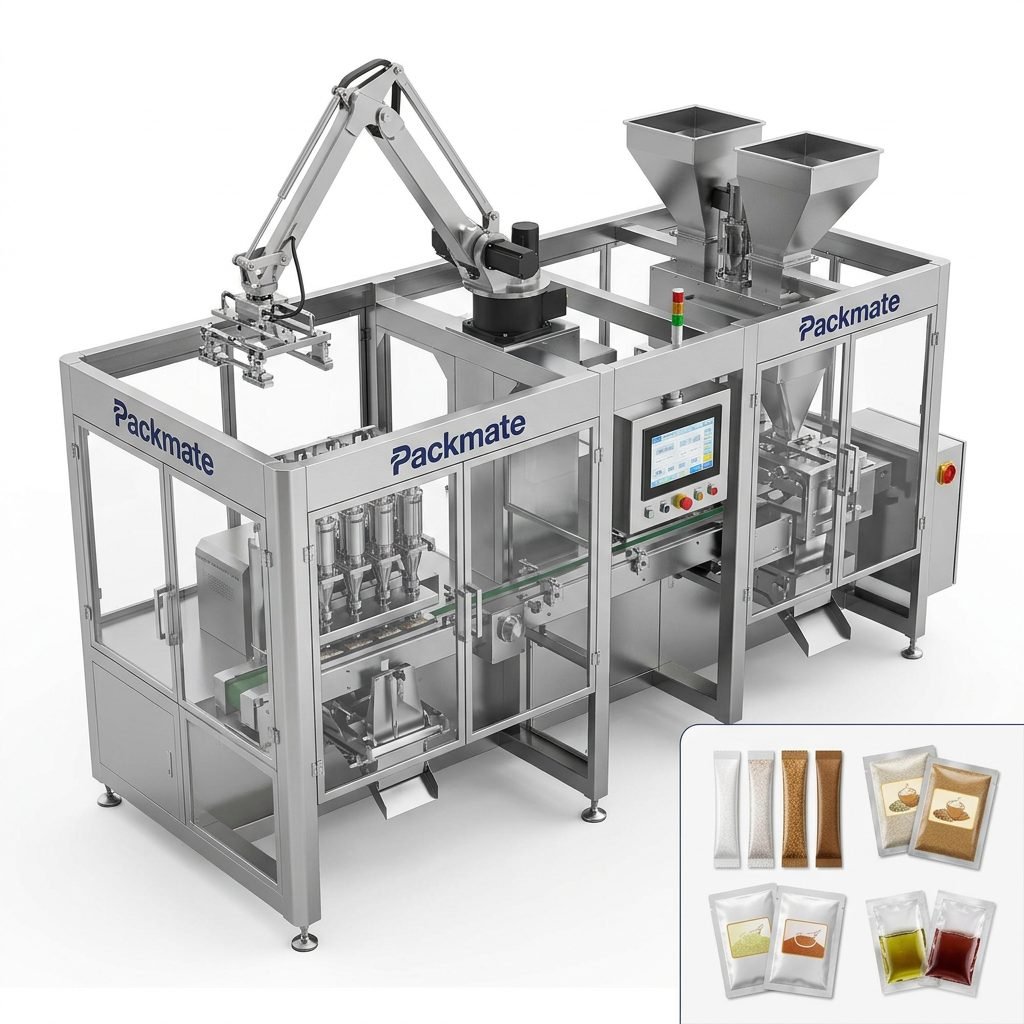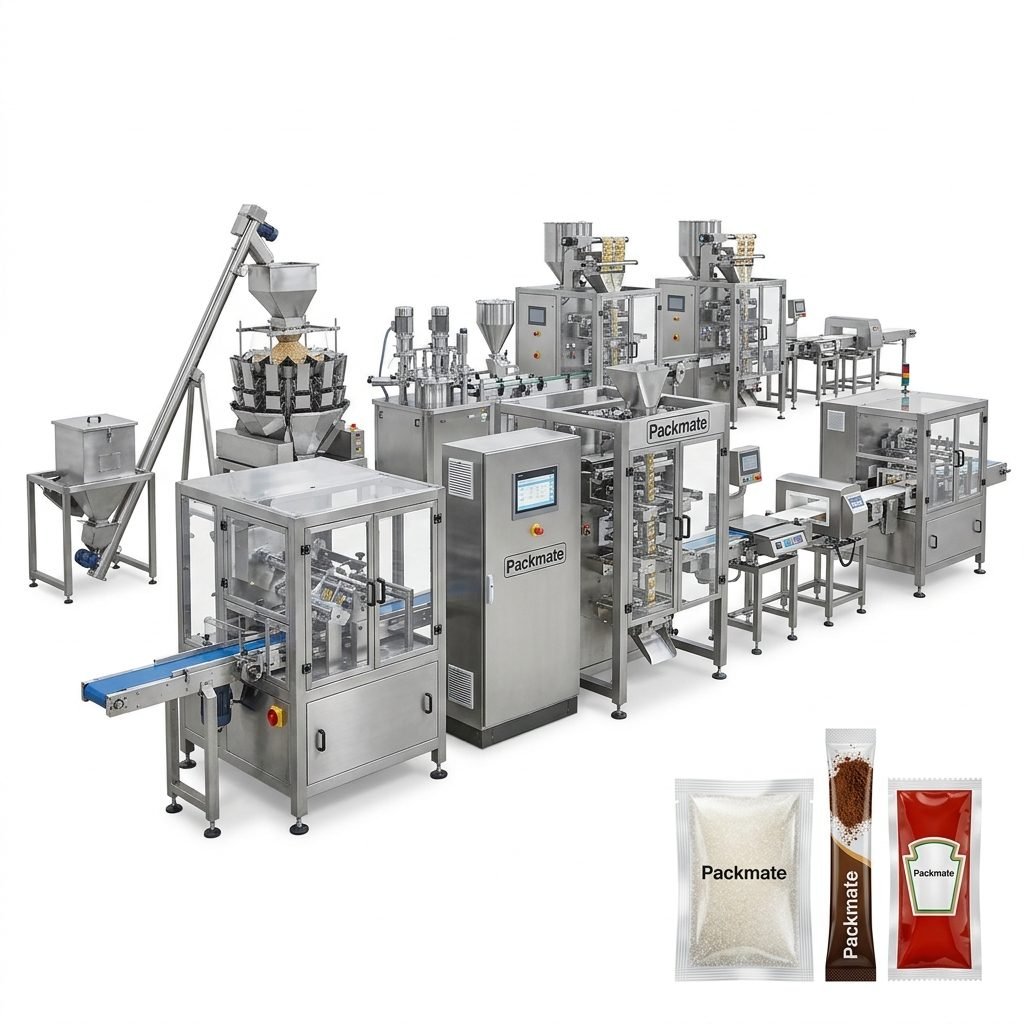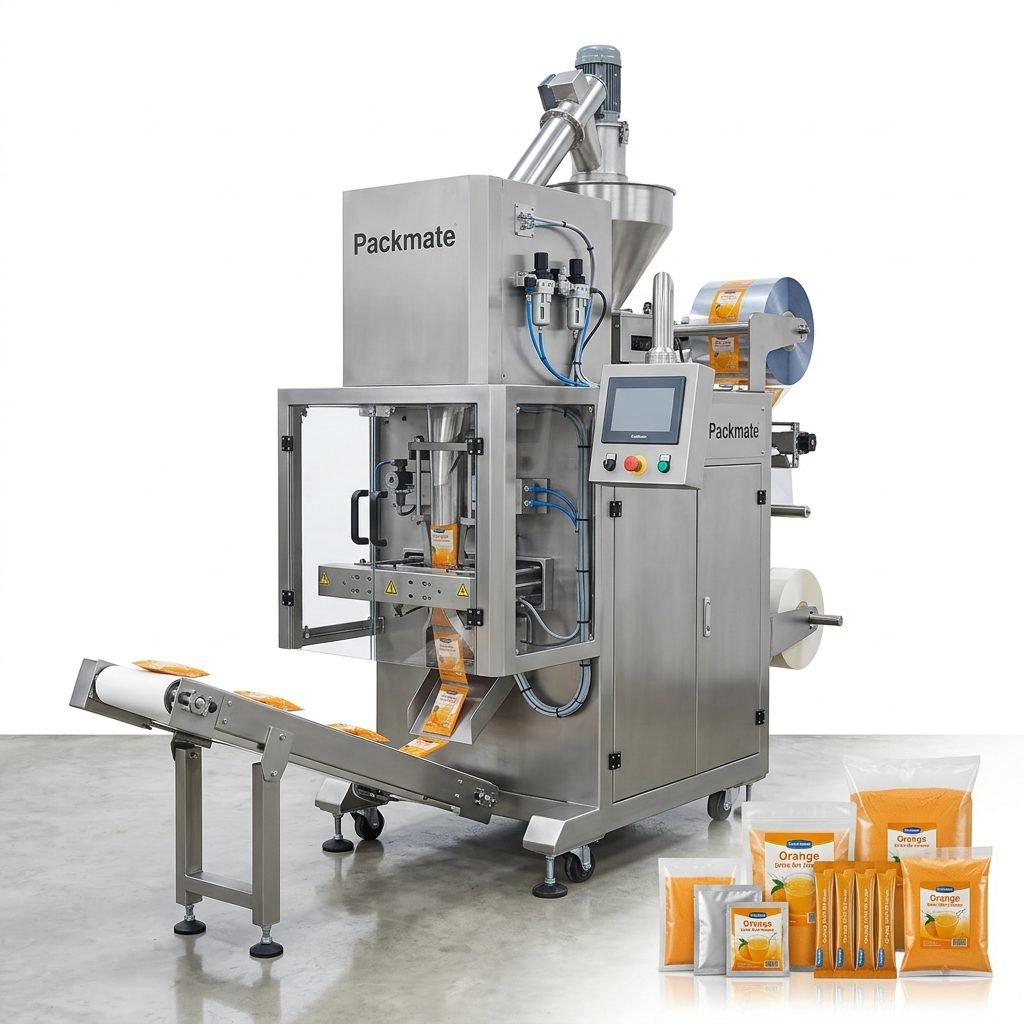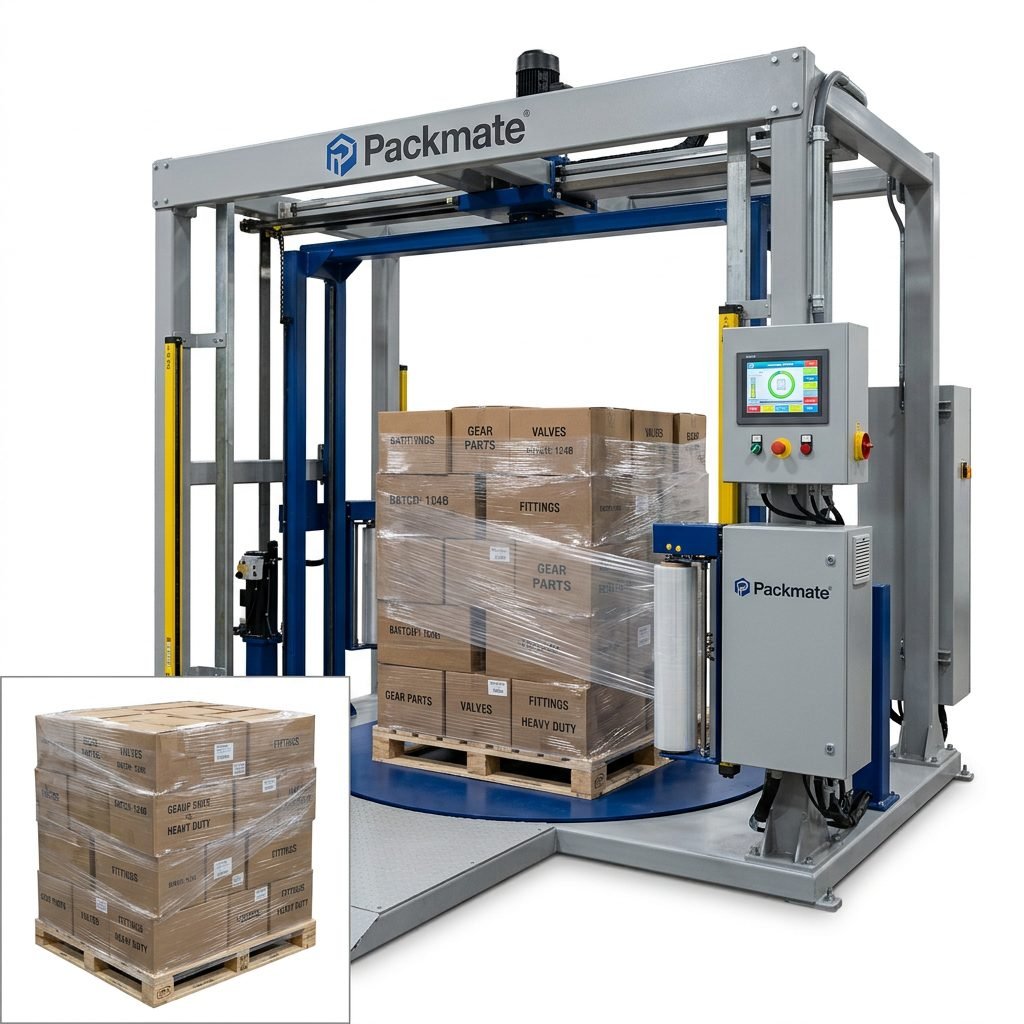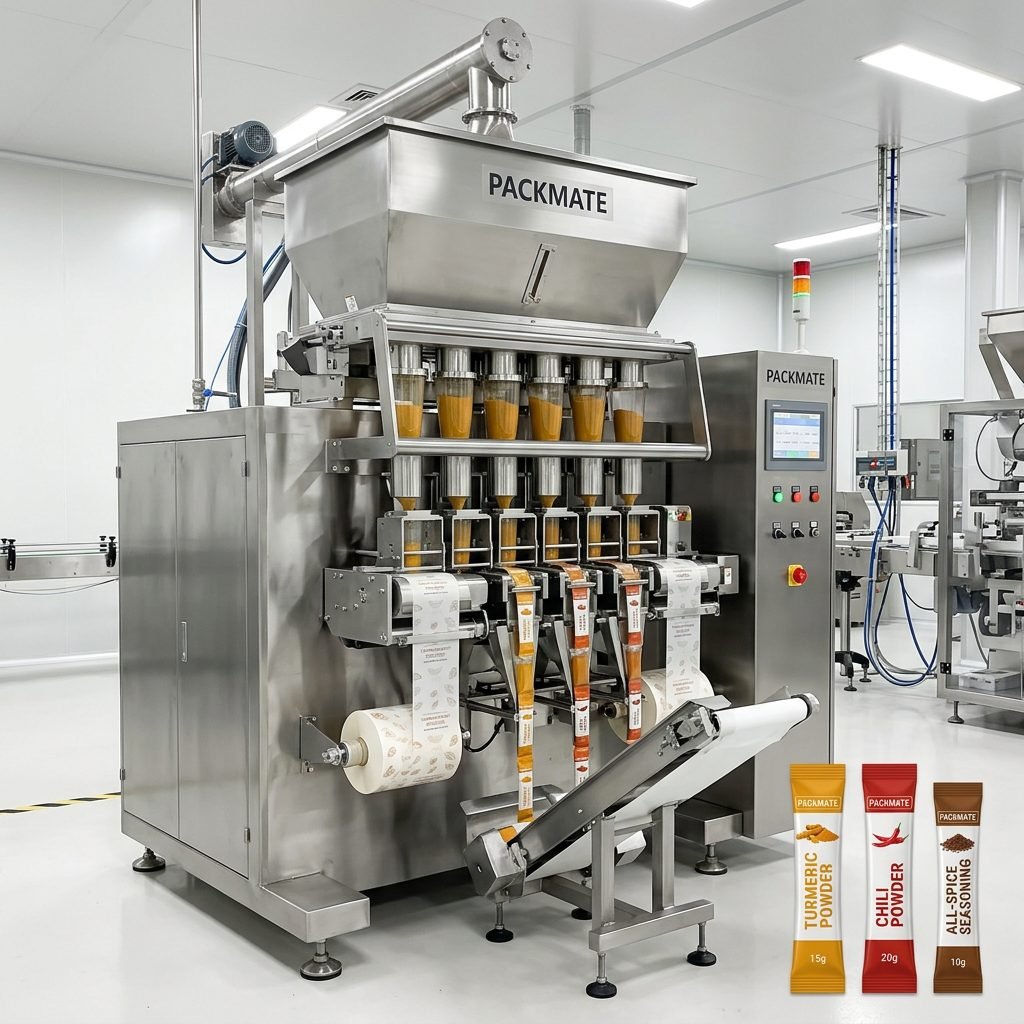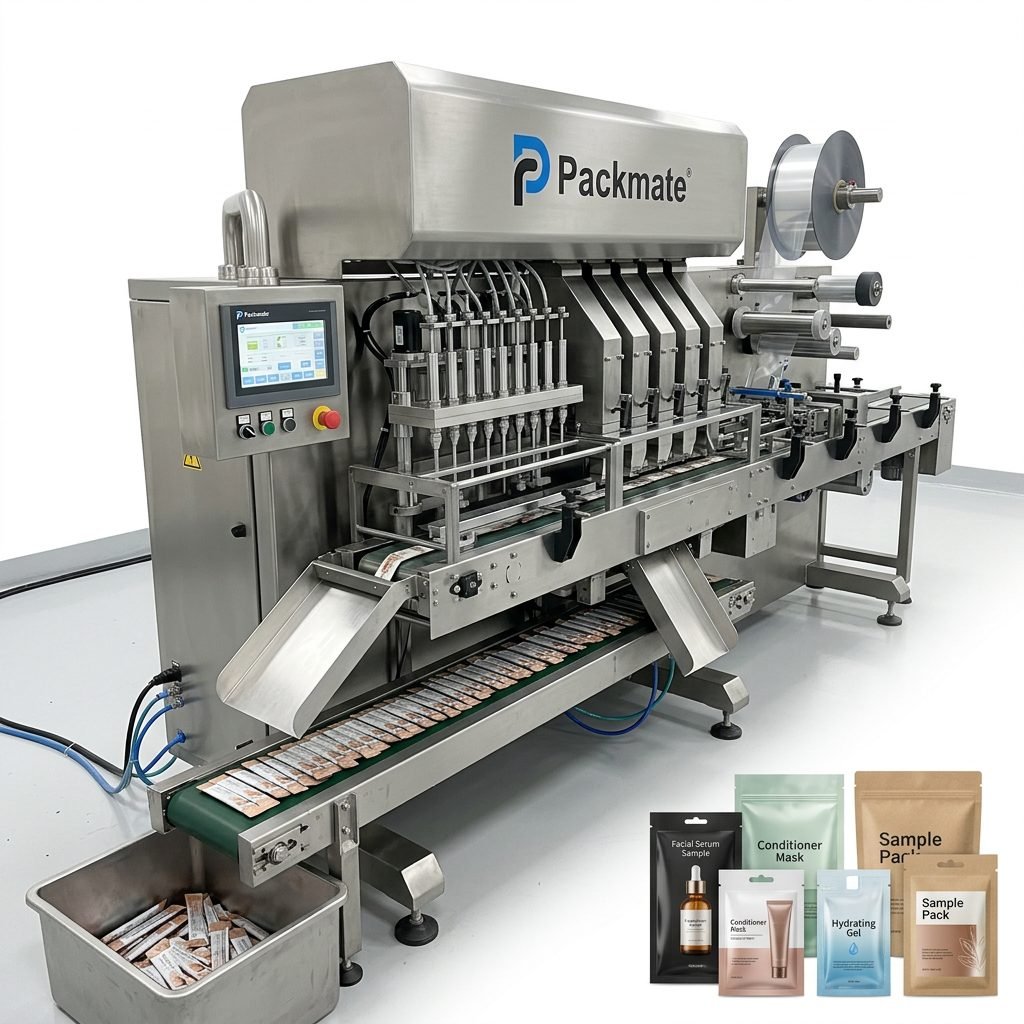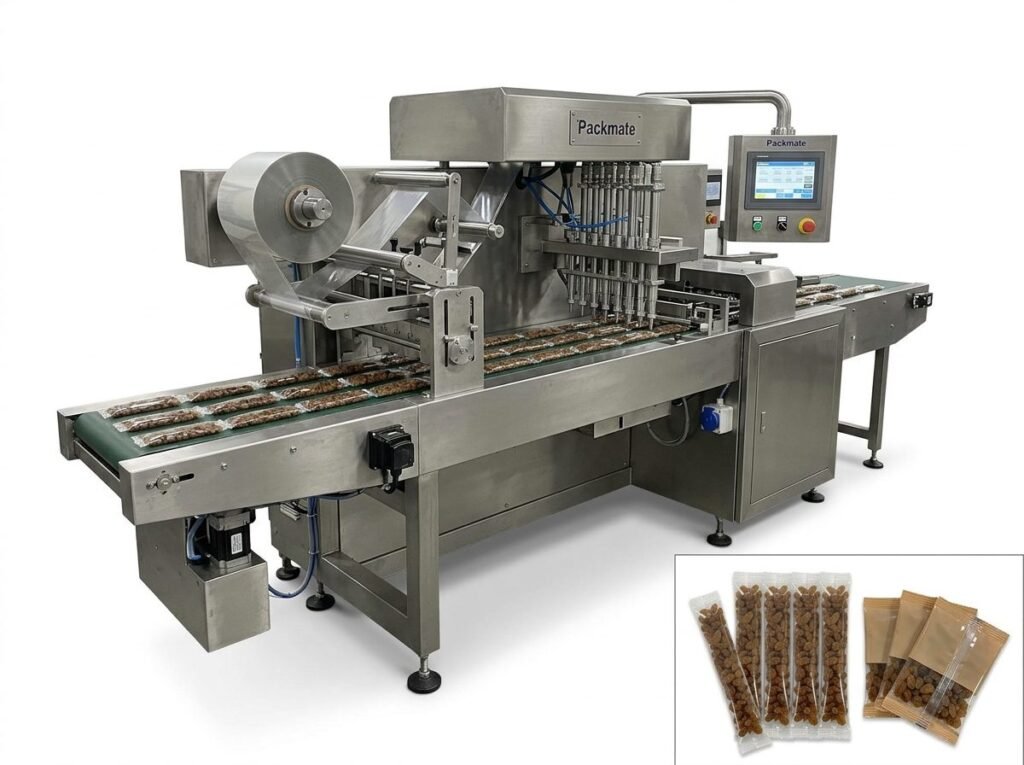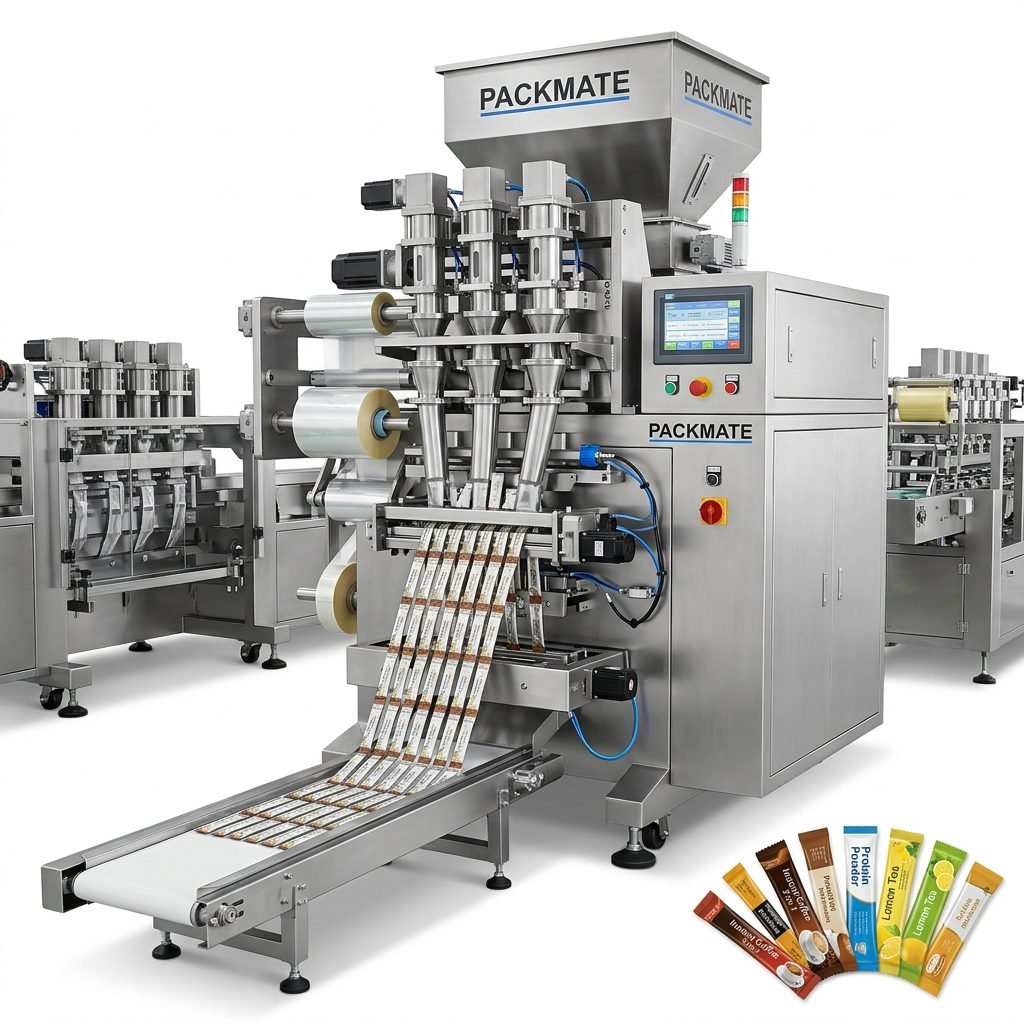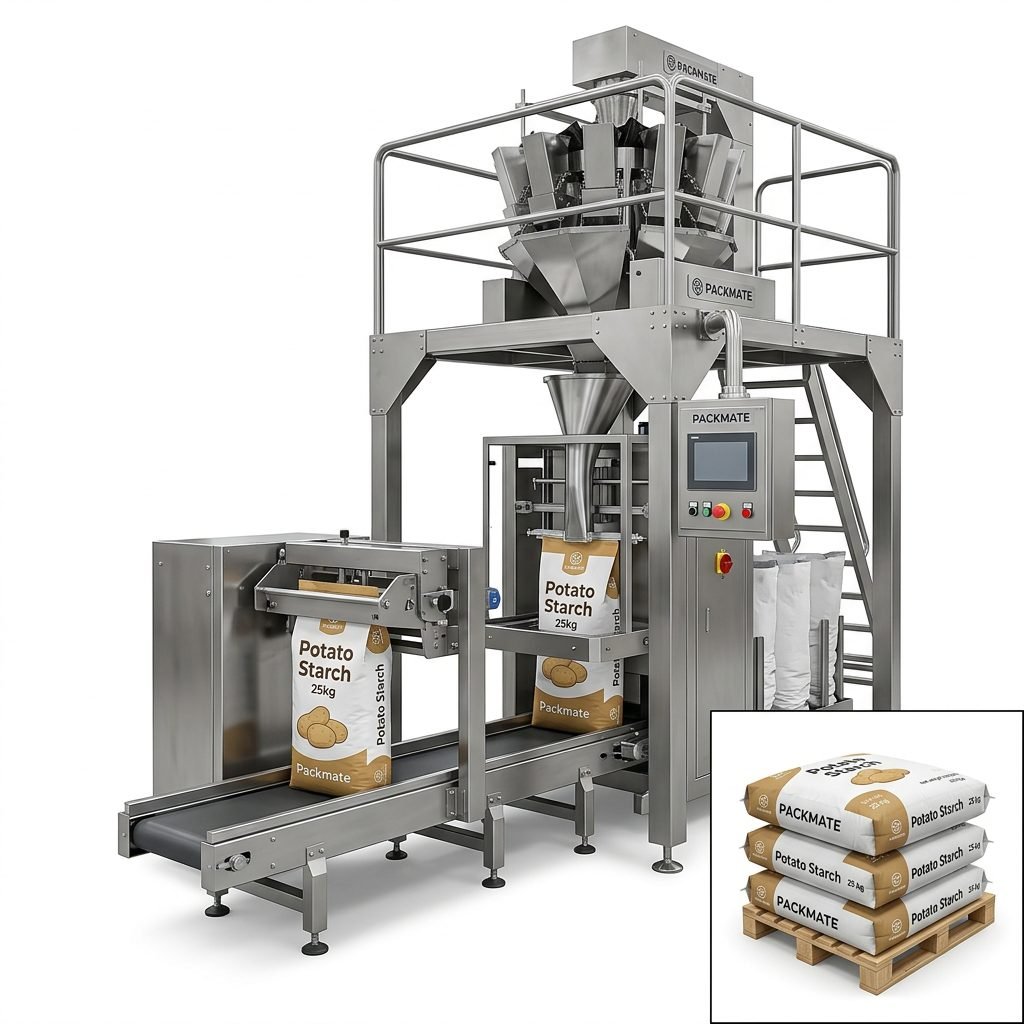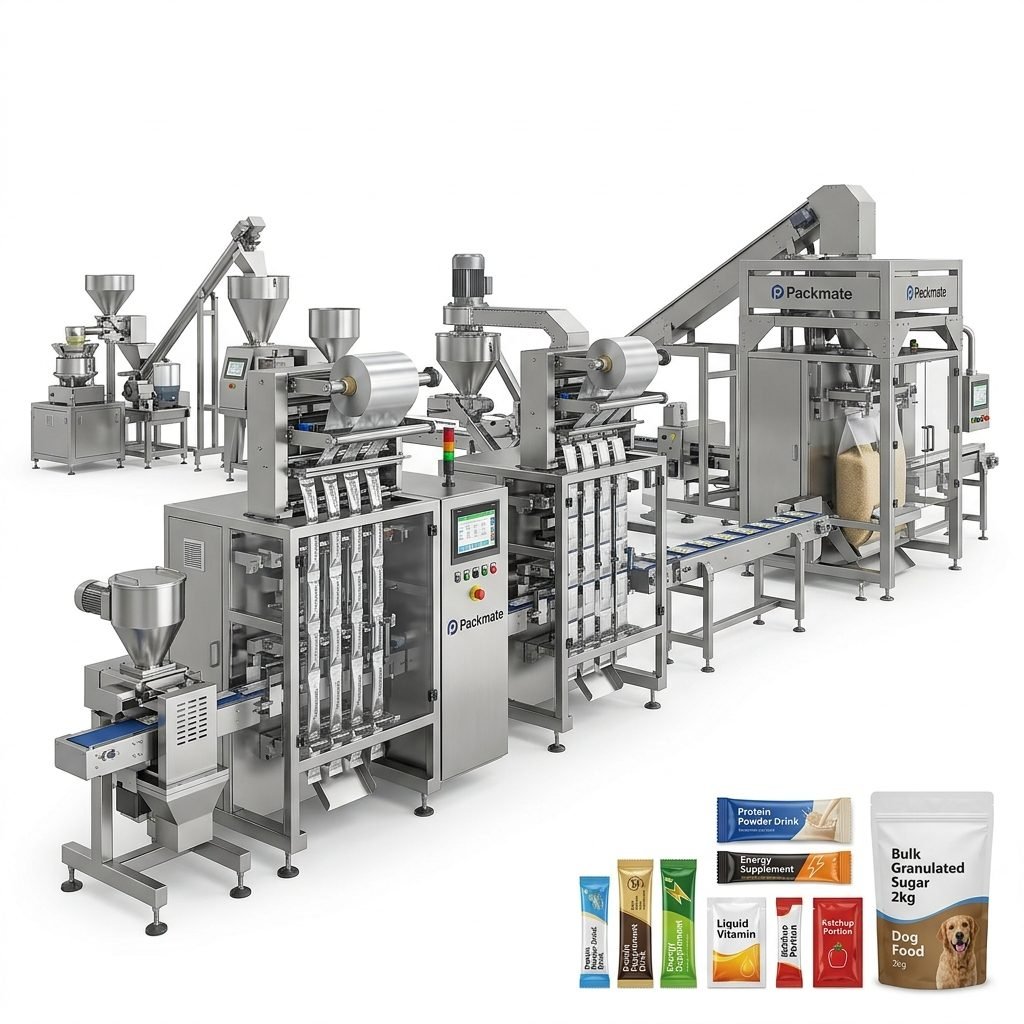
The role of a Packaging Line Operator is pivotal in the modern manufacturing landscape. These professionals are the hands-on experts who ensure that the complex machinery, which forms the backbone of industries like food, pharmaceuticals, and consumer goods, runs smoothly, efficiently, and safely. Their work directly impacts product quality, production speed, and overall operational cost. This article delves into the core duties, essential skills, salary expectations, and the promising career path for individuals in this field, with insights drawn from industry leaders like Packmate (GuangDong) Co., Ltd..
Core Duties and Responsibilities
A Packaging Line Operator’s day is dynamic and multifaceted. Their primary responsibility is to oversee the operation of automated or semi-automated packaging lines, which may include machines for filling, sealing, labeling, and cartoning. Key duties include:
→ Machine Setup & Changeover: Configuring machinery for different product runs, which involves adjusting parameters, installing correct packaging materials (like films or cartons), and performing calibration tests.
→ Monitoring & Quality Control: Continuously observing line performance, checking for defects (seal integrity, fill accuracy, label placement), and performing routine quality checks to ensure products meet stringent standards.
→ Troubleshooting & Minor Repairs: Identifying and resolving common mechanical, electrical, or software-related issues to minimize downtime. This requires a keen eye and practical problem-solving skills.
→ Maintenance & Cleaning: Performing scheduled preventive maintenance (lubrication, part inspections) and ensuring the line is cleaned and sanitized according to industry protocols, especially critical in food and pharma sectors.
→ Documentation & Reporting: Accurately logging production data, downtime causes, quality incidents, and maintenance activities for process tracking and continuous improvement initiatives.
Essential Skills for Success
To excel as a Packaging Line Operator, a blend of technical knowledge and soft skills is required. The automation and sophistication of modern lines, such as those developed by Packmate’s advanced solutions, demand a competent operator profile.
Technical & Mechanical Aptitude
Understanding how machines work is fundamental. Operators need a grasp of mechanical principles, basic pneumatics, and, increasingly, touch-screen PLC (Programmable Logic Controller) interfaces. The ability to read simple technical manuals and diagrams is invaluable.
Attention to Detail & Vigilance
Spotting a misaligned label or a weak seal amidst high-speed production requires exceptional focus. This skill is non-negotiable for maintaining consistent product quality and preventing waste.
Problem-Solving & Initiative
When a line jams or a sensor fails, quick and logical thinking is essential. Successful operators can diagnose root causes and apply corrective actions efficiently, often under time pressure.
Teamwork & Communication
Operators rarely work in isolation. They coordinate with maintenance technicians, quality assurance staff, and supervisors. Clear communication about line status and issues is crucial for team success.
Commitment to Safety
Adherence to Lockout-Tagout (LOTO) procedures, proper use of Personal Protective Equipment (PPE), and a strong safety mindset protect both the operator and their colleagues.
Salary Expectations and Influencing Factors
Salaries for Packaging Line Operators vary based on location, industry, experience, and the complexity of the machinery operated. According to various employment data sources in manufacturing regions:
- Entry-Level: Individuals with less than 2 years of experience can expect an annual salary in the lower range, often supplemented with overtime opportunities.
- Experienced Operators: Those with 3-5 years of experience, especially skilled in operating high-speed or aseptic lines, command significantly higher wages.
- Specialized Industries: Operators in pharmaceuticals, medical devices, or high-end food packaging typically earn more due to stricter regulations and required precision.
- Additional Factors: Certifications (e.g., in industrial maintenance), shift differentials for night or weekend work, and union representation can positively impact total compensation.
Proficiency with specific, advanced equipment from leading providers can make an operator more valuable. Exploring the diverse case studies of implemented lines can illustrate the level of technology operators may work with.
A Clear Career Advancement Path
A position as a Packaging Line Operator is not a dead-end job; it’s a launchpad for a rewarding career in manufacturing. The hands-on experience gained is irreplaceable. A typical progression might look like this:
1. Senior Line Operator / Lead Operator
After mastering one line, operators often take responsibility for mentoring newcomers, overseeing multiple lines, or handling the most complex changeovers and troubleshooting.
2. Packaging Technician / Maintenance Technician
With additional training, an operator can transition into a more dedicated technical role, focusing on advanced repairs, preventive maintenance programs, and supporting engineering projects.
3. Production Supervisor / Team Lead
Leadership skills developed on the floor can lead to supervisory positions, managing a team of operators, coordinating production schedules, and ensuring safety and quality targets are met.
4. Specialized Roles
Paths can diverge into quality control, process improvement (Lean/Six Sigma), training, or even sales and service for packaging machine OEMs, where firsthand operational experience is highly prized. Companies that invest in their workforce, evident in their mission and corporate culture, often provide clearer pathways for such growth.
The Future of the Role: Automation and Adaptation
The integration of Industry 4.0 technologies is transforming the packaging floor. Operators are increasingly becoming “line controllers,” interacting with IoT-enabled machines, analyzing real-time performance data on dashboards, and performing more predictive rather than reactive tasks. This shift elevates the role, requiring continuous learning in digital literacy and data interpretation. The future operator will be a hybrid of traditional mechanical skill and new-age technological fluency.
Frequently Asked Questions (FAQs)
What is the most challenging part of a Packaging Line Operator’s job?
The most challenging aspect is often managing unplanned downtime. Quickly diagnosing the root cause of a sudden line stoppage—whether mechanical, electrical, or material-related—under production pressure requires deep knowledge, experience, and calm composure.
What kind of training or education is typically required?
While a high school diploma is often the minimum, employers highly value post-secondary certificates in mechatronics, industrial maintenance, or manufacturing technology. On-the-job training is extensive, and many companies offer apprenticeship programs. For more specific queries, one can always refer to a company’s dedicated FAQ section.
Is this a physically demanding job?
It can be. Operators may be on their feet for most of a shift, perform light lifting (bags of materials, toolboxes), and need to maneuver in sometimes tight spaces around equipment. Good physical stamina is beneficial.
How important is communication in this role?
Extremely important. Operators must clearly communicate issues to maintenance and supervisors, report production data accurately, and often work as part of a shift team. Poor communication can lead to errors, delays, and safety incidents.
What makes a Packaging Line Operator stand out for promotion?
Operators who demonstrate proactive problem-solving, take initiative to learn new technologies (like the latest packaging line innovations), consistently maintain high quality and safety standards, and show leadership potential by helping train others are prime candidates for advancement.