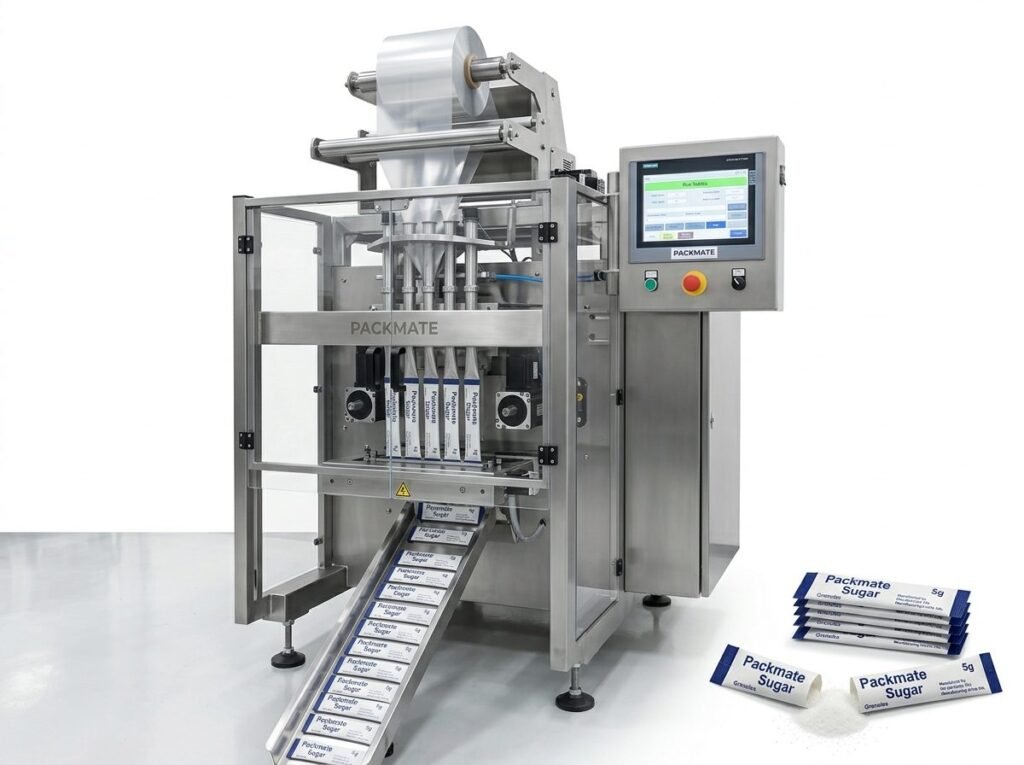
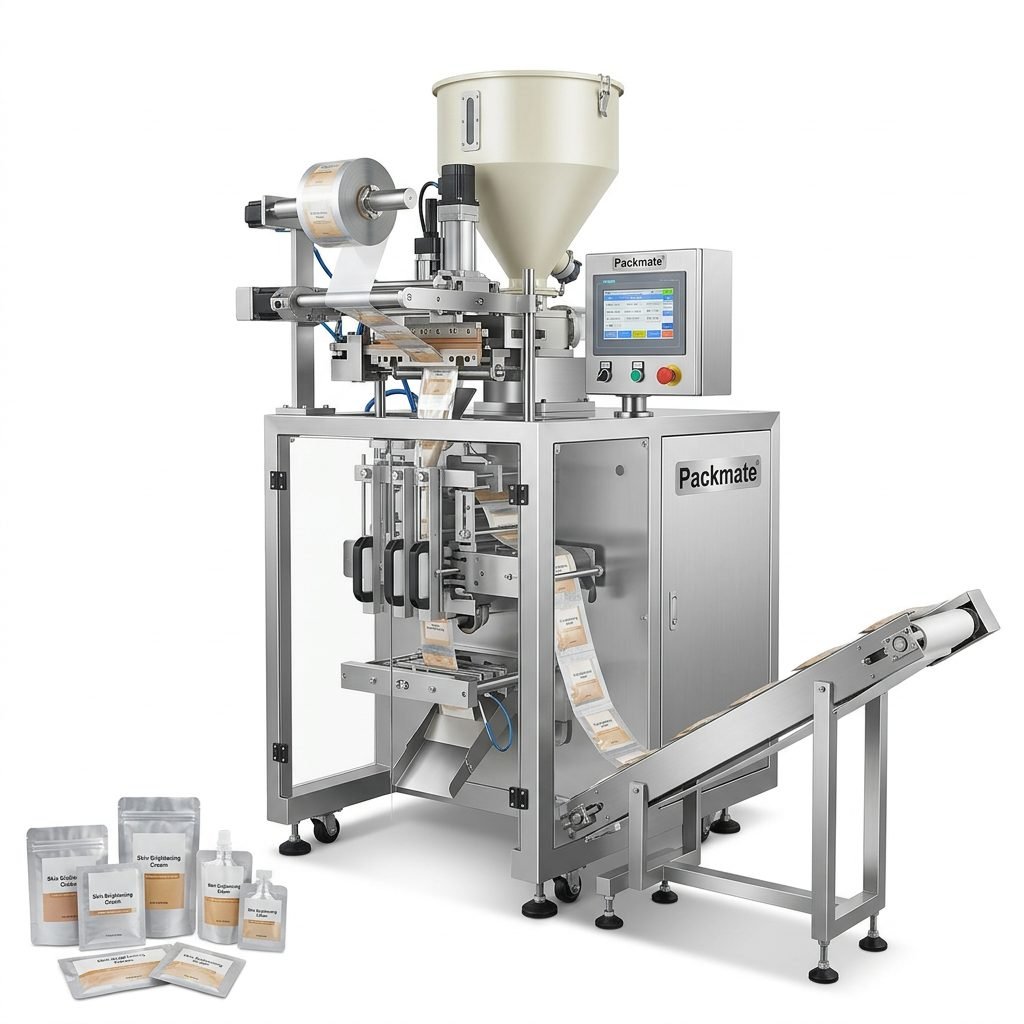
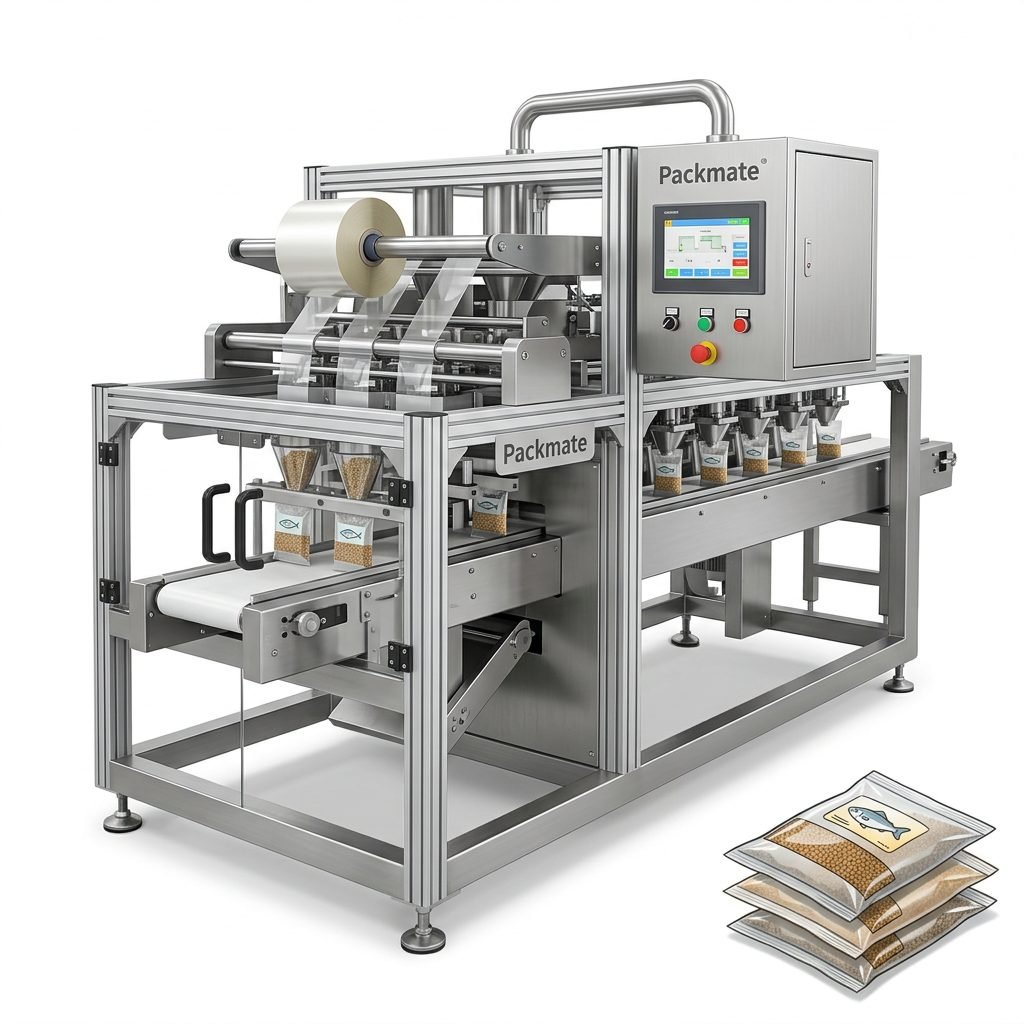
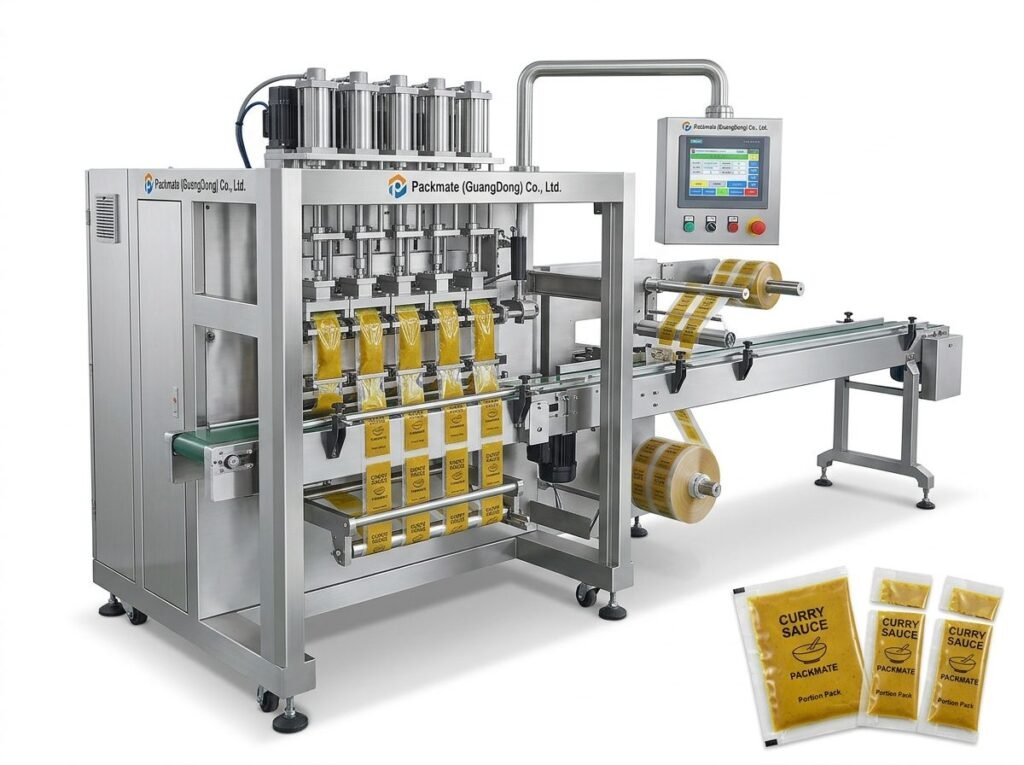
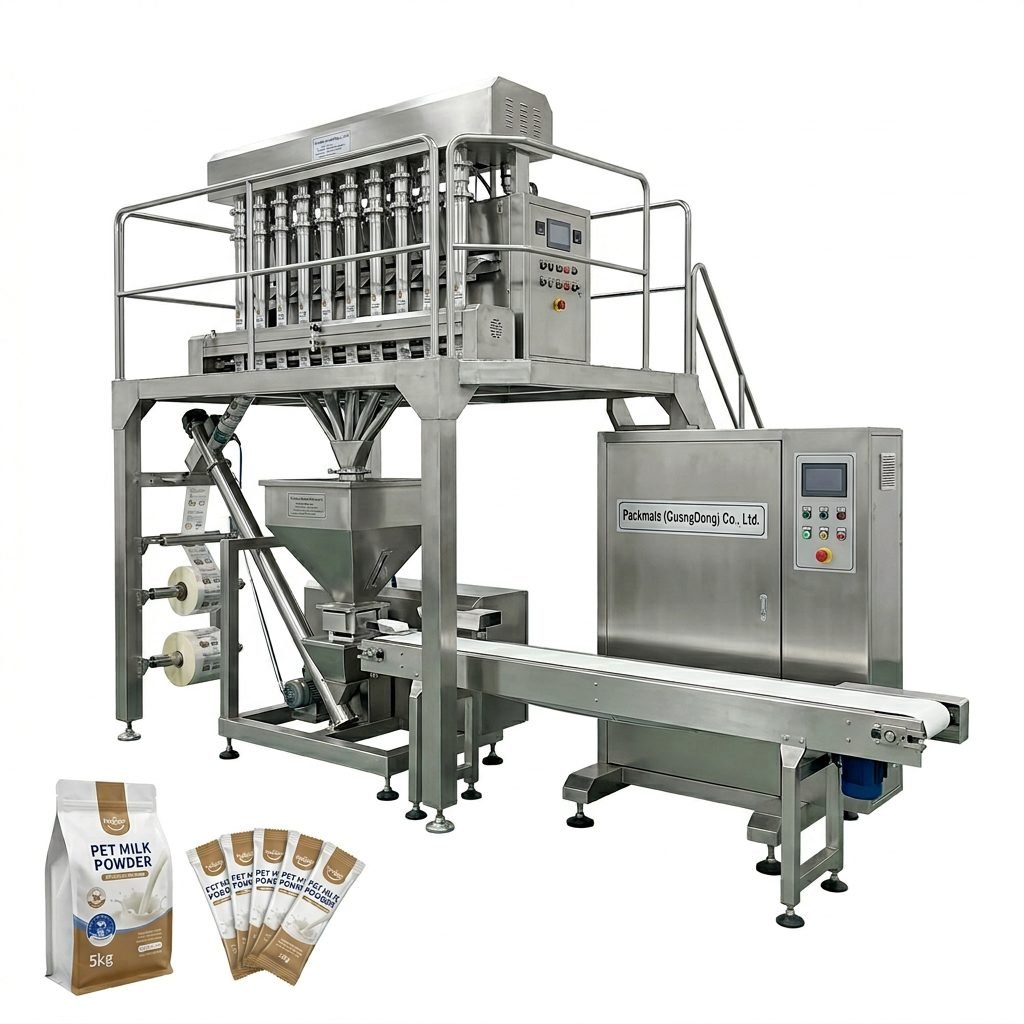
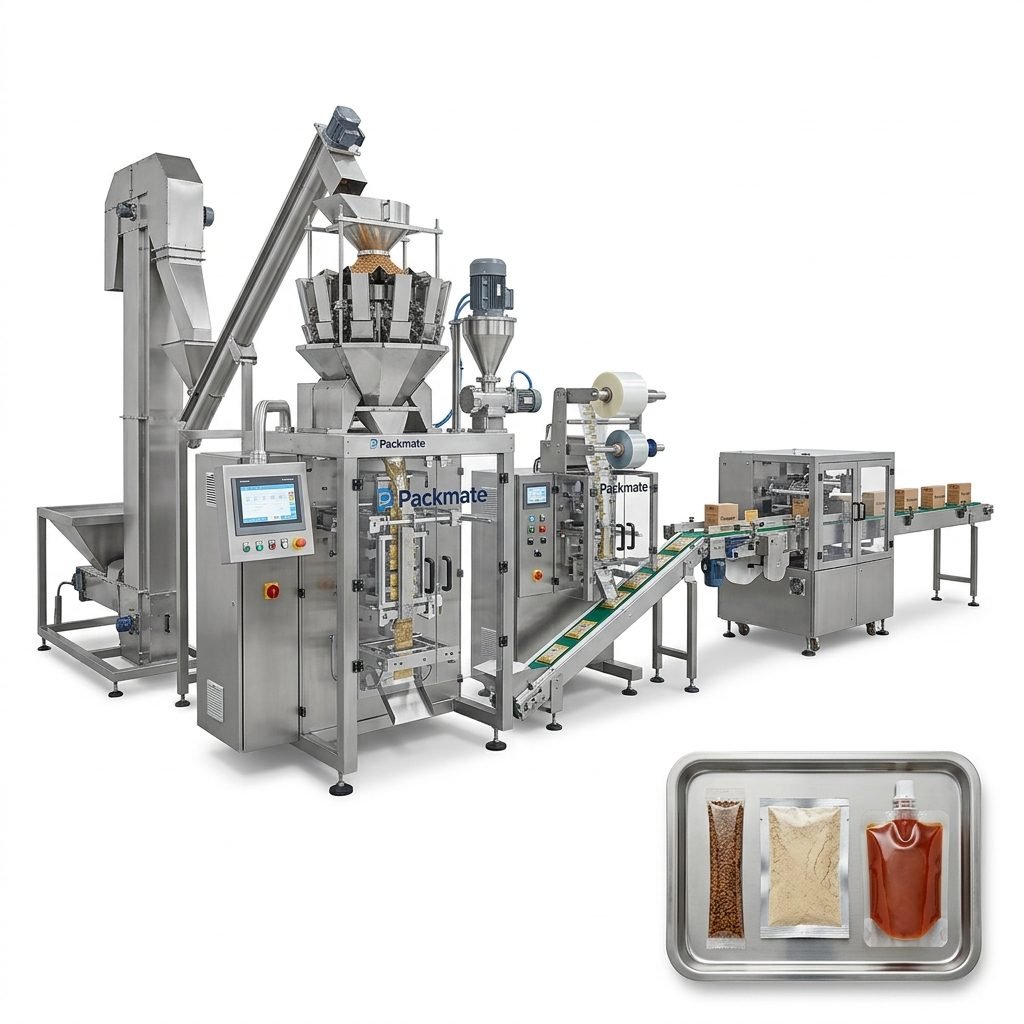
In the fast-paced world of food and pharmaceutical manufacturing, efficiency, hygiene, and precision are non-negotiable. For products ranging from instant coffee and protein powders to single-dose medications and electrolyte supplements, the packaging is as critical as the product itself. Multi-lane packaging machines, specifically those engineered for stick pack and sachet formats, have become the backbone of modern, high-volume production lines. This guide delves into the technology, applications, and key considerations for implementing these sophisticated solutions to streamline your operations and protect your products.
Understanding Multi-Lane Packaging Technology
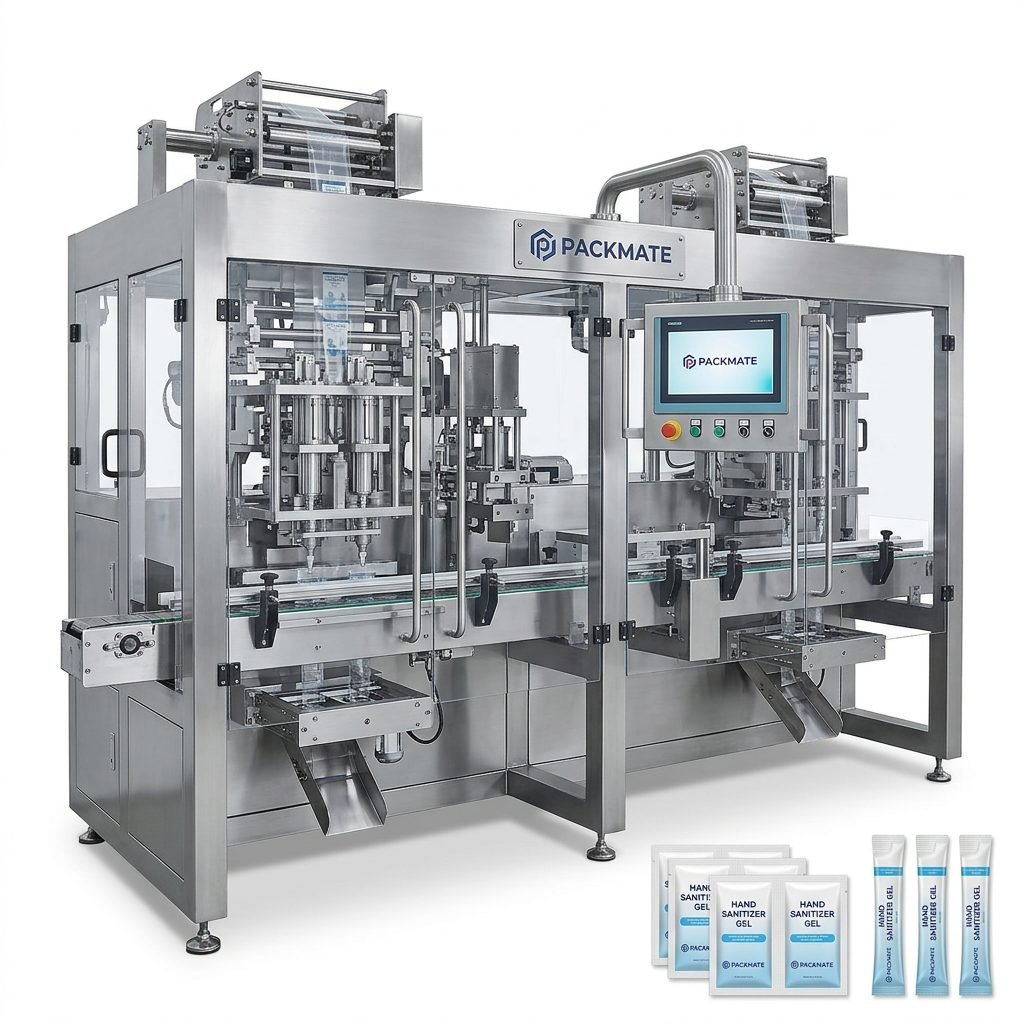
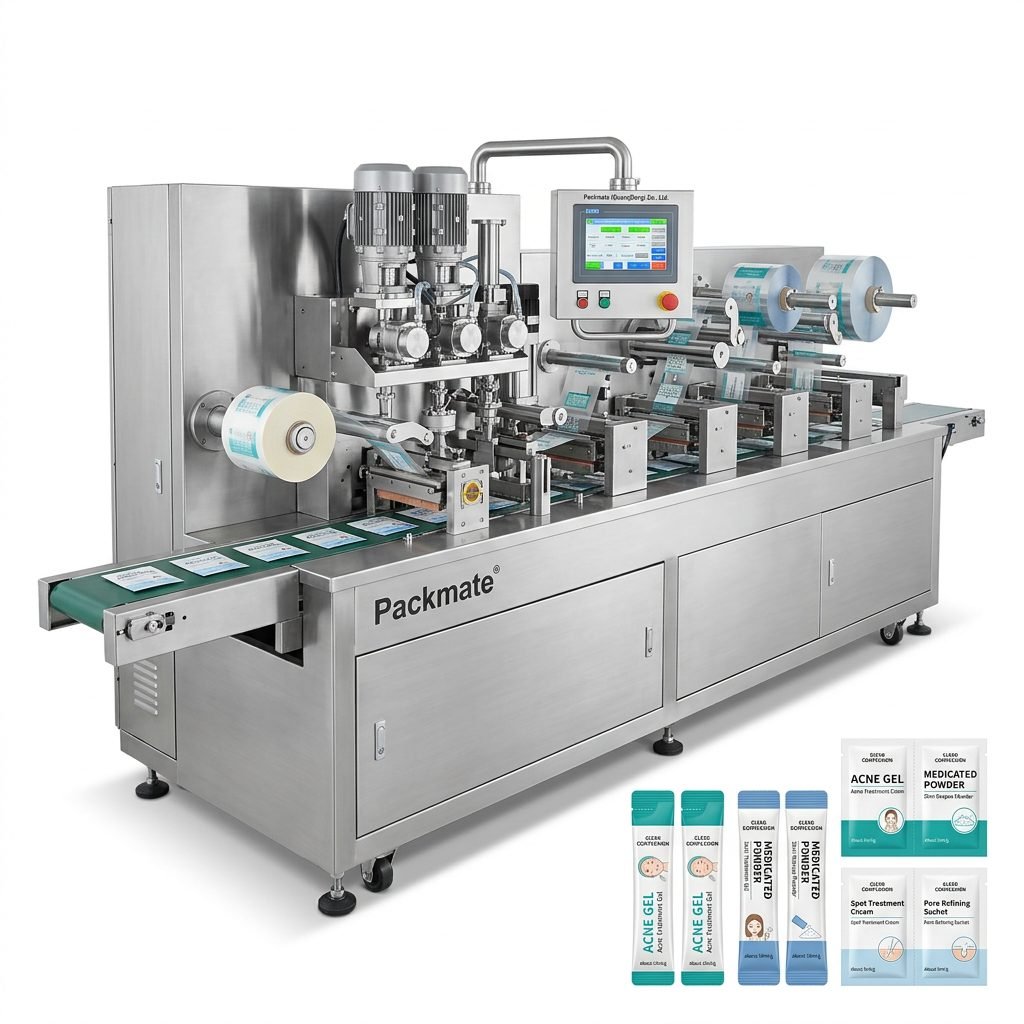
At its core, a multi-lane packaging machine is a high-speed, automated system designed to form, fill, and seal multiple packages simultaneously across several parallel lanes. Unlike single-lane machines, this configuration dramatically increases output without a proportional increase in floor space. The process typically involves a roll of laminated film—which provides essential barriers against moisture, oxygen, and light—being fed into the machine. The film is then formed into individual tubes (for stick packs) or pouches (for sachets), precisely filled with the product, and hermetically sealed before being cut and discharged.
Core Advantages of Multi-Lane Systems
Unmatched Productivity: By running multiple lanes in parallel, these machines can achieve outputs of hundreds to thousands of units per minute, making them ideal for large-scale production runs.
Superior Efficiency: They optimize the use of packaging material and reduce energy consumption per unit produced, leading to significant long-term cost savings.
Exceptional Consistency: Advanced servo-driven technology ensures each pack receives an identical, precise fill weight and a perfect seal, guaranteeing product integrity and compliance with stringent regulations, especially in the pharmaceutical sector.
Stick Pack vs. Sachet: Choosing the Right Format
Selecting between a stick pack and a sachet format depends on your product characteristics, brand image, and end-use application.
The Sleek Stick Pack
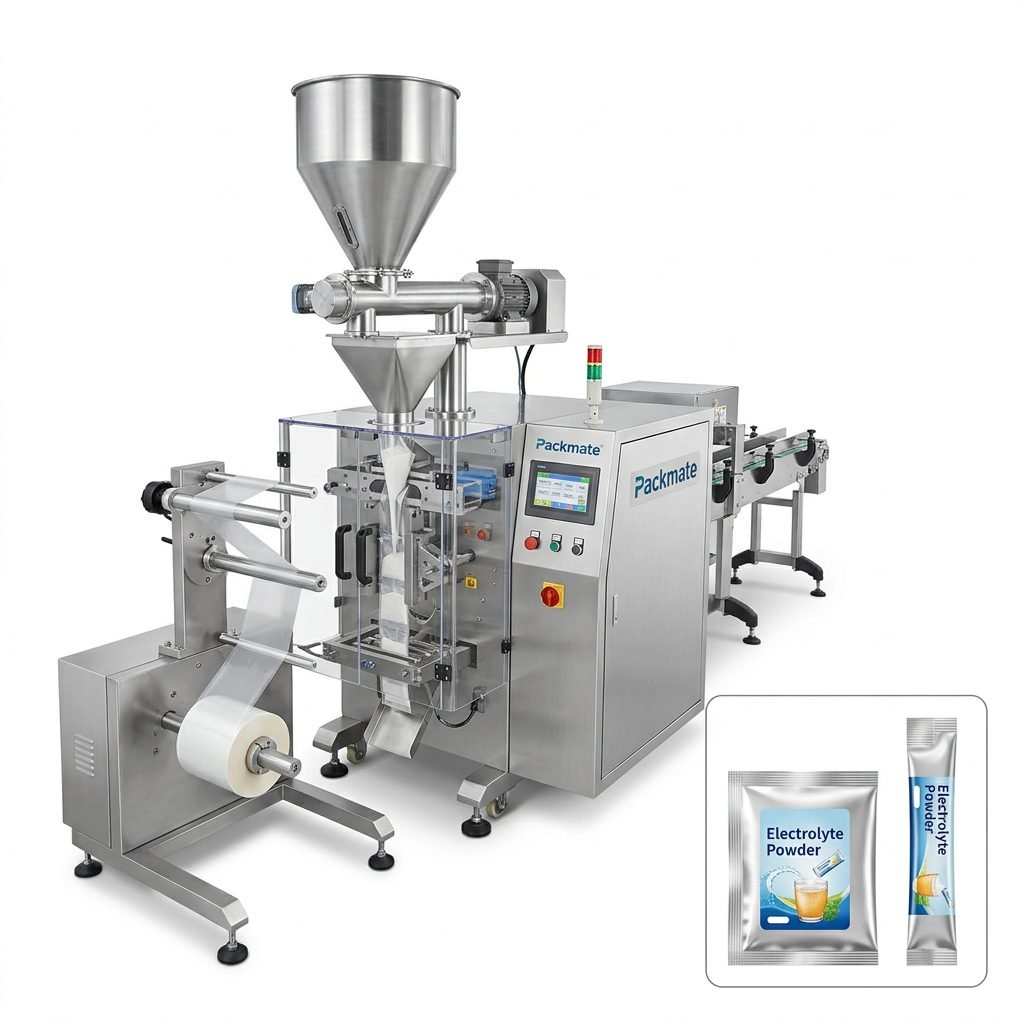
Characterized by its long, slender, and upright shape, the stick pack is a consumer favorite for single-serving dry powders. Its design offers several functional benefits:
- Excellent Product Evacuation: The narrow shape allows powders to pour out completely with minimal residue, reducing waste and improving customer satisfaction.
- Space-Efficient: Stick packs are ideal for boxing and secondary packaging, allowing more units per carton and reducing shipping costs.
- Modern Brand Appeal: The format is perceived as modern, portable, and convenient, perfect for on-the-go consumers in the food, beverage, and supplement industries. For a deeper look at how this integrates into a full production line, explore our dedicated packaging solutions.
The Versatile Sachet
Sachets are flat, pillow-style pouches that offer greater flexibility in size and application. They are the go-to choice for a wider range of products:
- Broader Product Compatibility: Suitable for not only powders but also granules, liquids, creams, and ointments. This makes them indispensable in both food and pharma.
- Larger Surface Area: Provides more space for branding, instructions, and regulatory information, which is crucial for pharmaceutical products.
- Adaptable Sealing: Can be configured for 3-side or 4-side seals, with options for easy-tear notches or spouts for liquid products.
Critical Applications in Food and Pharma
The precision and hygiene of multi-lane stick pack and sachet machines make them indispensable across regulated industries.
Food & Beverage Industry Applications
In the food sector, speed and preservation are key. These machines are used for:
✓ Instant Drink Mixes
✓ Spices & Seasonings
✓ Sauce & Condiment Portions
✓ Nutritional Supplements
The packaging must maintain flavor, prevent caking, and extend shelf life, often requiring films with high-barrier properties.
Pharmaceutical & Healthcare Industry Applications
Here, compliance and accuracy are paramount. Applications include:
✓ Single-Dose Powders
✓ Effervescent Tablets
✓ Medical Granules
✓ Disinfectant Wipes
Machines for this sector often feature clean-design principles, easy-sanitization surfaces, and documentation support for validation protocols (IQ/OQ/PQ). The integrity of the seal is critical to prevent contamination and ensure dosage accuracy. Learn more about our commitment to quality and compliance on our certifications page.
Key Features to Evaluate in a Machine
Investing in a multi-lane packaging system is a significant decision. Here are the essential features to scrutinize:
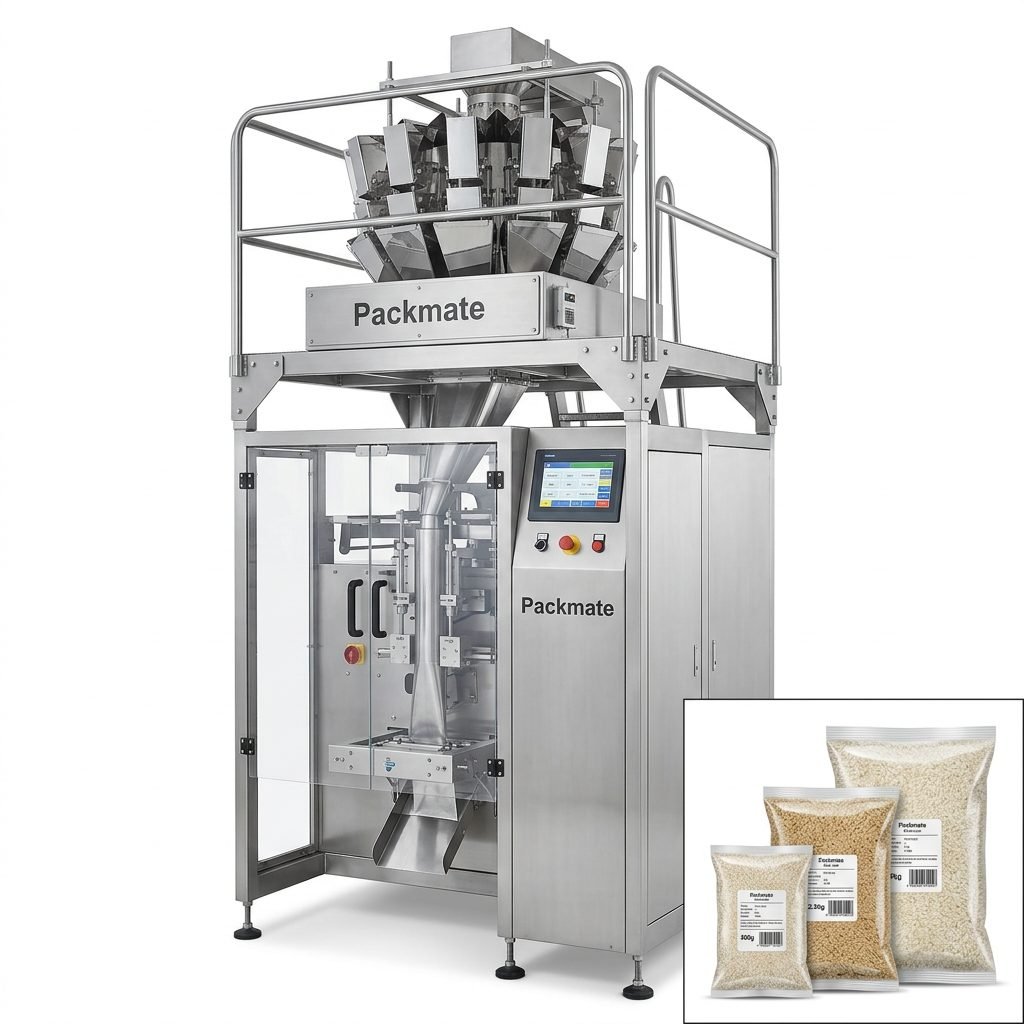
- Precision Filling System: Look for auger, volumetric, or weigh-fill systems with servo control for accuracy within ±1% or better. This is non-negotiable for cost control and regulatory compliance.
- Advanced Film Handling & Sealing: The machine should handle a variety of laminates (e.g., PET/AL/PE) and provide consistent, strong seals via heated jaws or impulse sealing, with continuous temperature monitoring.
- Hygienic & Cleanable Design: Stainless steel contact parts, smooth surfaces with minimal crevices, and CIP (Clean-in-Place) capabilities are vital, especially for food and pharma.
- Intelligent Control & HMI: A user-friendly touchscreen interface for recipe management, real-time monitoring of output, fill weight, and temperature, and diagnostic alerts is essential for operational efficiency.
- Changeover Flexibility: Quick-change parts and tooling for different pack sizes or formats minimize downtime and enhance line flexibility for multi-product facilities.
Implementing Your Packaging Line: A Partner’s Role
Success goes beyond purchasing a machine; it requires implementing a complete, reliable system. This is where partnering with an experienced provider like Packmate (GuangDong) Co., Ltd. becomes invaluable. With over 30 years of experience, we offer more than just equipment—we deliver turnkey solutions. Our process includes a thorough analysis of your product and output needs, custom machine configuration, comprehensive factory testing, on-site installation and training, and ongoing technical support. View real-world examples of our systems in action in our project case studies.
The goal is to create a seamless integration where the multi-lane machine works in harmony with upstream feeders and downstream cartoning systems, creating a cohesive, high-speed packaging line that maximizes your return on investment.
Future Trends: Smart Packaging Integration
The future of multi-lane packaging is intelligent. We are moving towards systems integrated with Industry 4.0 principles, featuring IoT sensors for predictive maintenance, data collection for full traceability, and connectivity to factory-wide MES (Manufacturing Execution Systems). These advancements promise even greater efficiency, less unplanned downtime, and enhanced quality control.
Frequently Asked Questions (FAQs)
1. What is the typical output speed of a multi-lane stick pack machine?
Output varies by model, lane count, and product, but modern machines can range from 200 to over 1,200 sticks per minute. A 10-lane machine, for example, might produce 600-800 sticks per minute depending on the fill volume and material.
2. Can the same machine handle both stick packs and sachets?
Generally, machines are specialized for one format due to different forming and sealing mechanisms. However, some advanced models are designed with quick-change tooling that allows conversion between similar-sized formats, though a complete changeover requires time and expertise.
3. How do you ensure accuracy when filling fine powders or expensive ingredients?
For critical applications, servo-driven auger fillers with weight feedback systems are used. These systems constantly check the fill weight and make micro-adjustments to the auger in real-time, ensuring precision and minimizing costly giveaways.
4. What kind of film material is best for my product?
The film structure depends on your product’s sensitivity. A common high-barrier structure for sensitive foods or pharma is PET (outer layer for printability) / Aluminum Foil (barrier layer) / PE (inner sealing layer). For less sensitive products, metallized or transparent high-barrier plastics may be used. Consultation with your machine supplier and film vendor is essential.
5. What support can we expect after purchasing the machine?
A reputable supplier should offer comprehensive after-sales support. This includes detailed on-site installation and operator training</b, a warranty period, readily available spare parts, and access to remote or on-call technical support. For instance, our commitment to client success is detailed in our service program.