In the fast-paced world of manufacturing, the final step of packaging is as critical as the production process itself. An efficient, accurate, and reliable labeling system is the cornerstone of a professional packaging line. It ensures products are correctly identified, traceable, compliant with regulations, and presented attractively to consumers. For businesses in sectors like food, pharmaceuticals, and health products, where precision and safety are paramount, the choice of an industrial labeling system is not an afterthought—it’s a strategic investment.
Understanding the Core Components of an Industrial Labeling System
An industrial labeling system is more than just a printer. It’s an integrated solution designed to withstand the rigors of a production environment and seamlessly integrate with other packaging machinery. The core components typically include:
The Label Applicator: This is the workhorse of the system. It precisely places labels onto products, cartons, or pallets. Applicators can use various methods like wipe-on, blow-on, tamp-blow, or roll-on, depending on the product surface and speed requirements.
The Label Printer: Often integrated directly (print-and-apply), this unit prints variable information—such as batch codes, expiry dates, barcodes, and serial numbers—onto blank label stock in real-time. This eliminates pre-printed label inventory and allows for maximum flexibility.
The Control System & Software: This is the brain of the operation. It communicates with the factory’s main control system, receives print data, manages label design templates, and monitors the applicator’s performance. Modern software allows for easy changes and provides valuable operational data.
Conveyor Integration & Sensors: The system synchronizes with the packaging line’s conveyor. Photoelectric sensors detect the presence and position of each product, triggering the print and apply cycle at the exact right moment for perfect placement.
Primary Types of Industrial Labeling Systems
Selecting the right type of system depends on your product, line speed, and labeling requirements. Here are the most common configurations:
1. Automatic Print-and-Apply Systems
These are the most advanced and widely used systems in high-speed packaging lines. They combine printing and application into one automated process. A roll of blank label material is fed into the printer, information is printed on-demand, and the label is immediately cut and applied to the product. This is ideal for e-commerce fulfillment, pharmaceutical packaging, and food production where every item needs a unique identifier.
2. Semi-Automatic Label Applicators
In this setup, an operator presents the product to the applicator head, often by pressing a foot pedal or a button. The machine then automatically applies a pre-printed (or sometimes print-and-apply) label. This is perfect for lower-volume lines, mixed-SKU environments, or for applying labels to uneven surfaces that require manual positioning.
3. Manual Label Dispensers
While not “industrial” in the automated sense, they play a role in many facilities for rework, small batches, or kitting. These devices hold a roll of labels and allow an operator to peel and apply them quickly and accurately by hand, reducing fatigue and misalignment compared to applying from a sheet.
The Multifaceted Benefits of Automating Your Labeling Process
Integrating an automated industrial labeling system delivers a compelling return on investment across several key business areas:
➤ Unmatched Accuracy and Consistency: Human error in label placement and data entry is eliminated. Every label is applied in the identical position, every time, ensuring a professional appearance and reliable scannability for barcodes. This is non-negotiable in industries like pharmaceutical packaging.
➤ Dramatically Increased Line Speed and Productivity: Automated systems can apply labels at speeds far exceeding human capability, often hundreds of products per minute. This removes a major bottleneck, allowing your entire packaging line to run at its optimal efficiency.
➤ Enhanced Traceability and Compliance: With the ability to print unique serial numbers, QR codes, and batch data on every label, you achieve complete item-level traceability. This simplifies recalls, meets stringent regulatory requirements (e.g., FDA, EU FMD), and supports anti-counterfeiting measures.
➤ Significant Reduction in Operational Costs: Automation reduces labor costs associated with manual labeling. It also minimizes material waste from misapplied or incorrect labels and eliminates the cost and space needed for inventorying vast stocks of pre-printed labels.
➤ Improved Flexibility and Agility: Changeover between products or label designs becomes a matter of loading a new digital template. You can respond instantly to promotions, regulatory changes, or custom orders without downtime or obsolete label stock.
The Automation Edge: Integrating Labeling into Smart Packaging Lines
The true power of an industrial labeling system is realized when it is not a standalone island but an integrated component of a fully automated, smart packaging line. This integration involves:
Seamless Data Flow: The labeling system receives instructions directly from the Manufacturing Execution System (MES) or Enterprise Resource Planning (ERP) software. This ensures the right data is on the right product without manual intervention.
Machine-to-Machine (M2M) Communication: The labeler communicates with upstream fillers, cappers, and downstream cartoners. It can signal line stops if it runs out of label stock or detects an error, preventing unlabeled products from proceeding.
Centralized Monitoring & Control: Operators can monitor the status, speed, and error logs of all labeling stations from a central HMI (Human-Machine Interface) panel, enabling proactive maintenance and quick troubleshooting.
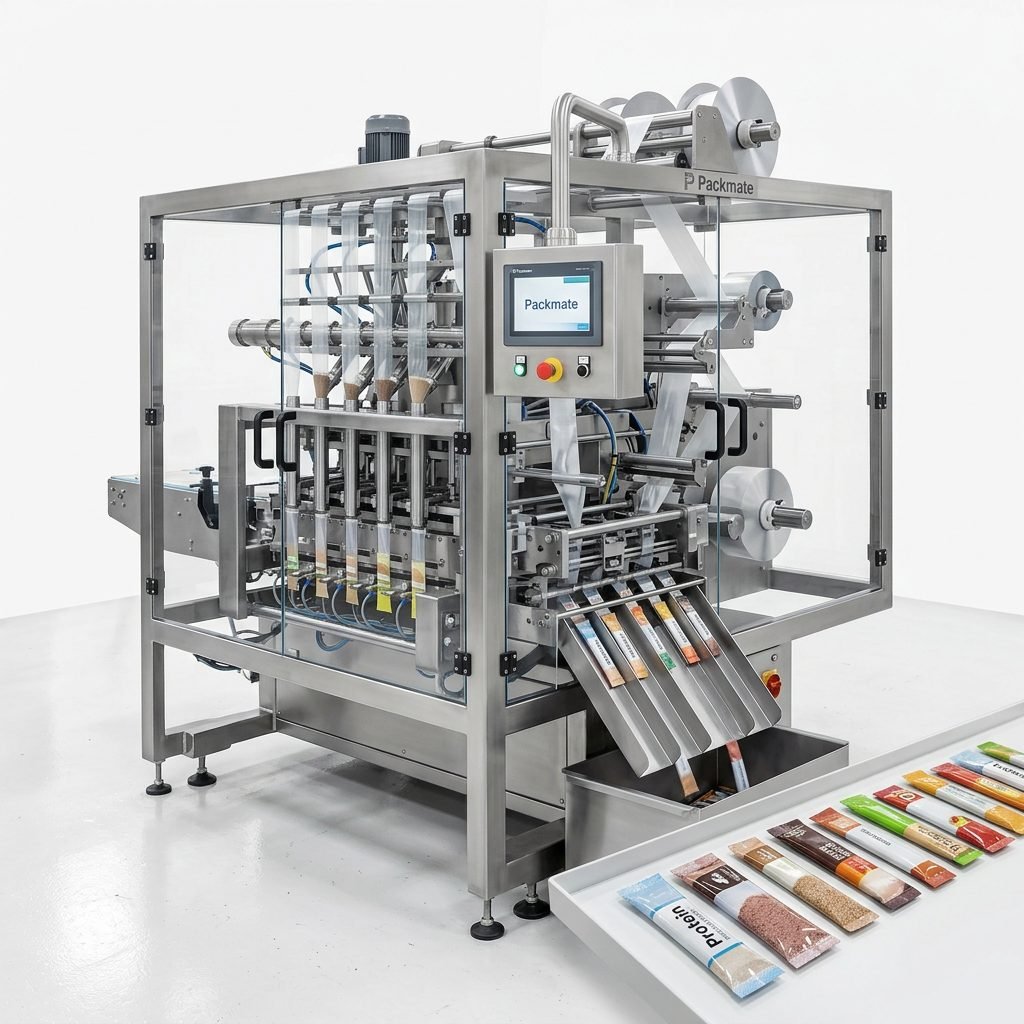
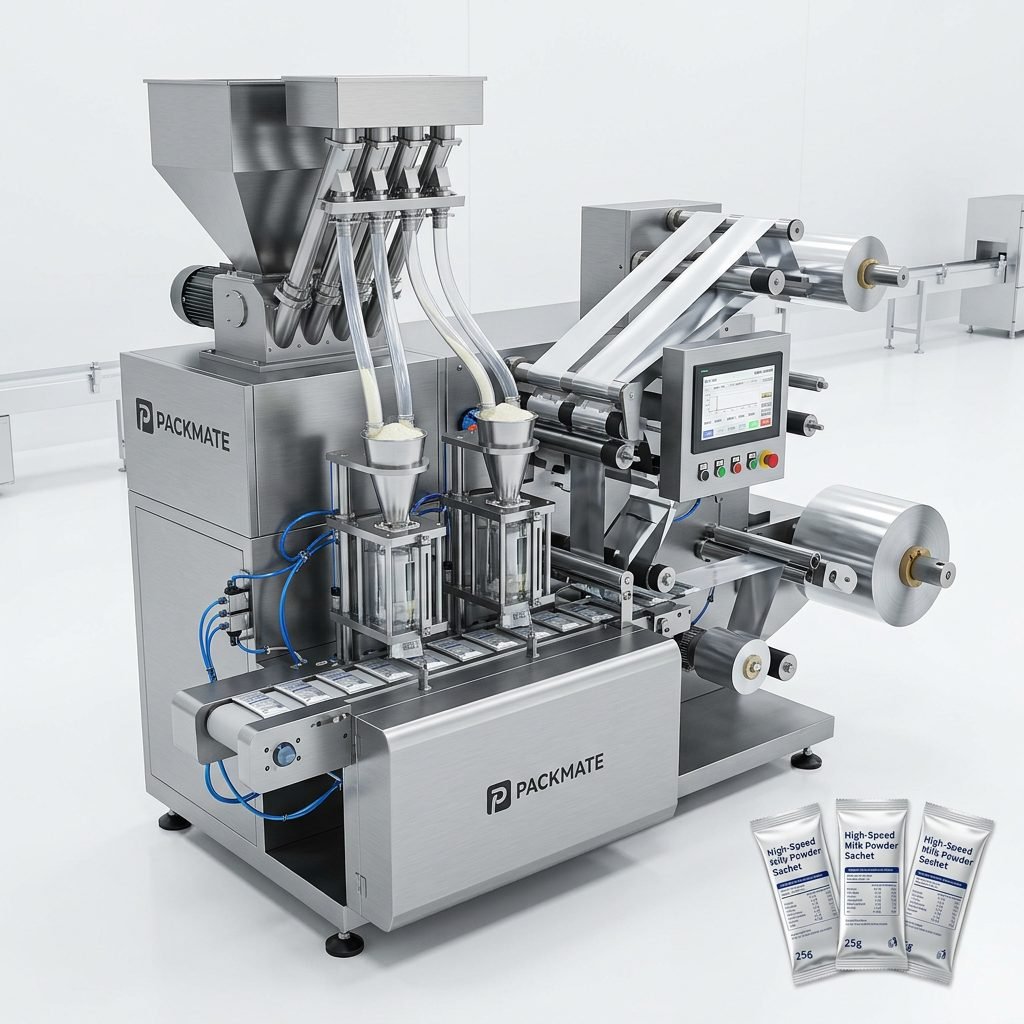
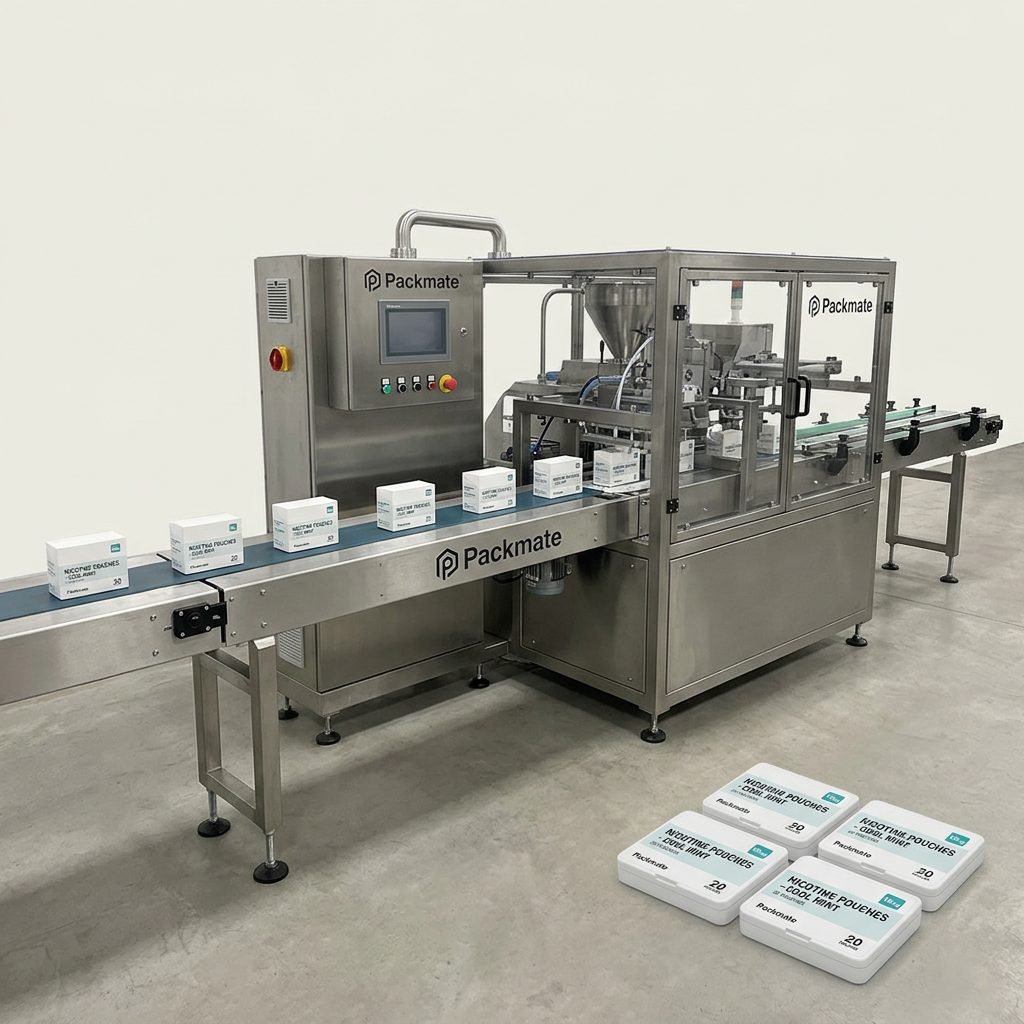
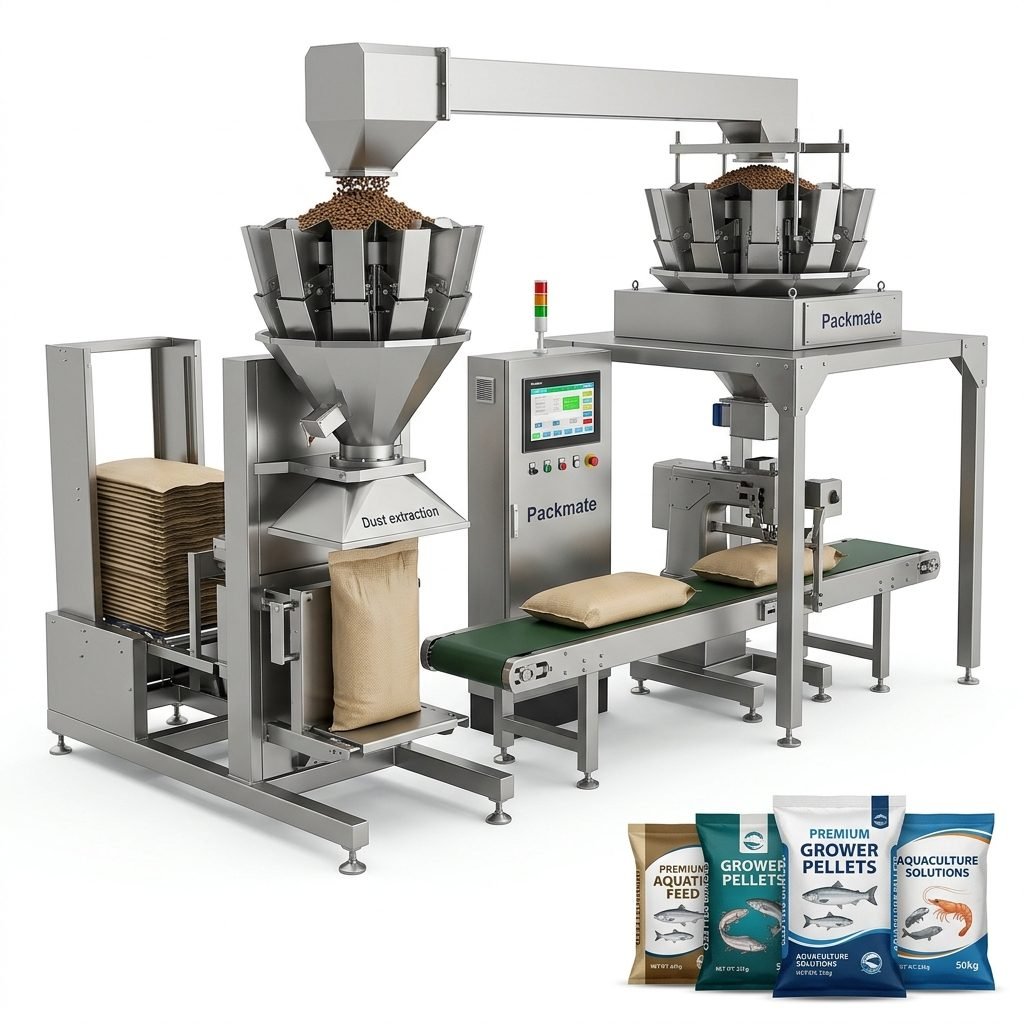
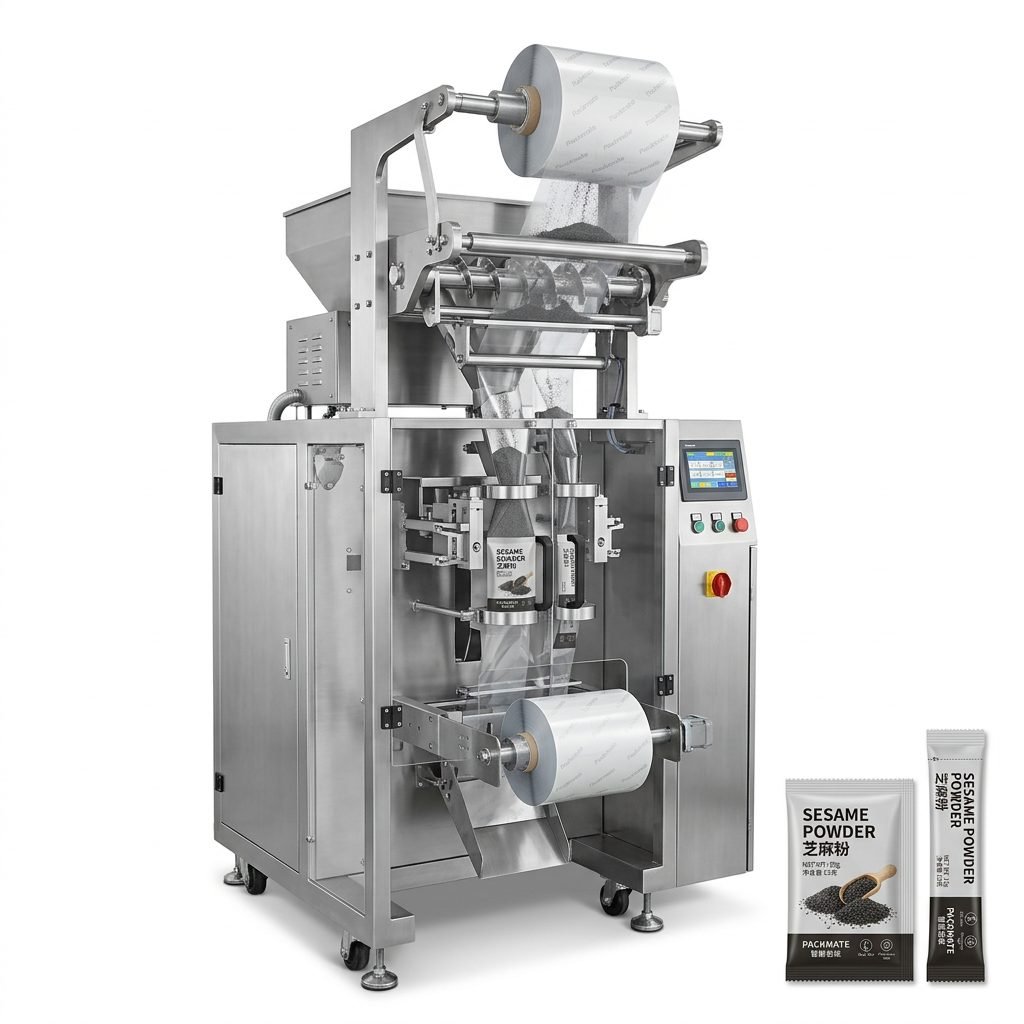
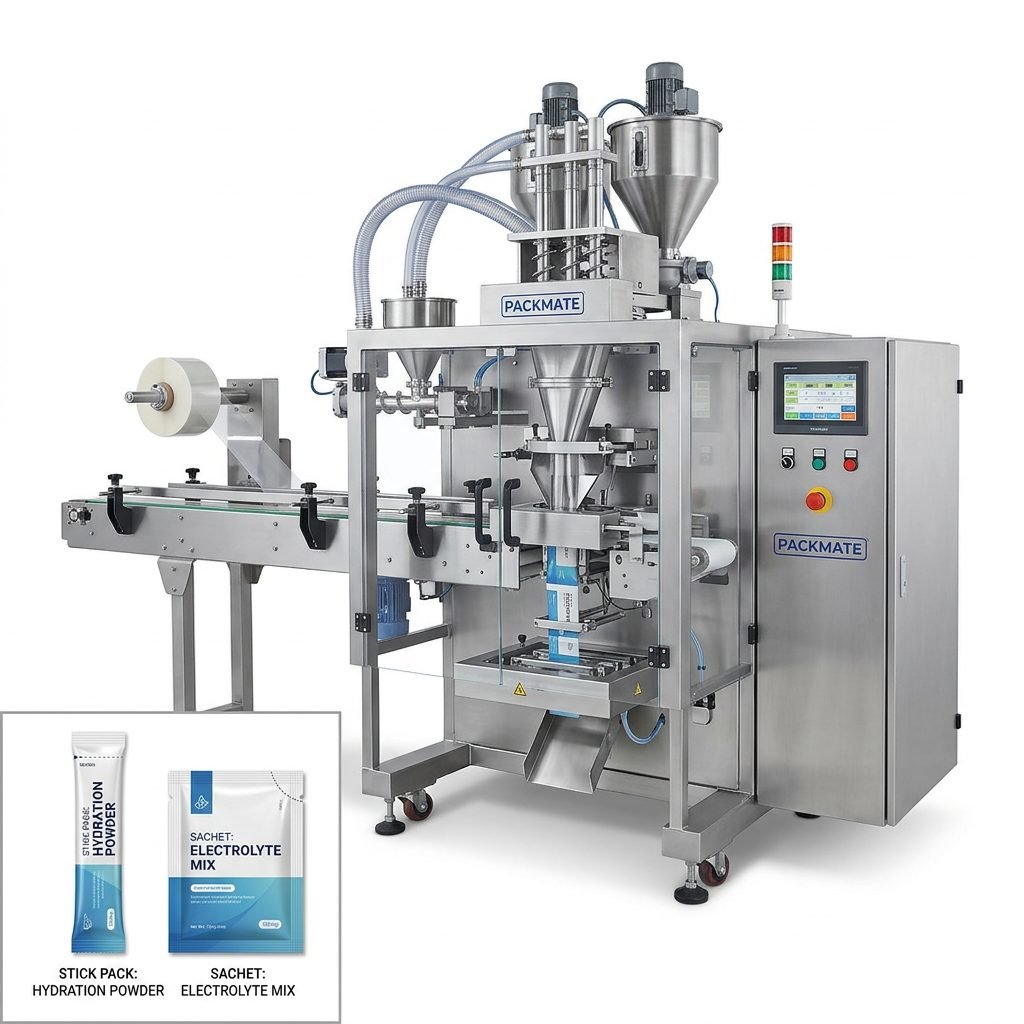
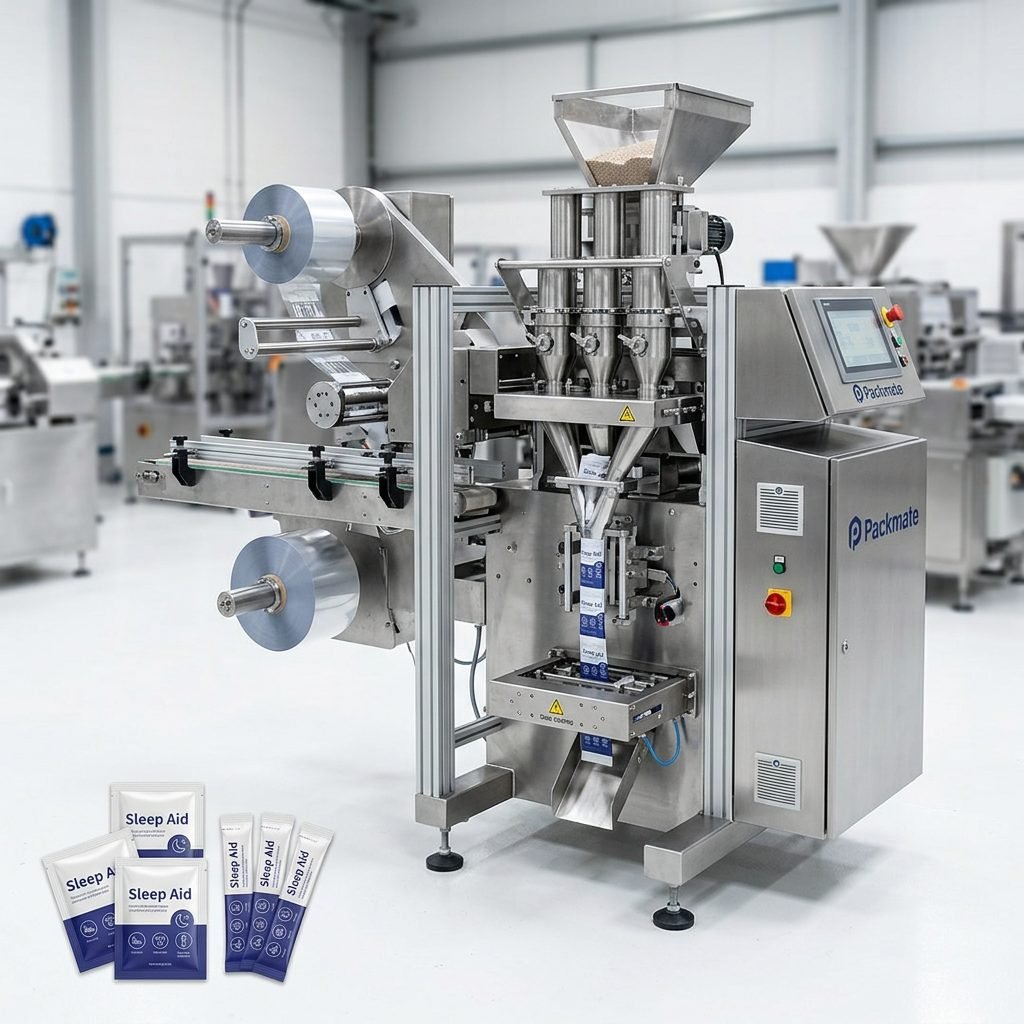
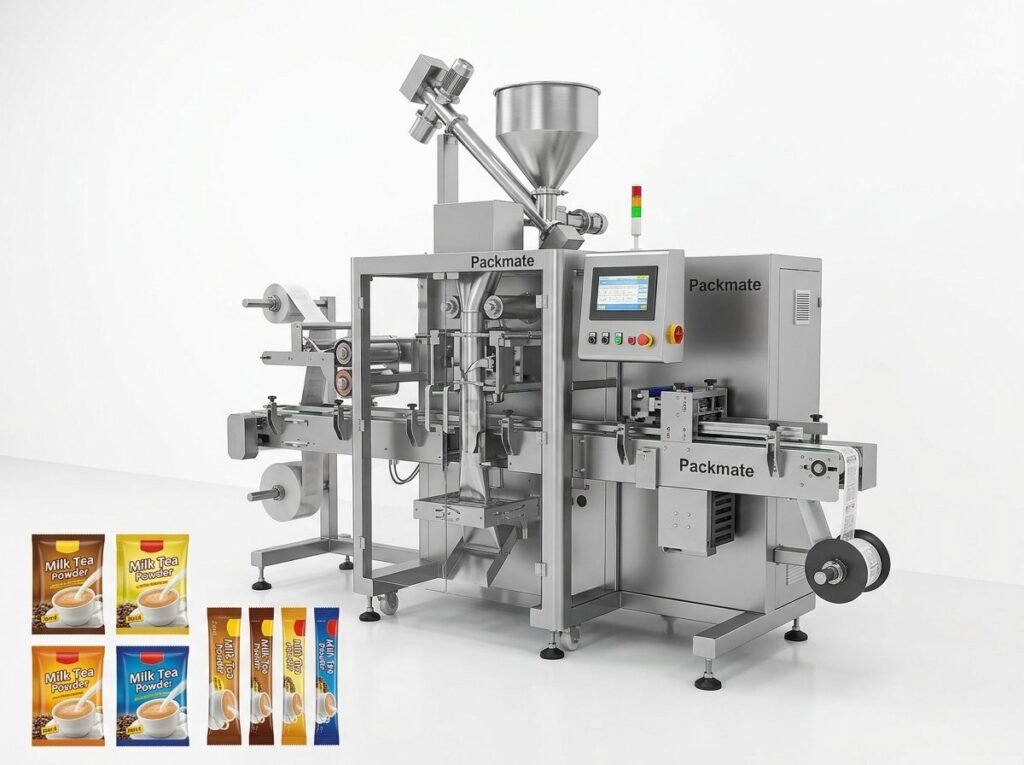
Companies like Packmate (GuangDong) Co., Ltd. specialize in designing such turnkey, intelligent packaging solutions where the labeling system is a harmonized part of the whole, as seen in their diverse project cases.
Key Considerations for Selecting Your System
Choosing the ideal labeling system requires a careful analysis of your specific needs:
- Product & Surface: What are you labeling? (Bottle, box, flexible pouch). What is the surface material? (Glass, plastic, corrugated). This determines the adhesive type and application method.
- Line Speed & Volume: What is your required output in units per minute? This dictates the speed capability needed from the applicator and printer.
- Label Data & Complexity: Is the data static, variable, or both? Do you need high-resolution graphics, small text, or 2D barcodes? This influences printer technology (thermal transfer vs. inkjet).
- Integration Requirements: How will it connect to your existing conveyors and control systems? Planning for integration upfront avoids costly retrofits later.
- Total Cost of Ownership (TCO): Look beyond the initial purchase price. Consider costs for consumables (ribbons, ink, label stock), maintenance, downtime, and future scalability.
Future Trends: Where Industrial Labeling is Headed
The evolution of labeling technology continues to focus on intelligence, connectivity, and sustainability.
● Cloud Connectivity & IIoT: Labelers will increasingly be Industrial Internet of Things (IIoT) devices, streaming performance data to the cloud for predictive analytics, remote diagnostics, and supply chain visibility.
● Augmented Reality (AR) for Maintenance: Technicians might use AR glasses to see overlay instructions and diagrams while servicing a machine, reducing downtime.
● Sustainable Materials & Processes: Demand is growing for label materials from recycled or compostable sources, and for printers that use less energy or eco-friendly inks.
● On-Demand Digital Printing: The convergence of high-speed digital printing with labeling will allow for full-color, photorealistic labels to be produced cost-effectively in very short runs, enabling hyper-customization.
Implementing a robust industrial labeling system is a definitive step towards a more efficient, compliant, and competitive packaging operation. By understanding the types, benefits, and integration points of automation, you can make an informed decision that drives tangible value for your business for years to come. For ongoing support and expertise, exploring a provider’s comprehensive service offerings is crucial.
Frequently Asked Questions (FAQs)
Q1: What is the main difference between thermal transfer and inkjet printing for industrial labels?
A: Thermal transfer printing uses a heated printhead and a wax/resin ribbon to melt ink onto a synthetic label material, creating extremely durable, smudge-proof labels ideal for long-term outdoor use or harsh environments. Inkjet printing sprays tiny droplets of ink directly onto the label surface. It’s excellent for high-speed printing on porous materials (like paper) and can produce variable data at lower consumable costs, but the print may be less resistant to chemicals and abrasion.
Q2: Can one labeling system handle products of different shapes and sizes?
A: Yes, many modern systems are designed for flexibility. This is achieved through adjustable application heads, programmable positioning arms, and quick-change tooling. The key is to work with your supplier to define the full range of products during the planning phase so the system can be configured or equipped with changeover kits to handle your specific product mix efficiently.
Q3: How important is label placement accuracy, and what affects it?
A: Placement accuracy is critical for professional branding, automated scanning in warehouses, and retail compliance. Factors affecting accuracy include the precision of the product sensor, the stability of the conveyor, the mechanical design of the applicator arm, and the consistency of the product presentation. High-end systems offer vision systems that verify each label’s position and data in real-time.
Q4: What kind of maintenance does an automated labeling system require?
A: Regular preventive maintenance is essential for reliability. Common tasks include cleaning the printhead and sensors, checking and lubricating mechanical parts, replacing wear items like the peel plate or cutter blade, and ensuring proper tension on label and ribbon rolls. A good supplier will provide a maintenance schedule and training.
Q5: We have a low-volume operation. Is automation still worth it?
A: It can be. The decision isn’t based solely on volume. Consider the cost of label errors (recalls, compliance fines), the value of your operator’s time for other tasks, and the need for traceability. A semi-automatic system can offer a middle ground, improving accuracy and operator ergonomics without the full investment of a high-speed automated line. A cost-benefit analysis with a trusted vendor is the best way to find out.