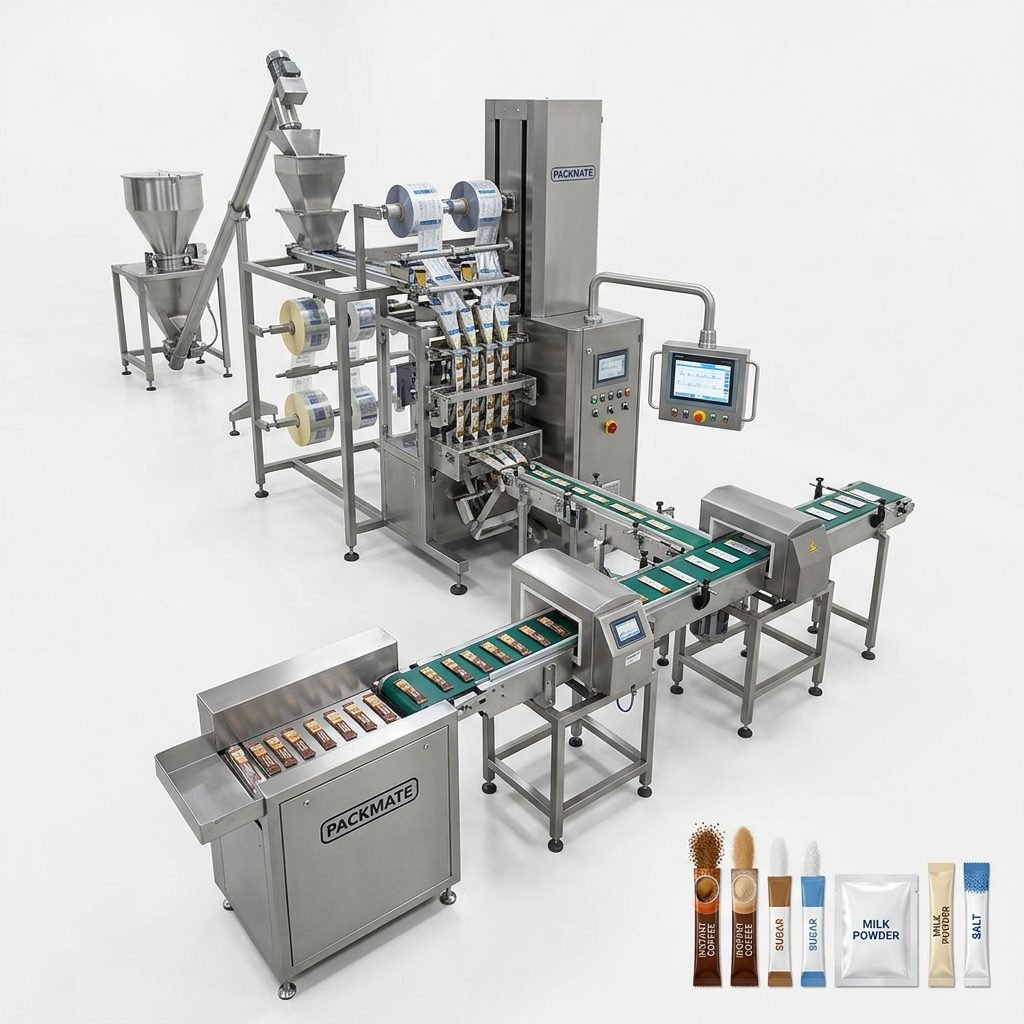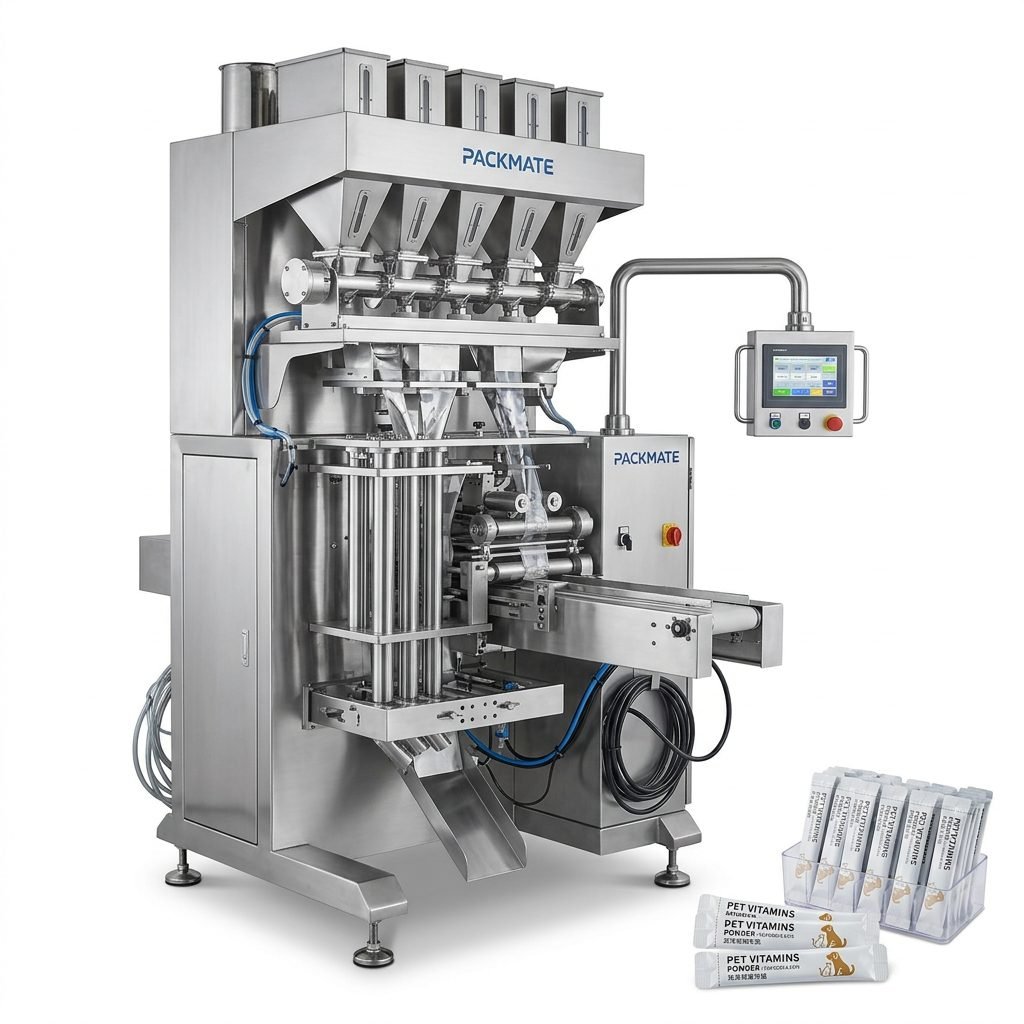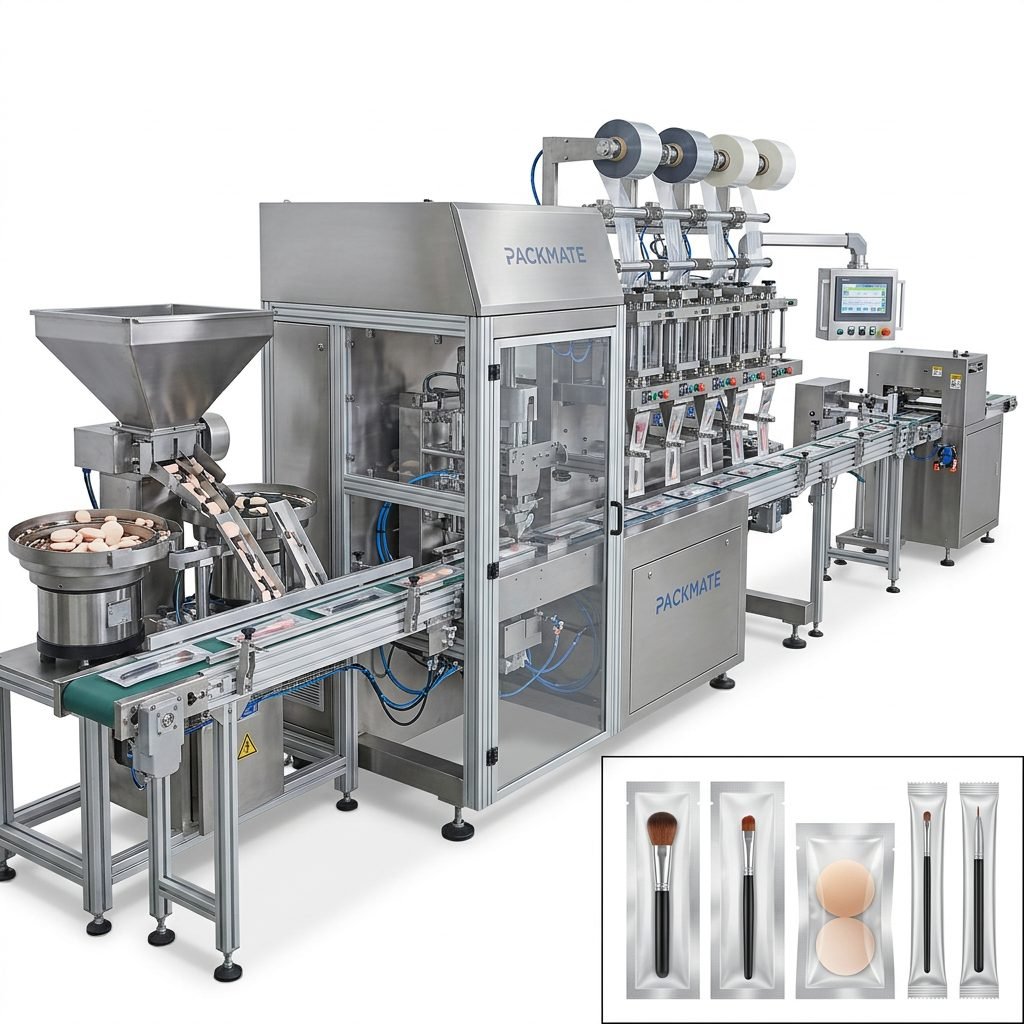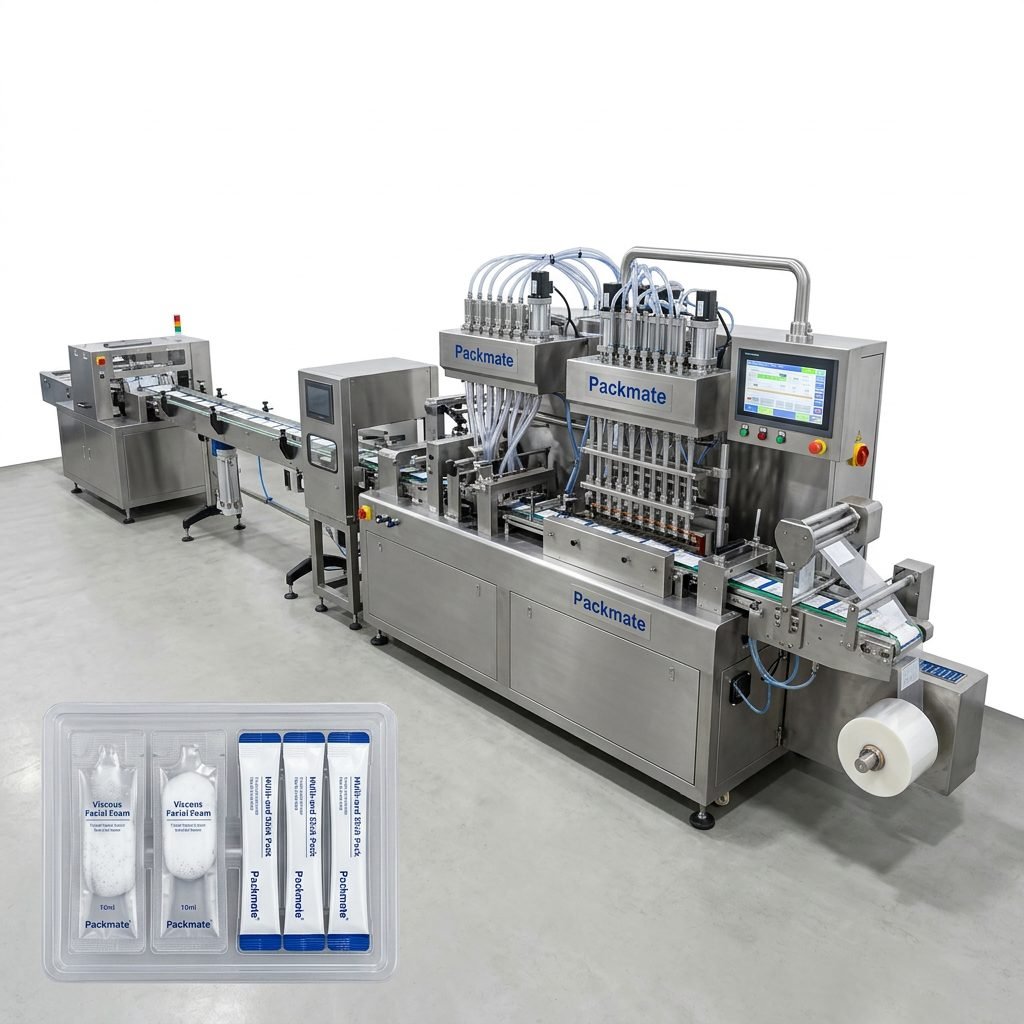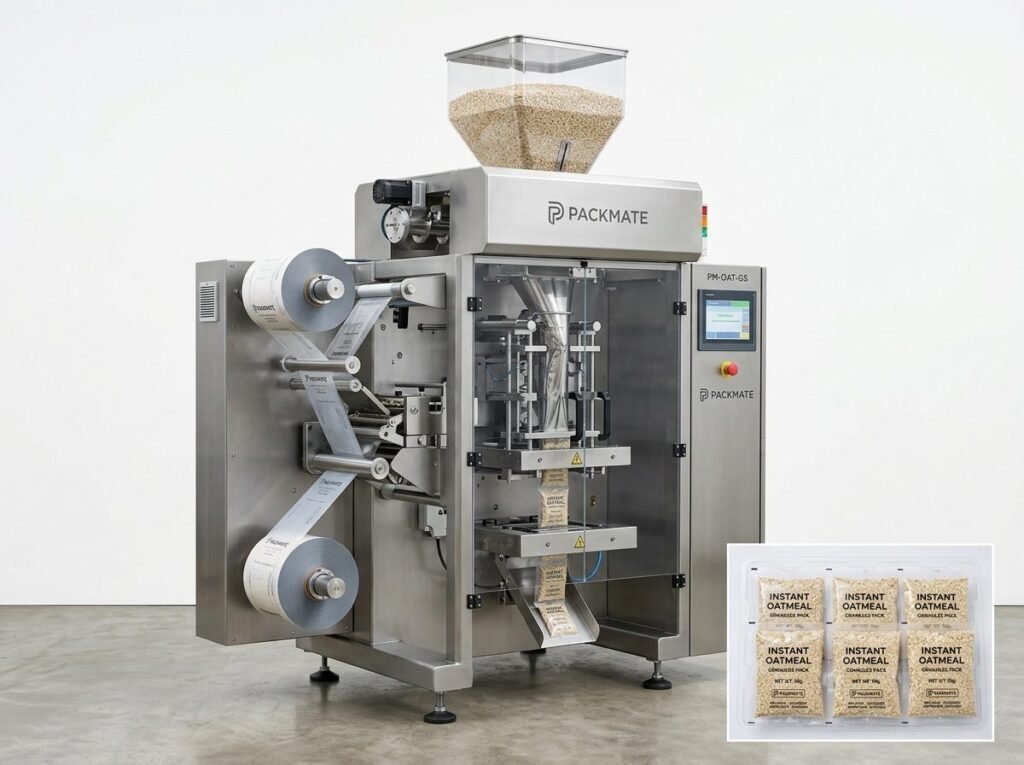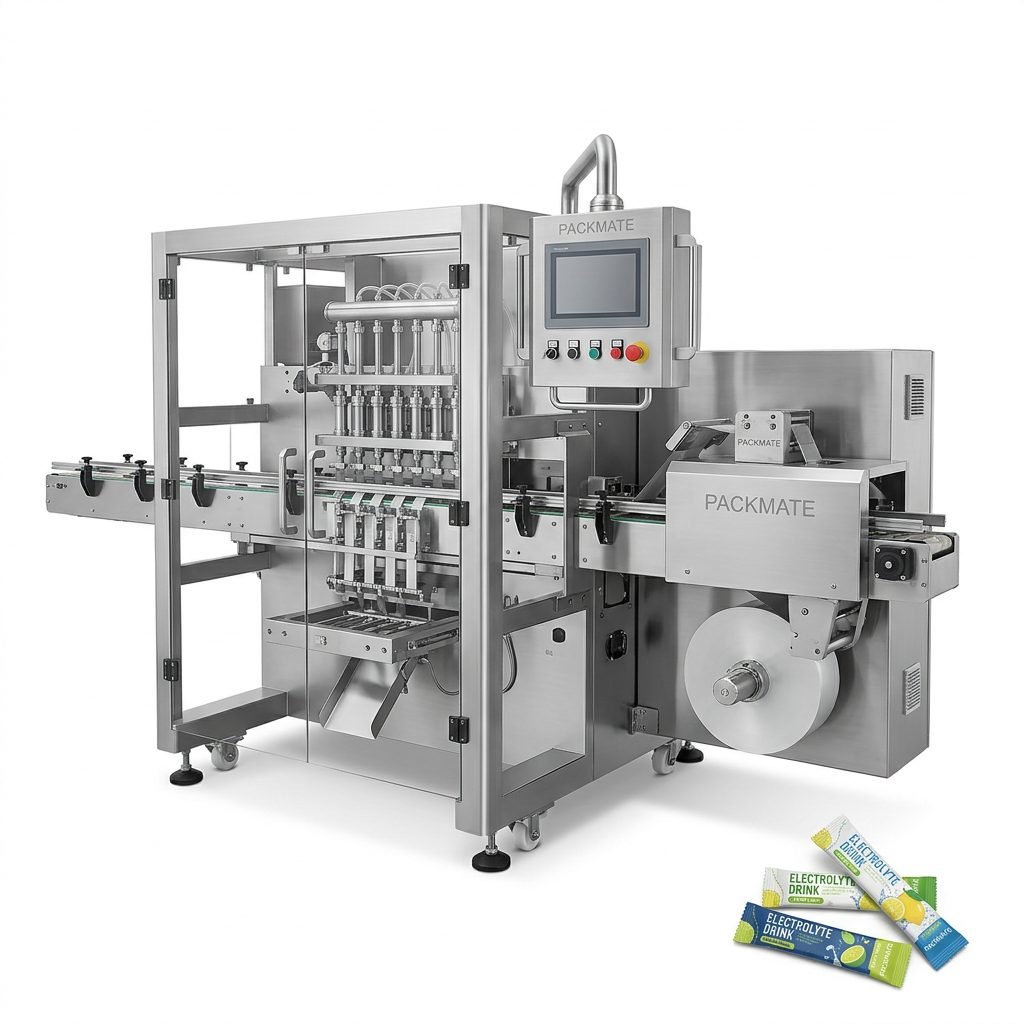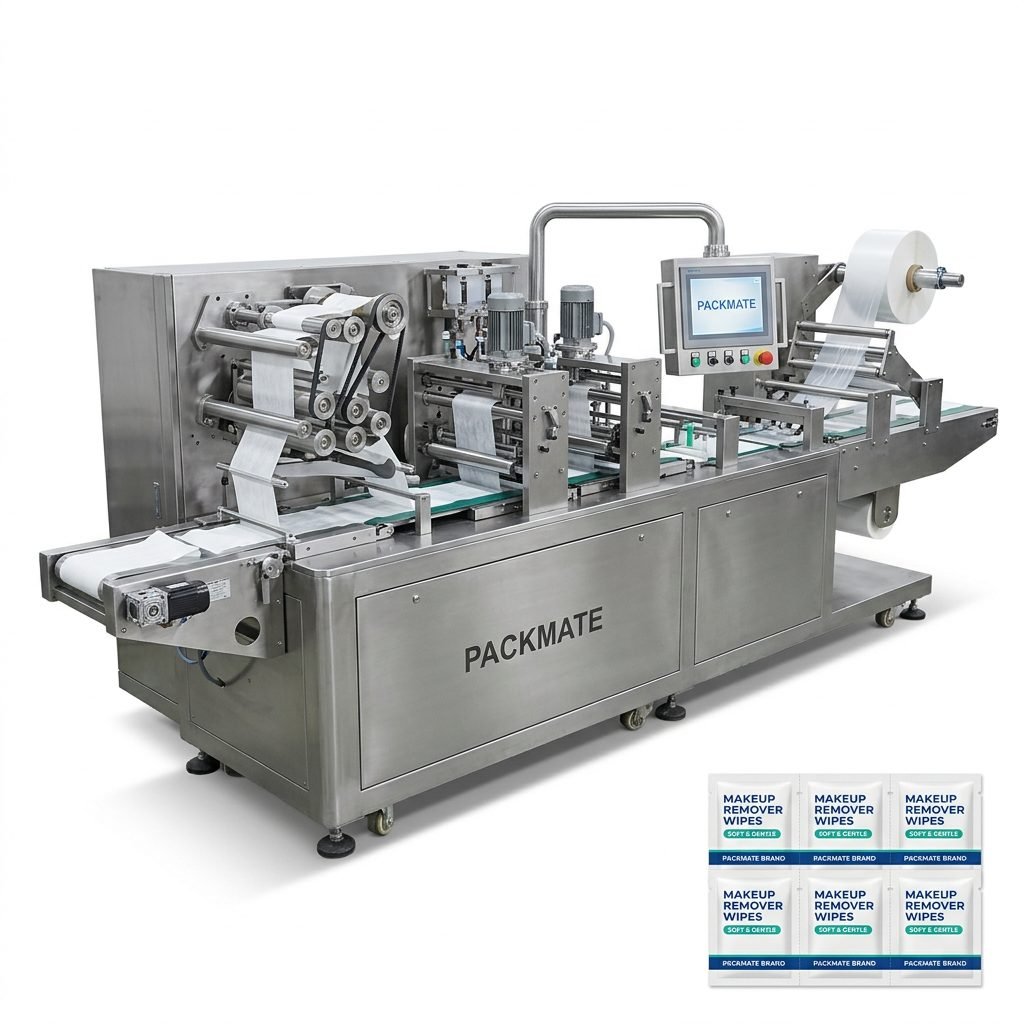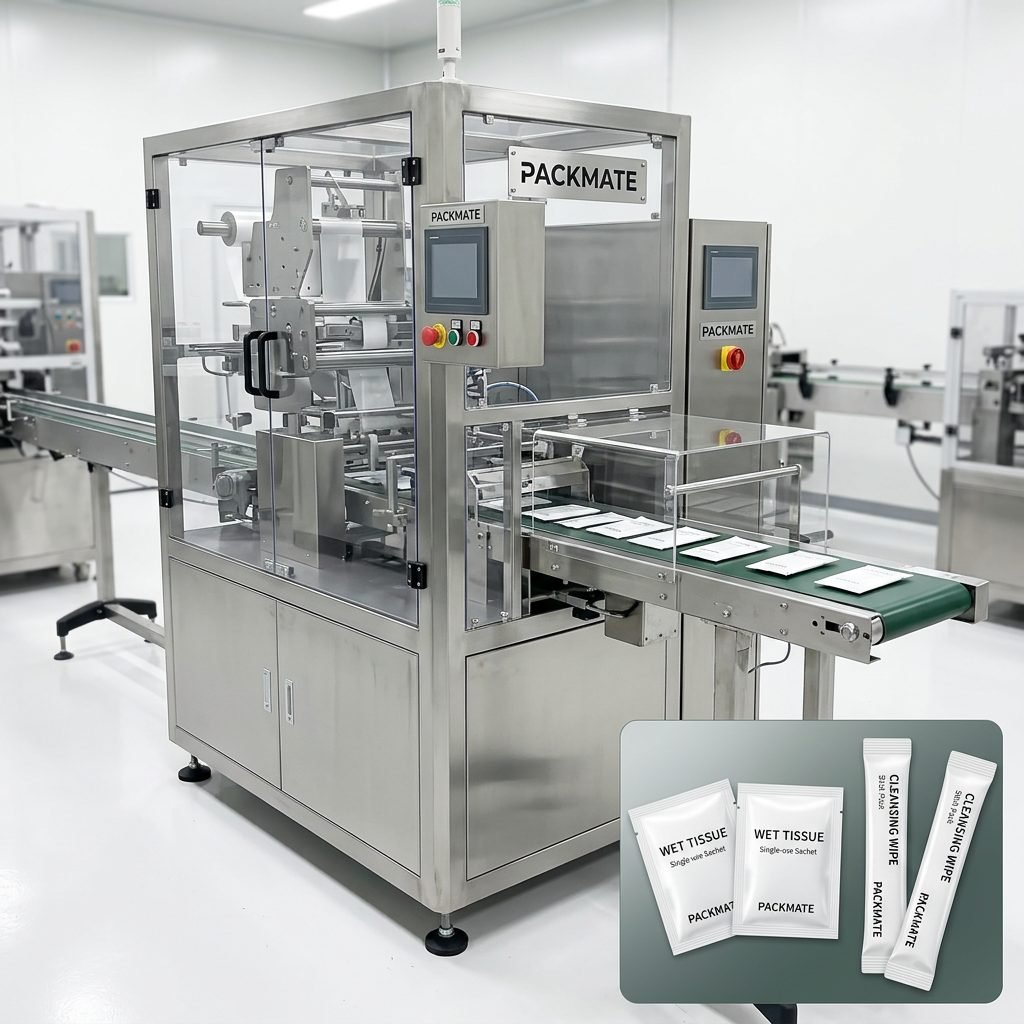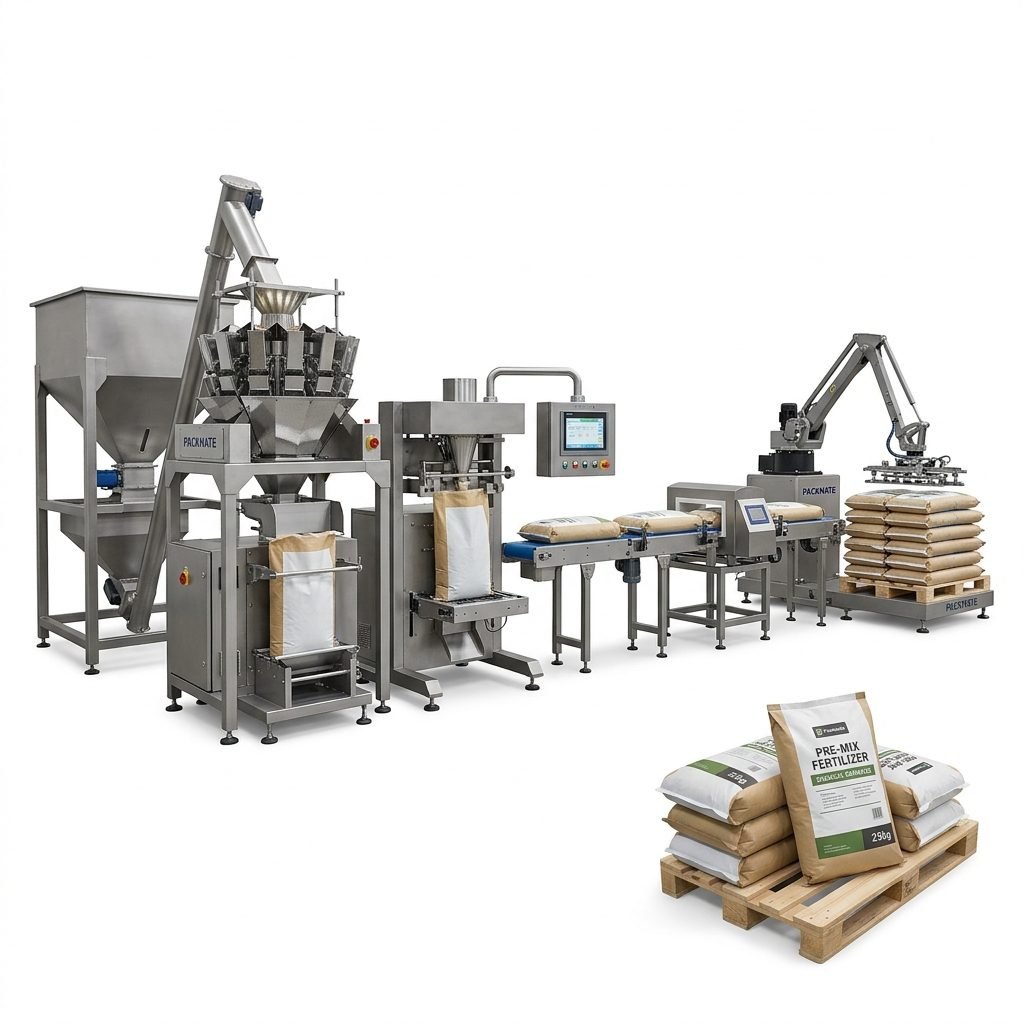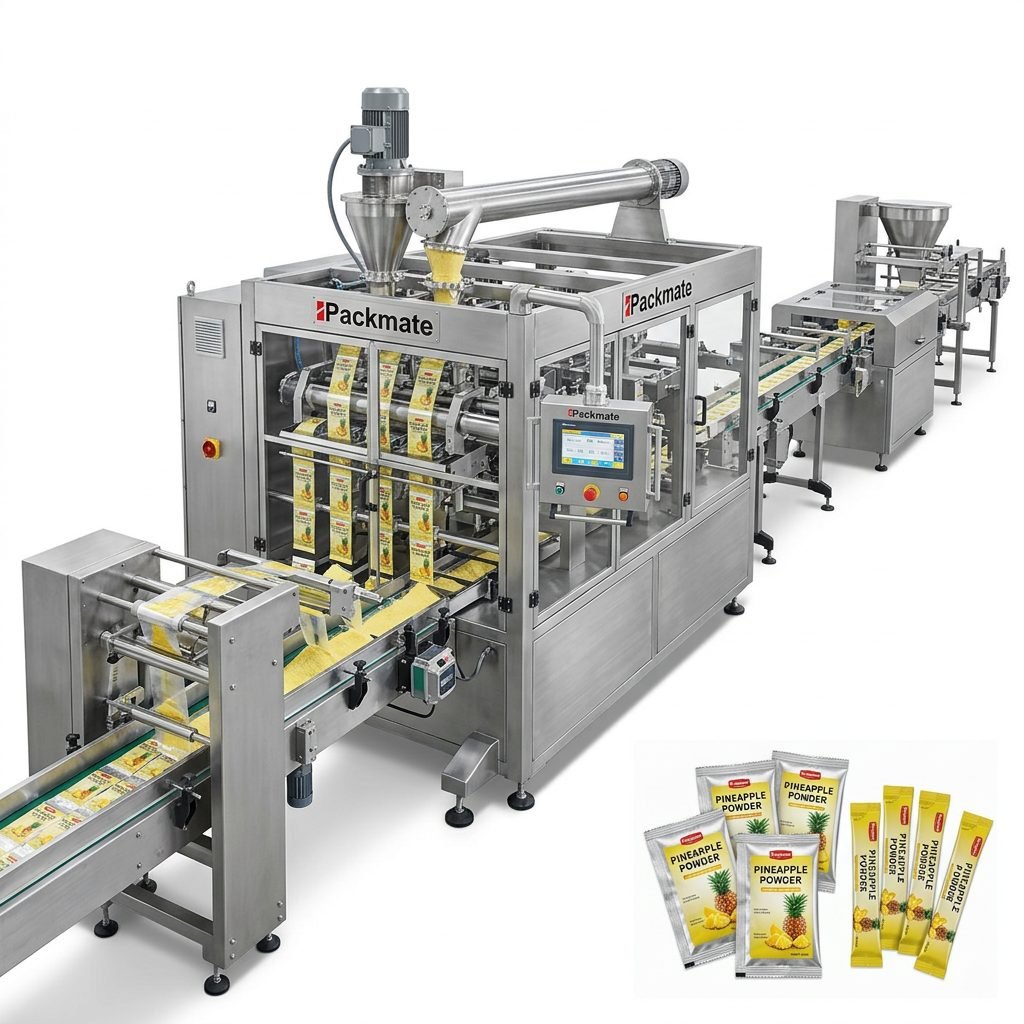
The ready meals market is experiencing unprecedented growth, driven by shifting consumer lifestyles and an increasing demand for convenience. In this competitive landscape, efficiency, hygiene, and presentation are paramount. This is where a fully automated tray packaging line becomes not just an asset, but a necessity for manufacturers. This comprehensive guide explores the complete automatic solution for ready meal tray packaging, detailing its components, benefits, and how it revolutionizes production.
What is a Complete Automatic Tray Packaging Line?
A complete automatic tray packaging line is an integrated system designed to handle the entire packaging process for ready meals, from empty tray dispensing to the final sealed and coded package, with minimal human intervention. It represents the pinnacle of packaging automation, ensuring consistency, speed, and superior product integrity.
Core Components of the Line
A typical turnkey solution integrates several key machines in a seamless sequence:
- Tray Unscrambler & Dispenser: Automatically feeds and orients empty trays onto the conveyor.
- Product Loading/Filling Station: Precisely deposits the main meal components and any sides into the tray. This can involve volumetric fillers, weighers, or robotic pick-and-place systems.
- Lidding Machine: Applies a lidding film (often pre-printed) over the filled tray. This is a critical step for hygiene and shelf-life.
- Heat Sealing & Cutting Unit: Hermetically seals the lidding film to the tray and die-cuts individual packages from a continuous web if using reel-fed film.
- Checkweigher: Verifies the weight of each sealed package, rejecting any under or over-weight units to ensure compliance and cost control.
- Metal Detector/X-ray Inspector: Provides crucial product safety by detecting and rejecting any packages containing foreign contaminants.
- Date Coding & Labeling: Prints batch codes, expiry dates, and barcodes directly onto the package or label.
- Conveying & Accumulation System: The intelligent network that connects all components, often with buffering zones to manage flow.
Key Advantages of Automation for Ready Meals
Investing in a complete line from a trusted provider like Packmate delivers transformative benefits:
1. Unmatched Production Efficiency & Scalability
Automatic lines operate at significantly higher speeds than manual or semi-automatic processes, often achieving outputs of hundreds of trays per minute. This scalability allows businesses to meet surging demand without proportionally increasing labor costs. For a deeper look at tailored systems, explore our packaging solutions.
2. Superior Product Consistency and Quality
Automation eliminates human variability. Every tray receives the exact same portion, every seal is uniformly strong, and every code is legibly printed. This consistency is vital for brand reputation and customer trust.
3. Enhanced Food Safety and Hygiene
Minimizing direct human contact with the product is a cornerstone of modern food safety protocols (like HACCP and GMP). Enclosed systems and integrated inspection equipment drastically reduce contamination risks. The line’s cleanability is also a key design focus.
4. Significant Reduction in Operational Costs
While the initial investment is substantial, the long-term savings are compelling. Reduced labor dependency, lower material waste from precise filling and sealing, and decreased product giveaway from accurate checkweighing all contribute to a strong return on investment (ROI).
5. Flexibility for a Dynamic Market
Modern lines are designed for quick changeovers. With adjustable tooling and programmable logic controllers (PLCs), manufacturers can efficiently switch between different tray sizes, shapes, and product types, responding agilely to market trends.
Choosing the Right Partner: Beyond the Machine
Selecting a supplier is about more than just buying equipment. It’s about forming a partnership for long-term success. A provider like Packmate (GuangDong) Co., Ltd. brings over two decades of experience, offering:
Turnkey Project Management: From initial design and factory layout to installation, commissioning, and staff training.
Customization: Engineering lines to handle your specific product viscosity, particulate size, and packaging materials.
Ongoing Support: Reliable after-sales service, spare parts availability, and technical support are critical for minimizing downtime. Learn about our commitment in our service section.
Implementation Considerations
Successful integration requires planning:
- Product Analysis: Understand your product’s physical characteristics (e.g., chunkiness, sauce content) to specify the correct filling technology.
- Packaging Material: Tray and film compatibility with the sealing system is essential for a hermetic seal and shelf life.
- Factory Footprint: Work with your supplier to design a layout that optimizes flow and allows for maintenance access.
- Future-Proofing: Consider potential future products or packaging formats to ensure the line can adapt.
View real-world applications and successes in our portfolio of project cases.
Conclusion: The Future is Automated
For ready meal producers aiming to lead in quality, safety, and efficiency, a complete automatic tray packaging line is the definitive solution. It transforms packaging from a cost center into a strategic asset that drives growth, protects your brand, and satisfies the modern consumer’s expectations. By partnering with an experienced and innovative provider, you secure not just machinery, but a pathway to sustained competitive advantage.
Frequently Asked Questions (FAQs)
1. What is the typical output speed of an automatic tray line?
Speeds vary based on tray size, product complexity, and machine configuration. Standard lines can range from 60 to over 400 trays per minute. A detailed assessment of your product is needed for a precise quote.
2. How long does it take to install and commission a complete line?
For a standard line, installation and commissioning typically take 2-4 weeks on-site, following extensive factory testing. This timeline depends on line complexity and site readiness. Comprehensive training for your operators is included in this phase.
3. Can the line handle different tray sizes and shapes?
Yes, most modern lines are designed for quick changeover. This involves changing format parts like tray nests, filling nozzles, and sealing dies. Discuss your required changeover time and frequency with your supplier during the design phase.
4. What kind of maintenance does an automated packaging line require?
Regular preventative maintenance is crucial. This includes daily cleaning, lubrication of moving parts, inspection of seals and sensors, and periodic replacement of wear components like cutting blades. A good supplier will provide a detailed maintenance schedule and training.
5. How do we ensure food safety compliance with the equipment?
Reputable suppliers design lines with food safety in mind, using food-grade materials (e.g., stainless steel 304/316), easy-clean surfaces, and enclosed processes. Integrated inspection systems (checkweighers, metal detectors) are key. The line should support your HACCP plans and validation protocols.
For more answers, visit our dedicated FAQs page.