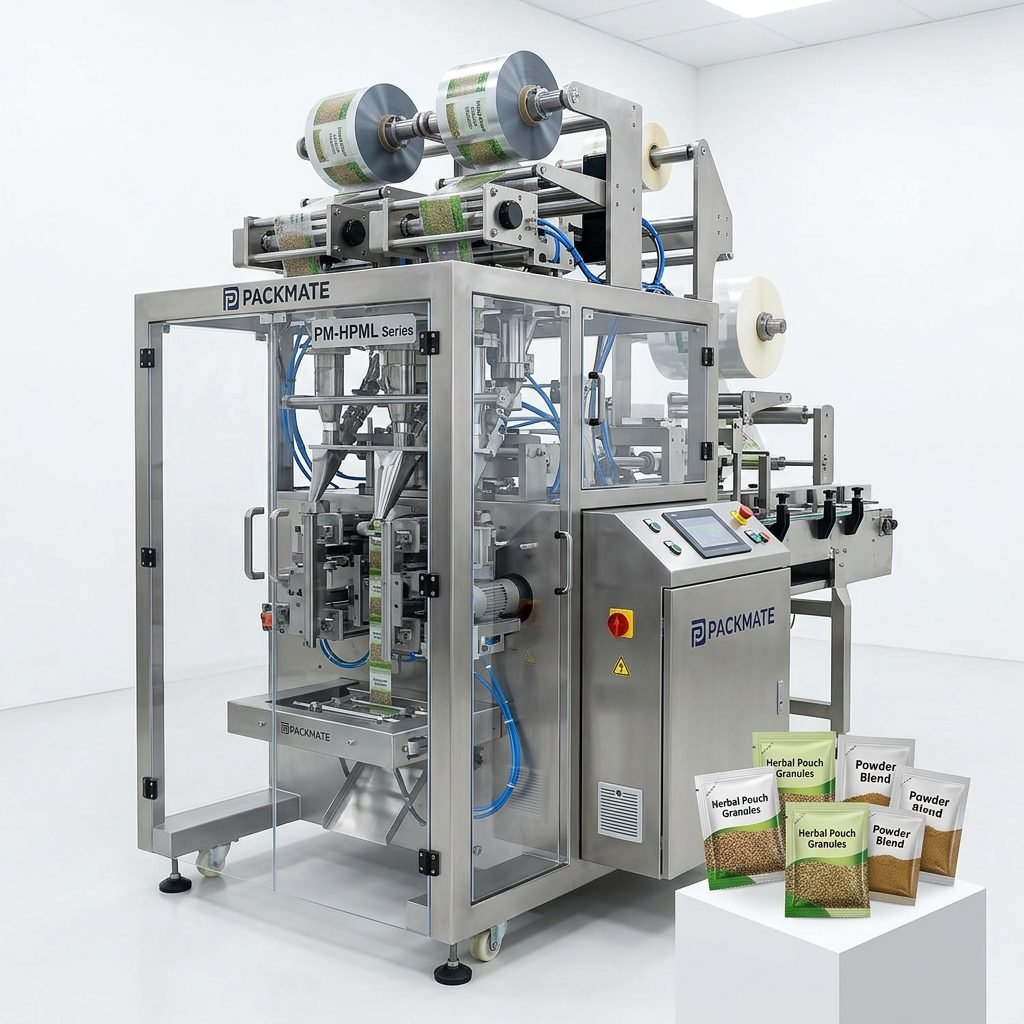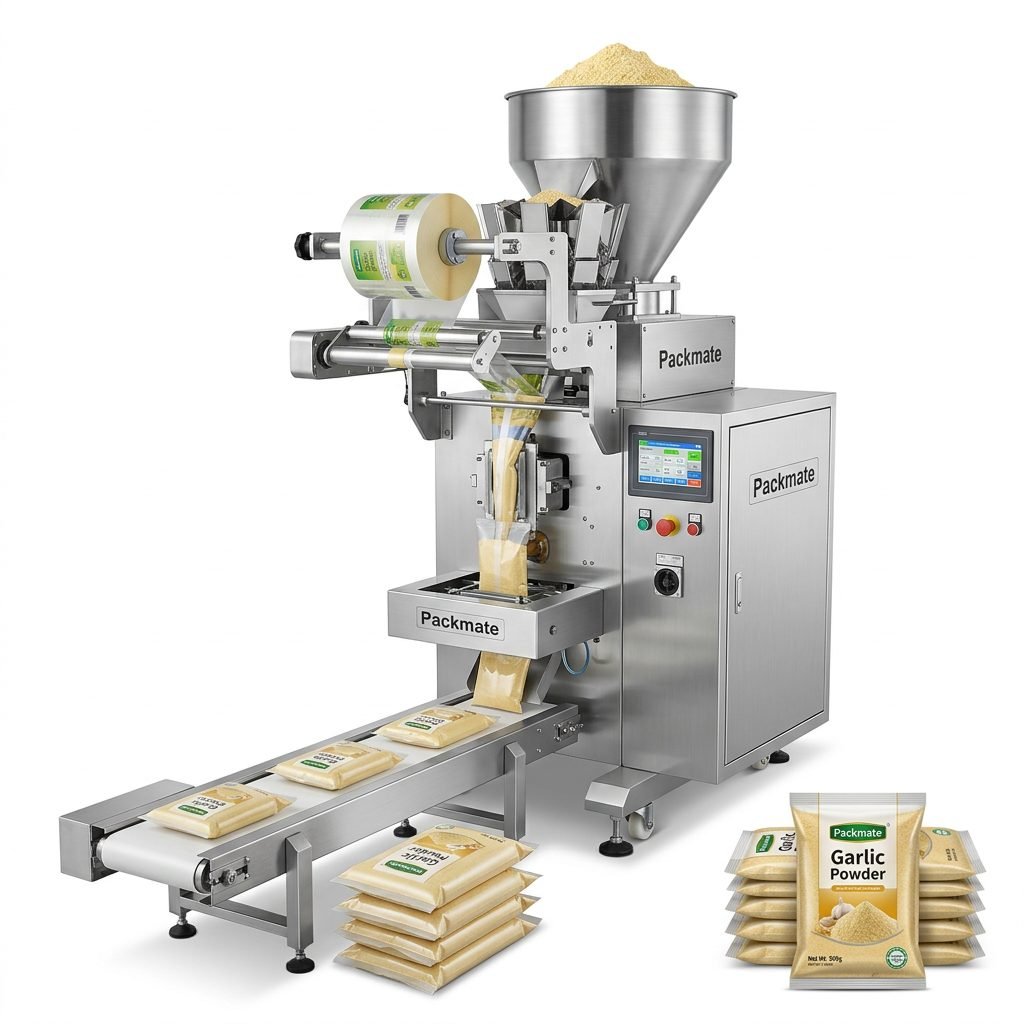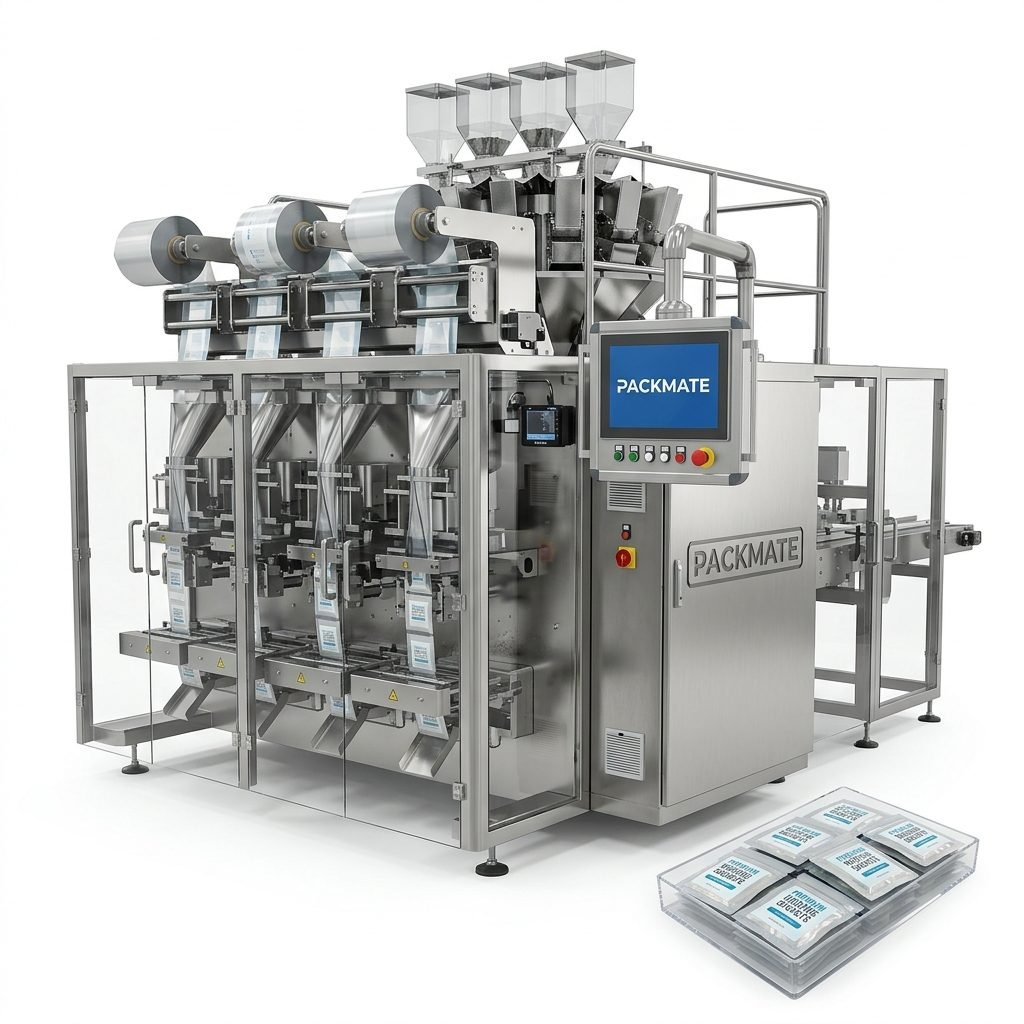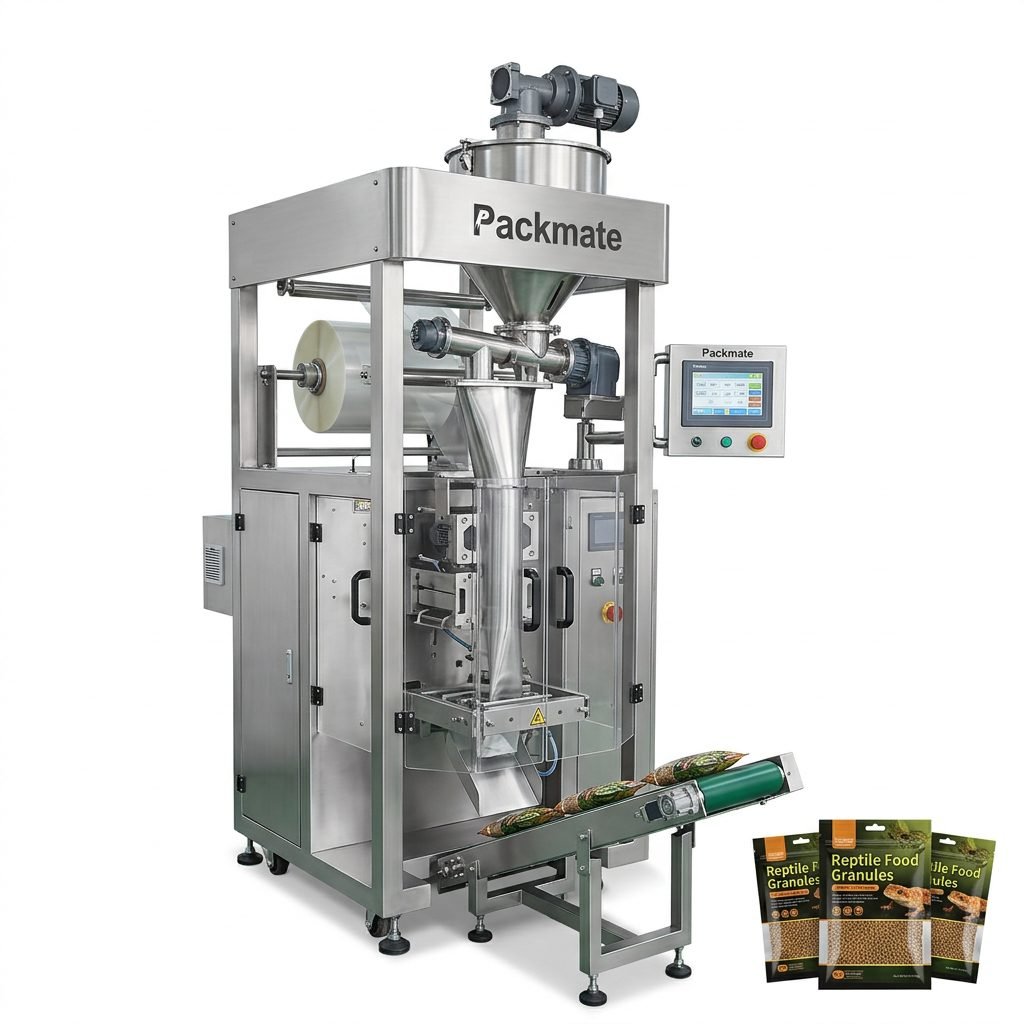
In today’s fast-paced manufacturing world, efficiency is the cornerstone of profitability and market competitiveness. For businesses handling liquids—from beverages and dairy products to pharmaceuticals, chemicals, and personal care items—the packaging process is a critical bottleneck. Manual or semi-automated filling is not only slow and labor-intensive but also prone to errors that lead to product waste, inconsistent quality, and potential safety issues. This is where a fully Automatic Liquid Packing Line becomes a transformative investment. By integrating precision engineering with intelligent control systems, these solutions are engineered to dramatically improve filling speed, accuracy, and overall operational efficiency, delivering a rapid return on investment.
The Core Challenge: Inefficiency in Liquid Packaging
Traditional liquid packaging methods struggle to meet modern demands. Manual filling is inconsistent and slow, while many semi-automatic machines require constant operator intervention, leading to downtime and variability. Common pain points include:
- Speed Limitations: Bottlenecks that restrict overall production throughput.
- Accuracy Issues: Overfilling wastes costly product, while underfilling leads to customer complaints and regulatory non-compliance.
- High Labor Costs: Significant reliance on skilled operators for monitoring and adjustment.
- Contamination Risk: Increased human contact raises hygiene concerns, especially critical in food and pharmaceutical sectors.
- Lack of Data: Difficulty in tracking production metrics for process optimization.
An automatic line addresses these issues head-on, creating a seamless, closed-loop system from container feeding to final cartoning. For a deeper look at how such systems are configured, explore our comprehensive packaging solutions.
How Automation Revolutionizes Filling Speed
The primary advantage of an automatic liquid packing line is its remarkable speed. These systems are designed for continuous, high-volume operation.
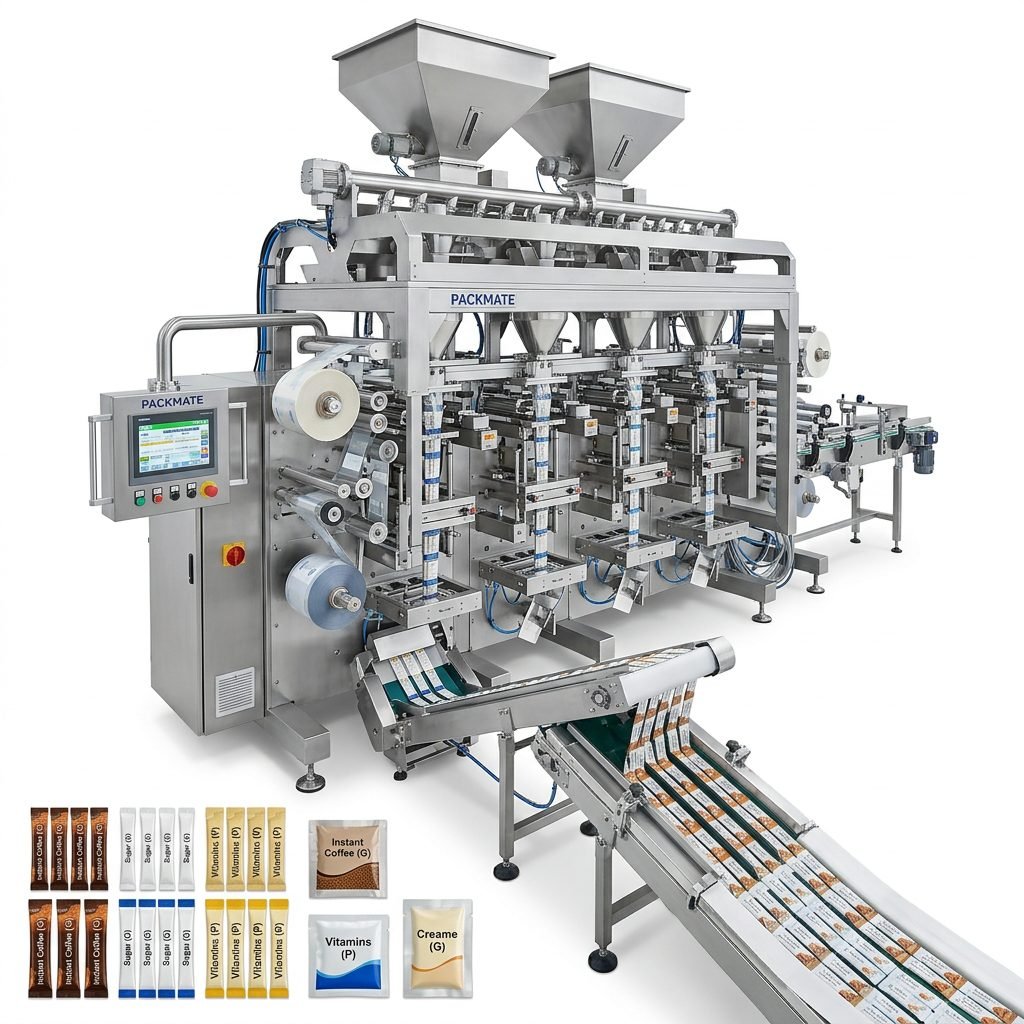
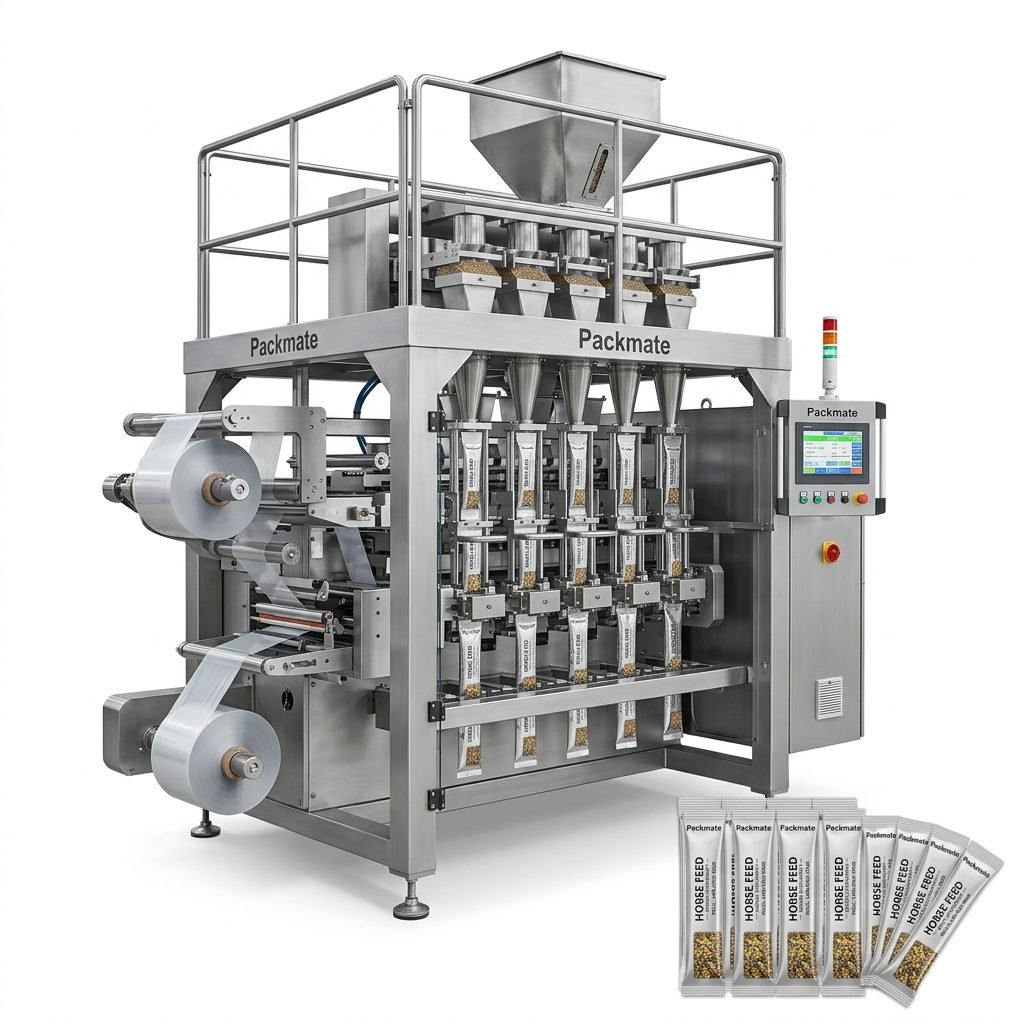
Multi-Lane & Multi-Head Design: Modern lines often feature multiple filling heads operating simultaneously across several conveyor lanes. This parallel processing capability can increase output by 300% or more compared to single-head machines.
Integrated Conveyor Systems: Smooth, synchronized transport of containers between stations—washing, filling, capping, sealing, and labeling—eliminates manual handling delays. The flow is constant and optimized for minimal idle time.
High-Speed Servo Motors: The use of precision servo drives ensures rapid, yet smooth and controlled movements for indexing, lifting, and filling actions, maximizing cycles per minute.
Quick Changeover Features: Advanced lines incorporate tool-less adjustments and recipe memory functions, allowing rapid switchovers between different container sizes or products. This drastically reduces downtime and enhances flexibility for batch production. You can see this adaptability in action across various industries in our detailed project case studies.
Unmatched Accuracy: Precision in Every Drop
Speed means nothing without precision. Automatic filling systems deliver exceptional accuracy through advanced technologies.
Key Technologies Ensuring Filling Accuracy:
Volumetric & Piston Fillers: Ideal for viscous products like sauces, creams, or oils, providing highly repeatable volume displacement.
Gravity & Pressure Fillers: Perfect for free-flowing liquids like water or juices, offering fast and consistent fill levels.
Net Weight Fillers: The gold standard for accuracy. These systems use in-line load cells to weigh each container during filling, making real-time adjustments to hit the exact target weight, crucial for high-value products.
Flow Meter Technology: Utilizes precise sensors to measure the exact volume of liquid dispensed, often combined with feedback loops for correction.
This level of accuracy minimizes product give-away, ensures compliance with strict net content regulations, and guarantees every customer receives a perfectly filled product. The reliability behind this precision stems from decades of engineering expertise, a story you can learn more about on our About Us page.
Driving Holistic Operational Efficiency
Efficiency extends beyond the filling nozzle. An automatic packing line optimizes the entire production ecosystem.
Labor Reallocation & Cost Savings: Automating the repetitive tasks of filling, capping, and labeling allows businesses to reallocate human resources to more value-added roles like quality control, maintenance, and supervision. This reduces long-term labor costs and minimizes errors from fatigue.
Reduced Material Waste: High accuracy directly translates to less product waste. Furthermore, automated systems often include drip trays, splash guards, and quick-dump features to recover and manage any spillage efficiently.
Enhanced Hygiene & Safety: Closed systems limit product exposure to the environment, reducing contamination risks. They also improve worker safety by minimizing contact with moving parts and potentially hazardous materials.
Data Collection & OEE (Overall Equipment Effectiveness): Modern lines are equipped with PLCs and SCADA systems that collect real-time data on speed, output, downtime, and error rates. This data is vital for predictive maintenance, process optimization, and calculating true OEE.
Space Optimization: A streamlined, integrated line has a smaller footprint than a collection of disparate semi-automatic machines, freeing up valuable factory floor space.
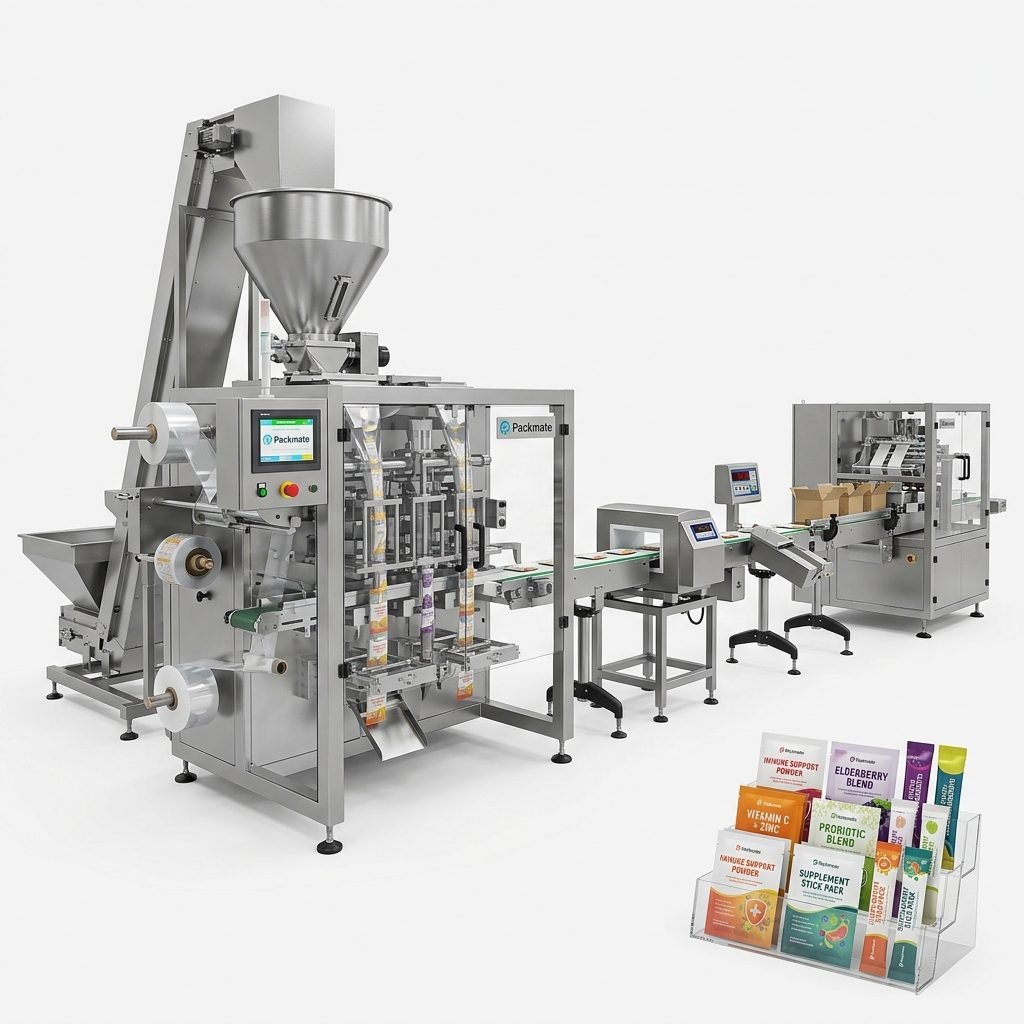
Key Components of a Modern Automatic Liquid Packing Line
A complete turnkey solution is more than just a filler. It is a symphony of integrated machines working in harmony.
► Unscrambler / Bottle Feeder: Automatically orients and feeds empty containers onto the conveyor.
► Air Cleaner / Rinser: Purges containers with ionized air or a liquid rinse to remove dust or particles.
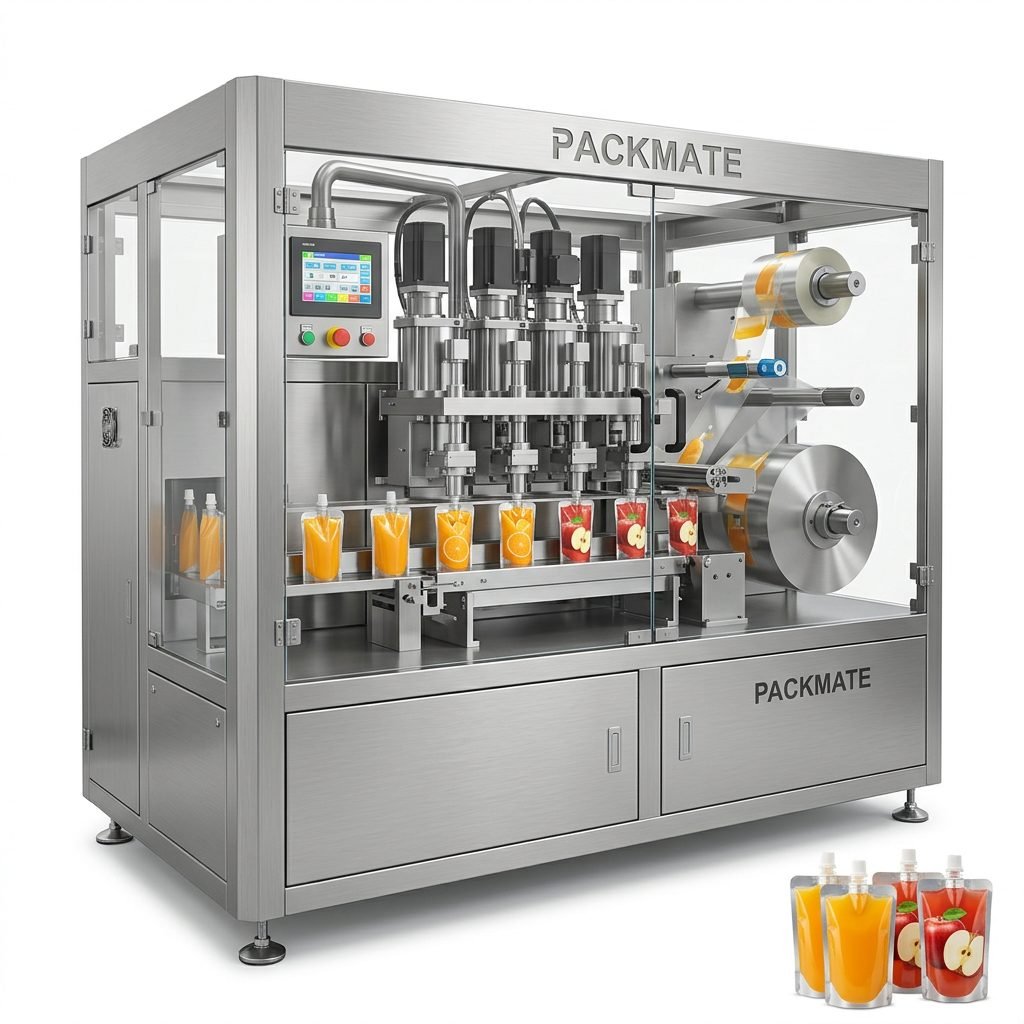
► Liquid Filling Machine: The heart of the line, utilizing the appropriate technology (piston, gravity, etc.) for the product.
► Capping or Sealing Machine: Applies screw caps, snap lids, or induction seals with consistent torque and placement.
► Labeling Machine: Applies primary labels, back labels, or wraps with precise registration.
► Inspection Systems: Check for fill level, cap presence, label alignment, and even foreign particles.
► Cartoning & Case Packing: Groups finished products into cartons or cases for shipping.
The selection and integration of these components are critical. A provider with end-to-end capability, like Packmate, ensures all machines communicate flawlessly, maximizing the line’s synergy and reliability.
Choosing the Right Solution Partner
Investing in an automatic liquid packing line is a significant decision. Partnering with an experienced provider is crucial. Look for a partner with:
- Proven Industry Experience: A track record in your specific sector (food, pharma, chemical).
- Turnkey Project Management: Ability to deliver a complete, working line from design to installation and training.
- Robust After-Sales Support: Access to spare parts, remote diagnostics, and on-site service to ensure uptime.
- Technological Innovation: Commitment to incorporating the latest control and efficiency technologies.
With over 30 years of experience and a company profile built on innovation, Packmate designs lines that are not just fast, but smart, reliable, and tailored to deliver lasting competitive advantage.
Conclusion: The Future is Automated
The transition to an automatic liquid packing line is no longer a luxury for large corporations; it is a necessary strategic move for any business aiming to scale, ensure quality, and remain profitable. The triad of benefits—blazing speed, micrometer-level accuracy, and holistic plant efficiency—creates a powerful value proposition. By reducing waste, lowering operational costs, and enabling scalable production, automation paves the way for sustainable growth and market leadership.
Frequently Asked Questions (FAQs)
1. What types of liquids can be handled by an automatic packing line?
Virtually all. Lines can be configured for water-thin liquids (water, juices), viscous products (syrups, creams, pastes), foamy liquids (shampoos), and even corrosive chemicals. The filling technology (piston, gravity, pressure) is selected based on the product’s viscosity, foaming characteristics, and sensitivity.
2. How significant is the ROI (Return on Investment) for such a line?
ROI is typically very compelling, often achieved within 12-24 months. Savings come from drastically reduced labor costs, minimized product waste (overfilling), higher throughput enabling more sales, and reduced downtime. A detailed analysis based on your current costs and production targets can provide a precise forecast.
3. Can one line handle different container sizes and shapes?
Yes, modern lines are designed for flexibility. With quick-change parts, adjustable guides, and programmable servo settings, changeover between different bottles, pouches, or cans can often be accomplished in under 30 minutes. Recipe memory in the PLC stores settings for each product/container combination.
4. How complex is the maintenance for an automated line?
While more complex than a single machine, maintenance is highly structured. Predictive maintenance schedules are based on sensor data, and modular design allows for easy part replacement. A reliable supplier will provide comprehensive training and clear documentation, making routine maintenance manageable for your team. For ongoing support, review our service commitments.
5. What level of customization is possible?
High levels of customization are standard. From the choice of stainless-steel grades (e.g., 316L for corrosive or sanitary applications) to the integration of specific inspection systems, coding printers, or custom end-of-line packaging, a professional provider will engineer the line to meet your exact factory layout, product specifications, and output goals.