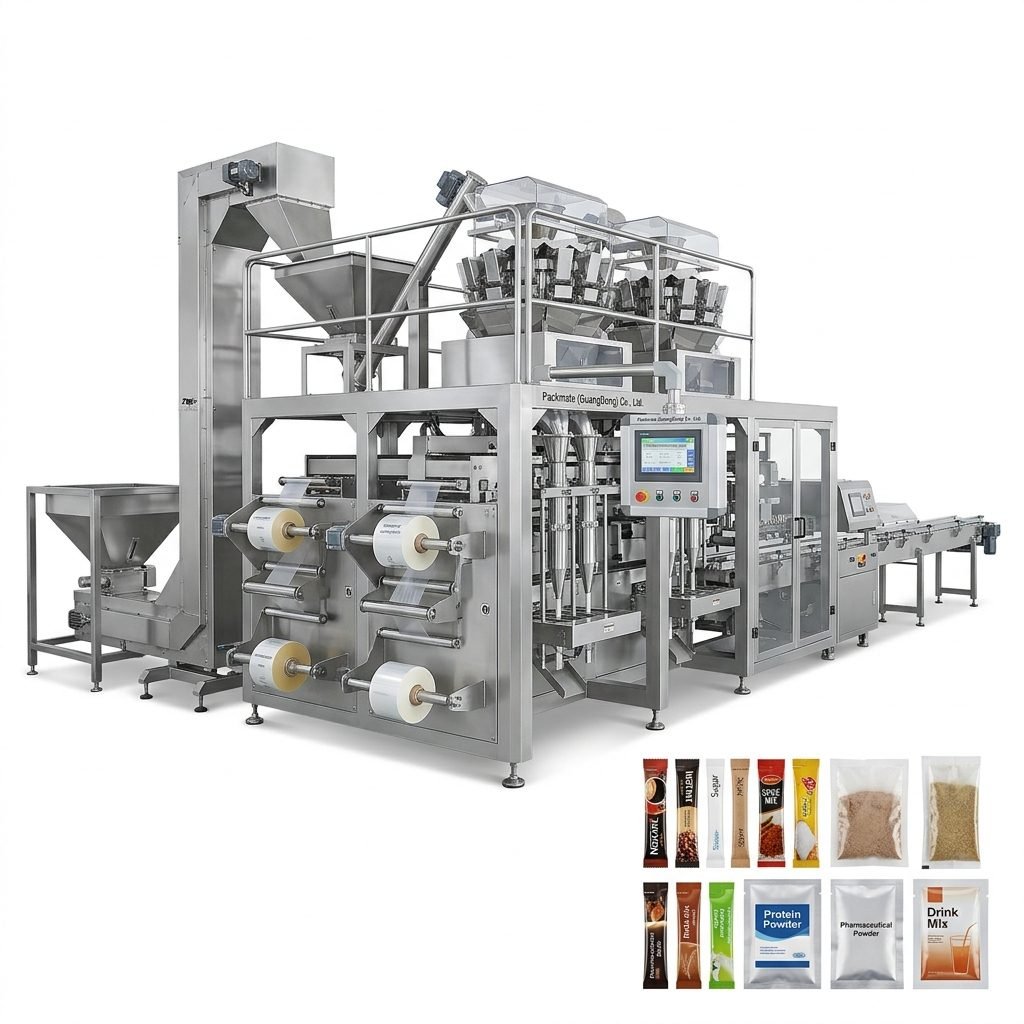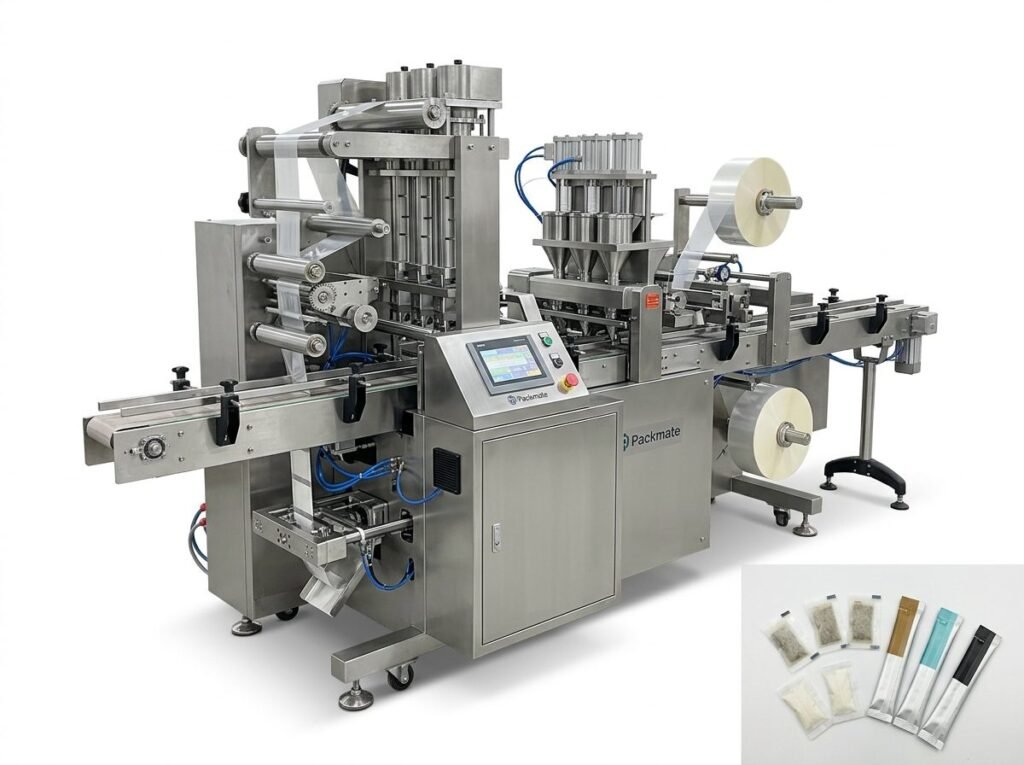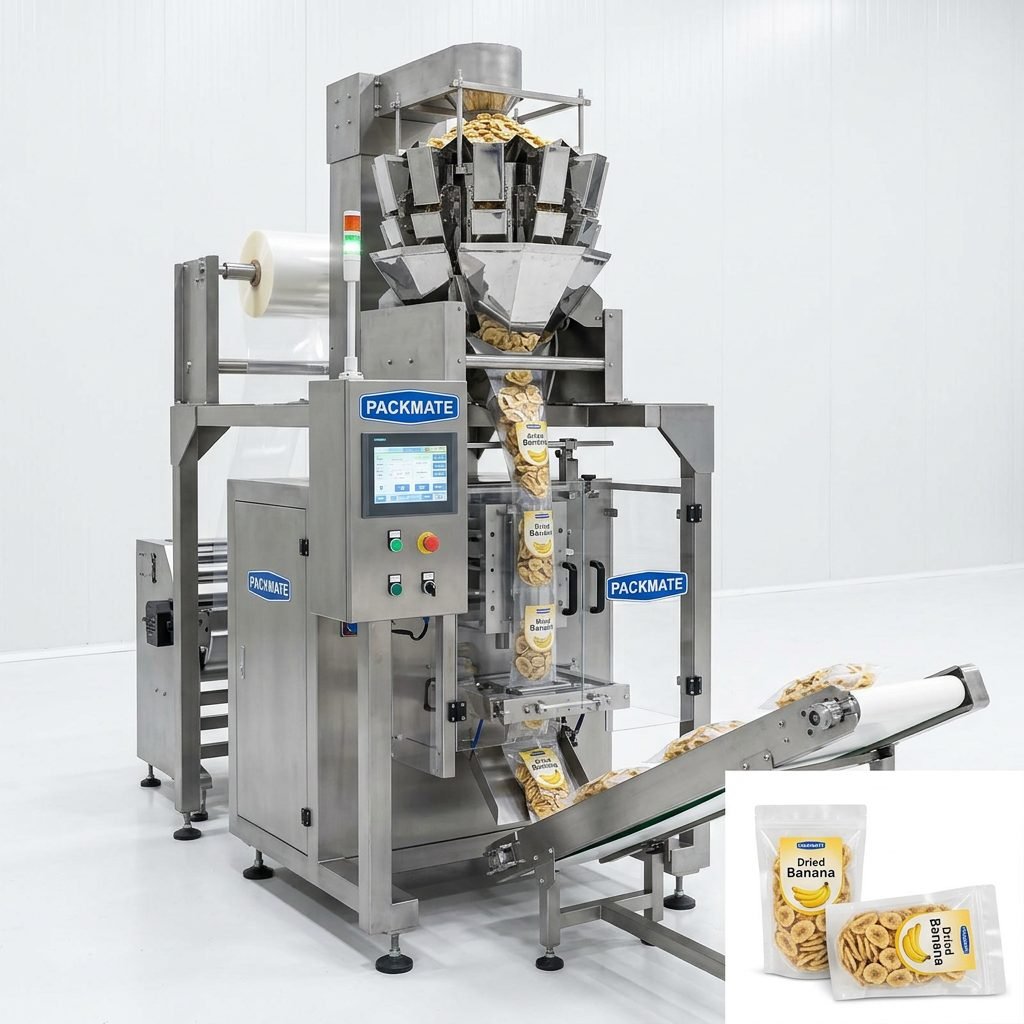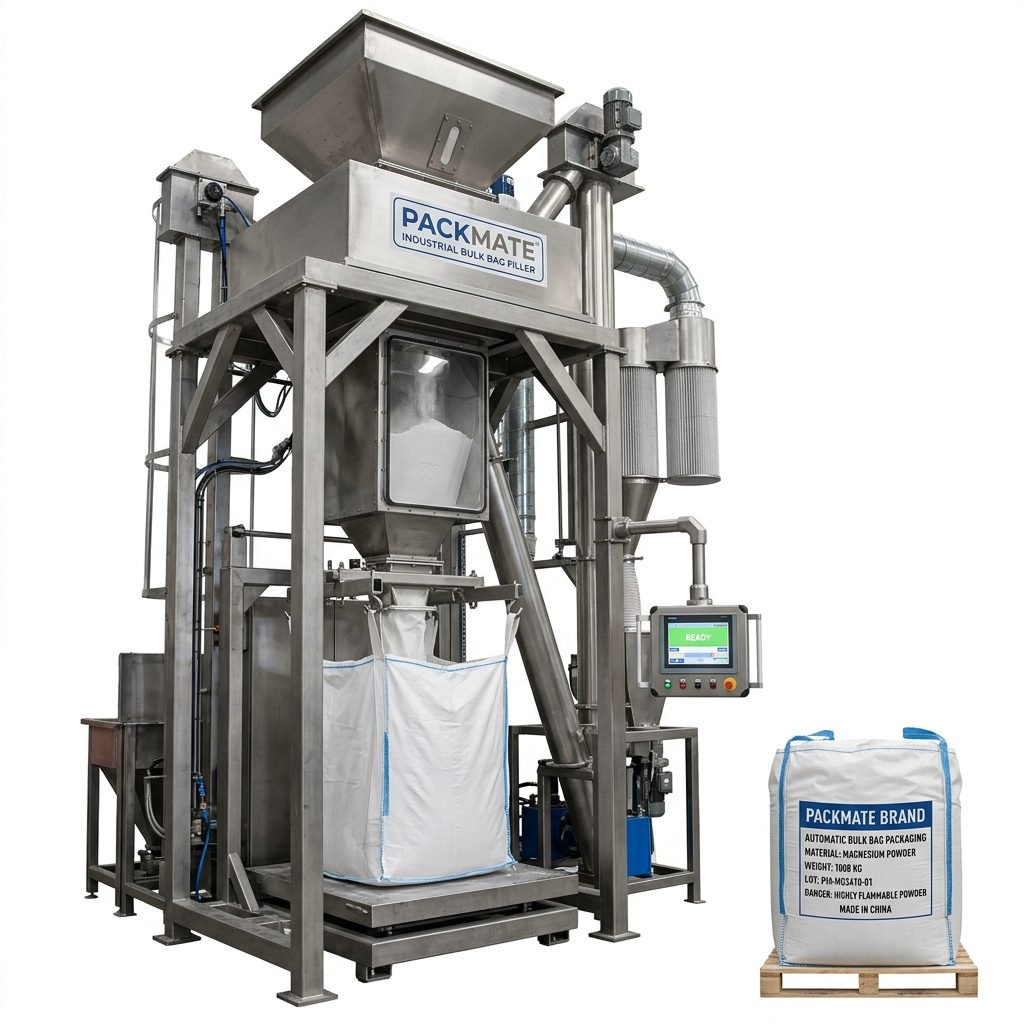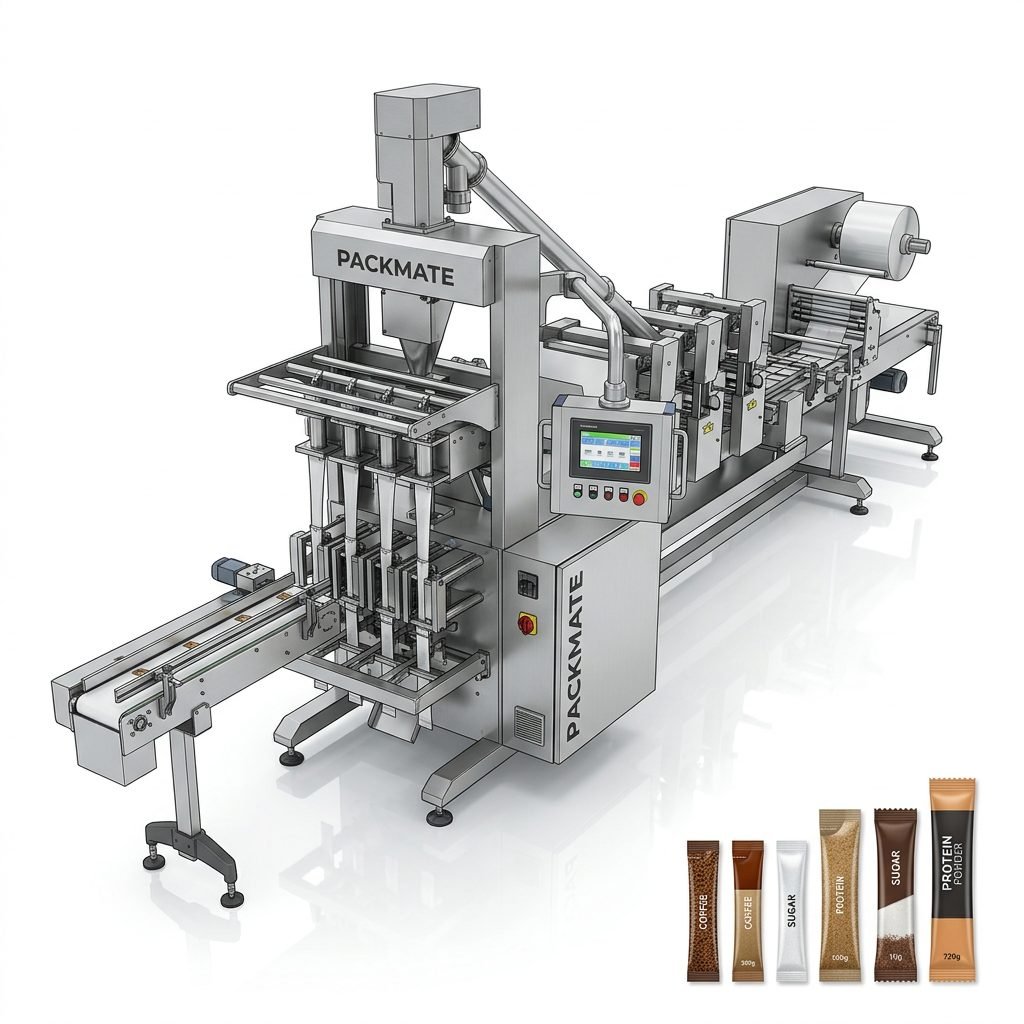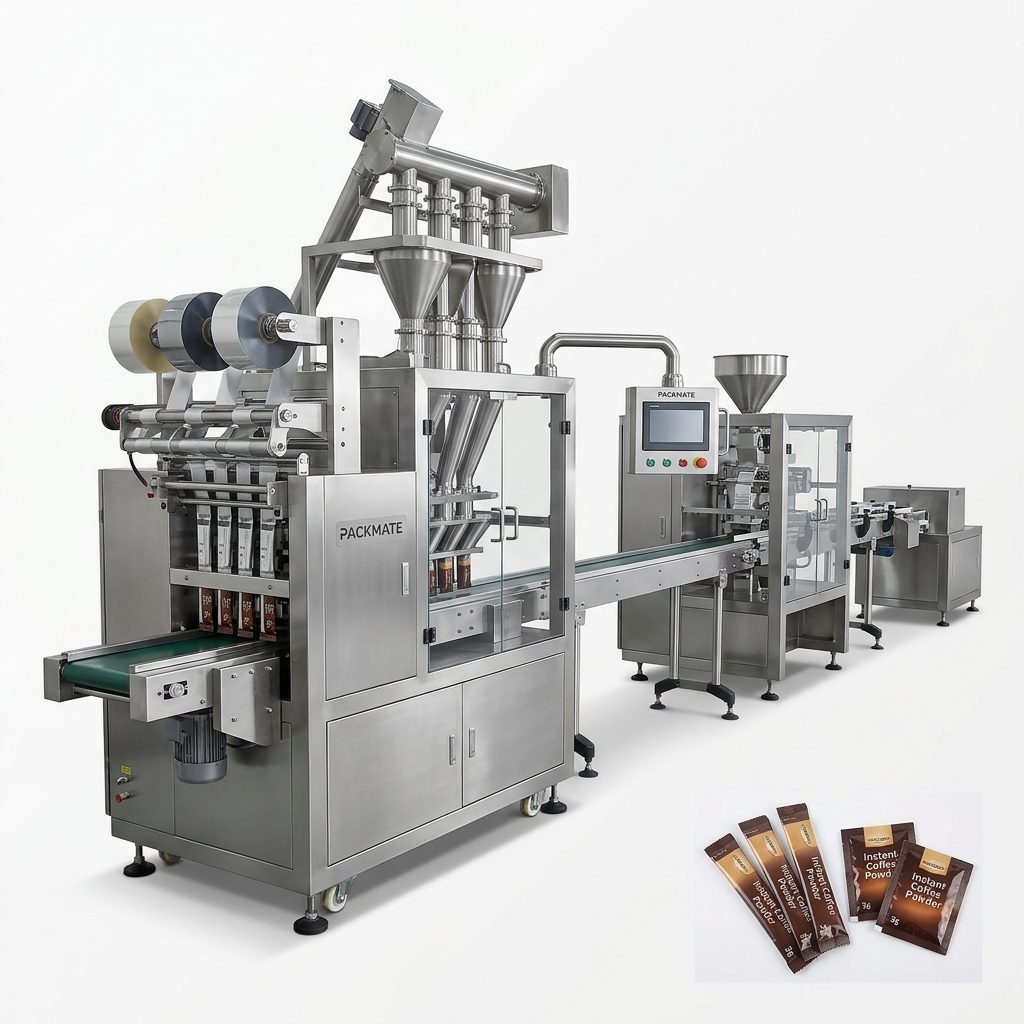
In today’s fast-paced and highly regulated production environments, efficiency, flexibility, and compliance are non-negotiable. For industries where product integrity directly impacts consumer health and safety—such as food, pharmaceuticals, and nutraceuticals—the packaging process is as critical as the formulation itself. This is where the strategic adoption of modular packaging line solutions becomes a game-changer, offering a scalable and future-proof approach to meeting diverse and evolving production demands.
The Core Philosophy of Modular Packaging Systems
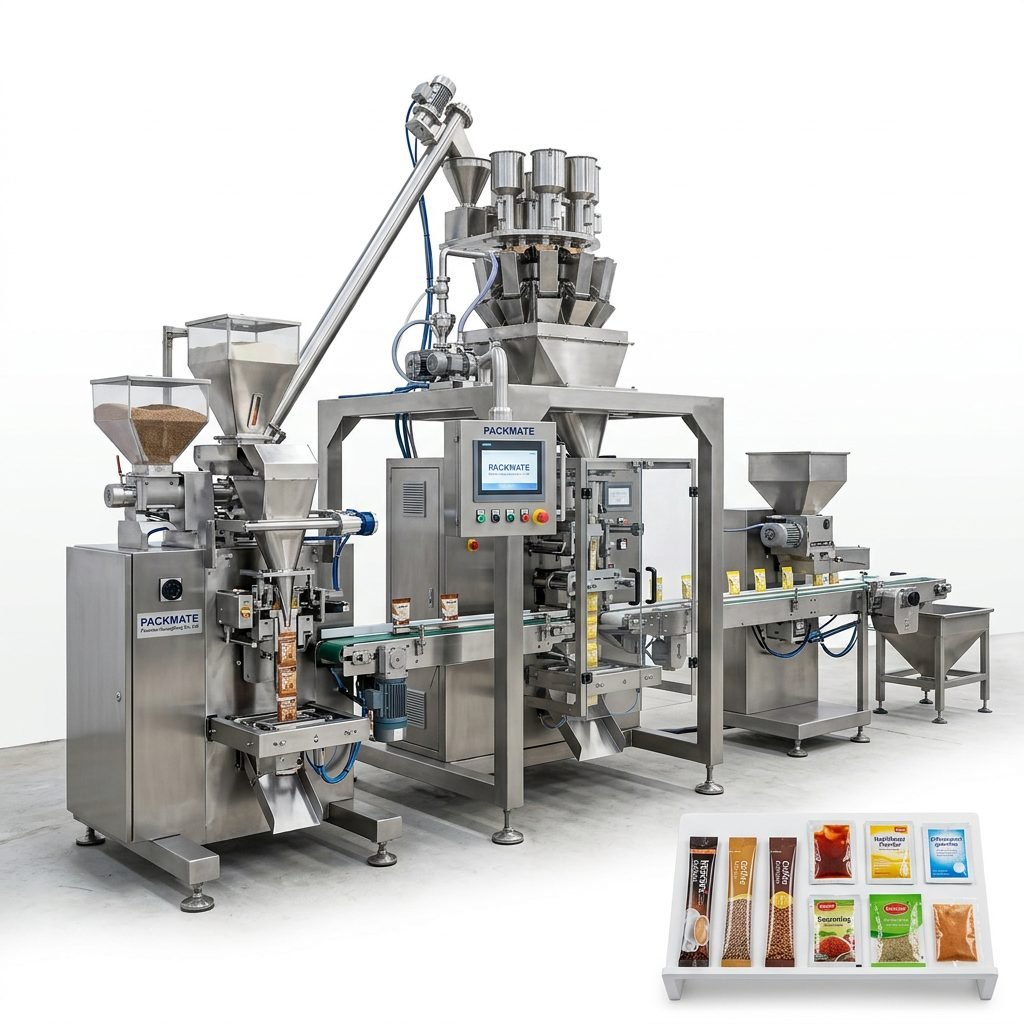
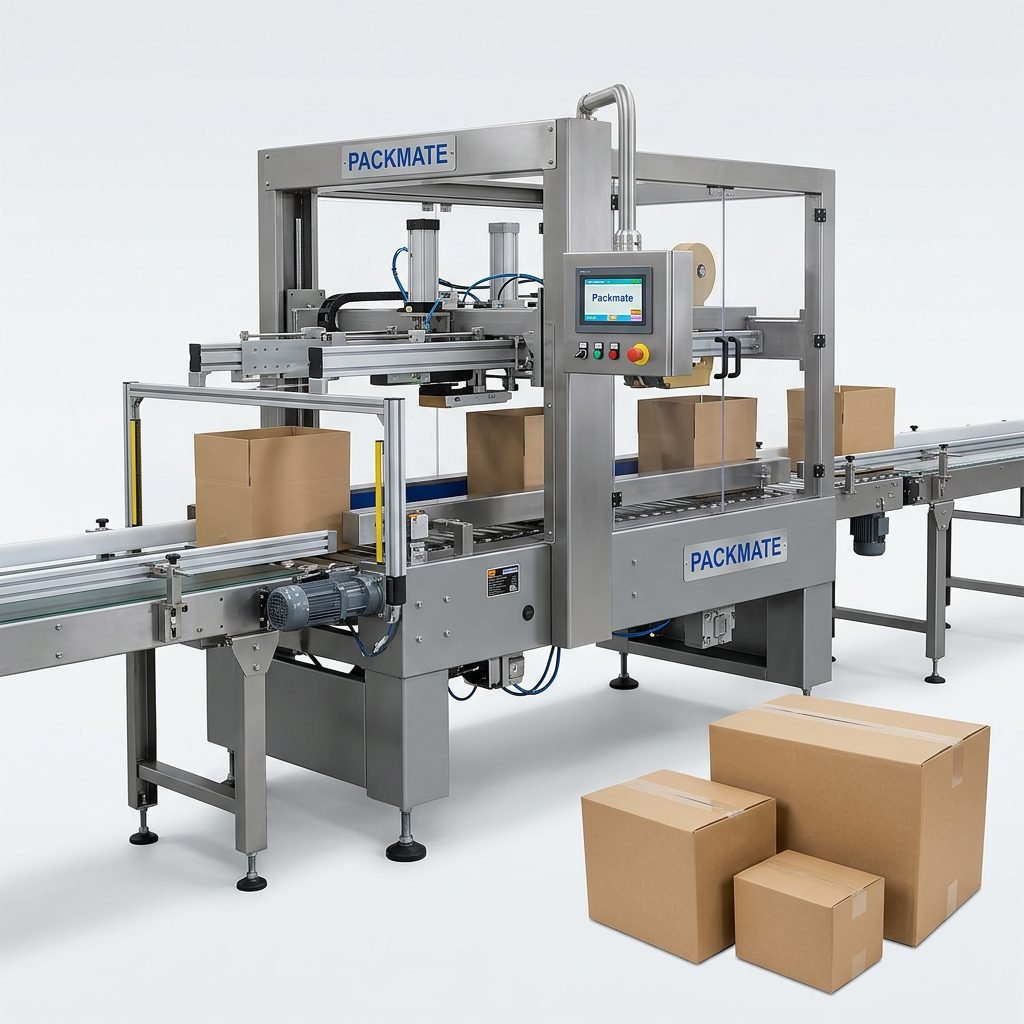
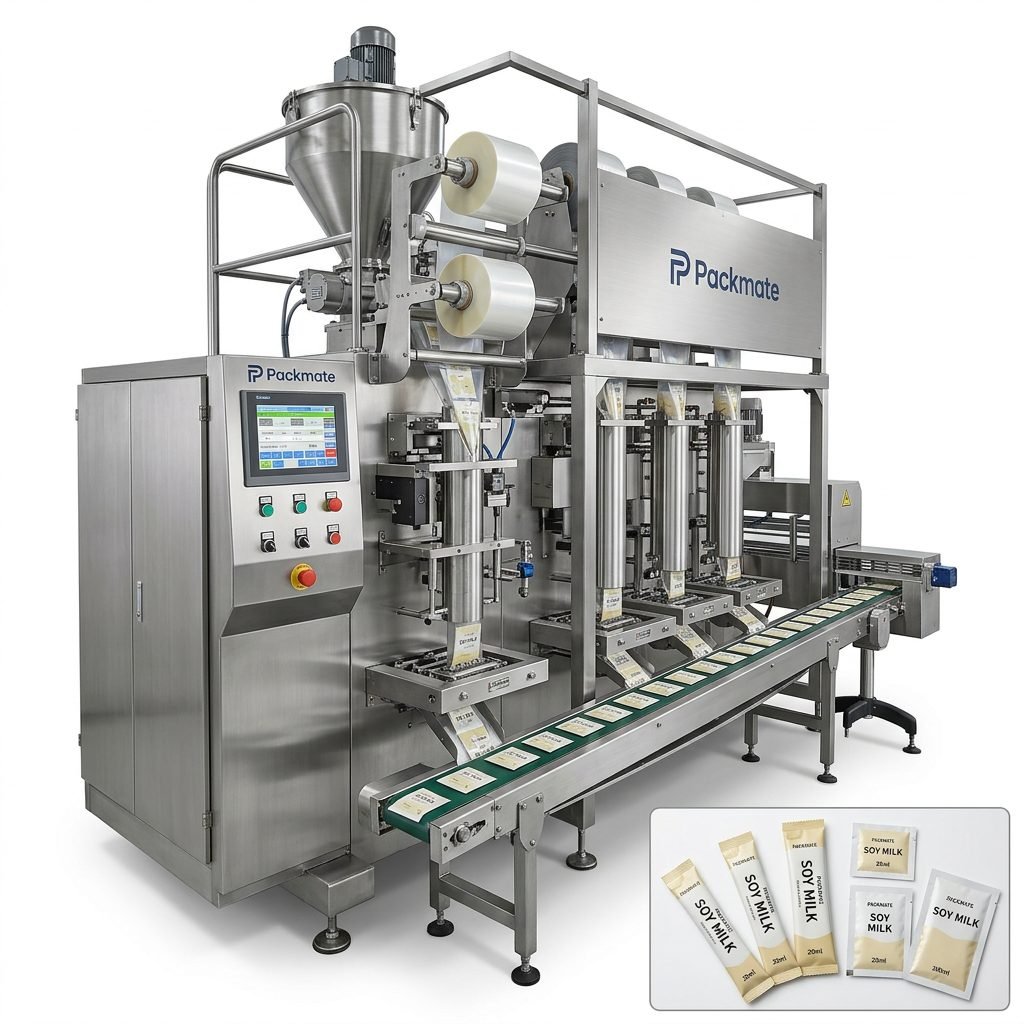
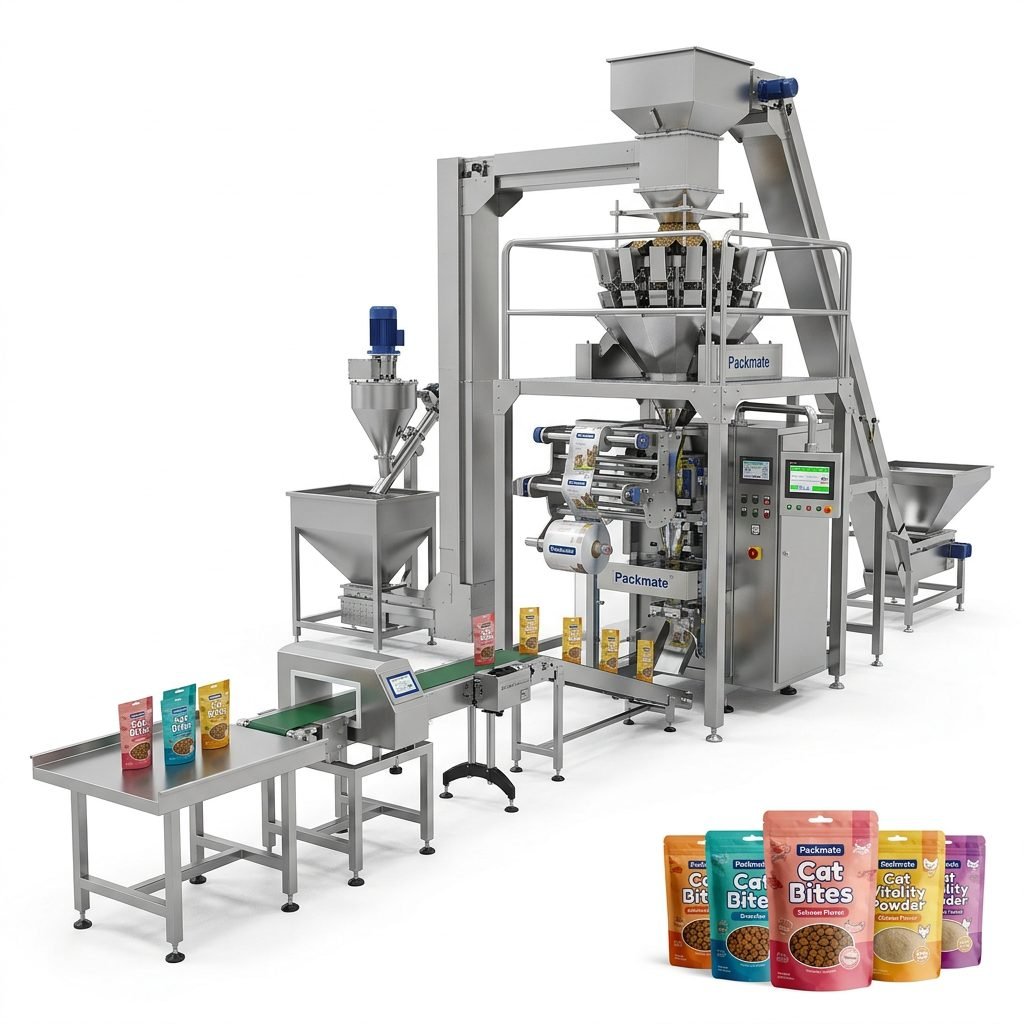
Unlike traditional, rigid packaging lines designed for a single product type, a modular system is built on the principle of interchangeable, standardized units or modules. Each module performs a specific function—such as feeding, filling, sealing, coding, or cartoning—and can be integrated, rearranged, or upgraded with minimal disruption. This design philosophy transforms the packaging line from a fixed asset into a dynamic, adaptable tool that grows with your business.
Key Advantages at a Glance:
- Unmatched Flexibility: Quickly switch between different product formats (e.g., sachets, stick packs, pouches) or package sizes by reconfiguring modules.
- Scalable Investment: Start with a core system and add capabilities (like checkweighing or vision inspection) as production volumes or SKUs increase.
- Reduced Downtime: Isolate and service or replace individual modules without halting the entire production line.
- Future-Proofing: Easily integrate new technologies, such as advanced traceability systems or AI-driven quality control, as they emerge.
Application Across Critical Industries
The modular approach is uniquely suited to address the distinct yet sometimes overlapping challenges in food, pharmaceutical, and nutraceutical production. For a deeper look at how these solutions are tailored, explore our dedicated packaging solutions page.
Food Production: Adapting to Variety and Seasonality
The food industry faces constant demand for new product varieties, limited-edition runs, and seasonal packaging. A modular line allows a snack manufacturer, for instance, to run nuts in stick packs one week and switch to powdered drink mixes in sachets the next with minimal changeover time. This agility is crucial for responding to market trends and minimizing inventory waste. Hygiene and cleanability modules ensure compliance with stringent food safety standards like HACCP and FDA regulations.
Pharmaceutical Manufacturing: Compliance and Precision
In pharmaceuticals, the stakes are incredibly high. Packaging lines must ensure absolute product purity, accurate dosing, and tamper-evident security while generating exhaustive documentation for regulatory bodies. Modular systems excel here by allowing the seamless integration of validated, GMP-compliant modules for tasks like nitrogen flushing to extend shelf-life, precise powder filling for APIs, or serialization modules for track-and-trace compliance. The ability to validate each module independently simplifies the overall qualification process.
Nutraceutical & Supplement Production: Bridging Two Worlds
Nutraceuticals operate at the intersection of food and pharma, requiring the consumer appeal of the former and the quality assurance of the latter. Producers often handle a wide range of formats—from tablets and capsules to powders and liquids—in small to medium batches. Modular packaging provides the perfect balance, offering the flexibility for short runs and frequent changeovers while incorporating the precision filling and quality control (like metal detection) necessary for a health-focused product. Discover real-world applications in our project case studies.
Key Components of a Successful Modular Line
Building an effective modular packaging line involves more than just connecting machines. It requires a holistic design focused on synergy and control.
1. Intelligent Central Control System
The “brain” of the operation. A unified PLC or PC-based HMI controls all modules, ensuring synchronized operation, collecting real-time OEE (Overall Equipment Effectiveness) data, and providing intuitive diagnostics. This allows for recipe management, where settings for each product are stored and recalled instantly.
2. Standardized Mechanical & Data Interfaces
True plug-and-play functionality depends on standardized connection points for power, air, product flow, and data communication (e.g., OPC UA, Ethernet/IP). This ensures modules from different specialists—like a high-accuracy filler and a high-speed cartoner—can work together seamlessly.
3. Integrated Quality Assurance Modules
Quality control should be embedded, not added as an afterthought. Common integrated modules include:
Checkweighers
Vision Inspection Systems
Metal Detectors/X-ray Inspectors
Leak Detectors
These modules automatically reject non-conforming products and log data for quality reports.
4. Flexible Conveyance & Handling
Adaptable conveyors, robotic pick-and-place units, and smart product routing are essential for gently and efficiently transferring products between different packaging stages, especially when handling fragile items or switching container types.
Partnering with an Expert: The Packmate Advantage
Implementing a modular line is a significant strategic decision. Success hinges on partnering with a provider who possesses deep application knowledge, robust engineering capabilities, and a commitment to long-term support. With over 30 years of experience, Packmate (GuangDong) Co., Ltd. embodies this expertise.
Our journey, from a specialized workshop to a provider of complete turnkey lines, has been fueled by a passion for solving complex packaging challenges. Operating from a modern 20,000㎡ facility in the heart of China’s Greater Bay Area manufacturing hub, we combine innovative design with proven reliability. We don’t just sell machines; we deliver complete packaging ecosystems. Our team works closely with clients to understand their specific needs—whether for granules, powders, or liquids—and designs a modular solution that optimizes their unique workflow. Learn more about our journey and ethos on our Company Profile page.
From initial concept and factory layout planning to installation, training, and ongoing technical service, we ensure a smooth transition and maximum return on your investment. Our global clientele across the food, pharma, and nutraceutical sectors is a testament to the versatility and reliability of our modular packaging line solutions.
Frequently Asked Questions (FAQs)
1. Is a modular packaging line more expensive than a traditional line?
While the initial investment for a high-quality modular system can be comparable or slightly higher, the Total Cost of Ownership (TCO) is often lower. Savings are realized through reduced changeover times, higher overall equipment effectiveness (OEE), easier maintenance, and the avoidance of costly, full-line replacements for future upgrades. It is an investment in long-term operational agility.
2. How long does it take to change over a modular line for a different product?
Changeover times vary based on complexity but are dramatically faster than with fixed lines. Simple size changes on a stick pack line, for example, can often be achieved in 30-60 minutes using quick-change parts. Full format changes (e.g., from sachets to stick packs) may take a few hours. The key is that modules are designed for rapid disconnection and reconfiguration.
3. Can modular lines handle the strict validation requirements of the pharmaceutical industry?
Absolutely. In fact, modular design can simplify validation. Each functional module (Filling, Sealing, Inspection) can undergo Individual Qualification (IQ/OQ) independently. When integrated, the focus shifts to the interfaces and the overall system performance (PQ). Reputable suppliers provide full documentation packs (DQ, FAT, SAT) to support the validation process from start to finish.
4. What if I need to add a new function in a few years? Will it be compatible?
This is a core benefit of modularity. By choosing a supplier with a forward-looking design philosophy and standardized communication protocols, integrating new technologies is straightforward. It’s crucial to discuss future roadmaps with your supplier during the initial design phase to ensure the control architecture and physical layout have the capacity for expansion.
5. How do I choose the right partner for a modular packaging project?
Look for a partner with: Proven industry experience in your specific sector (food, pharma, etc.); A strong portfolio of modular projects and client references; In-house engineering and manufacturing capability for better quality control and support; A comprehensive service offering, from planning to lifecycle support. Engaging in a detailed consultation and requesting a Factory Acceptance Test (FAT) are critical steps. For any further questions, our comprehensive FAQs resource is available.