In today’s fast-paced and highly regulated manufacturing landscape, the demand for efficient, hygienic, and reliable packaging has never been greater. For industries where product integrity is paramount—specifically food, pharmaceuticals, and health products—the packaging line is far more than a final step; it is a critical component of the production process that ensures safety, compliance, and market success. Specialized packaging line engineering solutions are therefore essential, designed to meet the unique and stringent requirements of each sector.
The Critical Role of Specialized Packaging Lines
Packaging serves a dual purpose: it protects the product and communicates brand value. For sensitive products, the stakes are exponentially higher. A one-size-fits-all approach is not only inefficient but can be a significant liability.
Key Industry Drivers:
Consumer Safety & Regulatory Compliance: Global standards like FDA, GMP, and ISO dictate strict protocols for contamination control and traceability.
Product Integrity Preservation: Protection from moisture, oxygen, light, and microbial invasion is non-negotiable for shelf life and efficacy.
Operational Efficiency & Scalability: Lines must be fast, minimize waste, and adapt to different product formats without compromising hygiene.
Engineering Solutions for the Food Industry
Food packaging must balance preservation, appeal, and speed. Engineering solutions here focus on extending shelf life while maintaining freshness and navigating the high-volume demands of consumer markets.
Core Technologies and Focus Areas:
Modified Atmosphere Packaging (MAP): Engineers integrate gas flushing systems that replace oxygen with inert gases like nitrogen, dramatically slowing spoilage for snacks, meats, and ready-to-eat meals.
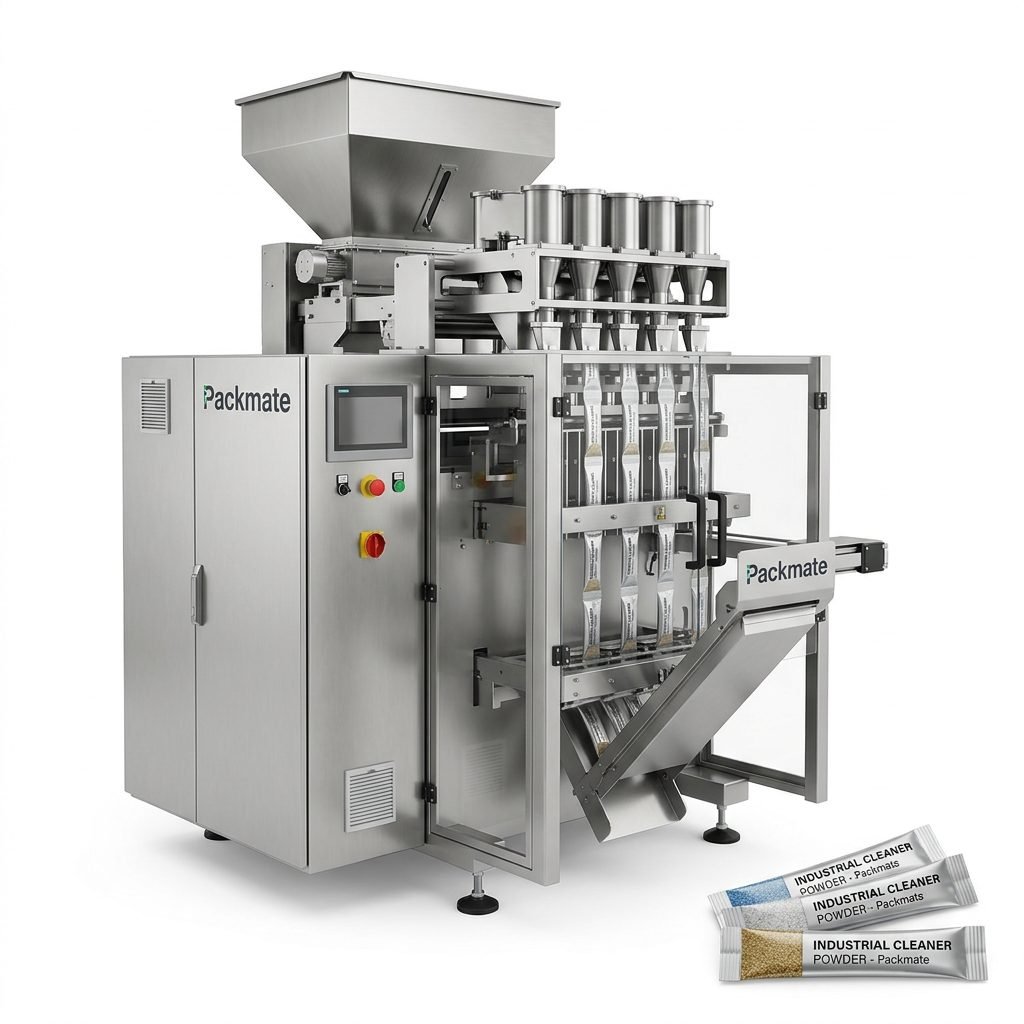
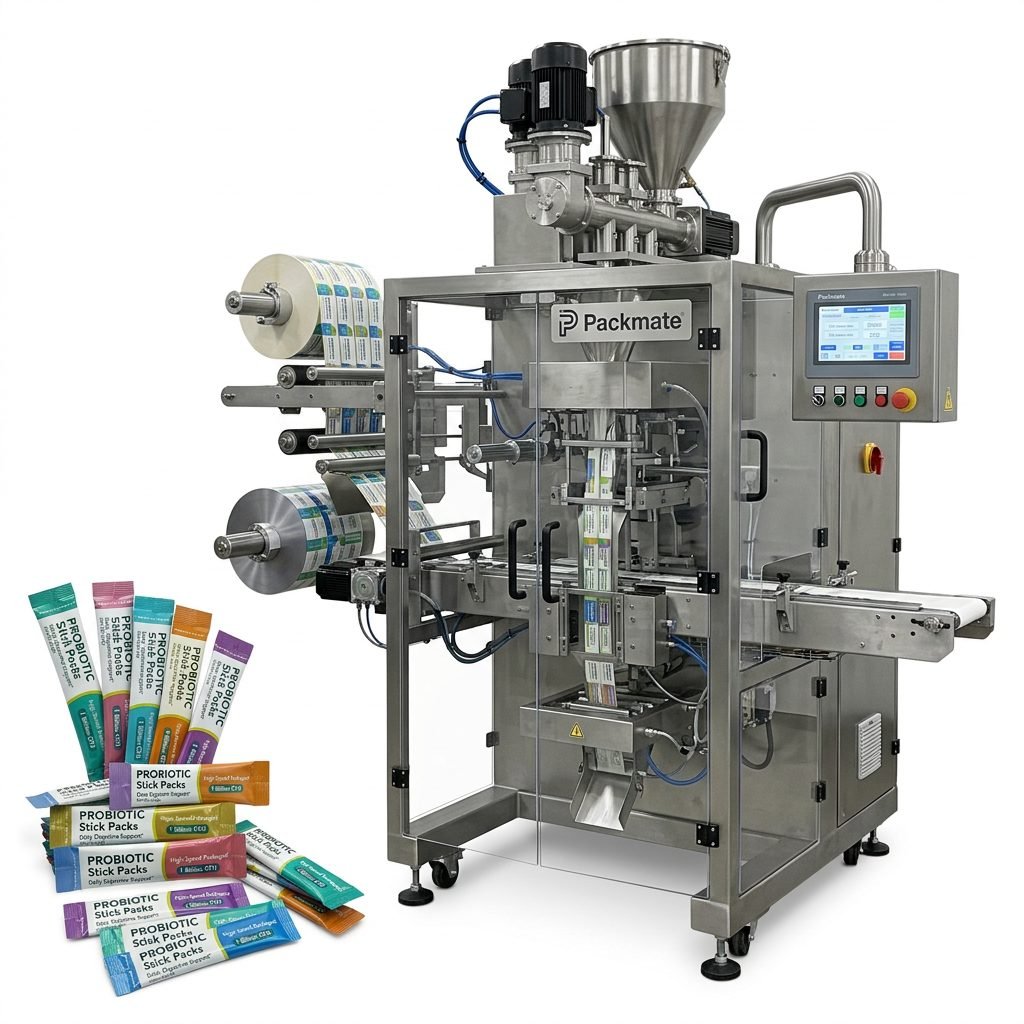
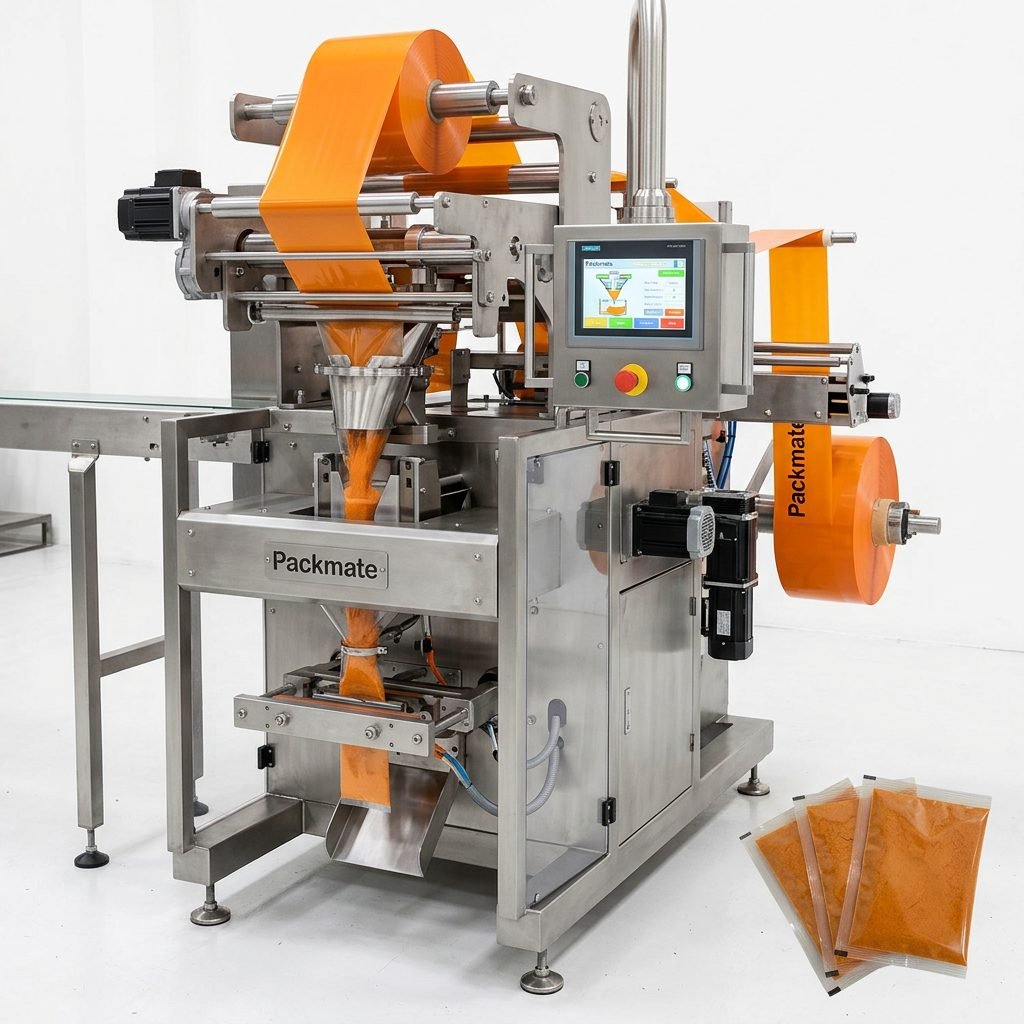
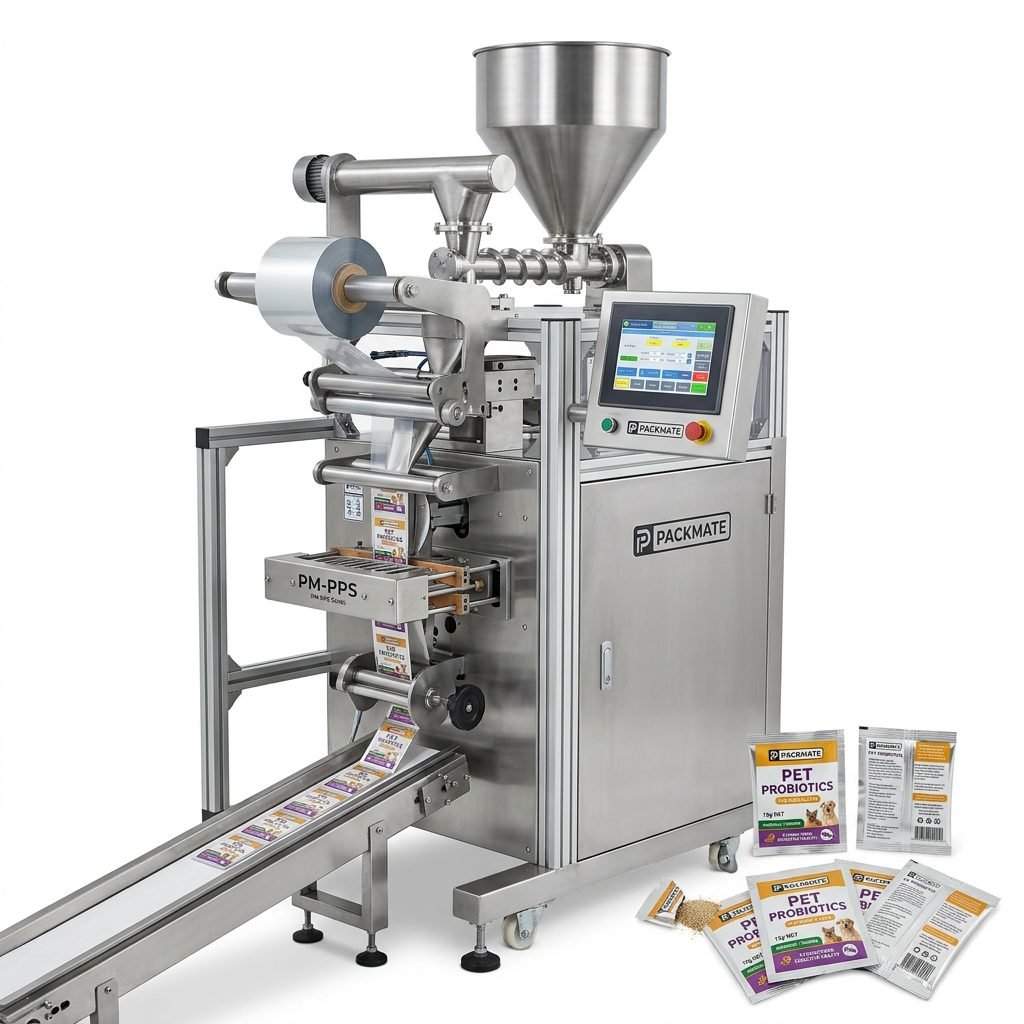
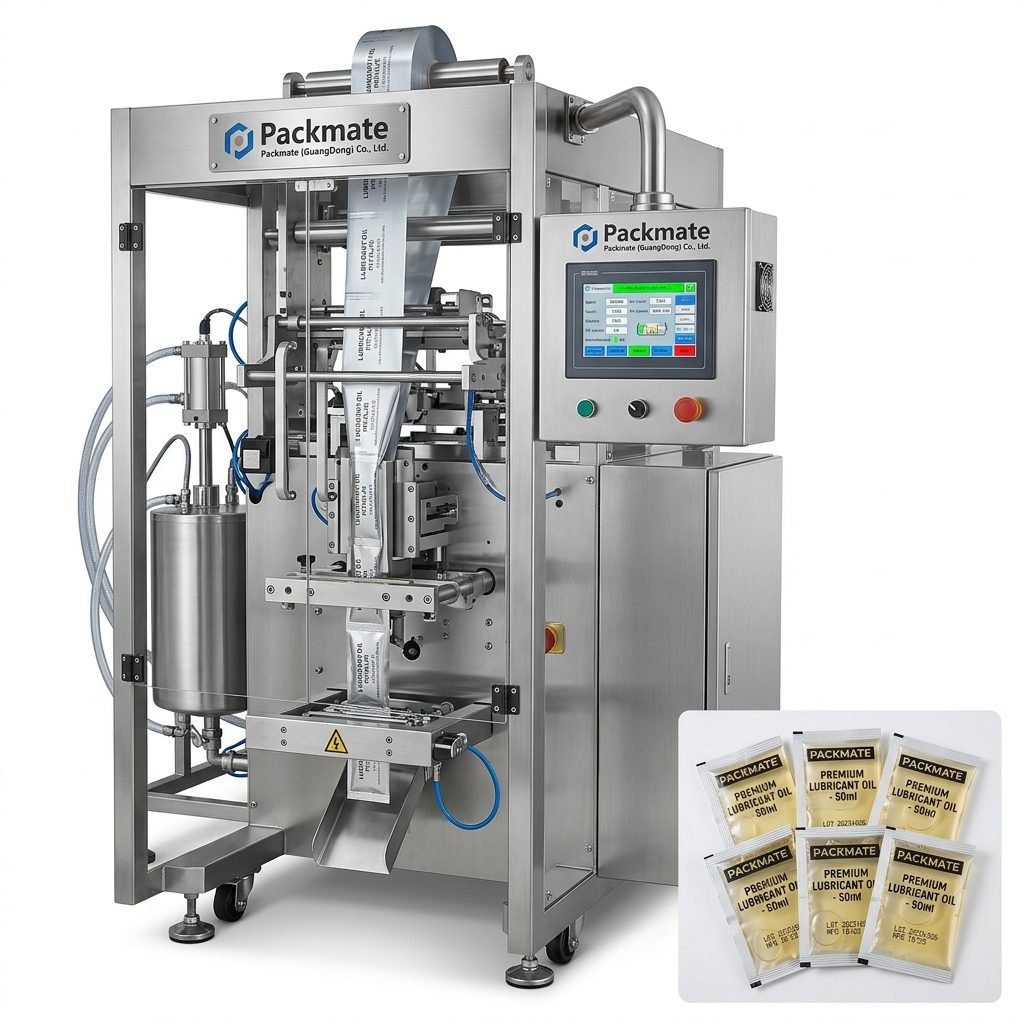
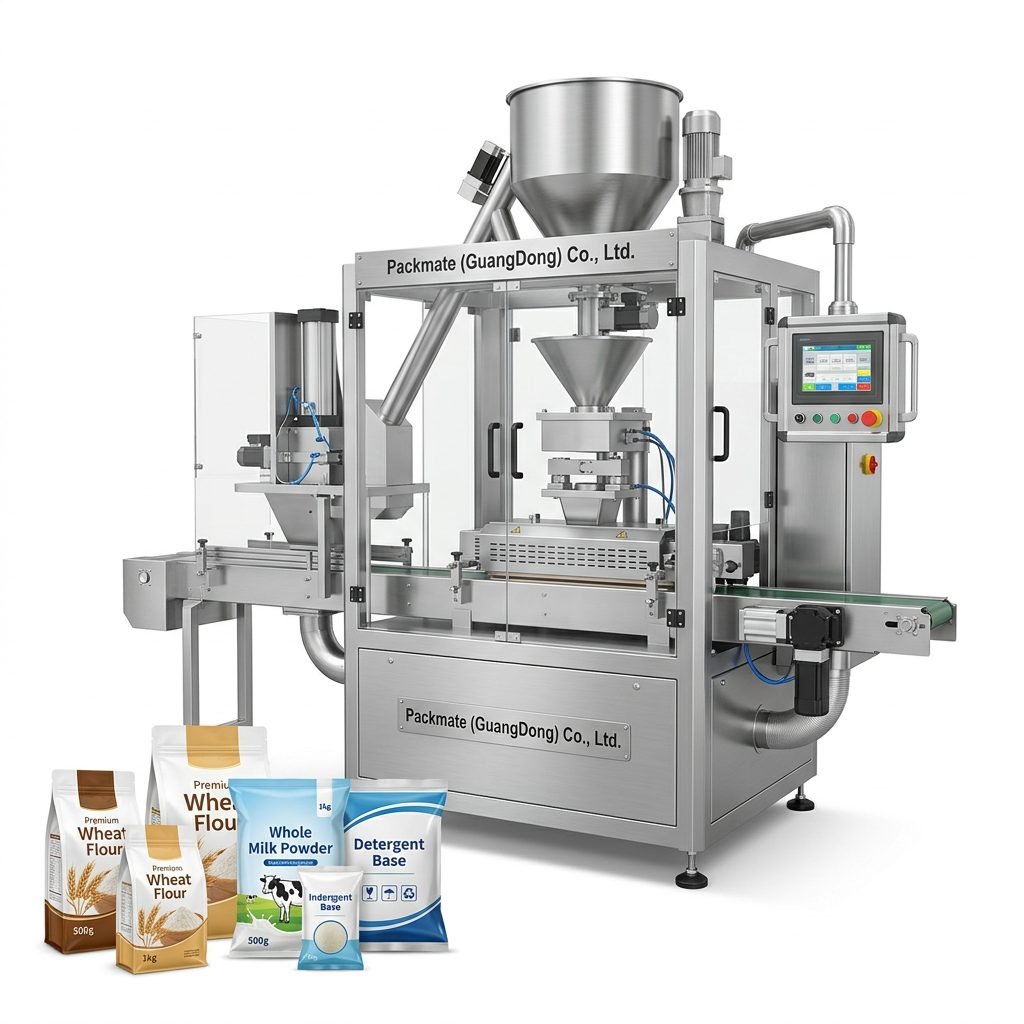
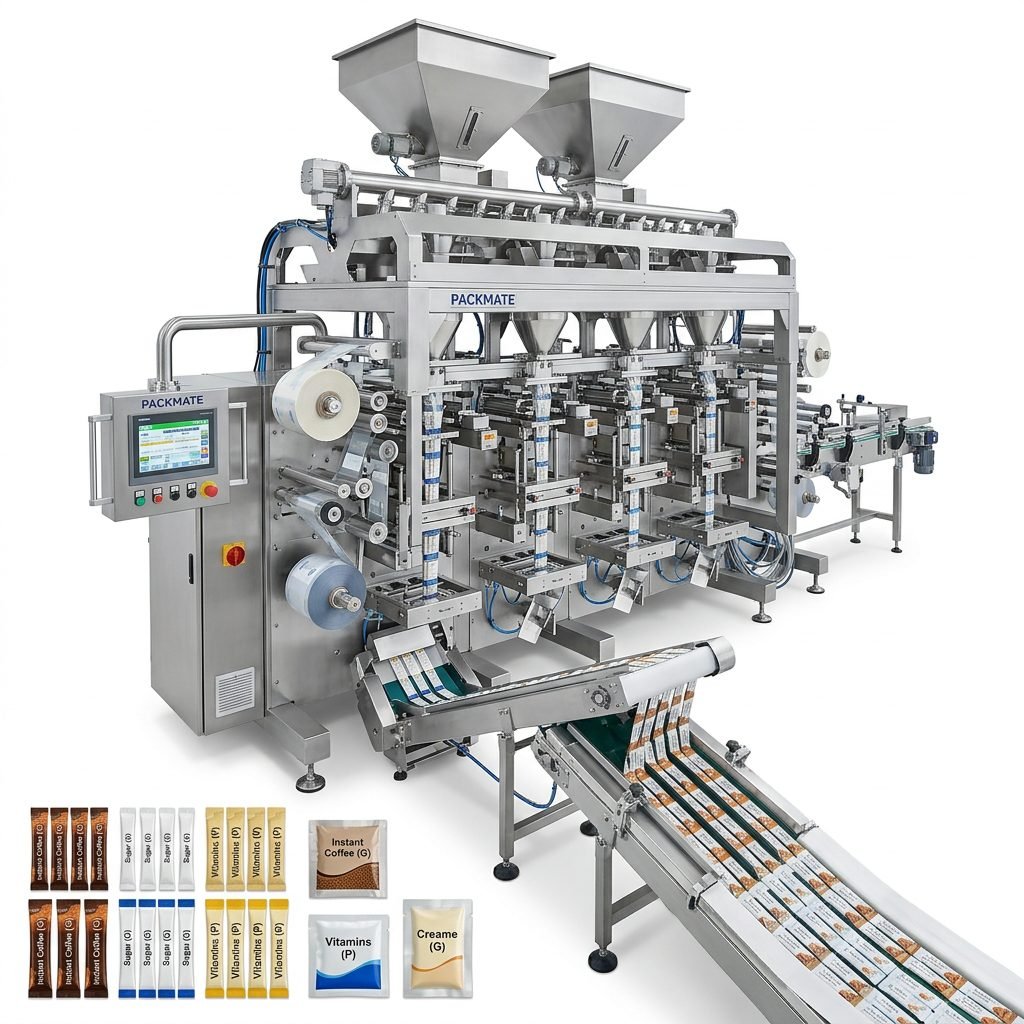
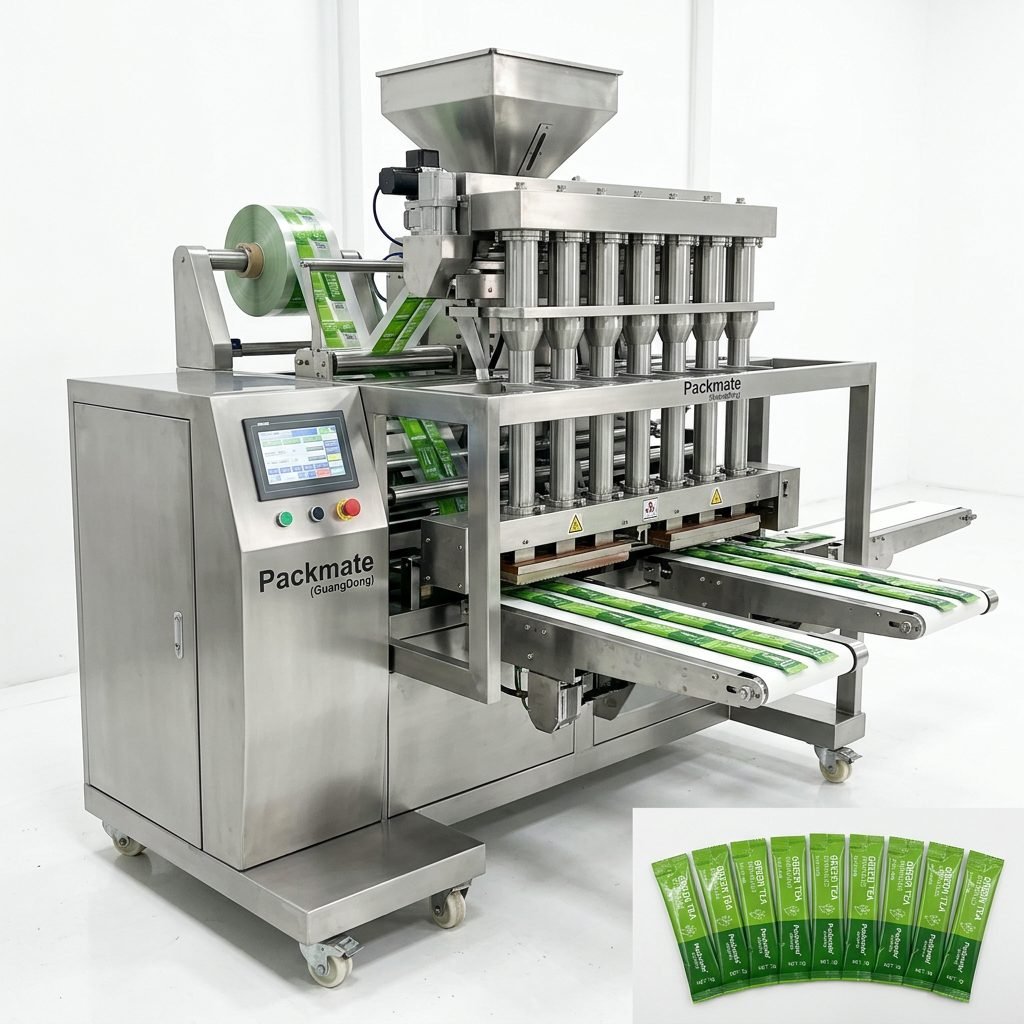
High-Speed, Multi-Lane Filling: For granules, powders, and liquids, precision auger or liquid pumps are synchronized with multi-lane form-fill-seal (FFS) machines. This allows for the simultaneous production of dozens of stick packs or sachets per minute, crucial for items like instant coffee, spices, or sauces.
Hygienic Design & Easy Cleaning: Surfaces are smooth and seamless, with sanitary fittings. Solutions often feature CIP (Clean-in-Place) systems to reduce downtime between production runs and prevent cross-contamination.
Precision Engineering for Pharmaceutical & Health Products
This sector demands the highest level of precision, sterility, and documentation. Packaging lines are engineered to be validation-ready and operate within controlled environments.
Non-Negotiable Requirements:
✔ Aseptic Processing Capabilities: For sterile products, lines incorporate isolators or restricted access barrier systems (RABS) to maintain a sterile field during filling and sealing.
✔ 100% Inline Inspection: Vision systems, checkweighers, and metal detectors verify every single unit for correct fill, seal integrity, label accuracy, and contaminants.
✔ Serialization & Aggregation: To combat counterfeiting and meet track-and-trace regulations, lines integrate printers and scanners to apply unique serial codes to primary, secondary, and tertiary packaging levels.
Companies like Packmate (GuangDong) Co., Ltd. leverage over 30 years of experience to design lines that meet these rigorous standards, ensuring patient safety and regulatory adherence.
Components of a Turnkey Packaging Line Solution
A holistic engineering solution involves the seamless integration of multiple subsystems. A true partner provides a turnkey system, from initial concept to ongoing support.
The Integrated System Flow:
1. Product Handling & Feeding: Gentle conveying systems (vibratory, belt, vacuum) that orient and supply products without damage.
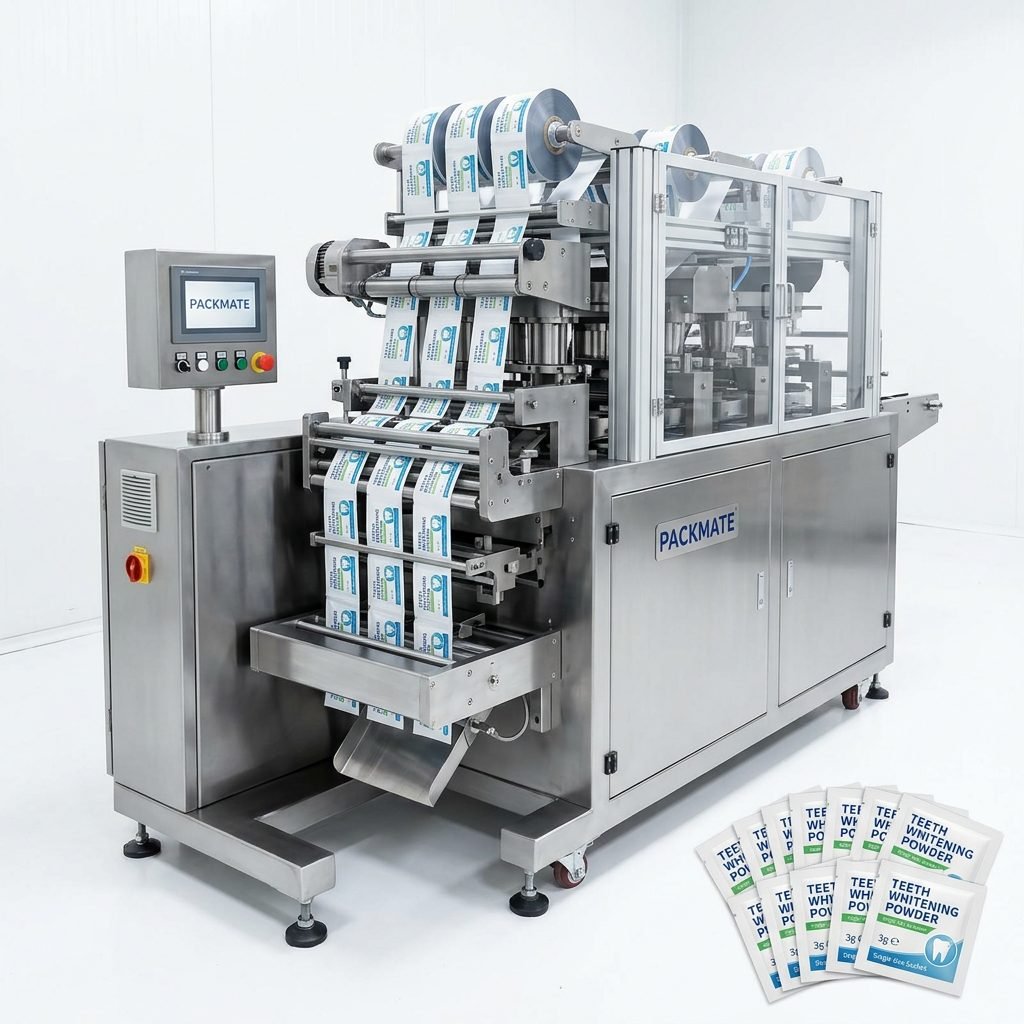
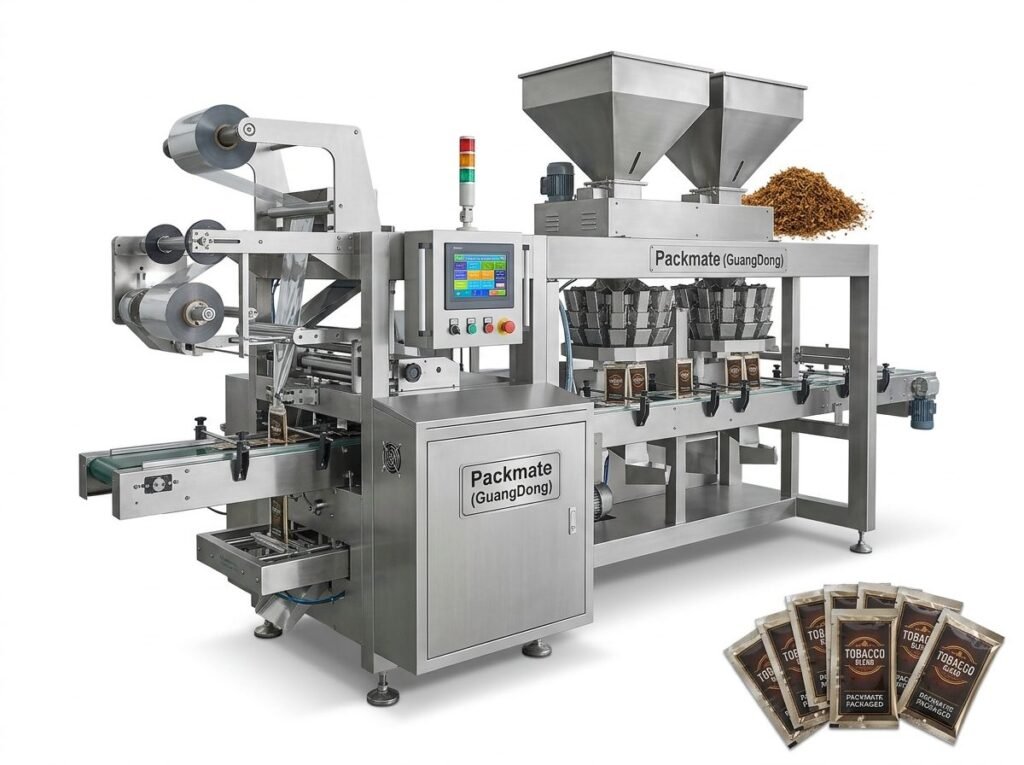
2. Primary Packaging (FFS Machines): The heart of the line. Rolls of sterile or high-barrier film are formed into pouches, filled with precise doses, and hermetically sealed. Options range from single sachets to complex multi-lane stick pack machines for high throughput.
3. Secondary & Tertiary Packaging: This includes cartoning machines, case packers, and palletizers. Real-world case studies show how effective integration here optimizes logistics and reduces manual handling.
4. Centralized Control & HMI: A unified PLC (Programmable Logic Controller) and intuitive Human-Machine Interface (HMI) allow operators to monitor, control, and diagnose the entire line from a single station, collecting vital production data.
The Value of Partnership with an Expert OEM
Choosing a provider is a strategic decision. The right partner brings more than just machinery; they bring expertise and a commitment to your long-term success.
An established OEM with a strong company profile and proven history offers significant advantages:
- Customization & Flexibility: Solutions are tailored to your specific product viscosity, packaging material, output speed, and factory footprint.
- Hygiene-by-Design: Engineers with sector-specific knowledge build cleanliness into the machine’s DNA, facilitating compliance.
- Lifecycle Support: Comprehensive after-sales service, including training, spare parts, and remote diagnostics, ensures maximum uptime and a strong return on investment.
With a modern 20,000㎡ facility and a dedicated team, Packmate exemplifies this partnership model, transforming innovative concepts into reliable, production-ready packaging lines for clients worldwide.
Frequently Asked Questions (FAQs)
1. What is the main difference between a food and a pharmaceutical packaging line?
The core difference lies in the required level of contamination control and documentation. Pharmaceutical lines are built for validation, often featuring aseptic zones, 100% inspection systems, and integrated serialization for track-and-trace. Food lines prioritize high-speed throughput and shelf-life extension (e.g., via MAP) but may not require the same level of sterility.
2. How long does it take to commission a new turnkey packaging line?
The timeline varies based on complexity and customization. A standard line can be commissioned in a few weeks, while a fully customized, validated pharmaceutical line may take several months from design to factory acceptance testing (FAT) and site installation.
3. Can one packaging line handle different product types or package sizes?
Yes, modern lines are designed with changeover flexibility. Quick-change parts, programmable settings, and versatile FFS machines allow for efficient switching between different products, formats (e.g., sachet to stick pack), and sizes, minimizing downtime.
4. What kind of after-sales support should I expect?
Comprehensive support is crucial. Expect detailed operator and maintenance training, readily available spare parts, access to technical documentation, and remote/virtual support options. Some providers, like Packmate, offer ongoing service contracts for preventative maintenance.
5. How do I ensure the line will comply with regulations in my target market?
Work with an OEM experienced in your target regions. They should design the line to meet relevant standards (FDA, CE, GMP) from the outset and provide the necessary documentation and certification support to simplify your validation and audit processes.