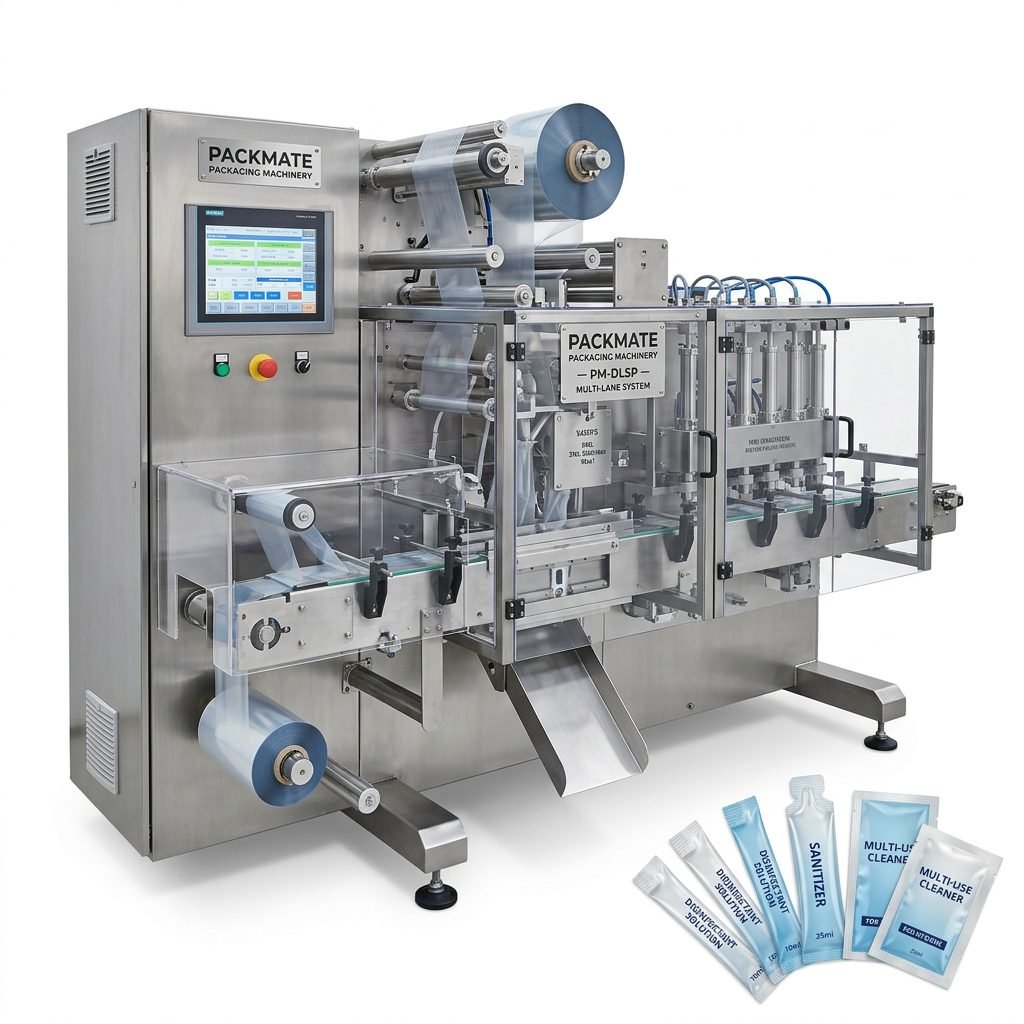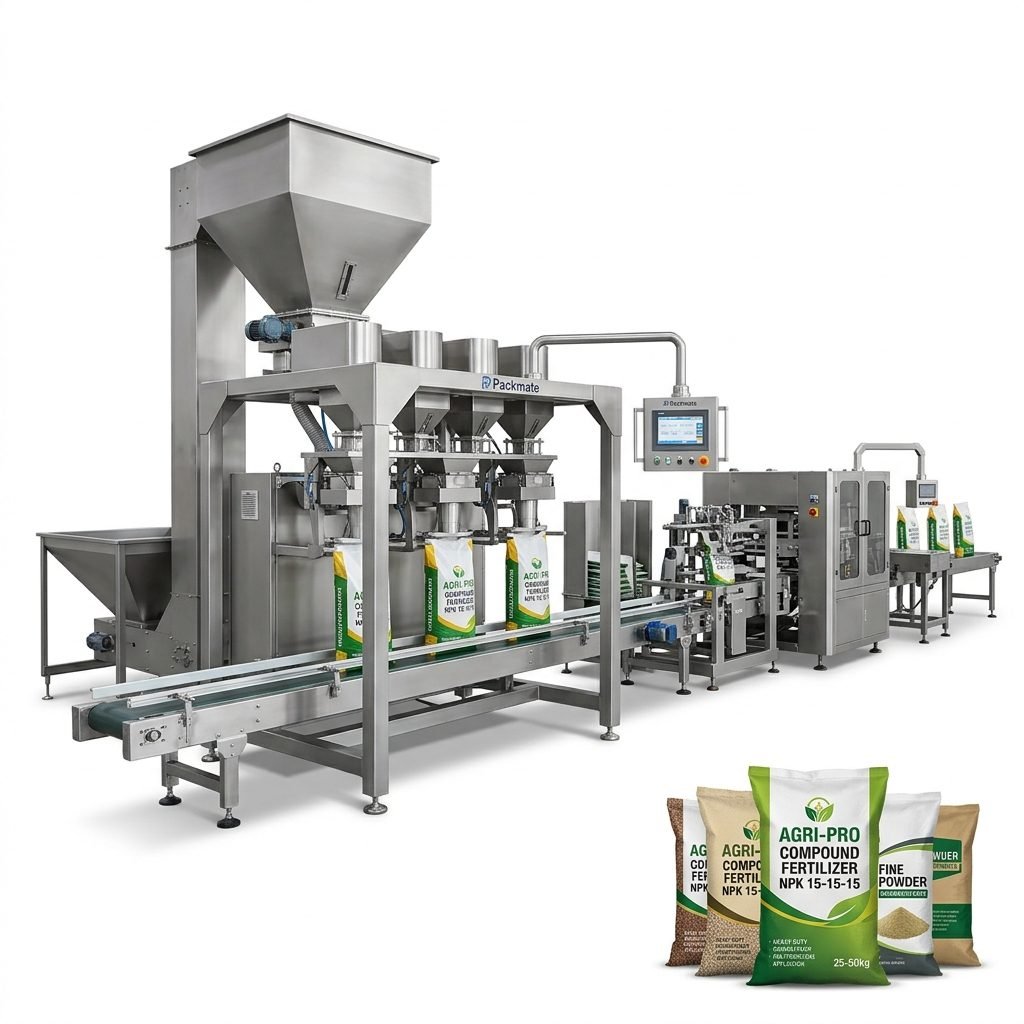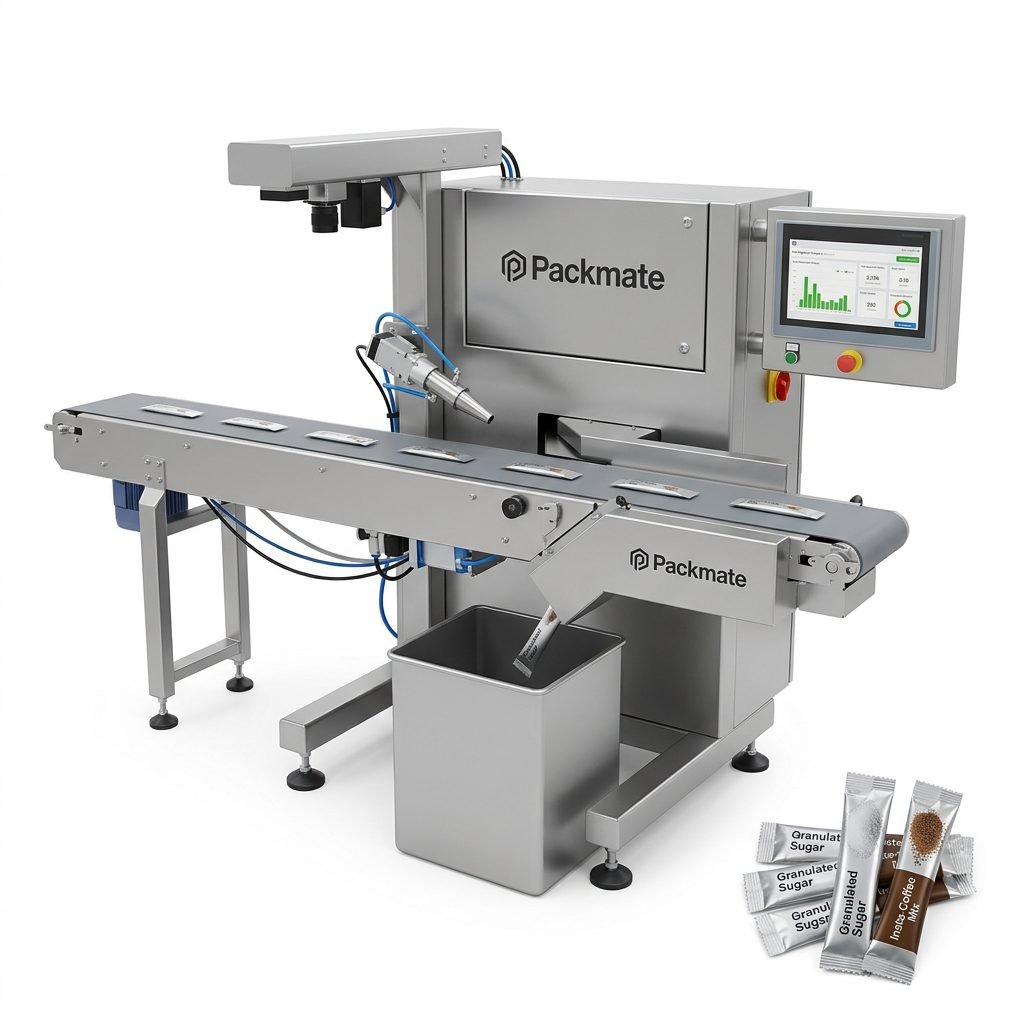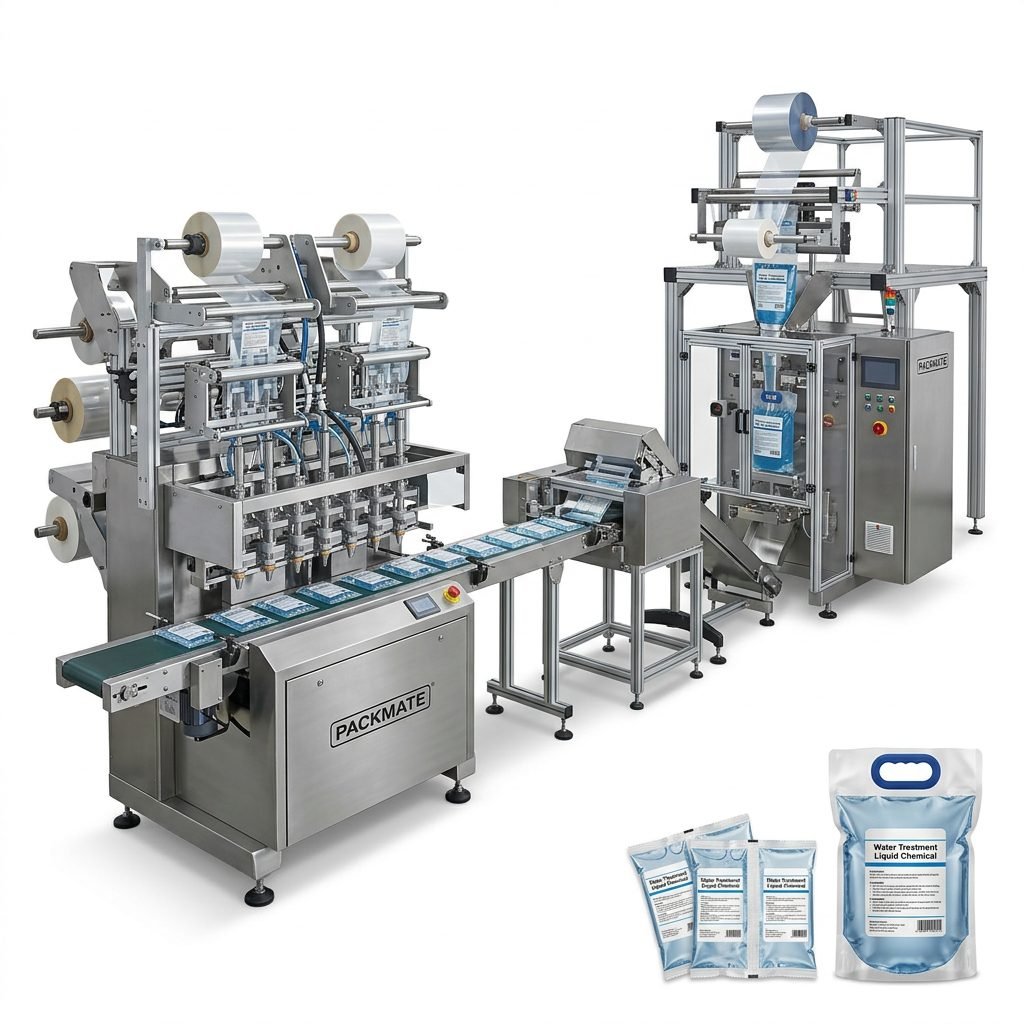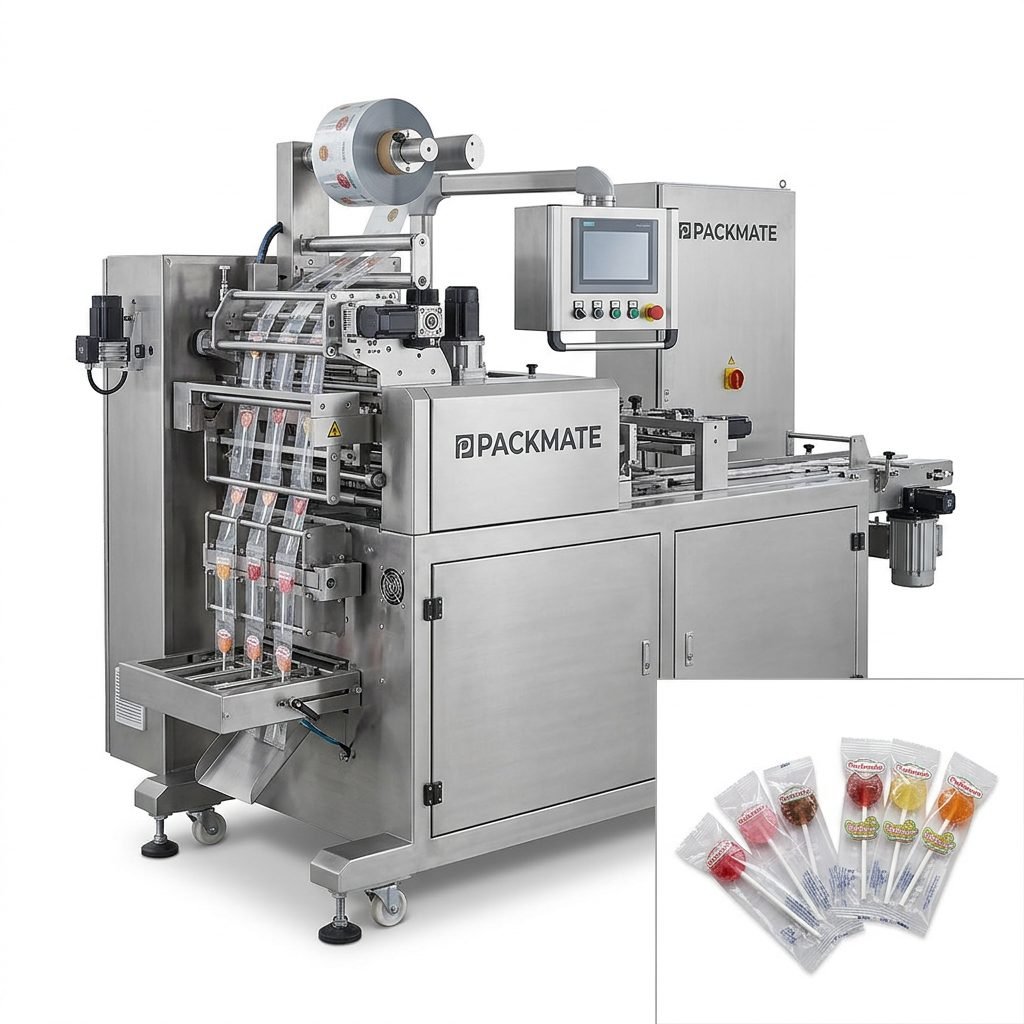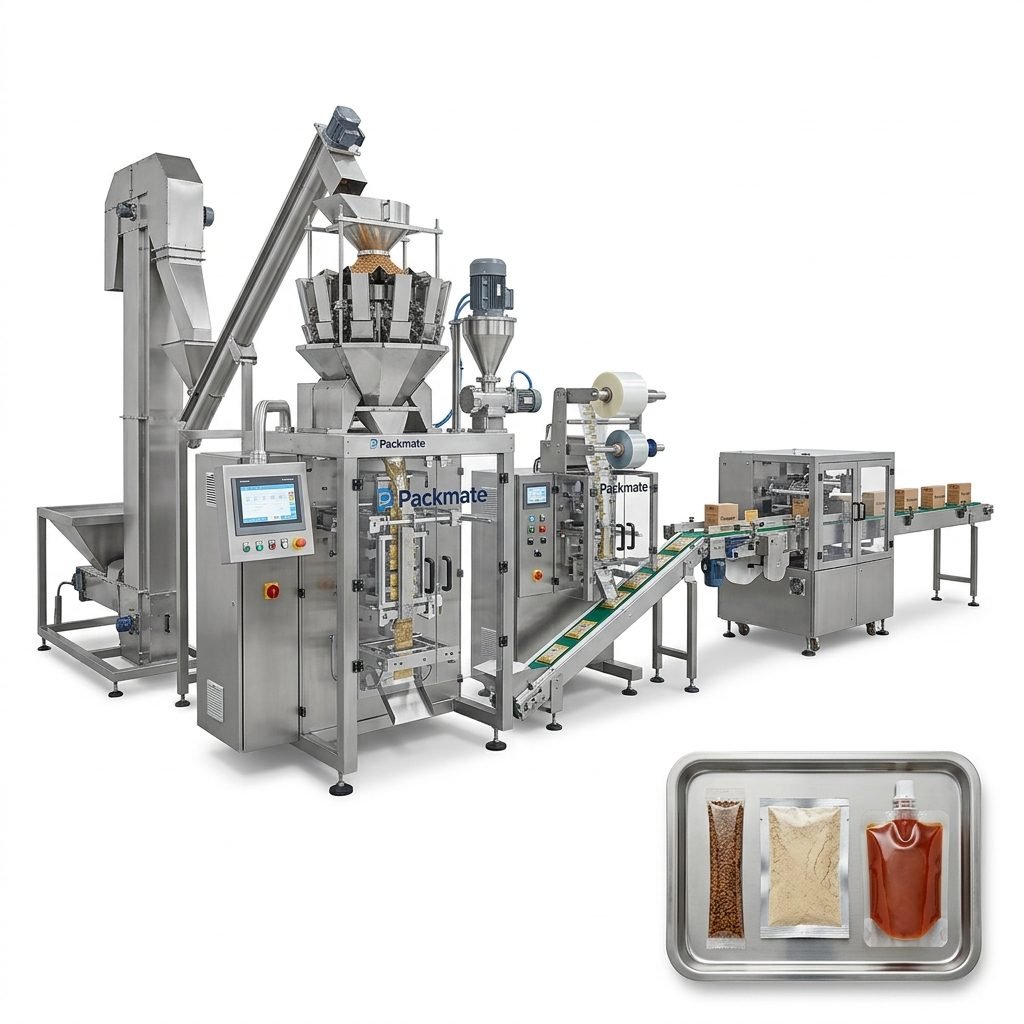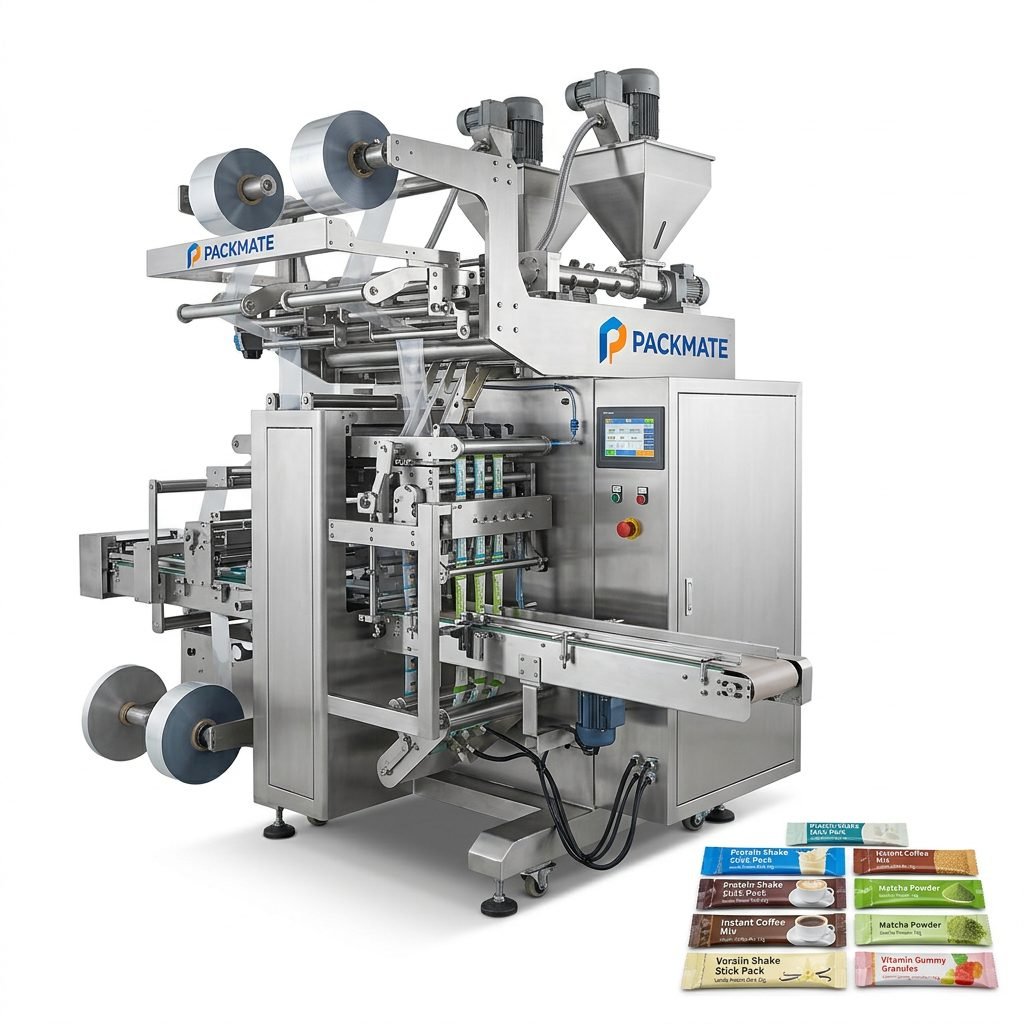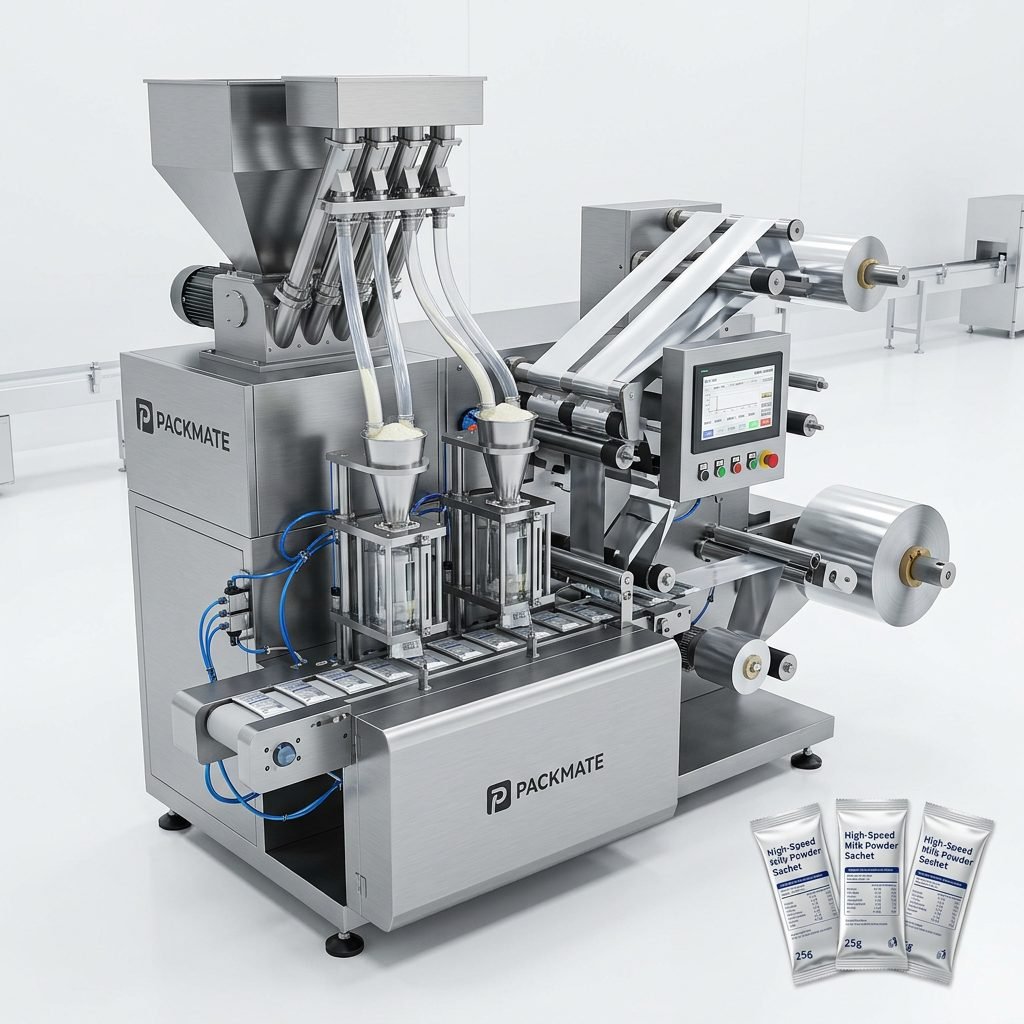
In the competitive world of agriculture and horticulture, efficiency and precision in seed handling are not just operational goals—they are critical determinants of profitability and market success. The journey from harvested seed to a packaged product ready for retail shelves involves numerous steps where accuracy, speed, and hygiene are paramount. This is where specialized seed packaging line solutions come into play, transforming a labor-intensive process into a streamlined, automated, and highly reliable system. An integrated line that combines automatic seed filling, precise weighing, and efficient bagging represents the pinnacle of modern production technology, enabling businesses to scale operations, ensure consistency, and meet the stringent demands of global markets.
The Core Components of a Modern Seed Packaging Line
A comprehensive seed packaging system is more than just a single machine; it is a symphony of integrated components working in unison. The primary stages typically include feeding, weighing, filling, and sealing, each handled by specialized equipment designed for the unique characteristics of seeds—varying in size, shape, and density.
1. Automatic Seed Feeding & Orientation
The process begins with a consistent and controlled supply of seeds. Vibratory feeders or elevator systems gently transport seeds from bulk storage hoppers to the weighing station. For certain delicate or irregularly shaped seeds, orientation systems may be employed to ensure they are correctly positioned for optimal filling and to prevent damage, which is crucial for maintaining germination rates.
2. High-Precision Weighing Systems
This is the heart of accuracy in seed packaging. Modern lines utilize multi-head weighers or precision linear weighers. Multi-head weighers use a combination of hoppers and computer-controlled algorithms to achieve target weights with incredible speed and accuracy, often with a tolerance of less than ±0.5 grams. This is vital for compliance with net content regulations and for building consumer trust, as every packet must contain the exact promised quantity.
3. Automated Filling & Bagging
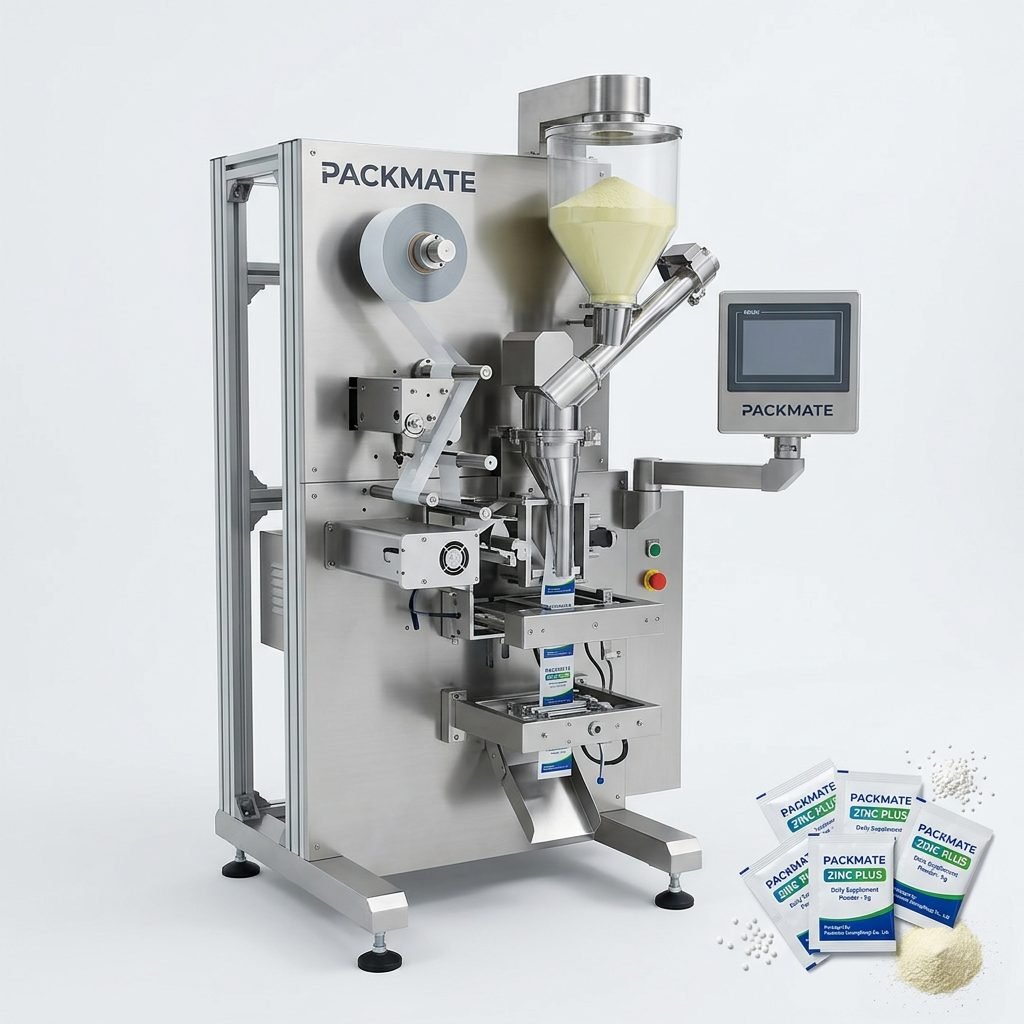
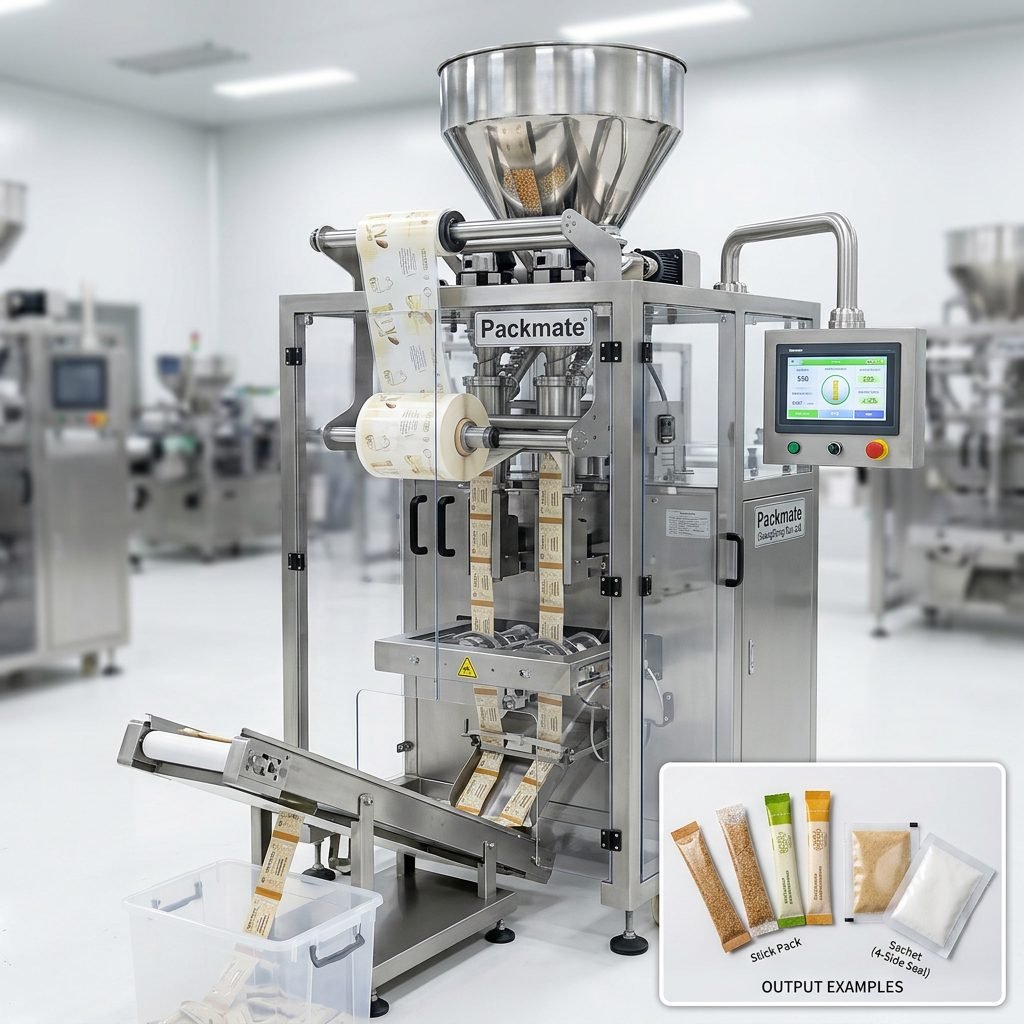
Once weighed, seeds are transferred to the filling station. Here, pre-formed bags (like pouches or stand-up bags) are automatically opened, filled, and then sealed. Advanced systems can handle a variety of bag materials, including moisture-barrier films essential for seed longevity. The integration of automatic bagging systems eliminates manual handling, drastically increasing output—from hundreds to thousands of bags per hour—while maintaining a sterile environment to prevent contamination.
4. Secondary Operations: Coding, Inspection & Case Packing
A full turnkey line often extends beyond primary packaging. It can include inkjet or laser coders for printing batch numbers and expiry dates, checkweighers to verify each packet’s weight, and vision systems to inspect seal integrity and print quality. Finally, automated case packers and palletizers collate finished packets into boxes for shipping, completing the end-to-end automation. For a deeper look at such integrated systems, explore our comprehensive packaging solutions.
Key Benefits of Automating Your Seed Packaging Process
Investing in an automated seed packaging line delivers transformative advantages that go far beyond simple labor savings.
➤ Unmatched Production Efficiency & Scalability: Automation enables continuous, high-speed operation 24/7 if needed. This allows producers to easily scale up to meet seasonal demand spikes or enter new markets without a proportional increase in labor costs. The consistency of machines also minimizes downtime and product waste.
➤ Supreme Accuracy and Quality Control: Human error in counting or weighing seeds is completely eliminated. Every single packet meets the exact weight specification, ensuring regulatory compliance and customer satisfaction. Integrated inspection systems provide a final quality checkpoint, guaranteeing only perfect products leave the line.
➤ Enhanced Product Protection and Hygiene: Seeds are highly sensitive to moisture, pests, and physical damage. An automated, enclosed system minimizes exposure to environmental factors and human contact, preserving seed viability and germination rates. This is a critical factor for seed companies whose reputation hinges on product performance.
➤ Significant Long-Term Cost Reduction: While the initial investment is substantial, the return on investment (ROI) is compelling. Savings are realized through reduced labor costs, lower material waste (from overfilling), decreased product giveaway, and fewer customer returns due to underweight packages. The line’s reliability also reduces maintenance and operational headaches.
Choosing the Right Partner for Your Packaging Line
Implementing a successful automated packaging line requires more than just purchasing equipment; it requires a partnership with a knowledgeable and experienced provider. A true partner will conduct a thorough analysis of your specific seeds, desired output, bag types, and factory layout. They will design a customized, turnkey solution that integrates seamlessly into your existing workflow.
Companies like Packmate (GuangDong) Co., Ltd. exemplify this approach. With decades of experience in designing intelligent packaging solutions for granular products, they understand the nuances of seed handling. Their expertise spans from initial concept and machine design to installation, training, and ongoing technical support. Reviewing real-world application cases from such providers can offer invaluable insight into a system’s performance in a setting similar to your own.
The decision to automate is a strategic one that positions a seed company for future growth. In an industry where precision is directly linked to product success, a robust automatic seed filling, weighing, and bagging system is not merely an expense—it is a foundational investment in quality, reliability, and brand integrity. It empowers producers to deliver a superior product consistently, building trust with farmers, distributors, and gardeners alike.
Frequently Asked Questions (FAQs)
1. What types of seeds can be packaged on an automatic line?
Modern automated lines are highly versatile and can handle a wide range of seeds, from very small and fine seeds like carrots or tobacco to larger seeds like beans, corn, and peas. The key is customizing the feeding, weighing, and filling components to suit the seed’s specific size, shape, and flow characteristics to prevent damage and ensure accuracy.
2. How accurate are the weighing systems in seed packaging machines?
High-precision multi-head weighers used in advanced seed packaging lines are exceptionally accurate, typically achieving tolerances within ±0.1% to ±0.5% of the target weight. This level of precision is essential for complying with strict “net content” laws and avoiding costly product giveaway.
3. Can one packaging line handle different bag sizes and materials?
Yes, most sophisticated seed packaging systems are designed for quick changeover. With adjustable forming tubes, seal jaws, and programmable settings, operators can switch between different bag sizes (e.g., from 5g seed packets to 1kg bags) and materials (like paper, polyolefin, or foil laminates) with minimal downtime, often in under 15-20 minutes.
4. What is the typical output speed of an automated seed packaging line?
Output speeds vary based on the bag size, seed type, and line configuration. For small seed packets, speeds can range from 60 to 120 bags per minute on a single lane, and much higher on multi-lane systems. For larger bulk bags, speeds may be 20-40 bags per minute. A professional supplier will design a line to meet your specific production volume targets.
5. What kind of support can we expect after purchasing the line?
A reputable supplier provides comprehensive after-sales support. This should include detailed installation supervision, thorough operator and maintenance training, a supply of spare parts, and readily available remote and on-site technical support. Ensuring minimal disruption to your production is a critical part of the service, as evidenced by the support protocols of established providers.