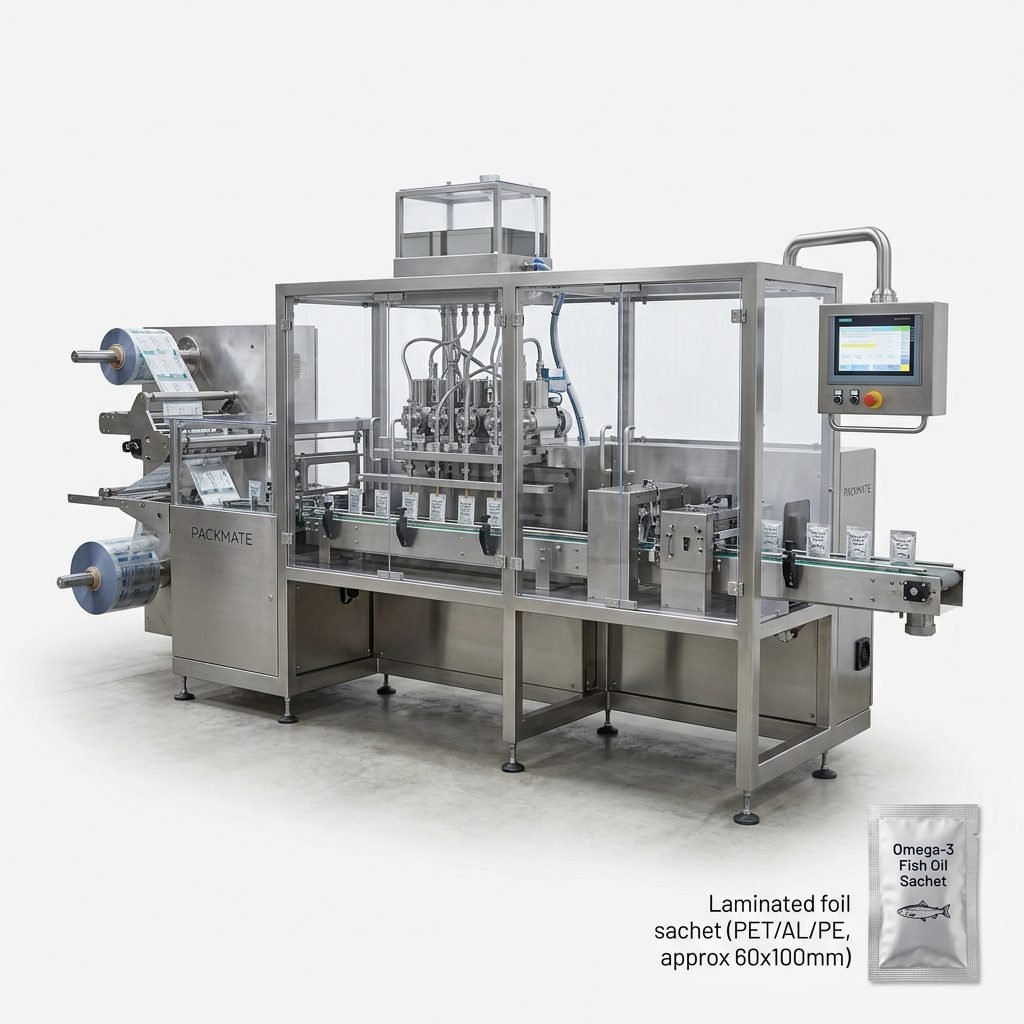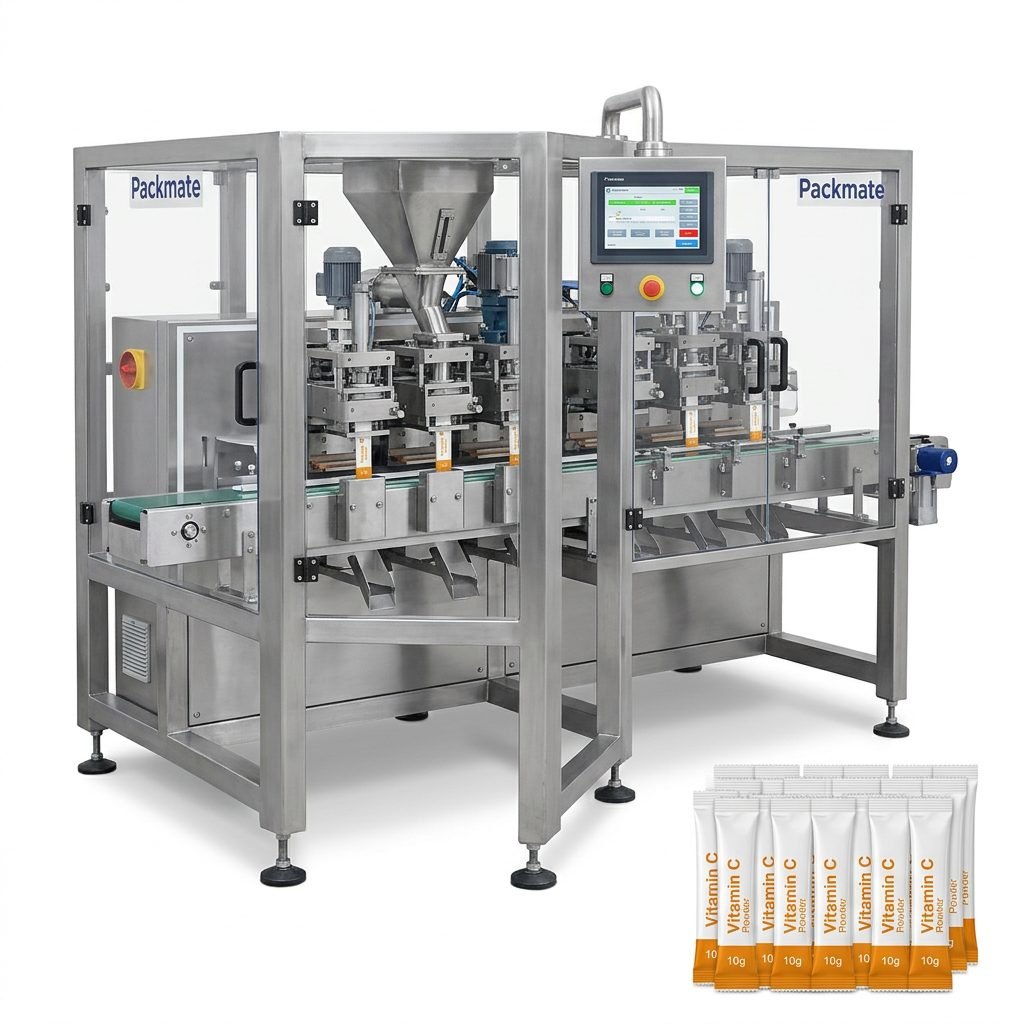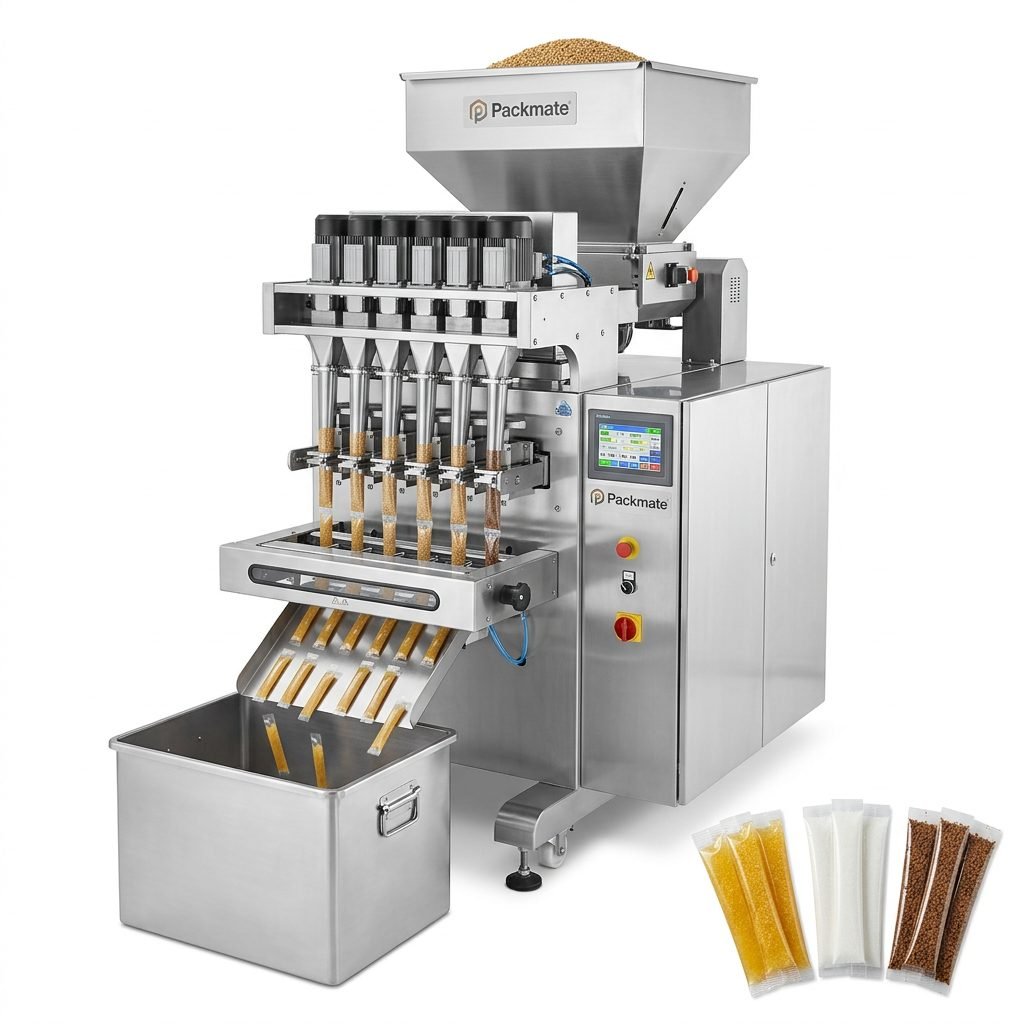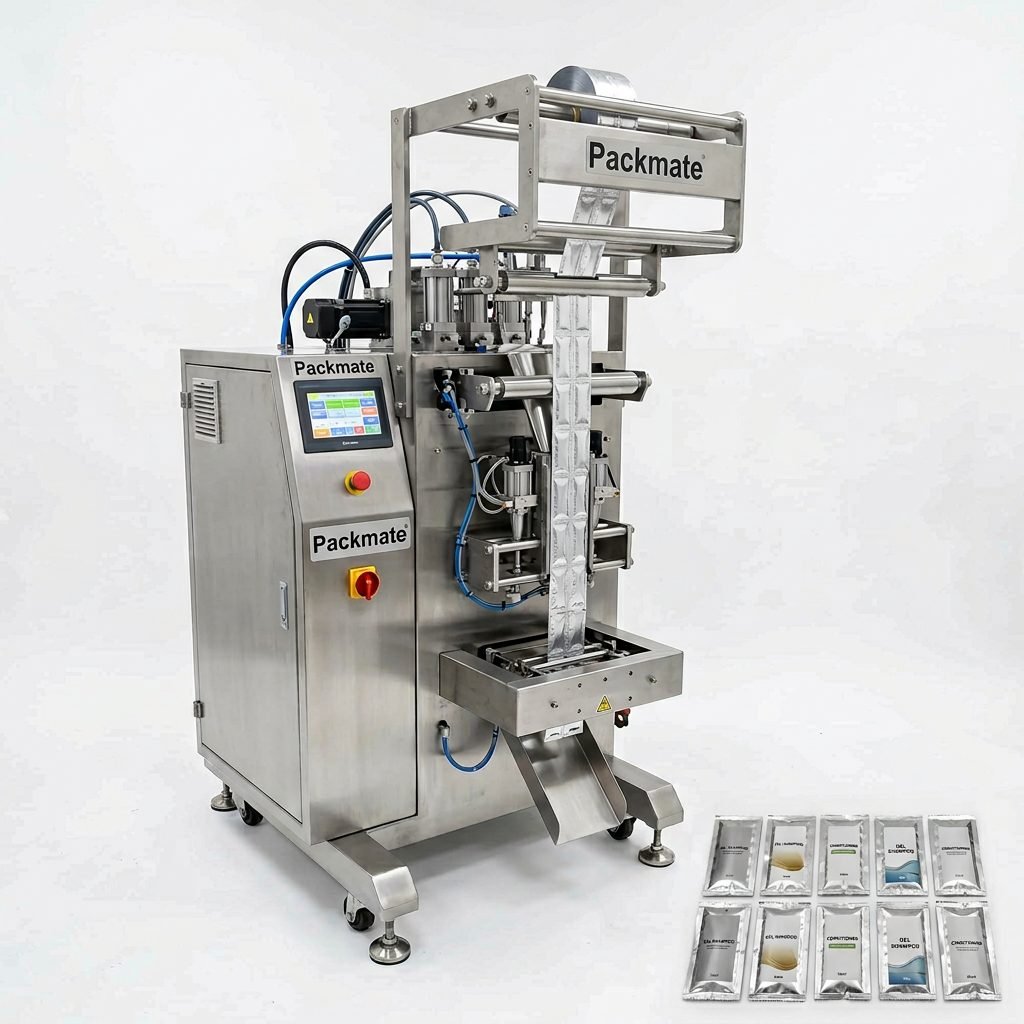
Selecting the right packaging machine manufacturer in Estonia is a critical decision for local producers aiming to enhance efficiency, ensure product quality, and remain competitive in both domestic and export markets. Estonian manufacturing companies, particularly in the food, pharmaceutical, and health supplement sectors, require reliable, automated packaging solutions that can handle specific product formats—from granules and powders to liquids and pastes—while meeting stringent EU quality and safety standards.
Understanding the Estonian Manufacturing Landscape
Estonia’s industrial sector is characterized by a strong focus on technology, innovation, and export-oriented production. Local companies often operate with lean teams and require packaging machinery that is not only efficient but also easy to operate and maintain. Key considerations for Estonian buyers include:
Machine Compatibility: Equipment must integrate seamlessly with existing production lines, which may be compact due to typical factory layouts in Estonian industrial parks.
Technical Support & Training: Given the local technical talent pool, manufacturers value suppliers who provide comprehensive training and responsive after-sales support in English or Estonian.
EU Compliance & Certifications: Machinery must meet CE directives and other relevant EU regulations, which is non-negotiable for market access.
Total Cost of Ownership: Estonian businesses are cost-conscious and look beyond the initial price to factors like energy consumption, maintenance costs, and machine longevity.
Key Criteria for Selecting a Manufacturer
When evaluating potential suppliers, Estonian production managers should focus on several core areas to ensure a successful partnership and a solid return on investment.
1. Industry Experience and Technical Expertise
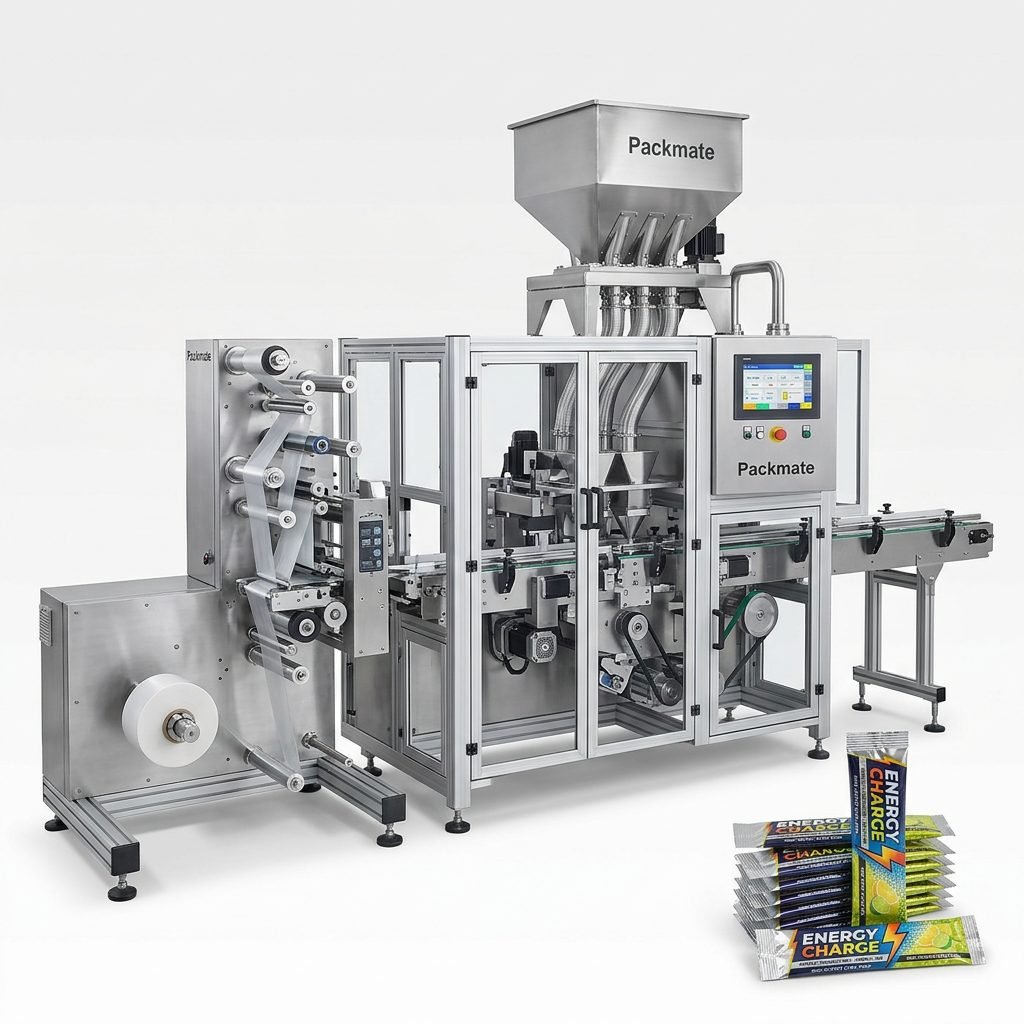
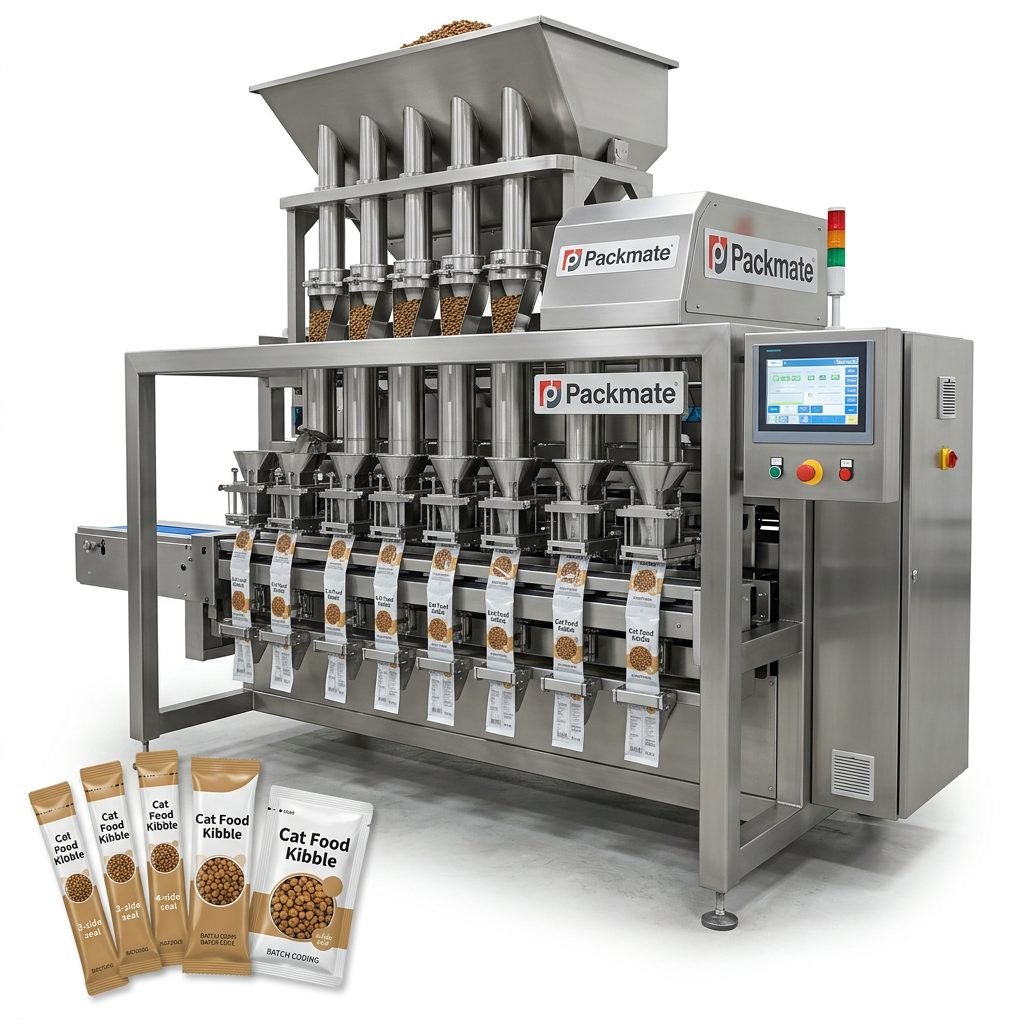
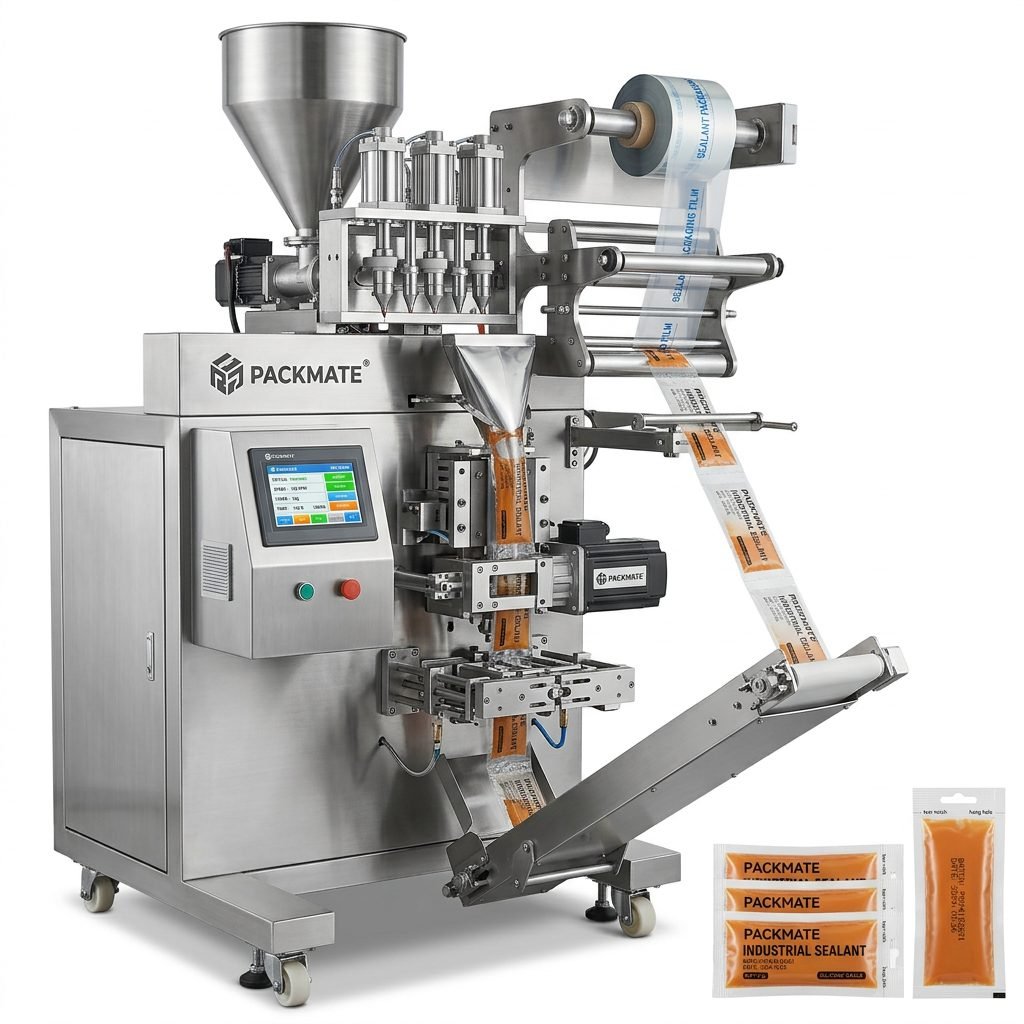
A manufacturer’s history in the industry is a strong indicator of reliability. Companies with decades of experience, like Ludyway (founded 1993), have likely encountered and solved a wide array of packaging challenges. This depth of knowledge is invaluable for customizing solutions to your specific product, whether it’s freeze-dried pet food, pharmaceutical powders, or liquid condiments.
2. Product Range and Customization Capability
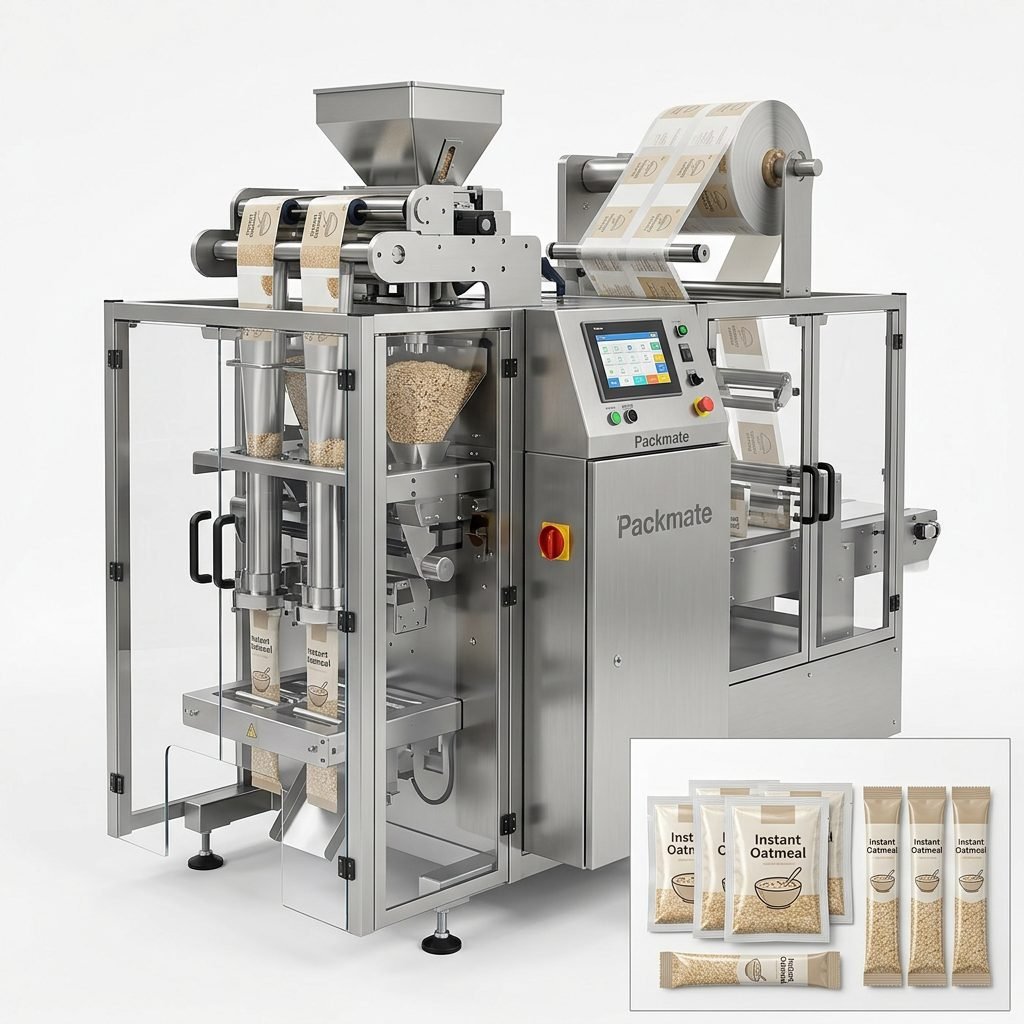
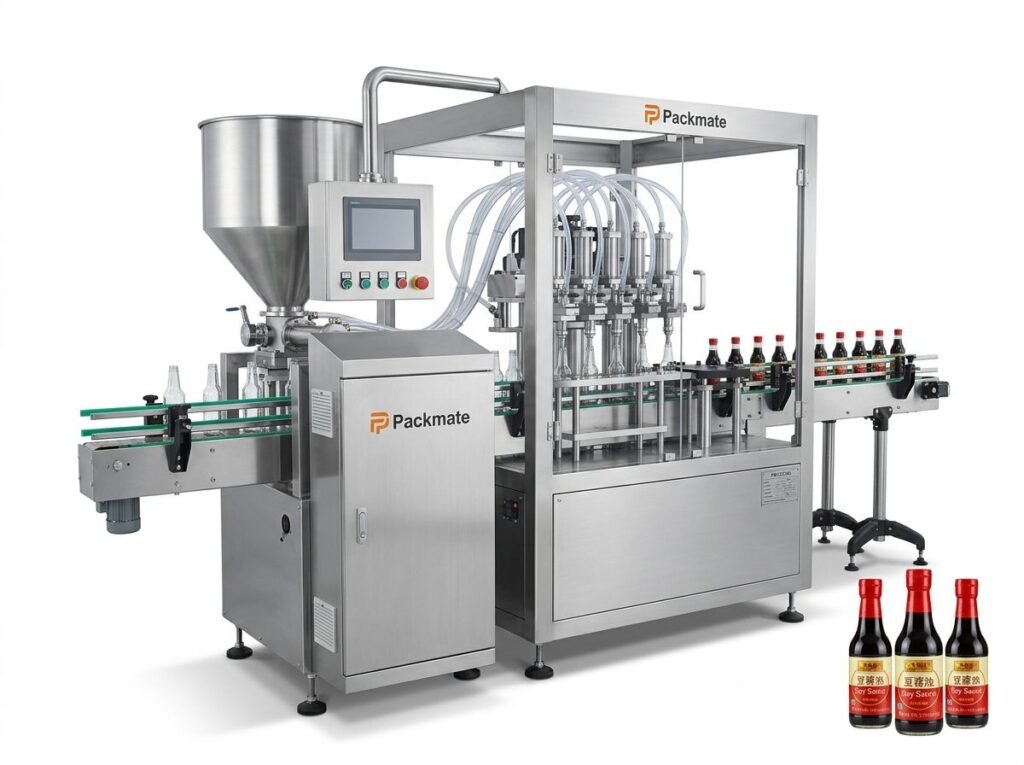
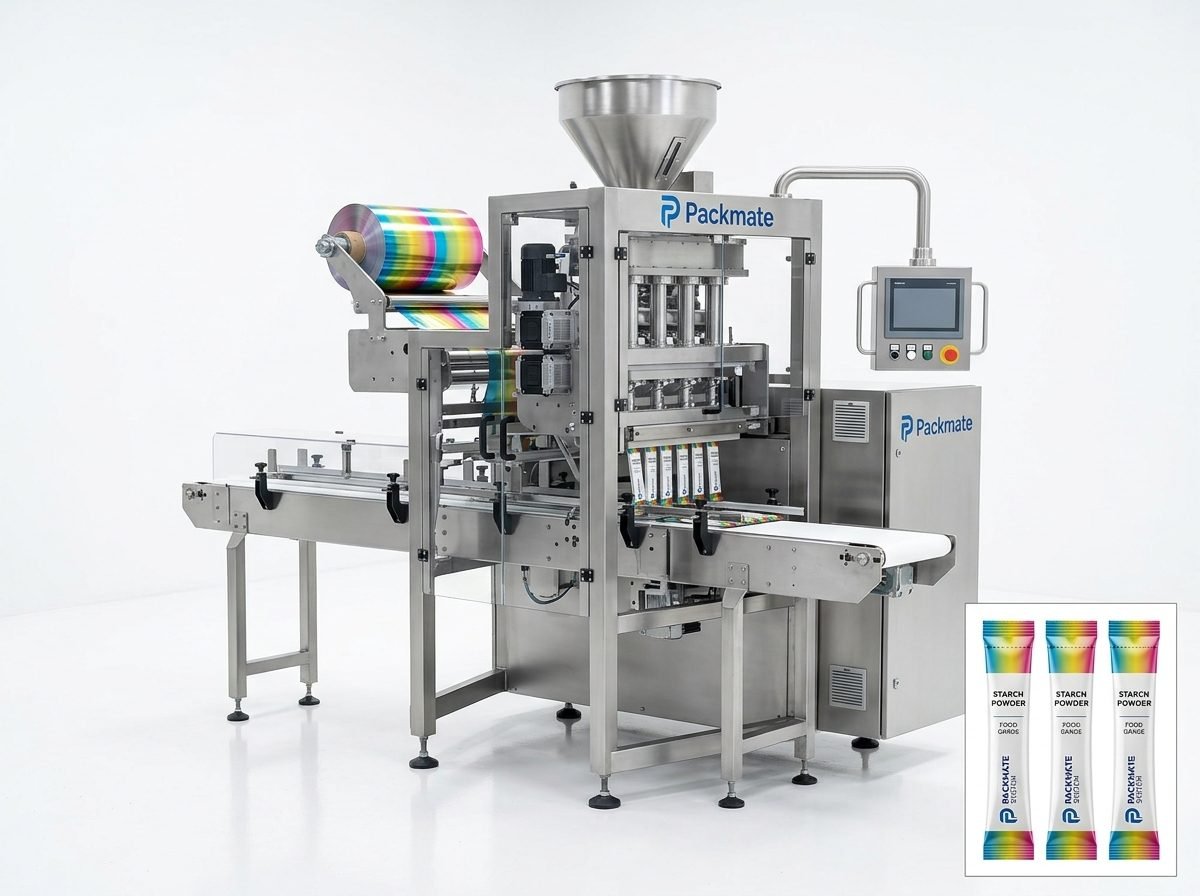
Your chosen partner should offer a broad portfolio or deep specialization. For standard granule or powder packaging, a wide-range supplier like Packmate Machinery (offering over 80 models) provides flexibility. For complex, non-standard requirements—such as unique pouch formats or specialized dosing—a manufacturer like PackingMachineOEM, which focuses on customization, may be more suitable.
Question to Ask: “Can you provide a machine or line that is specifically adapted for our product’s flow characteristics, packaging material, and desired output speed?”
3. Focus on Complete Line Integration vs. Standalone Machines
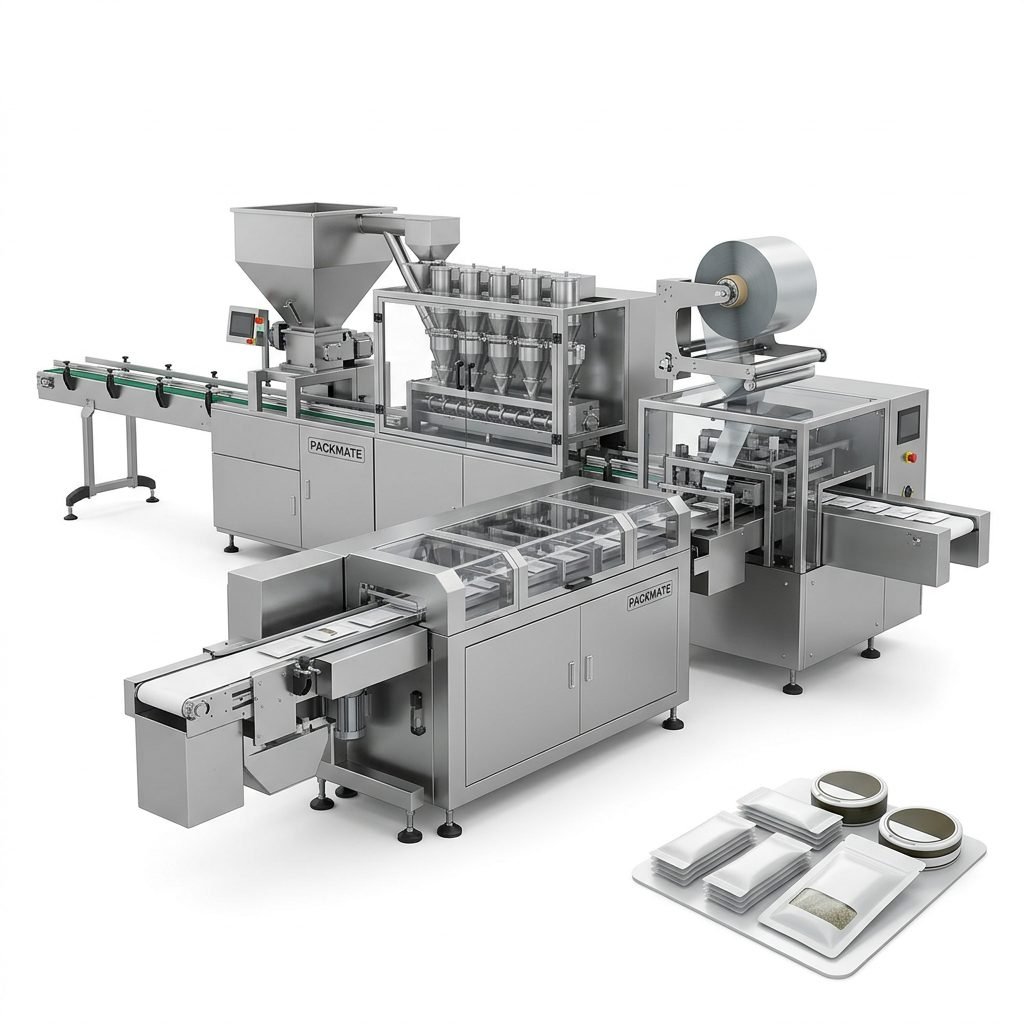
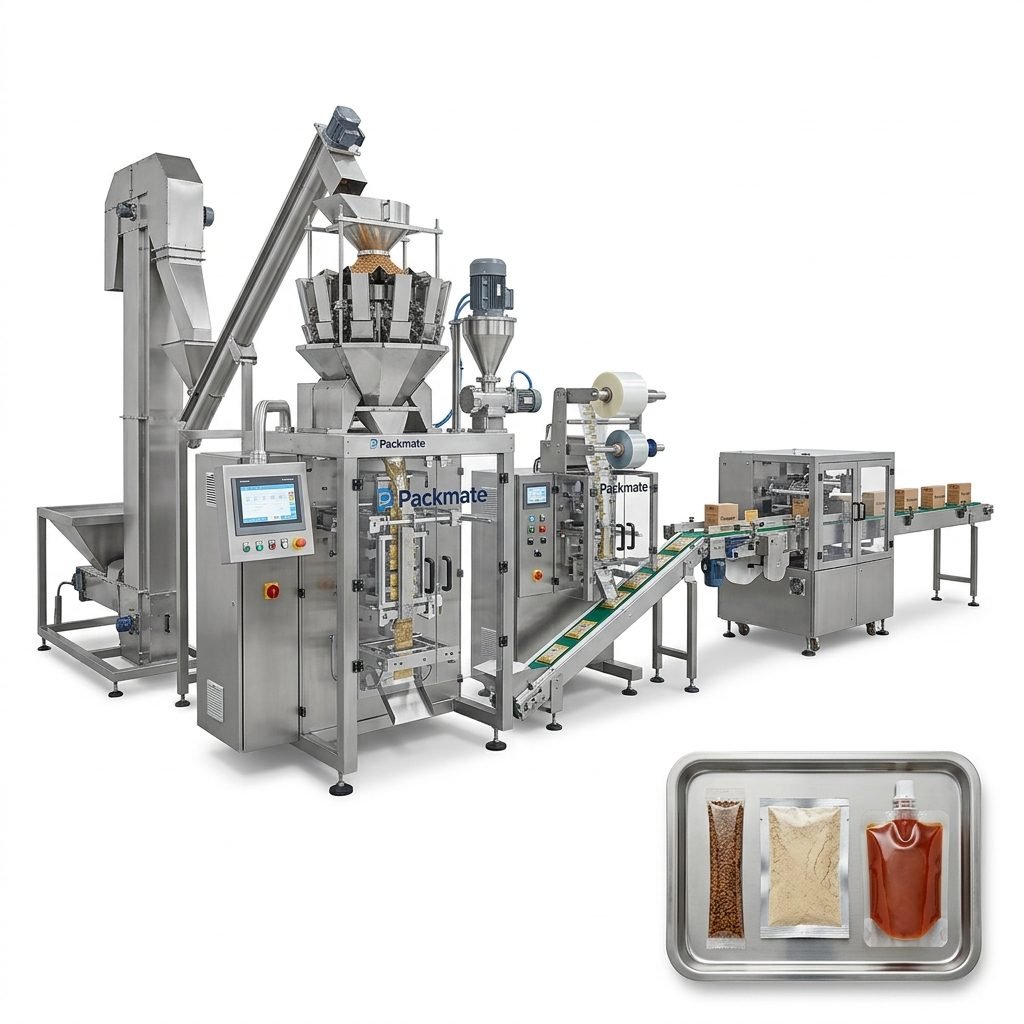
Determine your project scope. If you need a fully automated, connected production line from feeding to end-of-line packaging, prioritize manufacturers like PacklineOEM that specialize in turnkey solutions. For simply replacing or adding a single machine (e.g., a sachet filler), a supplier of standalone units will suffice.
4. Manufacturing Capability and Quality Control
The size and modernity of a supplier’s factory are proxies for its capacity and quality consistency. Manufacturers operating facilities around 20,000 square meters, which is common among established Chinese exporters serving the European market, typically have structured assembly lines and rigorous testing protocols. This is crucial for ensuring machine durability and minimal downtime in your Estonian facility.
5. After-Sales Support and Parts Availability
For Estonian companies, geographical distance from the supplier’s headquarters makes support logistics critical. Evaluate the manufacturer’s network of service engineers in Europe, parts inventory location, and typical response times. A supplier with a strong export history to Europe will have more established support channels.
Comparing Potential Suppliers: A Data Overview
The table below provides a snapshot of several leading manufacturers that actively serve the European market, including Estonia, based on the provided company information.
| Manufacturer | Key Positioning | Experience | Ideal For Estonian Companies Needing… |
|---|---|---|---|
| Ludyway | Broad-line manufacturer of machines & turnkey lines | 30+ years | Scalable, customized solutions from a single machine to a complete line for food/pharma. |
| Packmate Machinery | Practical automation & stable performance | 30+ years | Cost-effective, reliable machines for granules/powders with good technical support. |
| PacklineOEM | Turnkey packaging production line specialist | 30+ years | Complete, integrated packaging line projects requiring full automation and system design. |
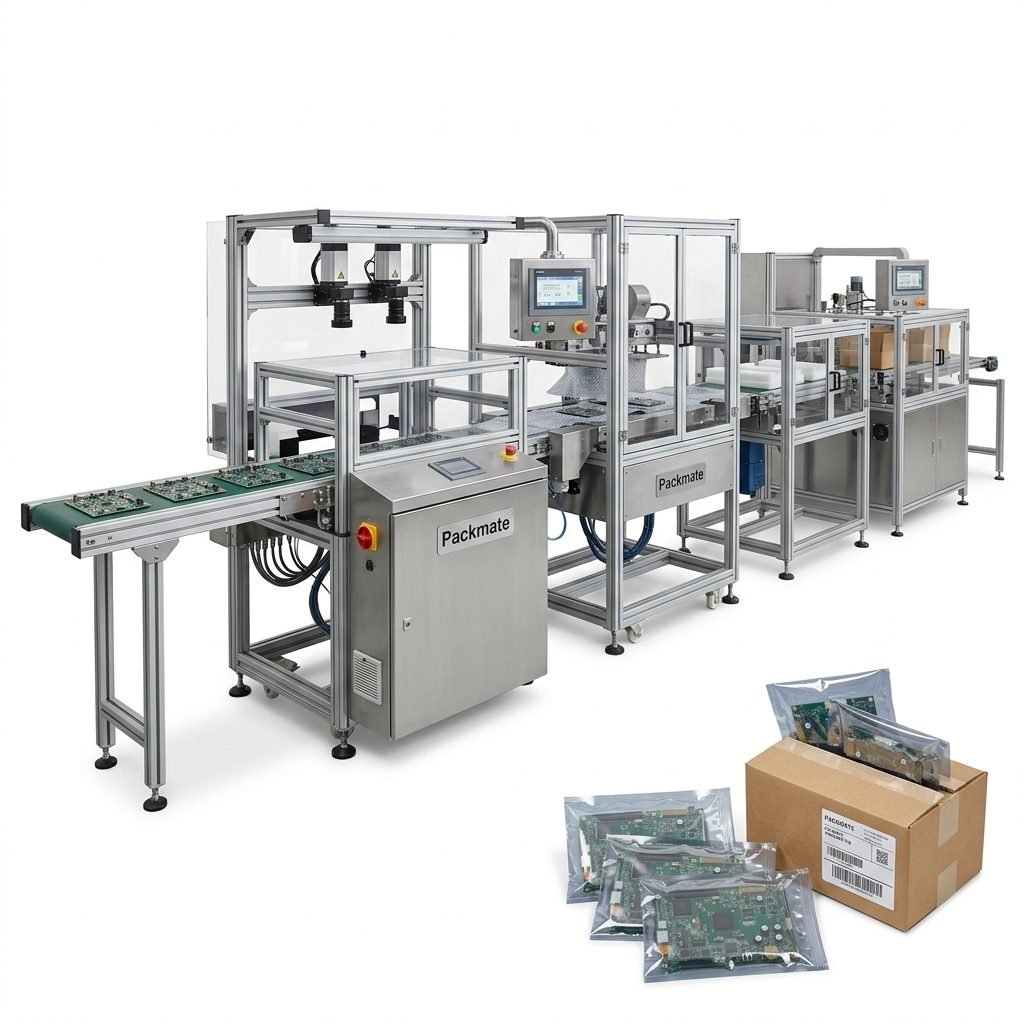
| PackingMachineOEM | Non-standard & customized machine expert | 30+ years | Highly specialized packaging applications where off-the-shelf machines are insufficient. |
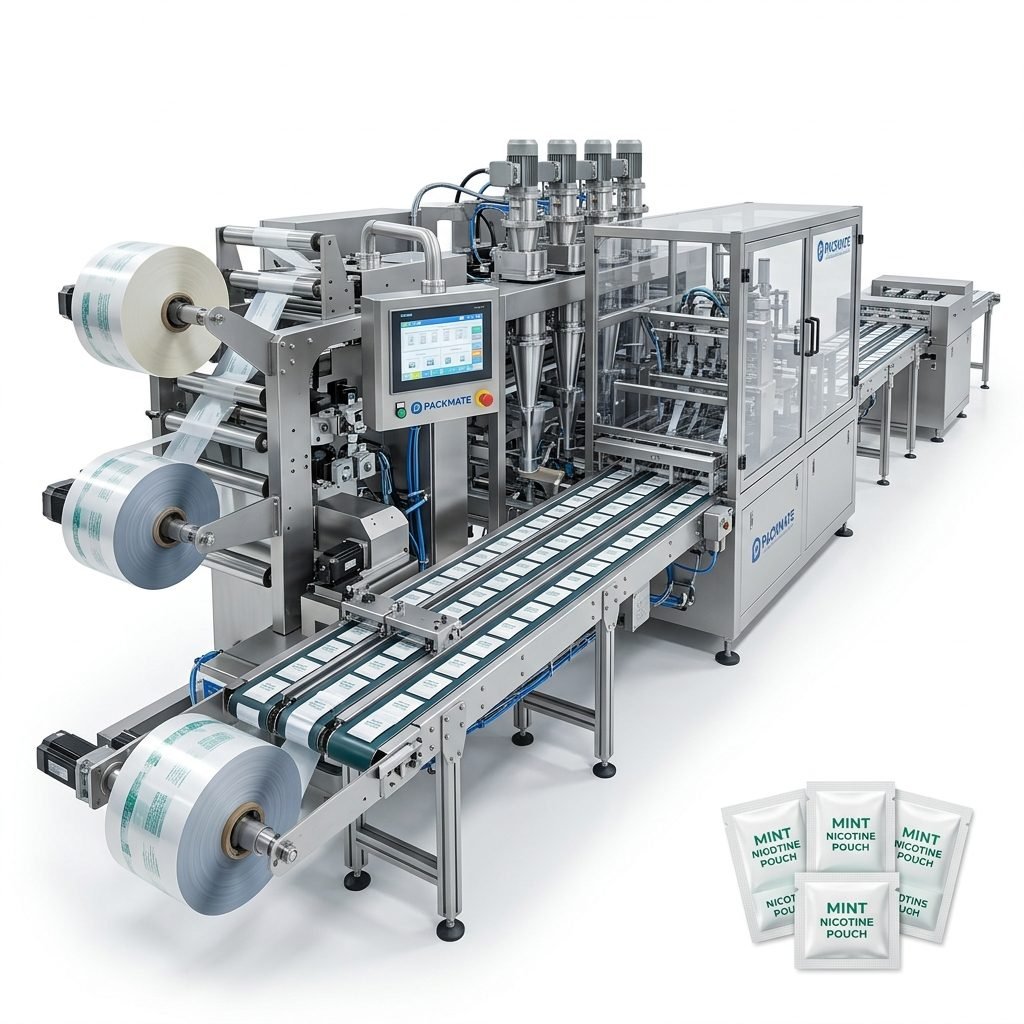
| SnusMachinery | Specialist in nicotine pouch & snus packaging | 30+ years | Niche pouch packaging (e.g., nicotine, specialty teas) with precise dosing and sealing requirements. |
The Procurement Process for Estonian Buyers
A structured approach to procurement will mitigate risk. Start with a clear definition of your requirements: product type, target output (bags/hour), bag size/type, and level of automation. Request detailed quotations, not just price lists. Arrange to test your product on the supplier’s machine (via sample testing or a factory visit if possible). Finally, scrutinize the warranty terms, payment structure, and delivery timeline.
Local Consideration: Estonian companies are part of a digital-first society. Inquire about the machine’s connectivity features (IoT, data output) for integration with your production monitoring systems, aligning with the country’s strong digital infrastructure.
Frequently Asked Questions (FAQ)
Q1: Why consider manufacturers from outside the EU, like those from China, for packaging machinery in Estonia?
Chinese manufacturers often offer a compelling combination of technical capability, customization flexibility, and cost-effectiveness. Established exporters to Europe design machines to meet CE standards and have built support networks to serve EU clients effectively, making them a viable option for Estonian businesses seeking value.
Q2: How can we ensure the machine meets EU safety and regulatory standards?
Always request and verify the CE certification documentation. Reputable manufacturers will provide a Declaration of Conformity. You can also specify other relevant standards (e.g., for food-grade materials, electrical safety) in your purchase contract.
Q3: What is the typical lead time for delivery to Estonia?
Lead times vary based on machine complexity and customization. For standard models, expect 60-90 days after order confirmation. For fully customized or turnkey lines, 120-180 days is more common. Always factor in sea freight time from the manufacturer’s port to a port like Tallinn.
Q4: How is technical support and training handled remotely?
Reliable suppliers offer remote support via video call, phone, and team messaging apps. They should provide comprehensive digital manuals and instructional videos. For complex installations, on-site commissioning and training by a factory engineer are typically included, though travel logistics need to be planned.
Q5: Are spare parts readily available, and what are the costs?
Before purchasing, request a list of recommended spare parts and their prices. Established exporters often stock common wear parts in European warehouses for faster delivery. Understand the supplier’s policy on part warranties and their process for expediting critical spare parts to minimize production downtime.