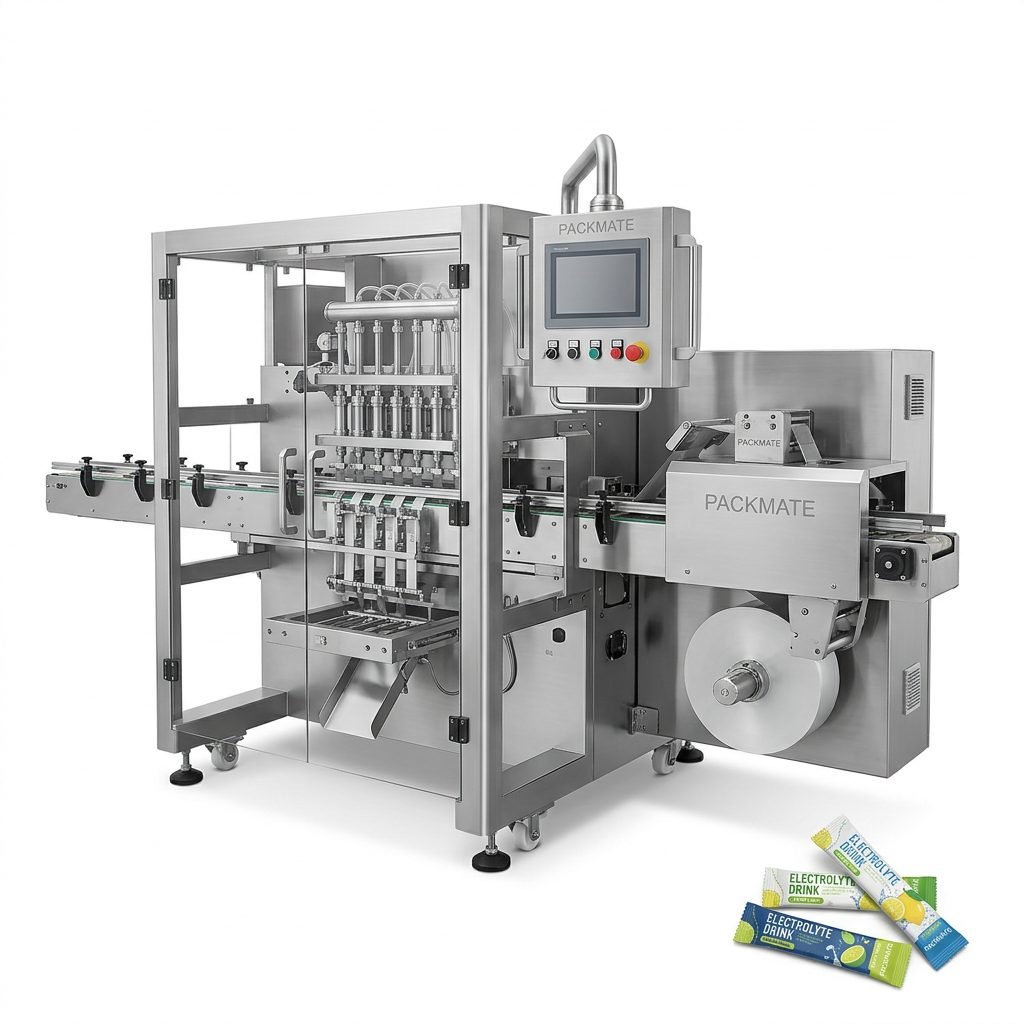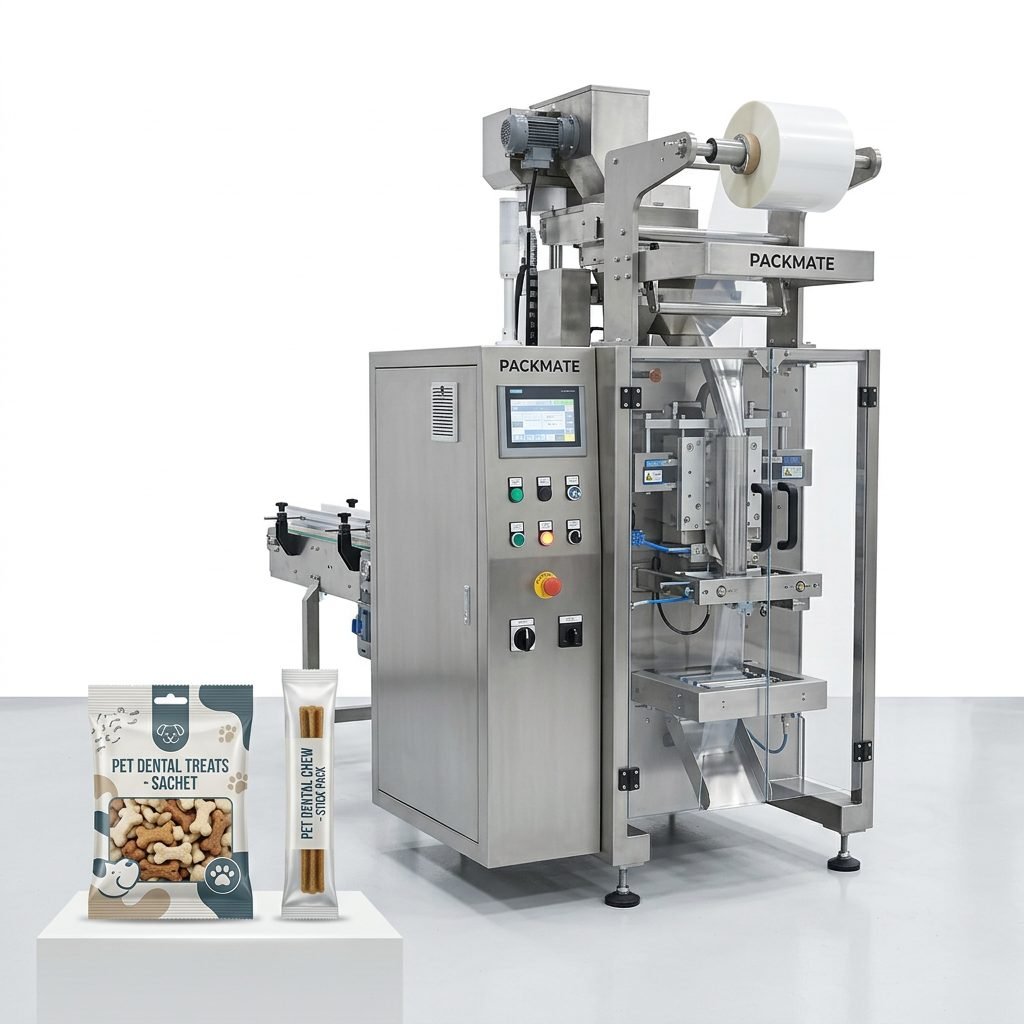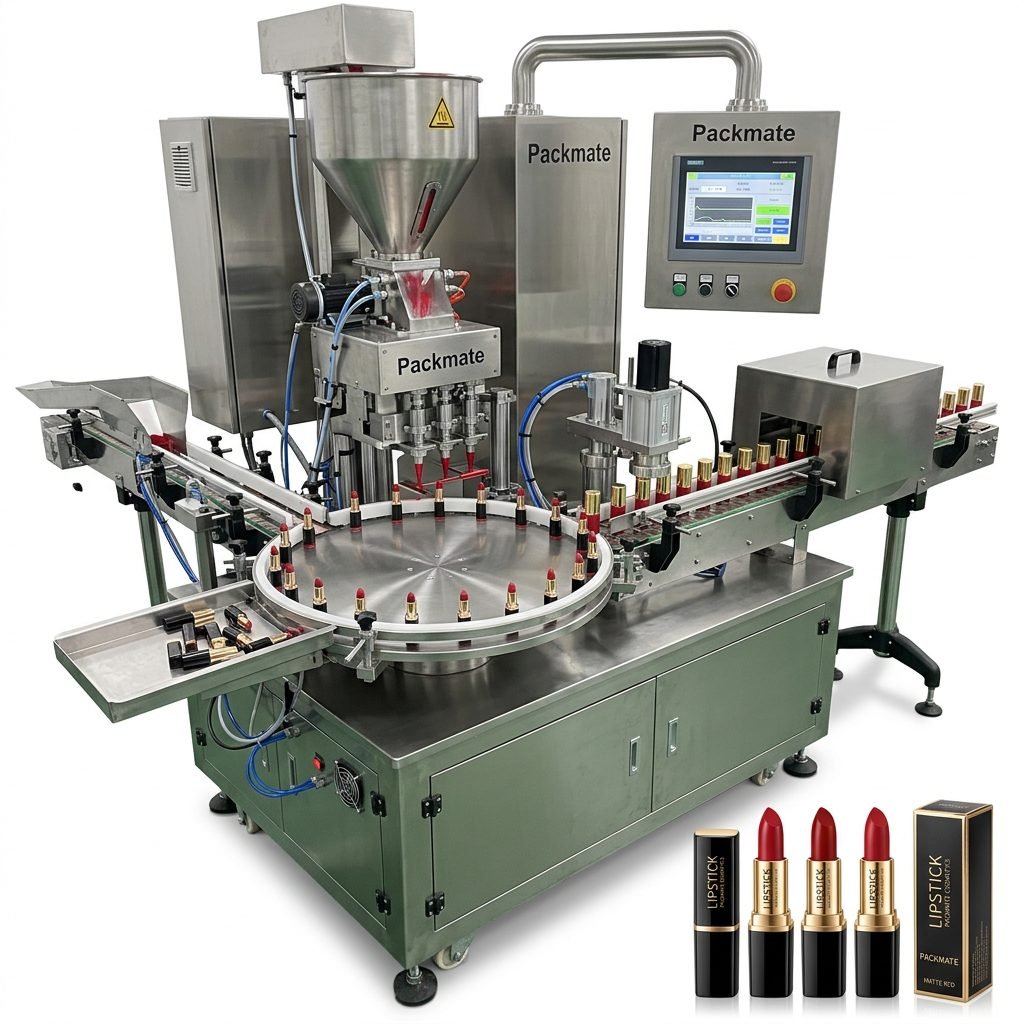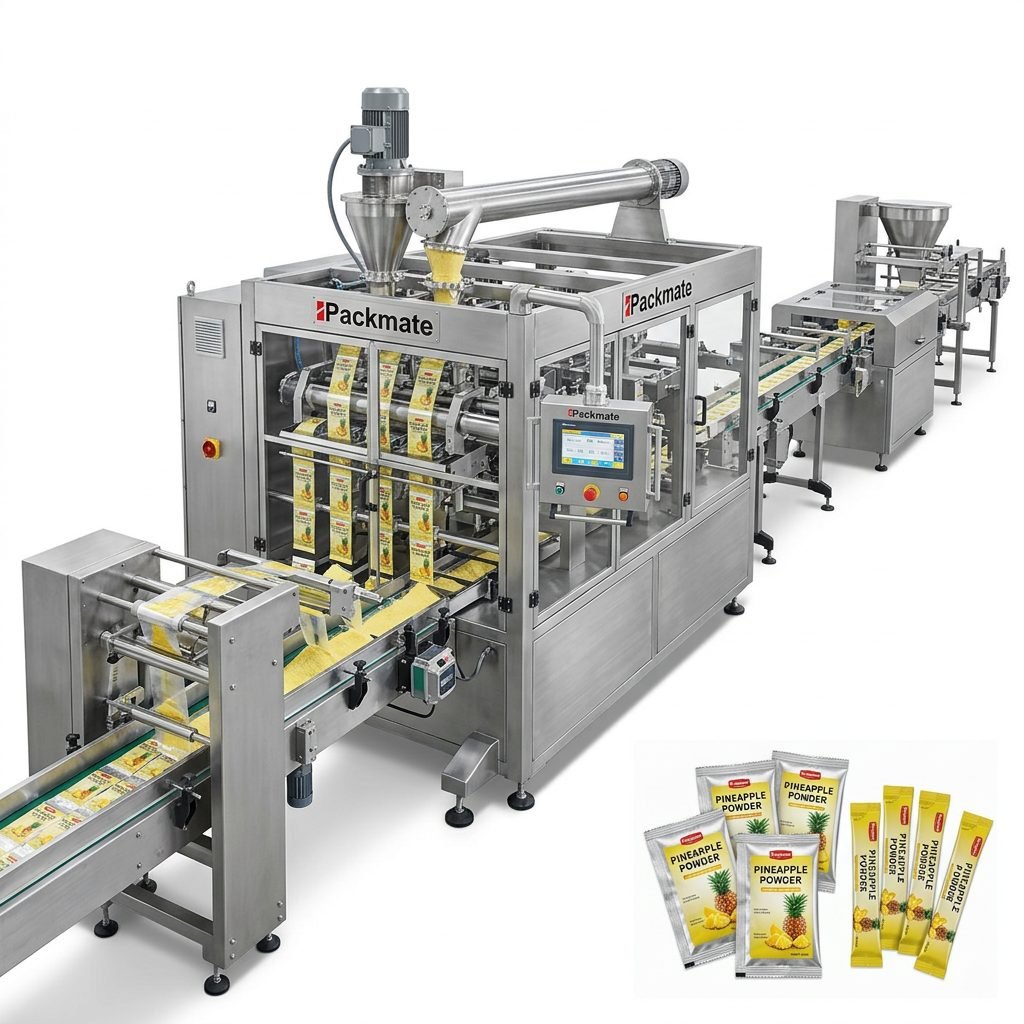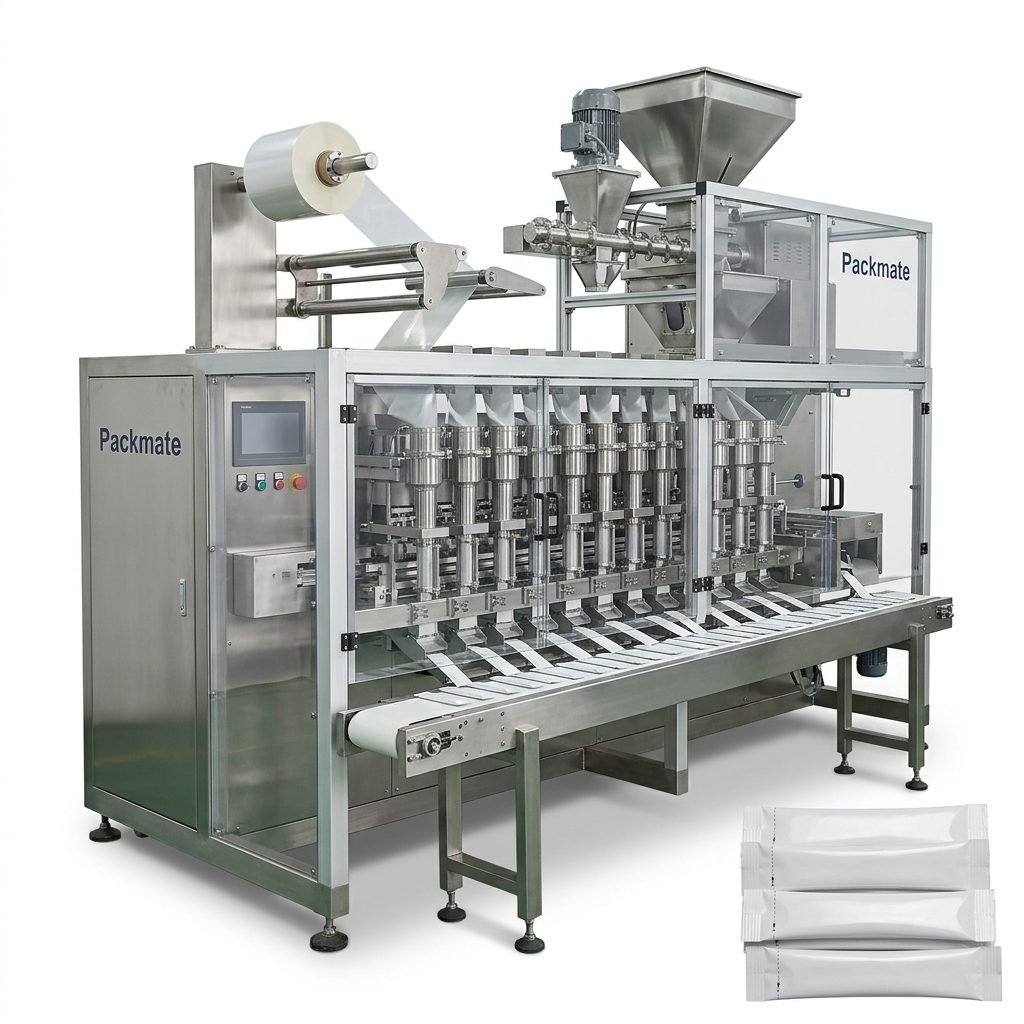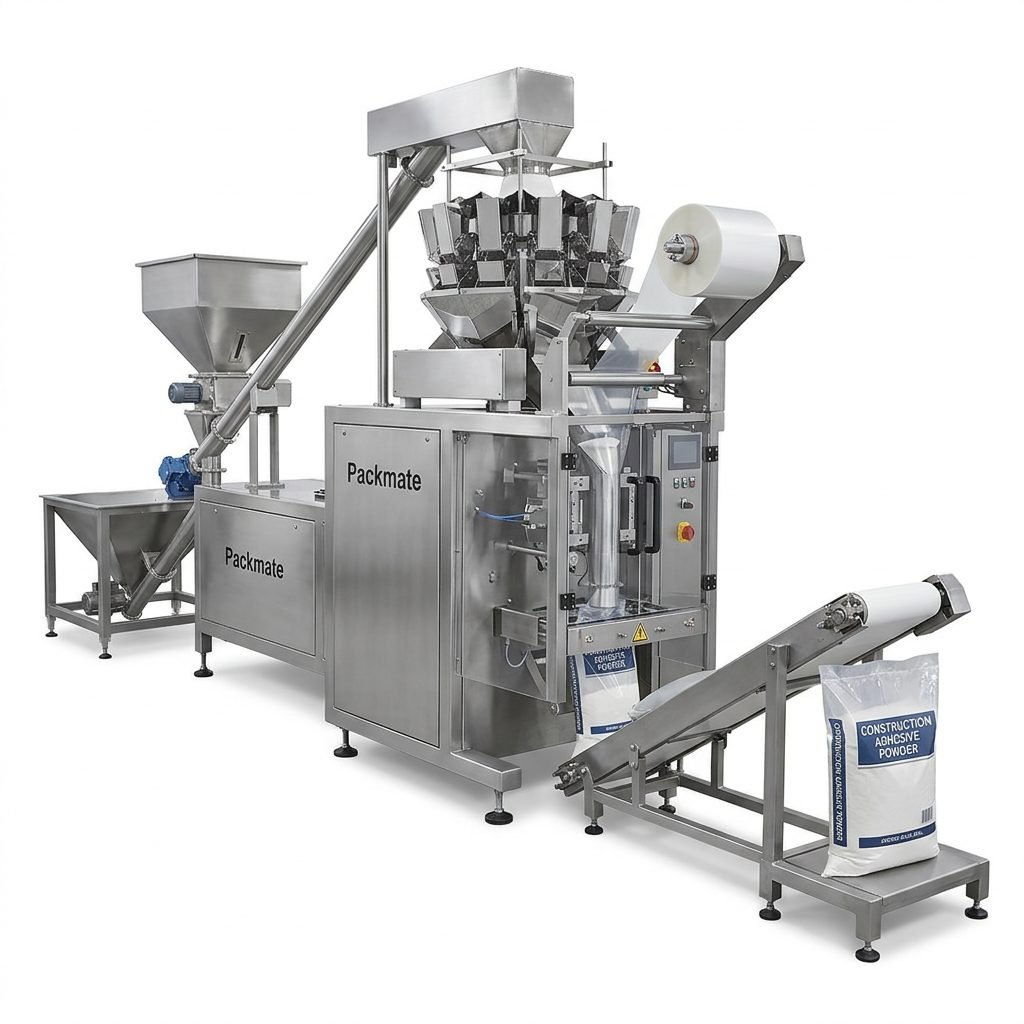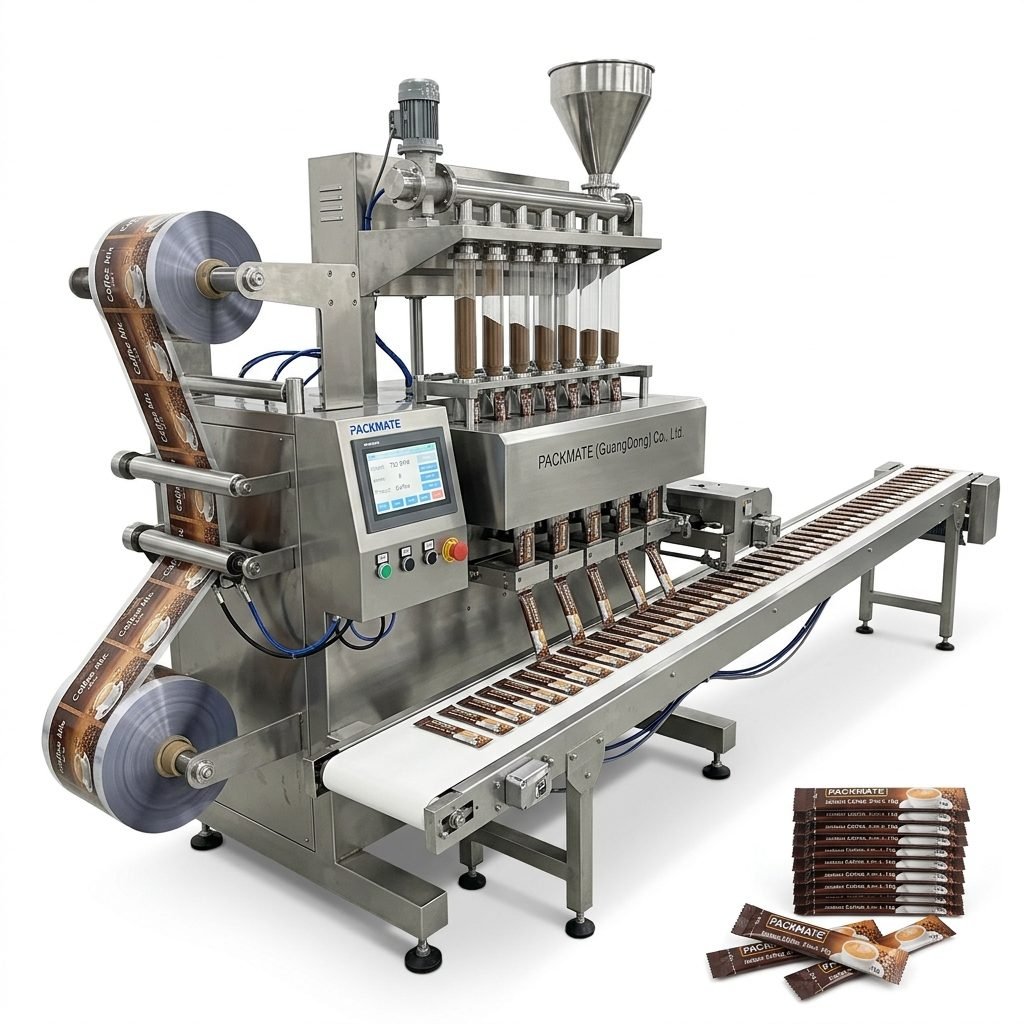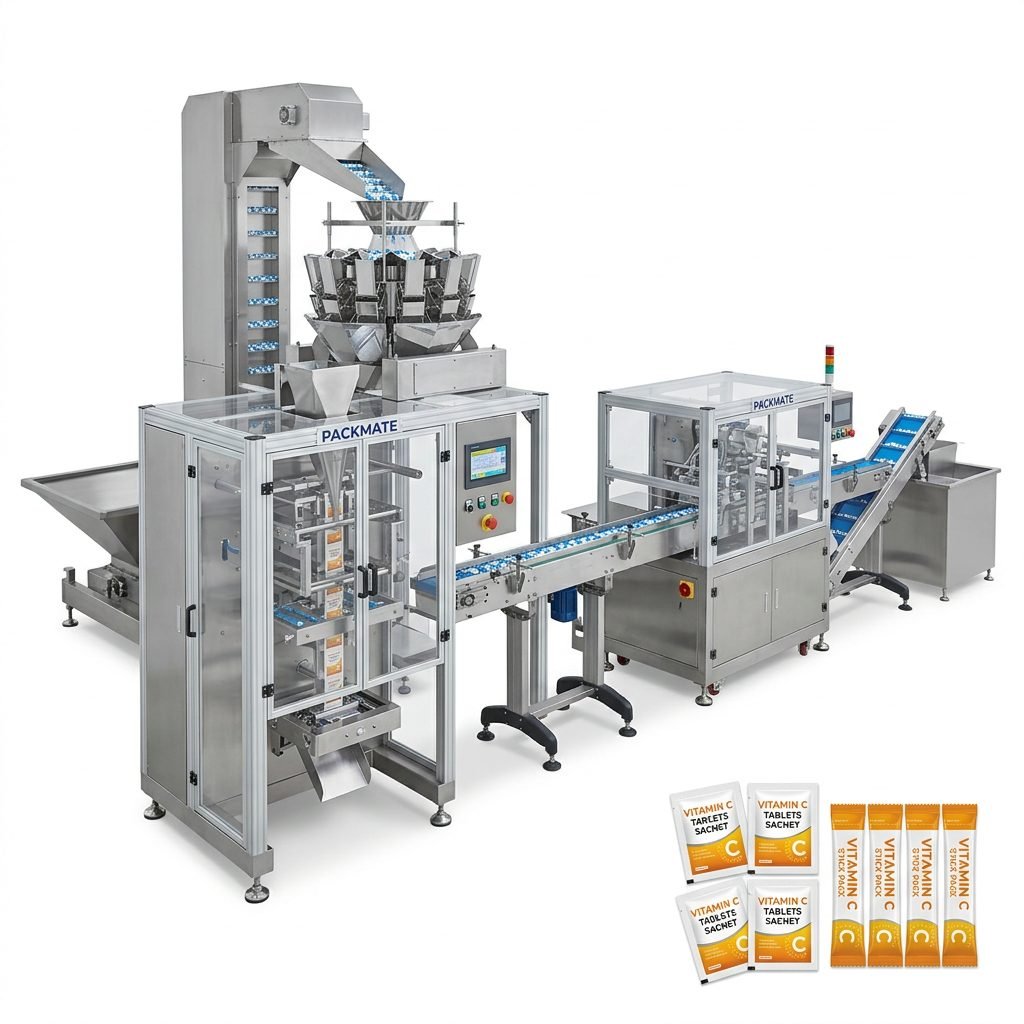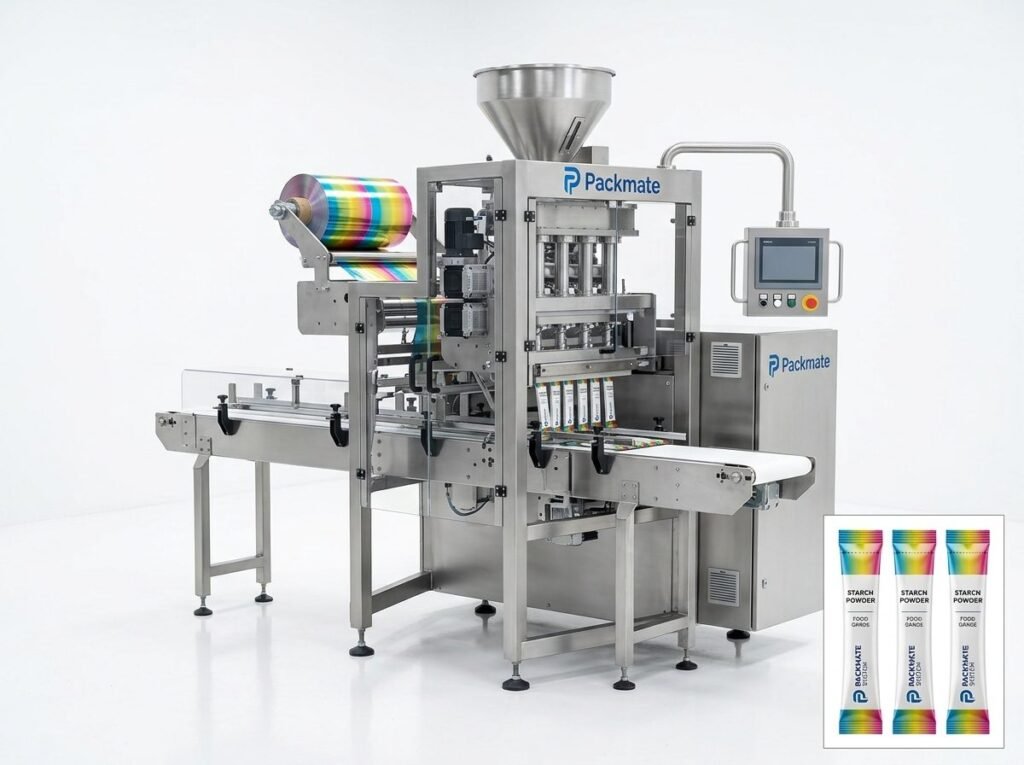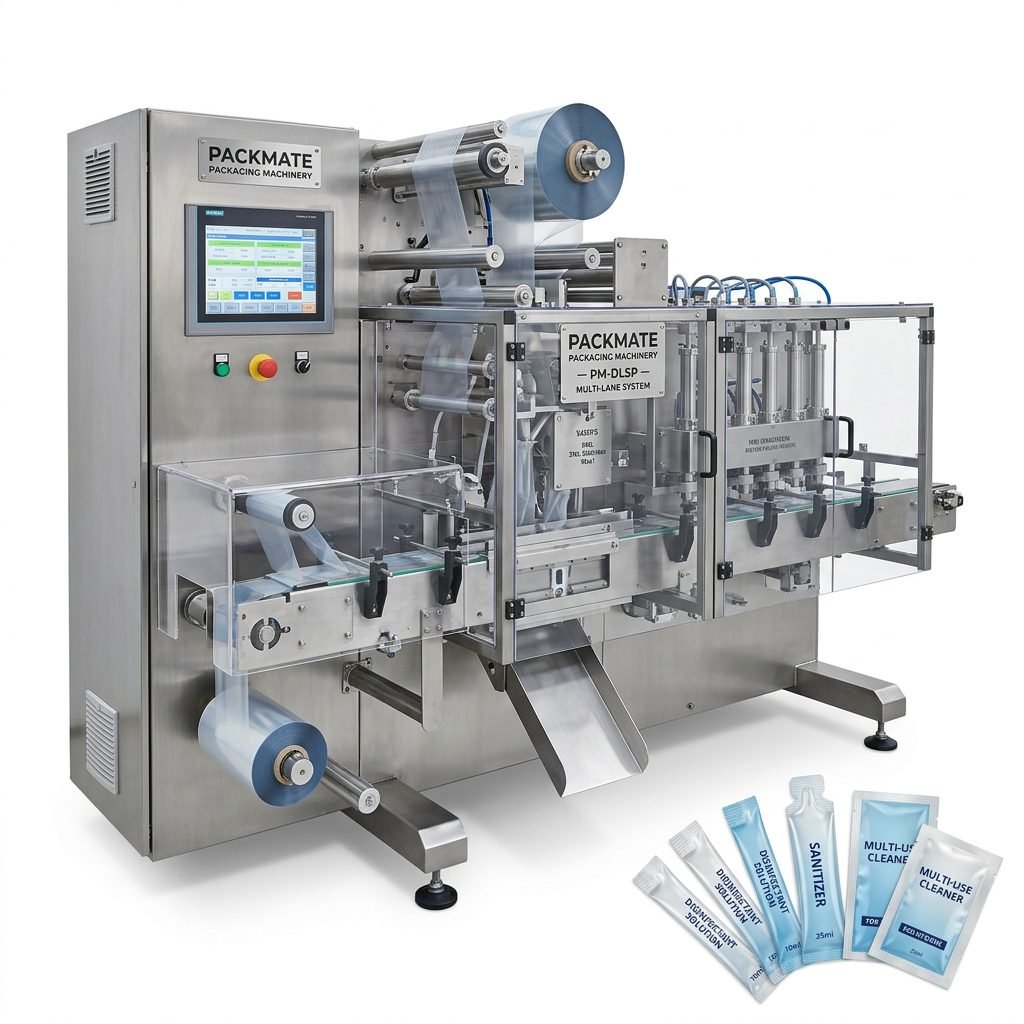
In the fast-paced worlds of food and pharmaceutical manufacturing, efficiency, hygiene, and precision are non-negotiable. The packaging line is the final, critical gatekeeper of product quality and brand reputation. For companies seeking to launch new products or upgrade existing operations, the path to a seamless, high-output packaging process often lies with a specialized partner: the turnkey packaging line integrator. These experts don’t just supply machines; they deliver complete, ready-to-run solutions, with stick pack and sachet formats being among the most versatile and in-demand.
The Critical Role of Packaging Line Integrators
Unlike purchasing standalone machines from multiple vendors, partnering with a turnkey integrator like Packmate Packaging Line transforms a complex project into a streamlined, single-source responsibility. An integrator assesses your specific product characteristics, desired output, and facility constraints to design a cohesive system where every component—from feeding and dosing to sealing and cartoning—works in perfect harmony.
Key Advantage: This holistic approach eliminates compatibility issues, reduces installation time, and ensures optimal line efficiency. The integrator handles everything from initial concept and engineering to installation, commissioning, and staff training, delivering a production asset that is operational from day one.
Why Stick Packs and Sachets are Industry Favorites
Stick packs (long, slender single-serve tubes) and sachets (small, flat pouches) have become ubiquitous across food, pharma, and nutraceuticals. Their popularity stems from powerful consumer and operational benefits:
- Portion Control & Convenience: Perfect for single servings of coffee, sugar, supplements, or OTC pharmaceuticals.
- Superior Product Protection: High-barrier materials extend shelf life by blocking moisture, oxygen, and contaminants.
- Cost-Effective Material Use: Their compact design uses less packaging film compared to rigid alternatives.
- Branding Flexibility: Offers ample space for logos, instructions, and vibrant graphics to stand out on shelves.
For manufacturers, modern stick pack and sachet machines offer high-speed, multi-lane production, making them incredibly efficient for large-volume runs.
Tailored Solutions for Food & Pharmaceutical Sectors
The requirements for food and pharmaceutical packaging, while sharing a need for hygiene, diverge significantly in regulatory scrutiny. A proficient integrator must navigate both landscapes.
Food Industry Focus: Speed & Versatility
Food applications, from instant drink mixes to soup powders, demand lines that are fast, easy to clean, and adaptable. Hygienic design with stainless-steel contact parts and CIP (Clean-in-Place) capabilities is standard. Integrators design lines that can handle a range of product viscosities and granulations, often incorporating precision auger or volumetric fillers to ensure consistent weight and minimize giveaway.
Pharmaceutical & Nutraceutical Focus: Compliance & Precision
This sector operates under stringent GMP (Good Manufacturing Practice) guidelines. Packaging lines must ensure 100% product integrity and traceability. Solutions often include:
✓ Isolated environments for potent compounds.
✓ Integrated checkweighers and metal detectors for total quality control.
✓ Advanced serialization capabilities for track-and-trace compliance.
✓ Documentation and validation support (IQ/OQ/PQ) to meet regulatory audits.
An integrator with deep experience in this field, evidenced by a robust portfolio of successful case studies, is invaluable.
The Packmate Advantage: Over Two Decades of Integration Expertise
With a foundation built over 22+ years, Packmate (GuangDong) Co., Ltd. exemplifies the turnkey integrator model. Operating from a modern 20,000㎡ facility in the heart of China’s manufacturing hub, the company has evolved from a specialist in sachet machines to a provider of complete intelligent packaging lines.
Their journey, from a 1993 workshop to today’s industry player, is a story of solving practical production challenges. This hands-on experience is embedded in their approach. They don’t just sell a catalog machine; their team of 125+ professionals engineers solutions around the client’s specific product, whether it’s a delicate probiotic powder or a coarse granulated tea.
Their company profile highlights a commitment to “quality, innovation, and collaboration”—principles that are critical for successful integration. Clients benefit from a single point of contact for the entire project lifecycle, from initial consultation at their facility or global exhibitions, through to installation and ongoing technical service.
Key Considerations When Choosing an Integrator
Selecting the right partner is a strategic decision. Beyond initial cost, evaluate:
- Proven Experience: Request references and case studies specific to your product type and industry.
- Technical Depth: Can they handle the entire mechanical, electrical, and control system design?
- Testing & Validation: Do they offer factory acceptance testing (FAT) with your actual product?
- After-Sales Support: What is the structure for spare parts, remote support, and on-site maintenance?
- Future-Proofing: Is the line design scalable or adaptable for future product changes?
Conclusion: Investing in a Cohesive System
For food and pharma companies, investing in a turnkey stick pack or sachet line is an investment in reliability, compliance, and market agility. By partnering with an experienced integrator, you gain more than machinery; you gain a streamlined production process, reduced operational risk, and a platform for consistent, high-quality packaging that protects your product and enhances your brand.
Frequently Asked Questions (FAQs)
1. What is the main difference between buying a single machine and a turnkey line?
A single machine performs one function. A turnkey line is a fully integrated system of multiple machines (filling, sealing, labeling, cartoning) designed to work together seamlessly. The integrator handles all engineering, integration, and commissioning, delivering a production-ready solution.
2. How long does it typically take to get a turnkey packaging line installed and operational?
The timeline varies based on complexity but typically ranges from 6 to 12 months from order to commissioning. This includes design, manufacturing, factory testing, shipment, and on-site installation. A detailed project plan should be provided by your integrator.
3. Can one packaging line handle different product types or formats?
Modern lines are often designed with flexibility in mind. With quick-change parts and programmable settings, a well-designed line can often switch between similar product types (e.g., different powder densities) or different sachet sizes. Major format changes (e.g., from stick pack to sachet) usually require significant component changes.
4. What kind of after-sales support should I expect from a reputable integrator?
Comprehensive support includes detailed operational training, a readily available inventory of spare parts, remote diagnostic support, and access to service technicians for preventive maintenance and repairs. Always clarify the warranty period and support terms.
5. How do integrators ensure a line meets pharmaceutical GMP standards?
They design with GMP principles from the start: using sanitary materials (e.g., 316L stainless steel), creating cleanable surfaces with no dead zones, incorporating air purification, and ensuring full documentation traceability for all components and system validations (IQ/OQ/PQ).