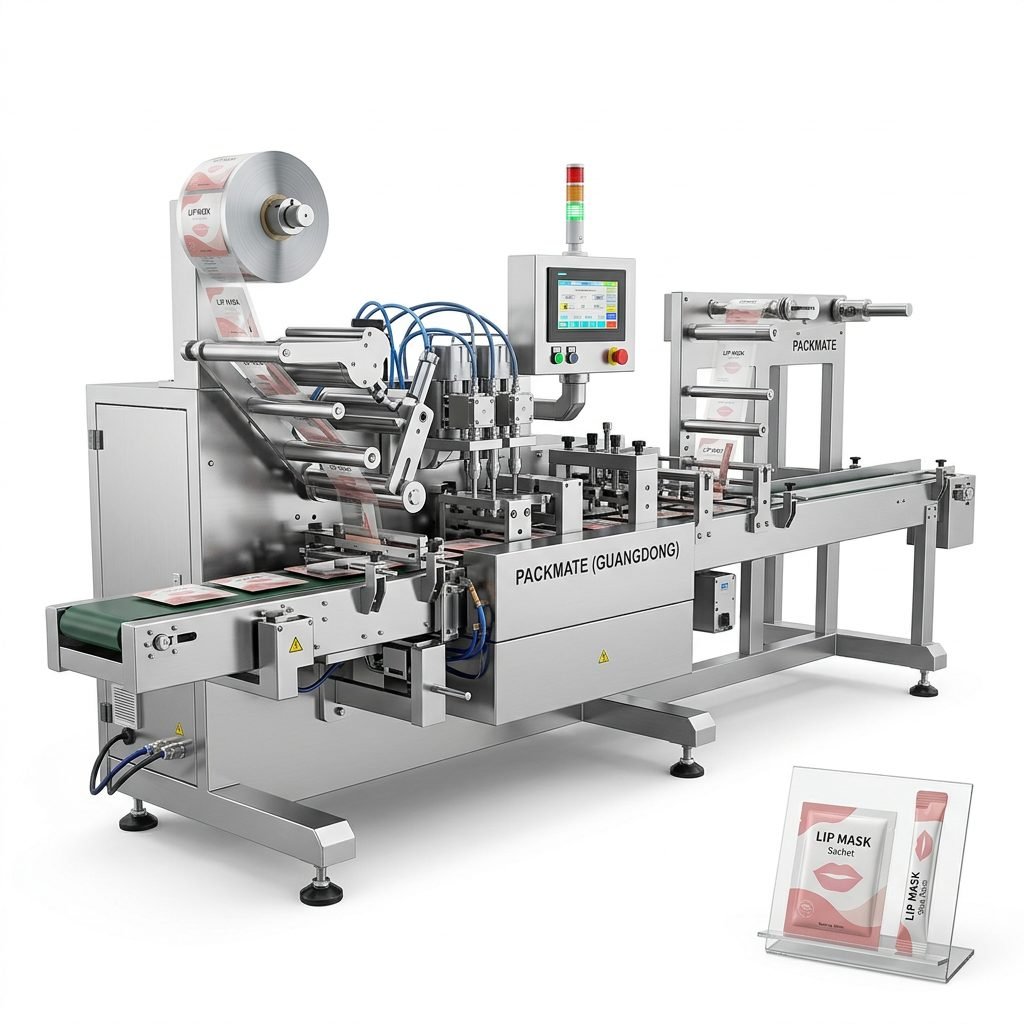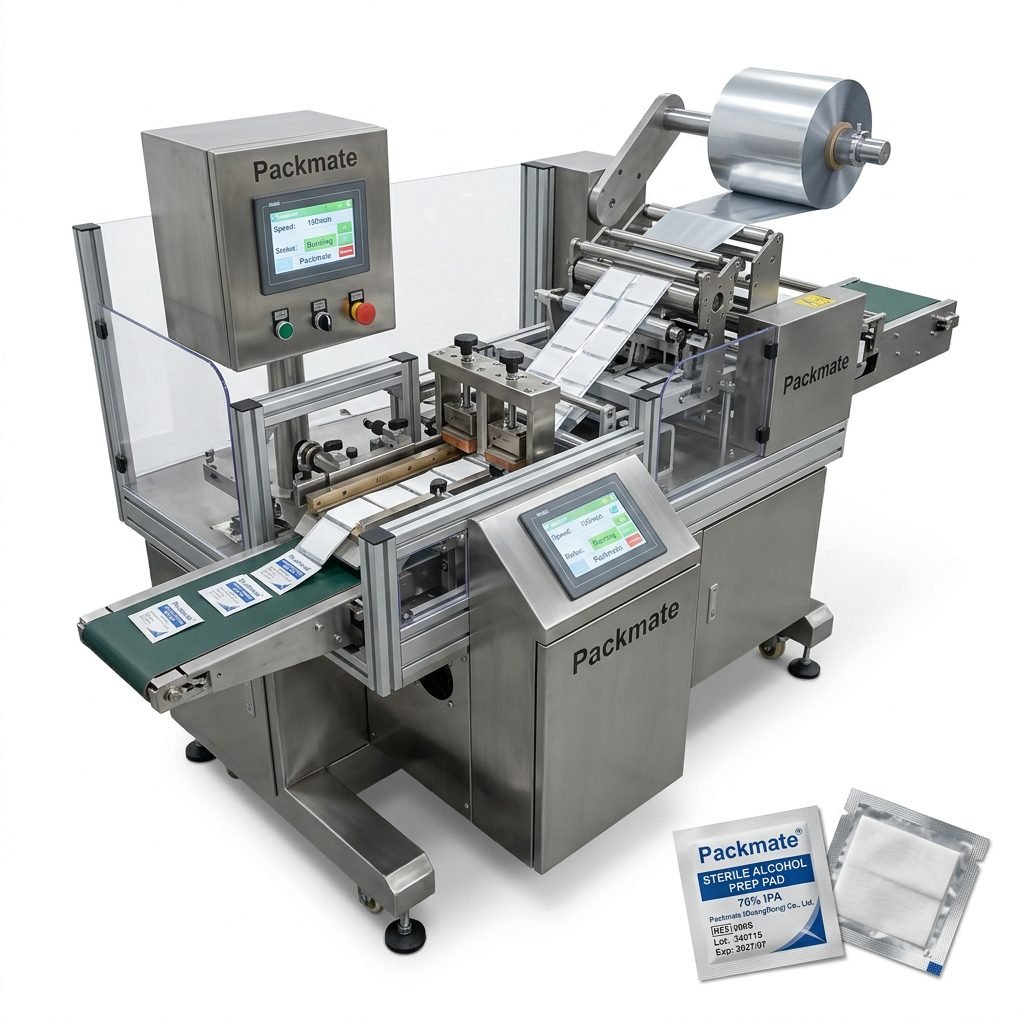
The landscape of manufacturing is undergoing a profound transformation, driven by the relentless pursuit of efficiency, precision, and safety. Nowhere is this more critical than in the packaging of products destined for human consumption and well-being. For industries like food, pharmaceuticals, and health products, packaging is not merely a final step; it is a vital component of product integrity, safety, and market success. Industrial automation packaging solutions have emerged as the cornerstone for meeting these stringent demands, enabling manufacturers to achieve unprecedented levels of speed, accuracy, and compliance.
The Imperative for Automation in Sensitive Sectors
Packaging operations in food, pharma, and health sectors are governed by a complex web of regulations, including FDA guidelines, GMP (Good Manufacturing Practices), and HACCP (Hazard Analysis Critical Control Point). Manual or semi-automated processes introduce variables—human error, contamination risks, and inconsistent throughput—that are simply untenable. Automated packaging lines eliminate these variables, ensuring every sachet, stick pack, or bottle is filled, sealed, and labeled with robotic consistency. This is not just about productivity; it’s about building an unbreakable chain of custody and trust from production line to end-user.
Core Benefits of Automated Packaging Lines
- Enhanced Product Safety & Hygiene: Closed, automated systems minimize human contact, drastically reducing the risk of microbial and particulate contamination.
- Unmatched Precision & Yield: High-accuracy filling systems ensure exact dosages, crucial for pharmaceuticals and nutritional supplements, while reducing product giveaway.
- Regulatory Compliance & Traceability: Integrated data logging and serialization capabilities provide complete batch records, essential for audits and recall management.
- Operational Scalability & Flexibility: Modern lines can be quickly reconfigured for different package sizes or formats, allowing rapid response to market trends.
Tailored Solutions for Diverse Product Forms
A one-size-fits-all approach fails in these precision-driven industries. Effective automation must be tailored to the physical characteristics of the product.
For Powders & Granules (e.g., Protein, Coffee, Pharmaceuticals)
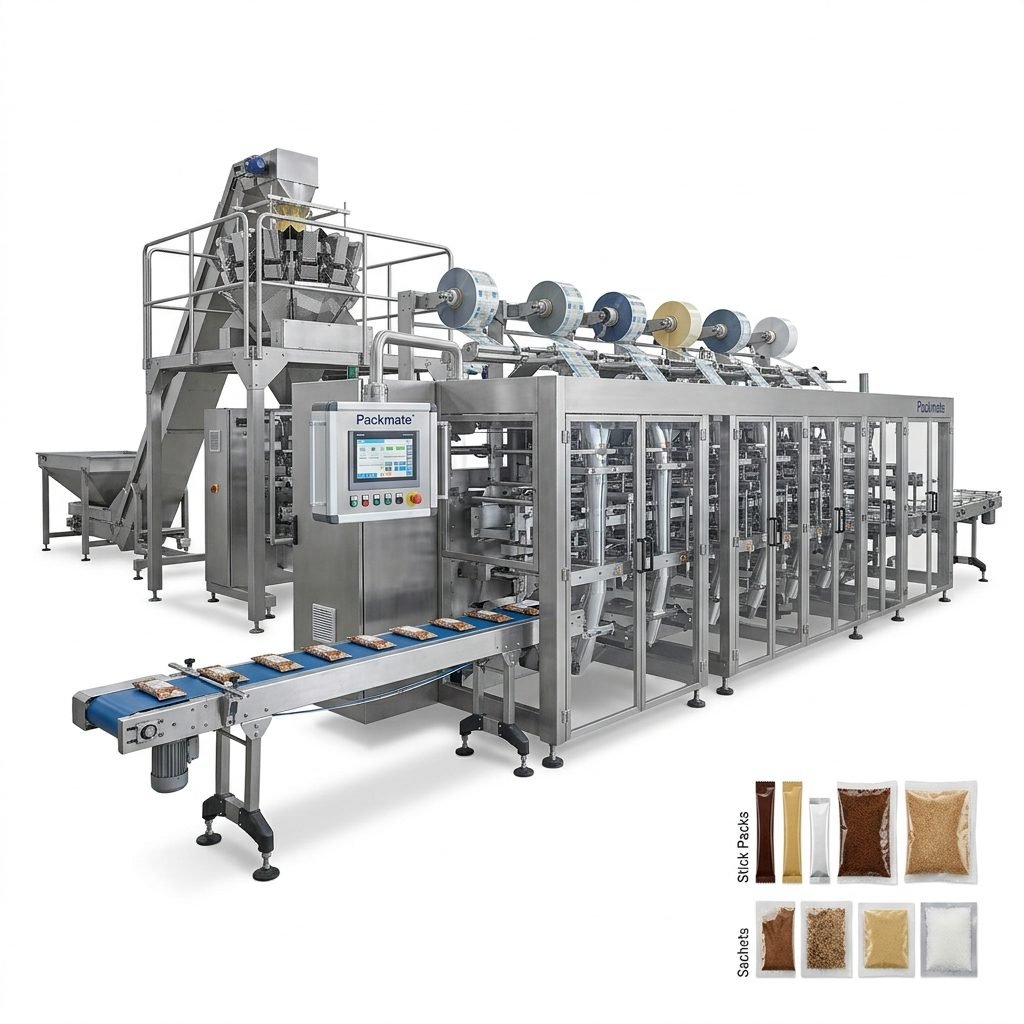
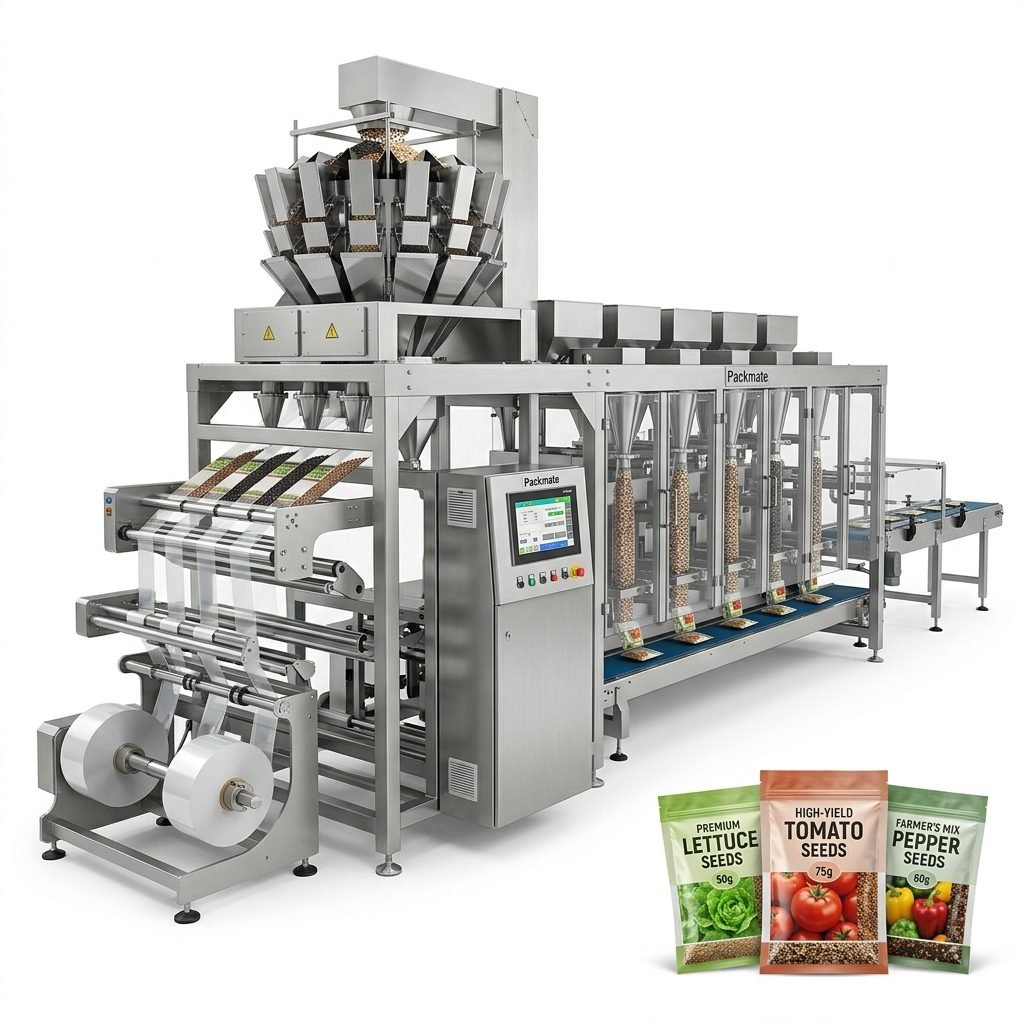
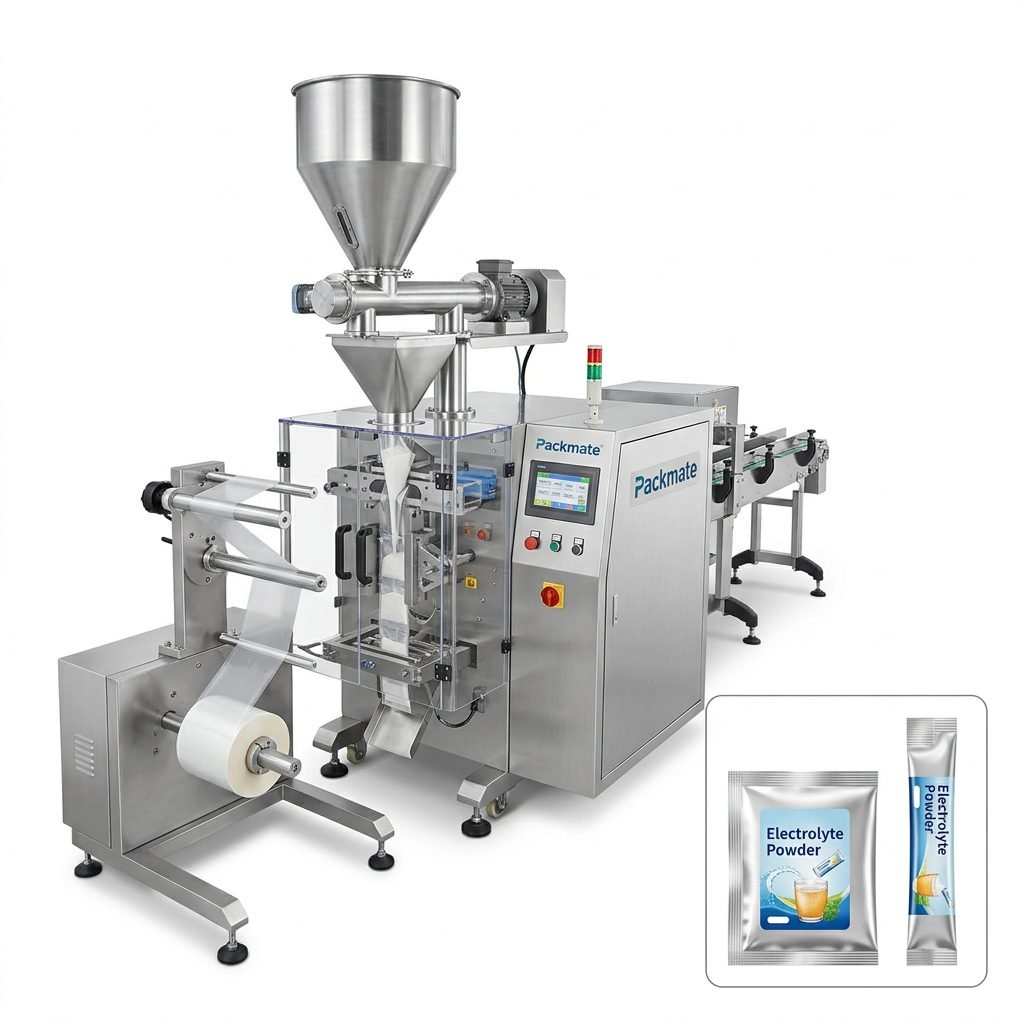
Products like instant coffee, protein powder, or powdered medication require solutions that prevent clumping, ensure consistent density, and handle fine particulates without dust generation. Auger filler systems with de-aeration technology and multi-head weighers are paramount. Companies like Packmate specialize in creating integrated lines that combine precise dosing with nitrogen flushing to extend shelf life by removing oxygen, a critical factor for many health products.
For Liquids & Viscous Products (e.g., Syrups, Oils, Sauces)
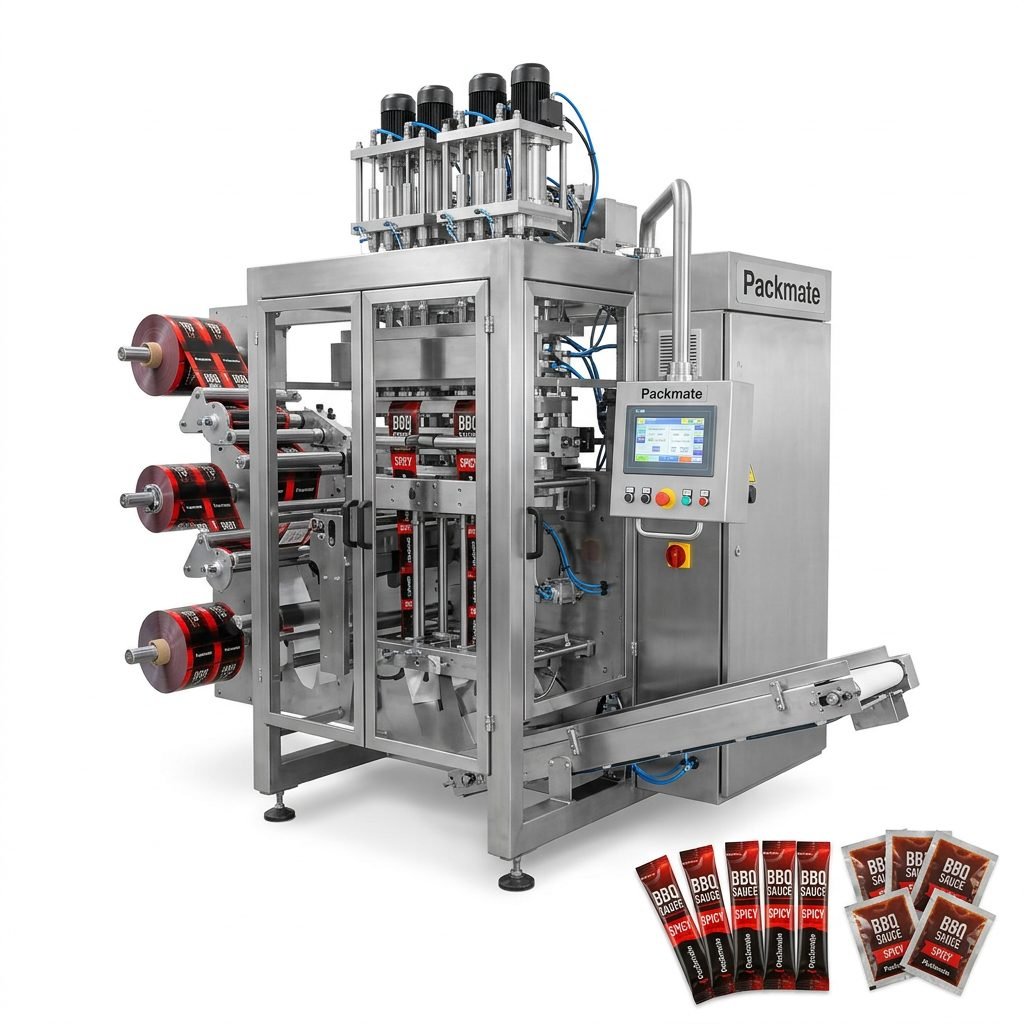
Liquid packaging demands solutions that manage viscosity, prevent dripping, and ensure hermetic seals. Piston fillers and peristaltic pumps offer excellent accuracy for everything from pharmaceutical syrups to premium cooking oils. The integration of vision inspection systems post-fill to check for seal integrity and fill levels is a standard best practice, adding an extra layer of quality assurance.
For Large-Volume & Bulk Packaging
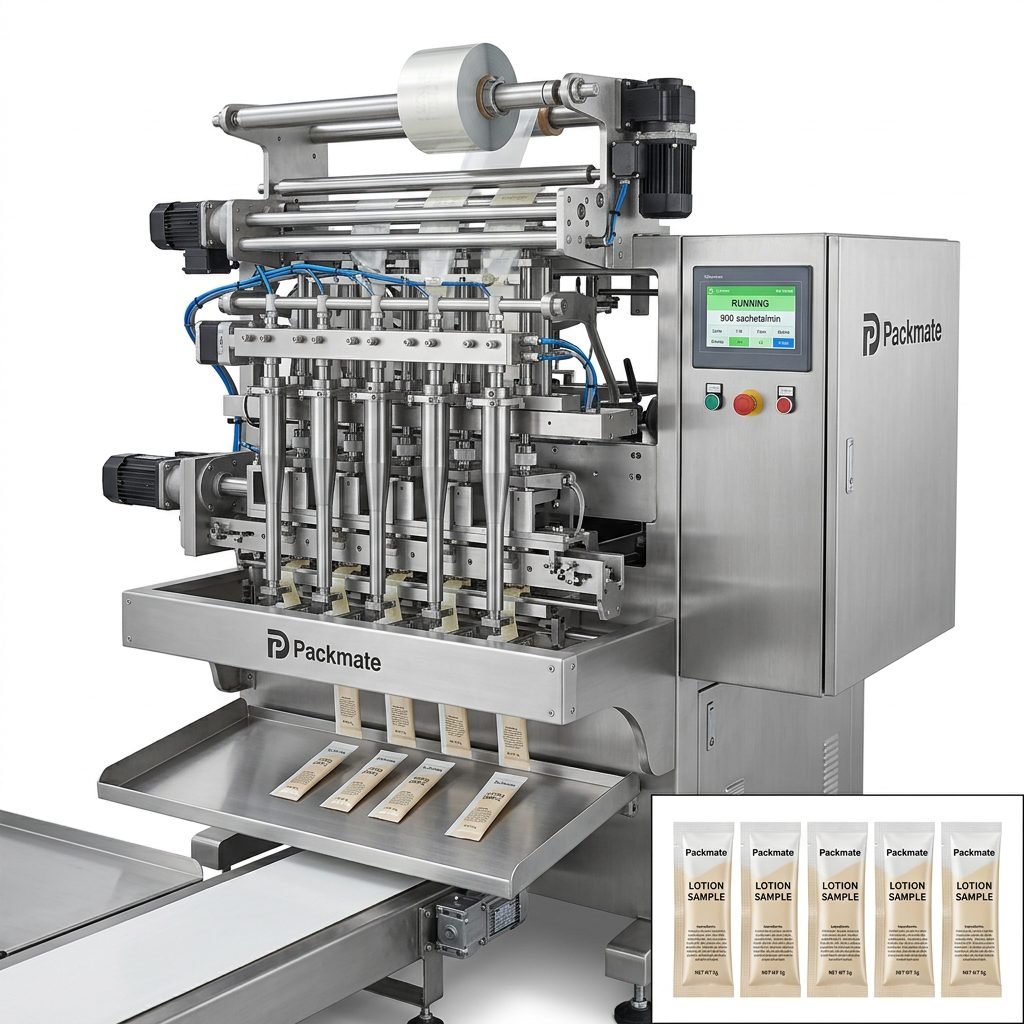
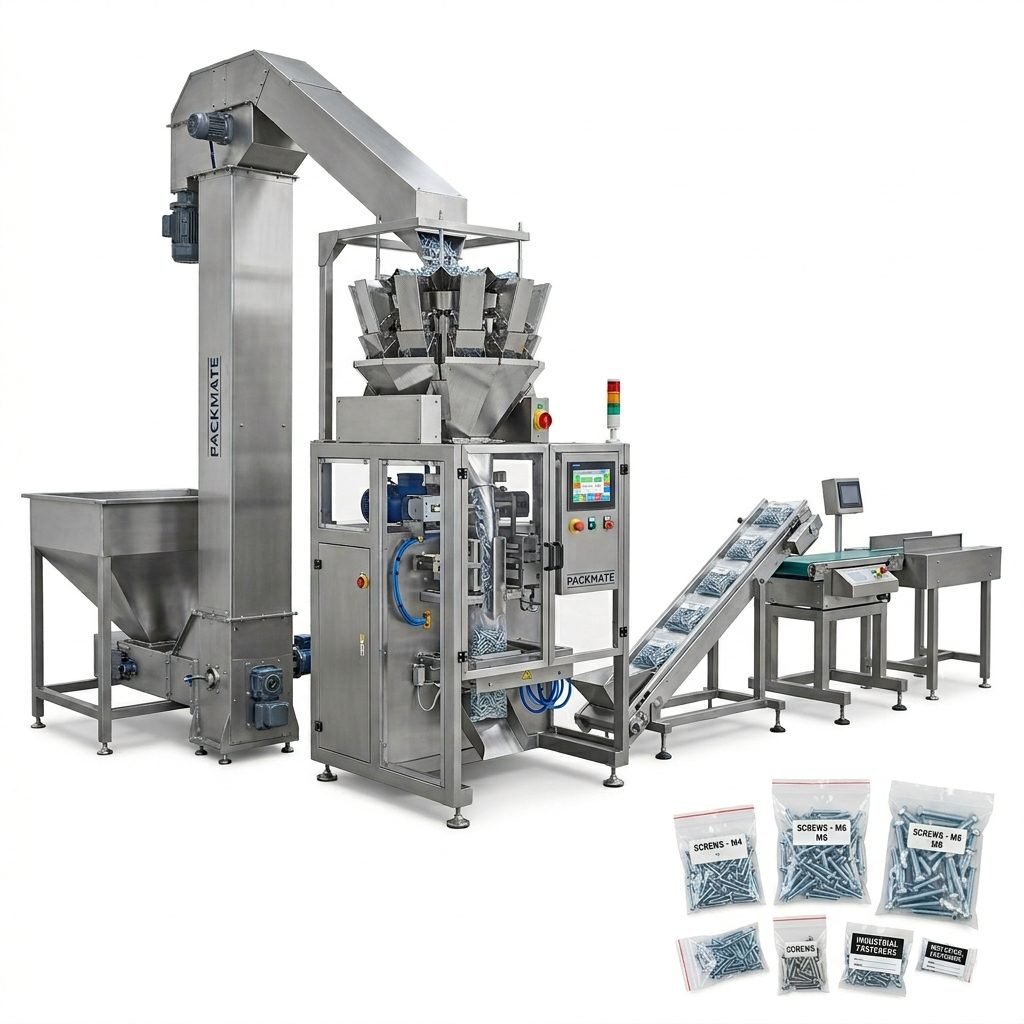
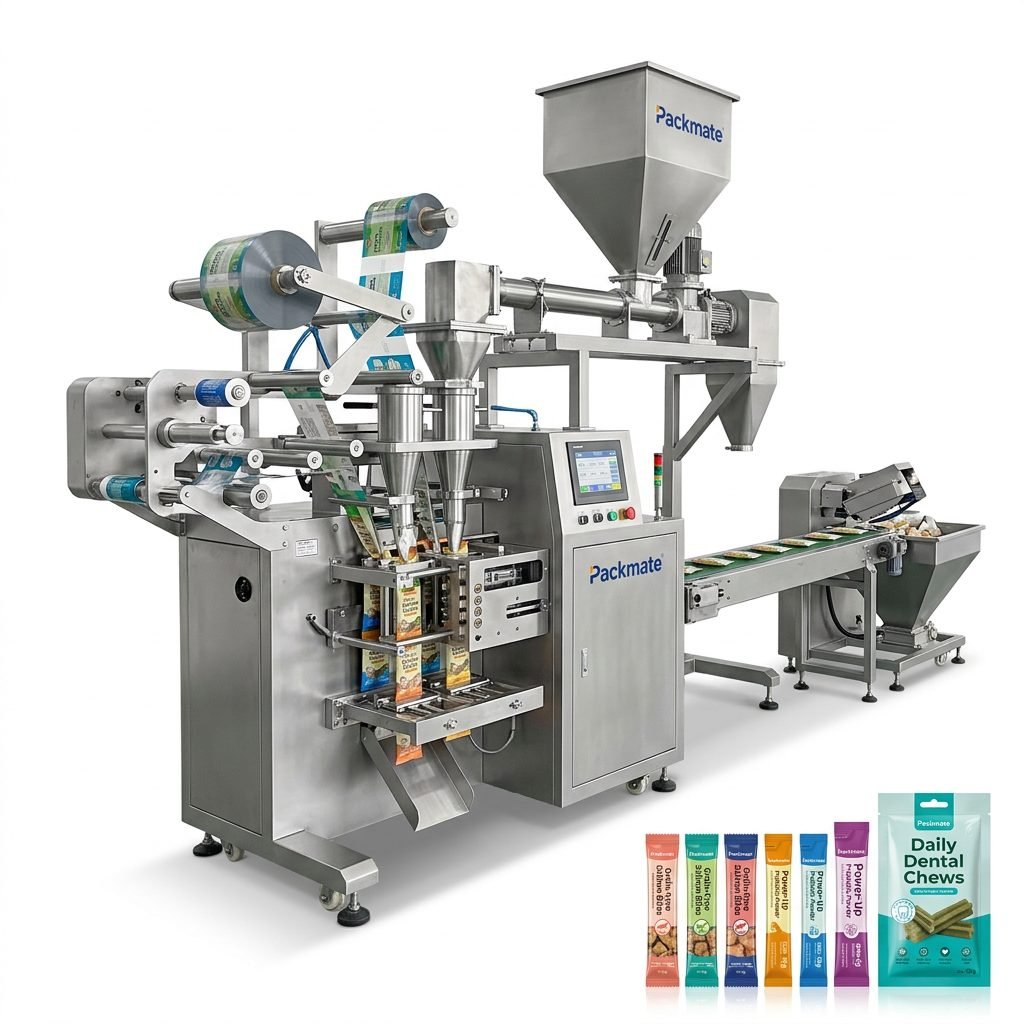
Beyond unit-dose sachets, there is significant demand for automated bagging of bulk ingredients, pet food, or industrial-scale chemical products. These systems often involve form-fill-seal (FFS) technology for bags or automated case packing and palletizing, creating a seamless flow from production to warehouse. Exploring a range of packaging solutions reveals how flexibility in automation design can cater to both small consumer units and large commercial batches.
The Role of Turnkey System Integration
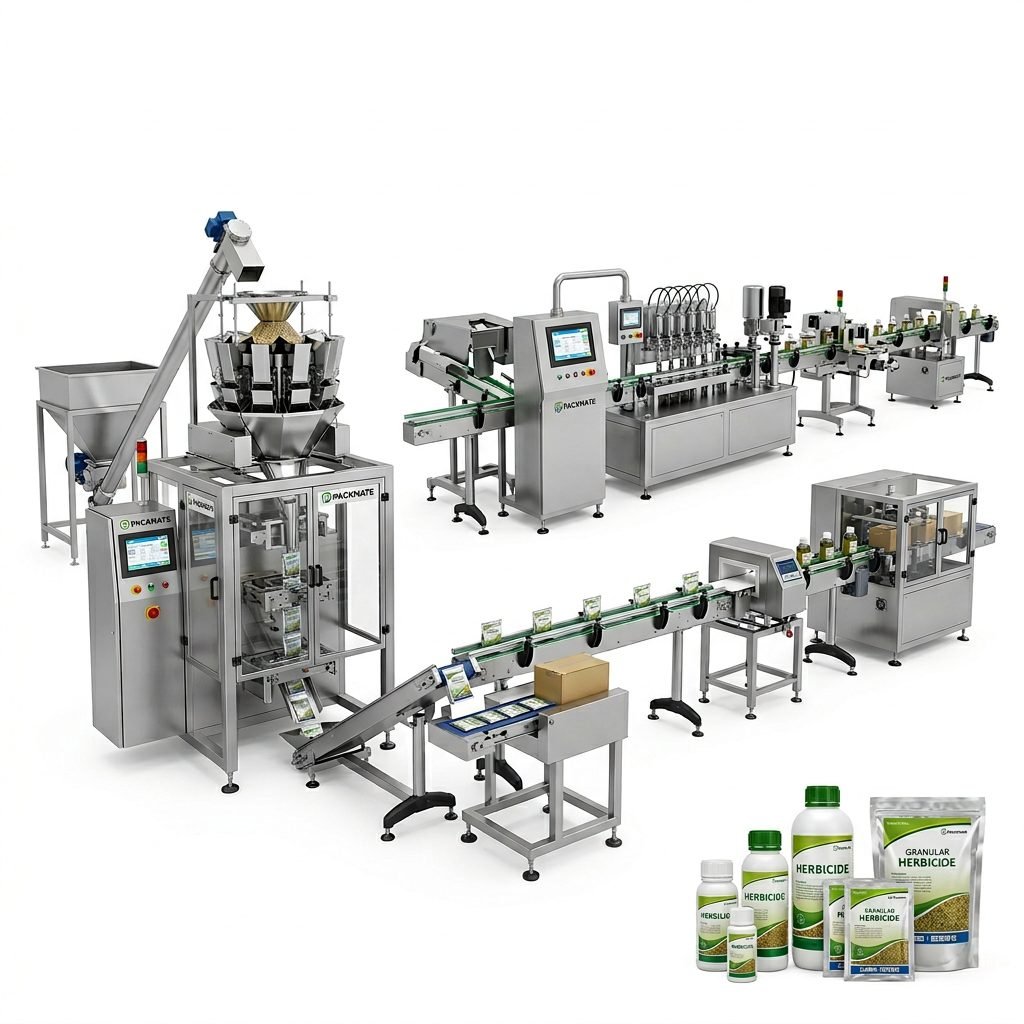
The true power of industrial automation is unlocked not by standalone machines, but by their seamless integration into a cohesive system. A turnkey packaging line encompasses everything from the infeed of empty packaging material and product filling to secondary packaging, labeling, and cartoning. This holistic approach, offered by experienced providers, ensures:
- Reduced Engineering Burden: The supplier manages the entire design, installation, and commissioning process.
- Optimized Line Synchronization: All components communicate via a central PLC or SCADA system, preventing bottlenecks.
- Single Point of Accountability: One partner is responsible for the performance of the entire line, simplifying service and support.
Viewing real-world application cases demonstrates how integrated solutions solve complex packaging challenges across different industries.
The Packmate Advantage: Experience in Action
With over 30 years of specialized experience, Packmate (GuangDong) Co., Ltd. exemplifies the value of deep industry knowledge. Operating from a modern 20,000㎡ facility, their journey from a focused workshop to a provider of complete turnkey lines mirrors the evolution of automation itself. Their portfolio of over 50 machine models, including advanced multi-lane stick pack and sachet machines, is built on a foundation of quality, innovation, and collaboration. This commitment ensures that each solution is not just a collection of machines, but a reliable production asset designed for the long term. You can learn more about their journey and capabilities on their detailed company profile page.
Future Trends: Smart Packaging and Industry 4.0
The next frontier is the convergence of packaging automation with the Internet of Things (IoT) and data analytics. Smart factories feature packaging lines that are:
- Self-Optimizing: Using sensors and AI to adjust parameters in real-time for maximum efficiency.
- Predictive in Maintenance: Analyzing machine data to forecast component wear and schedule maintenance before failure occurs.
- Fully Transparent: Providing live production data dashboards for remote monitoring and management.
This digital layer transforms the packaging line from a cost center into a strategic source of business intelligence.
Conclusion
Investing in industrial automation packaging solutions for food, pharmaceutical, and health products is an investment in brand integrity, consumer safety, and competitive resilience. It moves packaging from a necessary operational task to a strategic advantage. By ensuring precision, compliance, and traceability, automated systems protect your product and your reputation. In a market where trust is paramount, the consistency delivered by a well-engineered, turnkey automated line is the ultimate guarantee of quality.
Frequently Asked Questions (FAQs)
1. What is the typical ROI timeframe for an automated packaging line?
Return on investment varies based on line complexity and production volume, but most operations see a payback period between 12 to 36 months. Savings are realized through reduced labor costs, lower product waste, increased throughput, and decreased downtime. A detailed analysis of your specific operation is recommended for an accurate projection.
2. How flexible are automated lines for handling different package sizes or products?
Modern modular automation systems are designed for high flexibility. Quick-change parts (like changeover kits for form-fill-seal machines) and recipe-driven PLC controls allow many lines to switch between similar product formats in under 30 minutes. For fundamentally different products (e.g., powder to liquid), more extensive reconfiguration may be required.
3. How do automated systems ensure compliance with strict pharmaceutical regulations (e.g., FDA 21 CFR Part 11)?
Compliant systems feature validated software with audit trails, electronic signatures, and secure data logging. They are constructed using hygienic, easy-to-clean materials (like 316L stainless steel) and are designed to prevent cross-contamination. Documentation for Installation Qualification (IQ), Operational Qualification (OQ), and Performance Qualification (PQ) is typically provided.
4. Can automation handle fragile or irregularly shaped products?
Yes, with specialized handling solutions. Delicate items like certain biscuits or medical devices may require gentle handling systems like servo-driven pick-and-place arms, soft-belt conveyors, or custom-designed pockets and trays to prevent damage during the packaging process.
5. What kind of support and training can we expect after installation?
Reputable suppliers offer comprehensive support, including on-site installation supervision, detailed operator and maintenance training programs, remote technical support, and readily available spare parts. Many also offer service contracts for preventative maintenance. For more specific queries, visiting a supplier’s FAQs page or contacting their service department directly is advisable.