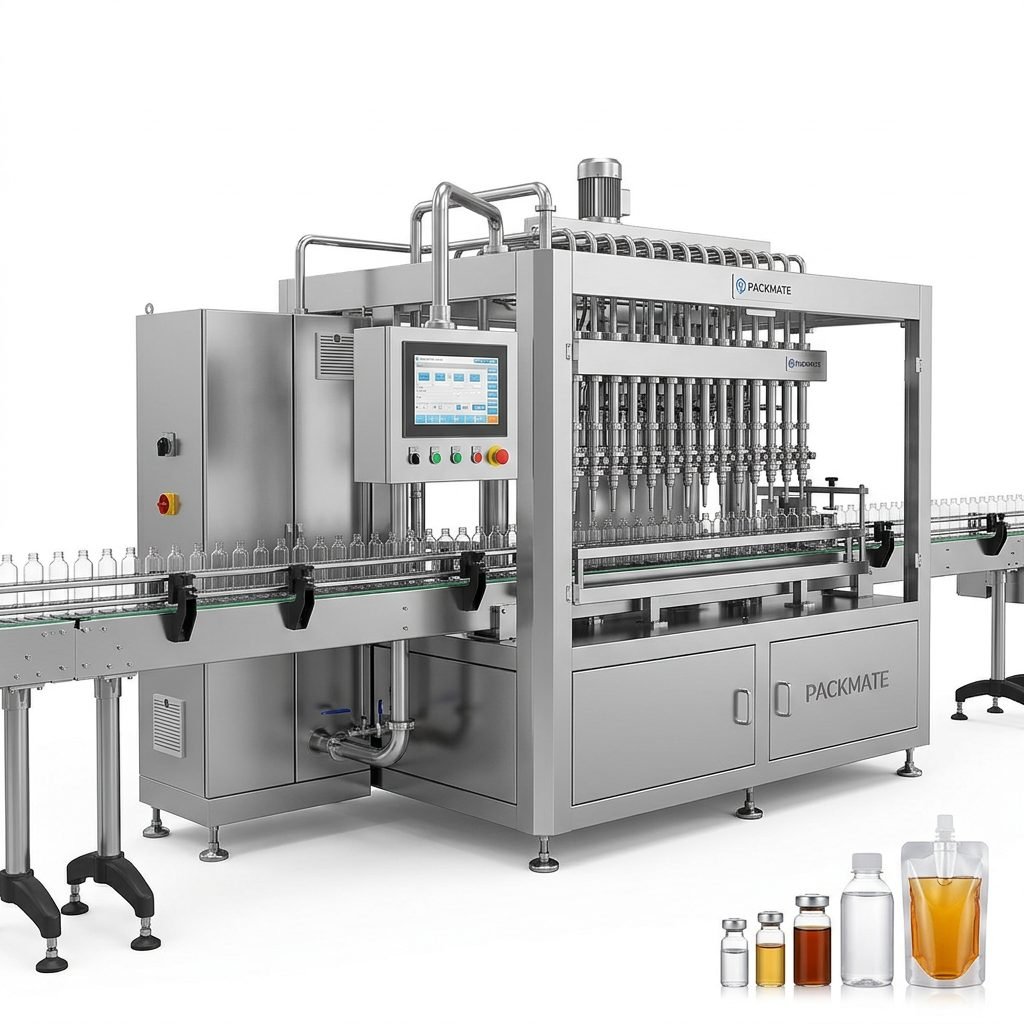
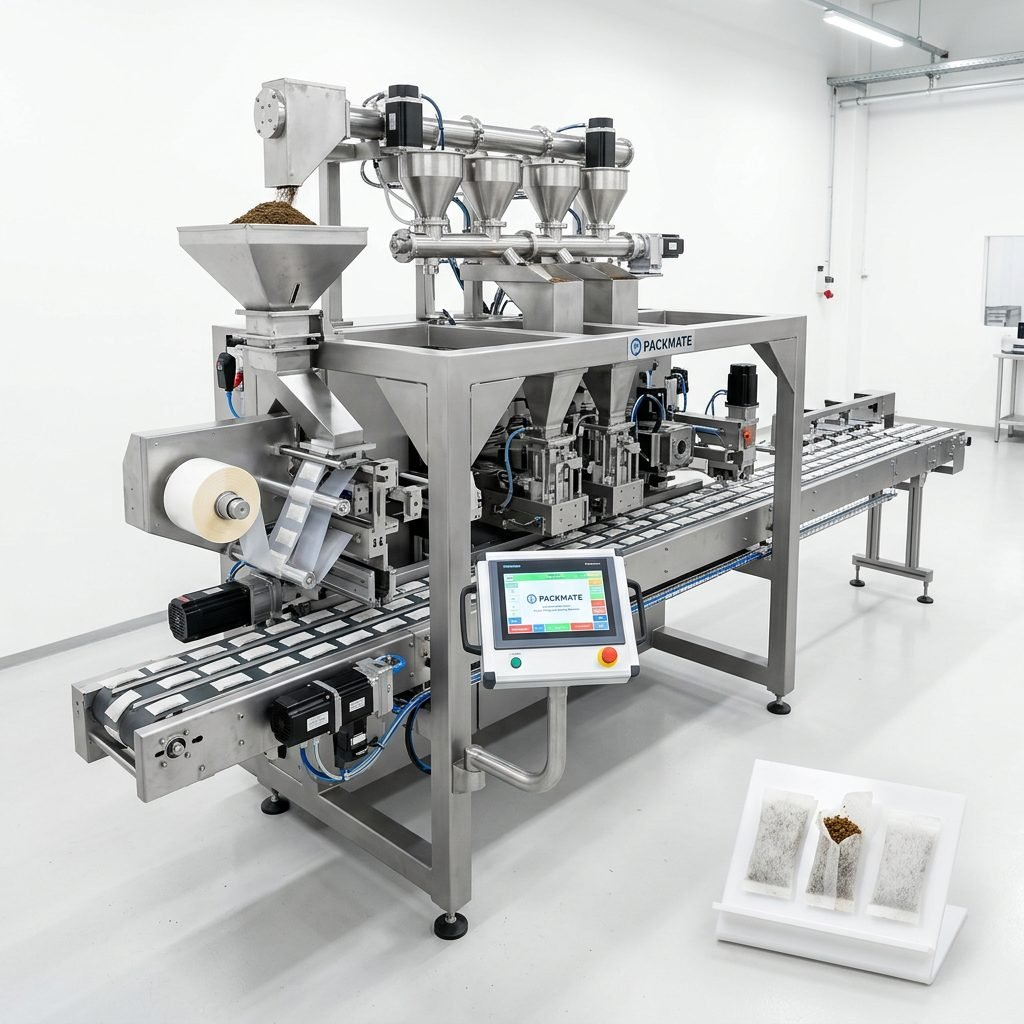
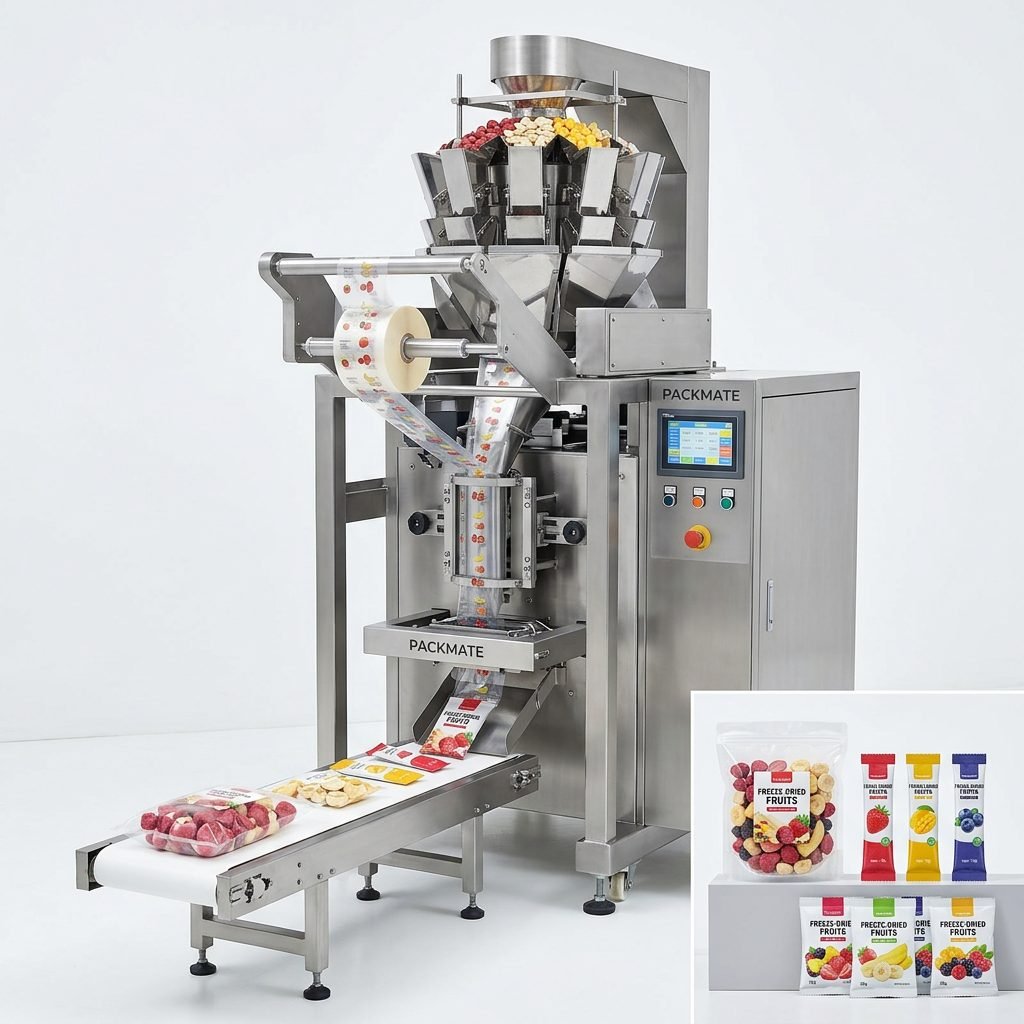
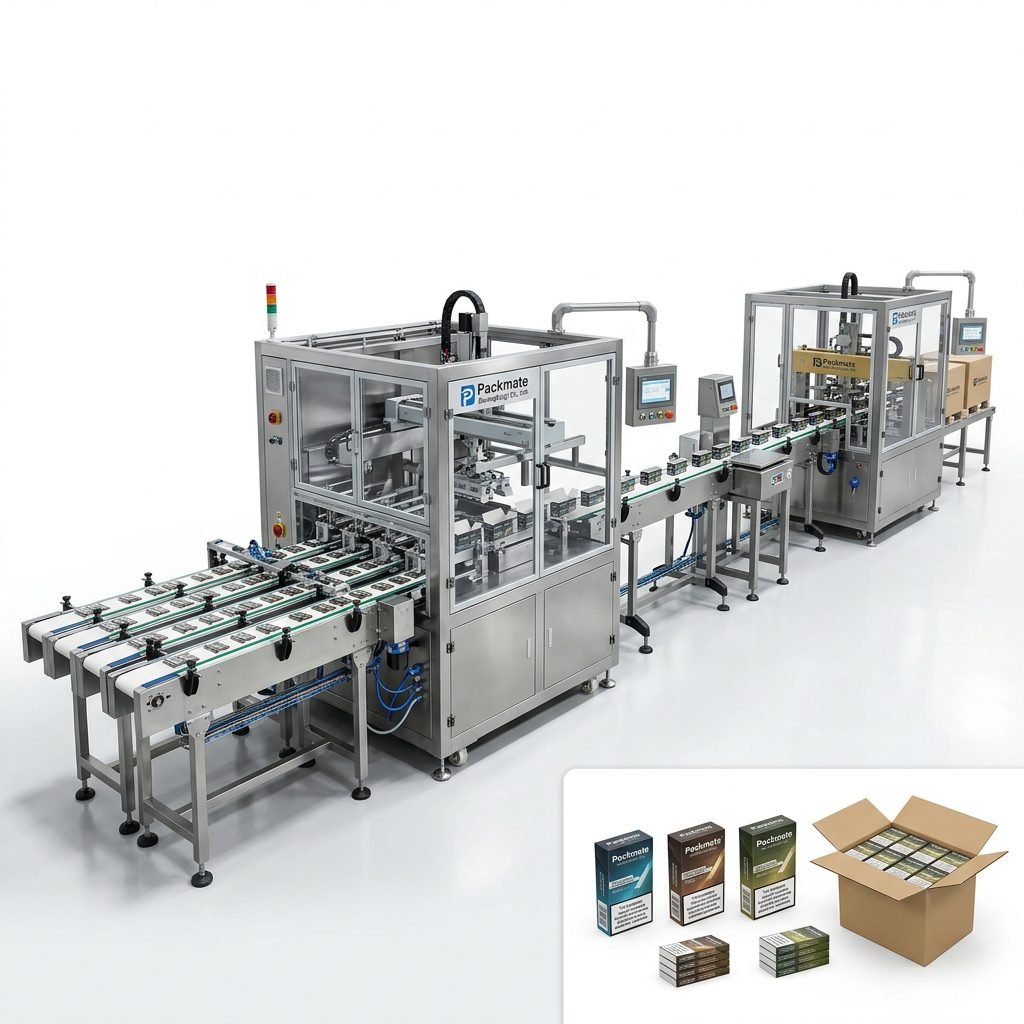
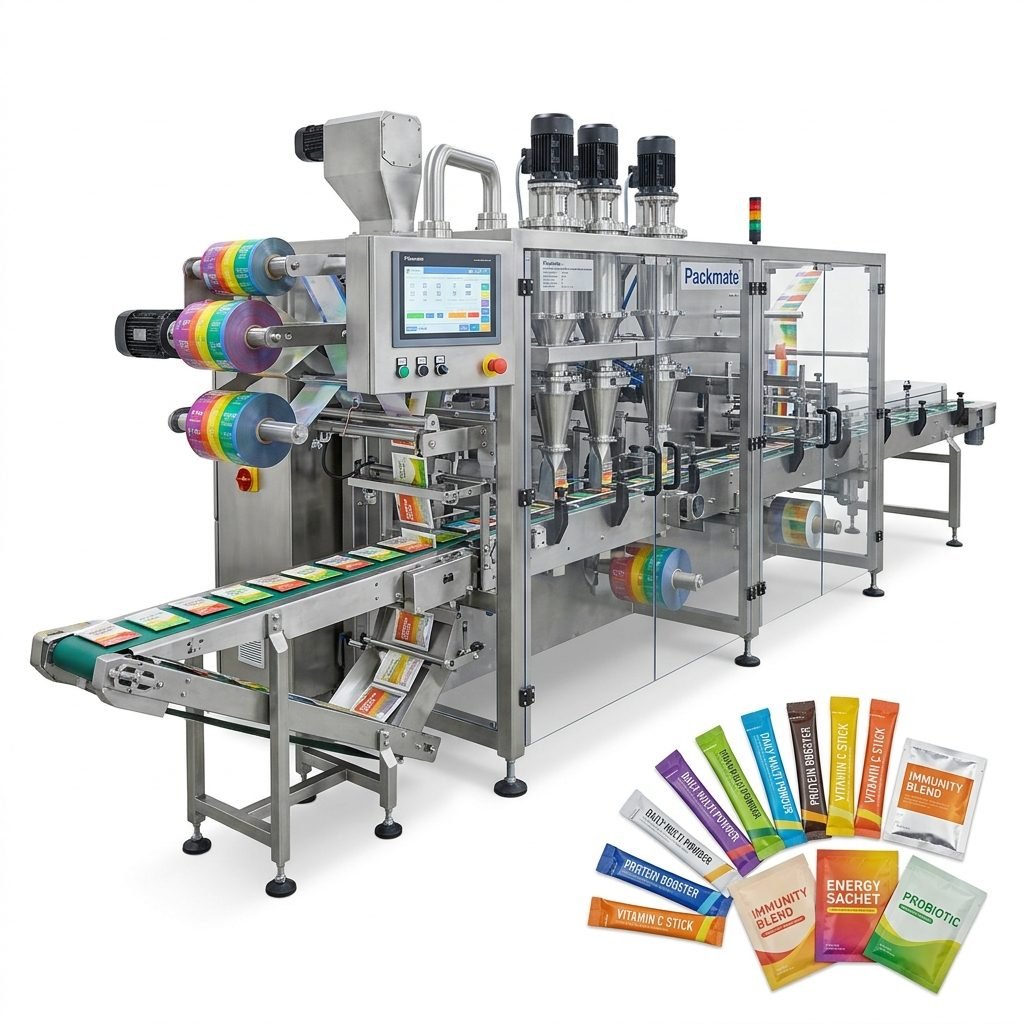
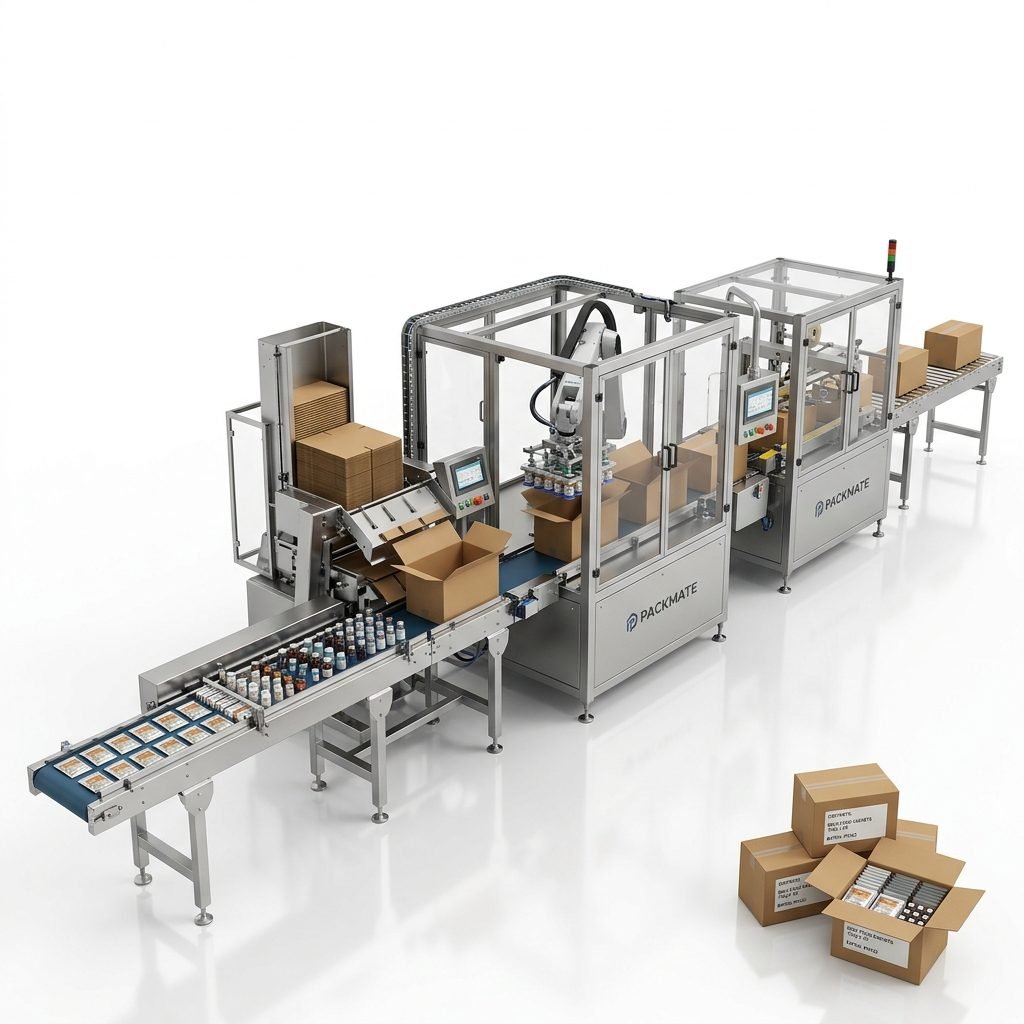
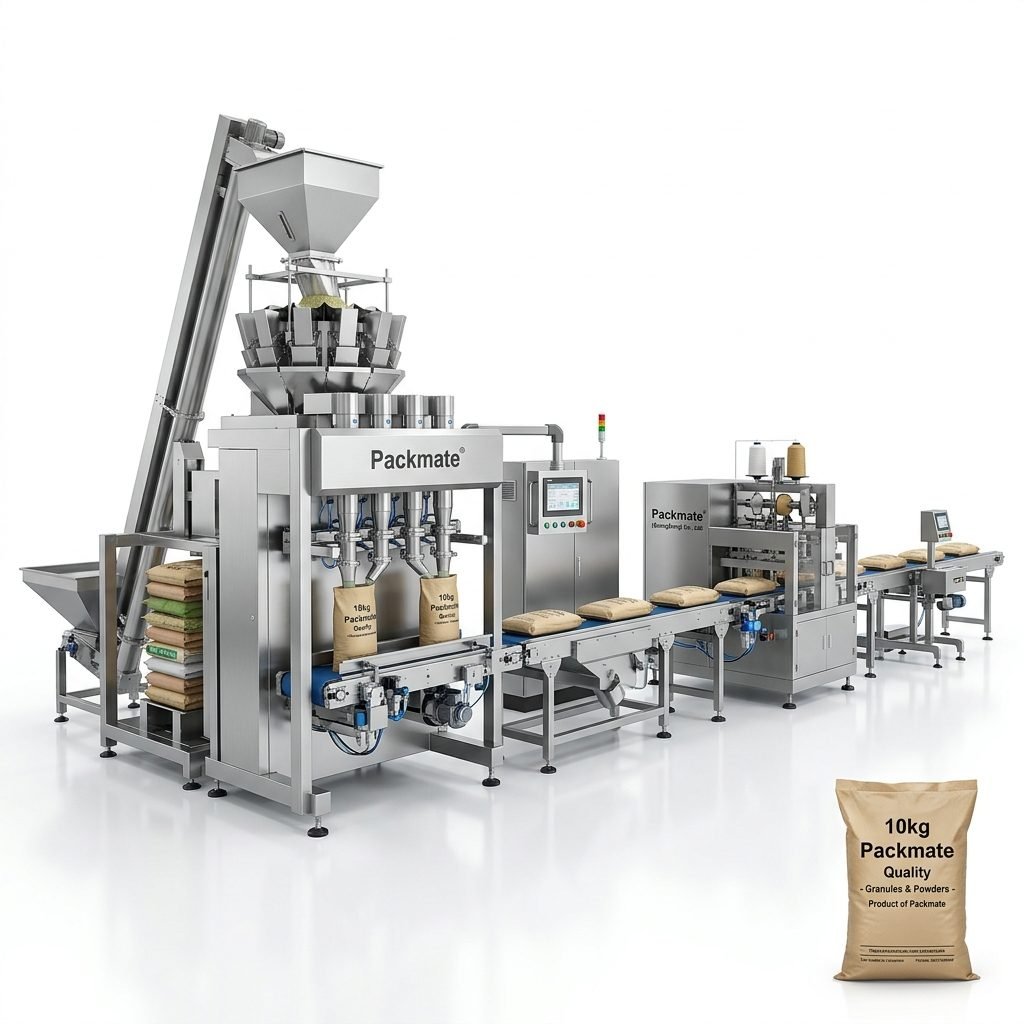
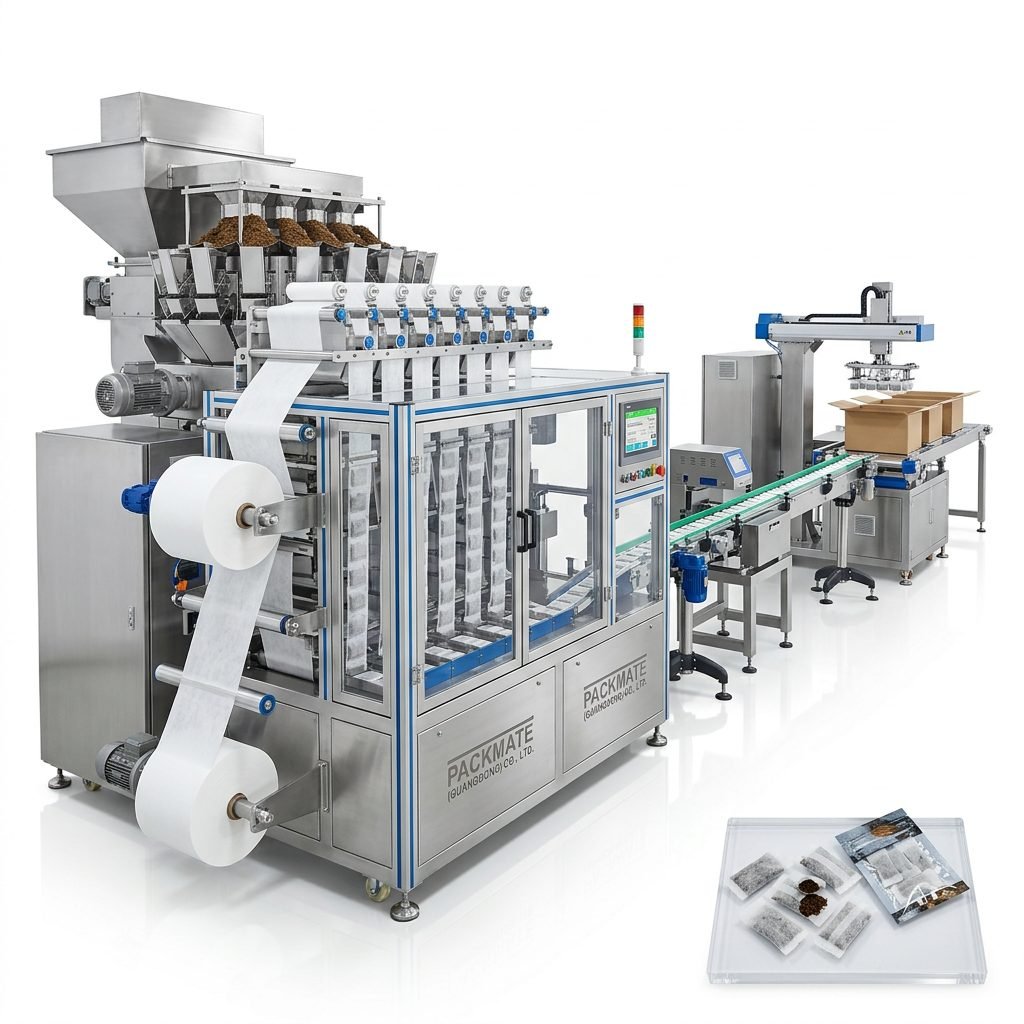
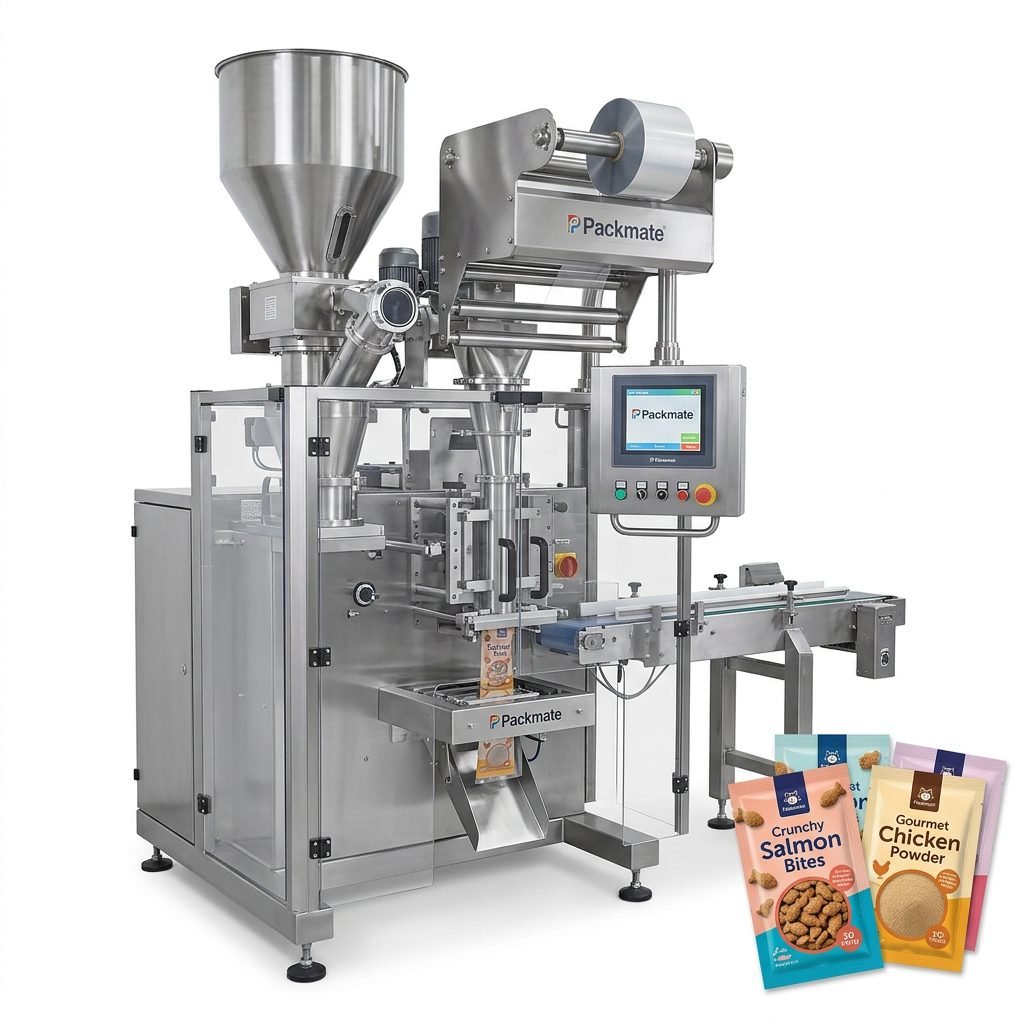
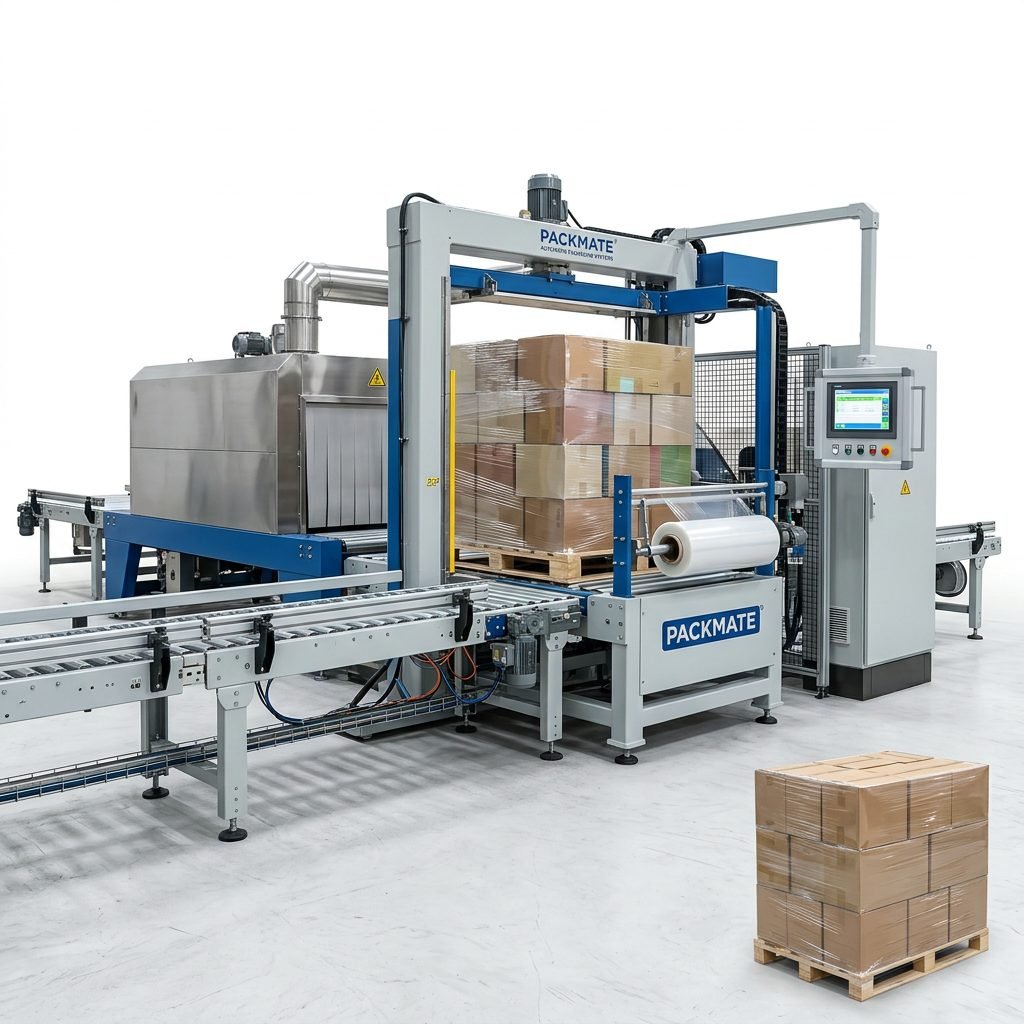
The demand for efficient, reliable, and hygienic packaging has never been higher, especially in sectors where product integrity is paramount. Automated packaging line solutions are revolutionizing how food, pharmaceutical, and health products are prepared for market, ensuring speed, consistency, and compliance with stringent global standards.
The Critical Need for Specialized Automation
Packaging is far more than just putting a product into a container. For food, pharmaceutical, and health products, it is a critical control point for safety, shelf-life, and consumer trust. Manual or semi-automated processes introduce risks of contamination, inconsistency, and human error. An integrated automated line eliminates these variables, creating a seamless, closed system from filling to sealing and cartoning.
Core Benefits of Automated Packaging Lines
- Enhanced Product Safety & Hygiene: Minimizes human contact, crucial for sterile pharmaceutical environments and hygienic food processing.
- Unmatched Consistency & Accuracy: Every package receives the precise fill weight, dose, or count, vital for regulatory compliance and brand reputation.
- Significant Operational Efficiency: Dramatically increases output speeds while reducing labor costs and material waste.
- Scalability & Flexibility: Modern lines can be quickly reconfigured for different package sizes, formats (like sachets or stick packs), and products.
- Comprehensive Data Traceability: Integrated sensors and software track every batch, providing essential data for quality control and recalls.
Tailored Solutions for Each Industry
While the core principles of automation are similar, the specific requirements for each sector demand tailored engineering and design.
Food Industry Packaging
Food packaging lines must handle a diverse range of consistencies—from granules and powders to liquids and pastes—while ensuring freshness and preventing spoilage. Solutions often include nitrogen flushing to remove oxygen, advanced sealing technologies for barrier protection, and high-speed multi-lane systems for snacks, coffee, or condiments. Hygiene is designed into every component with easy-clean surfaces and food-grade materials.
Pharmaceutical & Nutraceutical Packaging
This sector operates under the strictest regulations (e.g., FDA, cGMP). Packaging lines must guarantee absolute accuracy in dosing, often down to the milligram. They incorporate precision auger fillers, weight check systems, and dust extraction units. Integrity is non-negotiable, requiring validated processes and materials that protect sensitive ingredients from moisture, light, and tampering. Discover more about our compliance-focused engineering on our Company Profile page.
Health & Wellness Products
Bridging food and pharma, this fast-growing sector includes protein powders, vitamins, herbal supplements, and functional beverages. Packaging must be consumer-friendly, visually appealing, and robust enough to protect sensitive formulations. Stick packs and single-serve sachets are extremely popular for their convenience and portability, driving demand for flexible, high-speed multi-lane packaging solutions.
Key Components of a Turnkey Packaging Line
A complete, turnkey automated packaging line is a symphony of integrated machines, each performing a specific task. Leading providers like Packmate design these systems as cohesive units.
The Integrated System Flow:
- Product Feeding & Metering: Hoppers, screws, and pumps that accurately deliver product to the packaging machine.
- Film Web Feeding & Forming: Roll stock film is precisely guided and formed into tubes or pouches.
- Filling & Sealing: The heart of the line, where product is dosed and the package is hermetically sealed.
- Secondary Packaging: Individual packages are collated, counted, and boxed into cartons or cases.
- Control & Monitoring: The PLC (Programmable Logic Controller) and HMI (Human-Machine Interface) that orchestrate the entire process.
Choosing the Right Partner for Your Packaging Line
Investing in an automated line is a major decision. The right partner brings more than just hardware; they bring expertise, reliability, and ongoing support. Key considerations include:
- ✔ Proven Industry Experience: Look for a supplier with a documented history in your specific sector, such as relevant certifications and client testimonials.
- ✔ Engineering & Customization Capability: Can they adapt a standard machine to your unique product and factory layout?
- ✔ Comprehensive Service Support: From installation and training to spare parts and remote diagnostics, ensure long-term support is available.
- ✔ Commitment to Innovation: The partner should continuously integrate new technologies like IoT for predictive maintenance and data analytics.
The transition to full automation is a strategic move that future-proofs production, ensures compliance, and enhances brand value. By partnering with an expert provider, companies in the food, pharma, and health sectors can achieve new levels of efficiency and market responsiveness.
Frequently Asked Questions (FAQs)
1. What is the typical lead time for a complete automated packaging line?
Lead times vary based on complexity and customization. A standard line may take 3-6 months from order to delivery, while highly customized systems can take 6-12 months. Detailed project planning with your supplier is essential for an accurate timeline.
2. How do automated lines ensure compliance with strict pharmaceutical regulations (e.g., FDA)?
Compliant lines are built with validated processes, traceable materials, and detailed documentation (DQ, IQ, OQ, PQ). They feature clean-design components, integrated checkweighers, and metal detectors, with software that provides an audit trail for every batch produced.
3. Can one packaging line handle different product types or package sizes?
Yes, modern lines are designed for flexibility. Quick-change parts (like forming tubes and filling nozzles) and programmable recipes in the control system allow for efficient changeovers between different products and package formats, such as switching from stick packs to sachets.
4. What kind of maintenance do automated packaging lines require?
Regular preventive maintenance is crucial. This includes daily cleaning, lubrication of moving parts, and inspection of seals and sensors. Most reputable suppliers offer comprehensive service contracts and remote support to maximize uptime and machine lifespan.
5. How do I determine the right speed and capacity for my needs?
Your supplier will conduct a needs analysis based on your current and projected production volumes, product characteristics, and available factory space. It’s often advisable to plan for 20-30% more capacity than your current requirement to accommodate future growth.