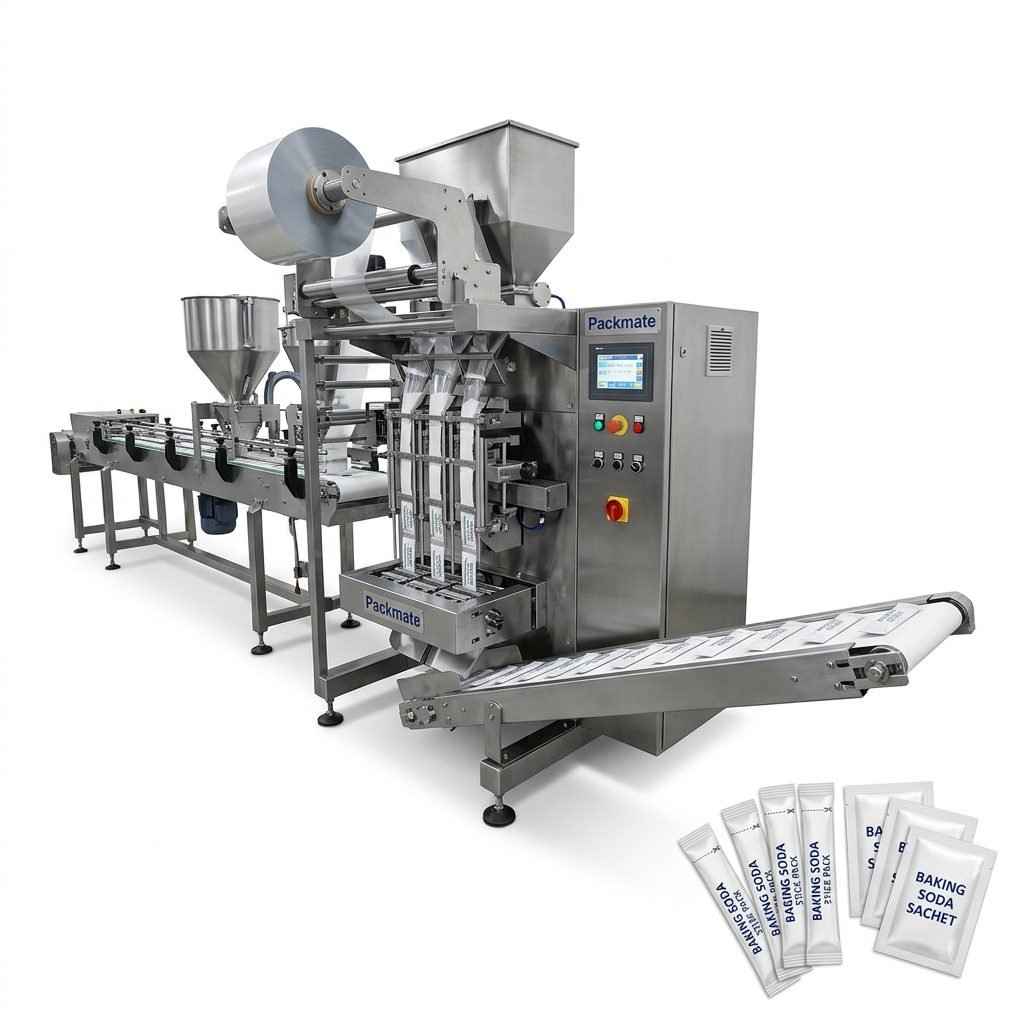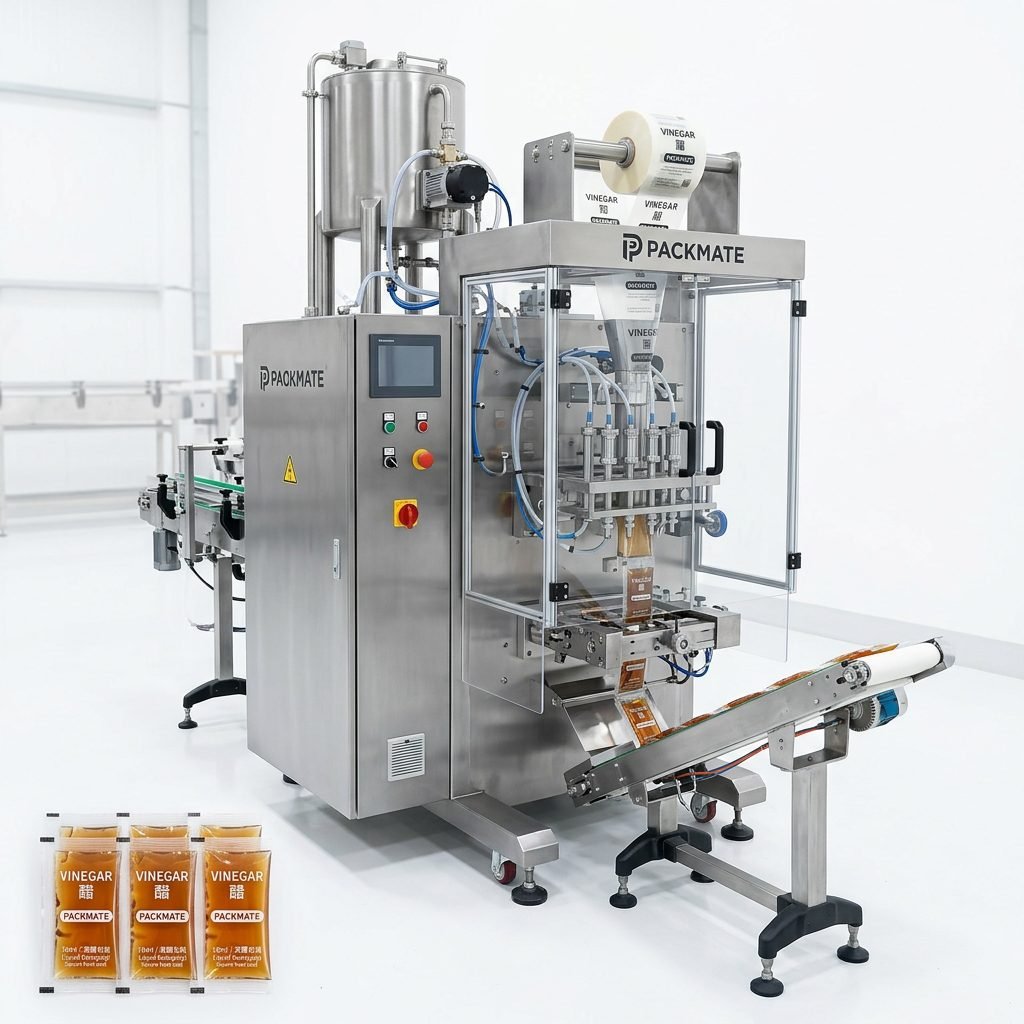
In the fast-paced world of manufacturing, particularly within the food, pharmaceutical, and health sectors, the transition between production runs is a critical juncture. A thorough packaging line clearance procedure is not merely a recommendation—it is a fundamental requirement for ensuring product safety, maintaining quality, and achieving operational excellence. This step-by-step guide provides a comprehensive checklist to standardize your clearance process, safeguarding your brand and your consumers.
Why Packaging Line Clearance is Non-Negotiable
The primary goal of line clearance is to prevent cross-contamination and product mix-ups. In industries where consumer safety is paramount, such as pharmaceuticals or allergen-sensitive food production, a single oversight can lead to costly recalls, regulatory action, and irreparable brand damage. Beyond safety, an efficient clearance process minimizes downtime, reduces waste from purging, and ensures the next production batch starts with optimal machine conditions. For a deeper look at industry-specific solutions, explore our dedicated packaging solutions.
Core Objectives of the Clearance Process:
- Product Integrity: Eliminate any residue from the previous product run.
- Equipment Readiness: Confirm all machines are clean, calibrated, and functional for the next product.
- Documentation & Traceability: Create an auditable record proving the line was properly cleared and is fit for use.
The Step-by-Step Packaging Line Clearance Checklist
This checklist should be executed by trained personnel and verified by a supervisor or quality assurance representative before signing off on the next production run.
Phase 1: Pre-Clearance Preparation & Communication
Effective clearance begins with planning. Ensure all relevant departments—production, quality, maintenance, and logistics—are informed of the scheduled line stoppage.
- ✔ Confirm the completion of the previous production batch. All finished goods must be moved to the designated storage area.
- ✔ Review the Master Clearance Procedure (MCP) and the specific requirements for the upcoming product.
- ✔ Gather all necessary cleaning tools, sanitizing agents, and personal protective equipment (PPE).
- ✔ Isolate the line by locking out relevant power sources (Lockout/Tagout – LOTO) for safety.
Phase 2: Physical Clearance & Material Removal
This phase involves the physical removal of all product, components, and waste from the line.
Critical Action Items:
- Empty Hoppers, Feeders, and Augers: Remove all bulk product, powders, or granules. Use approved vacuum systems or tools to prevent dust generation.
- Clear All Product Contact Surfaces: This includes conveyor belts, funnels, filling nozzles, forming tubes, and sealing jaws. Scrape or brush off any adhered material.
- Remove Packaging Components: Take off all remaining film reels, spools, lids, caps, and labels. Return unused, non-contaminated materials to inventory.
- Dispose of In-Process Waste: Safely discard any partial packages, rejected units, or trim waste generated during the changeover.
Phase 3: Deep Cleaning & Sanitization
Cleaning must be thorough and validated. Follow Standard Operating Procedures (SOPs) specific to each machine and the type of residue.
- ✔ Dry Cleaning: Use brushes, wipes, and vacuums to remove dry particulates. Pay special attention to crevices and hard-to-reach areas.
- ✔ Wet Cleaning: Apply approved cleaning agents and disinfectants. Use purified water where required (e.g., WFI in pharma). Ensure complete rinsing to avoid chemical residue.
- ✔ Inspection Under Light: Use flashlights or UV lights to inspect for any remaining film fragments, powder, or grease on surfaces.
For maintaining the sophisticated equipment that requires such precise care, consider our comprehensive preventive maintenance services.
Phase 4: Visual & Functional Verification
Once clean, the line must be verified as operationally ready.
- ✔ Conduct a visual inspection of the entire line. All parts should be visibly clean, dry, and free from damage.
- ✔ Perform a test run with the new packaging materials (without product) to check film tracking, sealing parameters, and coding/vision systems.
- ✔ Verify calibration of critical instruments like checkweighers, metal detectors, and fill volume sensors.
- ✔ Ensure all safety guards and interlocks are correctly reinstalled and functional.
Phase 5: Documentation & Release for Production
If every step is confirmed, documentation closes the loop. This is your legal and quality record.
The Clearance Record Must Include:
- Line/Equipment ID and Location.
- Previous product name and batch number.
- Next product name and batch number.
- Date and time of clearance.
- Name and signature of the operator who performed the clearance.
- Name and signature of the QA/ supervisor who verified the clearance.
- Any observations, deviations, or corrective actions taken.
Only after this record is signed can the line be officially released for the next production batch. For insights into how leading companies implement these processes, browse our real-world project case studies.
Best Practices for Efficient and Safe Line Clearance
Adopting these practices can transform clearance from a bottleneck into a streamlined component of your workflow.
1. Implement a Color-Coded Tool System
Use dedicated, color-coded cleaning tools (brushes, scoops, buckets) for different product types or allergen zones to prevent accidental cross-contact.
2. Leverage Technology and Automation
Modern packaging lines often feature Clean-in-Place (CIP) systems for tubing or automated purge sequences that significantly reduce manual labor and human error. Investing in intelligent, easy-to-clean machinery is key. Discover our range of advanced packaging equipment designed with hygiene and changeover speed in mind.
3. Standardize and Train Relentlessly
Clear, visual SOPs (with photos) posted at the line are invaluable. Regular, hands-on training ensures every team member understands the “why” behind each step, fostering a culture of quality and safety.
4. Schedule Clearances Strategically
Group similar products back-to-back to minimize the depth of cleaning required. Plan major clearance and maintenance during natural production breaks.
Conclusion: Building a Culture of Quality
A rigorous packaging line clearance checklist is more than a piece of paper; it is the embodiment of a quality-first mindset. It protects consumers, ensures regulatory compliance, and enhances overall plant efficiency. By following a detailed, step-by-step guide and empowering your team with the right tools and knowledge, you turn the critical changeover period into a controlled, predictable, and safe process. This discipline is what separates good manufacturers from great ones. To learn more about our commitment to these principles, visit our company profile page.
Frequently Asked Questions (FAQs)
1. How often should a full packaging line clearance be performed?
A full clearance is mandatory between batches of different products. For consecutive batches of the same product, a partial or “short” clearance may be defined in your SOPs, but a full clearance is typically required after a set number of batches or a defined time period (e.g., every 24 hours) to prevent buildup and microbial growth.
2. Who is responsible for verifying and signing off on the line clearance?
Responsibility is shared. The production operator performs the clearance tasks, while a second, independent person—usually from Quality Assurance or a production supervisor—must verify that all steps are completed satisfactorily before signing the clearance record. This four-eyes principle is crucial for audit trails.
3. What is the biggest risk of an inadequate line clearance?
The most severe risk is cross-contamination. This includes contamination with allergens, active pharmaceutical ingredients (APIs), or microbiological agents from a previous batch. This can cause serious health risks to consumers and lead to massive product recalls, regulatory fines, and loss of market trust.
4. Can the clearance process be automated?
Yes, to a significant degree. Many modern lines feature automated purge cycles, CIP systems, and data logging. Automation reduces manual intervention, improves consistency, and provides electronic records. However, a final visual and functional verification by trained personnel remains essential.
5. Where can I find a template for a clearance checklist?
While generic templates exist online, your checklist must be specific to your equipment, products, and regulatory environment. It should be developed based on a risk assessment of your line. For expert guidance on designing and validating your packaging line procedures, feel free to contact our technical team for support.