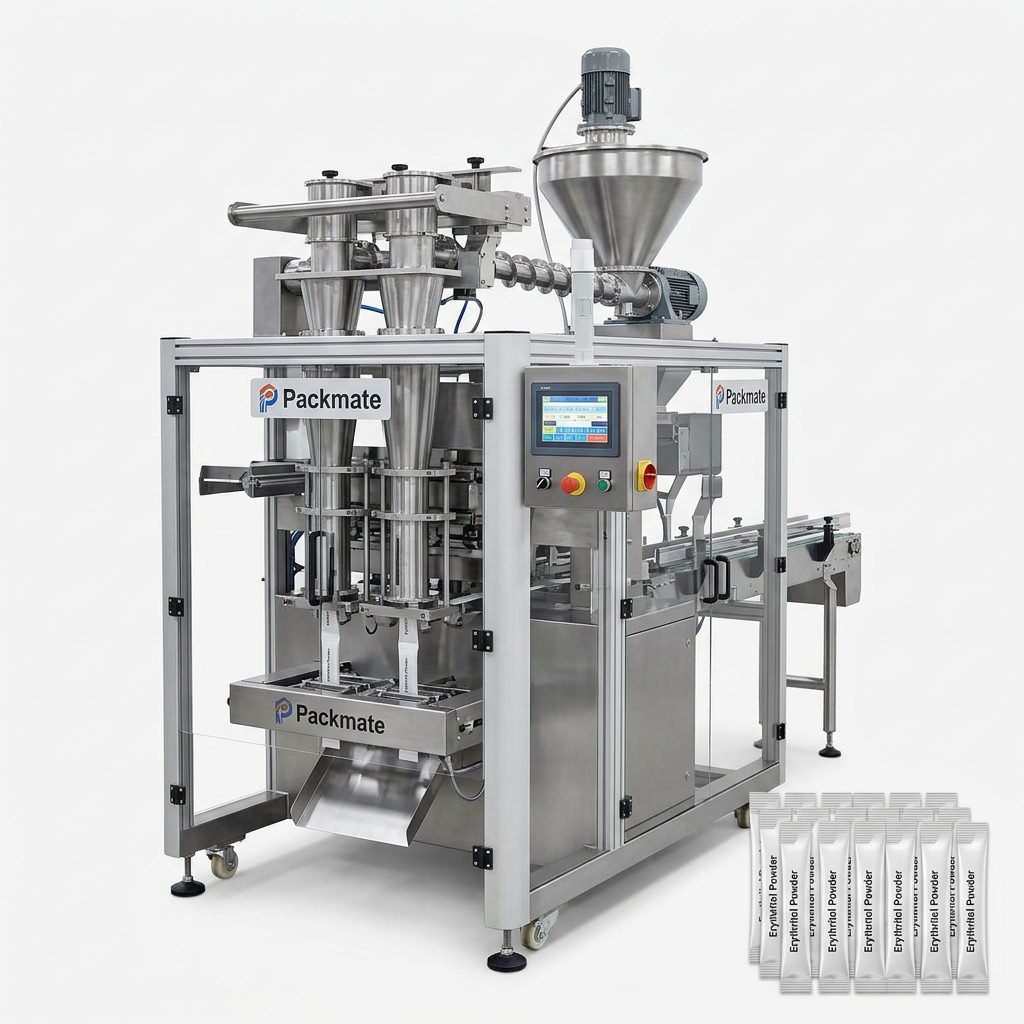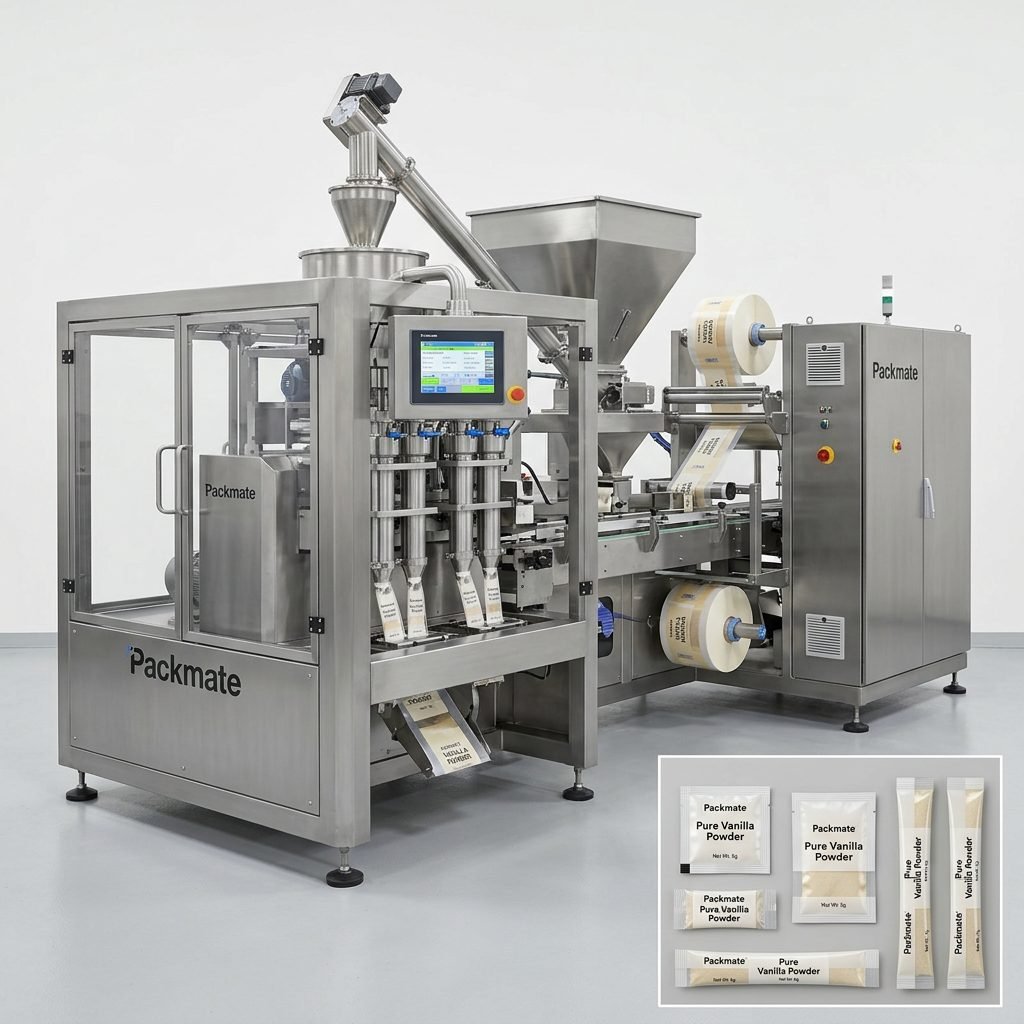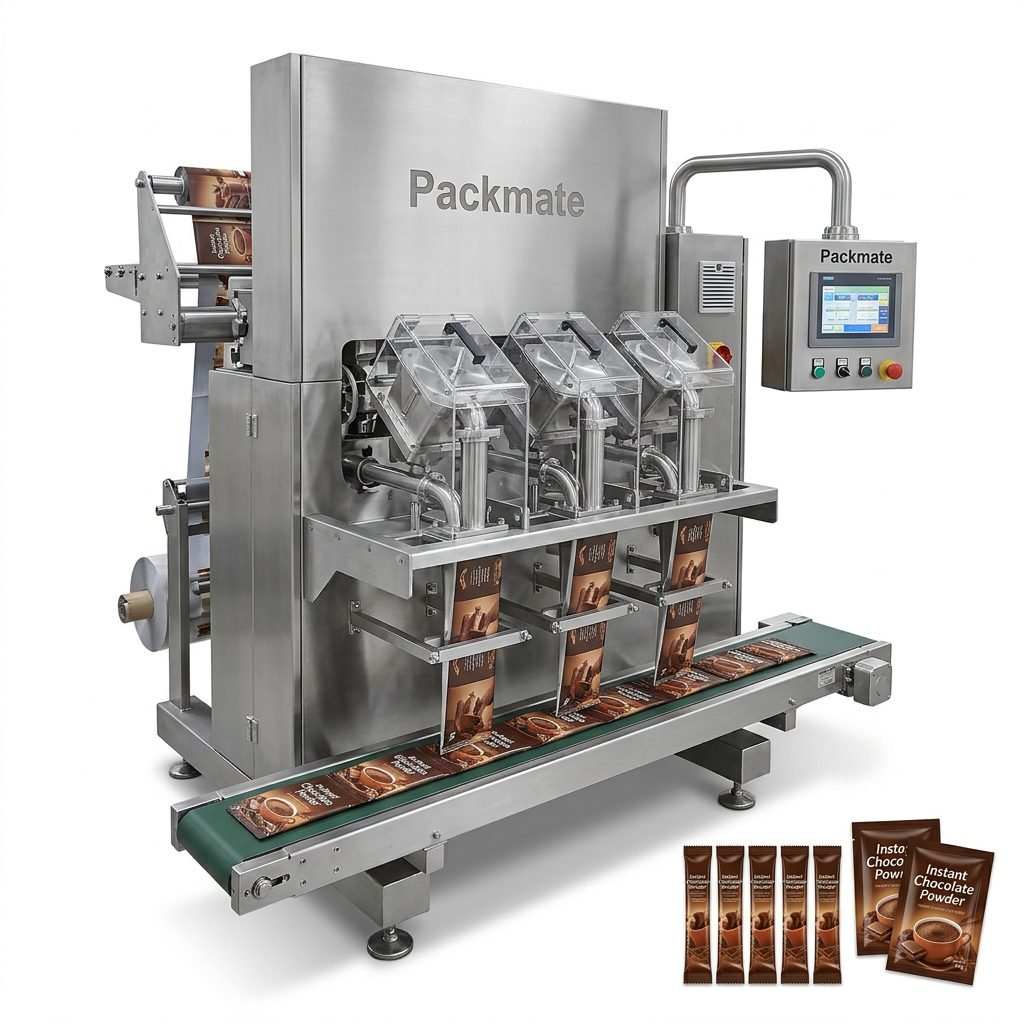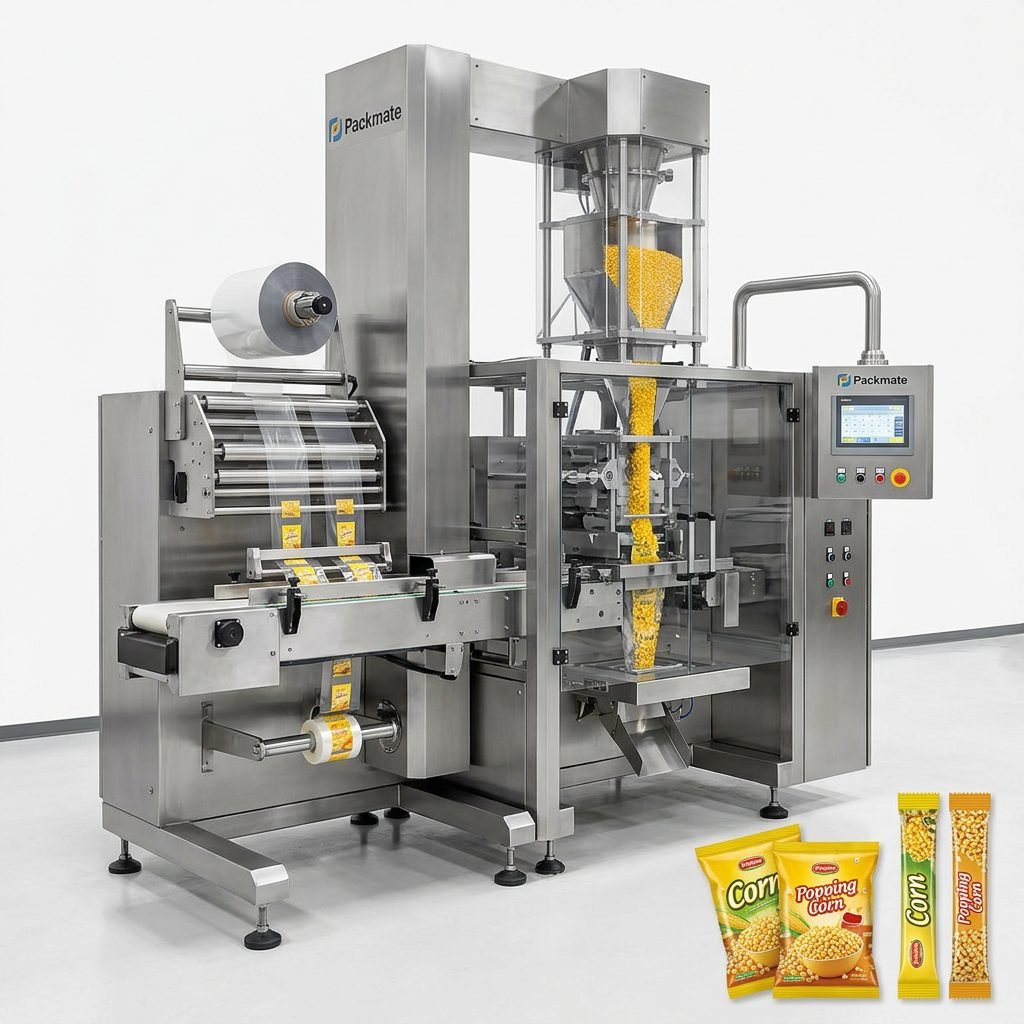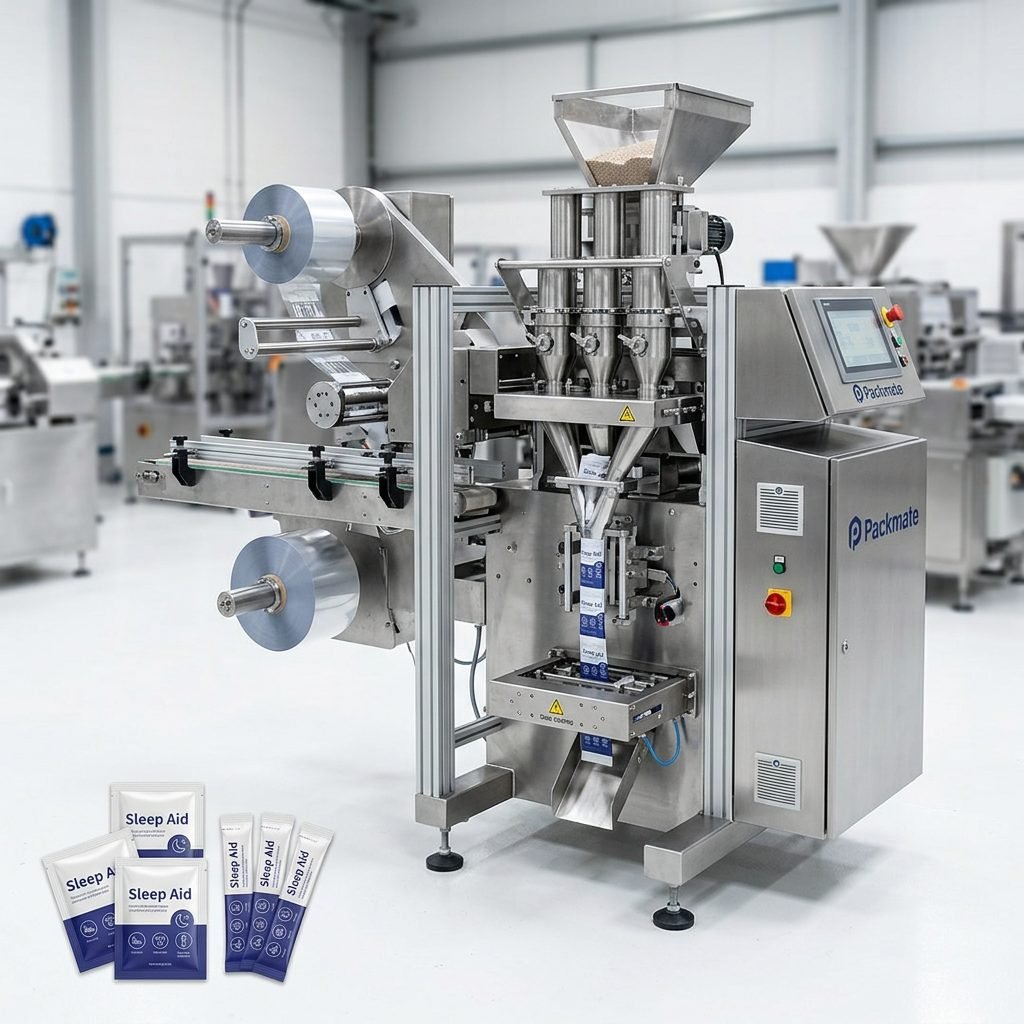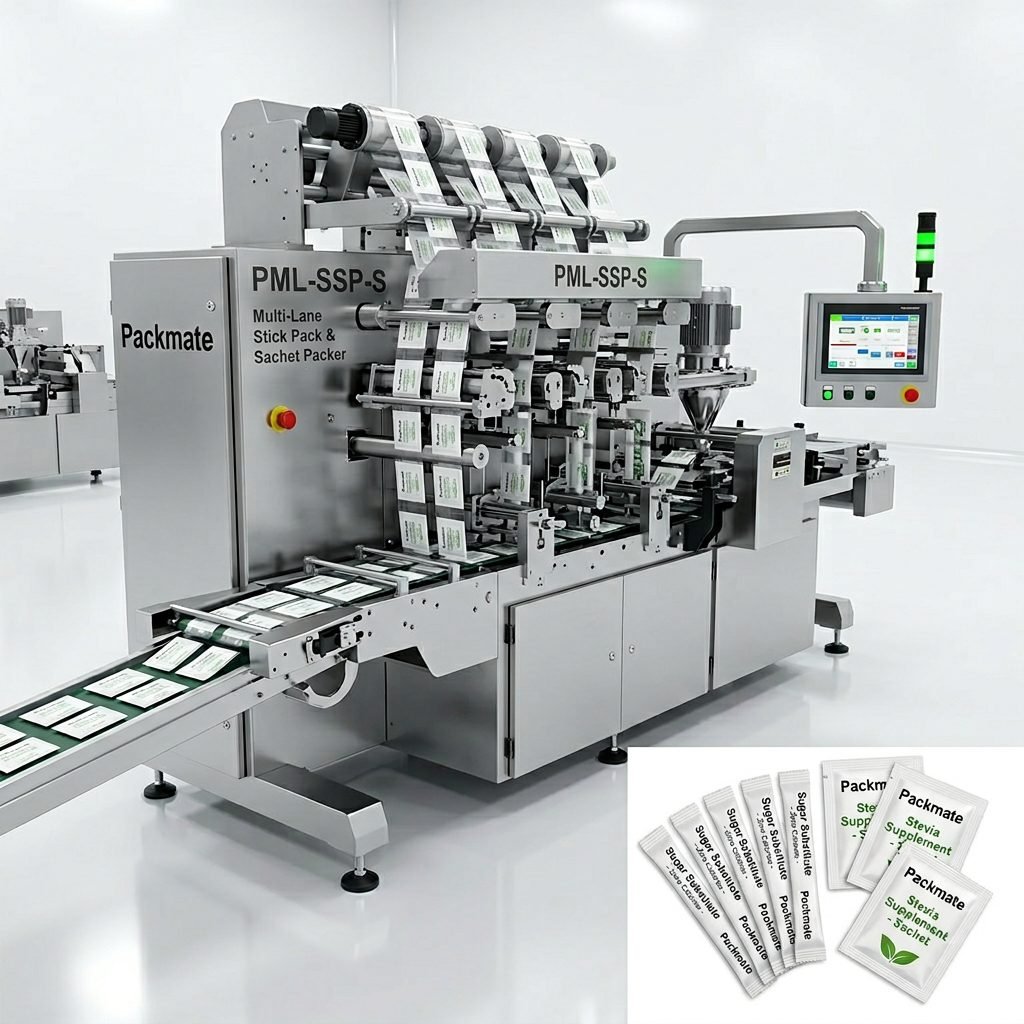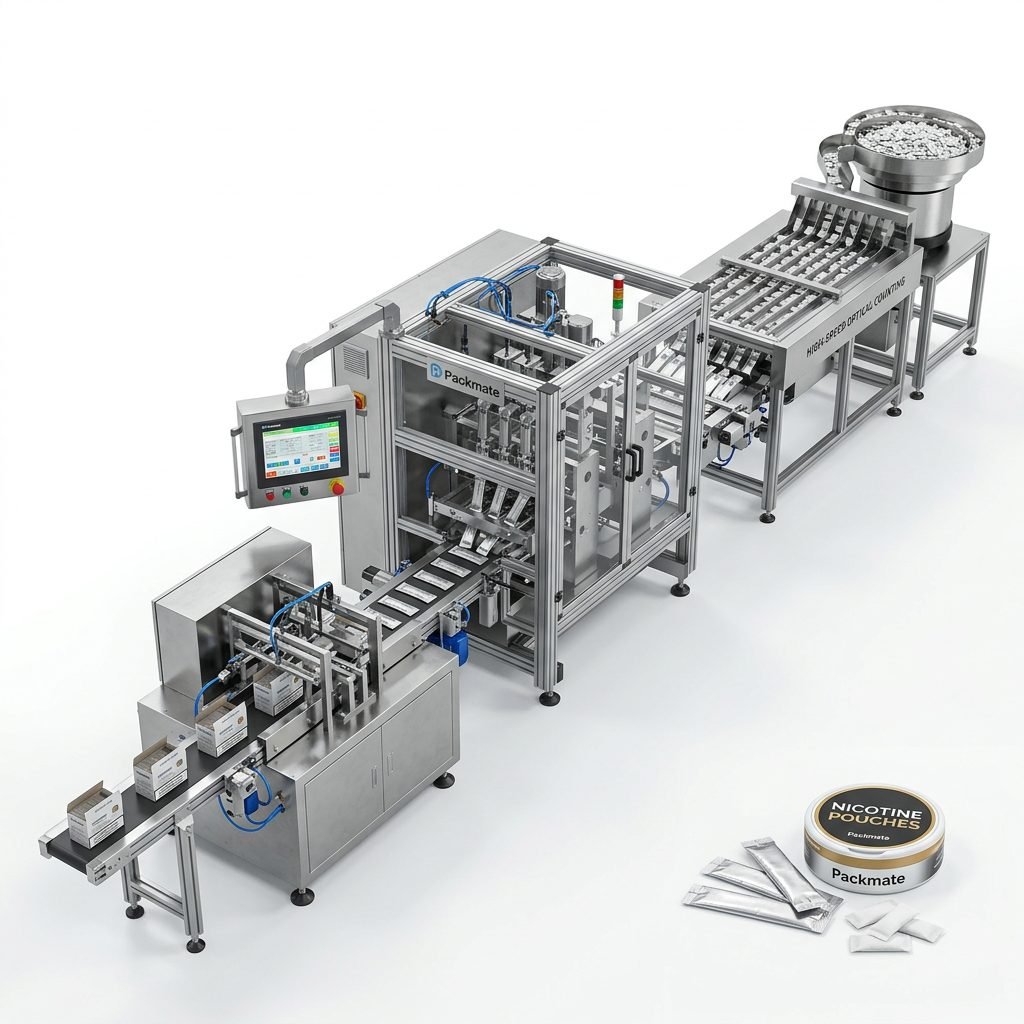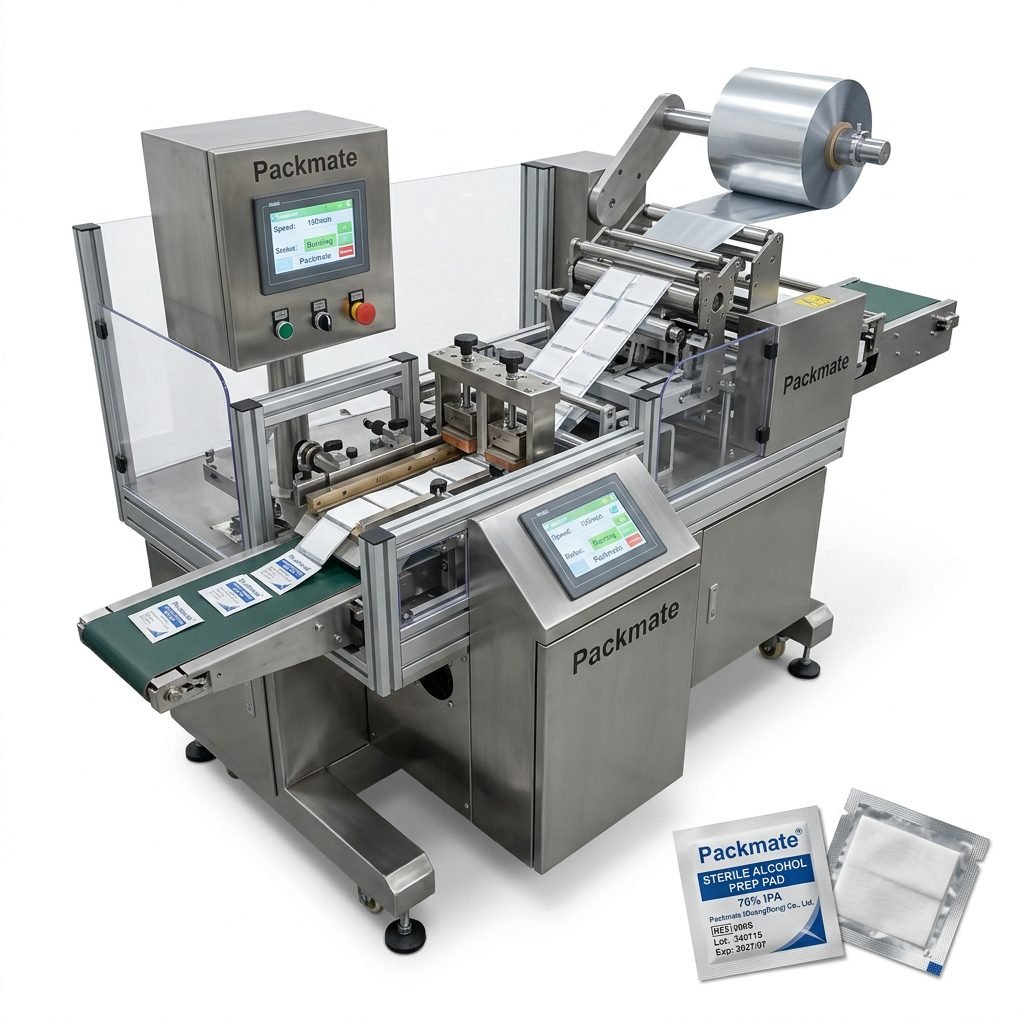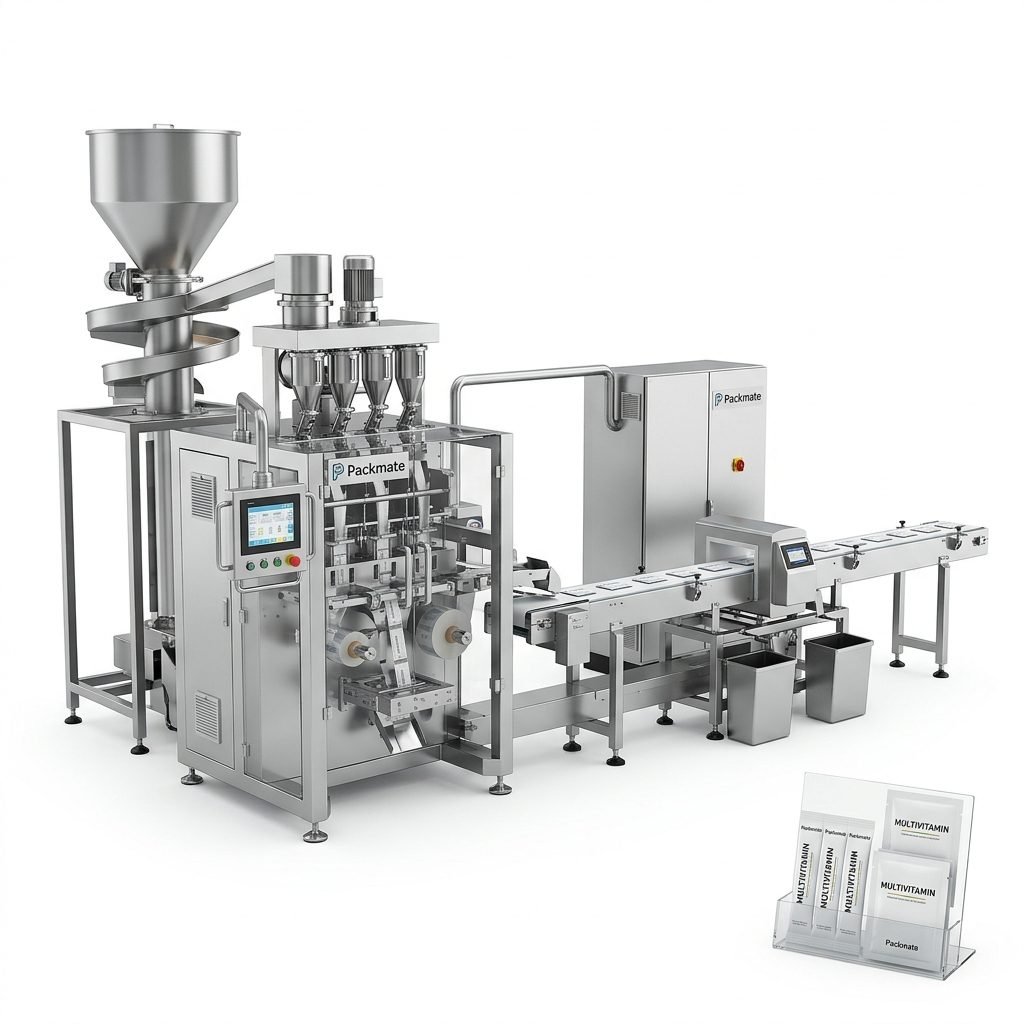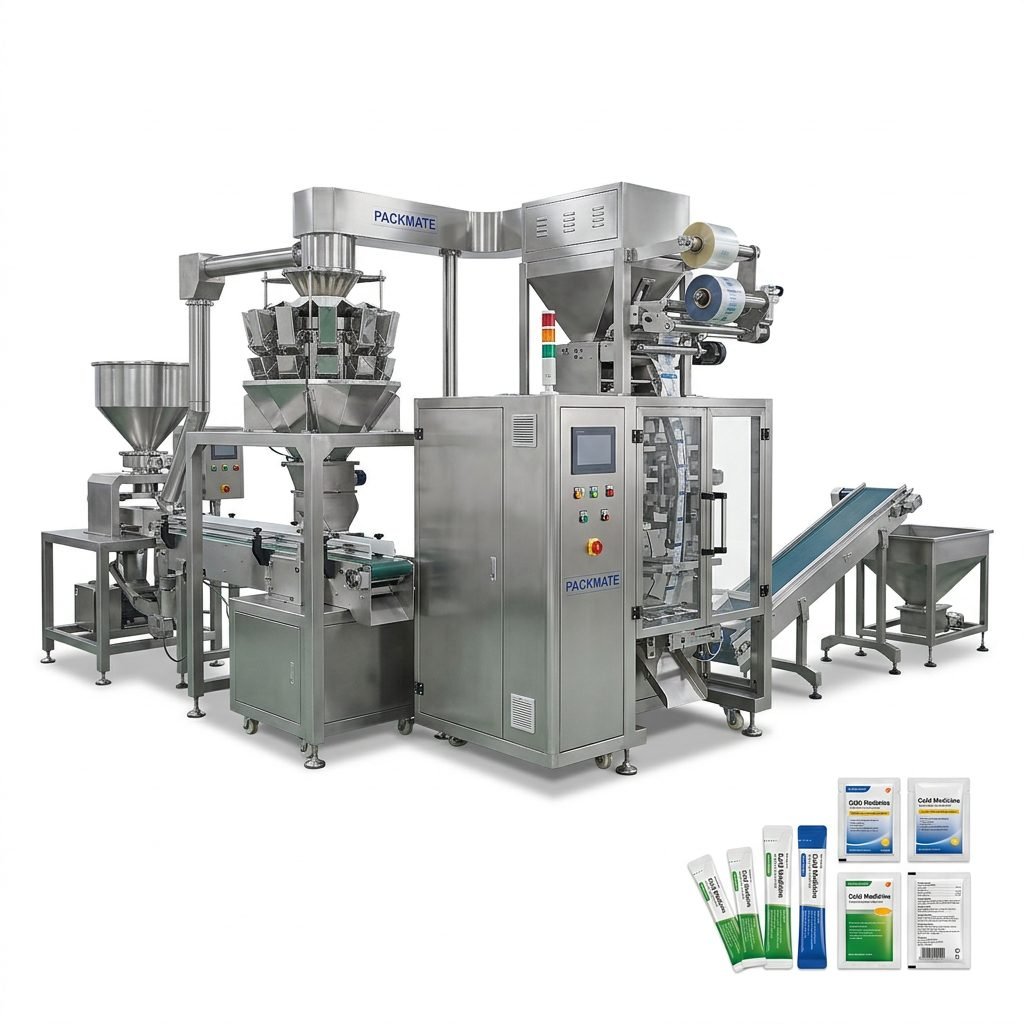
Implementing an automated packaging system is a significant investment for any manufacturing operation in the food, pharmaceutical, or health industries. To ensure this investment delivers on its promise of efficiency, reliability, and regulatory compliance, a rigorous validation process is non-negotiable. This guide delves into the critical stages of packaging line validation—Factory Acceptance Testing (FAT), Site Acceptance Testing (SAT), and ongoing compliance—providing best practices to guarantee your system performs flawlessly from day one.
The Critical Role of Validation in Packaging Automation
Validation is the documented proof that your packaging line does what it is supposed to do, consistently and reliably. It mitigates risk, ensures product safety and quality, and is a fundamental requirement for regulatory bodies like the FDA and EMA. Skipping or inadequately performing validation can lead to costly production downtime, product recalls, and severe regulatory penalties. A structured approach, often beginning with a trusted partner like Packmate Packaging Line, who designs with validation in mind, is the cornerstone of a successful project.
Key Validation Objectives:
- Prove Equipment Functionality: Demonstrate all machines operate according to design specifications.
- Ensure Product Safety & Quality: Verify the process does not introduce contamination and consistently produces correct packages.
- Meet Regulatory Standards: Provide auditable evidence for GMP (Good Manufacturing Practice), 21 CFR Part 11, and other relevant guidelines.
- Confirm Operational Readiness: Validate that personnel are trained and procedures are in place for sustained performance.
Phase 1: Factory Acceptance Testing (FAT) – The First Assurance
FAT is conducted at the manufacturer’s facility before the equipment is shipped. It is your first opportunity to see the complete system running under controlled conditions. A comprehensive FAT protocol, developed collaboratively with your supplier, is essential.
Best Practices for a Successful FAT:
1. Develop a Detailed Protocol: This document should list every test, acceptance criterion, and required measurement. It acts as the checklist for the entire FAT.
2. Test with Representative Materials: Use the exact or closely simulative packaging films, pouches, and products you will run in production. This tests the machine’s real-world handling capabilities.
3. Verify Critical Parameters: Systematically check and document speeds, fill accuracy, seal integrity (e.g., through burst or leak tests), weight checks, and rejection mechanisms.
4. Involve Cross-Functional Teams: Send representatives from engineering, quality assurance, and production. Their different perspectives are invaluable.
5. Document Everything: All tests, results, deviations, and corrective actions must be meticulously recorded. This FAT report becomes a key part of your validation master file.
Choosing a manufacturer with a robust FAT process, such as those demonstrated in real-world case studies, significantly de-risks the subsequent installation phase.
Phase 2: Site Acceptance Testing (SAT) – Validation on Your Floor
SAT occurs after the packaging line is installed at your facility, connected to utilities, and integrated with your plant systems. It confirms the installation was correct and the system operates as intended in its final environment.
Essential Steps for Effective SAT:
1. Pre-SAT Installation Qualification (IQ): Before testing, verify the installation against engineering drawings: utility connections, leveling, safety guarding, and software installation.
2. Repeat Key FAT Tests: Re-perform critical operational tests with your site’s power, compressed air, and environmental conditions. Performance should match FAT results.
3. Conduct Operational Qualification (OQ): Challenge the system at its operational limits. Run at minimum and maximum speeds, with different product sizes, and test alarm and safety functions.
4. Perform Performance Qualification (PQ): This is often a extended run (e.g., 3 consecutive batches) under normal production conditions to prove consistent, reliable performance. It’s the final proof the line is ready for commercial use.
5. Finalize Documentation & Training: Complete the SAT report and ensure your operators and maintenance staff receive hands-on training. Comprehensive after-sales service and training are crucial for long-term success.
🔵 The FAT-SAT Handoff: A Seamless Transition
The relationship between FAT and SAT is sequential and reinforcing. A thorough FAT minimizes surprises during SAT. Any issues resolved at the factory prevent costly delays and rework on-site. The goal is a smooth handoff where SAT becomes a confirmation of known good performance, not a discovery of new problems.
Maintaining Compliance: Beyond Installation
Validation is not a one-time event. Regulatory compliance requires an ongoing state of control throughout the equipment’s lifecycle.
Sustaining Compliance Best Practices:
1. Establish a Change Control Procedure: Any modification to hardware, software, or process parameters must be formally evaluated, documented, and re-validated if necessary.
2. Implement a Preventive Maintenance (PM) Program: Regular, scheduled maintenance based on the manufacturer’s recommendations is vital. Calibration of scales and sensors must be traceable to national standards.
3. Conduct Periodic Reviews & Re-qualification: Annually review the system’s performance and validation status. Re-qualification may be required after major changes or at defined intervals.
4. Maintain Comprehensive Documentation: Keep all validation protocols, reports, calibration records, maintenance logs, and SOPs (Standard Operating Procedures) readily available for audits. A partner with a strong certification portfolio understands this requirement deeply.
5. Leverage Data & Technology: Modern automated lines with SCADA or MES integration provide vast operational data. Use this data for trend analysis, predictive maintenance, and continuous process improvement.
Partnering for Validation Success
The complexity of validating a turnkey packaging line underscores the importance of choosing the right OEM partner. A supplier with a proven track record, like Packmate (GuangDong) Co., Ltd., brings inherent advantages. Their 30+ years of experience means they design machines for validatability—with clear access points for testing, robust control systems, and comprehensive documentation packages. Their 20,000㎡ modern facility allows for full-line FAT under conditions that closely mimic a production environment.
By engaging a partner early in the solution design phase, you can ensure validation requirements are baked into the project plan from the start, leading to a smoother, faster, and more successful commissioning and long-term operation.
Frequently Asked Questions (FAQs)
1. What is the main difference between FAT and SAT?
Answer: FAT (Factory Acceptance Test) is performed at the machine builder’s factory to verify the equipment meets design specifications before shipment. SAT (Site Acceptance Test) is conducted after installation at the customer’s facility to confirm proper installation and operation in the final production environment.
2. Can we skip FAT and only perform SAT?
Answer: It is highly discouraged. Skipping FAT transfers all technical risk to your site. Issues discovered during SAT become far more expensive and time-consuming to resolve, as they involve troubleshooting, potential part re-ordering, and technician re-deployment, leading to significant project delays.
3. How long should the Performance Qualification (PQ) run last?
Answer: There is no universal fixed duration. It should be a statistically significant run that demonstrates consistency. A common approach is to run three consecutive successful production batches or a continuous run that processes a volume equivalent to multiple shifts, covering all normal operational variances.
4. Who should be involved in the validation process?
Answer: A cross-functional team is critical. This typically includes representatives from Engineering (project management), Quality Assurance/Quality Control (protocol approval, oversight), Production/Operations (end-user perspective), and Validation specialists. The equipment supplier’s technical team is also a key participant.
5. What happens to the validation status if we need to change a machine part or software?
Answer: Any change must go through a formal Change Control procedure. The change is assessed for its potential impact on product quality, safety, and efficacy. Based on this risk assessment, it may require anything from simple documentation update to full re-qualification (IQ/OQ/PQ) of the affected system component.
For more detailed queries, visit our dedicated FAQs page.