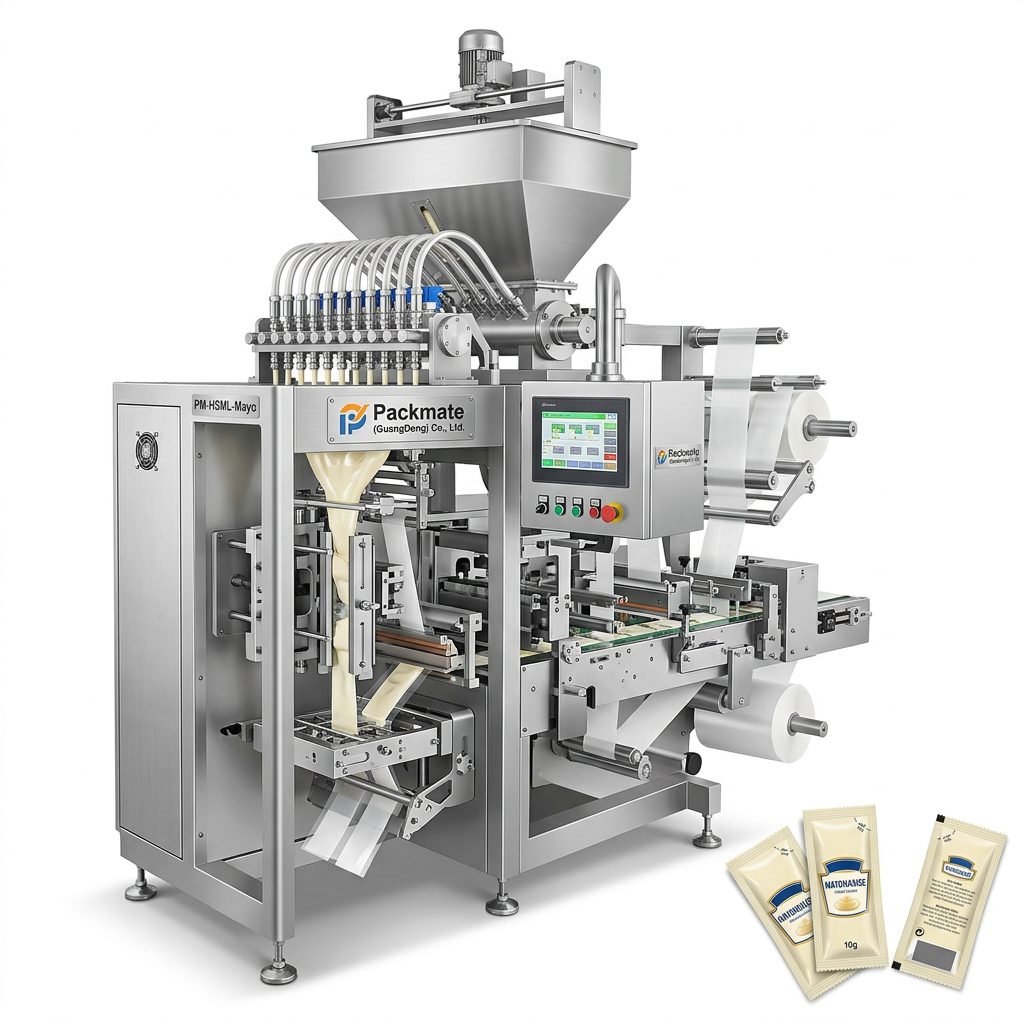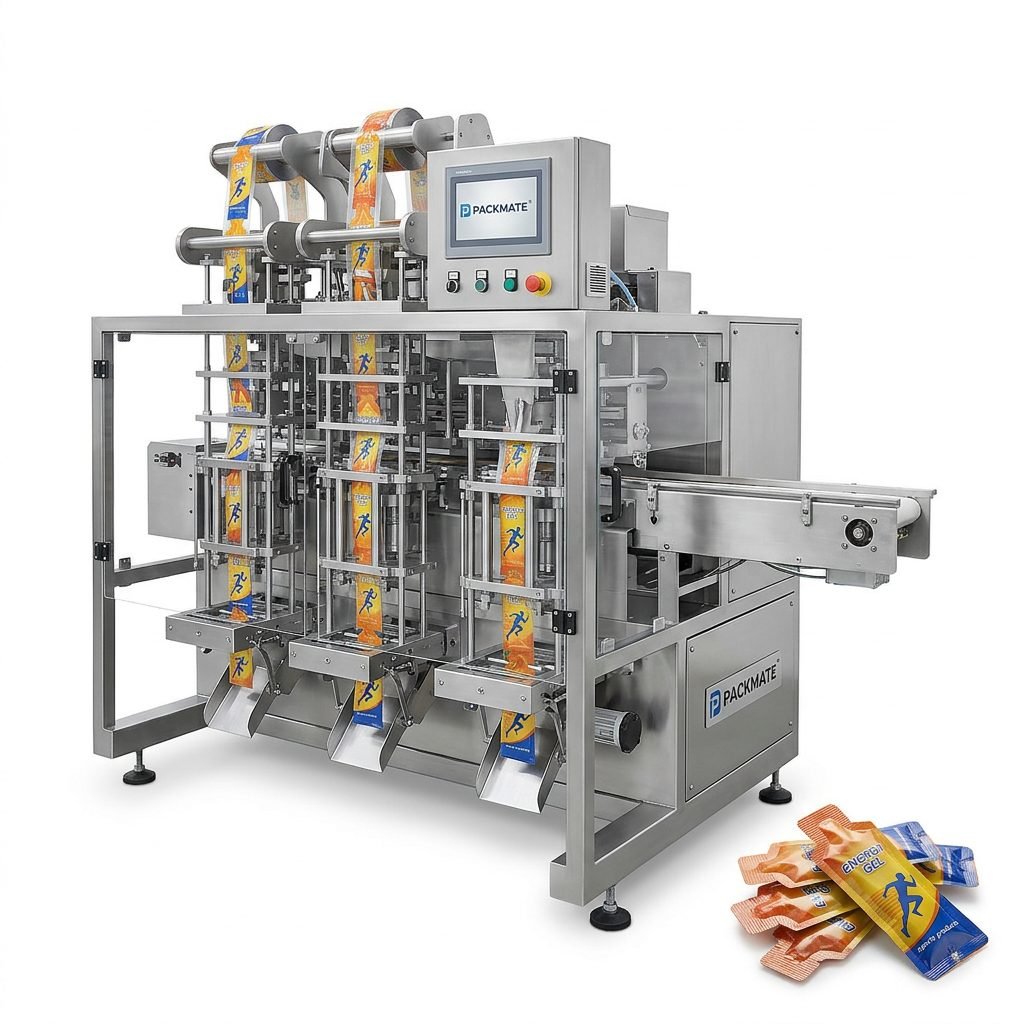
In the fast-paced world of industrial baking, efficiency, hygiene, and product integrity are non-negotiable. For bakeries producing sliced bread, managing the dual challenges of primary packaging and secondary bundling can create significant bottlenecks. This is where the expertise of a specialized Bread Dual Splice Packaging Line Company becomes invaluable. These providers deliver turnkey automatic solutions that seamlessly integrate slicing, primary wrapping, and secondary bundling into one cohesive, high-speed operation.
The Core Challenge in Industrial Bakery Packaging
Industrial bakeries operate on a scale where manual or semi-automated processes are simply not viable. The journey from a cooled loaf to a shelf-ready, multi-pack involves several critical steps: precise slicing, individual wrapping (primary packaging), and then grouping several wrapped loaves into a saleable bundle (secondary packaging). Disconnected equipment for these stages leads to:
- Labor Intensity: Requiring multiple operators for loading, transfer, and monitoring.
- Inconsistent Output: Speed mismatches between slicers, wrappers, and bundlers cause jams and downtime.
- Hygiene Risks: Excessive product handling increases contamination potential.
- Space Inefficiency: Multiple standalone machines consume valuable floor space.
A turnkey dual splice line elegantly solves these problems by creating a synchronized production cell. To understand how such integrated systems fit into a broader operational strategy, exploring a provider’s complete range of packaging solutions is highly recommended.
What is a Turnkey Automatic Dual Splice Packaging Line?
This is not merely a collection of machines but a fully engineered system. A “turnkey” solution means the provider handles everything from design and manufacturing to installation, commissioning, and training. The bakery operator literally “turns the key” to start production. The “dual splice” aspect specifically refers to the technology that merges two streams of individually wrapped bread loaves, aligning them for efficient secondary bundling into packs of various counts (e.g., 6, 8, 12).
- Automatic Bread Slicer: Receives whole loaves and delivers consistently sliced product.
- Primary Flow-Wrap Machine: Encases each sliced loaf in protective film (polypropylene, polyethylene).
- Dual Splice Conveyor & Aligner: The system’s heart. It combines two parallel lanes of wrapped loaves, creating a single, organized stream ready for bundling.
- Automatic Bundler/Cartoner: Groups the aligned loaves, applies an outer film or places them into a printed carton, and seals the final package.
- Centralized PLC Control Panel: Allows for easy speed adjustment, troubleshooting, and recipe management from one interface.
Benefits of Partnering with a Specialized Provider
Choosing a company dedicated to these systems, like Packmate (GuangDong) Co., Ltd., offers advantages far beyond purchasing equipment.
1. Unmatched Efficiency and Output
Eliminating manual transfer between stages dramatically increases line speed and overall equipment effectiveness (OEE). These lines can often run 24/7 with minimal supervision, producing thousands of bundles per hour. The synchronized operation ensures that the slicer, wrapper, and bundler work in perfect harmony, maximizing throughput.
2. Enhanced Product Quality and Freshness
Automated handling minimizes touchpoints, reducing the risk of crushing or damaging the soft bread structure. The immediate primary wrapping after slicing locks in freshness and prevents moisture loss, which is critical for maintaining shelf life and consumer appeal. Consistent, tight packaging also improves the product’s visual presentation on the retail shelf.
3. Significant Labor and Space Savings
One automated line can replace several operators previously needed for loading and transfer tasks. The compact, integrated design of a turnkey line also frees up factory floor space compared to a layout of disparate machines, allowing for better facility planning or expansion of other production areas.
4. Flexibility and Scalability
A reputable provider designs lines with adaptability in mind. Quick changeover mechanisms allow the same line to handle different loaf sizes, slice counts, and bundle configurations. This flexibility is crucial for bakeries producing a variety of products. As demand grows, the modular nature of these systems often allows for upgrades or duplication of the line. Reviewing real-world application cases can provide insight into this flexibility.
5. Reduced Operational Costs
While the initial investment is significant, the ROI is compelling. Savings are realized through lower labor costs, reduced product waste from damage, optimized packaging material usage, and decreased downtime. The reliability of a well-engineered system minimizes unexpected maintenance and production halts.
Selecting the Right Bread Dual Splice Packaging Line Partner
Not all suppliers offer the same level of expertise or support. Key selection criteria include:
- Proven Industry Experience: Look for a company with a documented history in bakery automation, not just general packaging. A strong company profile showcasing long-term development is a positive indicator.
- Engineering and Customization Capability: The best solutions are often tailored. Ensure the provider can design a line that fits your specific loaf dimensions, production speed requirements, and factory layout.
- Quality of Components and Build: Inquire about the motors, drives, PLCs, and stainless-steel grades used. High-quality components ensure longevity and consistent performance in a demanding food production environment.
- Comprehensive After-Sales Support: The partnership begins at installation. Essential support includes thorough operator training, readily available spare parts, and responsive technical service—both remote and on-site. A clear service commitment is vital.
- Global Compliance and Certification: The equipment should meet relevant international safety (CE, UL) and food-grade hygiene standards (e.g., FDA-compliant materials, easy-clean design).
The Packmate Advantage: A Case in Point
With over 22 years of development in packaging machinery, Packmate embodies the ideal partner profile. Operating from a modern 20,000㎡ facility, their approach is rooted in designing intelligent, turnkey systems. Their expertise spans from granular powders to large-volume items, giving them a deep understanding of flow dynamics and automation logic that directly applies to bakery lines. Their commitment to innovation and collaboration means they work *with* clients to engineer a solution, not just sell a machine. For a complete overview of their capabilities and philosophy, visiting their official homepage is the best starting point.
Final Summary: The Path to Automated Bakery Excellence
For industrial bakeries aiming to scale, improve margins, and guarantee product quality, investing in a turnkey bread dual splice packaging line is a strategic imperative. It transforms a fragmented, labor-intensive process into a streamlined, high-reliability asset. The key to success lies in selecting an experienced, engineering-focused partner who provides not just hardware, but a complete productivity solution—from initial concept to long-term operational support. This partnership enables bakeries to meet today’s demands while building a flexible foundation for future growth.
Frequently Asked Questions (FAQs)
1. What is the typical output speed of an automatic dual splice bread packaging line?
Output speeds vary based on loaf size and bundle configuration. Modern lines can typically produce between 80 to over 150 bundles per minute. A specialized provider will design the line to meet your specific target output, ensuring all components (slicer, wrapper, bundler) are correctly sized and synchronized.
2. Can one line handle different types of bread, like white, whole wheat, or soft grain bread?
Yes, a well-designed line is highly adaptable. The key factors are the physical dimensions (length, width, height) and density of the loaf. With quick-change adjustments on the slicer, infeed guides, and wrapping heads, a single line can often be switched between different product types with minimal downtime (e.g., 15-30 minutes for a changeover).
3. How does the “dual splice” mechanism work, and why is it important?
The dual splice system uses intelligent conveyor logic to merge two parallel lanes of wrapped loaves into a single, orderly lane. It carefully controls the spacing and orientation of loaves from each lane so they interlace perfectly before entering the bundler. This is crucial for creating uniform, tight bundles (e.g., 2×3 or 2×4 configurations) at high speed without jamming or misalignment.
4. What kind of maintenance does these automated lines require?
Maintenance is primarily preventive. Daily cleaning and inspection of cutting blades, sealing jaws, and film paths are essential. Regular lubrication of moving parts and periodic checks of drive systems and sensors are scheduled based on operating hours. A reliable supplier will provide a detailed maintenance schedule and train your staff to perform these routine tasks.
5. What is included in a “turnkey” solution, and how long does installation take?
A true turnkey solution includes system design, manufacturing, factory acceptance testing, delivery, on-site installation, full commissioning (calibrating and running production samples), and comprehensive operator and maintenance training. The installation and commissioning timeline depends on line complexity but typically ranges from 2 to 6 weeks on-site, provided the bakery’s utilities (power, air) and foundation are prepared in advance.