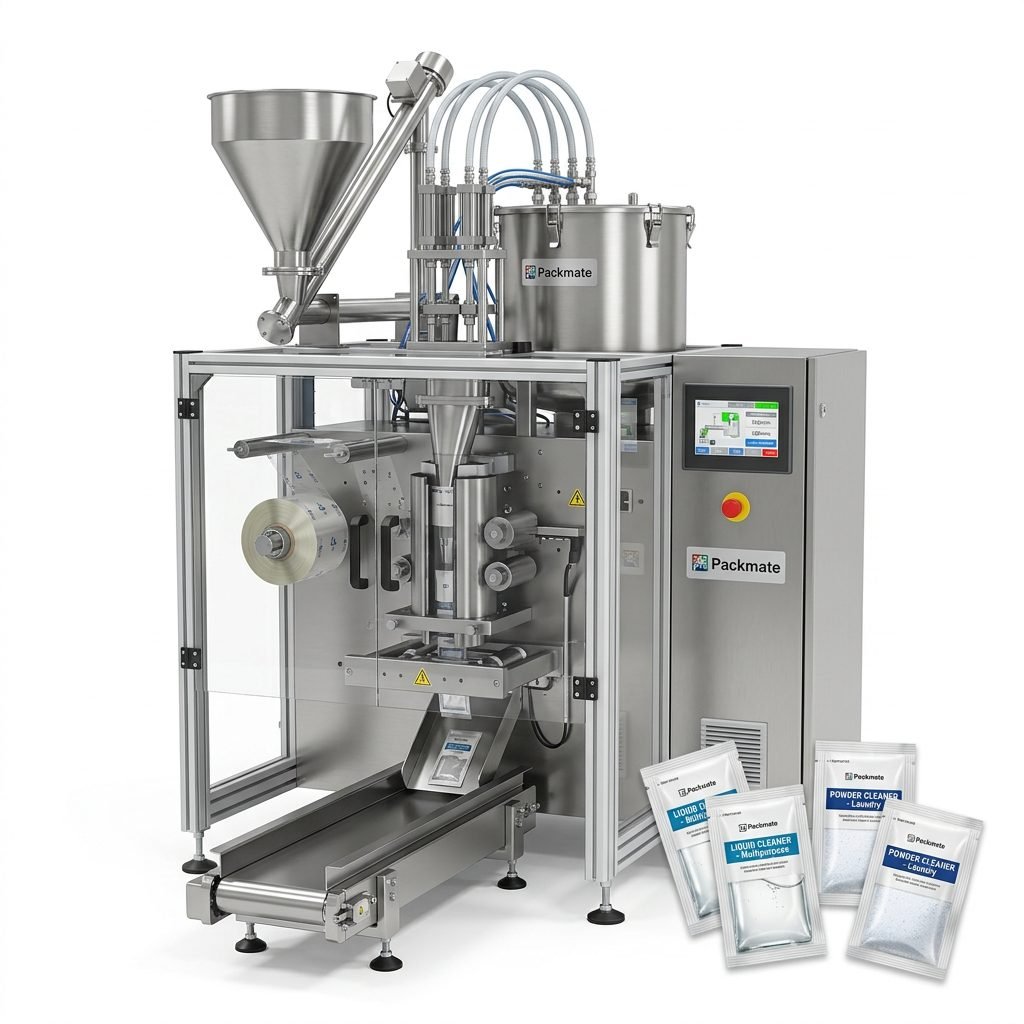
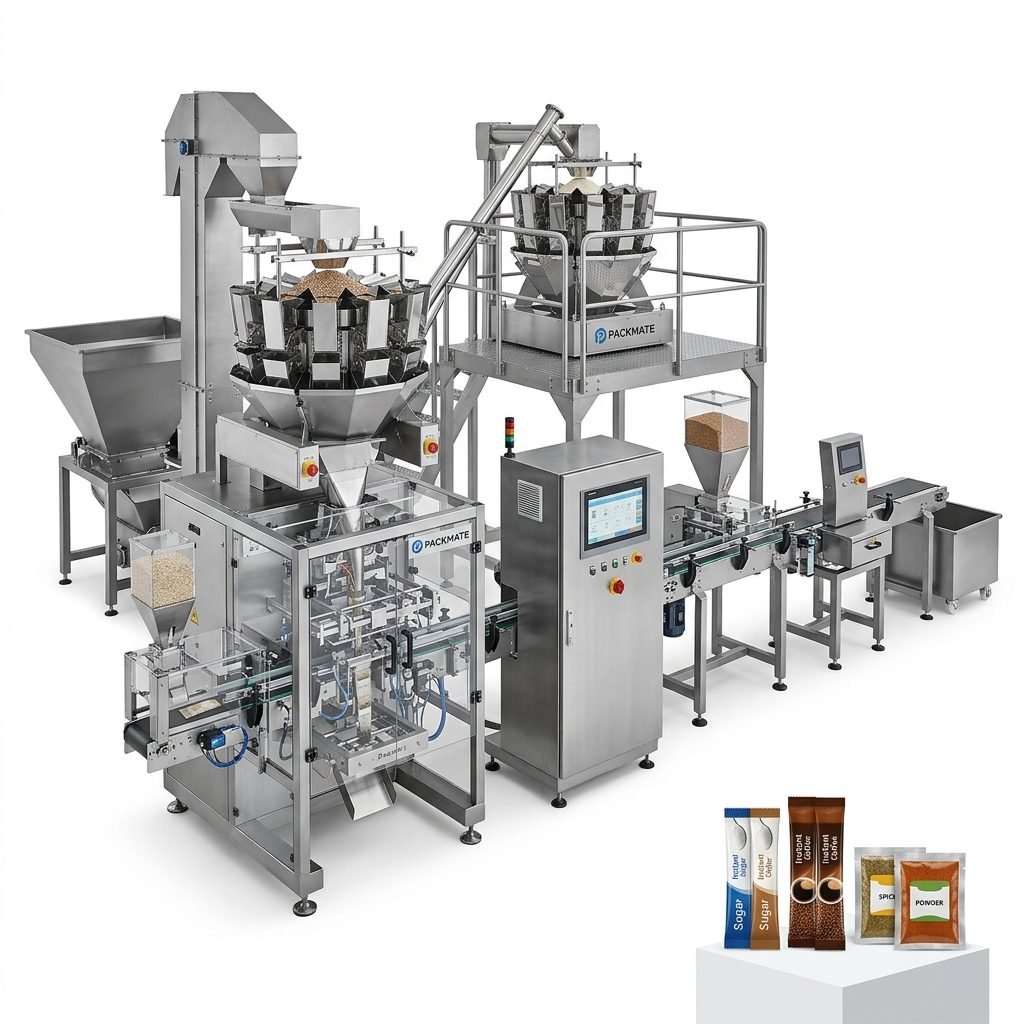
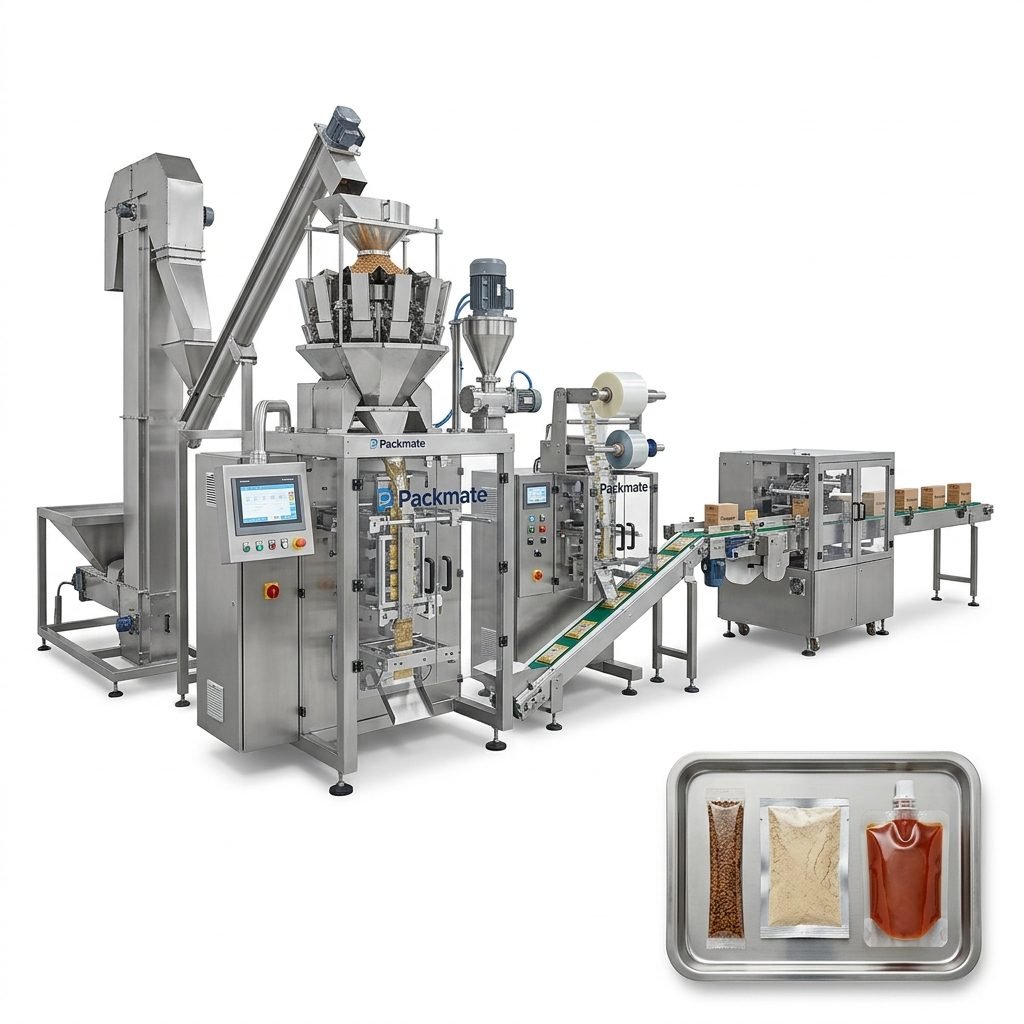
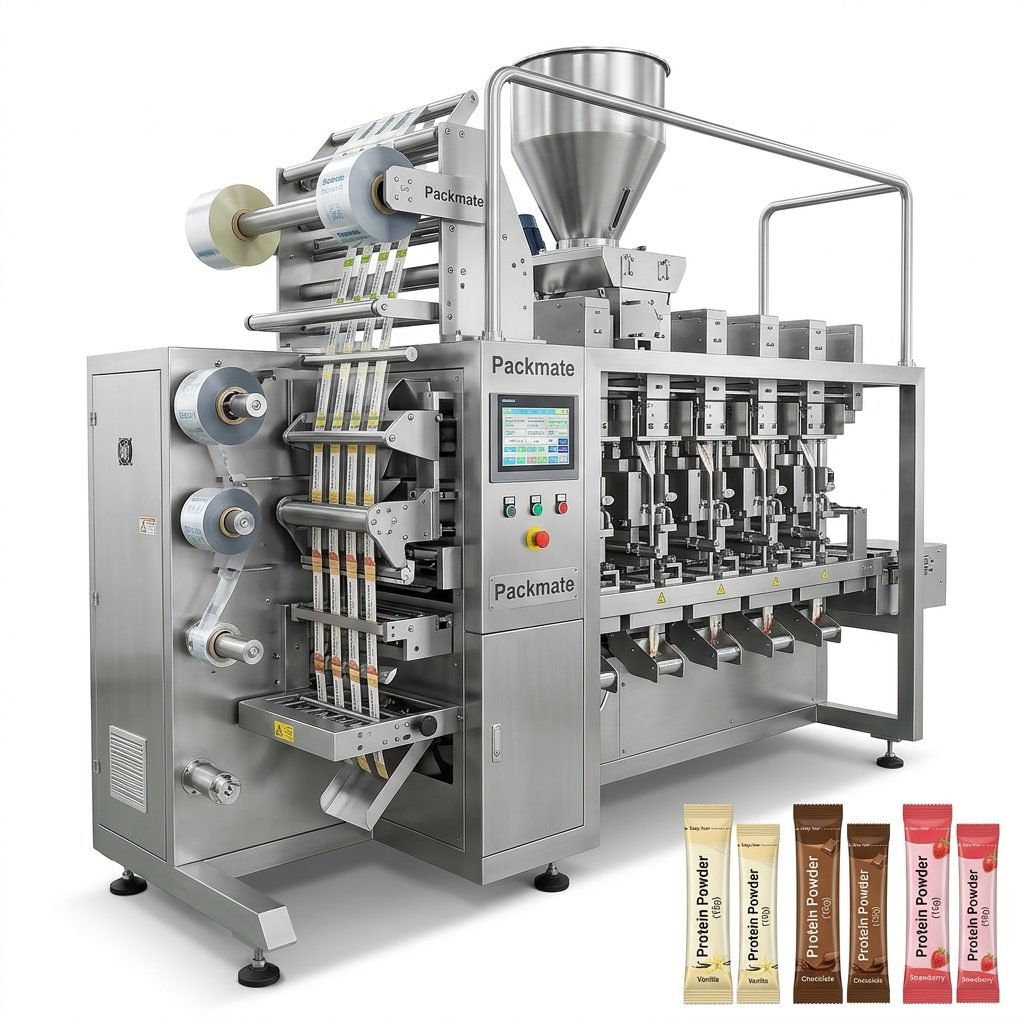
In the high-stakes world of ammunition manufacturing, efficiency, safety, and precision are not just goals—they are non-negotiable imperatives. The final step in this critical production chain, packaging, plays a surprisingly pivotal role in ensuring product integrity, regulatory compliance, and market success. An optimized ammunition packaging line is the cornerstone of a modern, responsible, and profitable operation. This article delves into the core components of a superior packaging solution, focusing on automated production, unwavering safety compliance, and the strategic advantage of turnkey system design.
The Imperative for Automation in Ammunition Packaging
Manual handling in ammunition packaging is a relic of the past, fraught with risks of inconsistency, contamination, and slow throughput. Transitioning to an automated packaging line is a transformative investment. Modern systems handle everything from primary counting and collating into boxes or clips, to secondary cartoning, case packing, and palletizing with robotic precision.
Key Benefits of Automation:
- Unmatched Speed & Output: Automated lines dramatically increase packaging speeds, meeting high-volume demands without compromising accuracy.
- Consistent Precision: Every round is counted, oriented, and placed correctly, eliminating human counting errors and ensuring every package meets exact specifications.
- Enhanced Labor Safety: By minimizing direct human contact with the product, automated systems significantly reduce workplace injury risks and ergonomic strain.
- Superior Traceability: Integrated vision systems, sensors, and software track every batch, providing complete data for quality control and regulatory audits.
For manufacturers looking to scale, automation is no longer a luxury but a necessity. It ensures that packaging capacity keeps pace with production, creating a seamless, efficient flow from manufacturing to warehouse. To explore specific machinery configurations, visit our dedicated Packaging Solutions page.
Core Components of an Automated Line
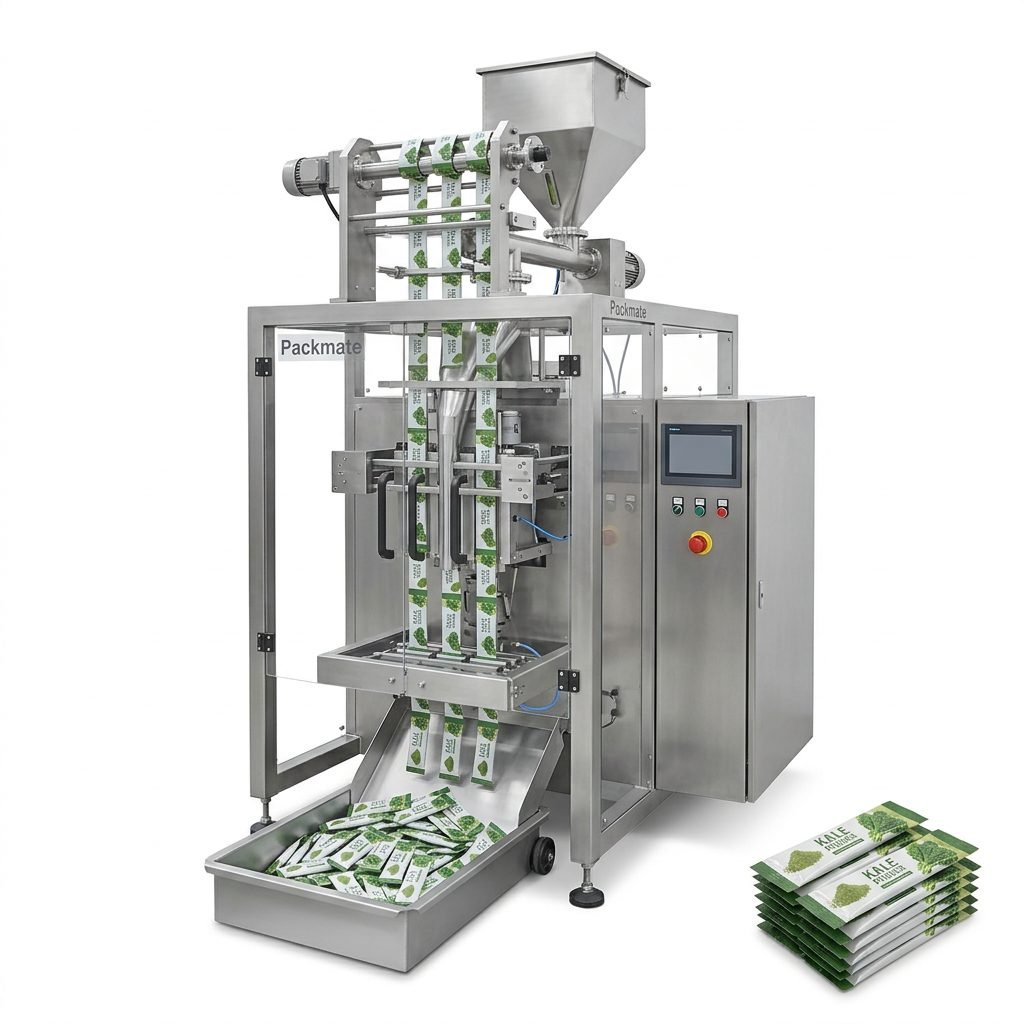
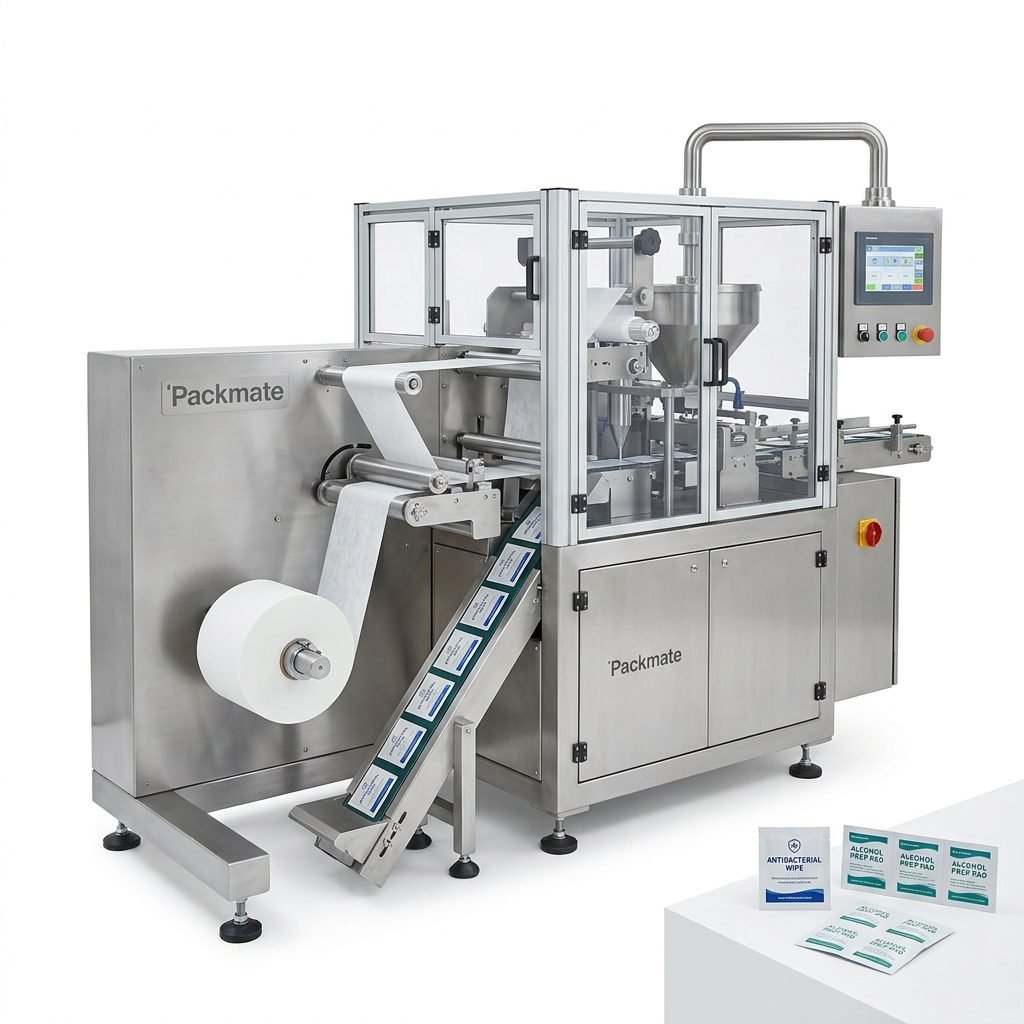
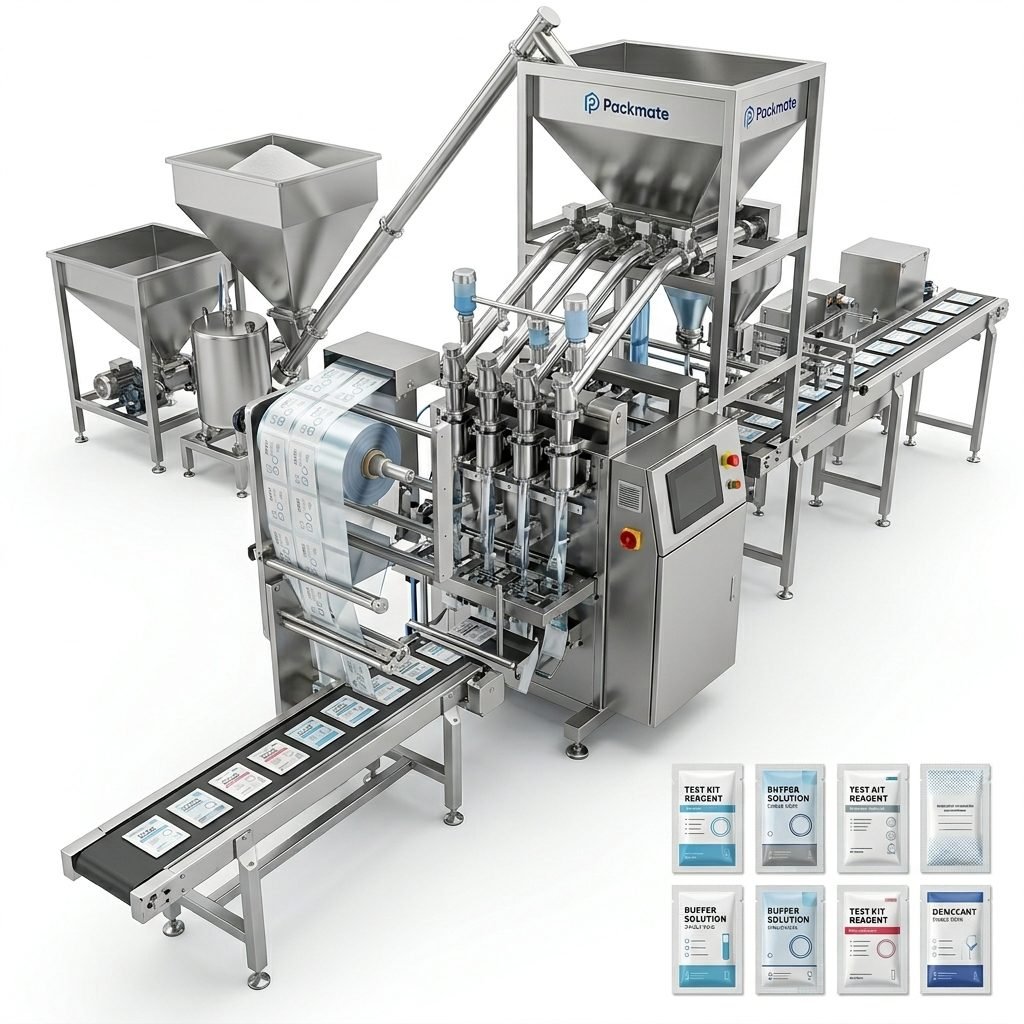
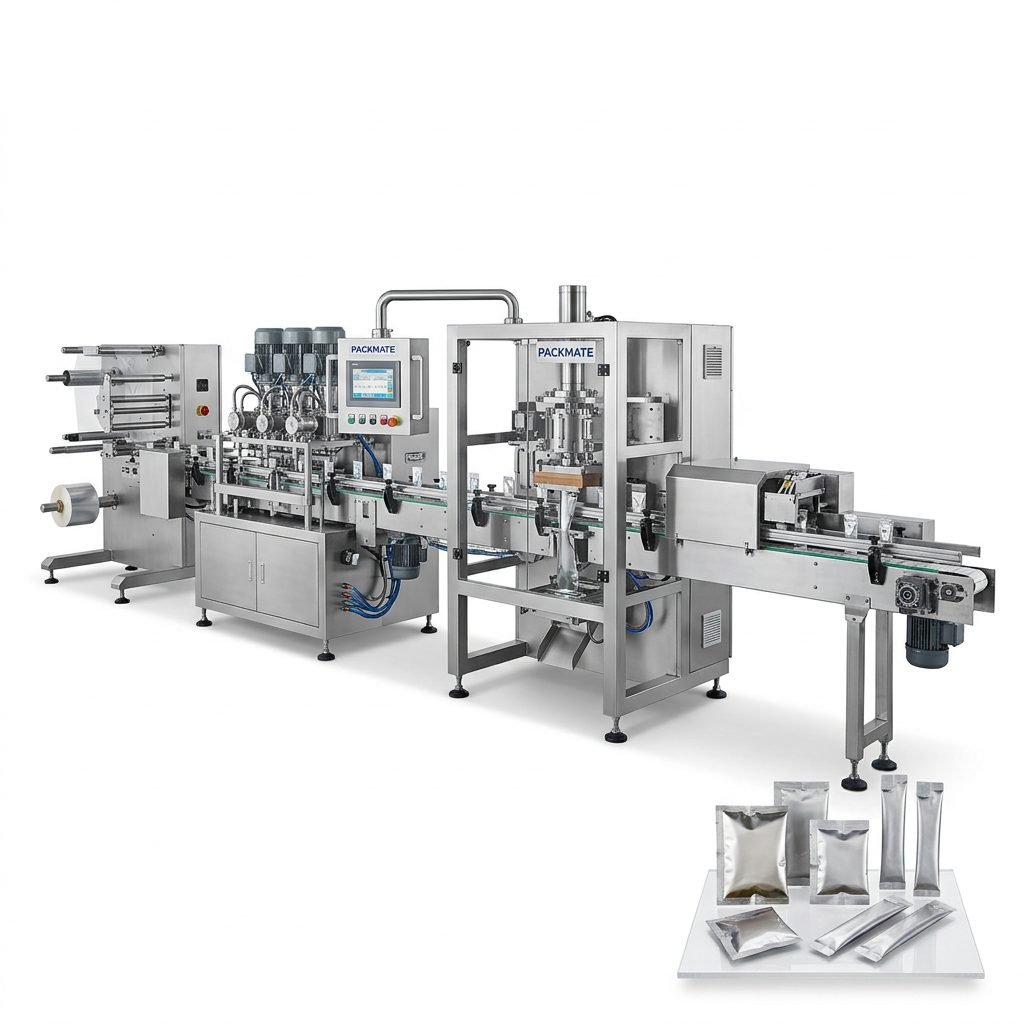
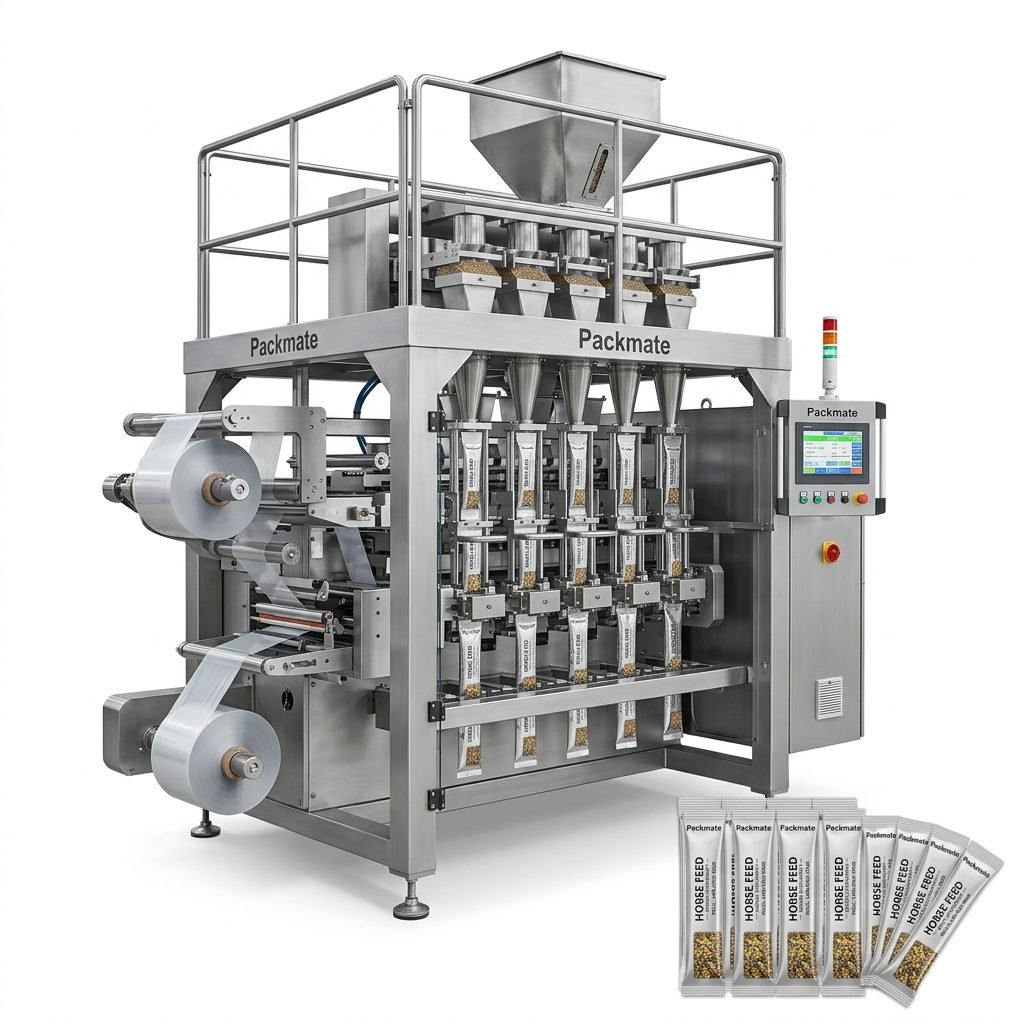
A robust line typically integrates several key machines. A high-speed counting and collating unit forms the heart, often using advanced weighing or optical systems. This feeds into an automatic cartoner, which erects, loads, and seals boxes. Downstream, a case packer organizes multiple cartons into shipping cases, followed by a palletizer for final unit load formation. The entire sequence is orchestrated by a centralized Programmable Logic Controller (PLC) and Human-Machine Interface (HMI) for real-time monitoring and control.
Safety Compliance: The Non-Negotiable Foundation
In ammunition packaging, safety is a dual mandate: protecting the workforce and ensuring the packaged product is secure for transport and storage. Compliance with stringent regulations from bodies like the U.S. Department of Transportation (DOT) and the International Air Transport Association (IATA) is paramount. A compliant packaging line is engineered to meet these standards at every touchpoint.
Critical Compliance Checkpoints:
1. Static Control & Non-Sparking Materials: Packaging machinery in this environment must be designed with anti-static measures and use non-ferrous, non-sparking materials in critical areas to prevent ignition hazards.
2. Containment & Containment: Systems must prevent loose rounds from escaping the line, which could create a trip hazard or cause rounds to be damaged or enter unintended areas.
3. Correct Labeling Integration: The line must seamlessly apply mandatory hazard labels, lot numbers, and shipping marks with 100% accuracy, a process often automated with integrated print-and-apply systems.
4. Ergonomic & Guarding Design: Safety light curtains, emergency stops, and proper guarding protect operators, while ergonomic design minimizes repetitive strain during any necessary manual interventions.
Partnering with an experienced provider like Packmate ensures your line is built with compliance as a core design principle, not an afterthought. Our expertise in sensitive industries translates into solutions you can trust.
Documentation and Quality Assurance
Compliance extends beyond the physical line. A reputable supplier provides comprehensive documentation, including machine manuals, risk assessments, and certificates of conformity. This paperwork is essential for your own internal audits and for demonstrating due diligence to regulators. Learn more about our commitment to standards on our Certifications page.
The Turnkey Advantage: From Concept to Production
Designing and integrating a complex ammunition packaging line in-house is a monumental, resource-intensive task. The turnkey system design approach offers a superior alternative. A turnkey provider acts as a single point of responsibility, managing the entire project from initial concept and layout planning, through engineering, manufacturing, installation, commissioning, and staff training.
This holistic methodology, championed by industry leaders, ensures all components—mechanical, electrical, pneumatic, and software—are perfectly harmonized from the start. It eliminates the finger-pointing that can occur when multiple vendors are involved and guarantees system performance against agreed-upon benchmarks.
The Turnkey Project Lifecycle:
Phase 1: Consultation & Design: Experts analyze your product specs, output goals, and facility layout to create a customized line blueprint.
Phase 2: Engineering & Fabrication: All equipment is designed and built to exact specifications, often within a controlled factory environment like our 20,000㎡ facility.
Phase 3: Factory Acceptance Testing (FAT): You witness the complete line running at the supplier’s site, verifying performance before shipment.
Phase 4: Installation & Site Acceptance (SAT): Our team installs and fine-tunes the line in your plant, training your operators until it runs flawlessly.
The result is a faster time-to-market, reduced project risk, and a packaging line that operates as a unified, efficient organism. View real-world examples of this approach in our Project Case Studies.
Future-Proofing Your Investment
An ammunition packaging line is a significant capital investment. A forward-thinking design incorporates scalability and flexibility. Modular components allow for future expansion or reconfiguration for different calibers or package types. Investing in smart technology with data collection capabilities enables predictive maintenance and continuous process optimization through Industry 4.0 principles.
Choosing a partner with a long-term vision and robust support is crucial. A provider with over 22 years of development offers not just a machine, but a lasting partnership for maintenance, spare parts, and upgrades, protecting your investment for the long haul. For ongoing support, explore our Service programs.
Frequently Asked Questions (FAQs)
1. What is the typical lead time for a custom turnkey ammunition packaging line?
Lead times vary significantly based on line complexity and customization. A standard system may take 4-6 months from order to delivery, while highly complex, fully custom lines can require 8-12 months. This includes design, manufacturing, factory testing, and preparation for shipment. A detailed project timeline is always provided during the quotation phase.
2. How do you ensure the packaging line meets our specific caliber and packaging format (e.g., boxes, clips, bulk packs)?
We begin with a detailed project analysis. Our engineers review your specific product dimensions, weight, and desired final package configuration. We then design and select machinery components—like feed systems, counting mechanisms, and loading heads—that are precisely tooled and programmed for your exact requirements. Custom change parts are often developed to handle your specific products flawlessly.
3. What safety certifications do your machines carry, and how do you handle regulatory documentation?
Our machinery is designed and built to comply with international safety standards such as CE (for Europe) and relevant ANSI/OSHA guidelines. For ammunition-specific applications, we focus on intrinsic safety features like static control and proper guarding. We provide a comprehensive documentation package, including technical files, risk assessments, and operation manuals, to support your compliance efforts with DOT, IATA, or other local regulations.
4. Can the line be integrated with our existing production management or ERP software?
Yes, modern packaging lines are equipped with PLCs and HMIs that can communicate via standard industrial protocols (e.g., OPC UA, Ethernet/IP). We can work with your IT/automation team to establish data exchange for metrics like production counts, downtime reasons, and batch tracking, feeding this information directly into your central management systems.
5. What kind of training and after-sales support do you provide?
We provide comprehensive training for your operators, maintenance technicians, and line supervisors during the installation and commissioning phase. This covers operation, routine maintenance, troubleshooting, and safety procedures. Our after-sales support includes a warranty period, access to spare parts, and remote technical assistance. We also offer scheduled maintenance contracts and on-site service visits as needed to ensure optimal line performance.