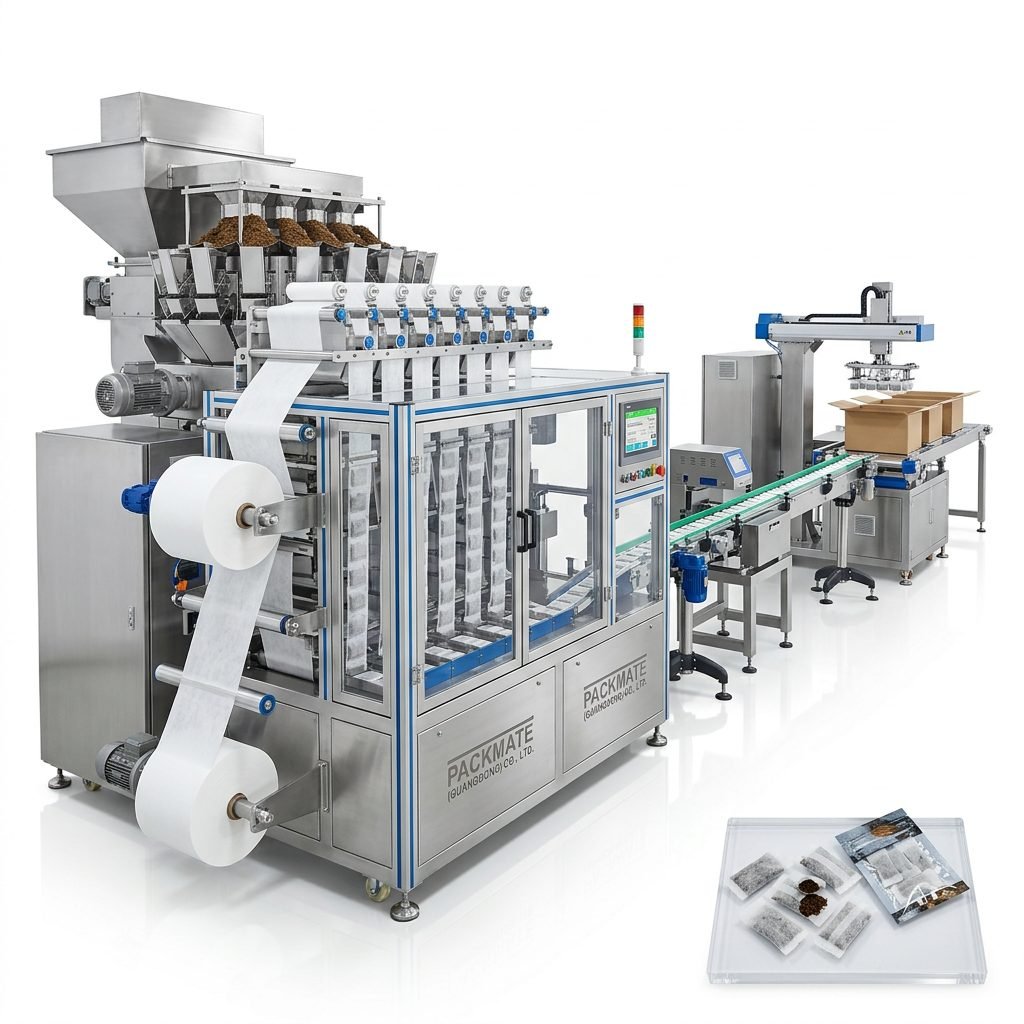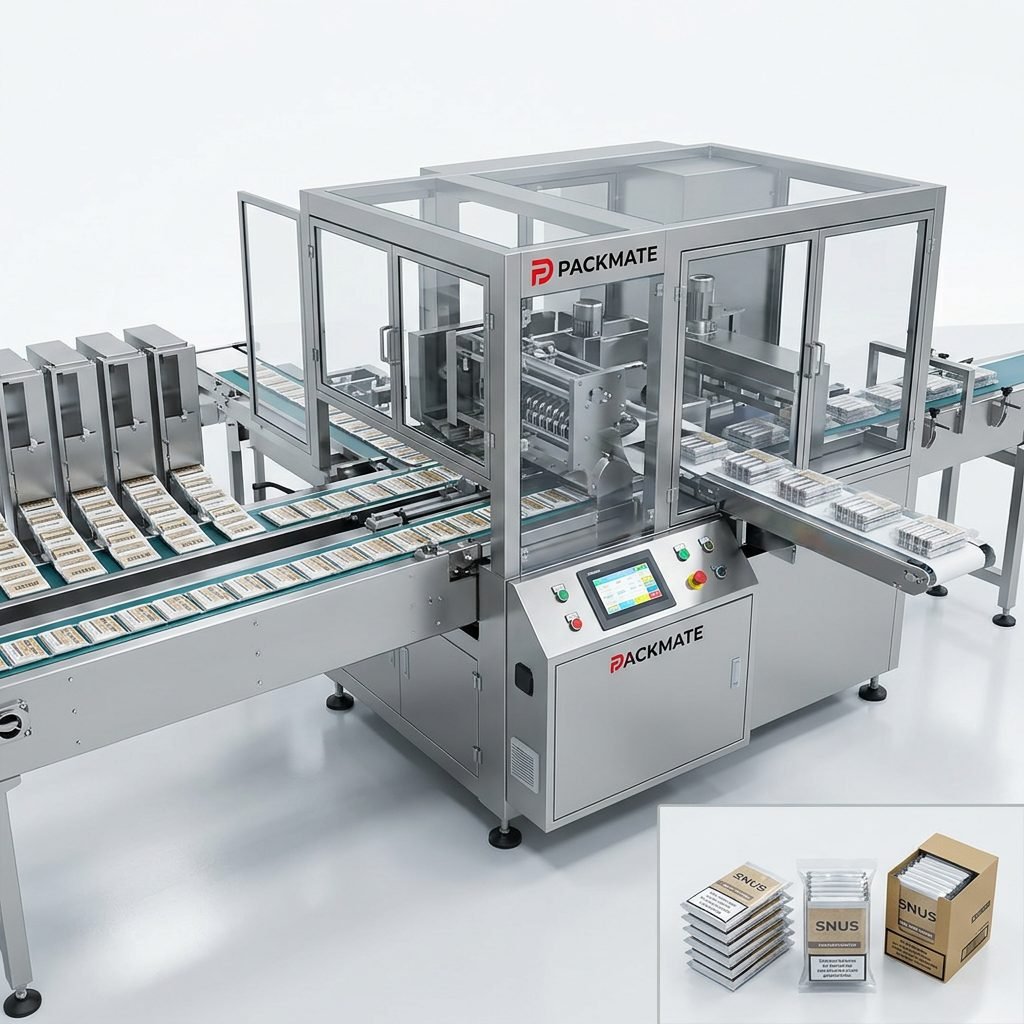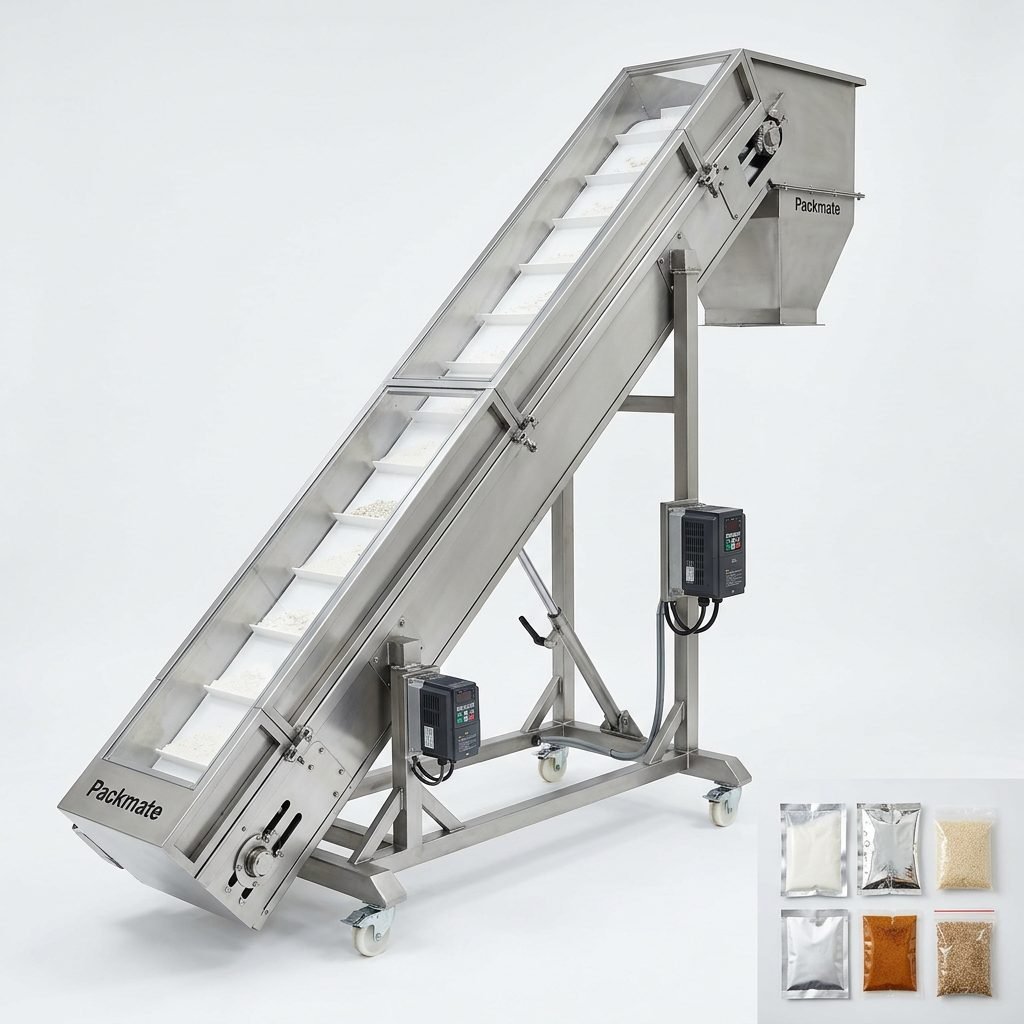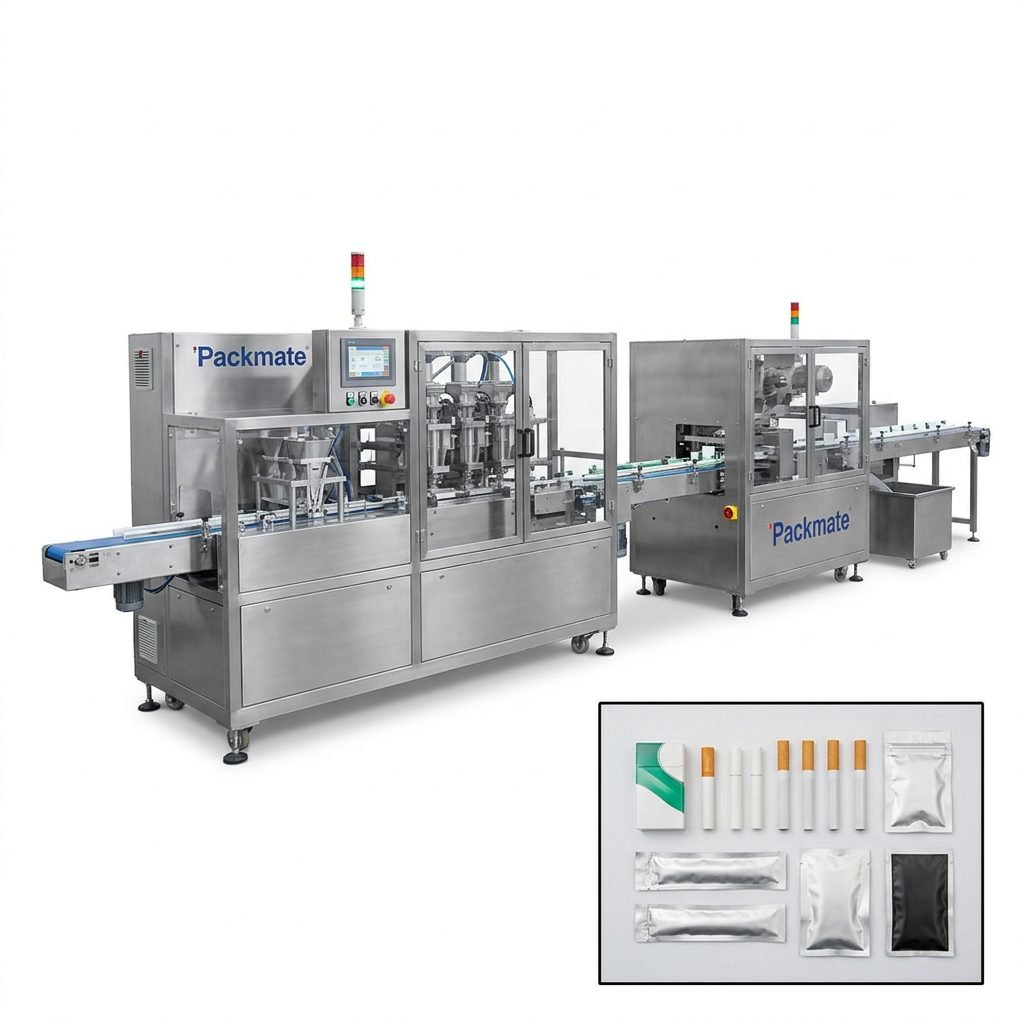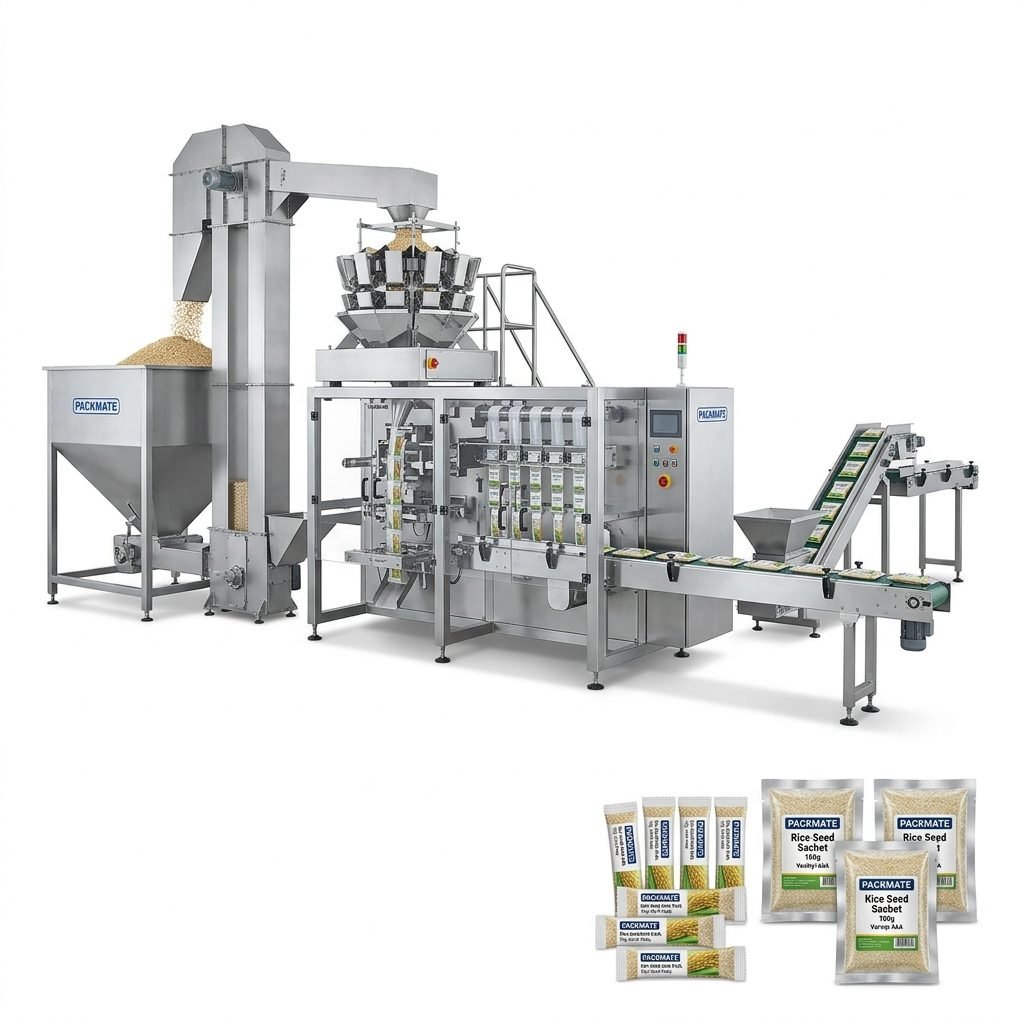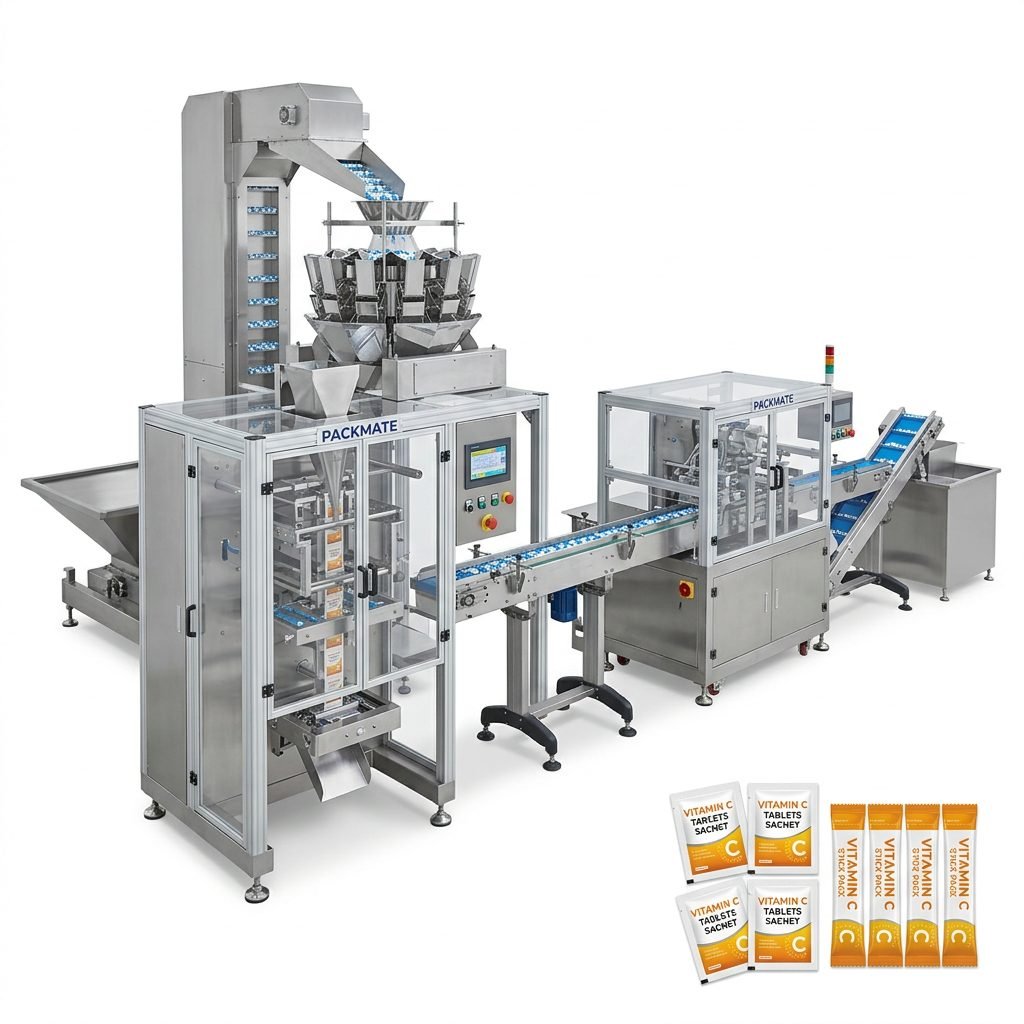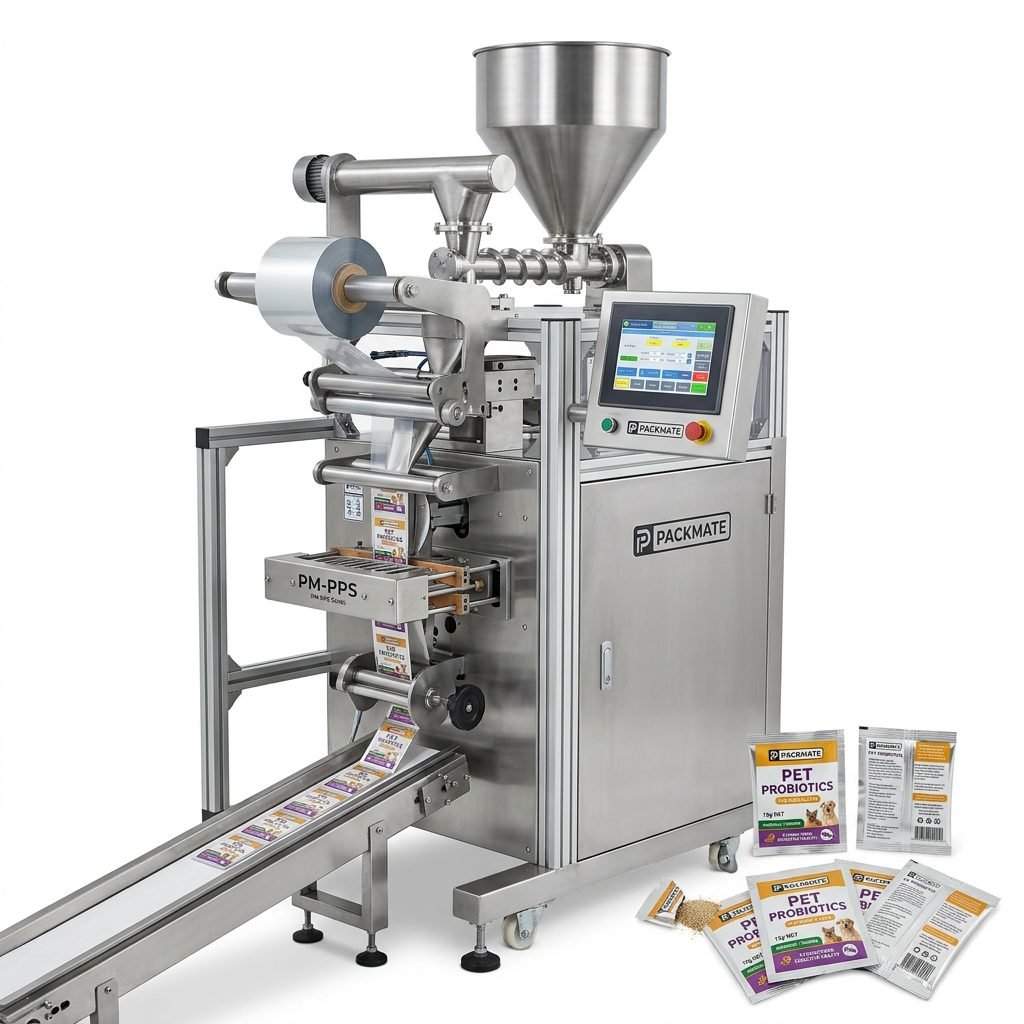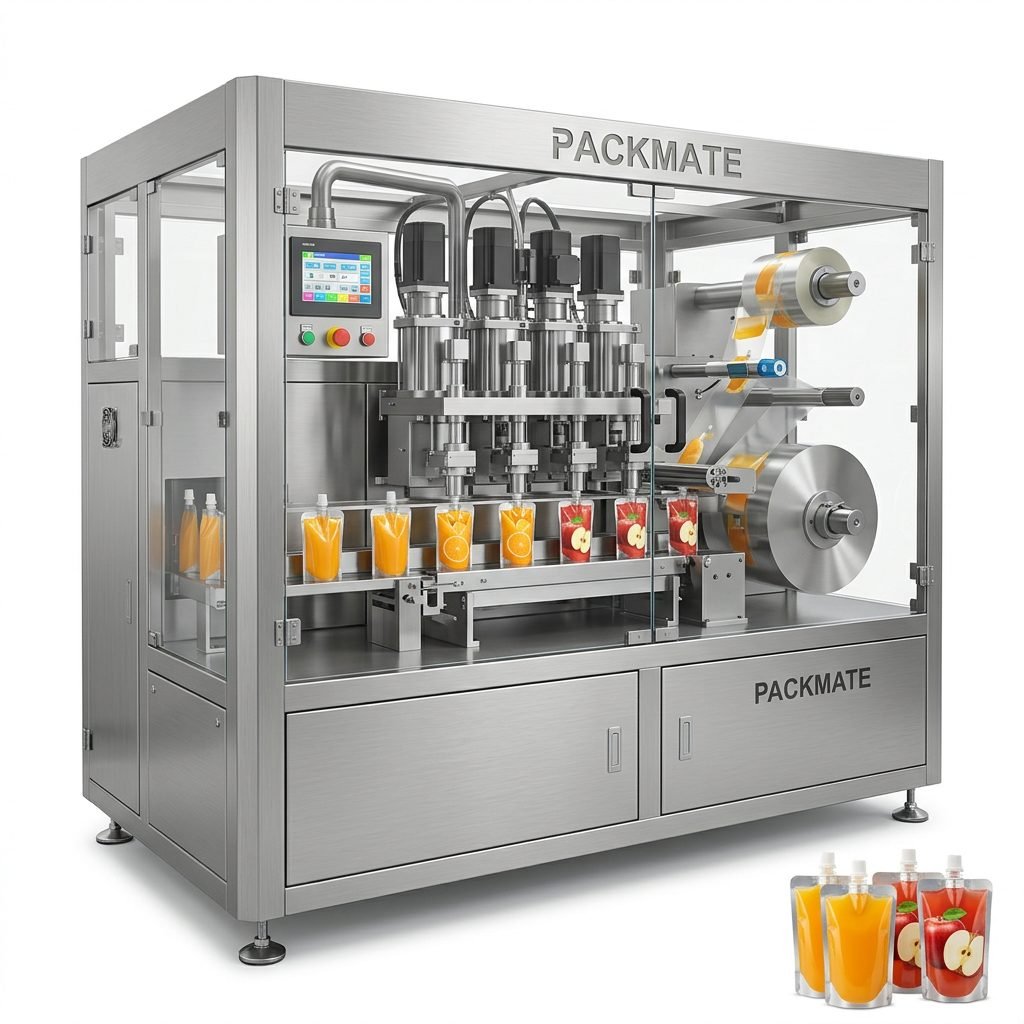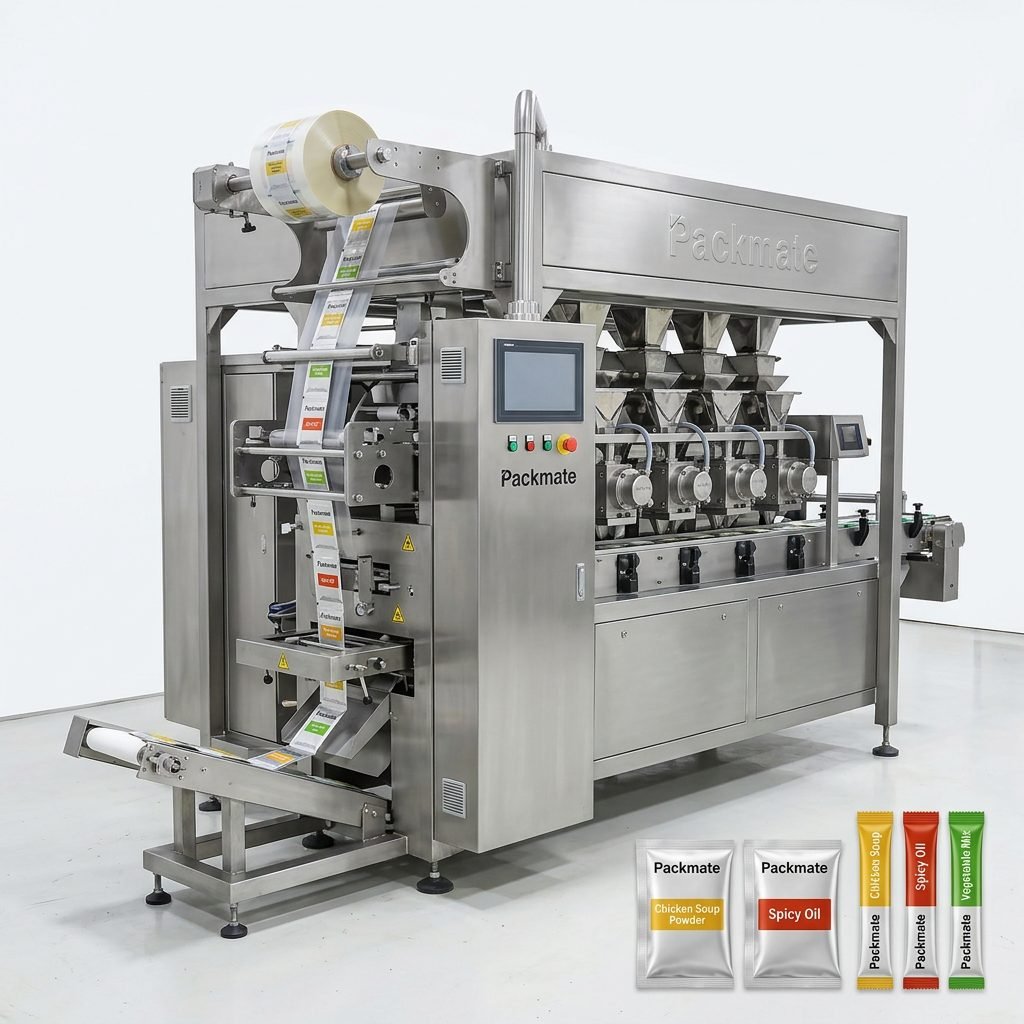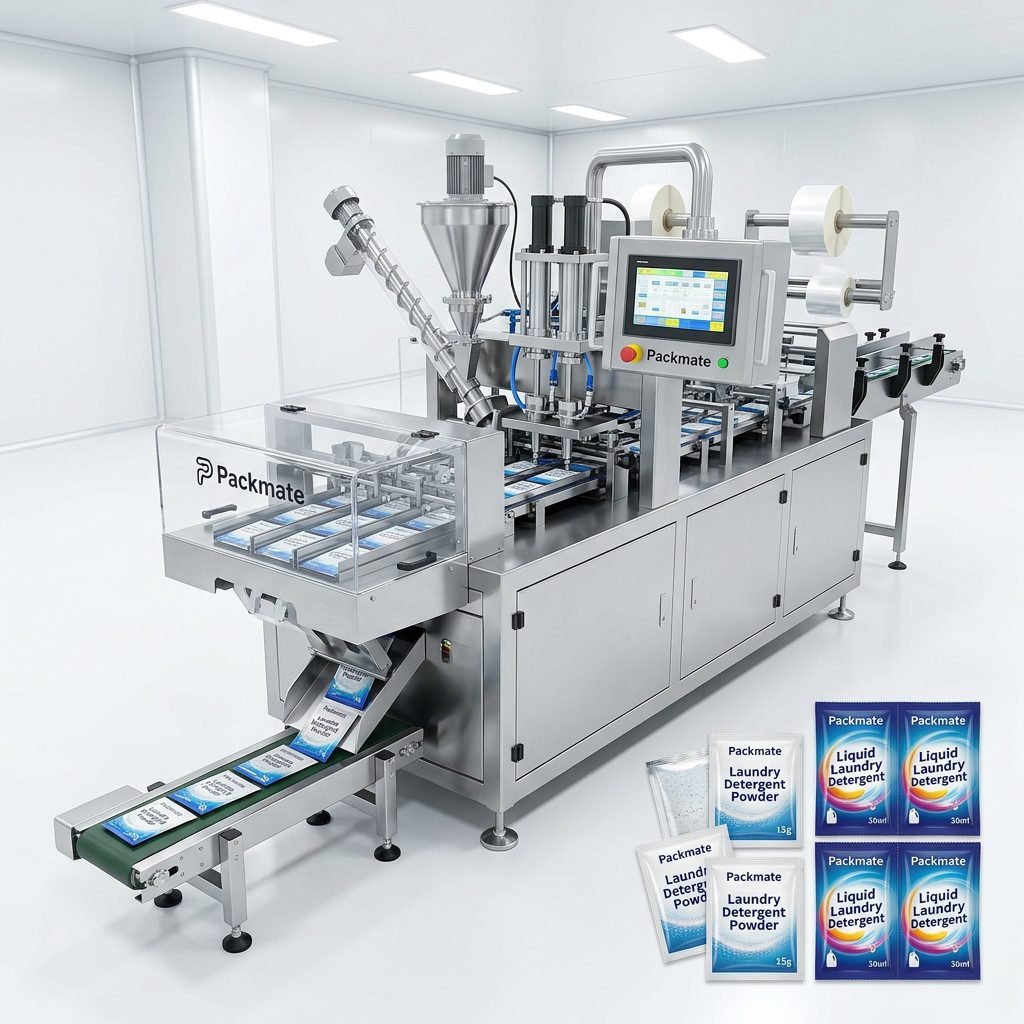
In the highly regulated and quality-critical pharmaceutical industry, packaging is far more than just a final step—it’s a vital component of product integrity, safety, and patient trust. Automated blister packaging lines, such as those inspired by the high standards of Uhlmann solutions, represent the pinnacle of efficiency, precision, and compliance. This complete guide explores the core components, benefits, and selection criteria for implementing a world-class automated blister packing solution for pharmaceutical products.
Core Value Proposition: Why Automation is Non-Negotiable
Modern pharmaceutical blister packing transcends simple product containment. An automated line ensures dose accuracy, provides a robust barrier against moisture, light, and contamination, and incorporates critical patient safety features like tamper evidence and clear labeling. Automation brings unmatched consistency, drastically reduces human error, and provides the traceability data required by global regulatory bodies like the FDA and EMA. For a comprehensive look at how tailored automation drives success, explore our dedicated Solution pages.
Deconstructing the Automated Blister Packaging Line
A fully integrated line is a symphony of synchronized machinery. Each component plays a specific role in transforming raw materials and pharmaceutical products into finished, market-ready blister packs.
1. The Forming Station: Creating the Foundation
This is where the blister cavities are formed. A web of pharmaceutical-grade film, typically PVC, PVDC, or Aclar, is heated and then drawn (thermoformed) or cold-formed into precise cavities using a mold. The choice between thermoforming and cold-forming depends on the drug’s sensitivity and the required barrier properties.
2. The Product Loading & Inspection Zone
Tablets, capsules, or lozenges are precisely fed into the newly formed cavities. This stage often incorporates advanced vision inspection systems to perform 100% check on fill accuracy, detecting missing, broken, or incorrect products. Any defective blister is automatically rejected, ensuring zero defect outflow.
3. The Sealing Station: Ensuring Integrity
A lidding material—usually a foil laminate—is applied over the filled blister web. Heat and pressure seal the lidding to the base film, creating a hermetic and protective unit dose. The sealing quality is paramount for product shelf life.
4. Printing & Coding
Critical information such as batch number, expiration date, and product identification is printed directly onto the blister foil or label. This supports track-and-trace mandates and provides essential information to the end-user.
5. Punching & Secondary Packaging
The continuous blister web is die-cut into individual strips or blisters. These are then collated, counted, and fed into cartoners for secondary packaging, such as folding cartons, sometimes with patient information leaflets included automatically.
Key Advantages of a Fully Integrated Line
- Operational Efficiency: High-speed, continuous operation maximizes output and minimizes downtime.
- Uncompromising Quality Control: In-line sensors and vision systems guarantee every unit meets specifications.
- Regulatory Compliance: Built-in documentation and audit trails simplify compliance with GMP and serialization requirements.
- Cost Reduction: Lower labor costs, reduced material waste, and minimized product rejects improve overall profitability.
- Flexibility: Modern lines allow for quick changeovers between different product formats and blister sizes.
Selecting the Right Partner for Your Line
Choosing a supplier is a strategic decision. Look for a partner with proven expertise in pharmaceutical-grade machinery, a deep understanding of global regulations, and a commitment to innovation. A provider like Packmate (GuangDong) Co., Ltd., with over 30 years of experience in intelligent packaging solutions, brings valuable insight. Their turnkey approach ensures seamless integration from design to commissioning, supported by a robust Service and support network.
Critical Evaluation Criteria:
Technical Capability & Innovation: Assess the machine’s speed, accuracy, changeover time, and integration of Industry 4.0 features.
Compliance & Validation Support: The supplier must provide full documentation (FAT, SAT, IQ/OQ/PQ protocols) to aid your validation process.
Total Cost of Ownership (TCO): Consider long-term costs for maintenance, spare parts, energy consumption, and operational efficiency.
Global Support Footprint: Ensure timely technical support and access to genuine spare parts worldwide.
Future Trends: The Smart Blister Packing Line
The future lies in connected, data-driven systems. Smart blister lines will feature enhanced IoT sensors for predictive maintenance, advanced AI-powered vision inspection for defect detection, and seamless integration with Manufacturing Execution Systems (MES) for real-time production analytics and paperless batch records.
Final Summary
Investing in an automated blister packaging line is a strategic move to secure product quality, ensure regulatory compliance, and achieve sustainable operational excellence in pharmaceutical manufacturing. By understanding the line’s components, key benefits, and selection criteria, you can make an informed decision that aligns with your production goals and quality standards for years to come.
Frequently Asked Questions (FAQs)
1. What is the primary difference between thermoforming and cold-forming blister lines?
Thermoforming heats the base film before forming, ideal for standard tablets and capsules. Cold-forming uses aluminum-based laminate and punches it into shape without heat, offering superior moisture and oxygen barriers for highly sensitive drugs (e.g., hygroscopic products), but at a higher material cost.
2. How does an automated line handle product changeovers?
Modern lines are designed for flexibility. Changeover involves replacing the forming mold, adjusting the feeding system, and updating the machine parameters via the HMI. Advanced lines feature quick-change cassettes and recipe management systems to minimize downtime, often achieving changeovers in 30 minutes or less.
3. What regulatory standards must a pharmaceutical blister line comply with?
Lines must be designed and constructed according to cGMP (current Good Manufacturing Practice) guidelines. Key standards include ISO 15378 (packaging materials for medicinal products) and machinery safety standards like IEC 60204-1. Serialization requirements (e.g., DSCSA, EU FMD) also dictate the need for integrated printing and data capture systems.
4. Can one blister line handle different blister sizes and formats?
Yes, multi-format lines are common. The key is the machine’s flexibility in mold changeover and web width adjustment. When selecting a line, define your required range of blister sizes (number of cavities, cavity depth) and ensure the machine manufacturer can accommodate them with standardized change parts.
5. What kind of after-sales support should I expect from the supplier?
Comprehensive support includes installation supervision, operational training for your engineers, a detailed spare parts catalog, remote diagnostic assistance, and access to scheduled maintenance programs. A reliable partner will offer a clear service level agreement (SLA) to ensure long-term line productivity and uptime. For more details, visit our FAQs section.