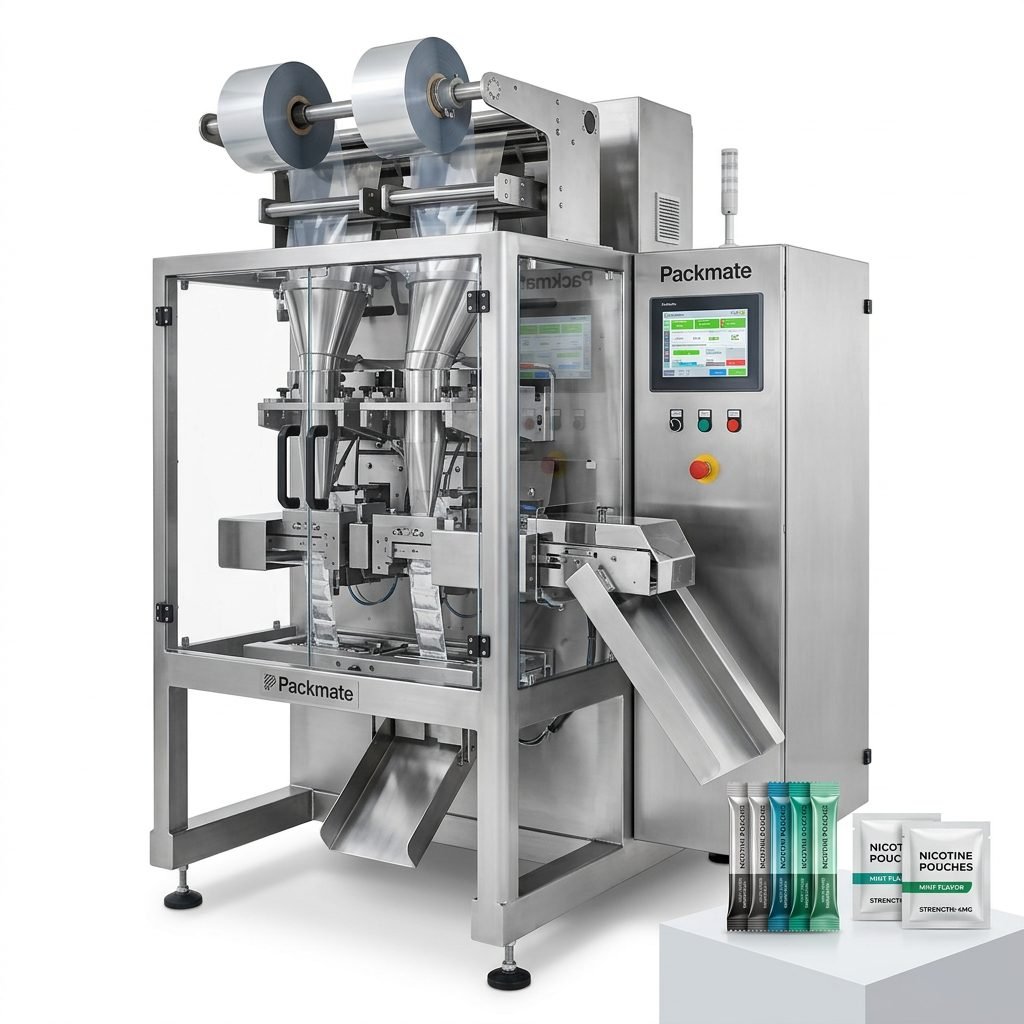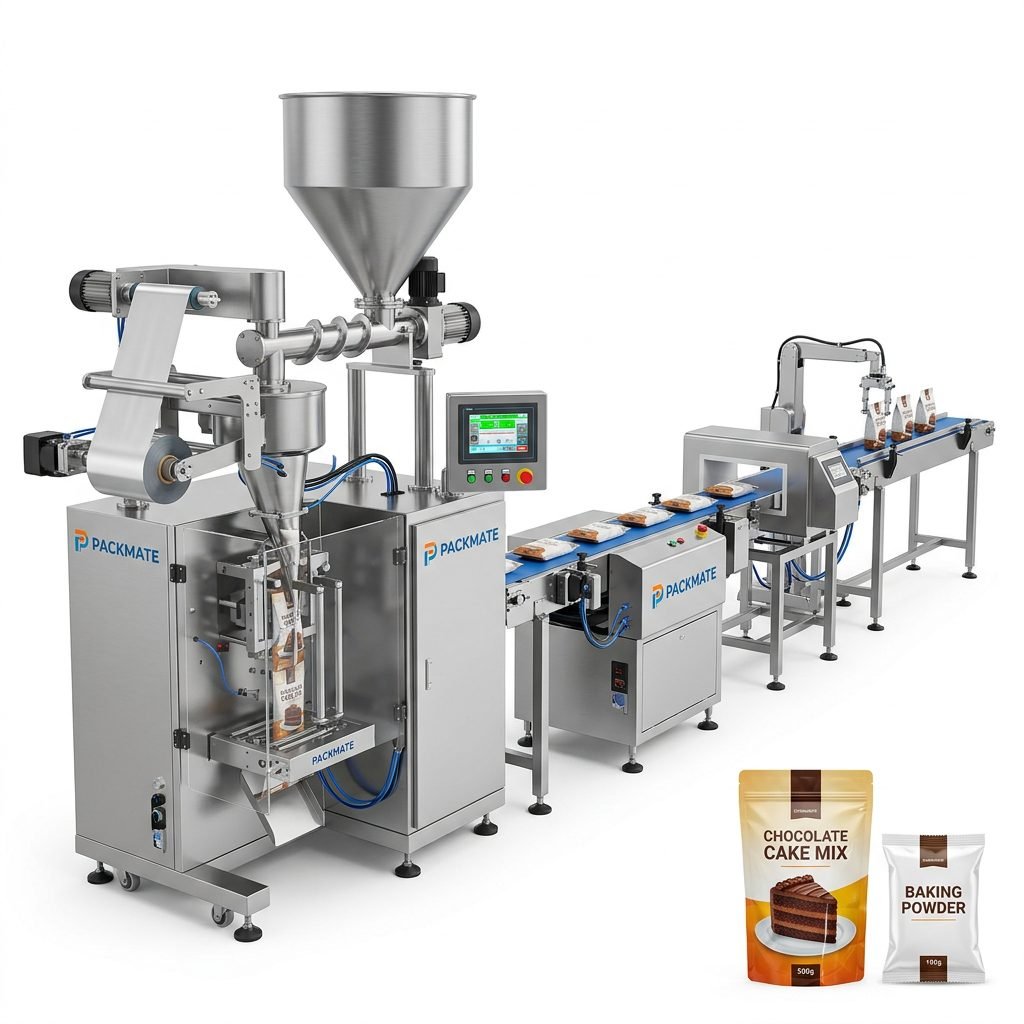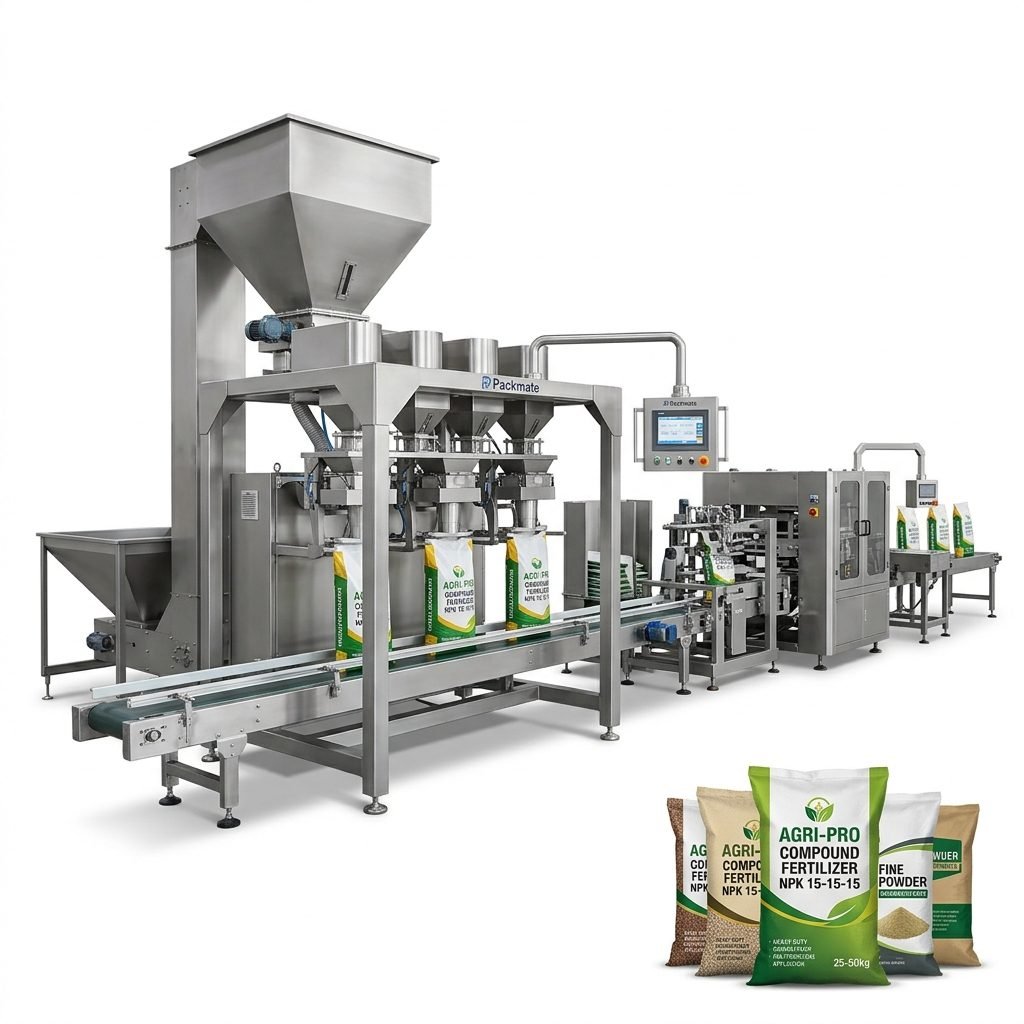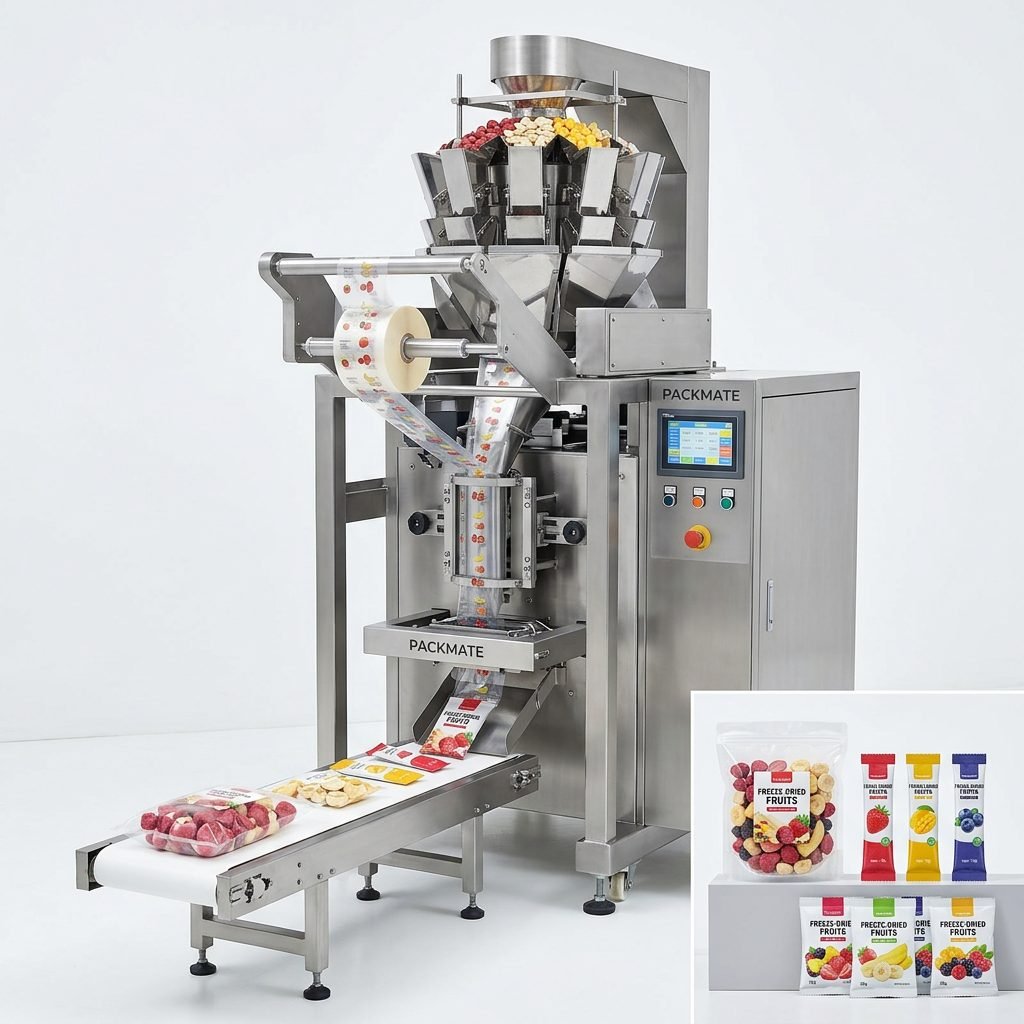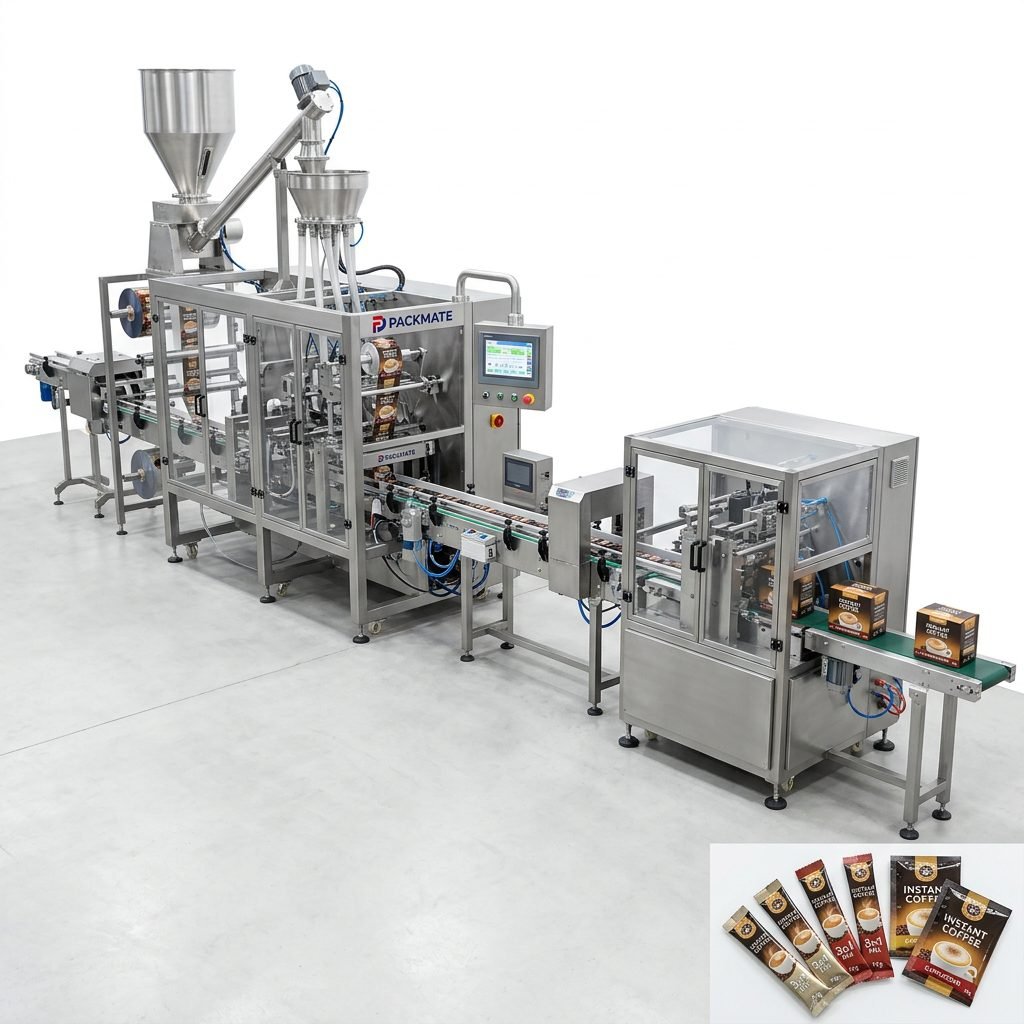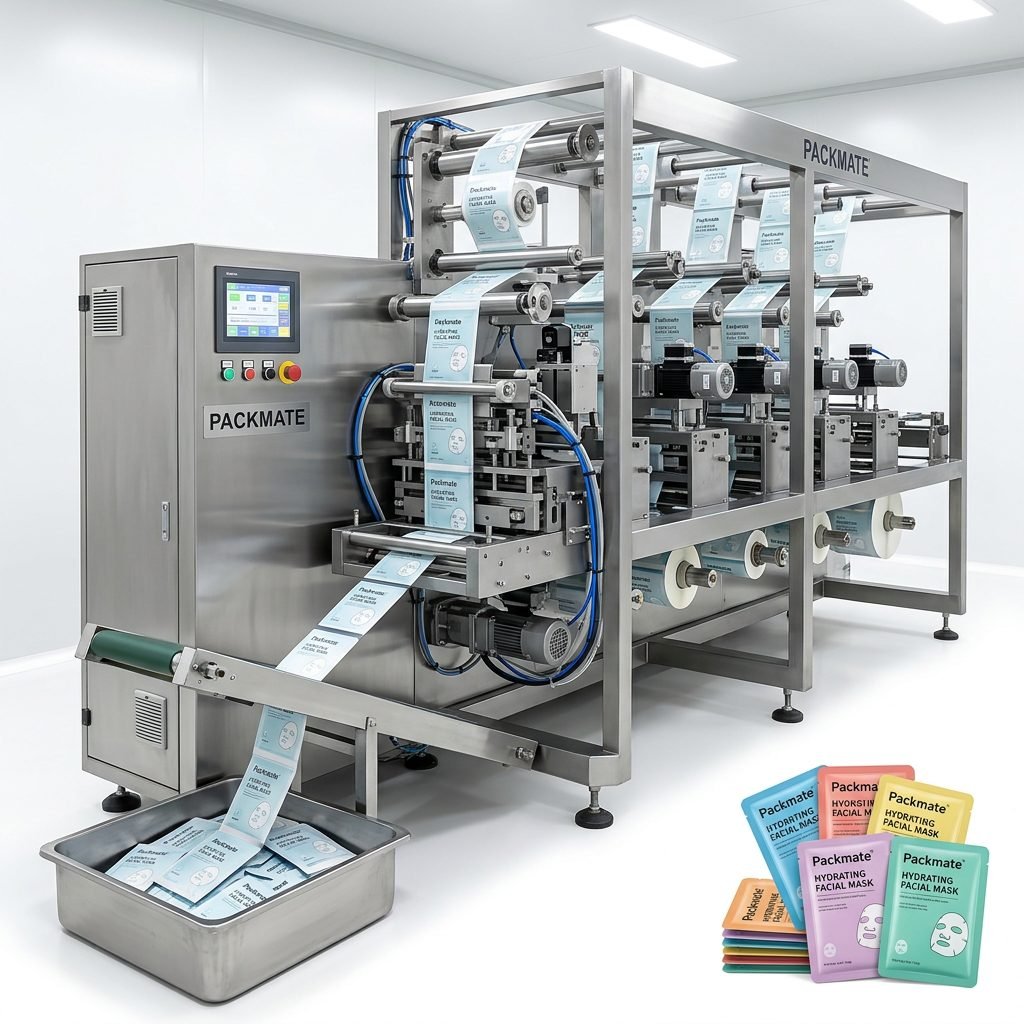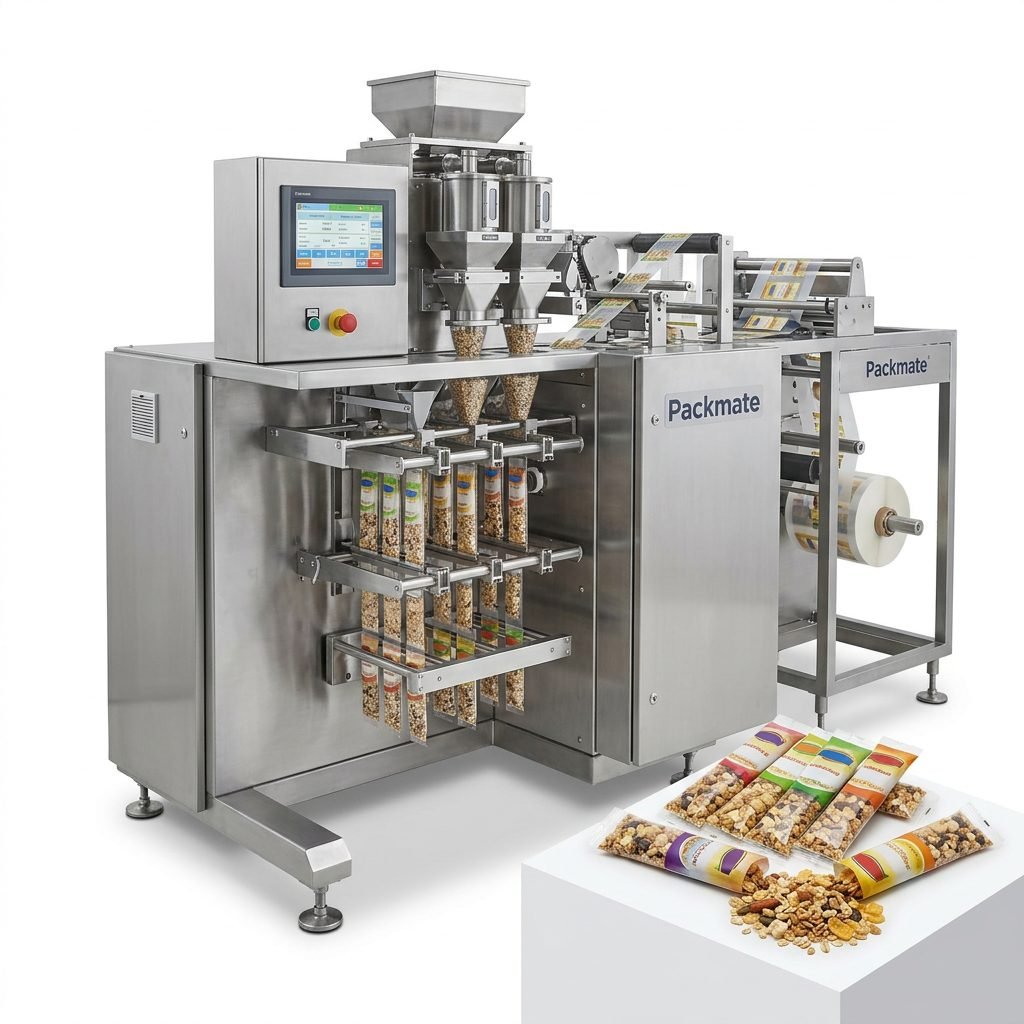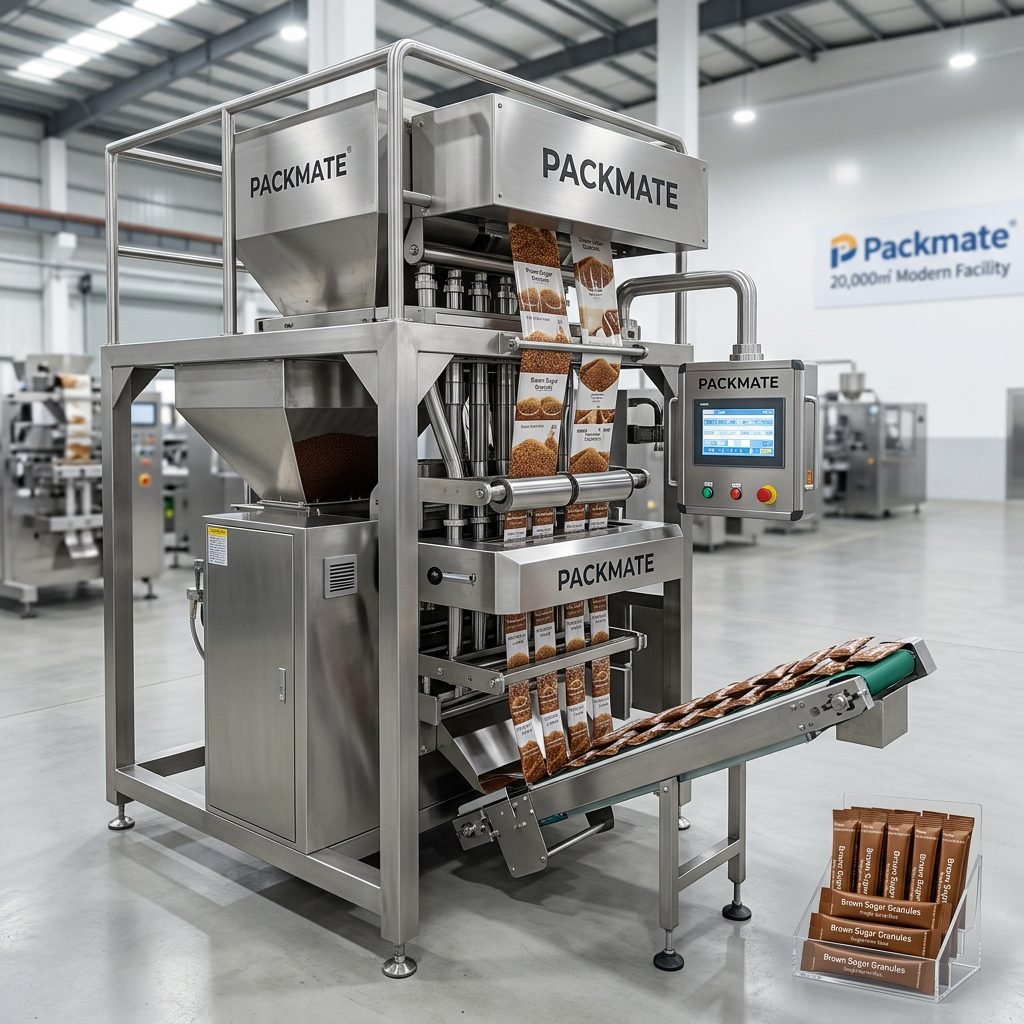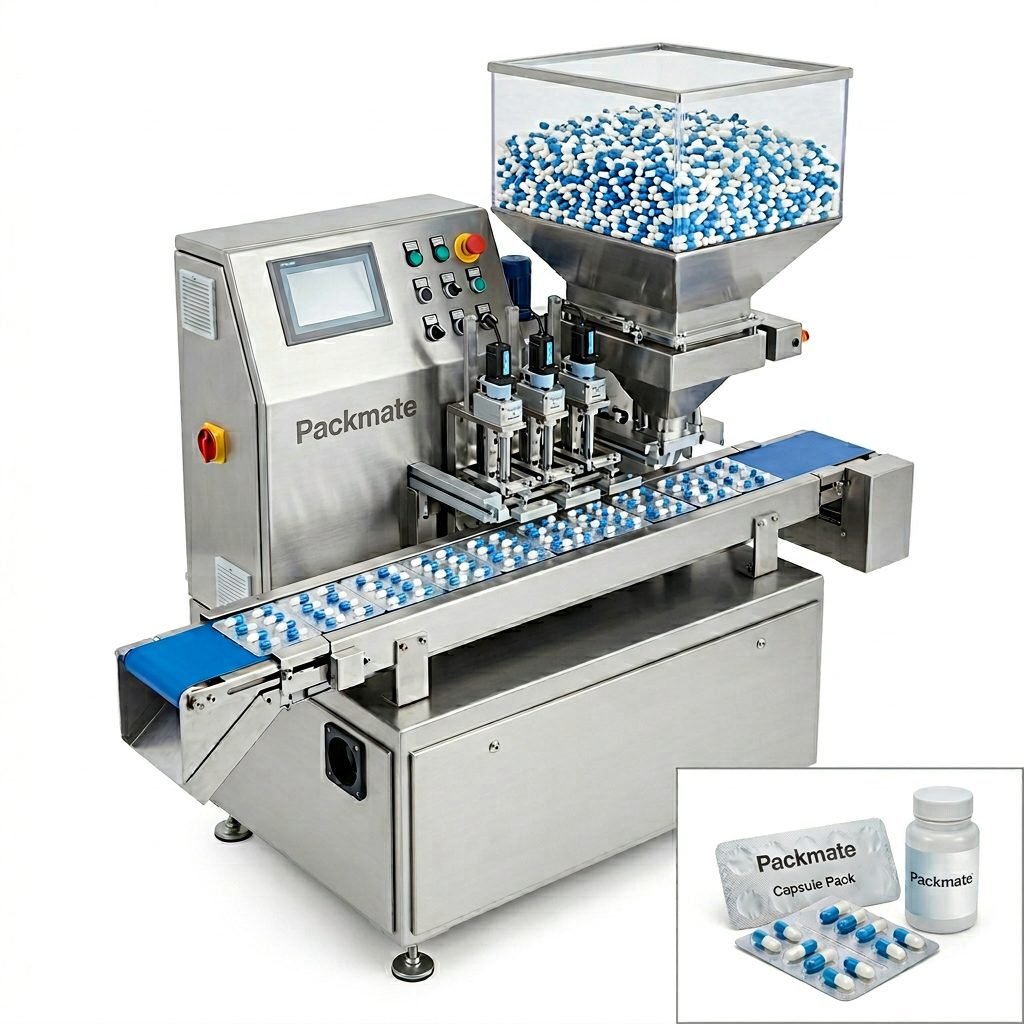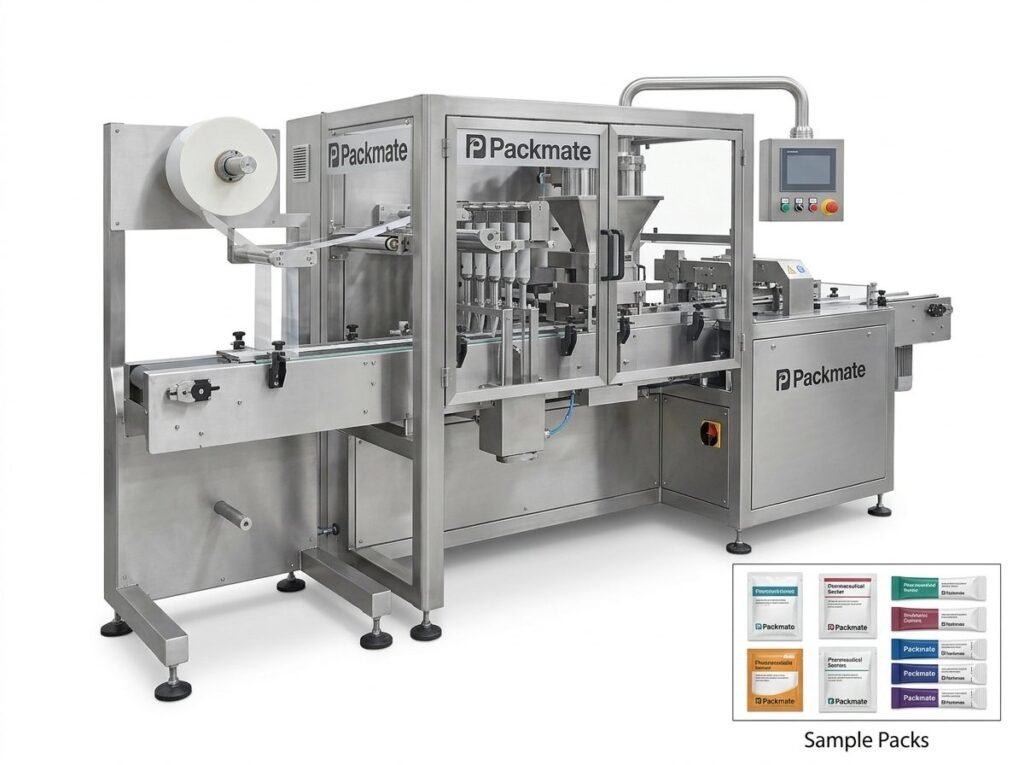
In the competitive world of dairy and nutritional product manufacturing, efficiency, hygiene, and precision are non-negotiable. A robust milk powder packaging line is the backbone of a successful operation, directly impacting product shelf life, brand perception, and overall profitability. Modern lines have evolved far beyond simple filling; they are sophisticated, integrated systems designed for maximum output with minimal waste. This article delves into the core components of a complete milk powder packaging solution, focusing on automatic filling and sealing technologies, and explores the significant advantages of opting for a turnkey system from an experienced provider like Packmate (GuangDong) Co., Ltd..
The Heart of the Line: Automatic Filling Technology
Accurate and consistent filling is critical for milk powder, where every gram counts for nutritional value and cost control. Modern automatic fillers eliminate human error and provide remarkable speed.
Volumetric Cup Fillers
Ideal for free-flowing powders, these systems use rotating cups of precise volume to scoop and deposit product. They are known for their high speed and simplicity, making them a cost-effective choice for many standard packaging formats.
Auger Fillers
The industry standard for precision. A rotating auger (screw) within a hopper meters out powder with exceptional accuracy, often achieving tolerances within ±0.5-1%. This technology is perfect for weight-critical products like infant formula or premium nutritional supplements. Advanced systems feature touch-screen controls for recipe management.
Net Weight Fillers
For the ultimate in filling accuracy, net weight scales weigh each portion in real-time before discharge. While slightly slower, they are unbeatable for high-value products where precise weight compliance is legally or commercially essential.
Ensuring Product Integrity: Advanced Sealing Systems
Once filled, the package must be sealed perfectly to protect the sensitive powder from moisture, oxygen, and contaminants. The sealing method depends on the packaging material.
Heat Sealing: The most common method for laminated films used in sachets and stick packs. Precise control of temperature, pressure, and dwell time is crucial for a strong, hermetic seal without burning the material.
Induction Sealing: Used for containers like cans or composite tins. A foil liner is bonded to the container rim using electromagnetic induction, creating an airtight, tamper-evident seal that is critical for long-term preservation.
The Sealing Quality Checkpoint
Modern lines integrate vision inspection systems or pressure decay testers immediately after the sealing station. These systems automatically reject any package with a flawed seal, ensuring that only perfect products proceed to boxing, safeguarding your brand’s reputation for quality.
Beyond the Machine: The Complete Turnkey System Advantage
Purchasing individual machines is one thing; ensuring they work together flawlessly as a production line is another. This is where the turnkey solution model proves its immense value.
What Does “Turnkey” Really Mean?
A turnkey provider like Packmate handles everything from initial concept and layout design, through machine manufacturing and integration, to installation, commissioning, and operator training at your facility. They deliver a fully functional line, ready for you to “turn the key” and start production.
Key Benefits of a Turnkey Approach:
- Single Point of Responsibility: You have one partner accountable for the entire line’s performance, eliminating finger-pointing between different machine suppliers.
- Optimized Integration: All components—from the powder feeding system and de-dusting units to the filler, sealer, and cartoner—are engineered to communicate and synchronize perfectly.
- Faster Time-to-Market: With coordinated project management, your line is designed, built, and installed in a streamlined sequence, getting you to production faster.
- Comprehensive Support: You receive training, documentation, and after-sales service from a team that knows every bolt and sensor in your system. Explore their commitment to comprehensive service.
With over 22 years of experience and a 20,000㎡ modern facility, Packmate exemplifies this turnkey philosophy. Their expertise in designing complete systems for powders is documented in numerous successful project cases worldwide.
Customization for Specific Needs
No two production facilities are identical. A high-quality provider will offer significant customization. This can include designing the line for specific package sizes (from small sample sachets to large bulk bags), integrating with existing factory floor systems (like ERP/MES), or incorporating special features like nitrogen flushing for enhanced oxidation protection. View their range of adaptable packaging solutions.
Hygiene and Safety: Paramount Considerations
Milk powder lines, especially for infant nutrition, must meet stringent hygienic design standards (e.g., EHEDG, 3-A). Key features include:
- Stainless steel (304 or 316) contact surfaces with polished, crevice-free finishes.
- Easy-clean designs with quick-disconnect parts.
- Integrated CIP (Clean-in-Place) systems for closed circuits.
- Dust containment and extraction systems to protect the product and the operating environment.
The Future: Smart Packaging Lines
The next evolution is the smart, connected packaging line. Integrating IoT sensors and data collection points allows for real-time monitoring of OEE (Overall Equipment Effectiveness), predictive maintenance alerts, and detailed production analytics. This data-driven approach enables continuous improvement, reduces unplanned downtime, and provides full traceability for every batch produced.
Investing in a modern milk powder packaging line is a strategic decision. By focusing on precision automatic filling, reliable sealing, and partnering with a trusted turnkey system provider, manufacturers can achieve unparalleled efficiency, ensure product quality, and build a strong, scalable foundation for future growth. For a deeper understanding of a provider’s credentials, reviewing their certifications and company profile is a crucial step.
Frequently Asked Questions (FAQs)
1. What is the typical output speed of a milk powder stick pack line?
Speeds vary greatly based on the number of lanes and package size. A standard multi-lane stick pack line can range from 200 to over 1,000 sticks per minute. The exact speed is determined during the project design phase based on your specific product and output goals.
2. How do you ensure filling accuracy for hygroscopic powders like milk powder?
Environmental control is key. The feeding and filling zones are often enclosed and equipped with dehumidifiers. Auger fillers with anti-bridging hoppers and specially designed auger flights for cohesive powders are used. Regular calibration against check weights is part of the standard operating procedure.
3. What is the lead time for a complete turnkey packaging line?
Lead times depend on the line’s complexity and customization level. For a standard powder line, it typically ranges from 4 to 8 months from order confirmation to installation. This includes design, manufacturing, factory testing, shipping, and site commissioning.
4. Can the line handle different package sizes or formats?
Yes, most modern lines are designed with changeover in mind. Quick-change parts for forming tubes, filling nozzles, and sealing jaws allow for switching between different sizes of the same format (e.g., 10g to 25g sticks) within 30-60 minutes. Switching between entirely different formats (e.g., stick pack to sachet) may require more significant change parts.
5. What kind of after-sales support can we expect?
A reputable supplier provides comprehensive support: detailed on-site training for your operators and maintenance team, a complete set of manuals and spare parts lists, remote technical support via phone/video, and availability of service engineers for on-site visits if needed. A reliable spare parts supply chain is also critical. Learn more about dedicated support on the contact page.