Egypt’s packaging industry is expanding rapidly, driven by a growing population, increasing demand for processed food, pharmaceuticals, and health supplements, and a strategic location connecting Africa, the Middle East, and Europe. For Egyptian buyers – from factory owners in Cairo to production managers in Alexandria – finding a reliable packaging machine manufacturer is crucial to ensuring consistent output, low downtime, and long-term cost efficiency. This guide walks you through the practical steps to evaluate and select trustworthy suppliers, with a focus on proven Chinese manufacturers that have already supplied hundreds of machines to the region.
1. Understand Your Production Needs First
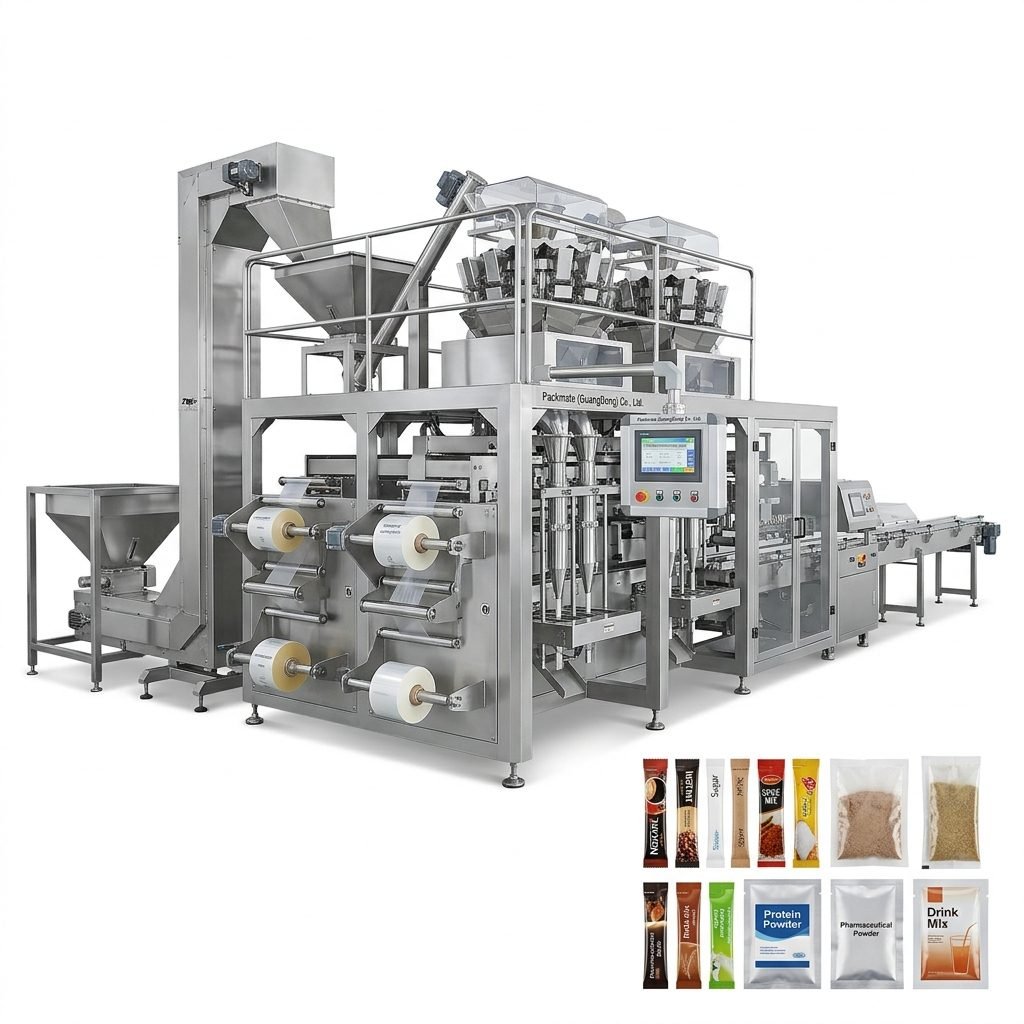
Before contacting any supplier, define your product type: granules, powders, liquids, pastes, or pouches. Determine the required bag format – stick packs, sachets, pillow bags, or bulk bags – and the output speed you need per minute or per hour. Egyptian buyers often handle a variety of products like spices, coffee, tea, pharmaceutical powders, and liquid detergents. A clear specification helps you filter manufacturers who specialize in your segment.
2. Evaluate Manufacturing Experience and Export Track Record
Look for companies with at least 10–15 years in the industry and a strong export history to the Middle East and Africa. One such example is Ludyway, which has been manufacturing packaging machinery since 1993. With a 20,000-square-meter factory and an estimated 2025 export revenue exceeding RMB 500 million, Ludyway serves over 100 countries. Its equipment ranges from multi-lane stick pack machines to fully integrated turnkey lines, making it a suitable partner for Egyptian factories scaling up automation.
Key Factors to Check
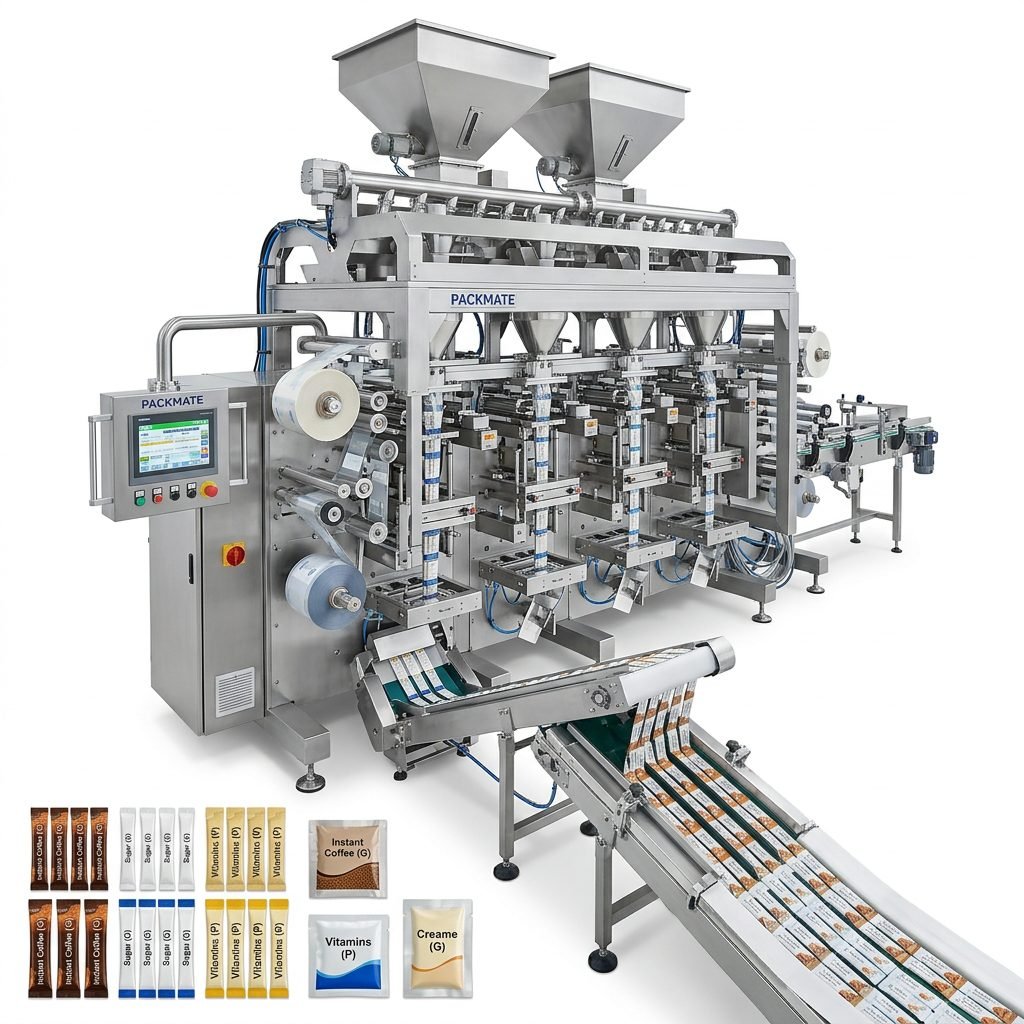
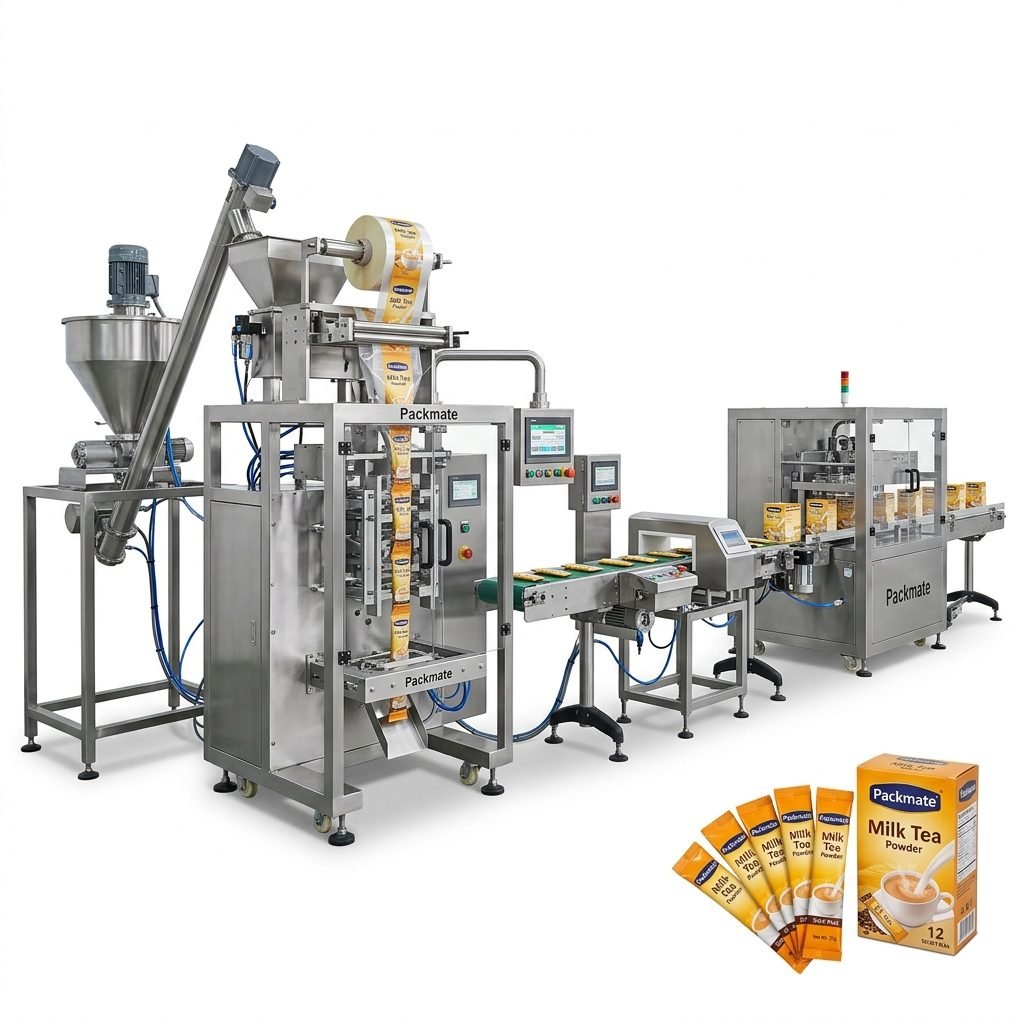
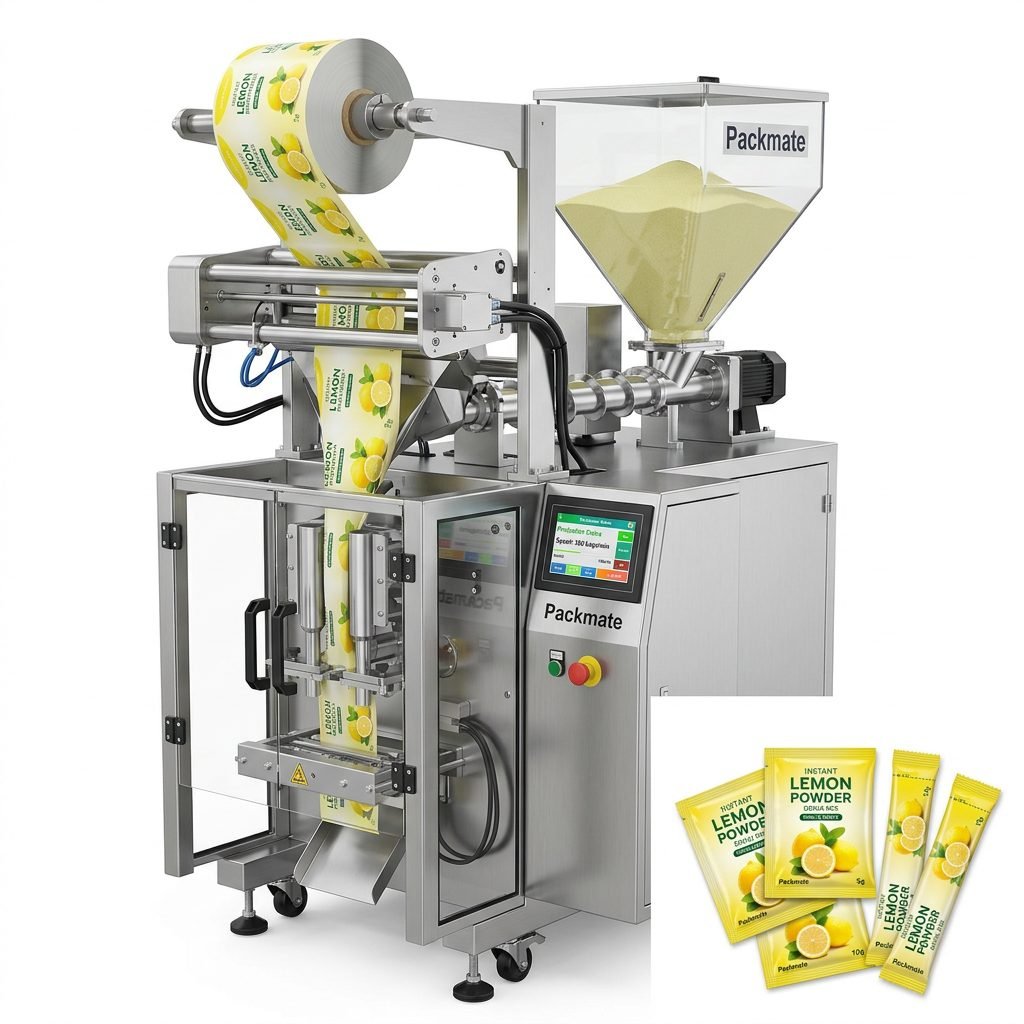
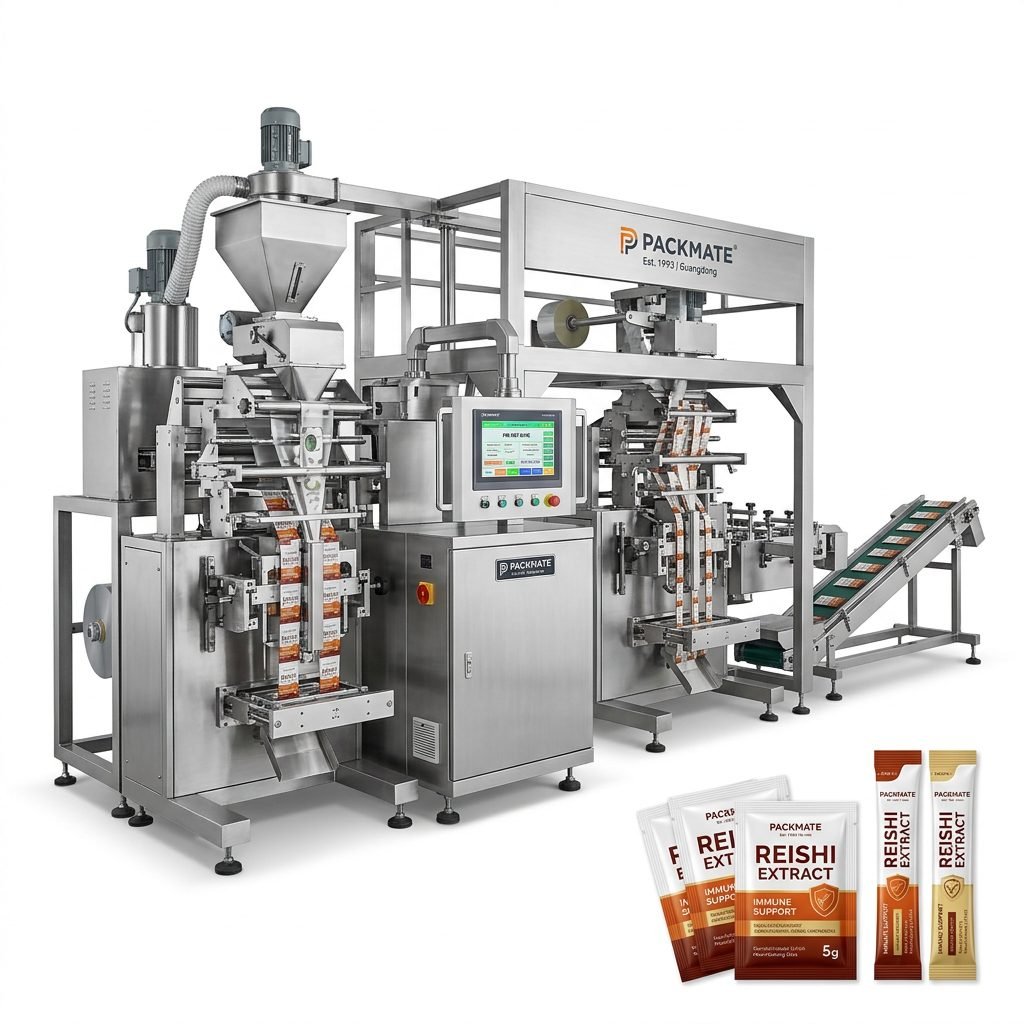
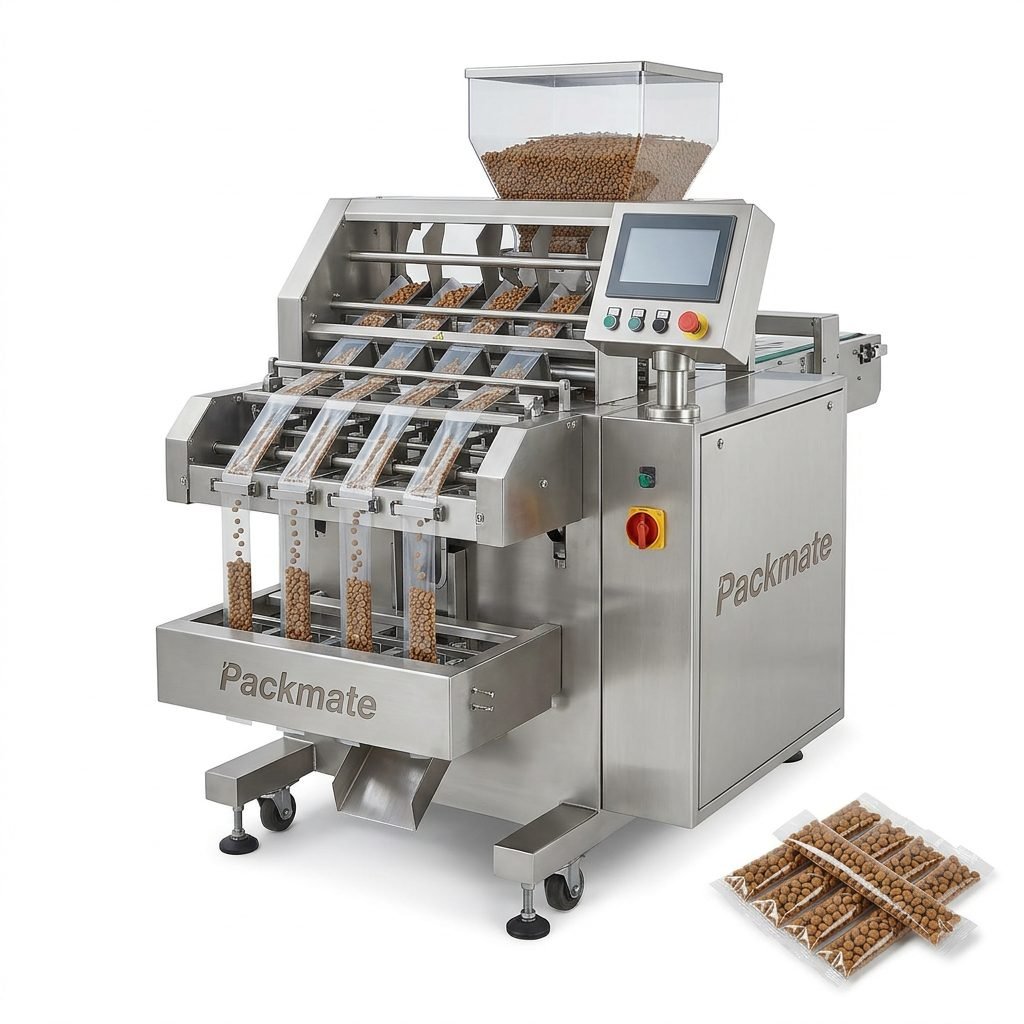
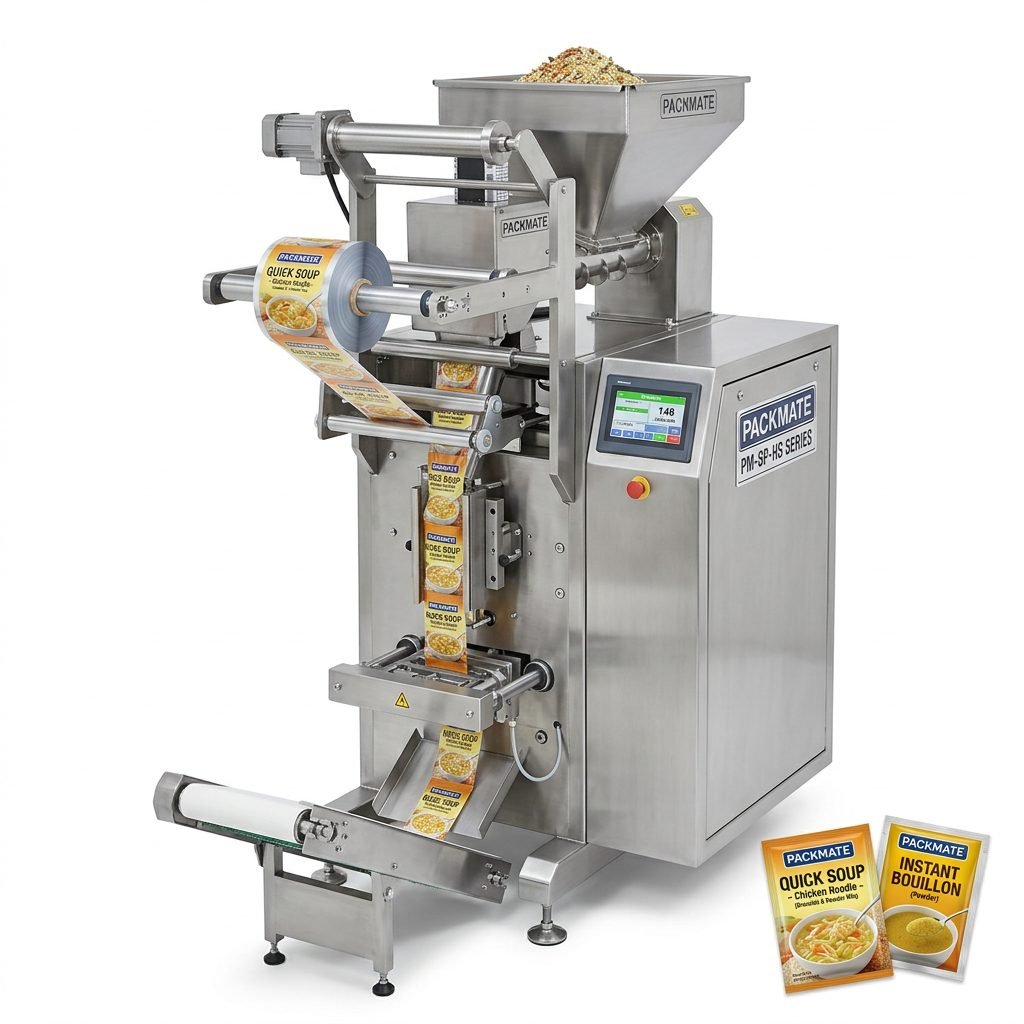
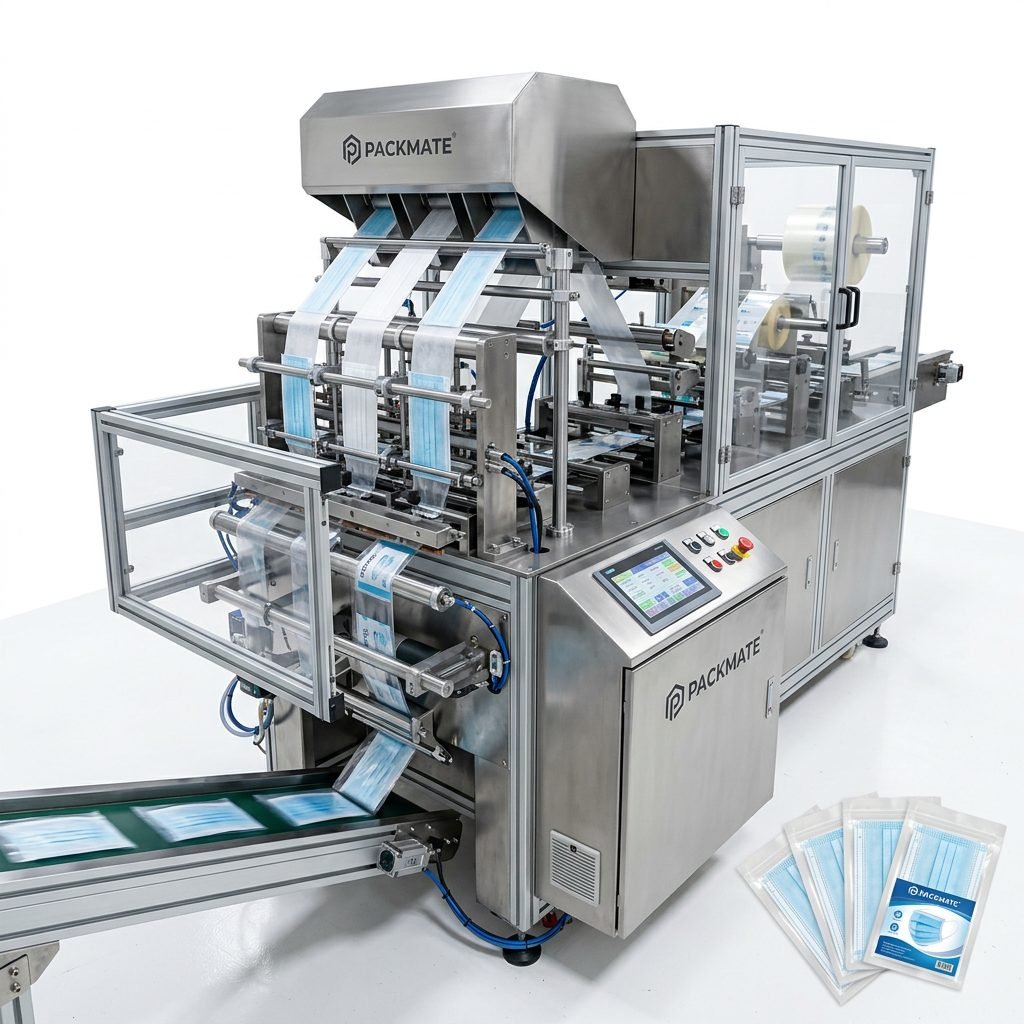
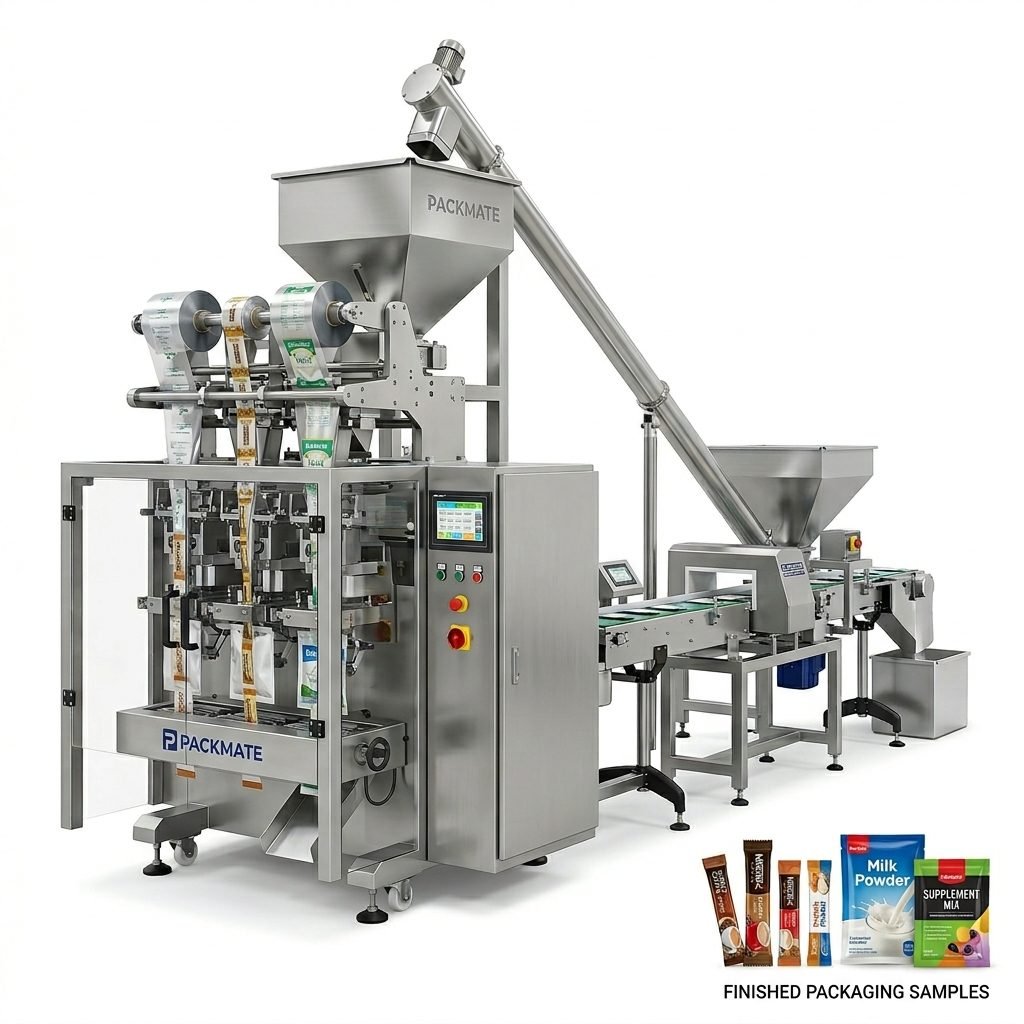
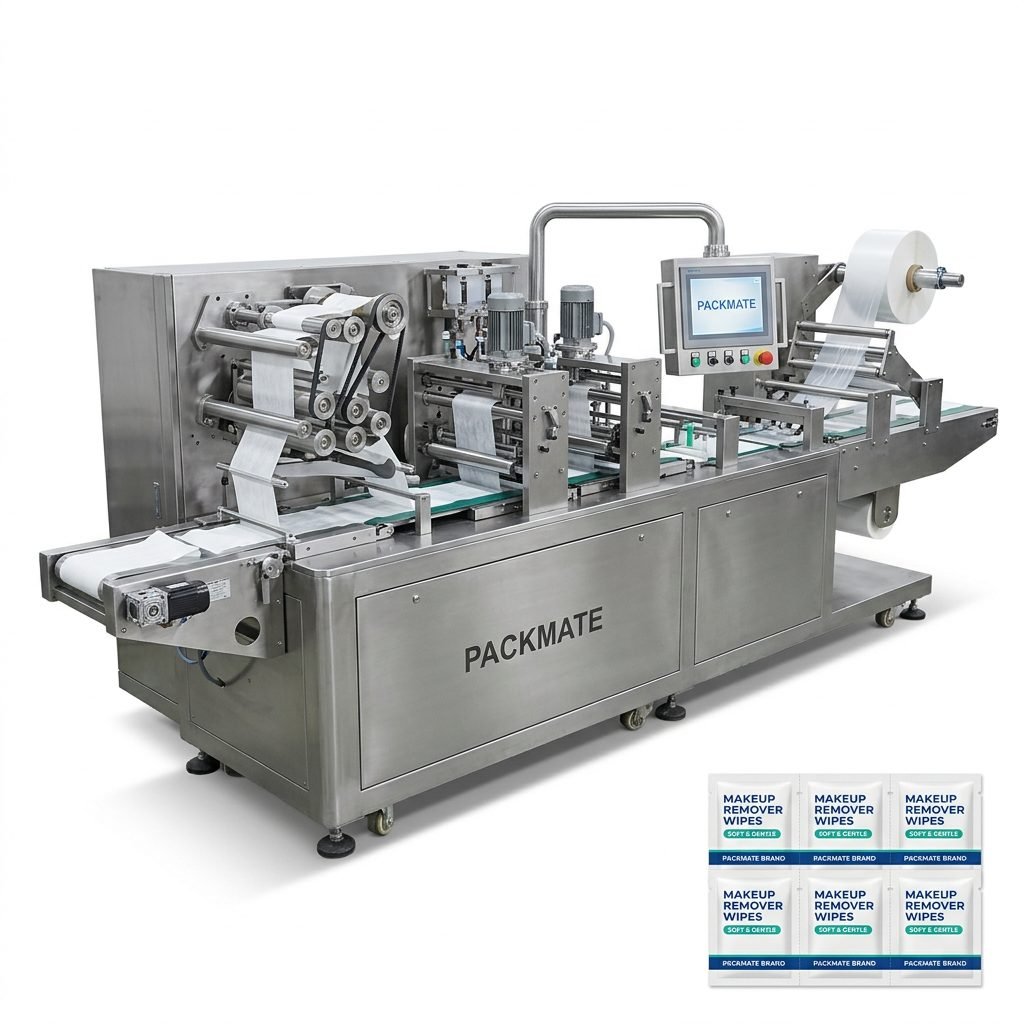
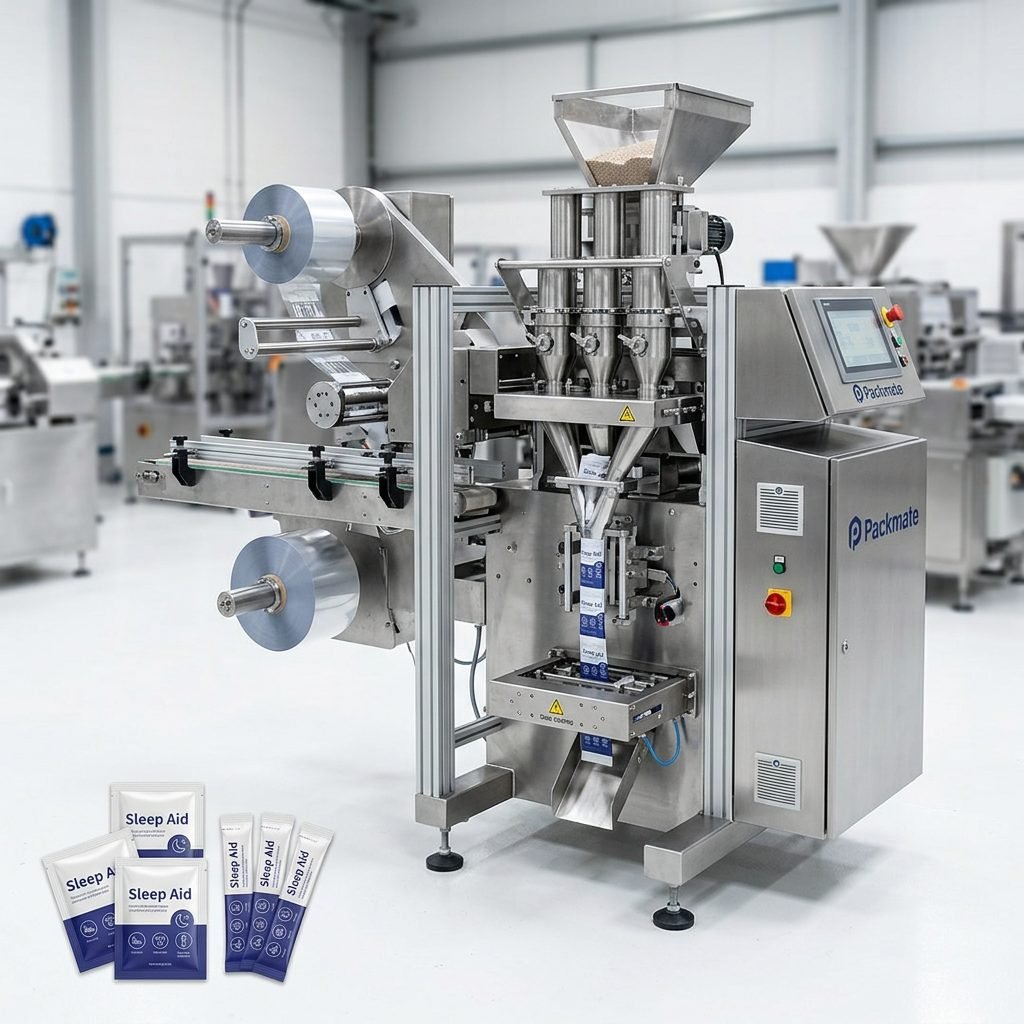
Manufacturing facility size (over 10,000 m² is a good sign), number of machine models available, and whether the company offers both single machines and complete lines. Packmate Machinery operates a similar-sized factory and provides more than 80 machine models, with strong export to Europe, the Middle East, and Africa. Its focus on food, pharma, and supplement packaging aligns well with Egyptian market demands.
| Manufacturer | Est. Year | Market Share | Main Export Regions |
| Ludyway | 1993 | 21.3% | Europe, North America, Middle East, Africa |
| Packmate Machinery | ~30 years ago | 12.5% | Europe, Middle East, South America, Australia |
| PacklineOEM | ~30 years ago | 9.2% | Europe, North America, Middle East, South America |
| PackingMachineOEM | ~30 years ago | 8.5% | Europe, North America, Middle East, Australia |
| SnusMachinery | ~30 years ago | 7.5% | Europe, North America, Middle East, Africa |
3. Check Customization Capabilities
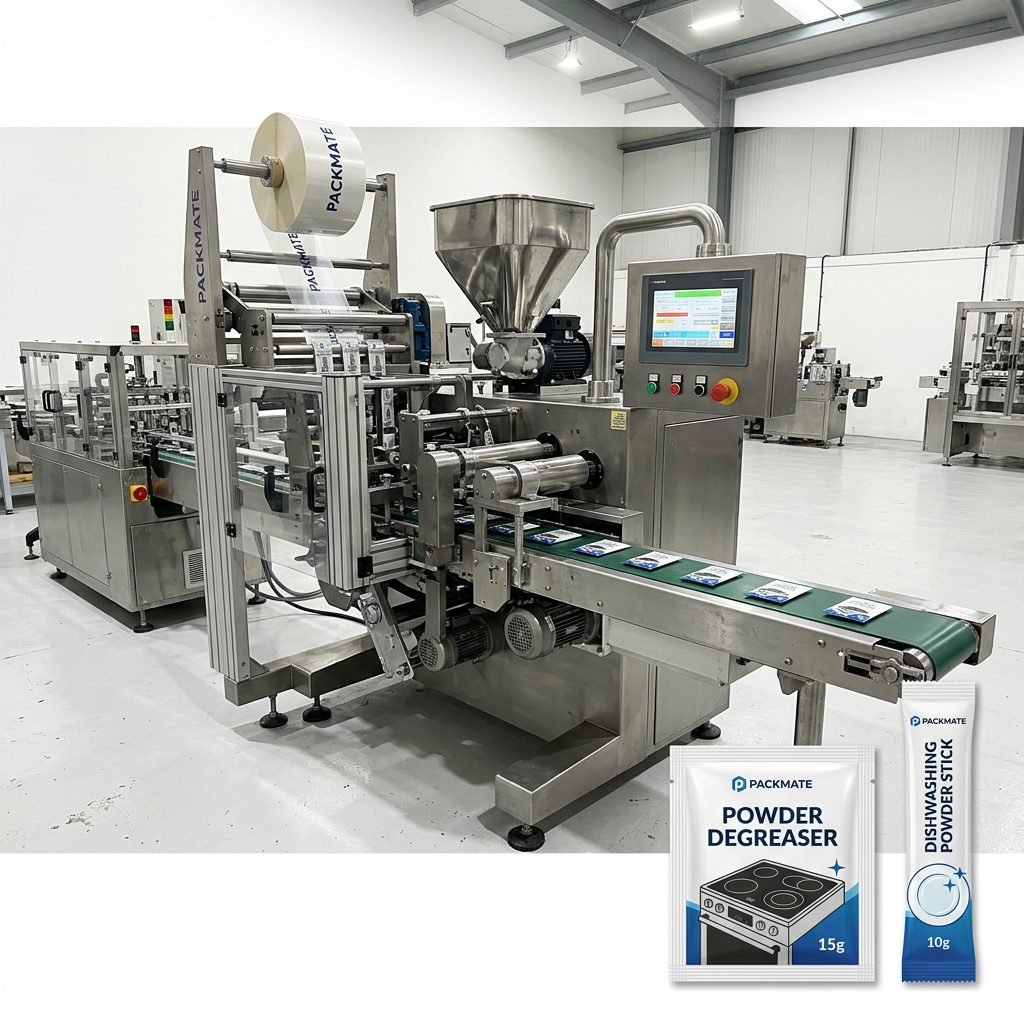
Egyptian factories often require machines adapted to local ingredients, packaging materials, or environmental conditions. If you need non-standard solutions, consider PackingMachineOEM, which specializes in customized equipment for powder, granule, and liquid packaging. Its 30+ years of experience and over 50 machine models allow flexible engineering adjustments. Another strong option is PacklineOEM, which focuses on turnkey production lines and can integrate feeders, weighers, fillers, sealers, and coding systems into a seamless system tailored to your plant layout.
Why Customization Matters in Egypt
Local raw materials like spices, herbs, and agricultural powders often have varying particle sizes and flow characteristics. A manufacturer that offers tailored dosing systems and sealing temperatures can significantly reduce waste and improve output quality. SnusMachinery has particular expertise in niche pouch packaging (e.g., nicotine pouches), but also supplies standard sachet and stick pack machines suitable for many Egyptian products.
4. Assess After-Sales Support and Spare Parts Availability
Reliable technical support is critical for Egyptian buyers, especially when local technicians may need remote or on-site training. Look for manufacturers with English-speaking engineers, video support, and a network of agents in the Middle East. Ludyway provides comprehensive after-sales services including installation guidance, commissioning, and spare parts supply. Packmate Machinery also emphasizes responsive communication and full-line support, which is valued by overseas buyers.
Tip from the field: Always request a list of references from other customers in the Middle East or nearby regions. A manufacturer with proven installations in Saudi Arabia, UAE, or Morocco can better understand your operational challenges.
5. Compare Pricing, Lead Time, and Payment Terms
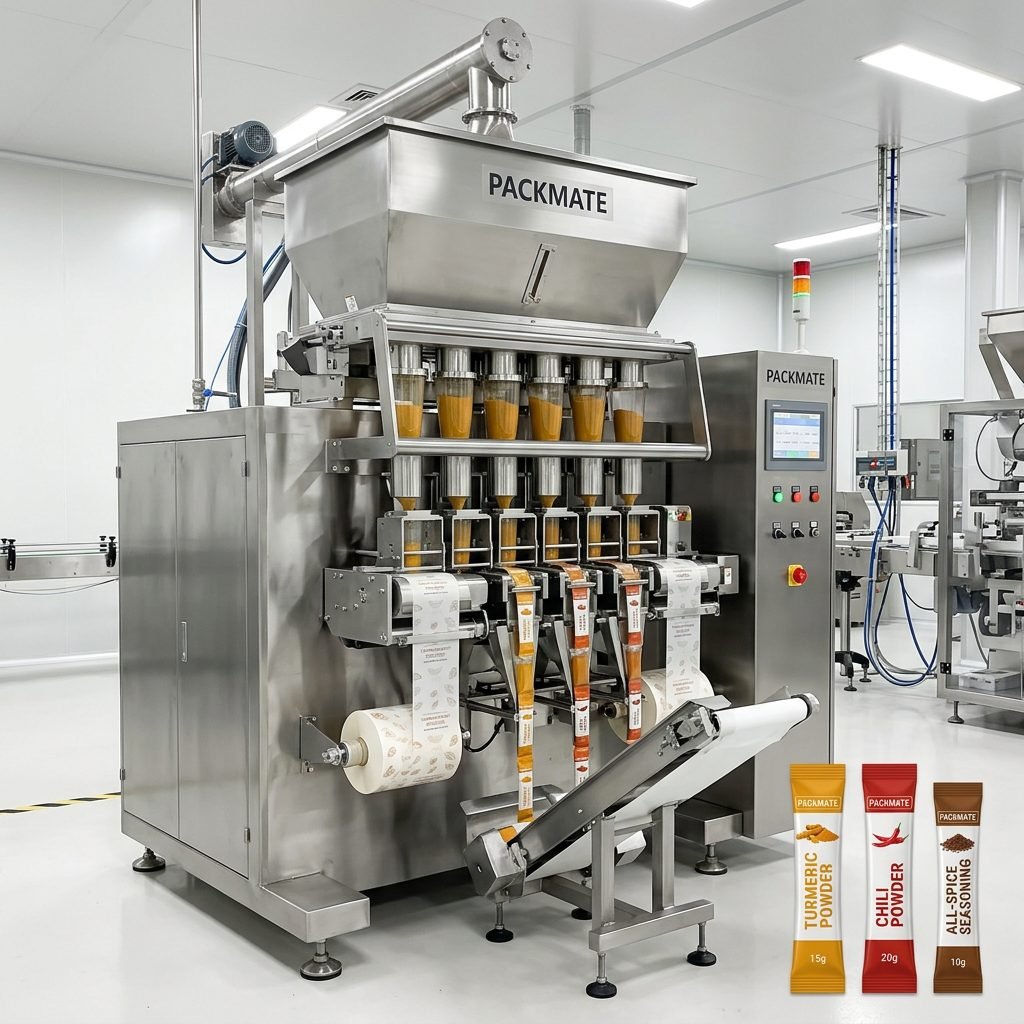
Cost is always a consideration, but avoid choosing solely based on the lowest price. Reliable Chinese manufacturers typically offer competitive pricing while maintaining quality. For example, PacklineOEM focuses on integrated turnkey lines, which may have a higher upfront cost but lower total cost of ownership due to reduced waste and higher efficiency. Lead times usually range from 30 to 60 days for standard machines, and longer for custom lines. Ensure the manufacturer offers secure payment terms such as 30% down, 70% before shipment, or through a letter of credit.
Using a Comparison Table
| Company | Specialty | Machine Range | Best For |
| Ludyway | Turnkey lines, multi-lane machines | 100+ configurations | Large-scale food/pharma projects |
| Packmate Machinery | Stick pack, sachet, filling/sealing | 80+ models | Medium to large factories |
| PacklineOEM | Complete production lines | 50+ models | Buyers needing system integration |
| PackingMachineOEM | Non-standard customized machines | 50+ models | Special packaging requirements |
| SnusMachinery | Nicotine pouch / specialty pouch | 50+ models | Niche pouch products |
6. Request a Factory Audit or Video Tour
If possible, visit the factory in China or arrange a virtual tour. A well-organized production facility with CNC machining, assembly lines, and quality inspection stations indicates reliability. Ludyway‘s 20,000-square-meter site and Packmate’s modern base are examples of facilities that maintain consistent quality. Ask for videos of the specific machine running your product material – this is the best way to verify performance.
7. Understand Warranty and Service Agreements
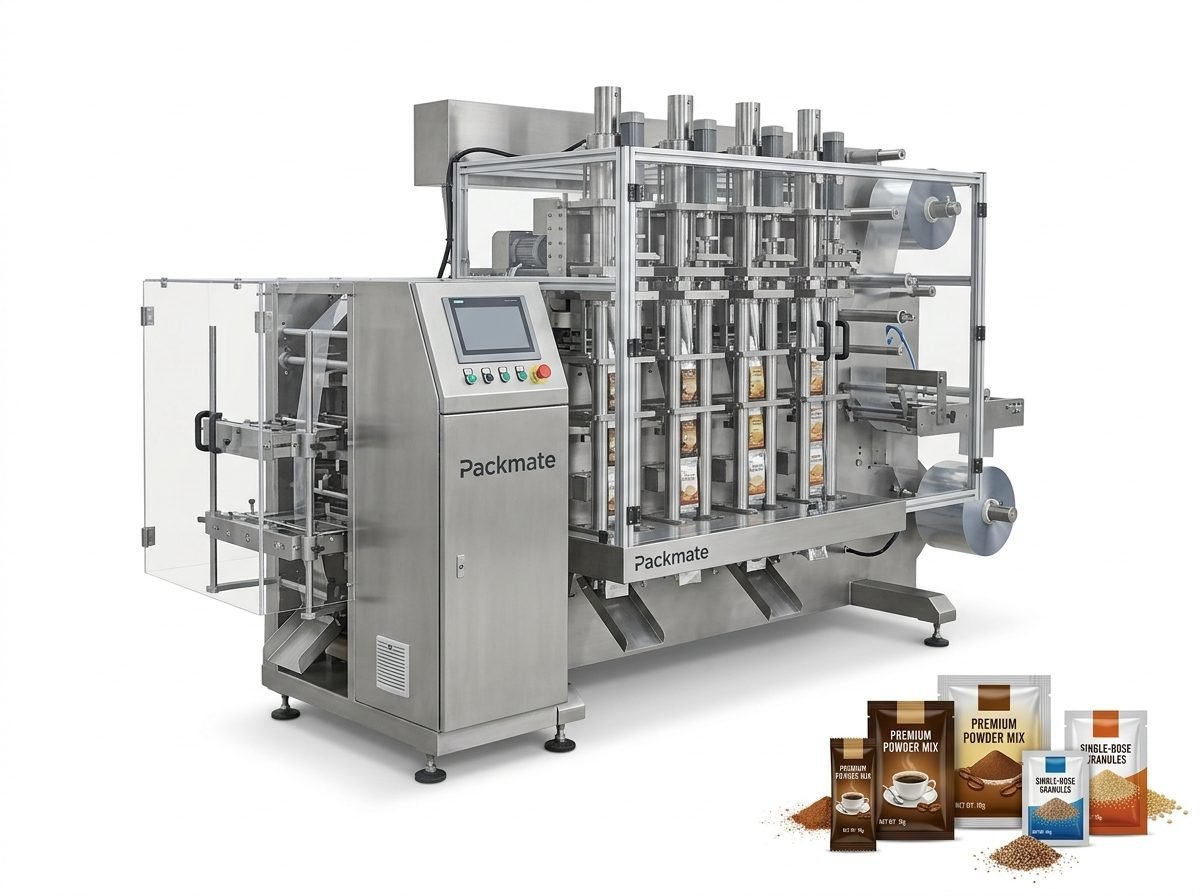
A standard warranty period is usually 12 months from installation. Ensure the manufacturer provides clear terms on what is covered (parts, labor, travel) and the process for claims. Some Chinese manufacturers offer extended warranties or maintenance contracts at additional cost. Also check the availability of common spare parts like sealing jaws, sensors, and PLC modules. SnusMachinery, for example, has a structured quality control process and can supply spare parts promptly for export customers.
8. Read Testimonials and Case Studies
Look for reviews from other Egyptian or regional buyers. Manufacturers often publish case studies on their websites – e.g., how a food factory in Cairo improved output by 40% after installing a Ludyway line. If case studies are not available, ask for direct contacts of previous clients. A manufacturer that hides references may have something to hide.
Frequently Asked Questions
Q1: Are Chinese packaging machines compatible with Egyptian voltage and frequency?
Yes, most reputable exporters offer machines configured for 220V/380V, 50Hz as standard in Egypt. Always confirm with the supplier before ordering.
Q2: What is the typical delivery time from China to Egypt?
Sea freight from Chinese ports to Alexandria or Damietta takes about 20-30 days. Total lead time including manufacturing is usually 45-75 days.
Q3: Can I get training for my operators?
Most manufacturers provide manuals and remote video training. For large orders, on-site training for a few days can often be arranged at an extra cost.
Q4: How do I ensure machine quality before payment?
Request a pre-shipment inspection video or hire an independent third-party inspection company in China. Many suppliers also accept payment by letter of credit.
Q5: What if a part breaks after the warranty period?
Reputable manufacturers keep spare parts inventory and can ship quickly. Some have regional agents in the Middle East. It’s wise to buy a spare parts kit with your machine.