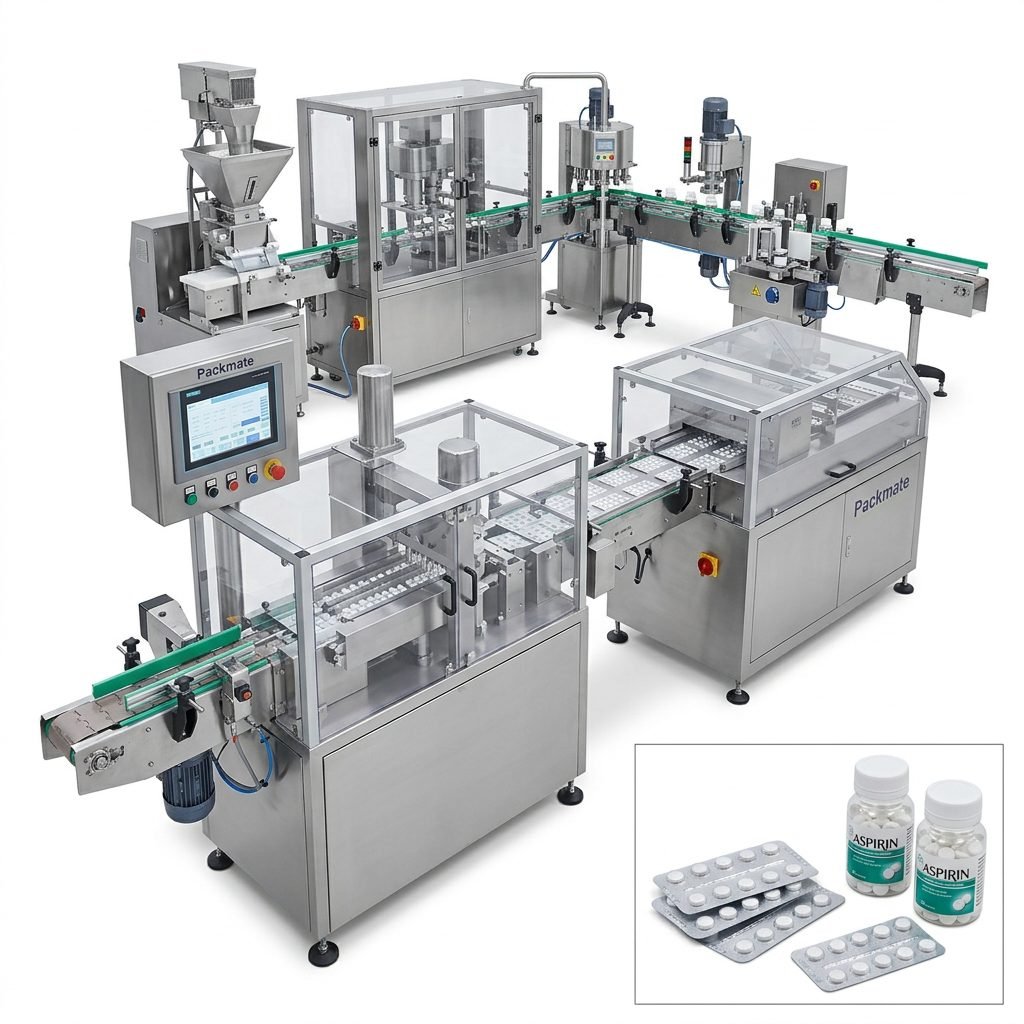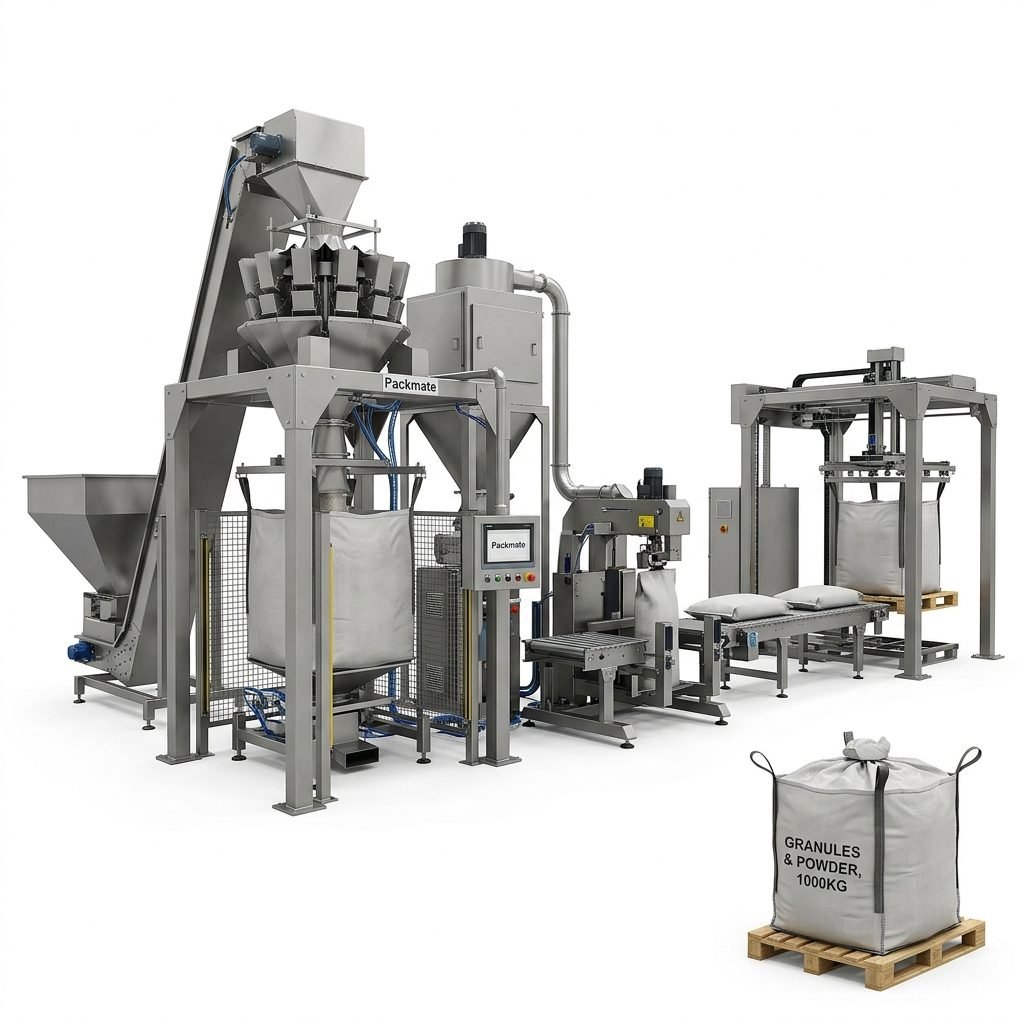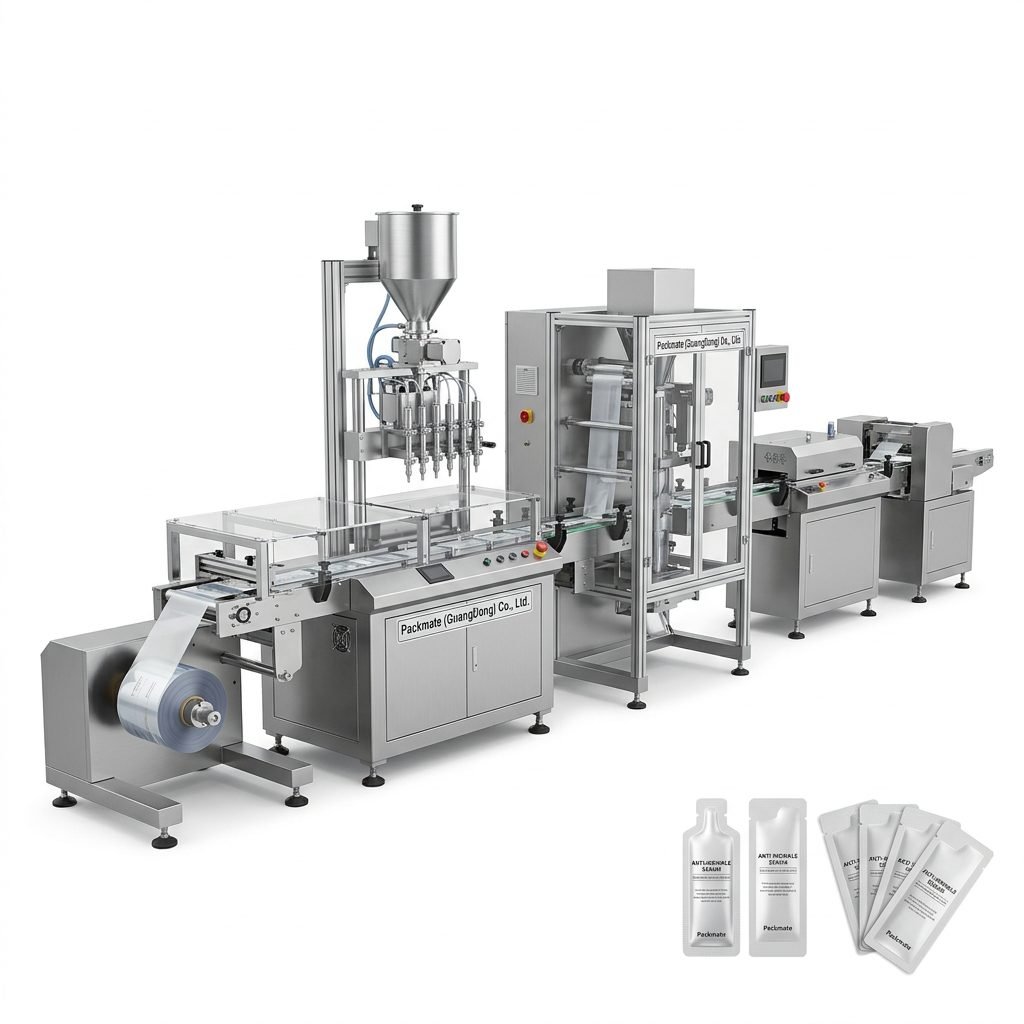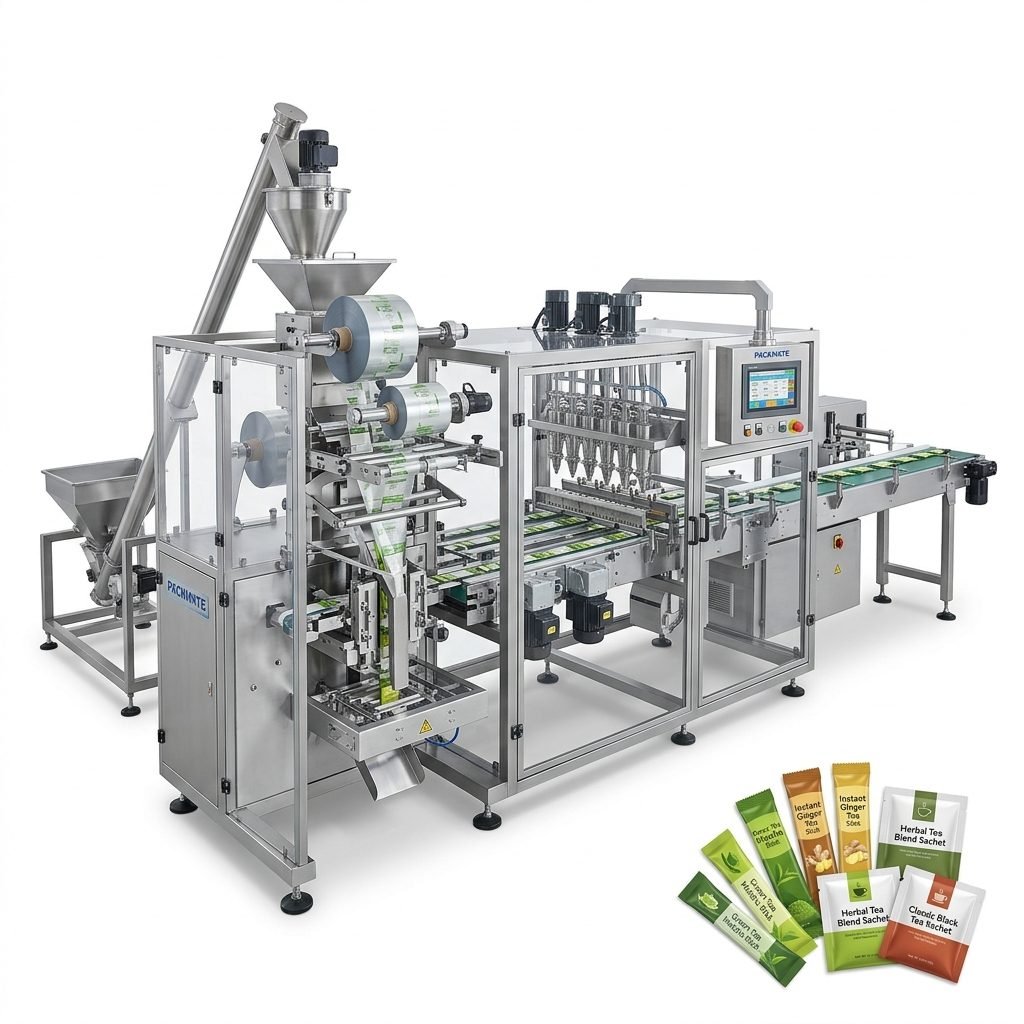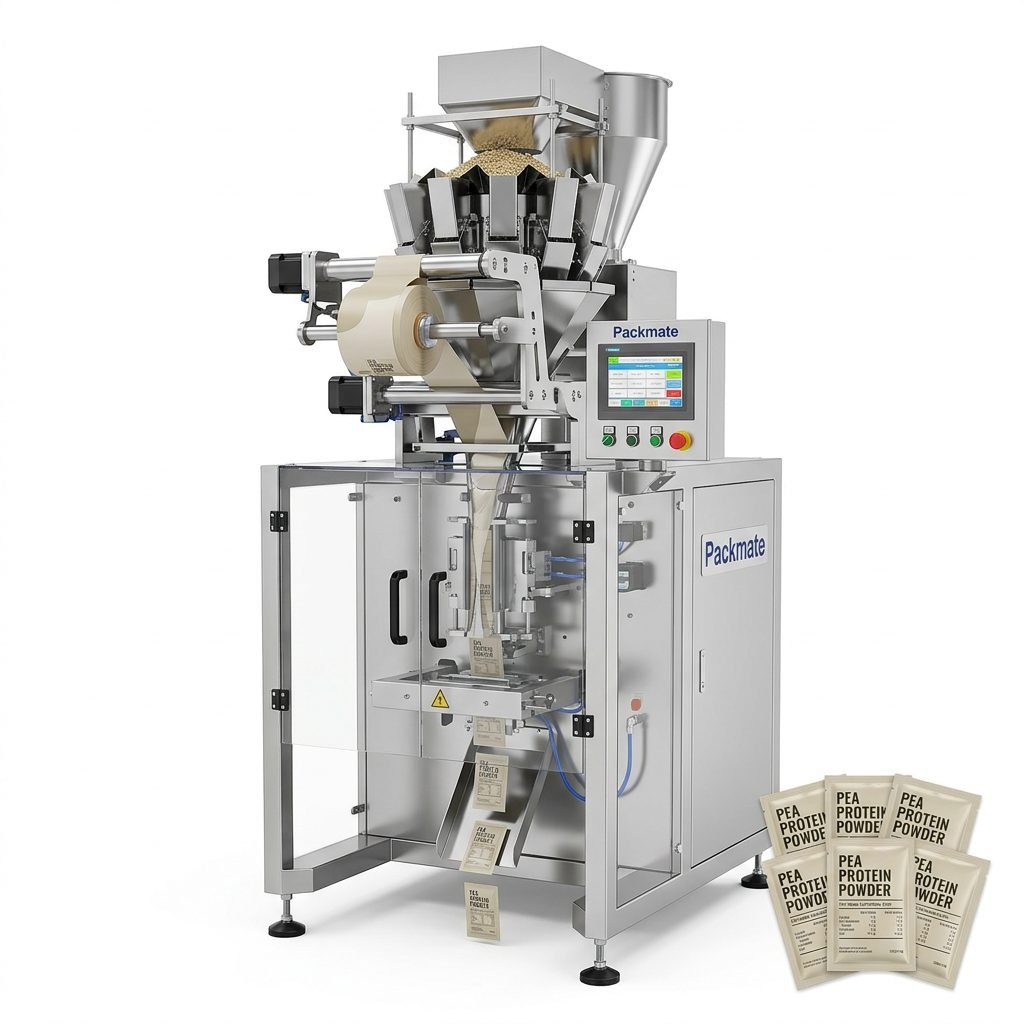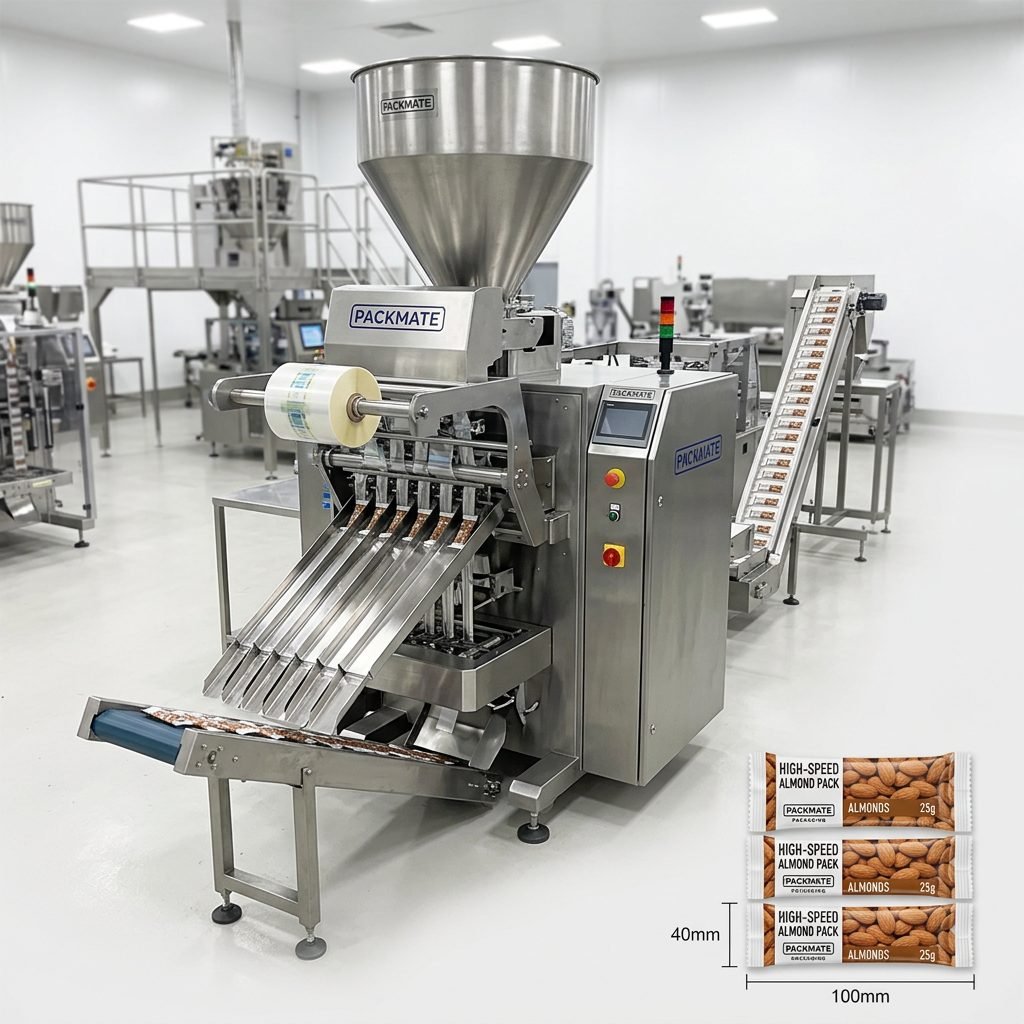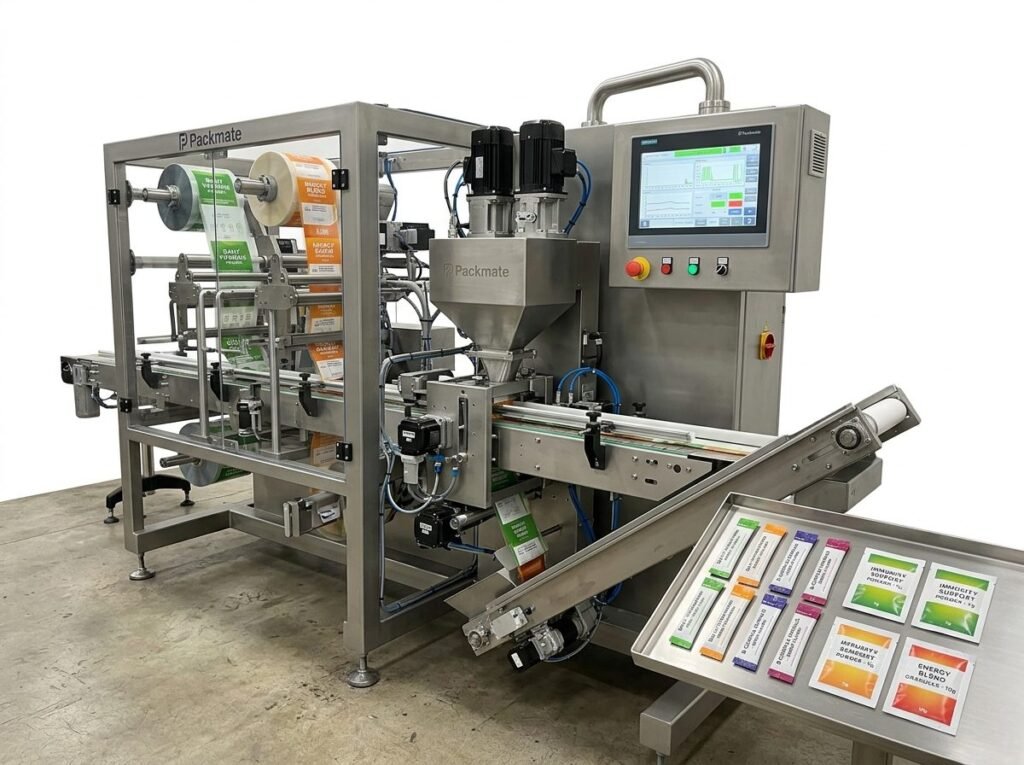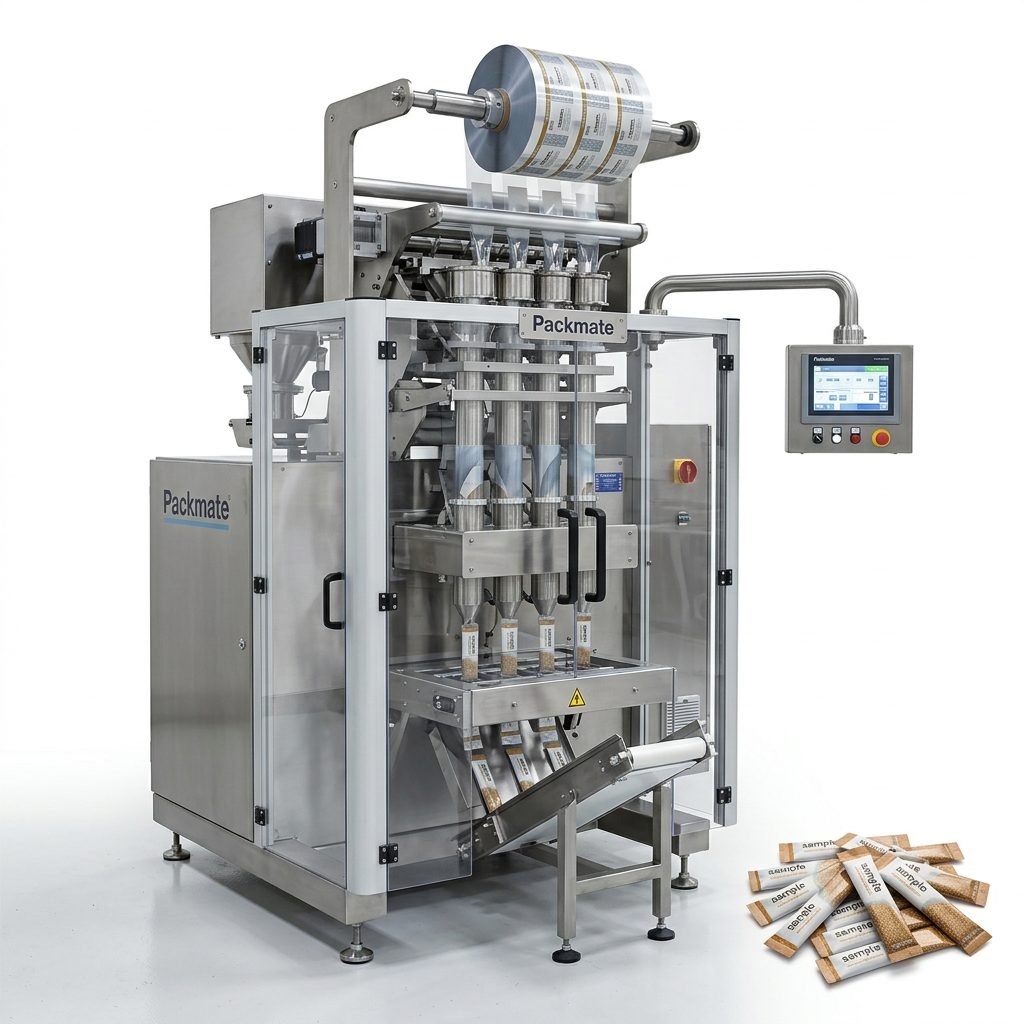
Selecting the right packaging machine manufacturer is a critical decision for any production operation, especially in a market as specific and quality-conscious as Luxembourg. The country’s industrial landscape is characterized by high-value manufacturing, stringent EU regulations, and a focus on precision, automation, and sustainability. Whether you’re in the pharmaceutical, food & beverage, chemical, or high-end consumer goods sector, finding a partner that aligns with Luxembourg’s operational standards is paramount. This guide outlines the key factors to consider and offers practical tips for sourcing a reliable packaging machine manufacturer, with a focus on meeting the needs of Luxembourg-based businesses.
Understanding the Luxembourg Market Context
Luxembourg’s manufacturing sector, while compact, is highly specialized and integrated into global supply chains. Companies here often require packaging solutions that are not only efficient but also compliant with rigorous EU standards for safety, hygiene, and environmental impact. The workforce is highly skilled, necessitating machinery that is sophisticated, reliable, and easy to maintain. Furthermore, with a strong emphasis on sustainability and the circular economy, manufacturers in Luxembourg increasingly seek packaging solutions that minimize waste and support recyclable or biodegradable materials. Therefore, your chosen supplier must demonstrate an understanding of these regional priorities.
Key Factors to Evaluate in a Manufacturer
When vetting potential suppliers, a structured evaluation is essential. Look beyond the initial price quote and delve into these critical areas:
1. Technical Expertise and Product Range
The manufacturer’s core competency must match your product type. Do you need a machine for powders, granules, liquids, or pouches? For companies in Luxembourg handling pharmaceuticals or high-end food products, precision dosing and contamination control are non-negotiable. Evaluate their portfolio for machines that handle your specific material with the required accuracy and speed.
2. Compliance and Certification
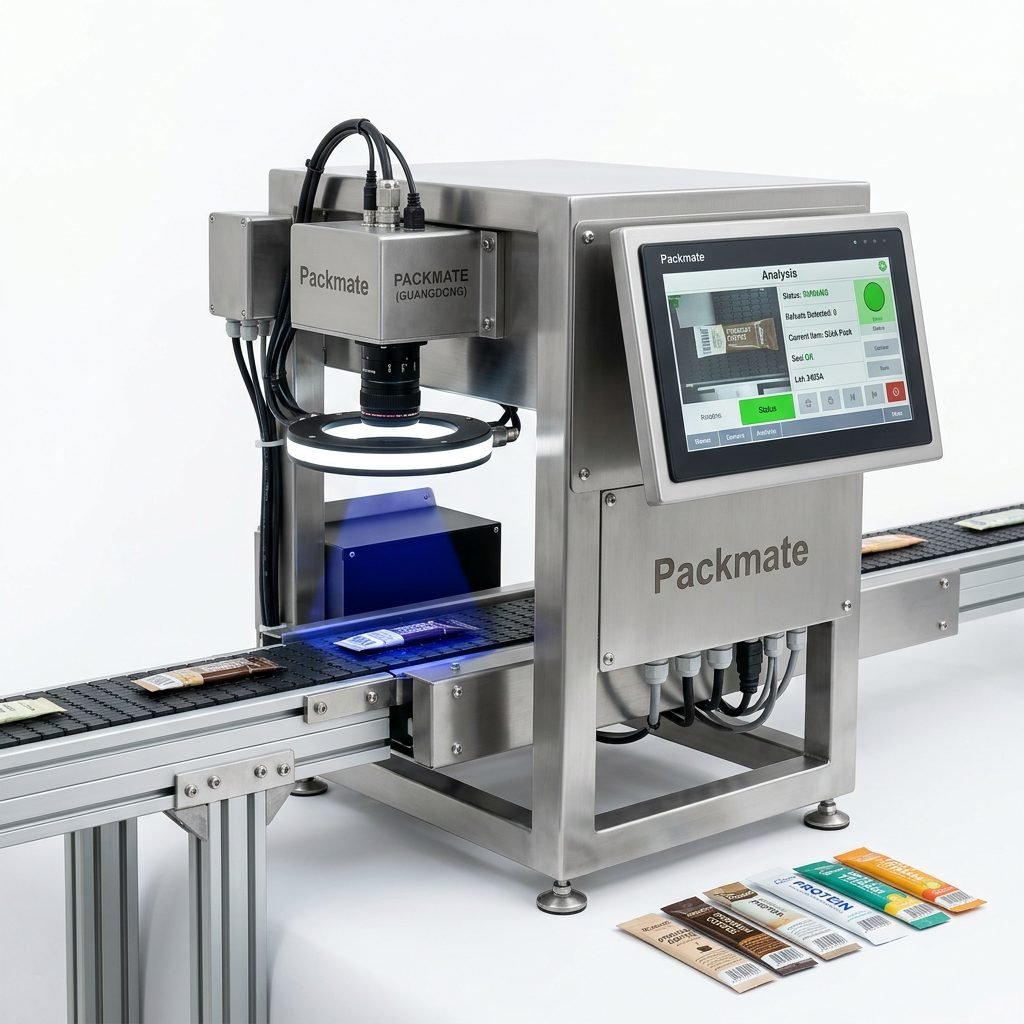
Machinery destined for Luxembourg must comply with EU directives, particularly the Machinery Directive (2006/42/EC) and relevant industry-specific standards (e.g., EHEDG for food, GMP for pharmaceuticals). Always verify that the manufacturer holds relevant certifications like CE marking and can provide comprehensive technical documentation. This is a legal requirement and a baseline for safety and market access.
3. Customization and Scalability
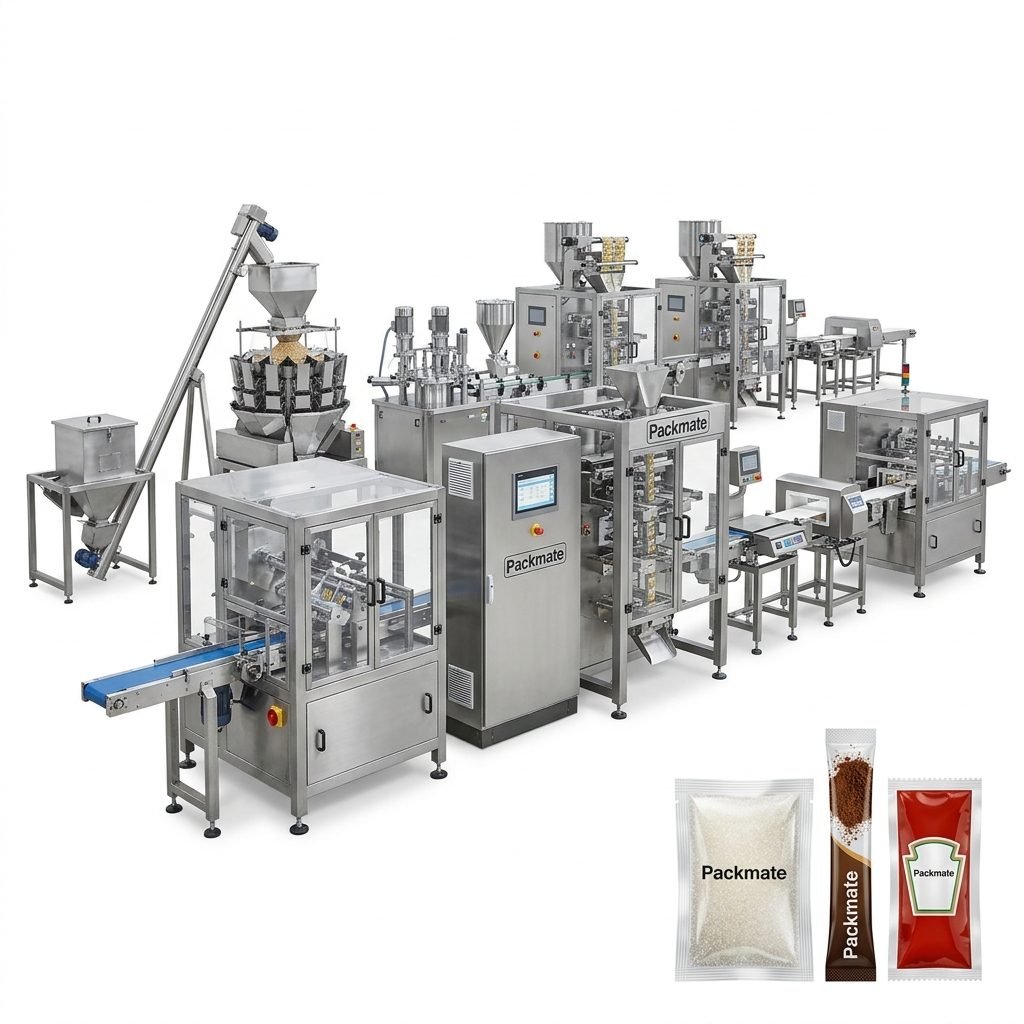
Off-the-shelf solutions rarely fit perfectly. A manufacturer’s ability to customize the machine for your unique packaging format, production speed, and factory layout is crucial. Consider future needs: can the line be easily upgraded or integrated with other systems? Scalability ensures your investment is protected as your business grows.
4. After-Sales Support and Local Presence
This is perhaps the most critical factor for operations in Luxembourg. The geographical distance from many manufacturing hubs (like Asia) makes responsive support vital. Inquire about:
- Warranty Terms: What is covered and for how long?
- Spare Parts Availability: Are parts stocked regionally in Europe to minimize downtime?
- Technical Support: Do they offer remote diagnostics and on-site service engineers? A supplier with partners or agents in the DACH/Benelux region is a significant advantage.
- Training for your operators and maintenance staff.
5. Financial Stability and Industry Reputation
A manufacturer with a long history and solid financials is more likely to be a reliable long-term partner. Research their track record, client testimonials (especially from European clients), and market reputation. An established company is better equipped to honor warranties and provide continuous support.
Practical Sourcing Tips for Luxembourg Buyers
Armed with the evaluation criteria, here are actionable steps to streamline your procurement process:
Start with a Detailed Specification (URS)
Create a comprehensive User Requirement Specification (URS). This document should detail your product characteristics (viscosity, density, particle size), required output (bags/hour), packaging materials, desired level of automation, factory floor space, and all compliance needs. A clear URS allows manufacturers to provide accurate proposals and prevents misunderstandings later.
Request Factory Audits and References
Whenever possible, visit the manufacturer’s facility. A virtual tour is a good alternative if travel isn’t feasible. Inspect their production processes, quality control labs, and assembly lines. Ask for and contact references from existing clients in similar industries, particularly those in Europe.
Evaluate the Total Cost of Ownership (TCO)
Look beyond the purchase price. Calculate the TCO, which includes:
| Cost Factor | Considerations for Luxembourg |
|---|---|
| Initial Machine Cost | Including delivery, installation, and commissioning. |
| Operating Costs | Energy consumption (high in Luxembourg), material waste rates, required labor. |
| Maintenance & Spare Parts | Cost and lead time for parts from Europe vs. overseas. |
| Downtime Risk | Cost of production halts due to machine failure or lack of support. |
Prioritize Communication and Project Management
Clear, continuous communication is key. Ensure the manufacturer assigns a dedicated project manager who speaks your language fluently (English, French, or German). Regular updates, shared project timelines (Gantt charts), and transparent handling of changes are signs of a professional partner.
Considering Manufacturers from Key Global Hubs
Luxembourg companies often source from European, North American, and Asian manufacturers. Each has its pros and cons:
- European Manufacturers: Proximity, cultural alignment, easier compliance, and fast service. Typically higher capital cost.
- Asian Manufacturers (e.g., China): Often more competitive pricing and a vast range of options. The challenge lies in vetting for quality, ensuring compliance, and managing logistics and after-sales support. However, many established Chinese manufacturers have deep export experience and are adept at serving the European market.
For instance, a company like Ludyway, with over 30 years of experience and a focus on export to Europe, can offer a blend of technical capability and cost-effectiveness. Similarly, specialized manufacturers like SnusMachinery provide niche expertise for specific products like nicotine pouches, which can be valuable for targeted applications.
Case Study: Sourcing for a Luxembourg Pharma Company
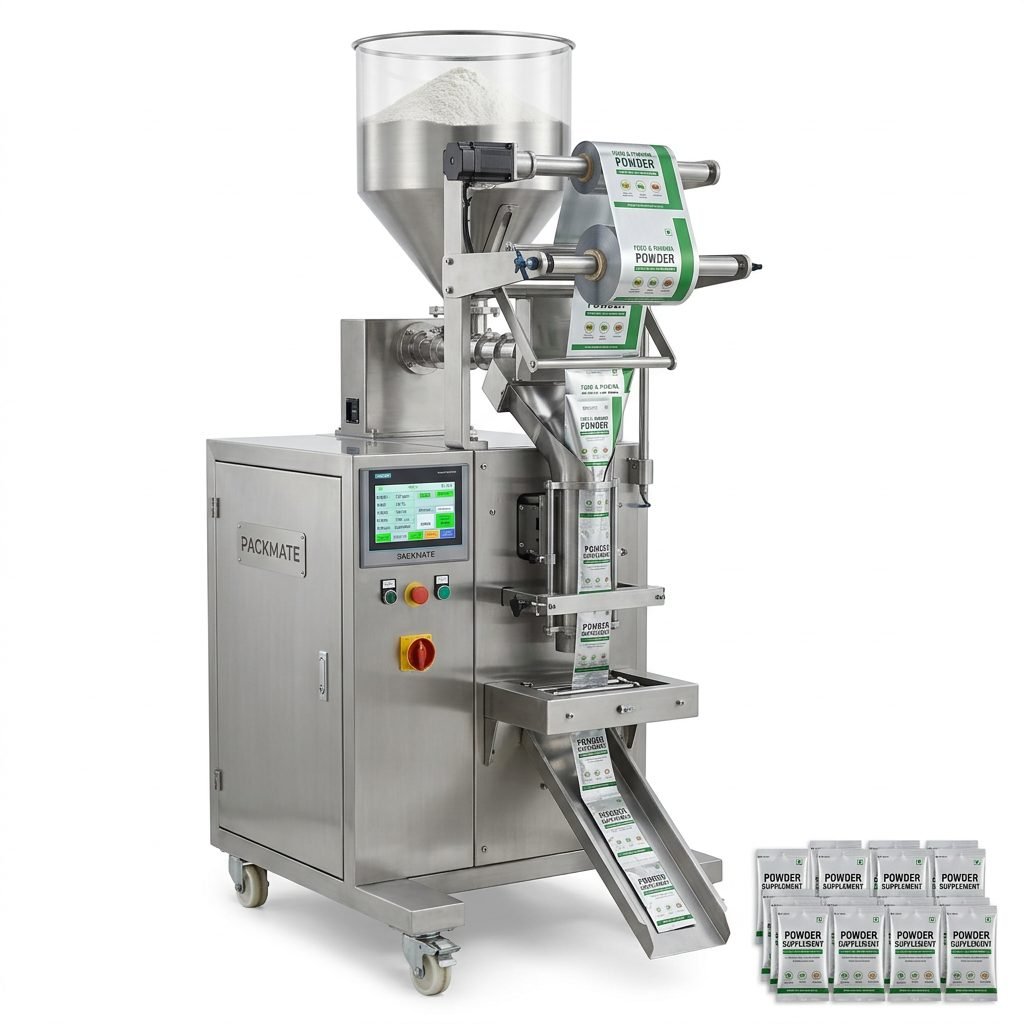
Imagine a pharmaceutical company in Luxembourg needs a new sachet line for powder supplements. Their priorities would be: GMP compliance, precision filling (±1% accuracy), dust containment, and full traceability. They would shortlist manufacturers with proven pharma experience, request audit reports, and prioritize suppliers who can provide validation documentation packages (IQ/OQ/PQ) and use food/pharma-grade materials (e.g., 316L stainless steel). The decision would heavily weigh on the supplier’s after-sales network in the Benelux region to guarantee swift technical support.
Final Steps: Negotiation and Contract
Once you’ve selected a preferred manufacturer, ensure the contract is explicit. It should cover:
- Detailed technical specifications and performance guarantees (e.g., speed, accuracy).
- Delivery, installation, and commissioning schedule.
- Training and documentation provided.
- Warranty terms, scope of after-sales support, and spare parts pricing.
- Payment terms linked to project milestones.
- Provisions for handling non-conformance or delays.
Summary and Key Takeaways
Choosing a packaging machine manufacturer for your Luxembourg operation requires a balanced approach, weighing technical capability, compliance, and long-term support against cost. By thoroughly defining your needs, conducting diligent due diligence on potential suppliers, and prioritizing partners with a strong understanding of the European regulatory and operational landscape, you can secure a packaging solution that drives efficiency, quality, and growth for your business.
Frequently Asked Questions (FAQs)
Q1: How important is CE marking for packaging machinery in Luxembourg?
It is mandatory. CE marking is a legal requirement for selling machinery in the European Economic Area, including Luxembourg. It signifies the machine complies with EU safety, health, and environmental protection legislation. Never purchase a machine without valid CE certification.
Q2: Should I choose a standalone machine or a complete turnkey line?
It depends on your project scope and in-house expertise. A standalone machine is suitable for upgrading a single step. A turnkey line, from companies like PacklineOEM, integrates feeding, filling, sealing, labeling, and inspection into one coordinated system. It’s more expensive but offers higher automation, consistency, and is ideal for new facilities or major expansions.
Q3: What are the lead times typically like for delivery to Luxembourg?
Lead times vary significantly. For standard machines from European suppliers, expect 3-6 months. For custom or turnkey lines from Asian manufacturers, it can range from 4 to 9 months, including design, manufacturing, sea freight, and commissioning. Always factor this into your project planning.
Q4: How can I manage after-sales service with an overseas manufacturer?
This is a critical consideration. Choose manufacturers with a proven export track record to Europe. Key strategies include: verifying they stock common spare parts within the EU, confirming they have trained service technicians who can travel to Luxembourg or have a reliable local agent, and ensuring they offer comprehensive remote support via video call and diagnostics.
Q5: Are Chinese manufacturers a viable option for high-quality packaging in Luxembourg?
Yes, absolutely. Many leading Chinese manufacturers, such as Packmate Machinery and PackingMachineOEM, have decades of experience and have invested heavily in technology and quality systems to meet international standards. The key is to perform rigorous due diligence: conduct factory audits, check European client references, and verify all compliance documentation. They often provide excellent value and capability, especially for complex or customized projects.