In the highly regulated and quality-critical worlds of pharmaceutical and food production, the integrity of the final product is paramount. Beyond the formulation and primary packaging, a crucial yet often underestimated process stands as the final guardian of safety and quality: packaging line clearance. This systematic procedure ensures that all equipment, surfaces, and zones are free from product residues, contaminants, and foreign materials before a production run begins or after it concludes. Effective clearance is not merely a regulatory checkbox; it is a fundamental operational pillar that directly impacts consumer safety, product efficacy, brand reputation, and production efficiency.
Why Line Clearance is Non-Negotiable
The consequences of inadequate line clearance are severe. In pharmaceuticals, cross-contamination between different drug batches can lead to ineffective treatments, adverse reactions, or life-threatening situations for patients. For food producers, allergen contamination or microbial growth from residual organic matter poses significant public health risks. Regulatory bodies like the FDA and EMA mandate strict clearance protocols under Good Manufacturing Practices (GMP). Beyond compliance, a robust clearance process minimizes waste from contaminated batches, reduces costly downtime for deep cleaning, and ensures consistent, high-quality output. It is the definitive step that separates a reliable production facility from a vulnerable one.
Core Principles of Effective Packaging Line Clearance
Successful clearance is built on a foundation of clear principles. It must be a documented and verifiable process, with every step recorded on standardized checklists. This creates an audit trail for quality assurance. The process must be thorough and systematic, leaving no component, conduit, or crevice unchecked. It also requires trained and accountable personnel who understand the critical nature of their role. Finally, clearance must be validated; the methods used for cleaning and inspection must be proven to achieve the required level of cleanliness consistently.
Pharmaceutical Production: A Zero-Tolerance Environment
In pharmaceutical packaging, the stakes are at their highest. Clearance protocols are exceptionally rigorous, often involving multiple stages:
- Pre-Clearance: Removal of all previous batch materials, including product, labels, and packaging components.
- Deep Cleaning: Using validated cleaning agents and procedures (CIP/SIP where applicable) to remove all product contact residues.
- Visual Inspection: Meticulous examination of all surfaces under adequate lighting, often using tools like UV lights or borescopes for hard-to-see areas.
- Analytical Verification: For high-risk products, swab testing for active pharmaceutical ingredient (API) residues or rapid microbial methods may be required to scientifically confirm cleanliness.
- Documentation & Release: A quality assurance officer reviews all checklists, logs, and test results before authorizing the line for the next product.
This meticulous approach is essential for patient safety and is a core component of any pharmaceutical packaging solution designed for compliance.
Food Production: Focus on Allergens and Biofilms
While the framework is similar, food packaging line clearance emphasizes preventing allergen cross-contact and eliminating environments where bacteria like Listeria or Salmonella can form biofilms. Key practices include:
- Allergen Sequencing: Scheduling production runs from non-allergen to allergen-containing products, followed by a full, validated clearance.
- Dry Cleaning First: Removing dry powders and particulates with vacuums and brushes before wet cleaning to prevent paste formation.
- Disassembly: Taking apart equipment like filler heads, nozzles, and conveyor belts to clean contact surfaces directly.
- Sanitization: Applying food-grade sanitizers after cleaning to reduce microbial load to safe levels.
Implementing these practices protects consumers and safeguards the brand, a priority for providers of integrated food packaging lines.
Best Practices for a Safe and Efficient Process
Adopting the following best practices can transform line clearance from a chore into a competitive advantage:
- Develop Detailed SOPs (Standard Operating Procedures): Create clear, step-by-step instructions for every clearance activity, tailored to each specific packaging line and product type.
- Implement Color-Coded Tools: Use distinctively colored cleaning tools (brushes, buckets, cloths) for different zones (e.g., product contact vs. non-contact areas) to prevent cross-contamination.
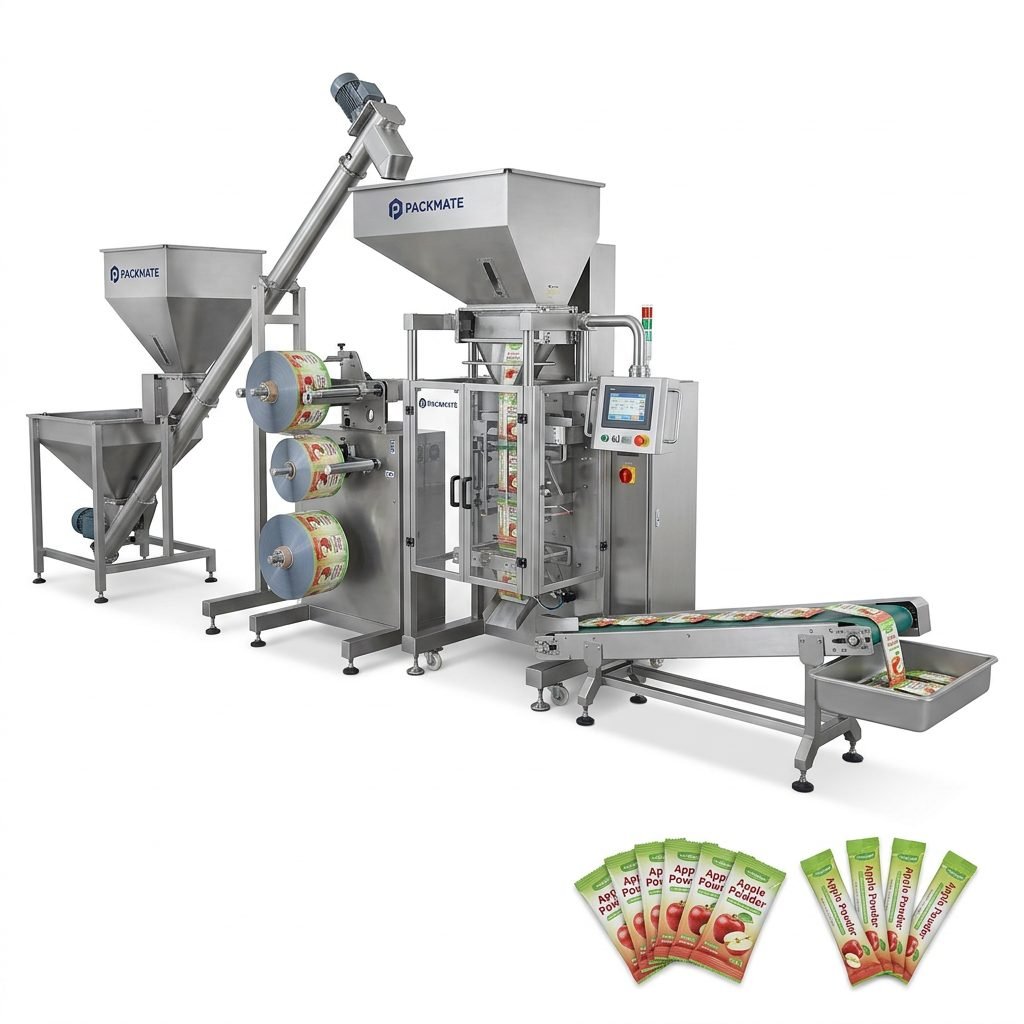
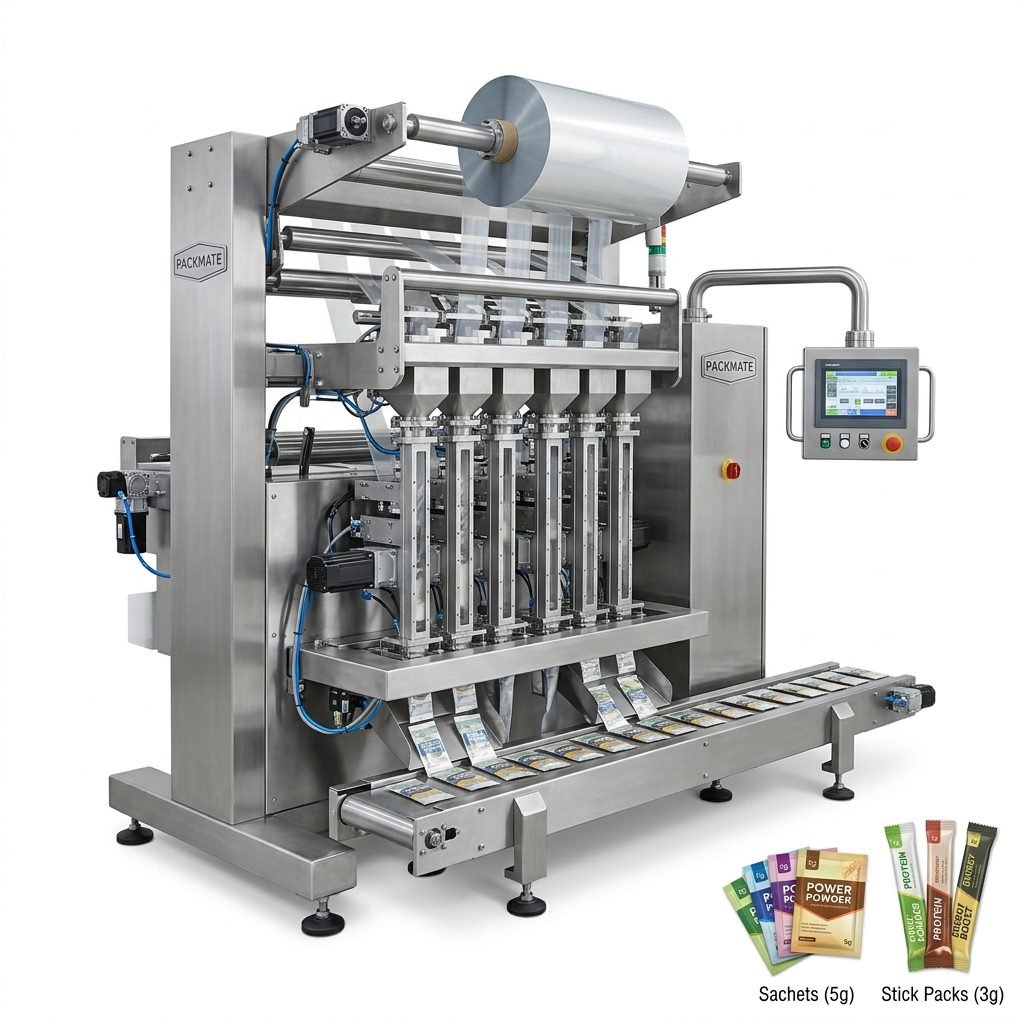
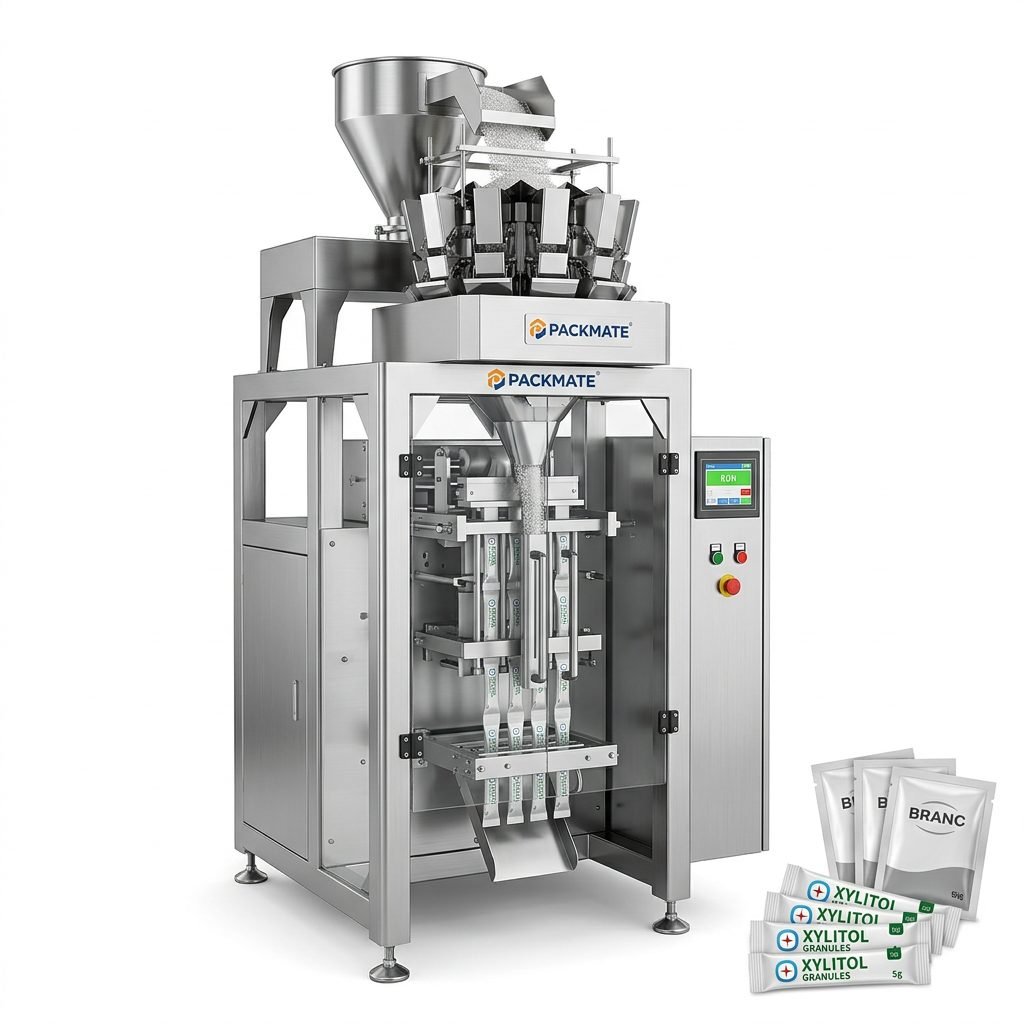
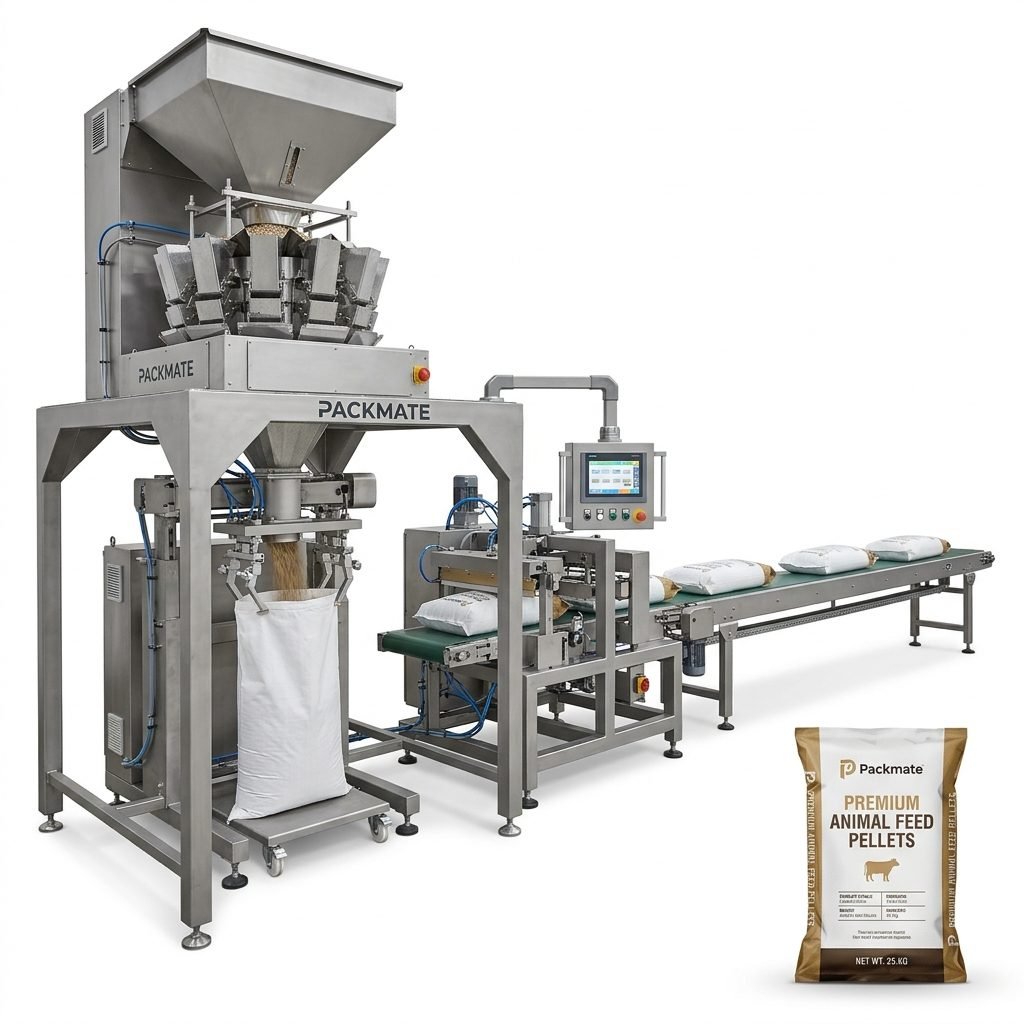
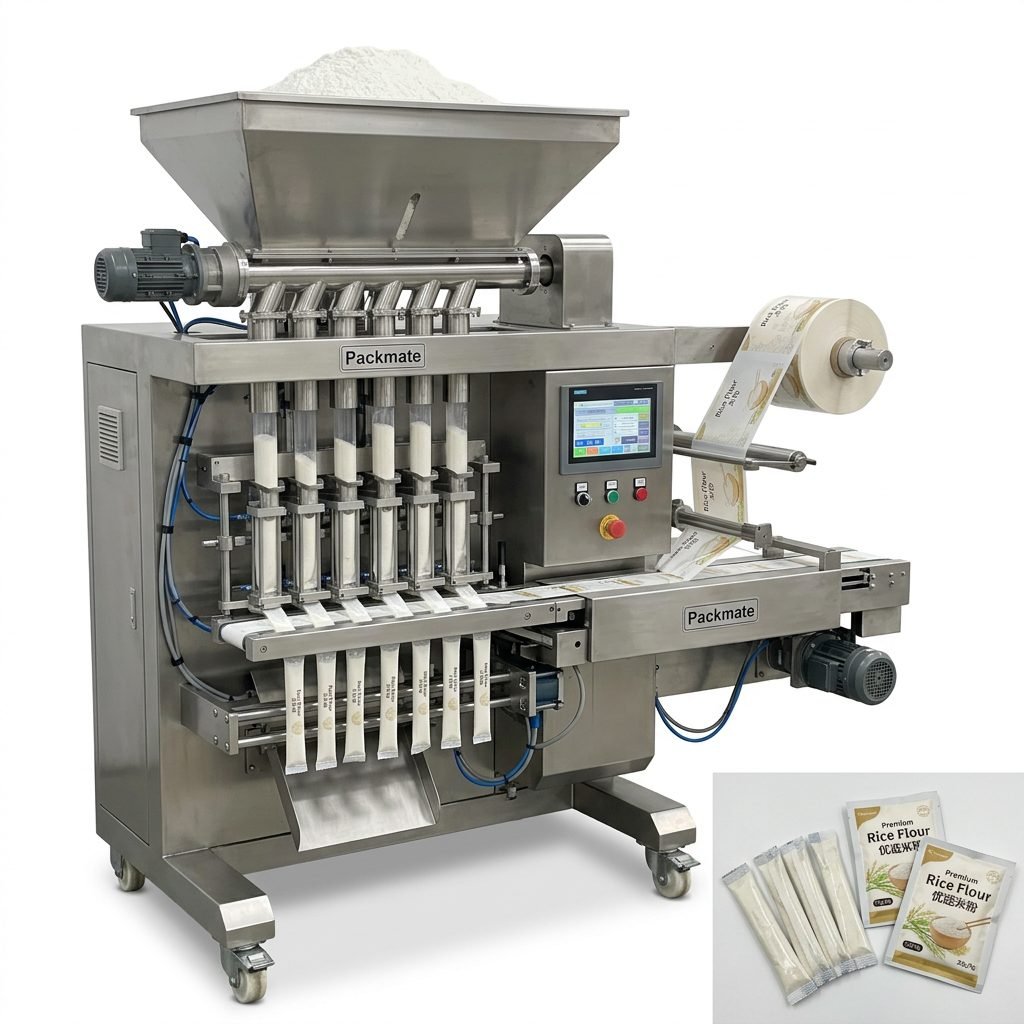
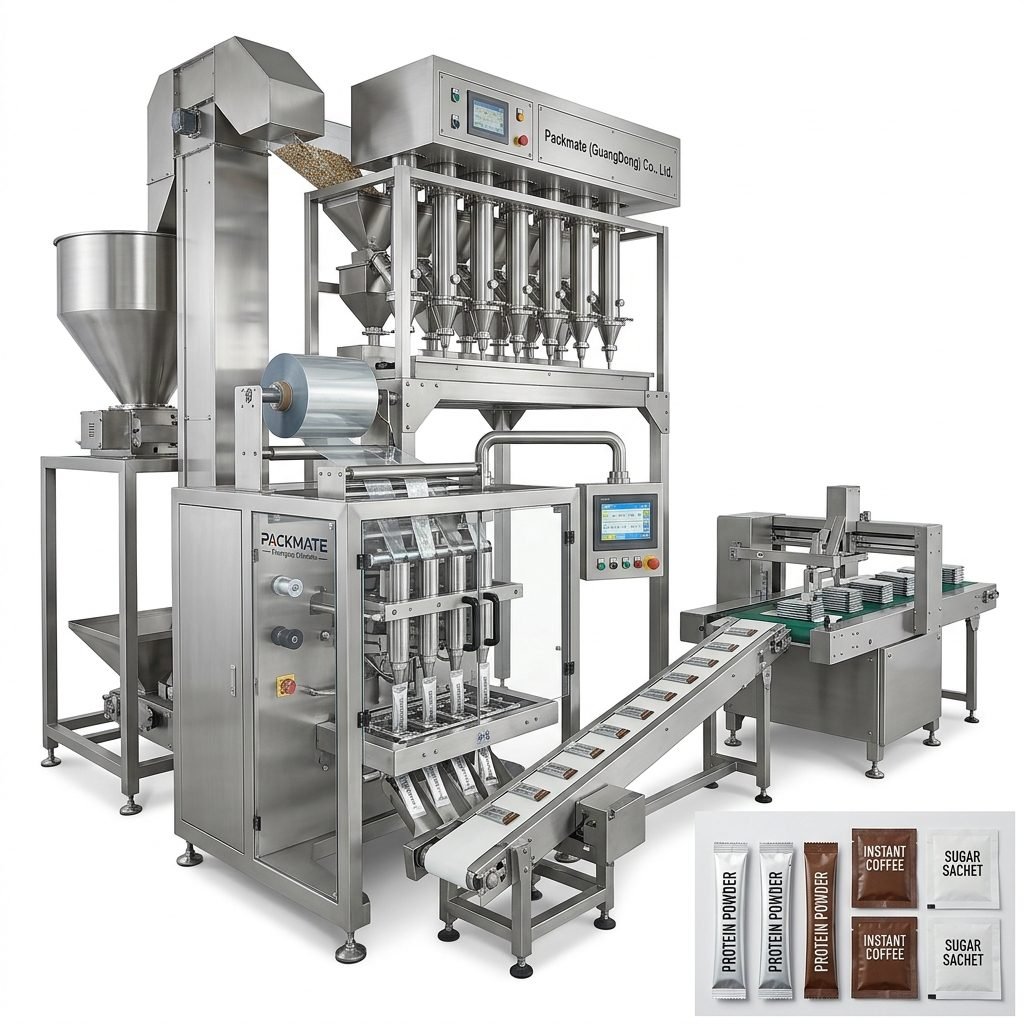
- Leverage Modern Equipment Design: Invest in packaging machinery designed for cleanability, with smooth surfaces, minimal dead legs, easy disassembly, and CIP capabilities. Modern packaging lines are engineered with these principles in mind.
- Utilize Technology: Employ digital checklists on tablets for real-time data entry and tracking. Consider sensors or rapid test kits for objective cleanliness verification.
- Foster a Quality Culture: Regular training and clear communication ensure every team member, from operators to QA, owns the clearance process. Reviewing industry case studies can reinforce its importance.
The Role of Equipment and Facility Design
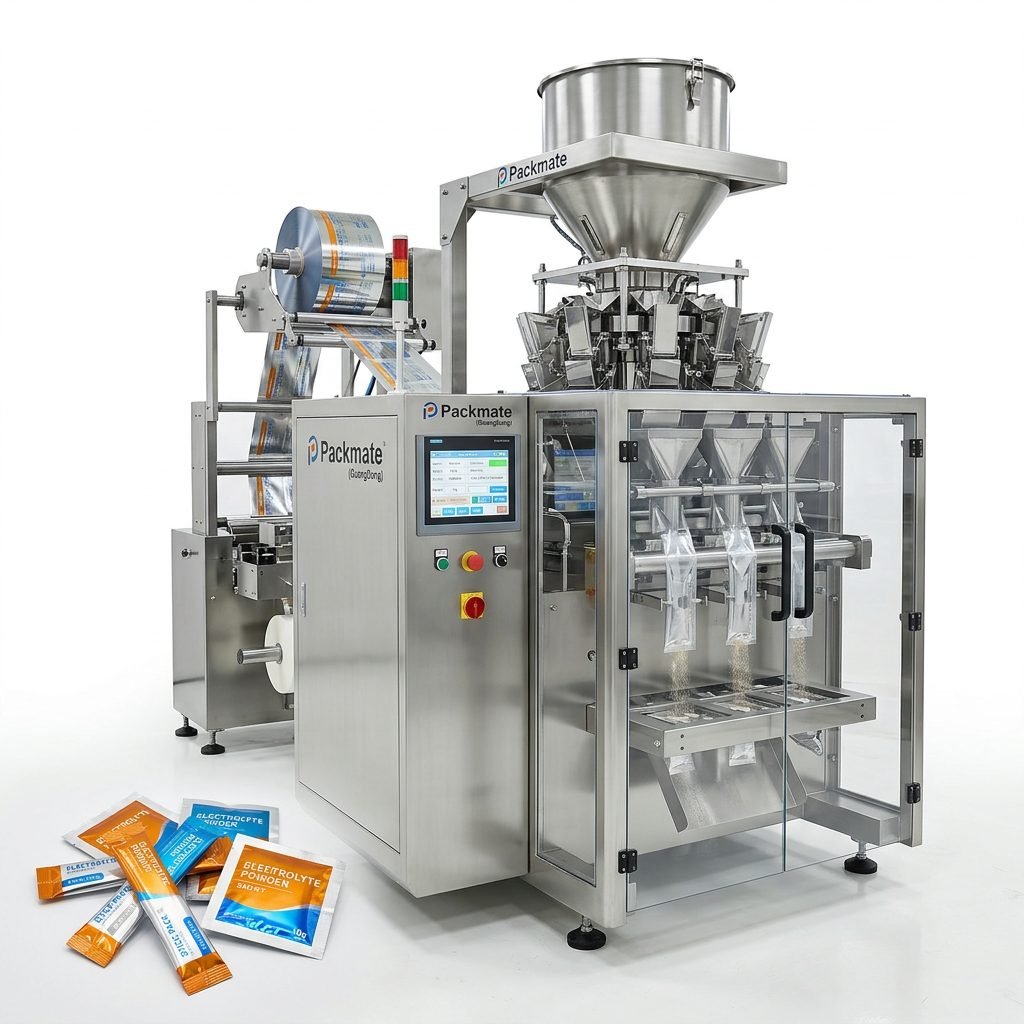
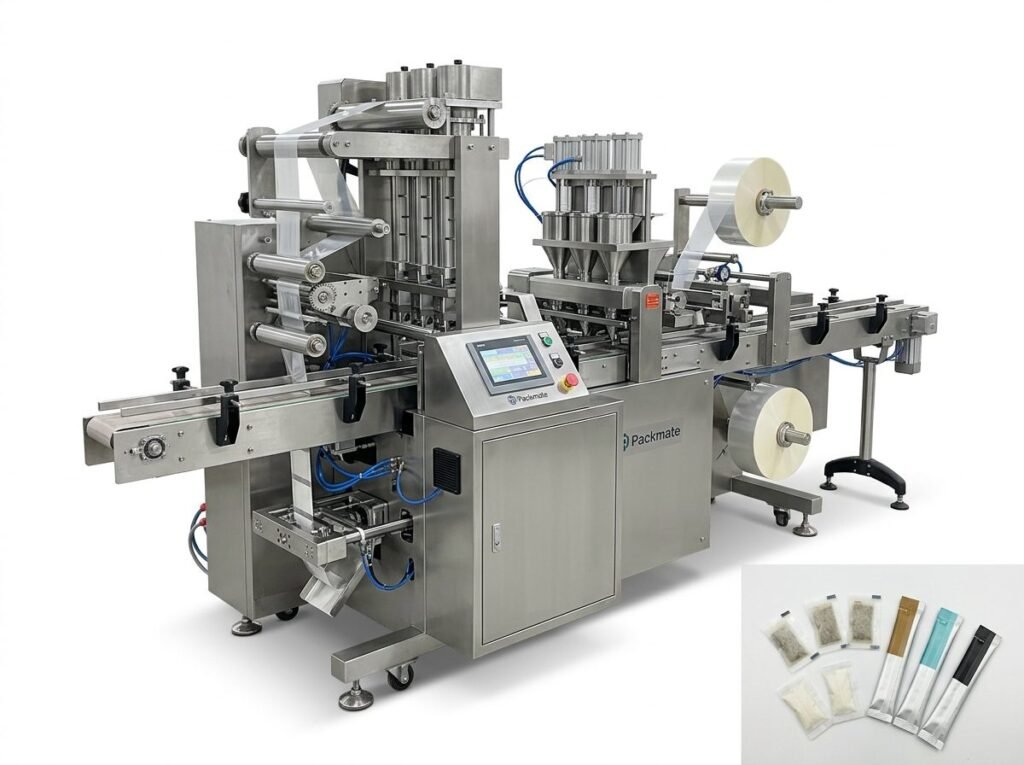
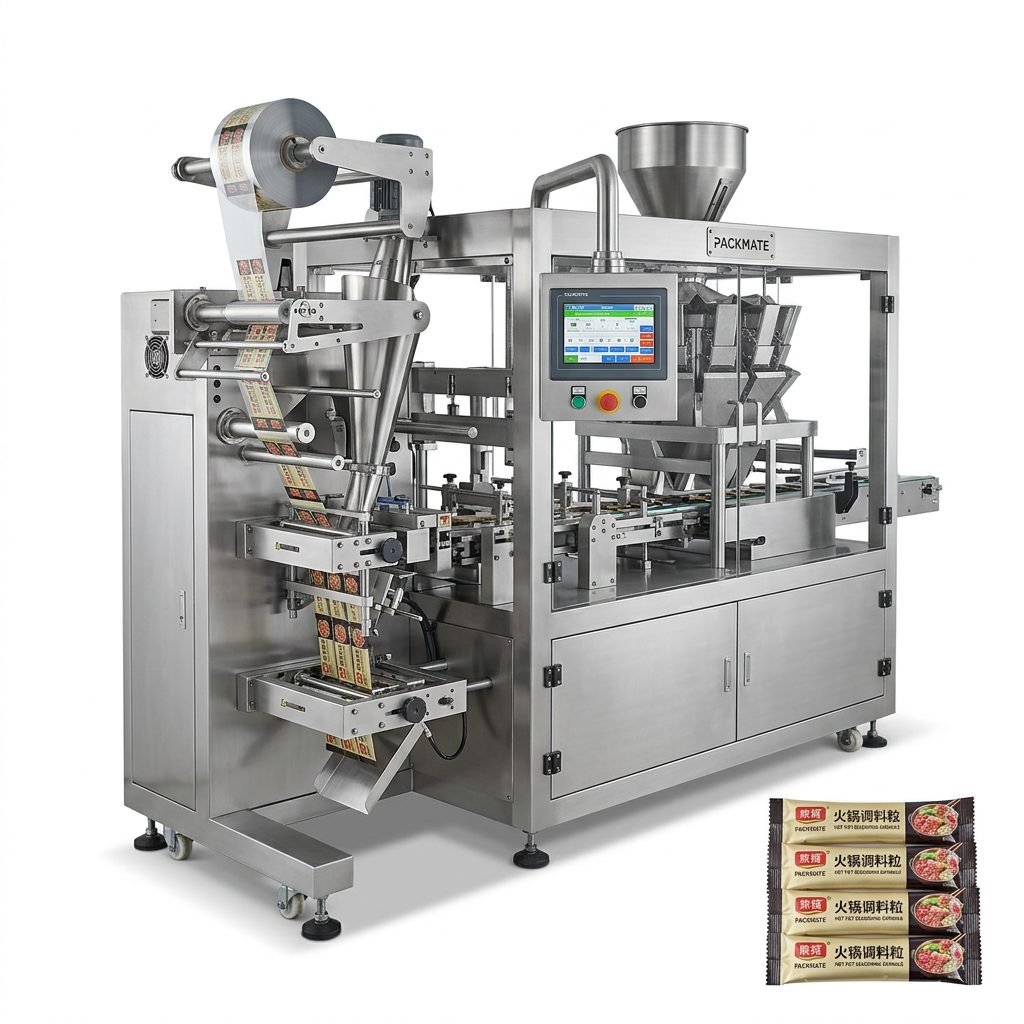
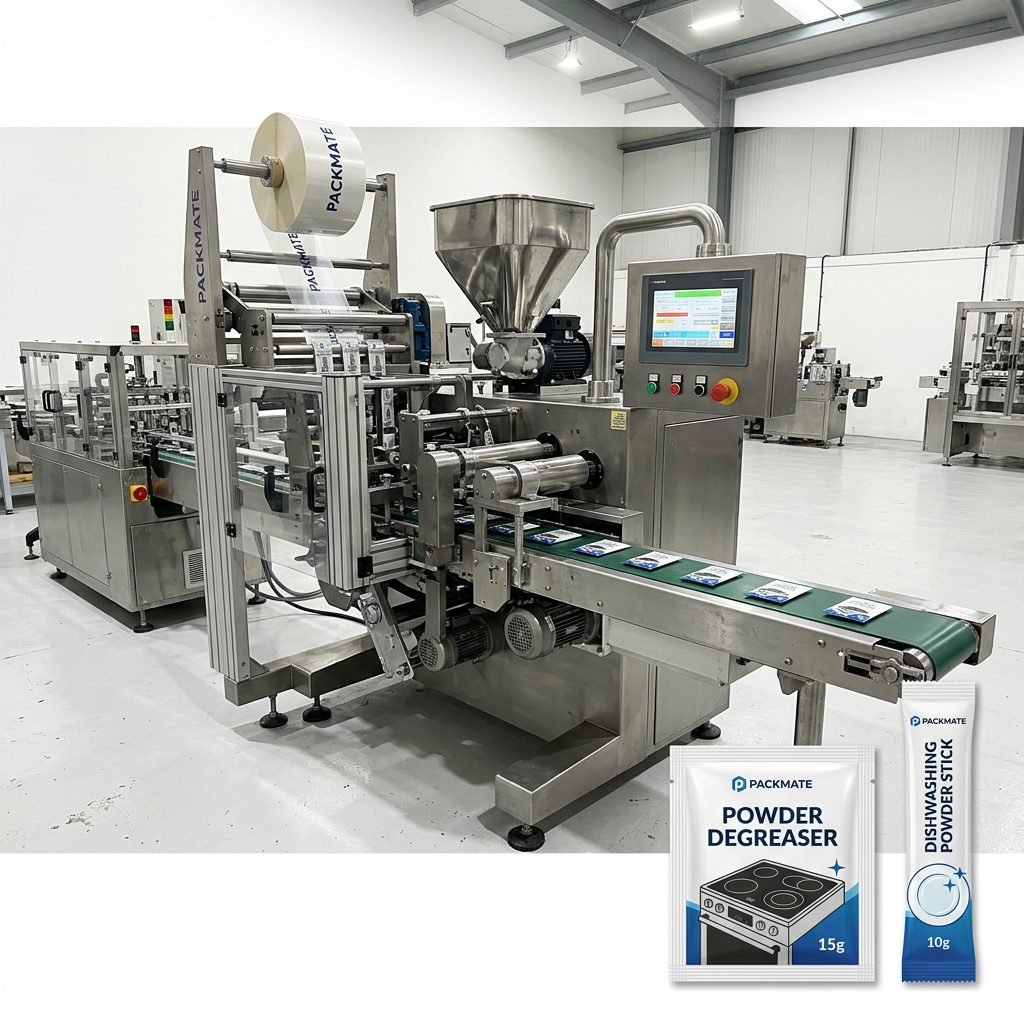
Efficiency in clearance starts at the design stage. A well-designed packaging hall with proper drainage, cleanable walls/floors, and adequate space around equipment makes cleaning easier. More importantly, the machinery itself should facilitate the process. Features like stainless steel construction, rounded corners, quick-release clamps, and accessible panels significantly reduce clearance time and improve effectiveness. Partnering with an experienced provider like Packmate (GuangDong) Co., Ltd., which understands these hygienic design requirements, is crucial for building a line that supports, rather than hinders, your clearance protocols.
Documentation: The Proof of Process
If it wasn’t documented, it wasn’t done. Complete records are the backbone of clearance. This includes batch-specific clearance checklists, cleaning logs detailing agents and times, inspection reports, any analytical test results, and the formal release authorization. This documentation is vital for internal quality reviews, regulatory audits, and investigating any potential deviations. It provides a clear historical record of the line’s state before every production run.
Common Challenges and Solutions
Even with good intentions, challenges arise. Time Pressure to start the next batch can lead to shortcuts. Solution: Schedule realistic clearance times and measure performance based on “right-first-time” metrics, not just speed. Complex Equipment with hard-to-reach areas can harbor residue. Solution: Work with your equipment supplier on modification guides and use specialized inspection tools. Personnel Turnover can lead to knowledge gaps. Solution: Maintain robust training programs and use visual SOPs (photos/videos) alongside written instructions. For ongoing support, a reliable technical service partnership is invaluable.
Ultimately, packaging line clearance is a critical investment in product safety and brand integrity. By implementing systematic, documented, and validated clearance practices—supported by well-designed equipment and a strong quality culture—pharmaceutical and food manufacturers can ensure every product that leaves their facility is safe, effective, and trustworthy. It is the silent, essential discipline that allows innovation and efficiency on the packaging line to truly shine, delivering confidence to both the producer and the end consumer.
Frequently Asked Questions (FAQs)
What is the main difference between line clearance in pharma vs. food?
While both require rigor, pharmaceutical clearance often demands analytical verification (e.g., swab testing for API residues) due to the potency and patient risk. Food clearance focuses intensely on allergen removal and biofilm prevention, with verification often being visual and ATP swab-based for microbial indicators.
How often should a full packaging line clearance be performed?
A full, documented clearance is mandatory between different product batches, especially when there is a risk of cross-contamination (different active ingredients, allergens). A less extensive “tidy-up” may occur between identical batches, but a defined frequency for deep cleaning must be established in SOPs.
Who is responsible for authorizing a line after clearance?
Final release should always be performed by a designated, trained individual from the Quality Assurance (QA) or Quality Control (QC) department, independent of the production team. They verify all documentation and may perform a final audit before signing the release.
Can automated or CIP systems replace manual clearance?
Automated Clean-in-Place (CIP) systems are excellent for internal pipelines and vessels but cannot replace manual cleaning and visual inspection of external surfaces, conveyor belts, seal jaws, and other components. A hybrid approach is typically most effective.
Where can I find more specific guidance on clearance protocols?
Always refer to current regulations from bodies like the FDA (CFR 211) and EMA, along with industry guidelines from ISPE and IFS. For equipment-specific procedures, consult the manuals from your machinery supplier and explore resources available through their support and FAQ channels.