In today’s fast-paced, highly regulated industries like pharmaceuticals, food, and healthcare, packaging is far more than just a final step—it’s a critical component of product integrity, safety, and brand reputation. The demand for precision, hygiene, and efficiency has never been higher. This is where turnkey automated medical packaging systems come into play, offering a seamless, integrated solution from product filling to final cartoning. For businesses looking to scale, ensure compliance, and maintain impeccable quality, investing in a comprehensive automated line is not just an option; it’s a strategic imperative.
The Critical Role of Packaging in Regulated Industries
Packaging serves multiple vital functions: it protects the product from contamination and environmental factors, provides essential information to end-users and regulators, and ensures accurate dosing and delivery. In the pharmaceutical and healthcare sectors, packaging failure can have dire consequences, making reliability non-negotiable. Similarly, in the food industry, packaging preserves freshness and prevents spoilage. A turnkey automated solution integrates all these requirements into a single, coherent system, minimizing human error and maximizing throughput.
Key Advantages of Automation:
- Enhanced Sterility & Contamination Control: Automated systems operate in controlled environments, drastically reducing particulate and microbial contamination risks.
- Unmatched Consistency & Accuracy: Every package meets exact weight, fill, and seal specifications, crucial for pharmaceutical dosing and food portion control.
- Superior Traceability & Data Logging: Integrated sensors and software track every batch, supporting compliance with stringent regulations like FDA 21 CFR Part 11 and EU GMP.
- Significant Operational Efficiency: High-speed operation reduces labor costs, minimizes waste, and increases overall equipment effectiveness (OEE).
Components of a Turnkey Medical Packaging System
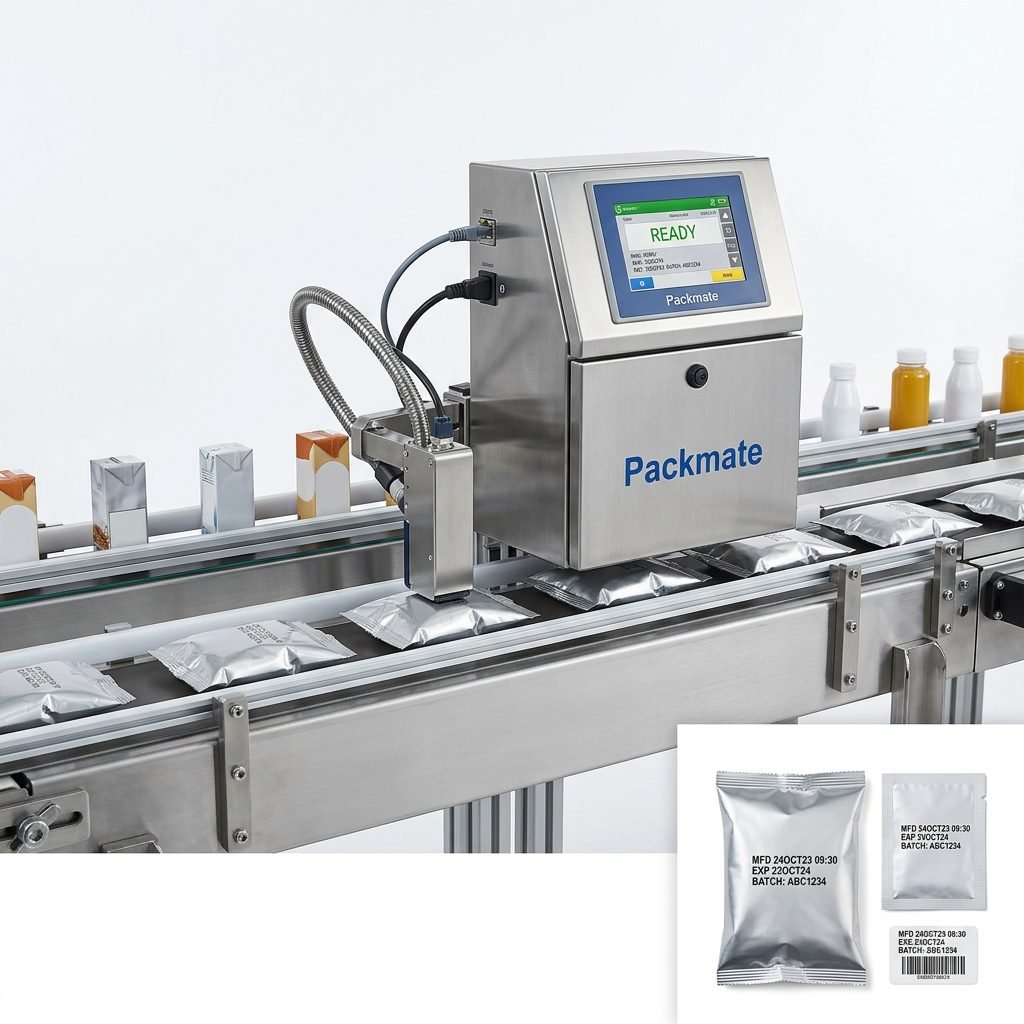
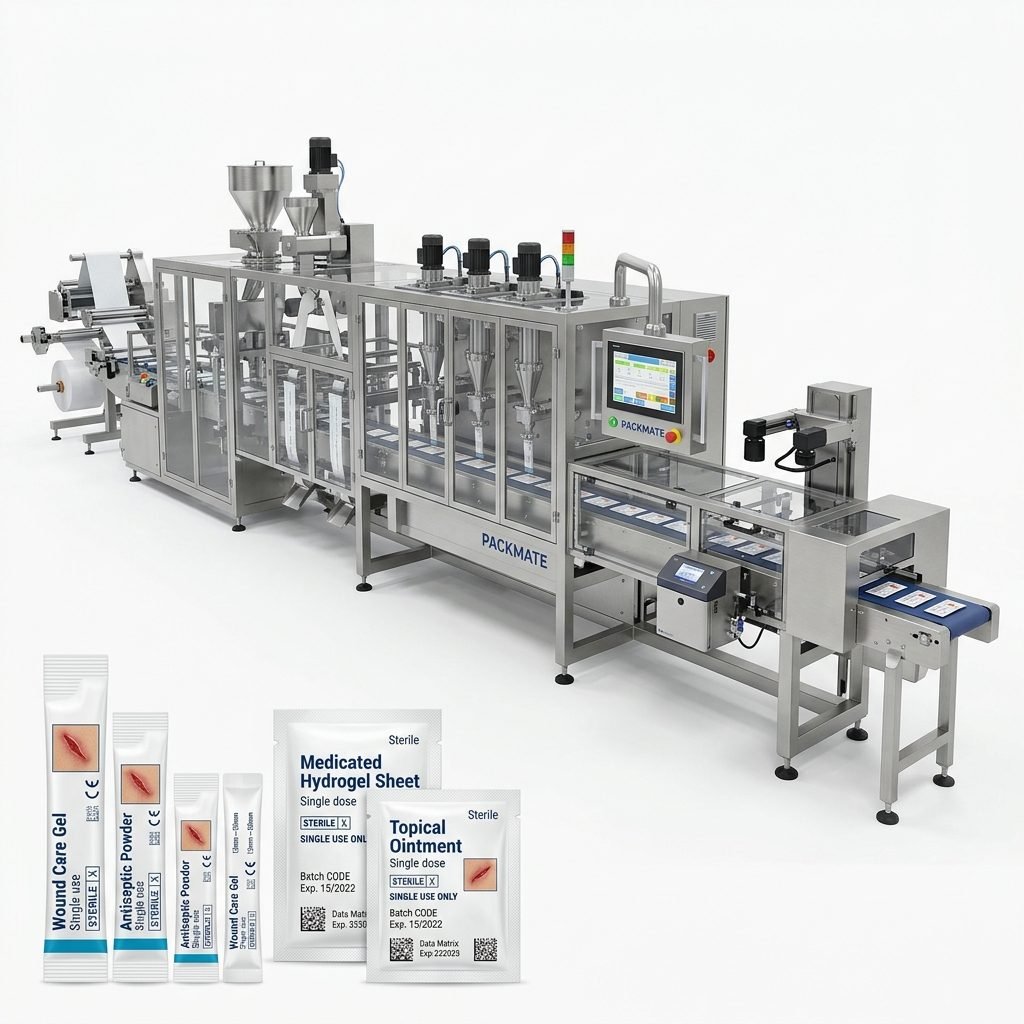
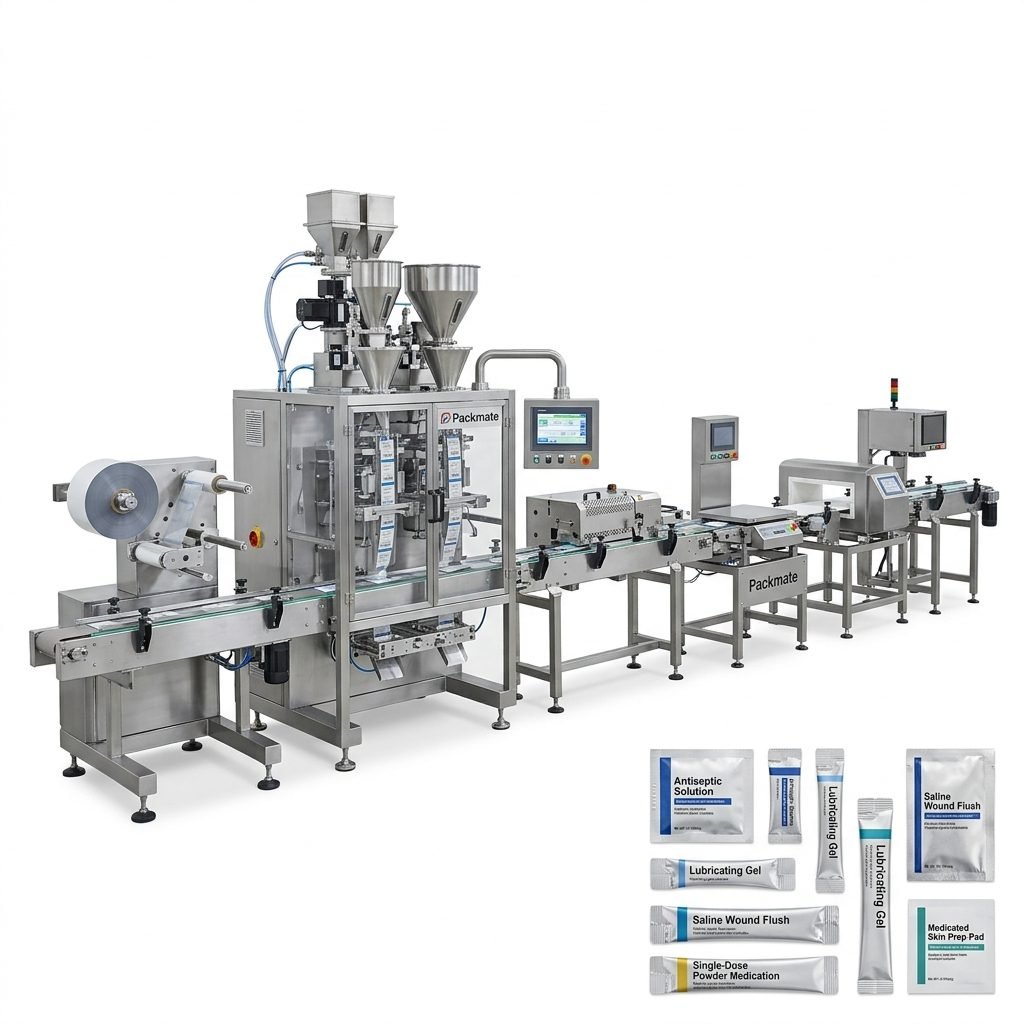
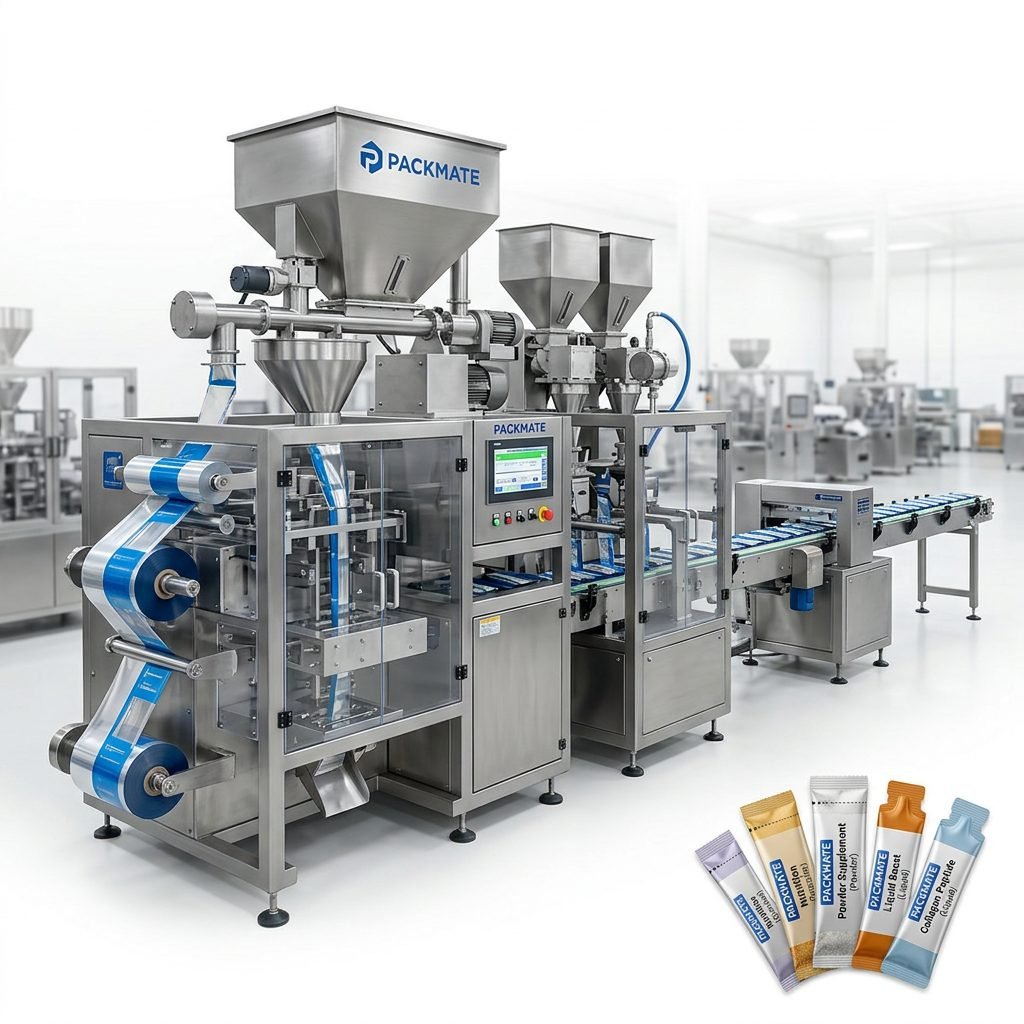
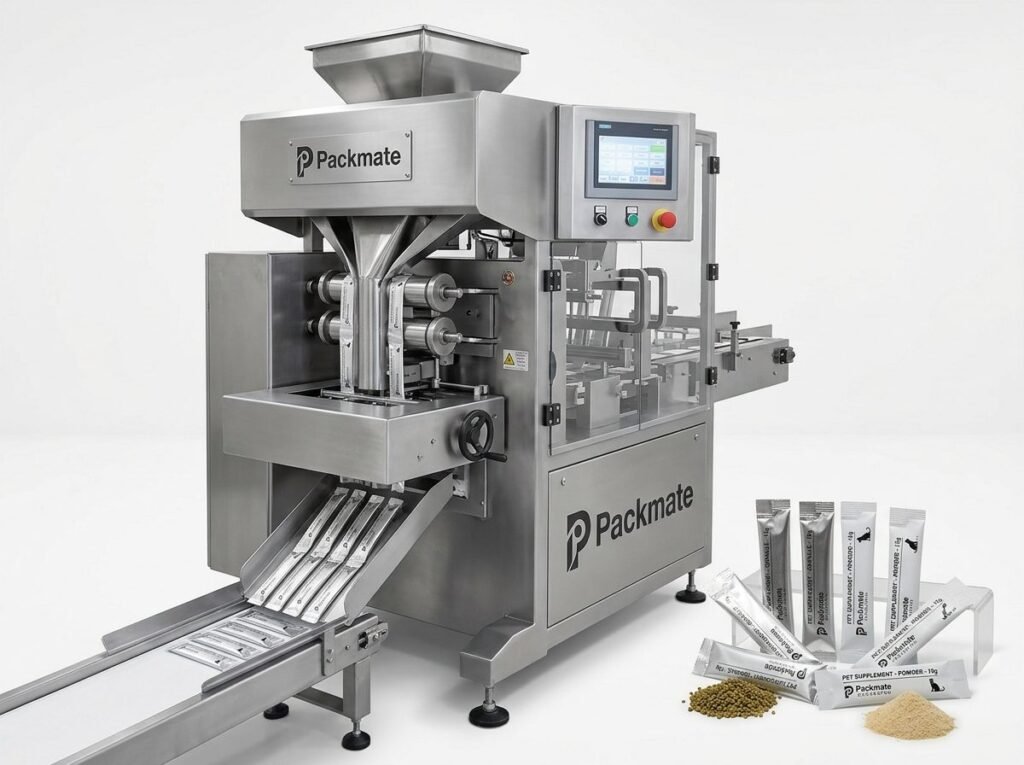
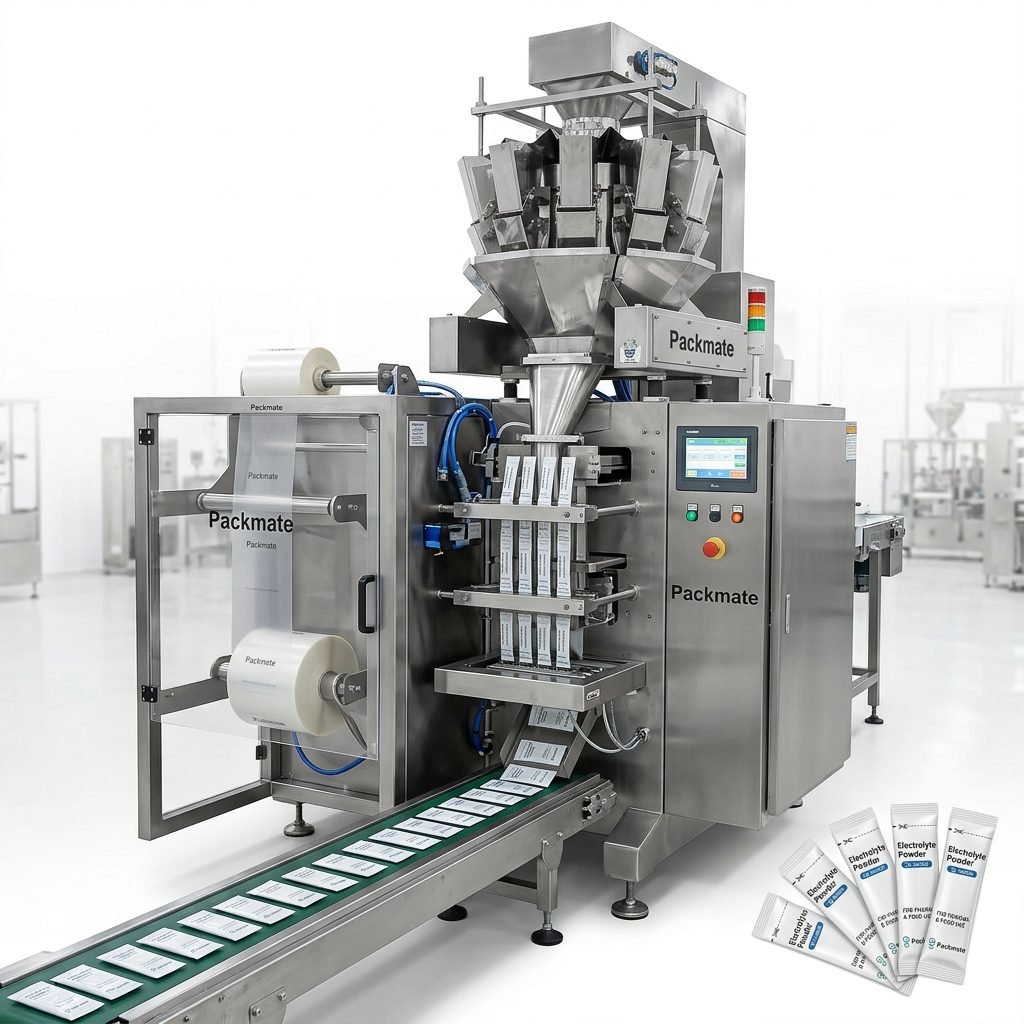
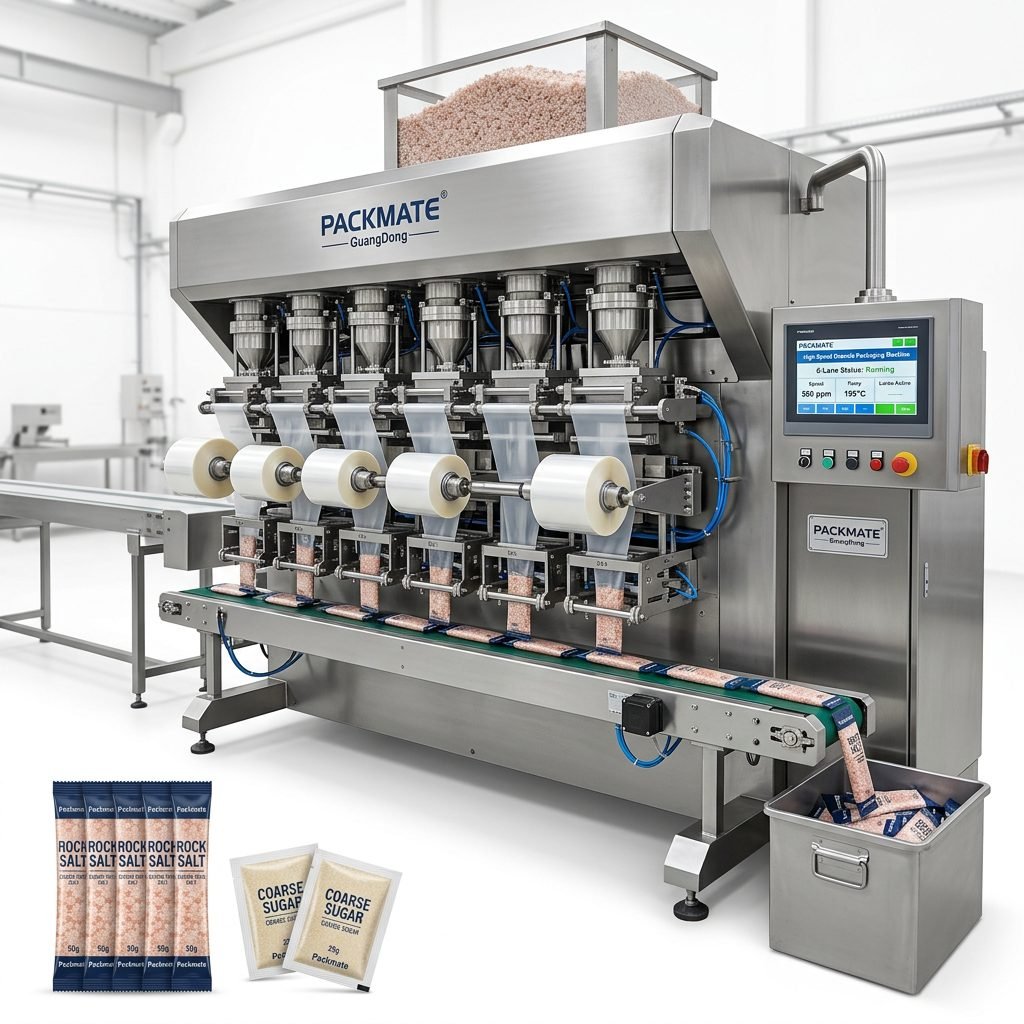
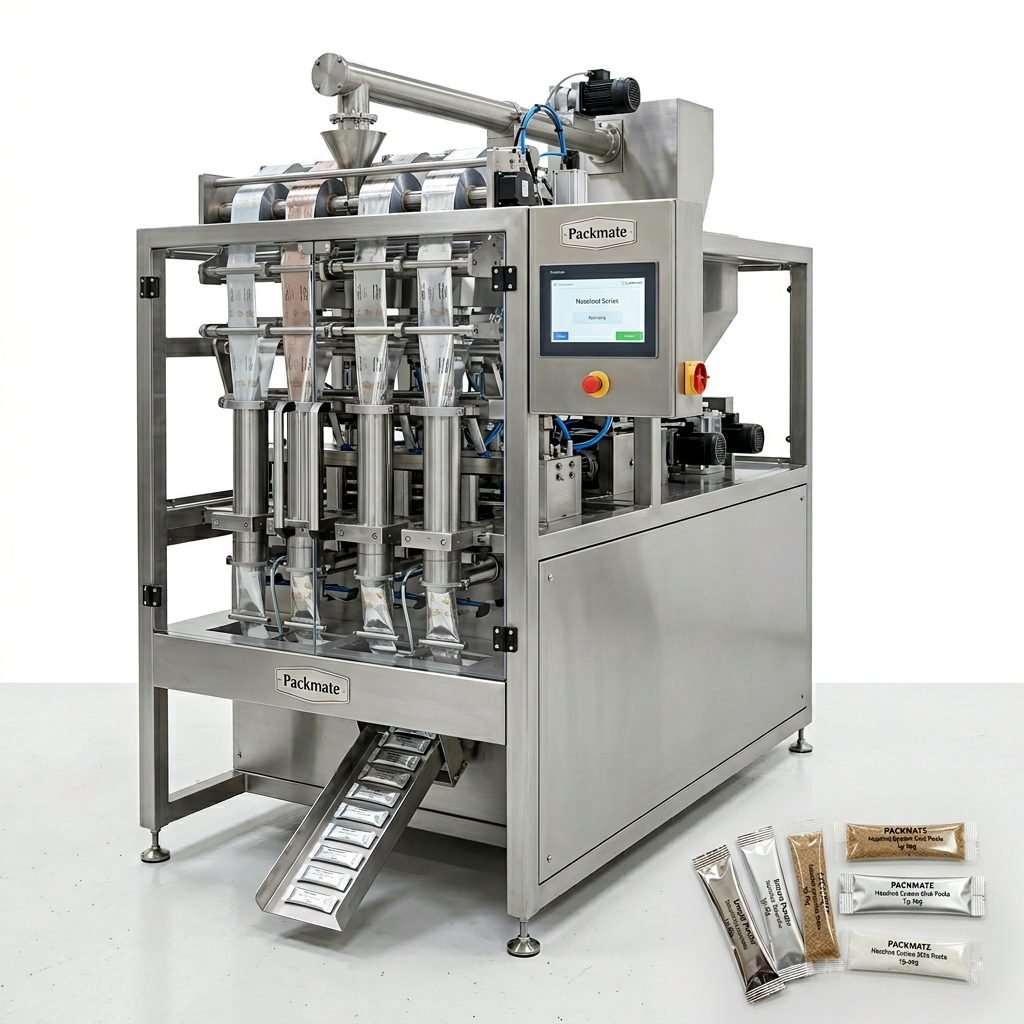
A true turnkey system is a symphony of coordinated machinery. It begins with product handling and feeding, moves through precise filling, and concludes with sealing, labeling, and secondary packaging. For powders and granules, auger fillers provide remarkable accuracy. For liquids, peristaltic or piston pumps are employed. The heart of many systems for unit-dose products is the form-fill-seal (FFS) machine, which creates sachets or stick packs from roll stock film. These are then often collated and cartoned by downstream automation. The entire line is managed by a centralized Programmable Logic Controller (PLC) with a Human-Machine Interface (HMI) for intuitive operation and monitoring.
Specialized Solutions for Different Product Forms
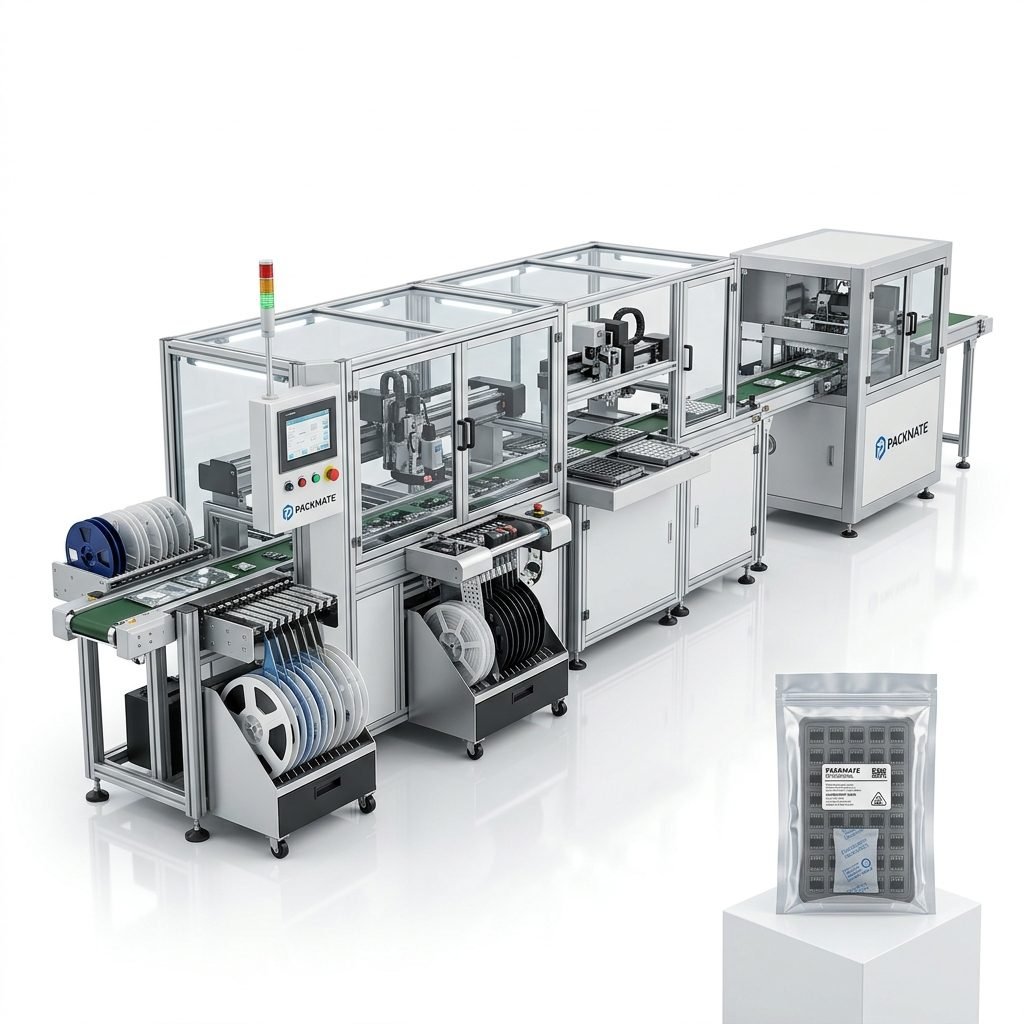
➤ Pharmaceutical Solids (Tablets, Capsules): Systems often include blister packaging lines with precise cavity filling, lidding, and serialization capabilities for track-and-trace.
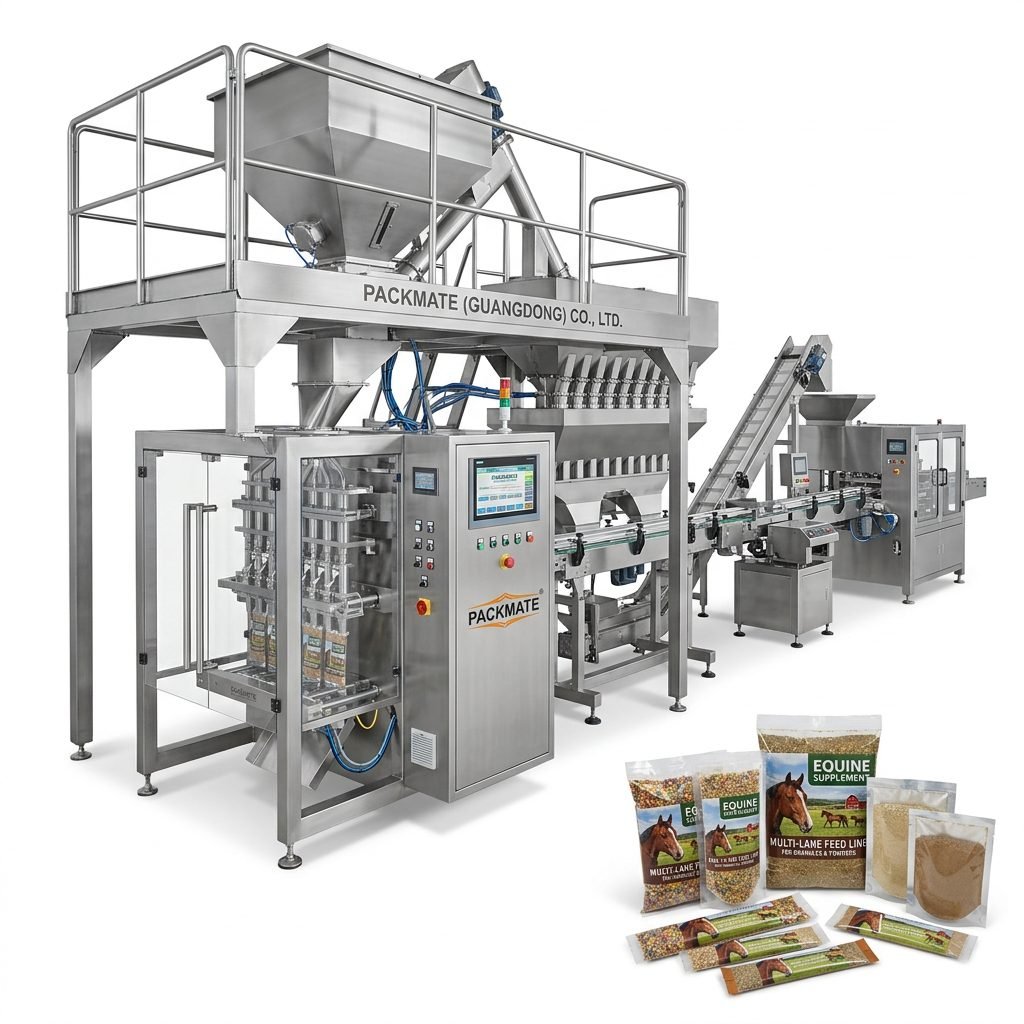
➤ Powders & Granules (Food, Nutritional Supplements): Multi-lane stick pack or sachet machines are ideal, offering high-speed portioning in moisture-barrier materials. You can explore specific applications in our detailed Solution section.
➤ Liquids & Semi-Liquids (Syrups, Ointments, Sauces): Liquid filling lines with nozzle fillers, cappers, and induction sealers ensure leak-proof, tamper-evident packaging.
Why Partner with an Experienced Turnkey Provider?
Selecting individual machines from different vendors creates integration headaches, compatibility issues, and finger-pointing when problems arise. A turnkey provider like Packmate (GuangDong) Co., Ltd. assumes full responsibility for the entire line—from design and manufacturing to installation, commissioning, and training. With over 22+ years of company development, their expertise ensures the system is designed for your specific product viscosity, particle size, and production volume. Their 20,000㎡ modern manufacturing facility allows for rigorous testing of the complete line before shipment, guaranteeing performance upon arrival at your factory.
The Packmate Advantage: From Vision to Reality
Founded on a passion for automation, Packmate’s journey from a small workshop to a leading provider mirrors the evolution of packaging technology itself. Their philosophy is built on deep collaboration. Engineers don’t just sell machines; they solve packaging challenges. This client-centric approach is evident in their vast portfolio of successful Case studies, showcasing solutions for everything from herbal tea stick packs to pharmaceutical powder sachets. Their team of 125+ professional members provides continuous support, ensuring your packaging line remains a reliable asset for years to come.
Navigating Global Compliance and Market Standards
Exporting pharmaceutical or food products requires navigating a complex web of international standards. A proficient turnkey partner understands these requirements intimately. Packaging materials must be compliant (e.g., FDA-approved, EU 10/2011 for food contact). Machinery design must facilitate cleaning and validation according to GAMP principles. Providers with global experience, evidenced by participation in international Exhibition events, are adept at configuring systems to meet the specific regulatory nuances of target markets, from North America to Europe and Asia.
Future-Proofing Your Investment
The best automated systems are built with flexibility and scalability in mind. Modular designs allow for easy reconfiguration for new product formats or sizes. Integration with Manufacturing Execution Systems (MES) and the Industrial Internet of Things (IIoT) enables predictive maintenance and real-time production analytics. When evaluating a partner, consider their commitment to innovation and their ability to provide a system that can grow and adapt with your business needs over the long term.
Implementing a turnkey automated packaging line is a significant capital investment, but the return is measured in more than just speed. It’s found in reduced product giveaway, eliminated recall risks, ensured regulatory compliance, and a strengthened brand promise of quality and safety. In sectors where trust is paramount, the package is the product’s final and most visible quality checkpoint. An automated, integrated system ensures this checkpoint is never compromised.
Frequently Asked Questions (FAQs)
1. What does “turnkey” mean in the context of packaging systems?
A turnkey solution means the supplier provides a completely ready-to-operate system. This includes design, manufacturing, factory acceptance testing (FAT), installation, commissioning, operator training, and ongoing support. You receive the keys to a fully integrated, validated line, minimizing your internal project management burden. For more details, visit our dedicated FAQs page.
2. How do I know if my product is suitable for a stick pack or sachet machine?
The choice depends on product form (powder, granule, liquid), dose size, desired shelf life, and consumer usage. Stick packs are excellent for single-serve powders (e.g., instant coffee, electrolytes). Sachets offer more surface area and can be used for thicker pastes or larger volumes. Our engineering team can conduct product tests to recommend the optimal format and film material.
3. What is the typical lead time for a complete turnkey packaging line?
Lead times vary based on complexity and customization, typically ranging from 4 to 6 months. This period includes detailed design, procurement, assembly, and comprehensive testing at our facility to ensure performance before delivery.
4. Can your systems handle cleanroom or hygienic design requirements?
Absolutely. We design systems with sanitary construction using stainless steel, smooth surfaces, and easy-clean layouts. We can configure machines to meet specific cleanroom classification standards (e.g., ISO Class 8 or better) for pharmaceutical and sterile medical device packaging.
5. What kind of after-sales service and support do you offer?
We provide comprehensive Service, including a standard warranty, readily available spare parts, remote diagnostic support, and on-site technician visits. We also offer training programs and preventive maintenance contracts to ensure your line operates at peak efficiency throughout its lifecycle.