In the dynamic world of modern manufacturing, efficiency, product protection, and presentation are paramount. Horizontal packaging machines have emerged as a cornerstone technology for achieving these goals across a diverse range of industries. This comprehensive guide delves into the types, working principles, applications, and key selection criteria for horizontal packaging machines, providing essential insights for businesses looking to optimize their packaging operations.
Understanding Horizontal Packaging Machines
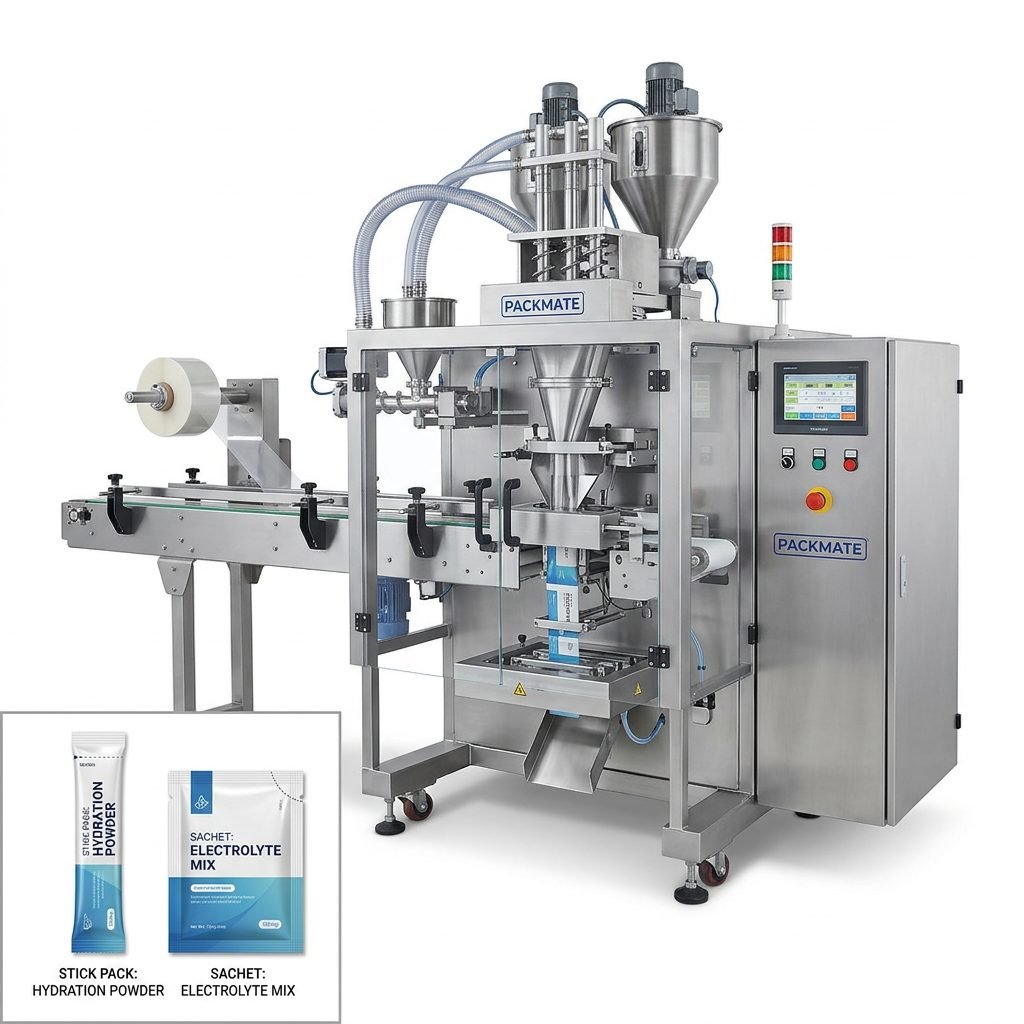
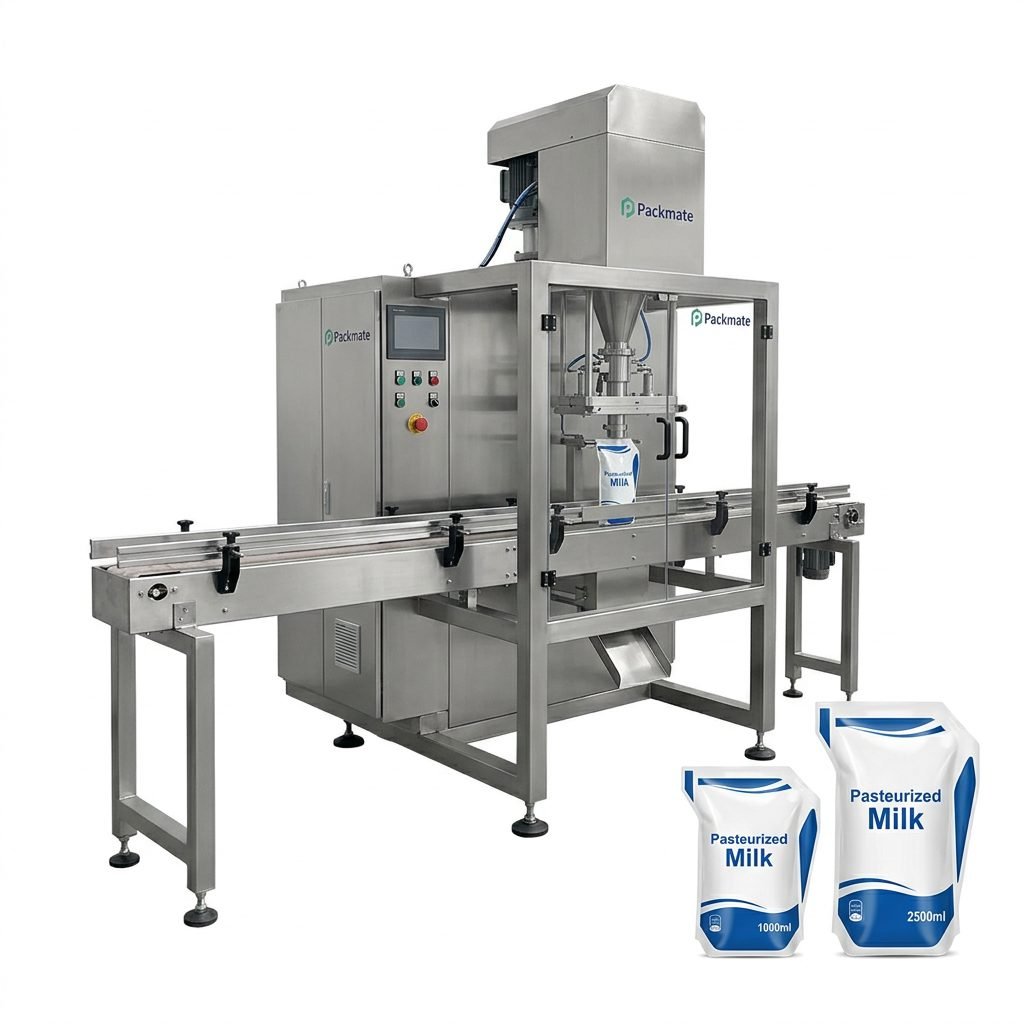
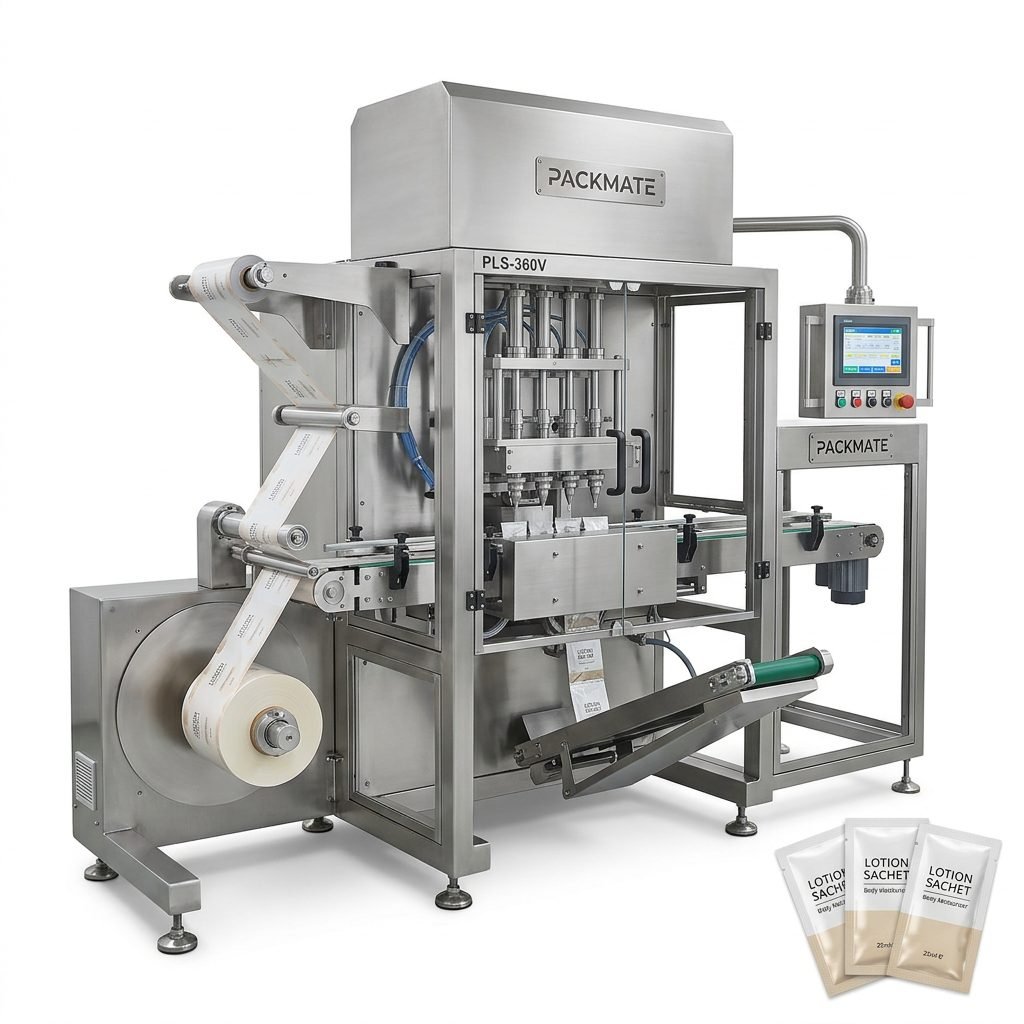
Horizontal packaging machines, often called horizontal form-fill-seal (HFFS) machines, are automated systems designed to create pouches or bags from a roll of flat packaging film, fill them with product, and seal them—all in a continuous horizontal motion. Unlike vertical machines where the bag is formed vertically, these machines handle the film web horizontally, making them exceptionally well-suited for a wide variety of products, from solid items to granular materials.
Core Advantage: Their primary strength lies in versatility and high-speed production. They can accommodate different product shapes and sizes with quick changeovers, making them ideal for both short runs and large-scale production lines.
Primary Types of Horizontal Packaging Machines
The market offers several configurations of horizontal packaging machines, each tailored to specific needs. Understanding these types is the first step in making an informed choice.
1. Single-Track Horizontal Machines
These are the workhorses for standard production. A single lane of film moves through the machine, forming one pouch at a time. They are cost-effective, reliable, and perfect for businesses with consistent, medium-to-high volume output of a single product type. Their simplicity often translates to easier maintenance and operation.
2. Multi-Track Horizontal Machines
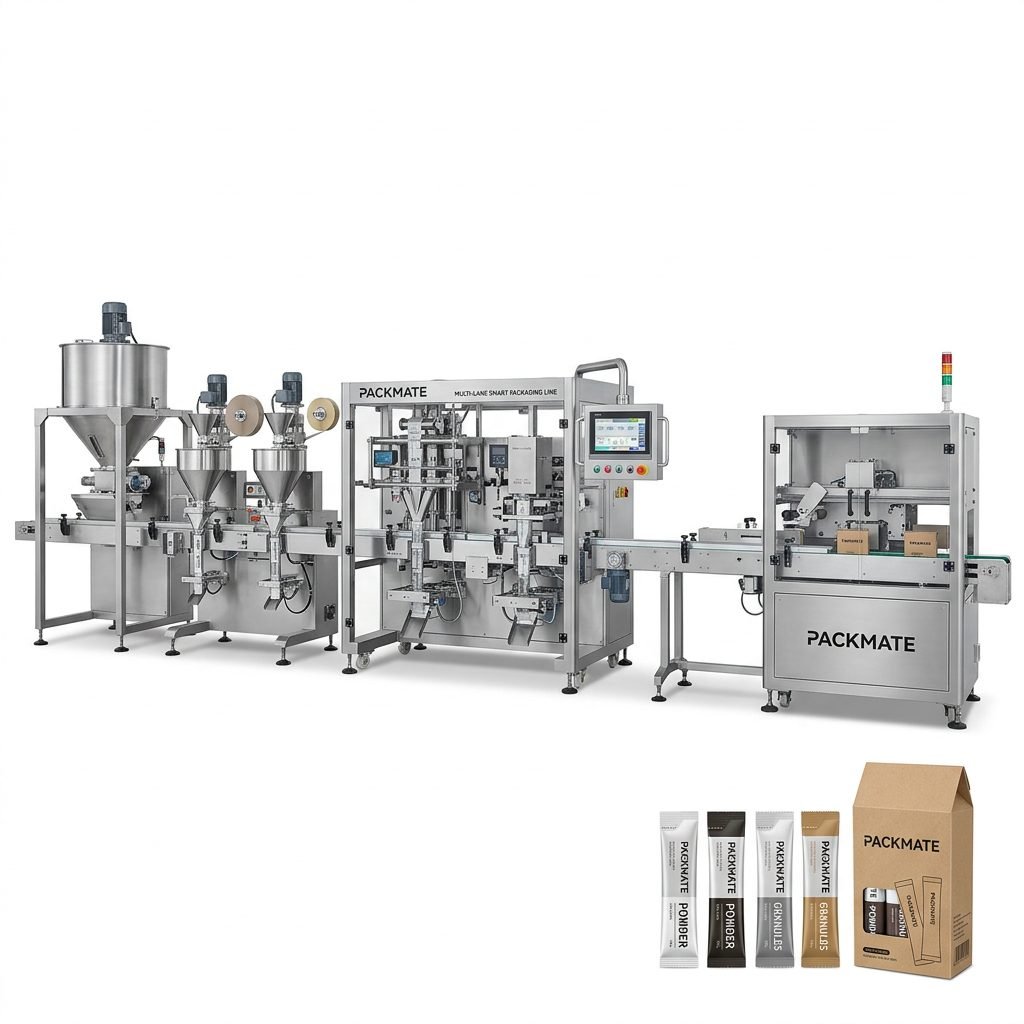
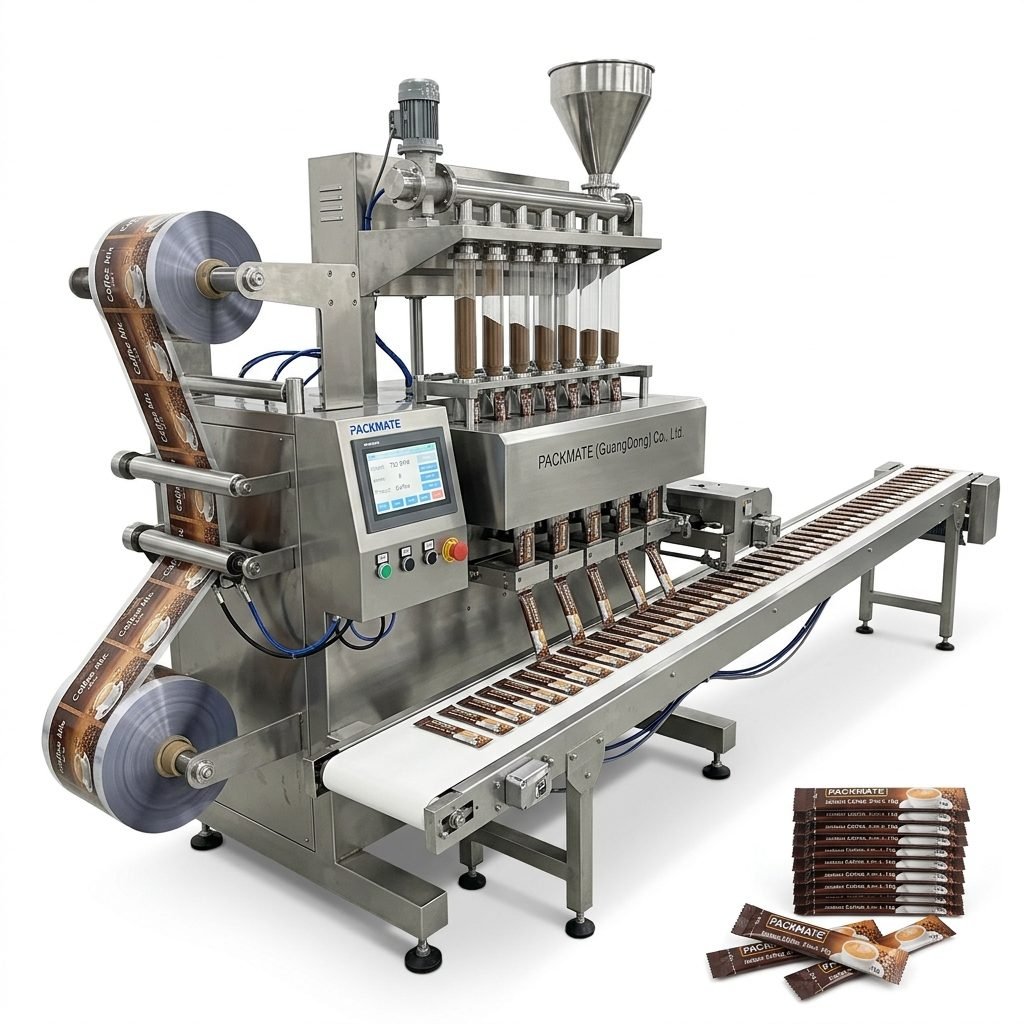
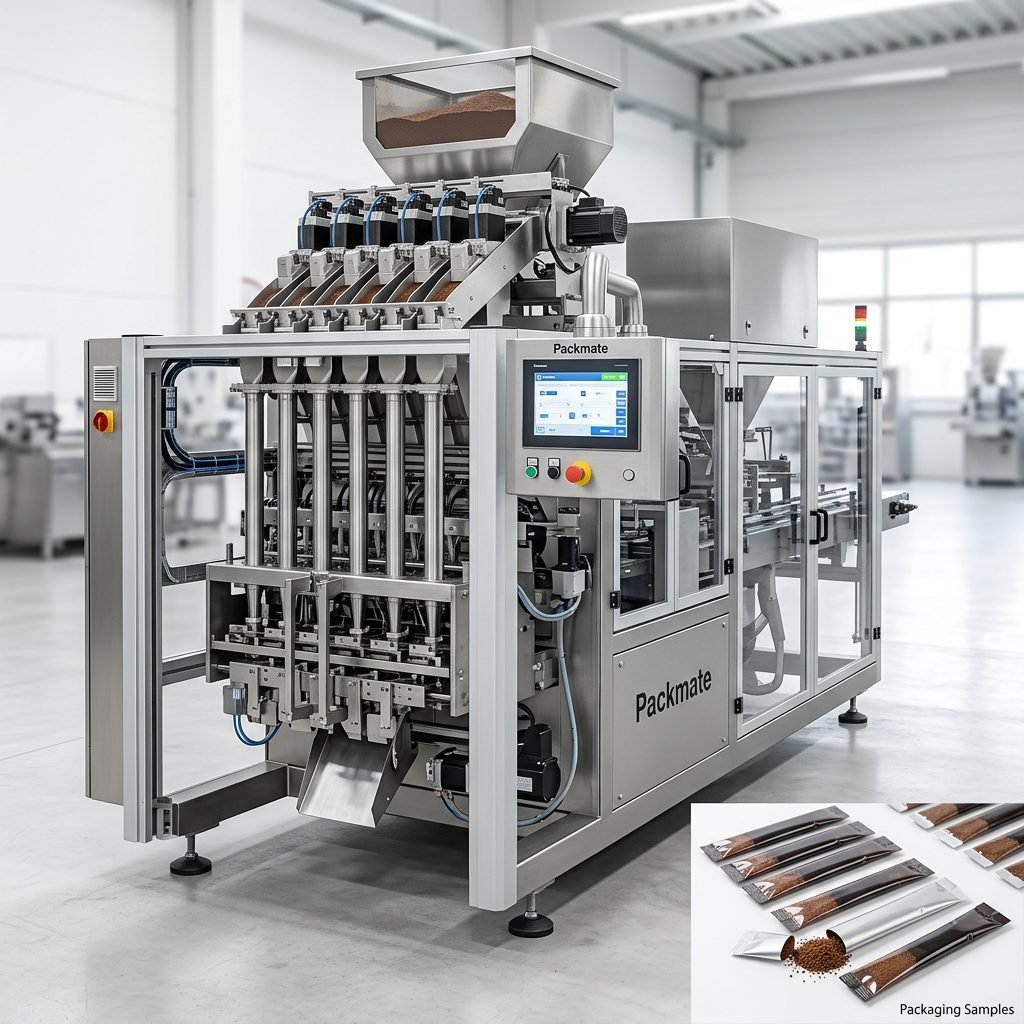
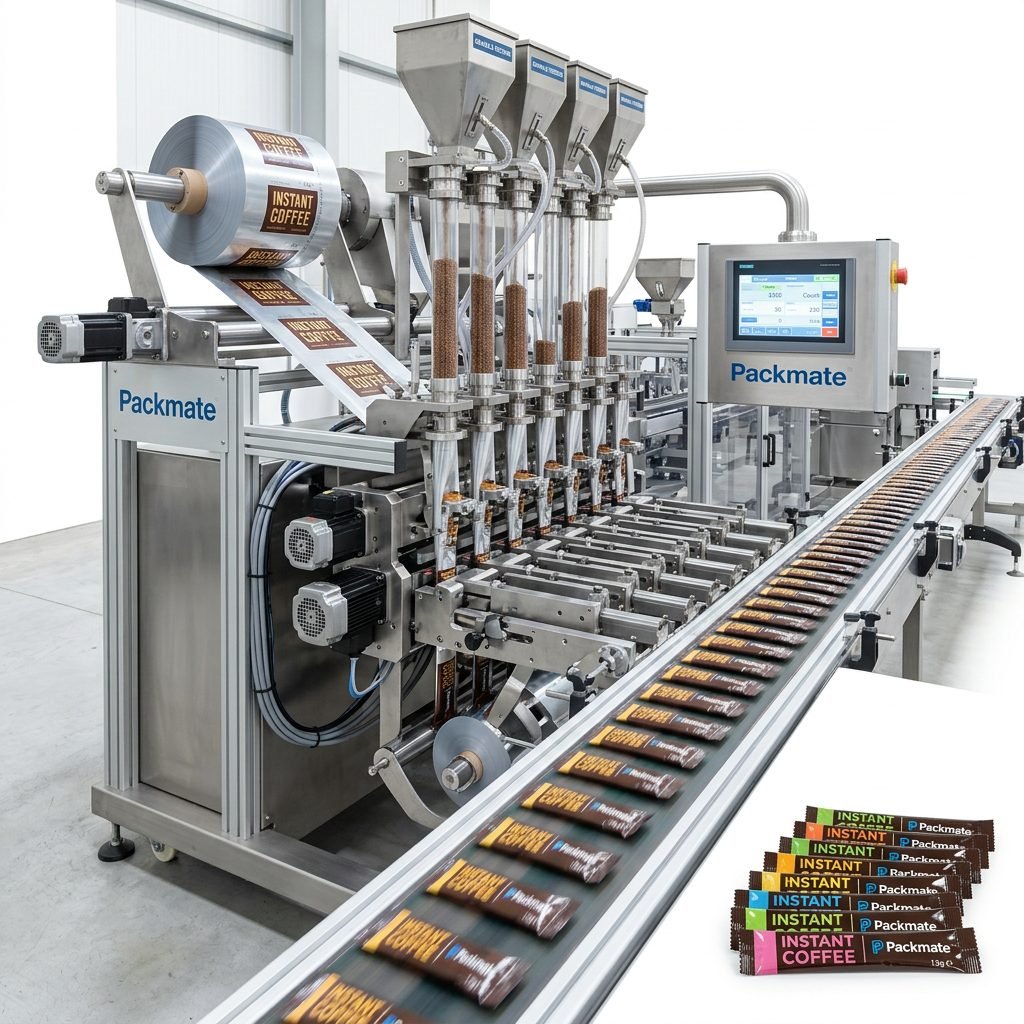
For maximizing output, multi-track machines are unparalleled. They process multiple lanes of film simultaneously, dramatically increasing production capacity. This design is highly efficient for packaging small items like candies, hardware, or pharmaceutical doses where high piece counts are required. Companies like Packmate specialize in advanced multi-lane solutions that integrate seamlessly into turnkey lines.
3. Pouch-Forming Horizontal Machines
This category focuses on creating specific pouch styles. Common outputs include:
- Three-Side Seal Pouches: Simple, flat pouches sealed on three sides.
- Four-Side Seal Pouches: Often used for premium presentation, with seals on all edges.
- Stand-Up Pouches (Doypack): Feature a gusset at the bottom, allowing the bag to stand upright on shelves—a popular choice in food and consumer goods.
4. Flow-Wrap / Horizontal Wrappers
Specifically designed to wrap products like candy bars, biscuits, or grouped items in a snug, sealed package. The product is placed on the film, which is then folded around it and sealed longitudinally and at the ends. This type is ubiquitous in the confectionery and bakery sectors.
Working Principle: A Step-by-Step Breakdown
The operation of a horizontal packaging machine is a symphony of precision engineering. The process typically follows these stages:
- Film Unwinding & Feeding: A roll of packaging material (laminated film, foil, etc.) is mounted and fed into the machine.
- Forming: The flat film passes over a forming collar, which shapes it into a tube around a horizontal filling tube.
- Longitudinal Sealing: The vertical back seal of the tube is created using a heat seal or impulse seal mechanism.
- Product Metering & Filling: The product is accurately measured (by weight, count, or volume) and dropped through the filling tube into the formed film tube.
- Cross Sealing & Cutting: Horizontal sealing jaws close to create the top seal of the finished pouch and the bottom seal of the next pouch simultaneously, then cut the film to separate the individual packages.
This continuous cycle allows for remarkably high speeds, with some machines capable of producing hundreds of pouches per minute.
Key Applications Across Industries
The adaptability of horizontal packaging makes it indispensable in numerous sectors. View our industry-specific packaging solutions for more details.
Food & Beverage Industry
This is the largest application area. Machines package snacks, pasta, frozen foods, coffee, spices, and liquids in pouches. The ability to incorporate features like resealable zippers or degassing valves for coffee is a significant benefit.
Pharmaceutical & Healthcare
Precision and hygiene are critical. Horizontal machines package tablets, capsules, powders, and medical devices in sterile, child-resistant, or unit-dose pouches, ensuring safety and compliance.
Consumer Goods & Hardware
From batteries and screws to toys and stationery, horizontal packaging provides clear, durable, and attractive packaging that protects products during shipping and enhances shelf appeal.
Agricultural & Chemical Products
Seeds, fertilizers, pesticides, and pool chemicals are often packaged in robust, moisture-resistant pouches created by heavy-duty horizontal machines.
How to Choose the Right Horizontal Packaging Machine
Selecting the ideal machine requires a careful analysis of your specific needs. Here is a practical framework to guide your decision.
1. Define Your Product and Packaging Requirements
- Product Characteristics: Is it solid, granular, powder, or liquid? What is its weight and shape?
- Packaging Material: What type of film (e.g., PET/PE, metallized, biodegradable) is required for barrier properties and aesthetics?
- Pouch Specifications: Desired size, style (stand-up, flat), and special features (zipper, spout, tear notch).
2. Evaluate Production Capacity Needs
Calculate your required output in pouches per minute/hour. This will determine whether a single-track or multi-track machine is necessary. Consider both current needs and future growth projections.
3. Assess Machine Features and Flexibility
Look for features that match your operational goals:
- Changeover Time: How quickly can you switch between different product sizes or pouch types? Quick-change systems minimize downtime.
- Filling Technology: Ensure the machine’s filling system (volumetric cup, auger, weigh scale) matches your product’s accuracy requirements.
- Control System: A user-friendly PLC/HMI interface with recipe storage simplifies operation and reduces errors.
4. Consider Integration and Support
The machine is often part of a larger line. Consider its compatibility with upstream (e.g., conveyors) and downstream (e.g., cartoners) equipment. Crucially, evaluate the manufacturer’s reputation for after-sales service, technical support, and availability of spare parts. A partner with a strong track record, like Packmate with over two decades of experience, can ensure long-term reliability.
5. Analyze Total Cost of Ownership (TCO)
Look beyond the initial purchase price. Factor in operational costs (energy, film waste), maintenance expenses, and the potential cost of downtime. A slightly higher investment in a robust, efficient machine from a reputable supplier often yields a lower TCO.
Frequently Asked Questions (FAQs)
What is the main difference between horizontal and vertical form-fill-seal machines?
The core difference is the orientation of the bag formation. Horizontal machines form the bag around a horizontal tube, making them ideal for a wider range of product types, especially those that are not free-flowing. Vertical machines (VFFS) form the bag vertically and are typically best for free-flowing granular or powder products that can be gravity-fed.
What packaging materials can be used with a horizontal packaging machine?
They are compatible with a vast array of heat-sealable materials, including laminates of polyethylene (PE), polypropylene (PP), polyester (PET), foil, and paper. The choice depends on the required barrier properties (moisture, oxygen, light) and the desired shelf appeal.
How difficult is it to change over a horizontal machine for a different product size?
Changeover complexity varies by machine design. Modern machines often feature “quick-change” systems for forming tubes, sealing jaws, and film guides, which can reduce changeover time to just a few minutes. Simpler machines may require manual adjustments with tools, taking longer.
Can horizontal machines handle liquid or viscous products?
Yes, absolutely. Specialized horizontal machines are equipped with liquid pumps (such as piston pumps) and bottom-seal systems to prevent leakage. They are commonly used for packaging sauces, oils, shampoos, and condiments.
Where can I see real-world examples of these machines in operation?
Reviewing case studies and application examples from machine suppliers is an excellent way to see how different horizontal packaging solutions solve specific industry challenges. It provides practical insight into machine capabilities and outcomes.