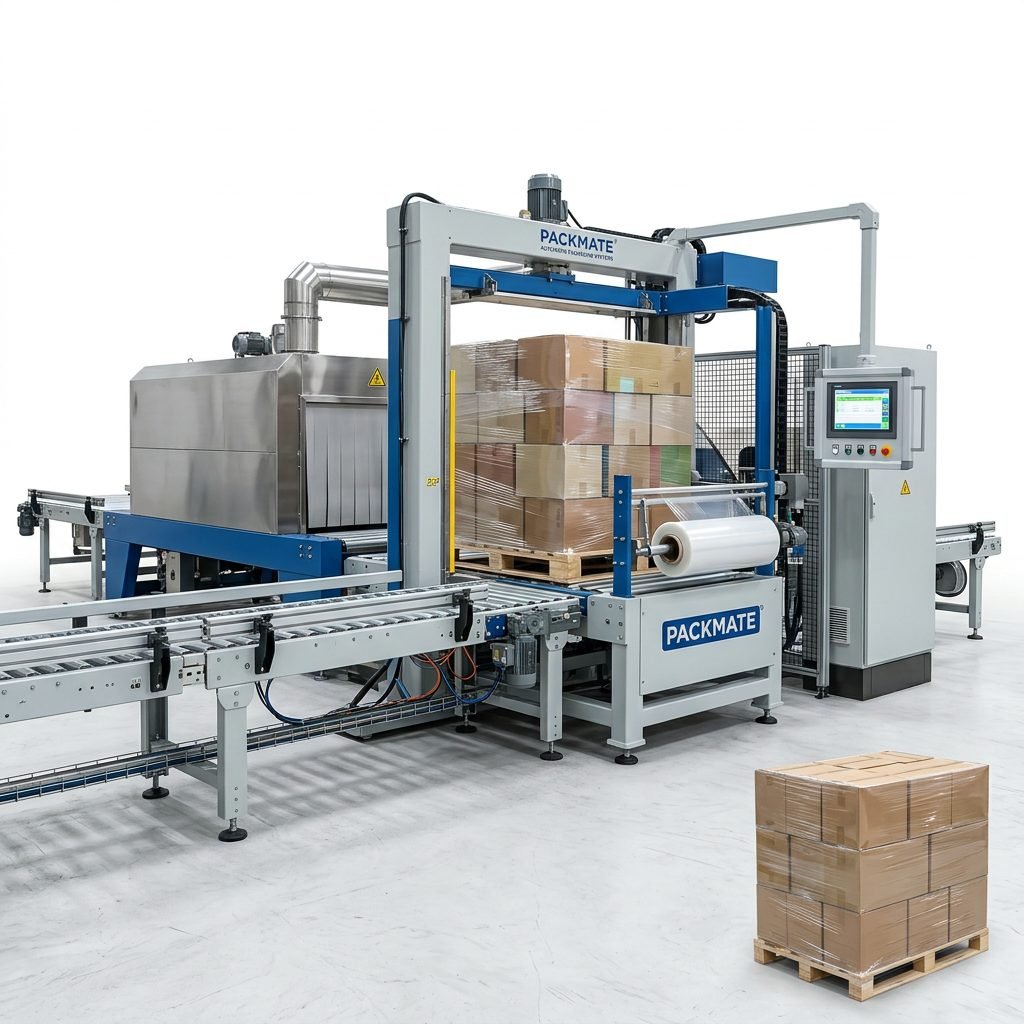
In the competitive landscape of agricultural and chemical manufacturing, efficiency, accuracy, and product integrity are non-negotiable. For producers of granular and powdered fertilizers, the packaging process is a critical final step that directly impacts operational costs, product quality, and market reputation. A robust Fertilizer Packaging Line is no longer a luxury but a fundamental requirement for scaling production and maintaining consistency. This article delves into the core components and benefits of automated systems designed specifically for handling granules and powders.
The Core Challenge: Packaging Granules and Powders
Fertilizers present unique packaging challenges. Granules can be abrasive, vary in size, and are prone to dust generation. Powders are fine, often hygroscopic (moisture-absorbing), and can fluidize or compact. Manual or semi-automatic bagging for these materials is labor-intensive, inconsistent, and poses significant dust control and worker safety issues. An automated line must address:
- Precise Weighing: Ensuring each bag meets exact weight specifications to avoid giveaway or underweight penalties.
- Dust Containment: Minimizing product loss and creating a cleaner, safer work environment.
- Bag Handling: Reliably opening, filling, and sealing various bag types (woven PP, PE, paper) at high speeds.
- Line Integration: Creating a seamless flow from bulk storage to palletized finished goods.
Key System Components of a Modern Fertilizer Packaging Line
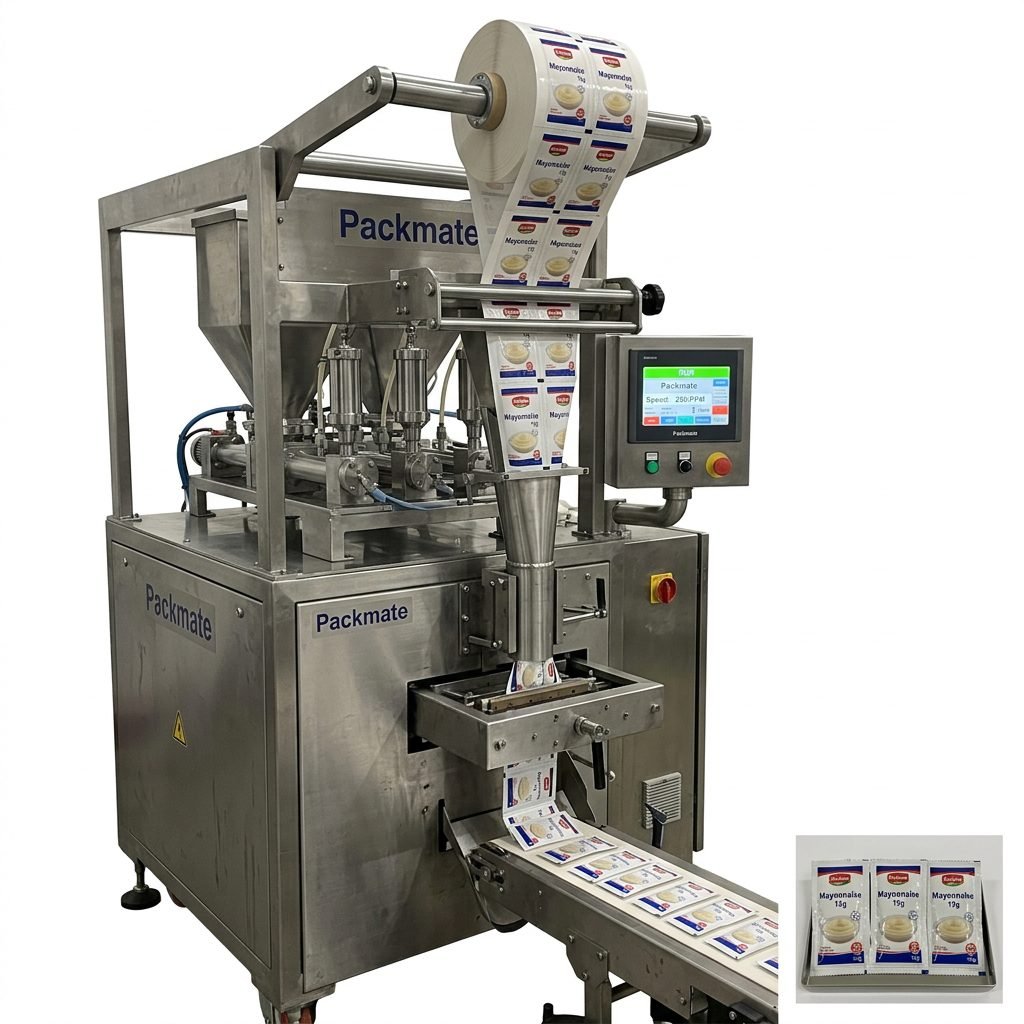
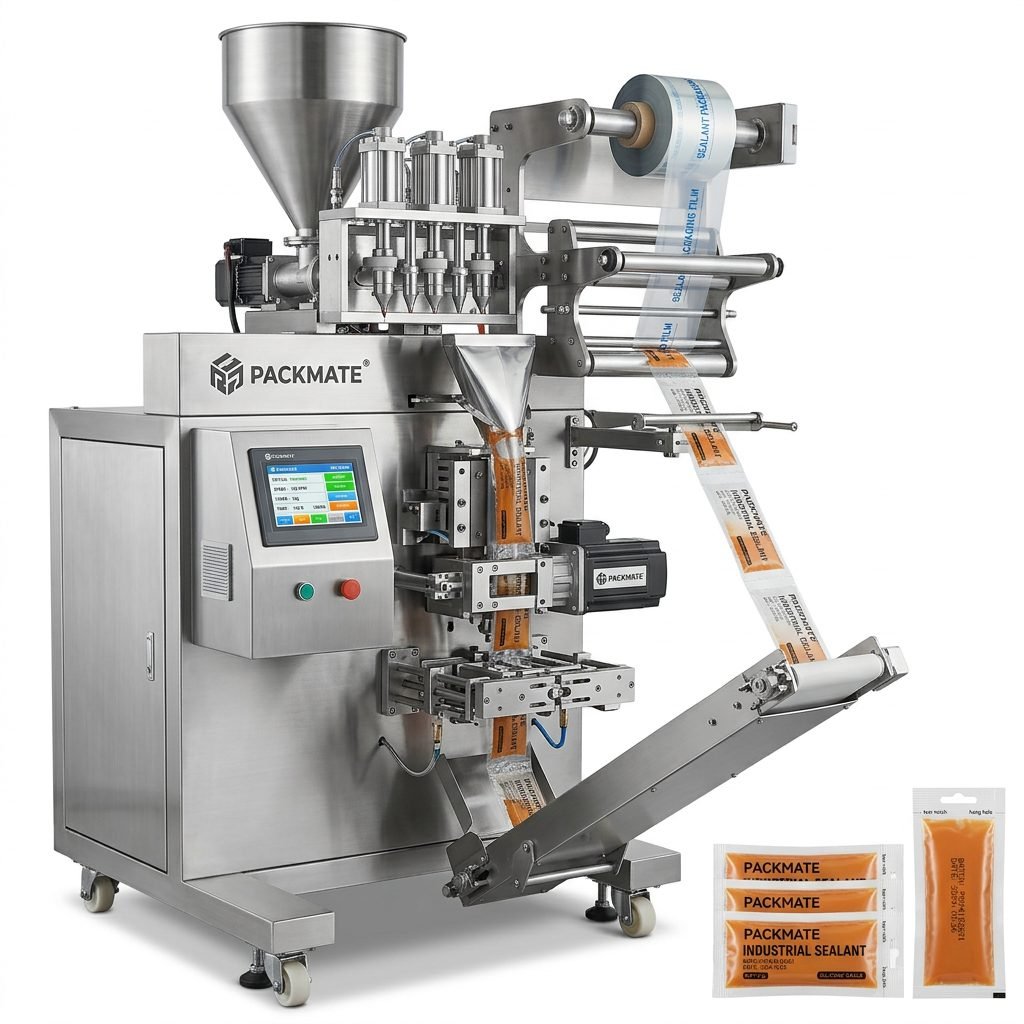
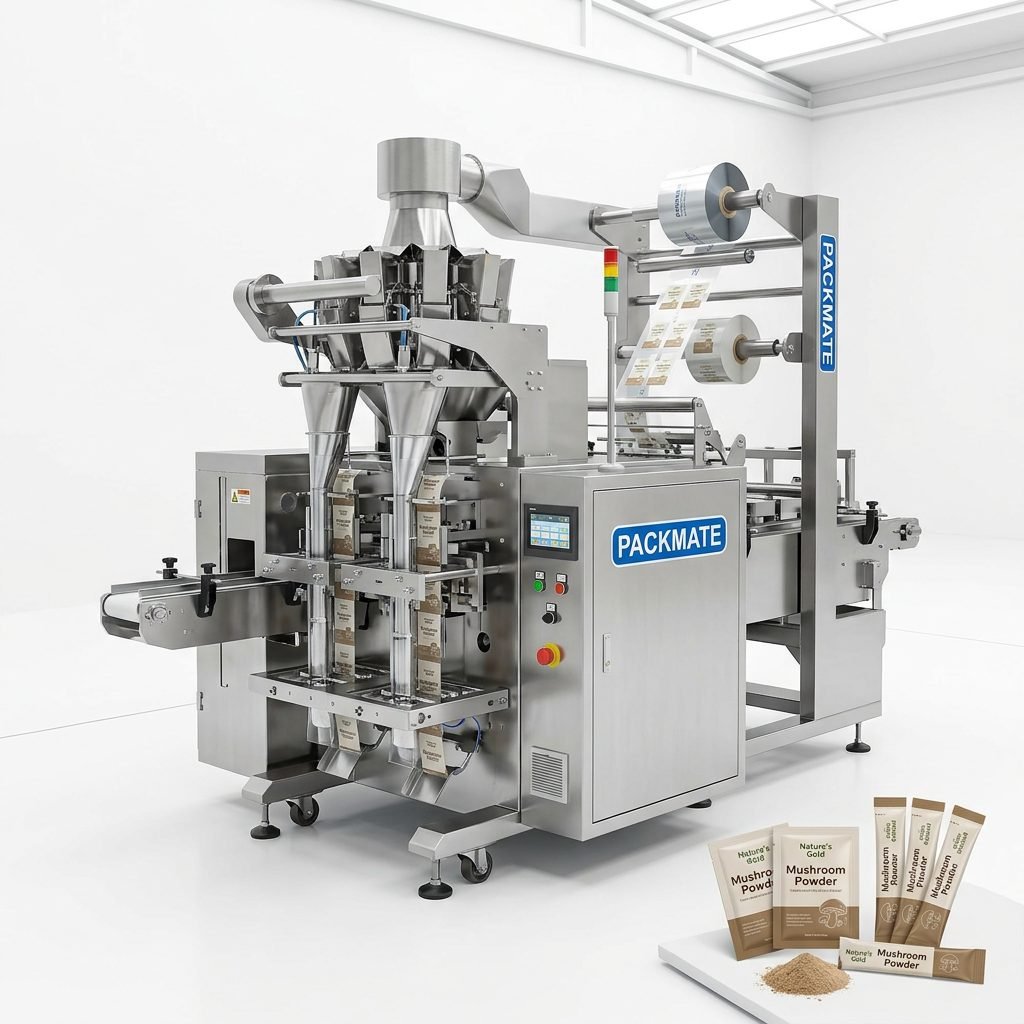
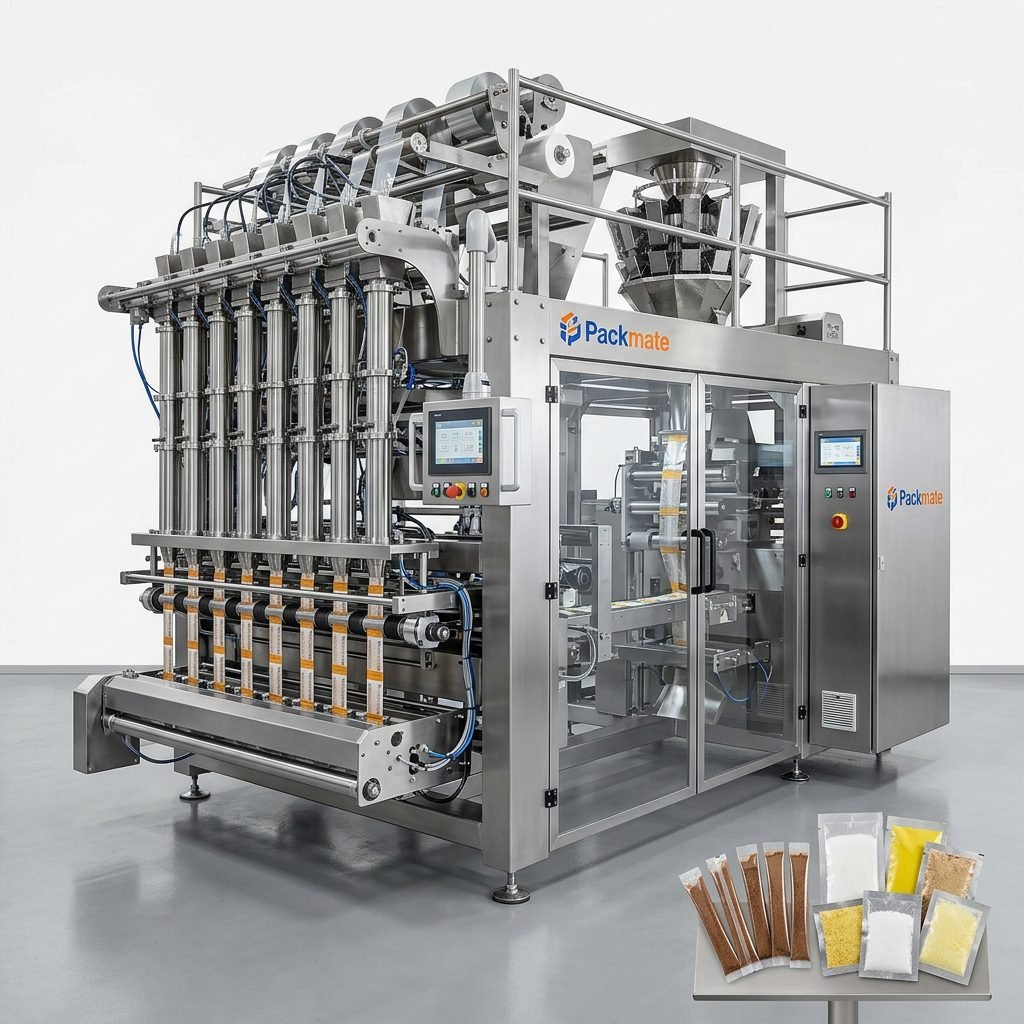
A complete, turnkey solution integrates several specialized machines into a cohesive, automated system. Each component plays a vital role in the overall efficiency and reliability of the packaging line solution.
1. Automated Weighing and Filling Systems
The heart of any packaging line is the weighing and filling system. For fertilizers, two primary technologies dominate:
- Gross Weighing Fillers: The entire bag is weighed during filling. Ideal for coarse granules and larger bag sizes, offering excellent accuracy and gentle product handling.
- Net Weighing Fillers (Multi-head Weighers): Product is weighed precisely in a hopper before being discharged into the bag. This method is superior for high-speed packaging of fine powders and small granules, achieving remarkable speed and precision.
Advanced systems feature touch-screen controls, automatic weight adjustment, and data logging for production tracking and quality assurance.
2. Automated Bagging Systems: From Empty Bag to Filled Unit
This subsystem automates the handling of the empty bag. It typically includes:
- Bag De-palletizer/Hopper: Automatically feeds flat bags from a stack.
- Bag Opener & Inflator: Uses suction cups and air jets to reliably open the bag mouth.
- Bag Placer: Precisely positions the open bag under the filling spout.
Eliminating manual bag handling drastically increases speed and reduces labor costs. For a deeper look at integrated systems, explore our detailed project case studies.
3. Conveying, Sealing, and Finishing
Once filled, the bag moves through a series of stations:
- Conveyors: Transport bags between stations. Specialized conveyors like “massagers” can settle product for a uniform bag shape.
- Bag Closer: Seals the filled bag. Options include sewing for woven bags, heat sealing for poly bags, or taping.
- Checkweigher: A final quality control step that verifies each bag’s weight, rejecting any out-of-spec units.
- Bag Flattener / Palletizer: Arranges finished bags into stable, uniform pallet loads for storage and shipment.
Tangible Benefits of Automating Your Fertilizer Packaging
Investing in a complete automated line delivers a rapid and substantial return on investment (ROI) across multiple fronts.
➤ Dramatically Increased Output & Consistency
Automated systems can fill and seal hundreds of bags per hour with unwavering precision, far surpassing manual capabilities. This consistency ensures every product batch meets your quality standards.
➤ Significant Reduction in Labor Costs & Product Giveaway
One operator can often oversee an entire automated line, reducing reliance on large manual crews. Precise weighing minimizes overfilling, saving tons of product annually.
➤ Enhanced Worker Safety & Environmental Compliance
Closed systems with integrated dust collection drastically reduce worker exposure to potentially harmful dust. This creates a safer workplace and helps meet stringent environmental and OSHA regulations.
➤ Improved Product Integrity & Brand Image
Clean, uniformly filled, and professionally sealed bags protect the product from moisture and contamination. This enhances shelf appeal and strengthens your brand’s reputation for quality in the market.
Choosing the Right Partner for Your Packaging Line
Selecting a supplier is as crucial as selecting the equipment. Look for a partner with:
- Proven Experience: Specific expertise in fertilizer or similar abrasive/hygroscopic materials.
- Turnkey Capability: Ability to design, manufacture, install, and commission the entire line.
- Robust Support: Comprehensive after-sales service, training, and spare parts availability.
Companies like Packmate (GuangDong) Co., Ltd. exemplify this approach. With over two decades of experience, they specialize in creating intelligent, reliable packaging solutions tailored to the unique demands of industries like agriculture. Their comprehensive portfolio and commitment to innovation ensure clients receive a system built for long-term performance. You can learn more about their journey and capabilities on their Company Profile page.
Conclusion: The Future is Automated
For fertilizer producers aiming to compete in a global market, automating the packaging line is a strategic imperative. The transition from manual bagging to an integrated system of automated weighing, bagging, and sealing unlocks unprecedented levels of efficiency, accuracy, and safety. By partnering with an experienced provider and investing in a solution designed for the specific challenges of granules and powders, manufacturers can secure a critical advantage—transforming their packaging operation from a cost center into a pillar of productivity and quality.
Frequently Asked Questions (FAQs)
1. What is the typical output speed of an automated fertilizer bagging line?
Speed varies based on bag size and product type. For 25-50 kg bags of granules, speeds of 6-12 bags per minute are common. For smaller bags or powders using multi-head weighers, speeds can exceed 60 bags per minute. A detailed analysis of your product and goals is needed for a precise quote.
2. Can one line handle both granular and powdered fertilizer?
While some core components like conveyors may be shared, the weighing and filling technology often needs to be specific. Granules work well with gross weigh fillers, while powders require net weigh (multi-head) or auger fillers with excellent dust containment. A flexible line can be designed but may involve changeover procedures.
3. How significant is the dust control in these systems?
It is paramount. Modern lines use sealed filling spouts, dust hoods, and integrated vacuum systems connected to central dust collectors. This is essential for worker health (reducing inhalation risks), safety (preventing dust explosions), product recovery, and plant cleanliness.
4. What is the expected ROI for automating a packaging line?
Return on Investment is typically achieved within 1-3 years. Primary savings come from reduced labor (often cutting crew size by 70-80%), minimized product giveaway (saving 0.5-2% of total product), increased output, and lower waste from damaged bags. A detailed ROI analysis should be part of your supplier’s proposal.
5. What kind of after-sales support should I expect?
Comprehensive support is critical. Expect professional installation supervision, thorough operator and maintenance training, a detailed manual, and a readily available supply of wear parts. Look for a supplier offering remote diagnostic support and timely on-site service. For more questions, visit our dedicated FAQs page.