In today’s fast-paced and highly regulated manufacturing environment, achieving peak efficiency, unwavering consistency, and absolute compliance is not just an advantage—it’s a necessity. This is especially true for the food, pharmaceutical, and healthcare sectors, where product integrity directly impacts public health and safety. Packaging automation has emerged as the critical solution, transforming production lines from potential bottlenecks into pillars of reliability and growth. By integrating intelligent machinery and sophisticated control systems, businesses can meet stringent standards, scale production, and respond dynamically to market demands.
The Imperative for Automation in Critical Industries
The drive towards automation is fueled by a confluence of factors unique to these sensitive industries. Manual packaging processes are inherently variable, posing risks of contamination, dosage errors, and labeling mistakes that can have severe consequences. Automation eliminates this human variability, ensuring each product is handled, filled, and sealed with robotic precision. Furthermore, regulatory bodies like the FDA and EMA enforce Good Manufacturing Practices (GMP) that demand meticulous documentation, traceability, and hygiene—all areas where automated systems excel by providing auditable data logs and maintaining sterile environments.
Key Benefits of Automated Packaging Lines
Implementing a tailored automation solution delivers a cascade of benefits that strengthen every facet of operations:
- Enhanced Product Safety & Quality: Closed systems minimize human contact, drastically reducing contamination risks for sensitive products like sterile pharmaceuticals or ready-to-eat foods.
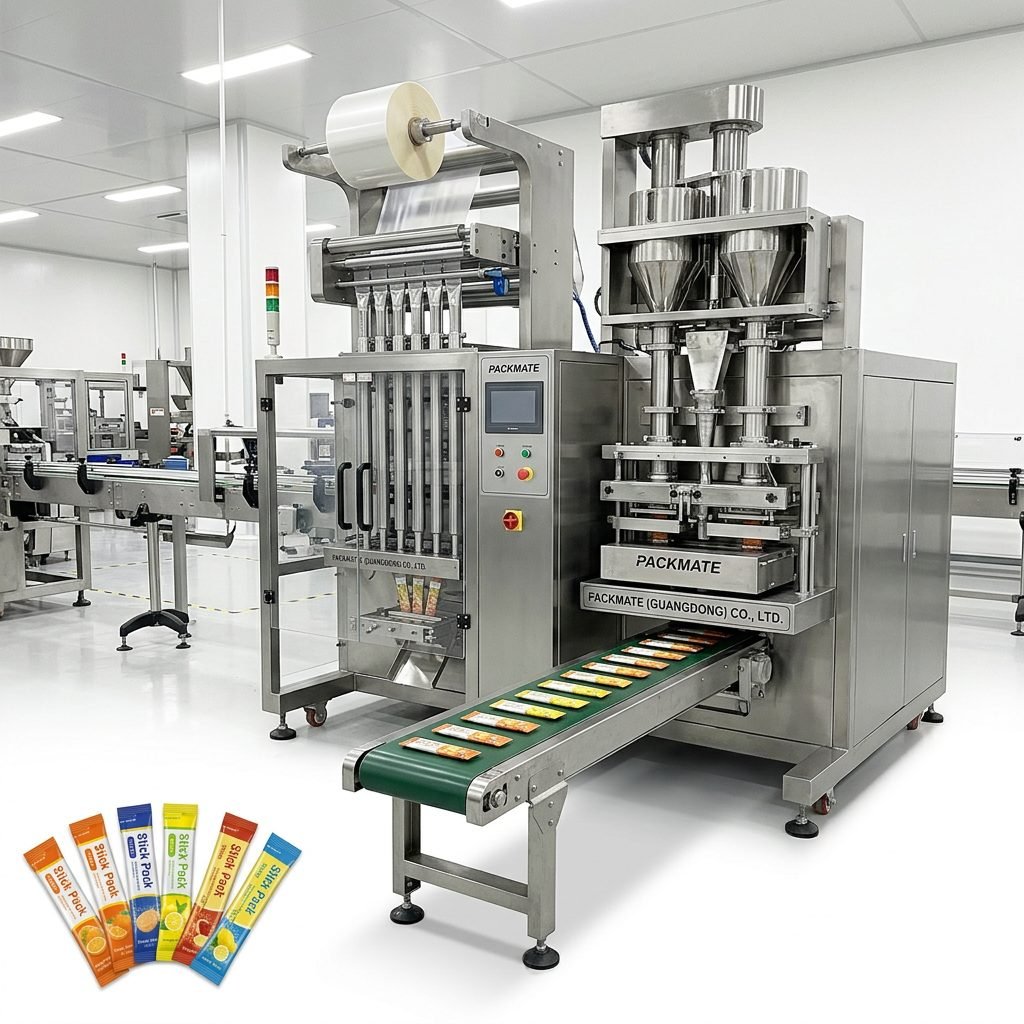
- Unmatched Consistency & Accuracy: High-precision fillers and vision inspection systems guarantee every sachet, stick pack, or bottle contains the exact weight and dosage, upholding brand integrity.
- Dramatically Increased Throughput: Multi-lane machines, such as those offered by industry leaders, can package hundreds of units per minute, meeting high-volume demands effortlessly.
- Significant Operational Cost Savings: Reduction in labor costs, minimized product waste from overfilling/underfilling, and lower rates of product recall contribute to a strong return on investment.
- Complete Traceability & Compliance: Integrated software tracks materials from intake to final pallet, generating essential reports for regulatory audits and supply chain management.
Tailored Solutions for Each Sector
While the core principles of automation are universal, successful implementation requires deep sector-specific knowledge. A one-size-fits-all approach does not work when packaging granular tea, potent tablets, or sterile surgical kits.
Food Production: Speed, Freshness, and Appeal
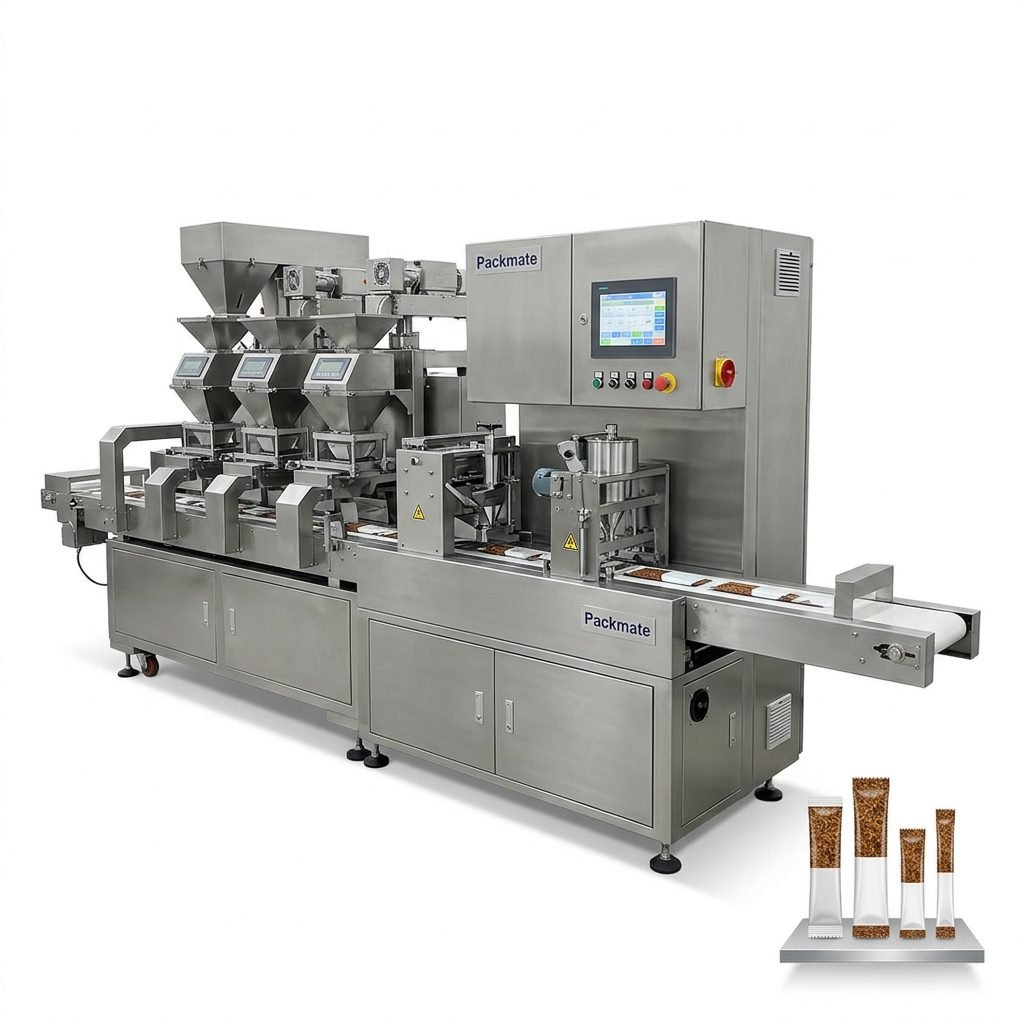
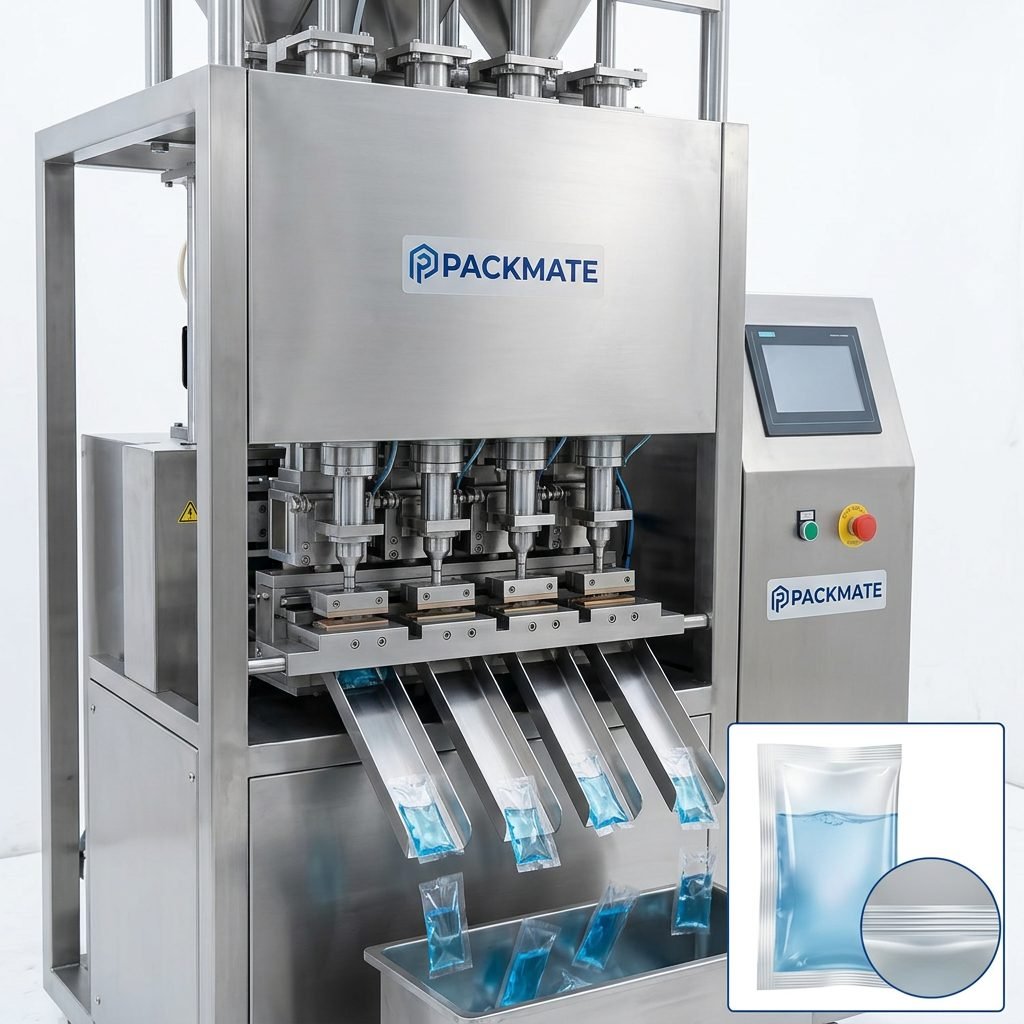
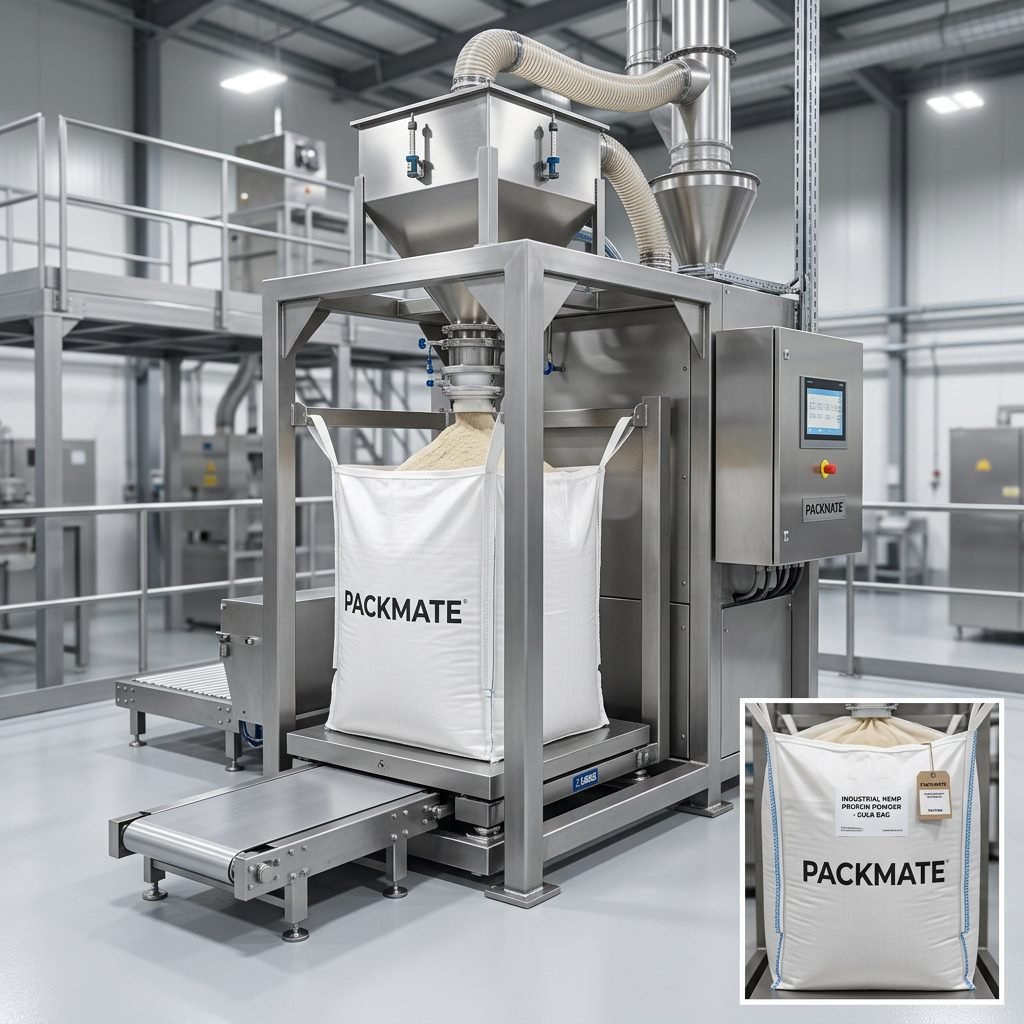
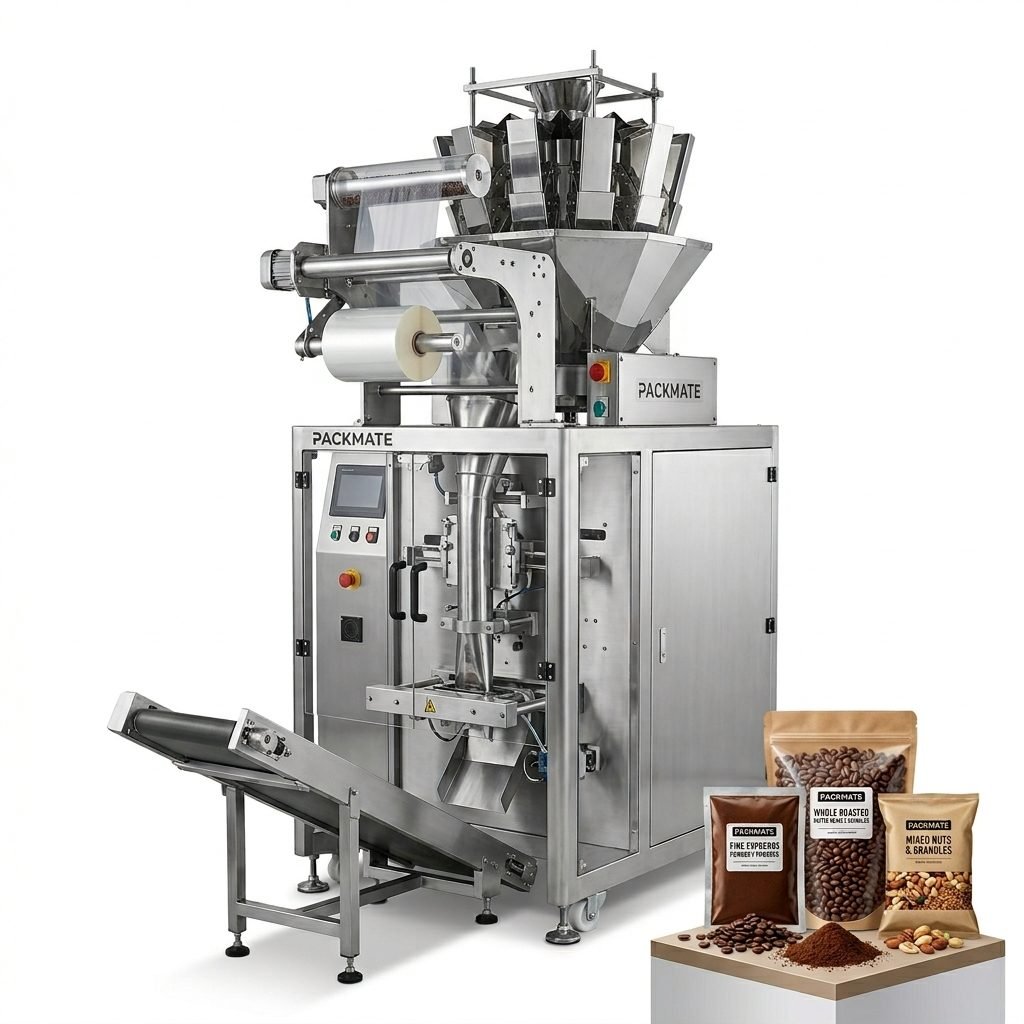
Food packaging must balance protection with presentation. Automation lines for powders (like protein supplements), granules (coffee, sugar), and liquids (sauces, oils) require machines that ensure airtight sealing to preserve freshness and extend shelf life. Modern lines often incorporate nitrogen flushing to remove oxygen and advanced form-fill-seal (FFS) technology to create the package from roll stock, reducing material costs. The flexibility to quickly switch between package sizes—from small single-serve sachets to large bulk bags—is also crucial for food producers catering to diverse markets. You can explore various packaging solutions here.
Pharmaceuticals: Precision, Purity, and Compliance
This is the most stringent environment. Packaging lines for tablets, capsules, and powders must be designed for cleanroom compatibility, often constructed with stainless steel and featuring easy-clean, no-corners designs. Accuracy is paramount; filling tolerances are exceptionally tight. Machines must handle delicate products without causing damage or generating dust. Furthermore, serialization and aggregation—printing unique identifiers on each saleable unit and bundling them for track-and-trace—are now global mandates, making integrated coding and vision inspection systems non-negotiable components of the line.
Healthcare & Medical Devices: Sterility and Security
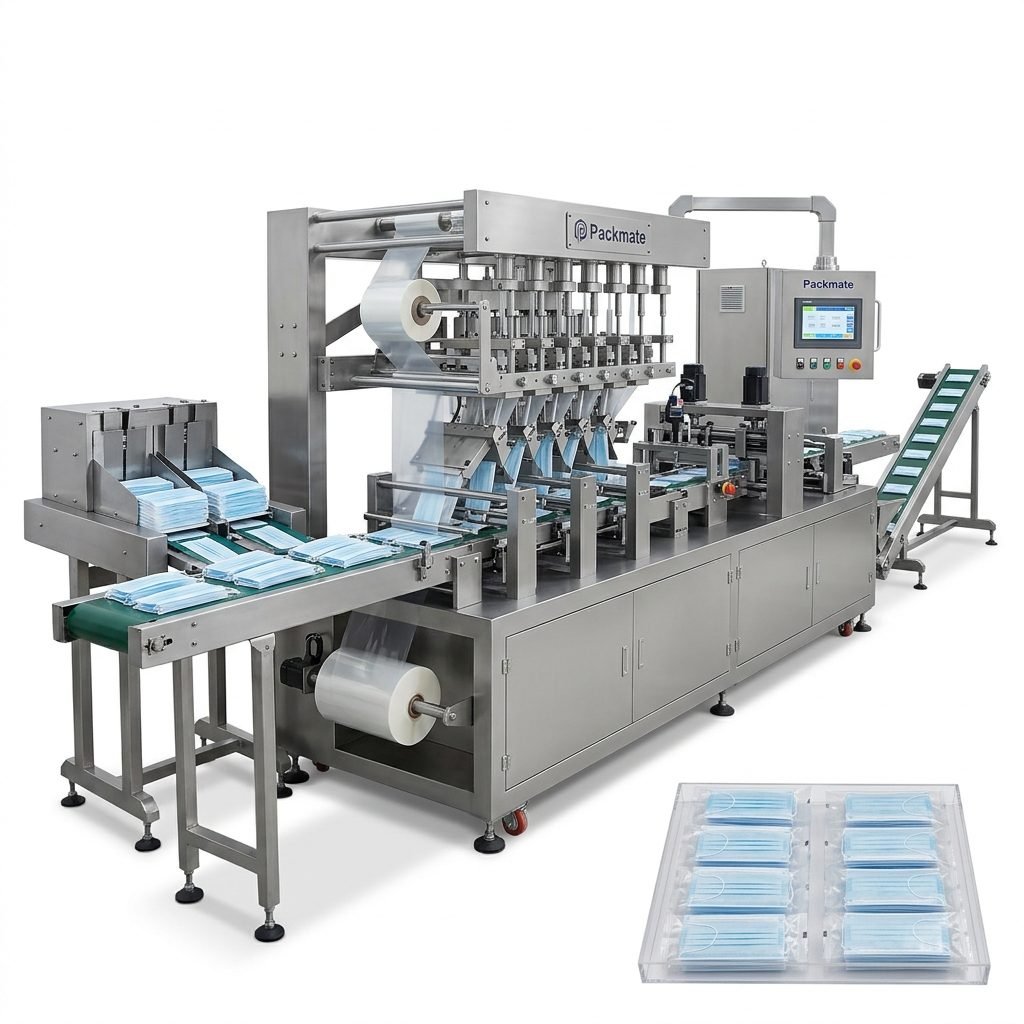
Packaging for items like syringes, wound dressings, and diagnostic kits must maintain a sterile barrier until the point of use. Automation ensures the consistent application of Tyvek® lids or medical-grade foil seals onto thermoformed trays or blisters. Peel strength, seal integrity, and package clarity for content visibility are all critically tested by in-line systems. Tamper-evidence features are also automatically applied, providing visible assurance to end-users, typically medical professionals or patients.
Components of a Modern Turnkey Packaging Line
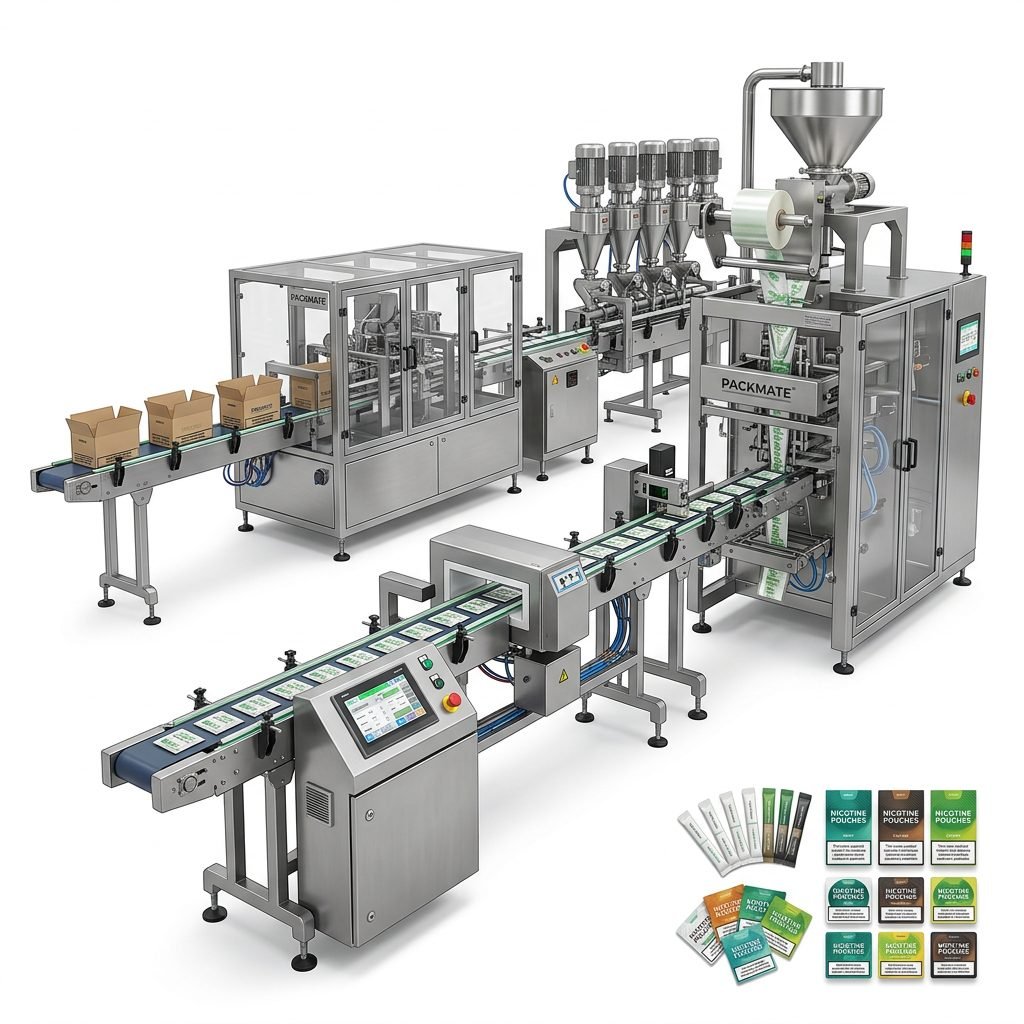
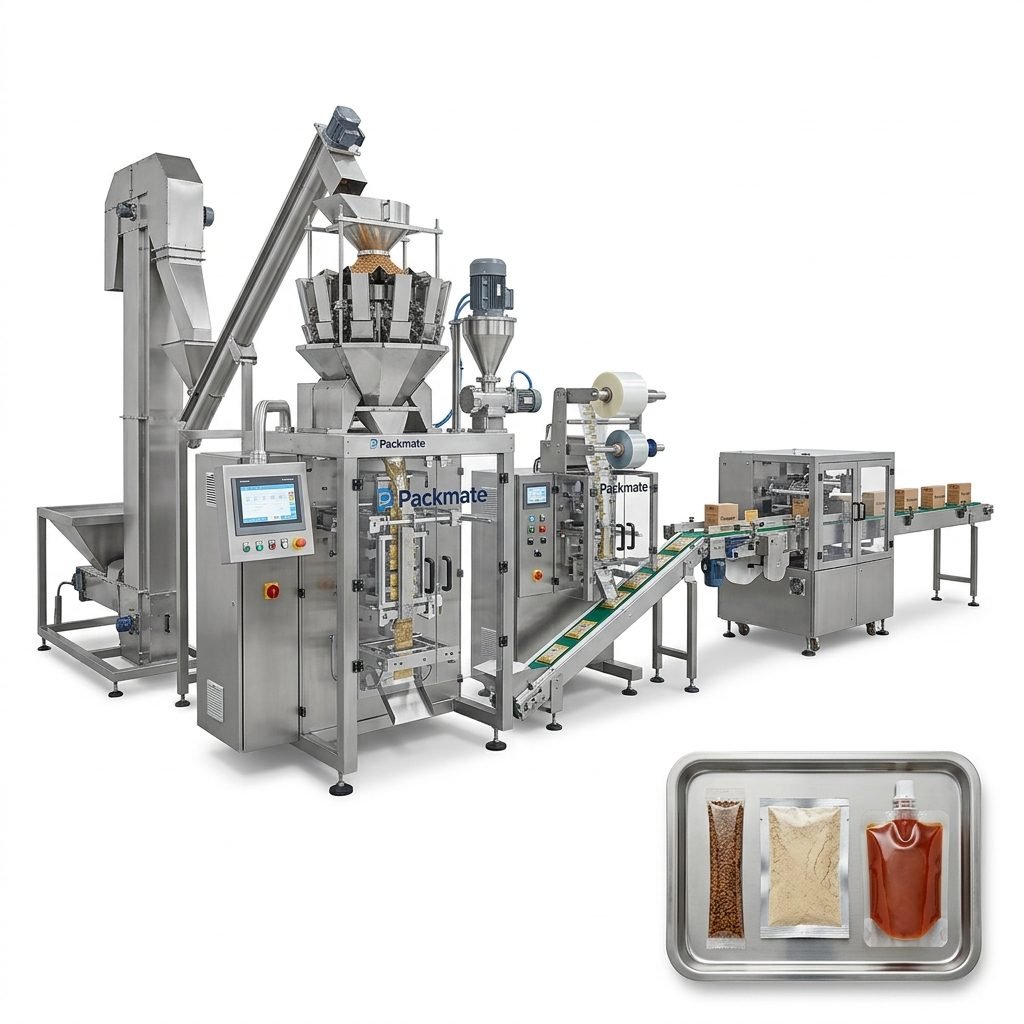
A complete, or turnkey, automated line is a symphony of integrated machines, each performing a specific function. Leading providers like Packmate (GuangDong) Co., Ltd. design these systems holistically to ensure seamless material flow and data communication.
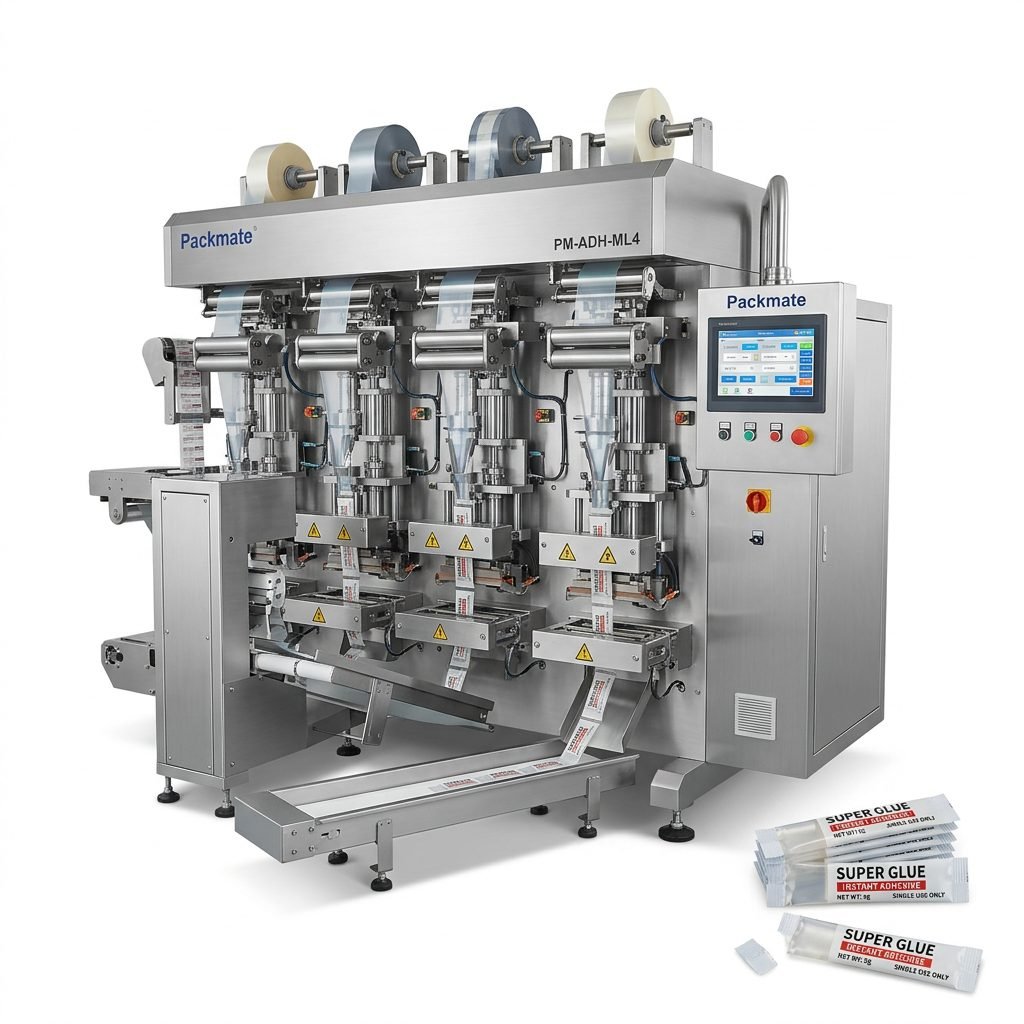
- Unwinding & Forming: Roll stock of laminate film is fed and shaped into pouches or tubes.
- Precision Filling: Volumetric, auger, or liquid pumps deposit the product with extreme accuracy.
- Sealing & Coding: Heated jaws create hermetic seals, followed by immediate date/batch coding.
- Vision Inspection & Checkweighing: Cameras verify print quality, seal integrity, and fill levels, rejecting any substandard packs.
- Secondary Packaging: Finished primary packs are collated, counted, and cartoned into boxes.
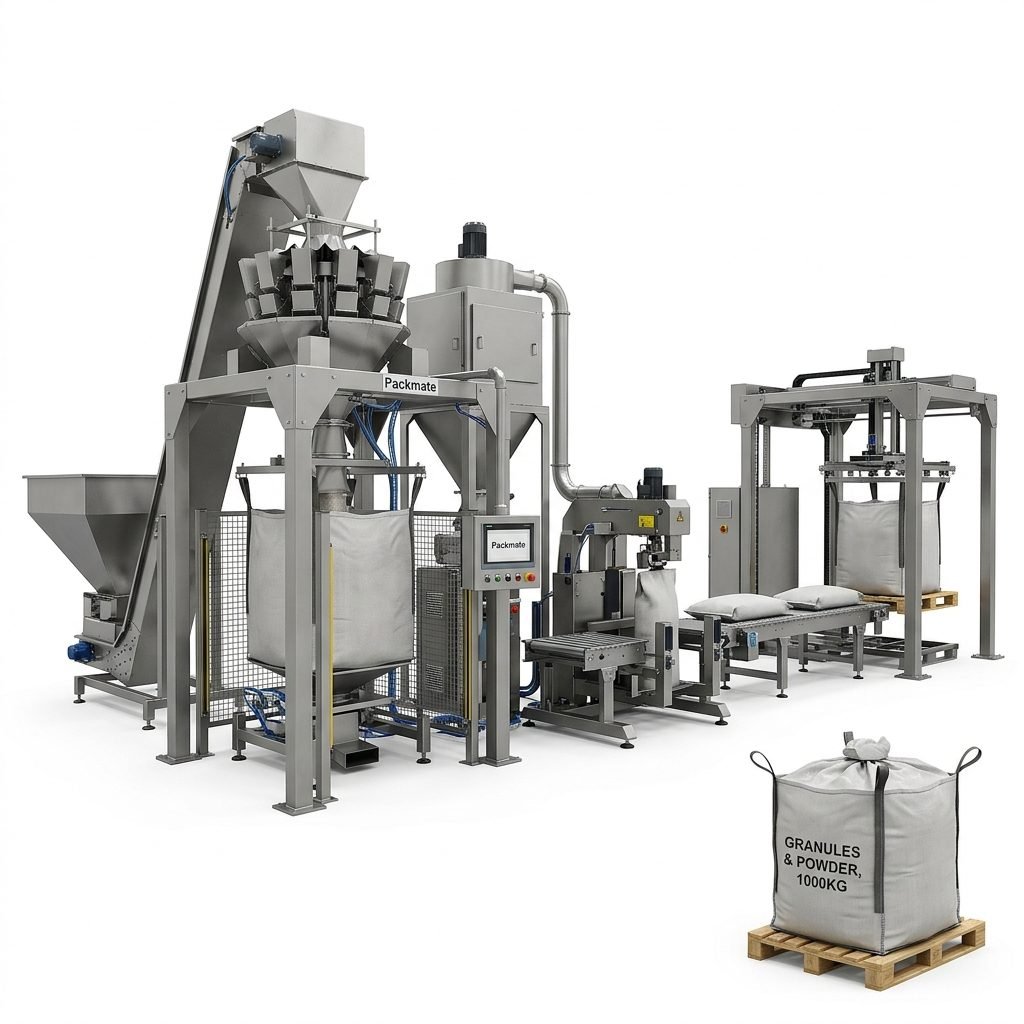
- Palletizing & Warehousing: Cartons are automatically stacked onto pallets for storage or shipment.
View real-world applications in our detailed project case studies.
Implementing Your Automation Strategy: Key Considerations
Transitioning to or upgrading an automated line is a significant investment. Careful planning is essential for success. Start by conducting a thorough audit of your current process to identify precise pain points—is it speed, waste, or compliance? Clearly define your goals: target output (packs per minute), required flexibility (changeover times), and future scalability. Partnering with an experienced supplier is critical. Look for a partner with proven experience in your specific industry, who offers comprehensive support from design and factory acceptance testing (FAT) to installation, training, and after-sales service. A reliable partner ensures the line integrates smoothly with your existing operations and meets all local and international regulatory standards.
The Future: Smart Factories and Industry 4.0
The next evolution is the connected packaging line. With the integration of Industrial Internet of Things (IIoT) sensors and cloud-based Supervisory Control and Data Acquisition (SCADA) systems, managers can monitor Overall Equipment Effectiveness (OEE), predict maintenance needs, and optimize production schedules in real-time from anywhere in the world. This shift towards data-driven decision-making unlocks new levels of productivity and agility, preparing businesses for the future of manufacturing.
Ultimately, investing in packaging automation is an investment in your brand’s reputation, resilience, and growth. It builds a foundation of quality and reliability that allows you to navigate complex regulations, satisfy consumer expectations, and compete effectively on a global scale. By choosing the right technology and the right partner, you transform your packaging operation from a cost center into a strategic asset.
Frequently Asked Questions (FAQs)
What is the typical ROI timeframe for a packaging automation project?
While it varies by scale and complexity, most businesses see a return on investment within 1 to 3 years. Savings are realized through reduced labor costs, dramatic decreases in product giveaway and waste, higher throughput, and fewer quality-related recalls or rejections.
Can automated lines handle flexible packaging materials?
Absolutely. Modern form-fill-seal machines are specifically designed to work with a wide range of laminated roll stocks, including those for stand-up pouches, flat sachets, and stick packs. The key is working with your supplier to ensure the machine’s forming and sealing mechanisms are perfectly calibrated for your specific material structure.
How difficult is it to changeover between different products or package sizes?
Advanced machines are built for flexibility. Many now feature quick-change parts and recipe-driven controls stored in the Human-Machine Interface (HMI). An operator can select a new product recipe, and the system will guide them through the changeover, significantly reducing downtime from hours to minutes compared to manual lines.
Are automated packaging lines suitable for small and medium-sized enterprises (SMEs)?
Yes. The market offers scalable solutions, from semi-automatic single machines to compact, modular lines. The investment is often justified by the need for consistent quality, compliance, and the ability to bid on larger contracts that require reliable, high-output production capabilities.
What kind of support can we expect after installation?
Reputable suppliers offer comprehensive after-sales service. This includes detailed on-site training for your operators and maintenance technicians, a warranty period, access to spare parts, and remote technical support. Many, like Packmate, provide ongoing service plans to ensure your line maintains peak performance throughout its lifecycle. For more details, visit our service page.