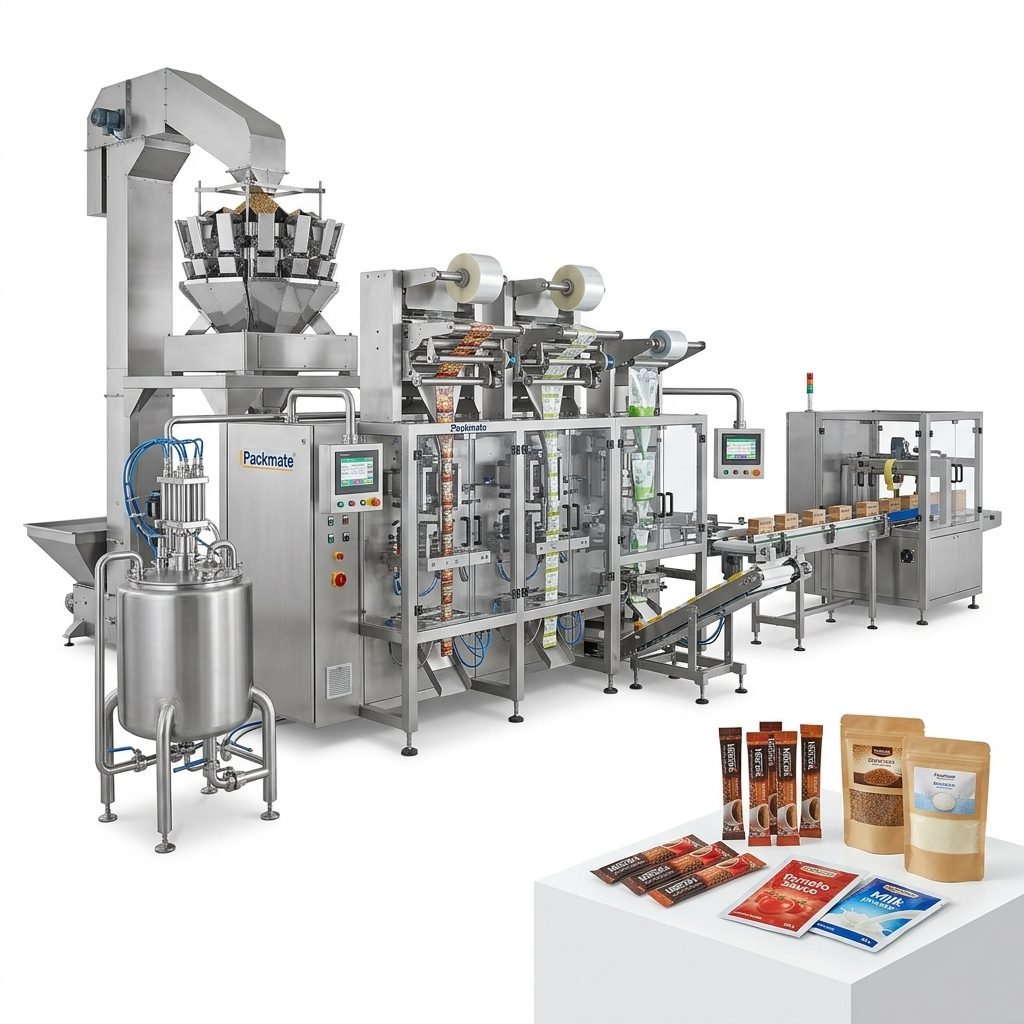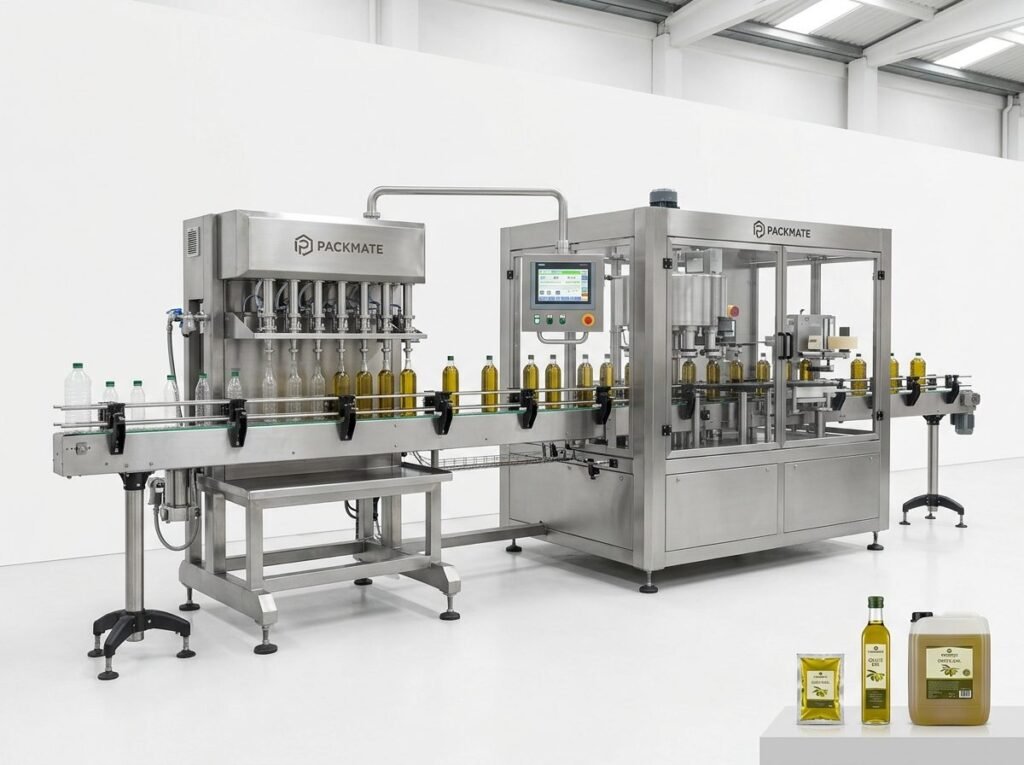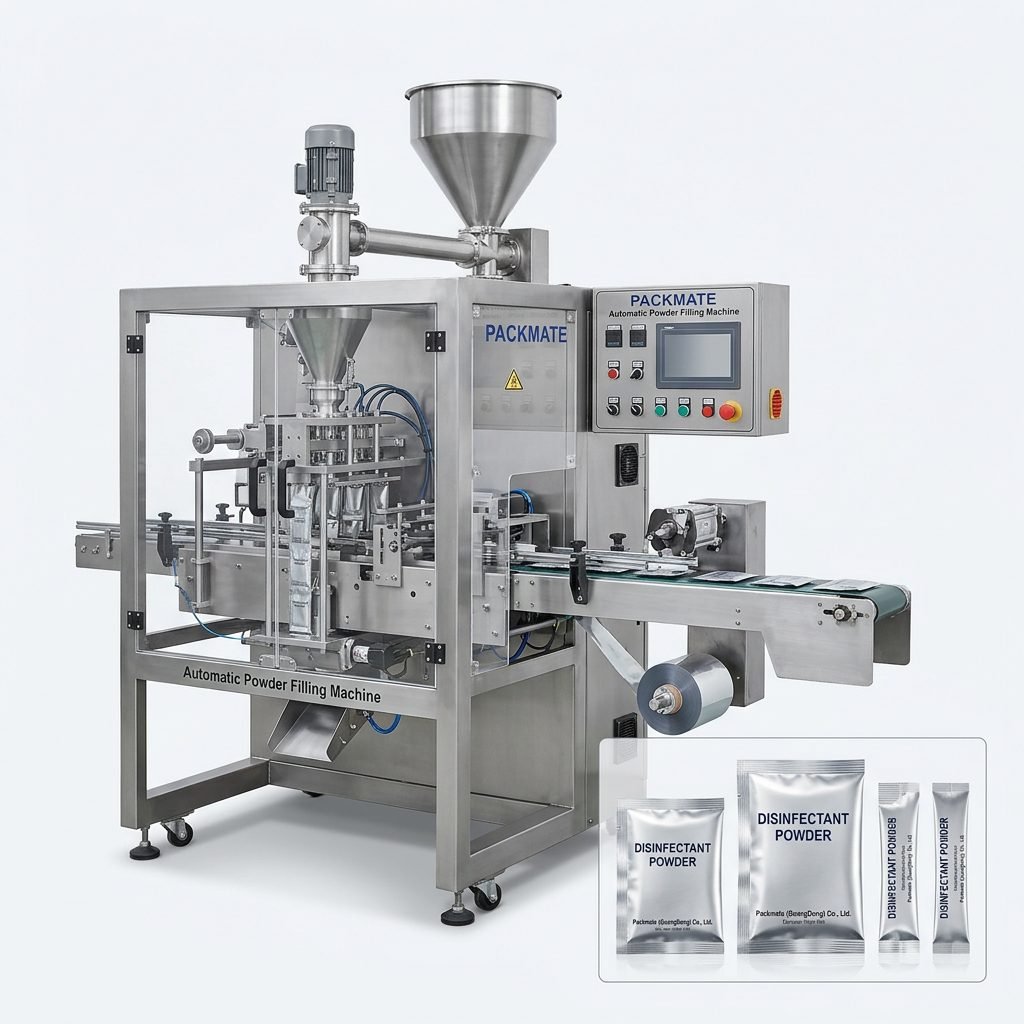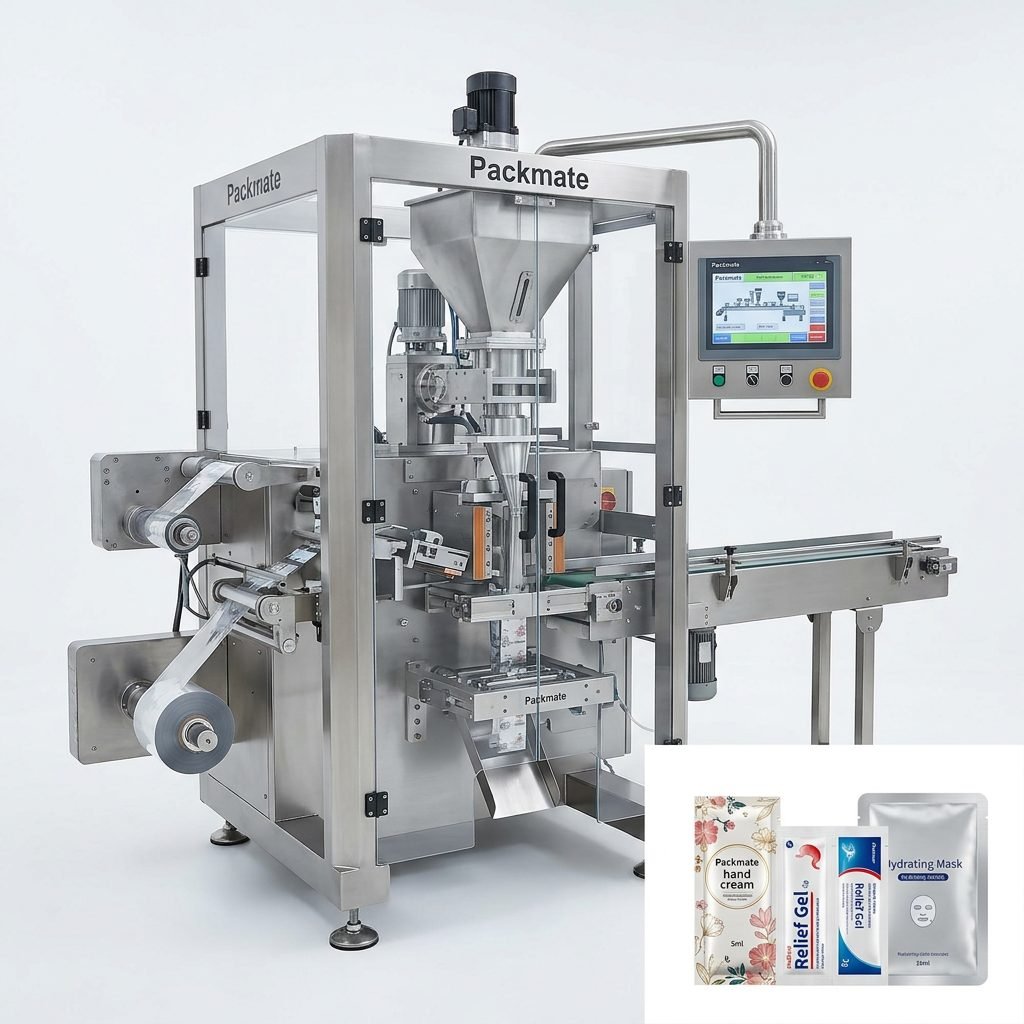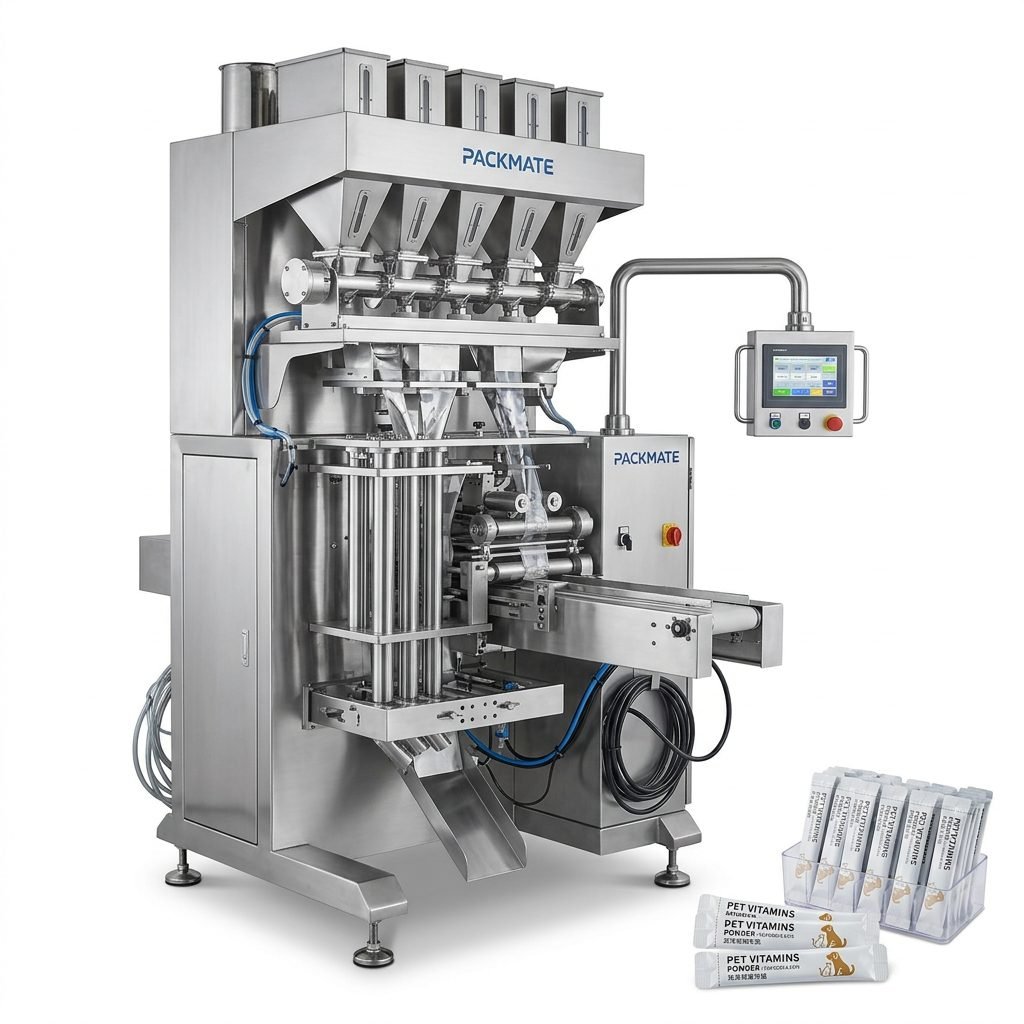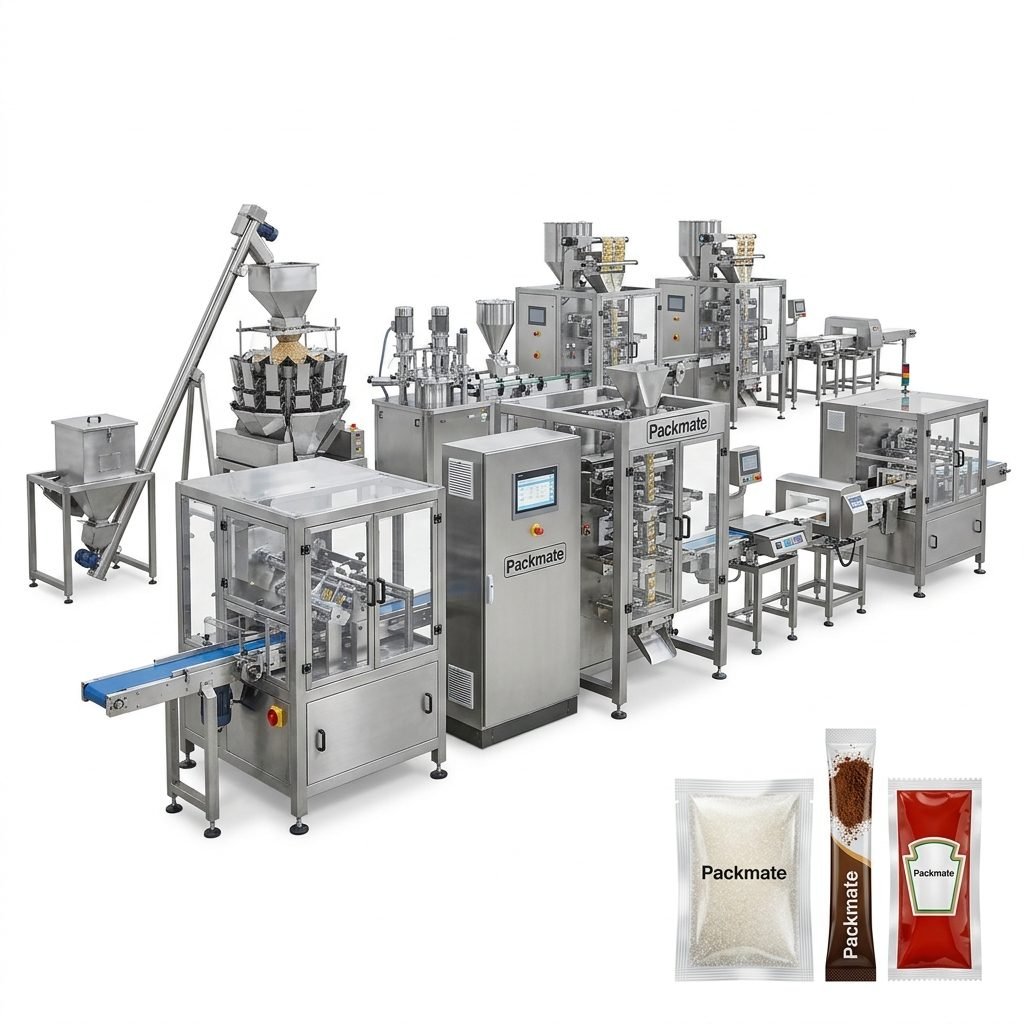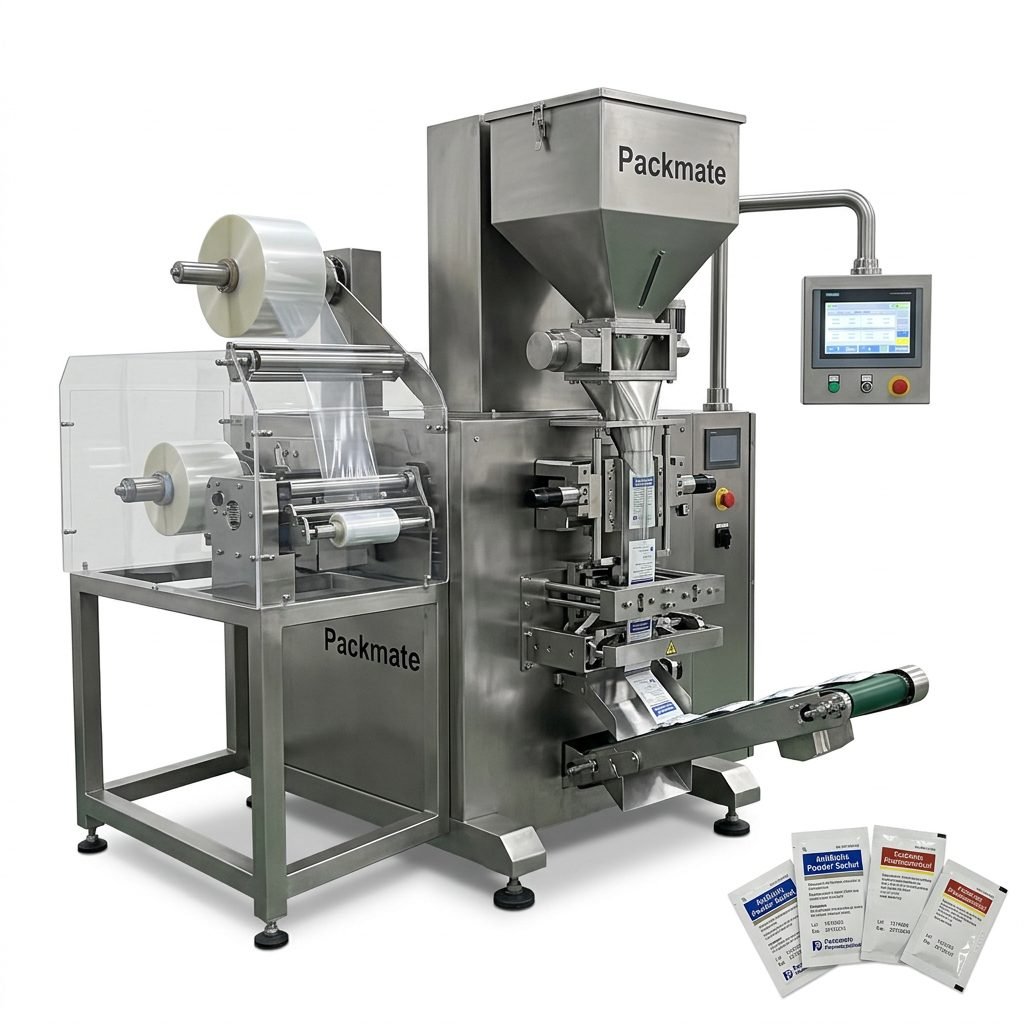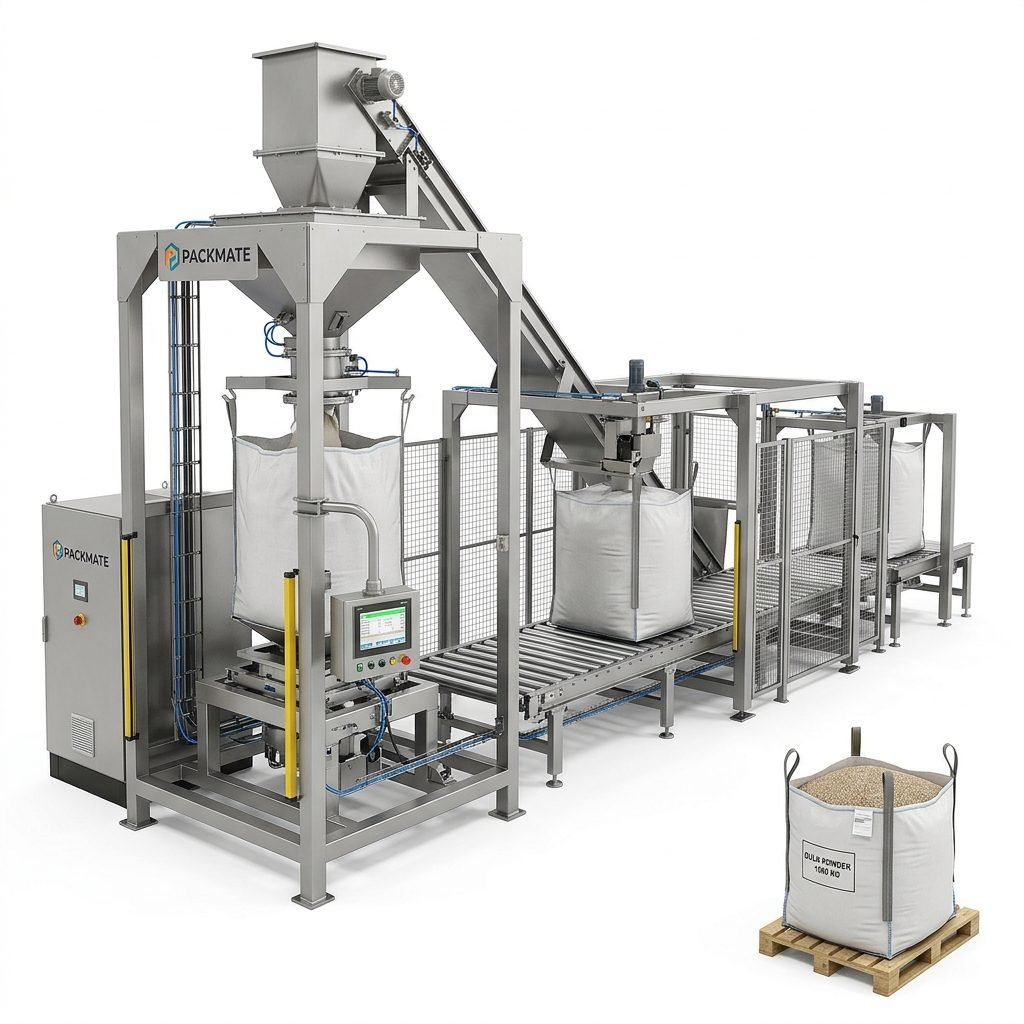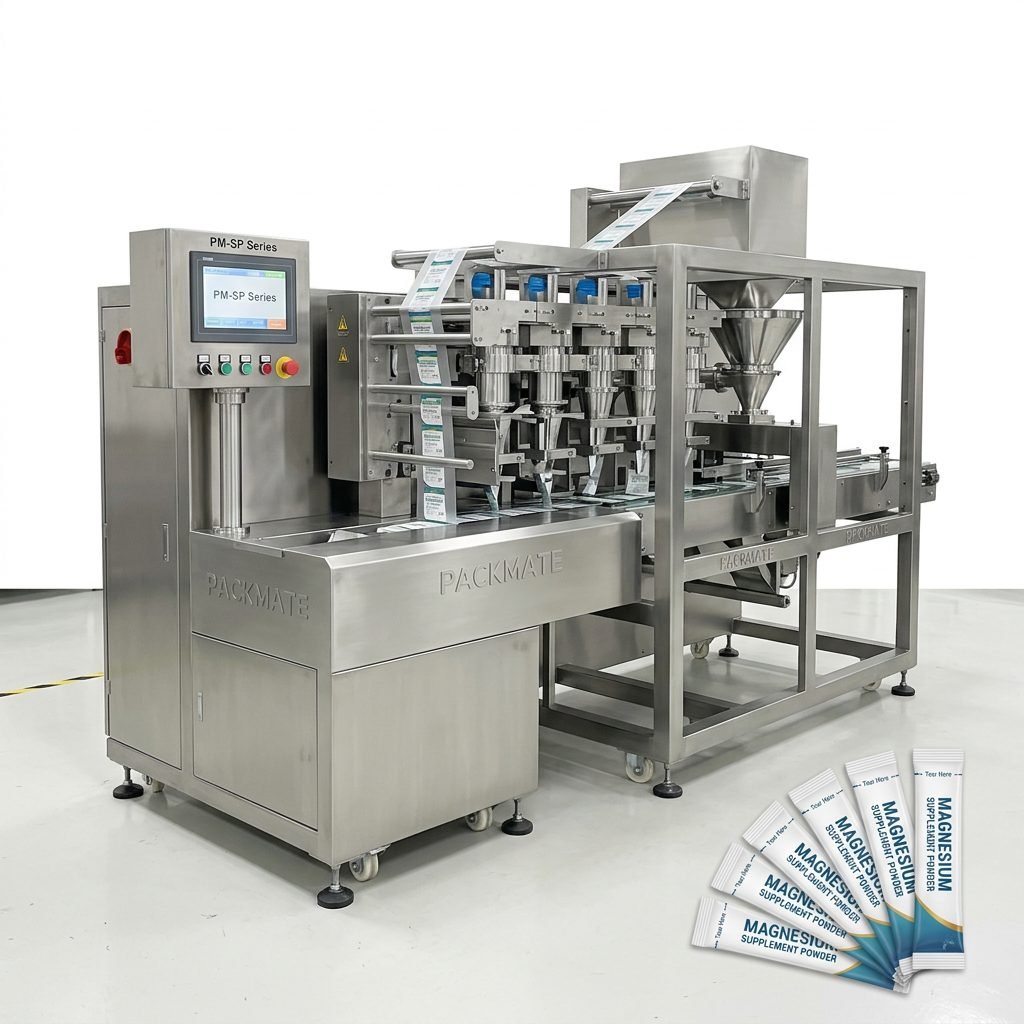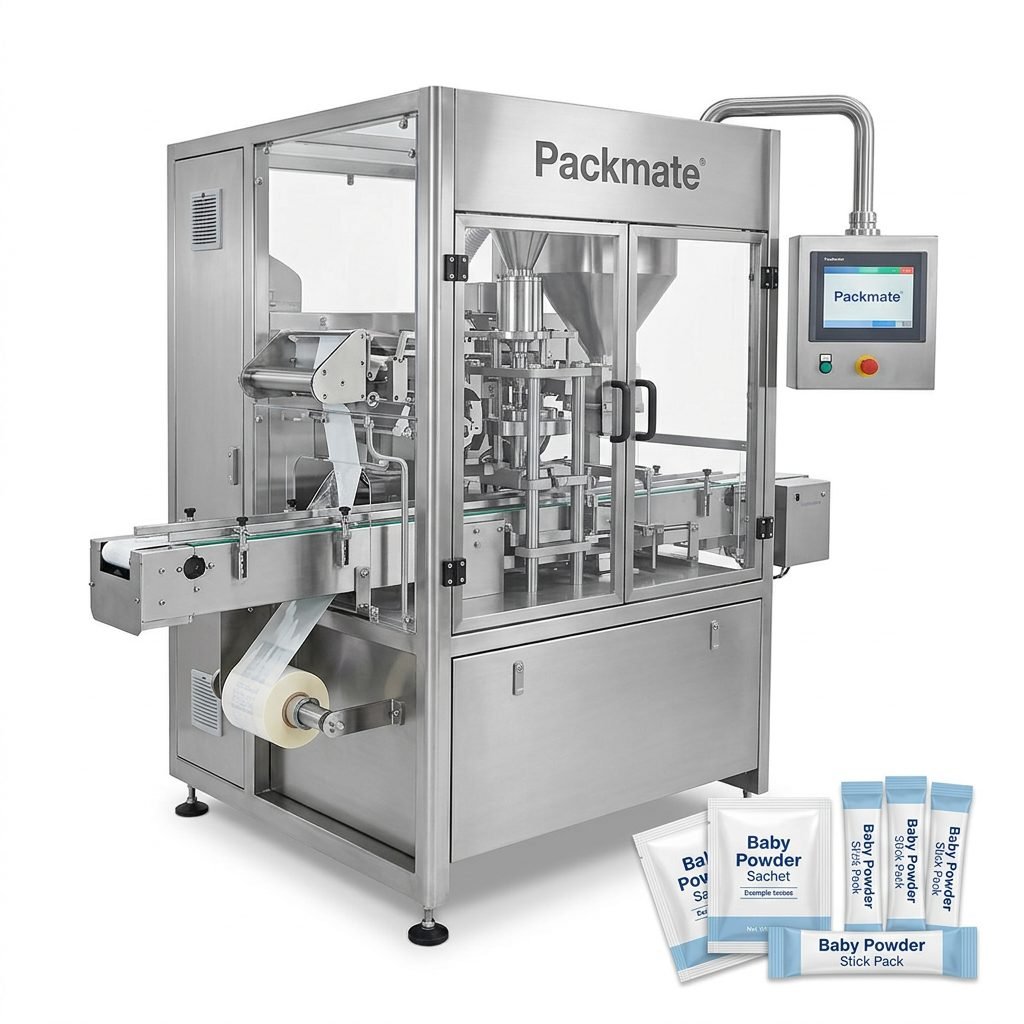
In today’s fast-paced and highly regulated global market, industries that handle consumable products face immense pressure. They must deliver goods that are not only safe and hygienic but also presented in packaging that preserves integrity, enhances brand appeal, and meets stringent logistical demands. For sectors like food, pharmaceuticals, and health products, the packaging line is far more than a final step—it’s a critical component of quality assurance, operational efficiency, and consumer trust. A specialized carton packaging line is the engineered solution that bridges production and distribution, ensuring products reach their destination in perfect condition.
The Critical Role of Carton Packaging in Key Industries
Carton packaging serves as the primary external protective layer for countless products. Its requirements, however, vary dramatically across different sectors, demanding tailored solutions.
Food Industry: Preserving Freshness and Ensuring Safety
For the food industry, packaging is a guardian against contamination, moisture, light, and air—all enemies of freshness and shelf life. A carton packaging line for food must handle a variety of formats, from individual snack bars and tea bags packed in cartons to larger boxes containing multiple sachets or pouches. Speed and hygiene are paramount. Lines must integrate seamlessly with upstream filling machines for granules, powders, or liquids, often requiring features like automatic carton erection, product collation, and secure sealing. The line must also support essential labeling, including barcodes, nutritional information, and batch codes for complete traceability from farm to fork.
Pharmaceutical Industry: Compliance and Precision Above All
This is perhaps the most demanding sector. Pharmaceutical packaging is governed by rigorous global standards (like cGMP) that leave no room for error. A pharmaceutical carton packaging line must guarantee absolute accuracy in product placement, leaflet insertion, and batch coding. Tamper-evidence features are non-negotiable. Every action, from carton feeding to final case packing, must be executed with precision and documented for audit trails. The line’s design must facilitate easy cleaning and validation to prevent cross-contamination, making reliability and compliance the core benchmarks for success.
Health & Nutraceutical Products: Blending Function with Appeal
Health supplements, vitamins, and nutraceuticals occupy a unique space. They require the protective and informative rigor of pharmaceuticals combined with the shelf appeal of consumer goods. Packaging lines for these products often handle a mix of formats—bottles, blister packs, or stick packs that need secondary cartoning. The line must provide pristine presentation to convey quality and purity, while accurately including mandatory regulatory information and marketing claims. Flexibility to switch between different product sizes and carton styles is highly valued in this dynamic market.
Key Advantage of a Turnkey Line:
Investing in a complete, integrated packaging line solution from a single provider like Packmate eliminates compatibility headaches. It ensures all components—from primary filling to cartoning and case packing—communicate flawlessly, maximizing uptime and simplifying maintenance and training.
Core Components of a Modern Carton Packaging Line
A sophisticated carton packaging line is a symphony of synchronized machines. Understanding its components reveals the complexity behind efficient packaging.
Carton Erector & Feeder
This is the starting point. Flat, die-cut carton blanks are automatically fed from a magazine, precisely folded into their three-dimensional shape, and sealed along the minor flaps. Advanced feeders can handle a wide range of carton sizes and styles with quick changeover capabilities.
Product Loading & Collation Station
Here, the primary packaged products (bottles, pouches, blister packs) are organized and inserted into the waiting cartons. This can be done via robotic pick-and-place arms for delicate items or high-speed pusher systems. For multi-pack cartons, products are collated into the correct pattern before loading.
Leaflet/Insert Feeder (Critical for Pharma)
A dedicated module that picks and places information leaflets, instructions, or promotional materials into the carton alongside the product. Precision is critical to avoid jams or missing inserts.
Carton Closing & Sealing System
The open flaps of the loaded carton are neatly closed and sealed. This can involve hot melt glue application for a permanent bond or tuck-in flaps for simpler applications. The sealing must be consistent and secure to protect the contents.
Inkjet Printing & Vision Inspection Systems
Integrated printers apply variable data like expiry dates, lot codes, and barcodes directly onto the sealed carton. Downstream vision inspection cameras then verify print quality, correct leaflet insertion, and even check for the presence of the product itself, rejecting any non-conforming packages.
Choosing the Right Partner for Your Packaging Line
Selecting a supplier is a strategic decision. Beyond the machine specifications, consider the provider’s industry experience, support ecosystem, and commitment to innovation. A partner with deep knowledge in your specific sector will anticipate challenges and design solutions that go beyond the basic requirements.
For instance, a provider experienced in the pharmaceutical industry will inherently design for cleanability and validation. One focused on food packaging will prioritize easy-washdown surfaces and food-grade materials. Reviewing a supplier’s project case studies and client testimonials offers invaluable insight into their real-world capabilities and reliability.
The Packmate Advantage: Integration and Intelligence
At Packmate, we approach carton packaging lines as integrated systems. Our solutions are built on over three decades of engineering expertise, focusing on seamless communication between all line components. Our intelligent control systems provide operators with real-time data on efficiency, output, and potential faults, enabling predictive maintenance and minimizing unplanned downtime. This holistic approach ensures our lines deliver not just speed, but sustainable, intelligent productivity for our partners in the food, pharmaceutical, and health sectors. Learn more about our journey and ethos on our About Us page.
Future Trends: Sustainability and Smart Packaging
The evolution of carton packaging is driven by two powerful trends: environmental responsibility and digital connectivity. Lines are increasingly being adapted to handle recycled or biodegradable carton materials without compromising run speed. Furthermore, the integration of smart sensors and IoT (Internet of Things) capabilities allows packaging lines to become data hubs, collecting information on machine performance, product flow, and even environmental conditions within the carton, paving the way for the next generation of smart, traceable packaging.
Implementing a robust carton packaging line is a significant investment that pays dividends in product safety, brand reputation, and operational cost savings. By understanding the unique needs of your industry and partnering with an experienced provider like Packmate, you secure a critical asset for your business’s future growth and resilience. For specific technical queries or to discuss a project, please visit our Contact Us page.
Frequently Asked Questions (FAQs)
1. What is the main difference between a carton packaging line for food versus pharmaceuticals?
While both require precision and hygiene, pharmaceutical lines are governed by stricter regulatory standards (e.g., cGMP). They mandate features like guaranteed leaflet insertion, superior cleanability, and full validation documentation. Food lines prioritize high-speed handling of diverse product types and often require easier washdown for hygiene.
2. How quickly can a carton packaging line change over to a different carton size?
Changeover time varies by machine design. Modern lines from advanced providers feature quick-change systems for carton magazines, forming heads, and product guides. With proper tooling and setup, changeovers can often be accomplished in 15-30 minutes, maximizing production flexibility.
3. Can your packaging line integrate with our existing primary filling machines?
Yes, a key service from experienced providers like Packmate is the integration of new cartoning equipment with your existing production line. This involves engineering custom interfaces and conveyor systems to ensure smooth product transfer and synchronized control between all machines.
4. What kind of after-sales support and training do you provide?
Comprehensive support is crucial. This typically includes on-site installation supervision, detailed operator and maintenance training programs, a readily available inventory of spare parts, and remote technical support. A reliable partner will offer a clear service agreement outlining response times and support channels.
5. How do you ensure the line meets our specific hygiene and sanitation standards?
Lines are designed with your standards in mind. This can involve using stainless steel or coated surfaces in product contact zones, designing with minimal crevices for easy cleaning, and providing documentation on recommended cleaning protocols. For pharmaceutical applications, the design supports full validation (IQ/OQ/PQ) to prove cleaning efficacy.