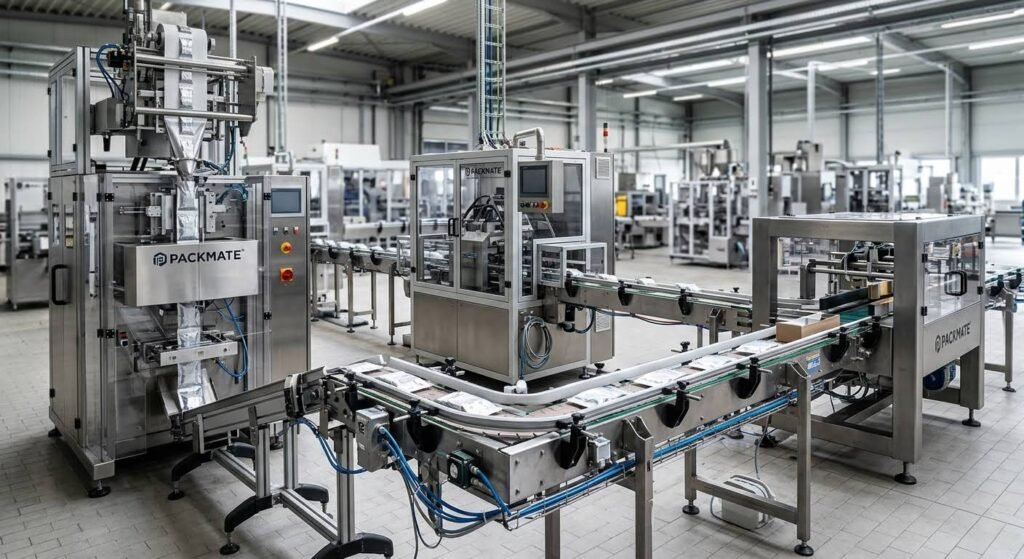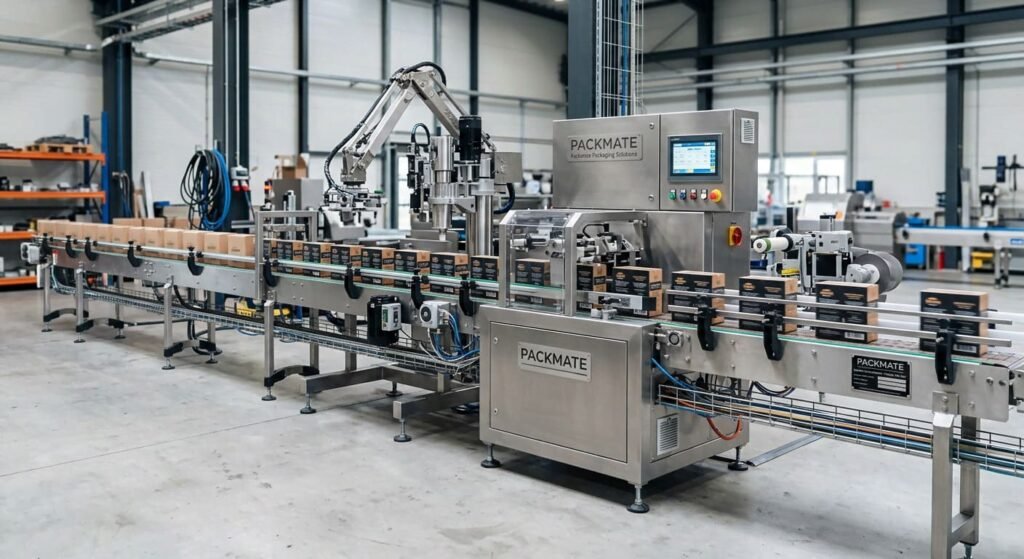
In the competitive and highly regulated worlds of food and pharmaceutical manufacturing, efficiency, precision, and hygiene are non-negotiable. Granules, a common product form ranging from instant coffee and sugar to medicinal powders and supplements, present unique packaging challenges. They require solutions that ensure accurate dosing, prevent contamination, maintain product integrity, and deliver at high speeds. This is where a complete, automatic packaging line for granules becomes not just an asset, but a critical component of a successful production operation.
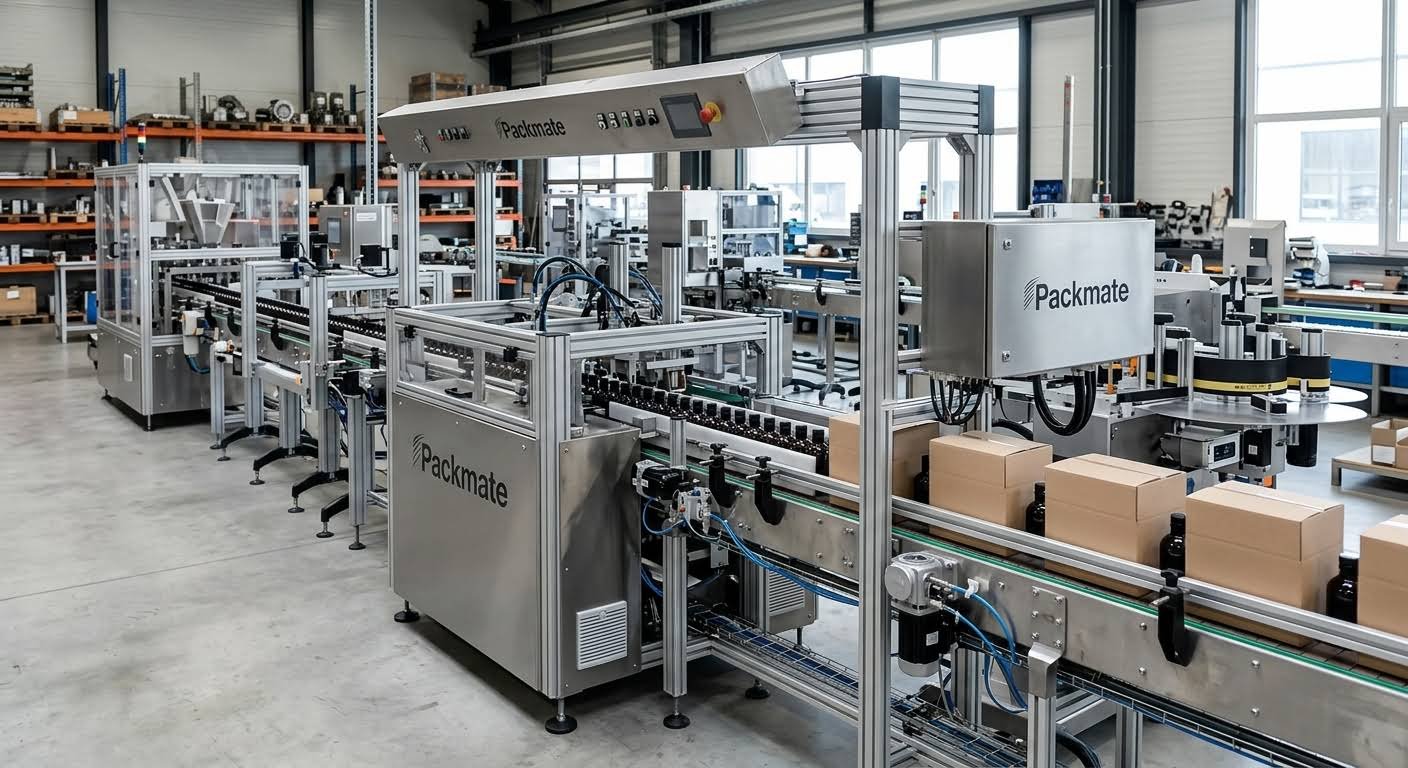
The Core Components of a Granule Packaging Line
A fully integrated automatic line is a symphony of coordinated machinery. It transforms bulk granules into finished, retail-ready packages with minimal human intervention. The key stages typically include:
1. Feeding and Dosing
This is the heart of accuracy. Volumetric or auger fillers precisely measure the required amount of granules. Advanced systems feature weight feedback control, automatically adjusting to ensure every sachet or stick pack meets the exact weight specification, a crucial factor for both cost control and regulatory compliance in the pharma sector.
2. Bag Forming, Filling, and Sealing
A roll of packaging film (laminate) is fed into the machine, formed into a tube, and vertically sealed. The measured granules are dropped into this tube. The machine then creates a horizontal seal below the product, simultaneously sealing the top of the previous package. This continuous motion process, central to vertical form-fill-seal (VFFS) technology, enables remarkable speeds. For higher output, multi-lane solutions run several packaging tracks in parallel.
3. Secondary Packaging and Quality Control
Individual sachets or stick packs are often collated into groups, cartoned, and case-packed automatically. Integrated vision inspection systems check for seal integrity, print quality, and fill levels, rejecting any substandard packages to maintain impeccable quality standards. This end-to-end automation is a hallmark of a true turnkey packaging line.
Why Automation is Essential for Food & Pharma Granules
The shift from semi-automatic to fully automatic lines is driven by compelling benefits that directly impact the bottom line and brand reputation.
Unmatched Hygiene and Contamination Control
Minimizing human contact with the product is paramount, especially in pharmaceutical and sensitive food applications. Enclosed systems and clean-design machines significantly reduce the risk of microbial or particulate contamination, helping manufacturers meet stringent standards like GMP (Good Manufacturing Practice).
Superior Speed and Scalable Productivity
Automatic lines operate 24/7 with consistent output. Speeds can range from hundreds to thousands of packs per minute depending on the configuration. This scalability allows businesses to meet fluctuating market demands efficiently, a critical capability showcased in many successful project cases.
Precision and Reduced Waste
Computer-controlled dosing ensures remarkable weight accuracy, minimizing product giveaway. Consistent, high-quality sealing drastically reduces package failure rates. This precision translates into direct material savings and less waste.
Enhanced Operational Safety and Data Traceability
Automation reduces labor-intensive and repetitive tasks, lowering the risk of workplace injuries. Modern lines are equipped with PLCs and HMIs that collect production data—output counts, downtime reasons, efficiency rates—providing valuable insights for process optimization and full batch traceability.
Choosing the Right Partner for Your Packaging Line
Investing in a complete packaging line is a significant decision. The right equipment provider acts as a strategic partner, not just a vendor. Key considerations include:
- Industry-Specific Expertise: Does the provider have proven experience in your specific sector, whether it’s hygroscopic food granules or potent pharmaceutical actives?
- Technology and Innovation: Do they offer the latest in servo-driven technology, user-friendly interfaces, and hygienic design?
- Service and Support: What is their commitment to after-sales service, spare parts availability, and technical training? A global support network is vital.
- Project Execution Capability: Can they deliver a true turnkey solution, from initial design and factory acceptance tests to installation, commissioning, and ongoing support services?
Companies like Packmate (GuangDong) Co., Ltd. exemplify this partnership approach. With decades of experience, they specialize in designing and manufacturing intelligent packaging solutions tailored for granules, powders, and liquids. Their comprehensive company profile highlights a commitment to quality and innovation, backed by a modern manufacturing facility. You can explore their full range of capabilities and machinery on their official homepage.
Conclusion
An automatic packaging line for granules is a transformative investment for food and pharmaceutical producers. It delivers the trifecta of modern manufacturing: superior quality assurance, optimized operational efficiency, and robust scalability. By automating the entire process from bulk handling to final case packing, businesses can achieve consistent, high-volume output while ensuring the utmost product safety and integrity. In an era where consumers and regulators demand both quality and transparency, a reliable, high-performance packaging line is the cornerstone of a trusted and competitive brand.
Frequently Asked Questions (FAQs)
1. What types of granules can be packaged on these automatic lines?
These lines are highly versatile and can handle a wide range of free-flowing and non-free-flowing granules, including instant drink mixes, sugar, salt, spices, grain products, protein powders, medicinal herbs, and pharmaceutical granules. The dosing system (e.g., auger type) is selected based on the product’s flow characteristics and accuracy requirements.
2. How fast can an automatic granule packaging line operate?
Speed depends on the package size, type (sachet vs. stick pack), and machine configuration. Single-lane vertical form-fill-seal machines can typically achieve 80-150 bags per minute. For high-volume needs, multi-lane systems (e.g., 4-lane, 8-lane) can collectively reach speeds of 400 to over 1000 packs per minute.
3. What packaging materials are used for granule products?
Granules often require barriers against moisture, oxygen, and light. Common materials are laminates or co-extruded films that may include layers of PET, PE, CPP, aluminum foil (for excellent barrier properties), and metallized film. The choice depends on the product’s shelf-life needs and the sealing method of the machine.
4. Can one line handle different package sizes or products?
Yes, most modern automatic lines are designed with changeover flexibility. With quick-change parts for forming tubes, augers, and sealing jaws, and programmable recipes saved in the PLC, switching between different package sizes or similar granule products can often be accomplished in 30 minutes or less, minimizing downtime.
5. What are the key factors in maintaining such a packaging line?
Regular preventive maintenance is crucial. This includes daily cleaning to prevent product buildup, lubrication of moving parts as per the manual, inspection and replacement of wear items like sealing jaws and cutting blades, and calibration of the weighing system. Choosing a supplier with reliable spare parts supply and technical support is essential for long-term operational success.
For more detailed questions, please refer to our dedicated FAQs page.