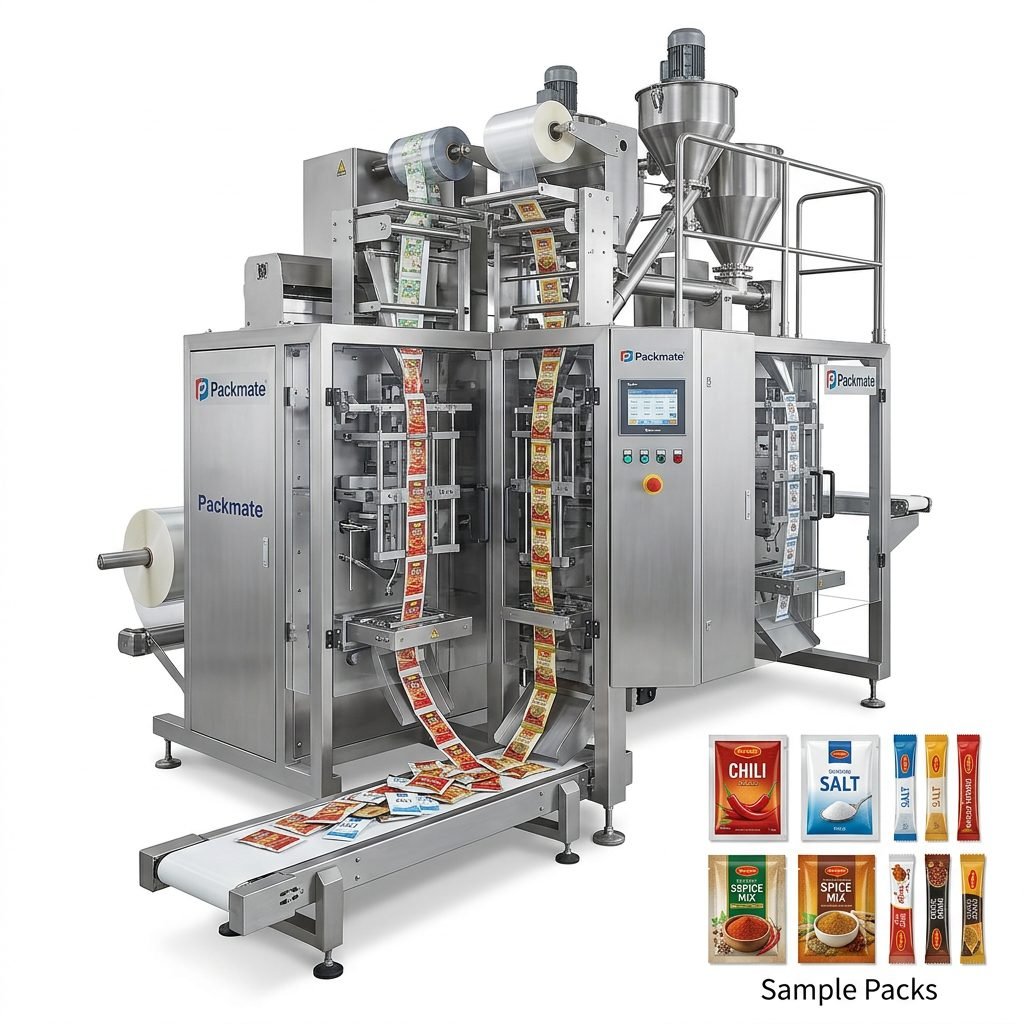
In the fast-paced world of pharmaceutical, nutraceutical, and supplement manufacturing, accuracy and speed are non-negotiable. Manual counting of tablets and capsules is a relic of the past, prone to human error, slow, and costly. This is where automatic counting machines step in, revolutionizing packaging lines with precision and blistering speed. This guide delves into how high-speed tablet and capsule counters are engineered to dramatically improve packaging efficiency, reduce waste, and ensure compliance.
The Core Technology: How Automatic Counting Machines Work
Modern automatic counters are marvels of engineering, typically utilizing one of two primary technologies: photoelectric (optical) sensing or weight-based counting. Photoelectric counters use advanced sensors and cameras to visually detect and tally each item as it passes through a chute or on a vibrating tray. Weight-based systems, often used for very small or uniform products, calculate quantity by dividing the total weight of a batch by the pre-set weight of a single unit.
The process is seamlessly integrated: bulk product is fed into a hopper, gently vibrated and aligned onto a track, individually counted by the sensing system, and then directed into bottles, blisters, or pouches. Advanced models feature self-adjusting vibration to prevent product damage and automatic rejection of under/over-counts, ensuring every single package meets the exact specification.
Key Components Driving Speed and Accuracy
Efficiency is built into every component. The high-precision servo motors control movement with minimal vibration, allowing for faster line speeds. Multi-channel counting heads enable simultaneous counting for multiple product streams, effectively multiplying output. Furthermore, sophisticated software provides real-time production data, track-and-trace capabilities, and easy changeover settings for different product sizes, which is crucial for manufacturers with diverse packaging solutions.
Quantifying the Efficiency Gains
The shift from manual to automatic counting delivers measurable, transformative benefits that directly impact the bottom line.
Direct Impact on Packaging Line Performance
- Speed: Machines can count thousands of units per minute, far surpassing any human team. This increases overall line throughput, allowing you to meet higher demand without expanding labor.
- Accuracy: Achieving near-100% count accuracy eliminates costly giveaways (overfills) and regulatory risks (underfills). This precision is paramount in industries like pharmaceuticals.
- Labor Optimization: Automating this repetitive task frees skilled workers for value-added roles like quality control, machine supervision, and process improvement.
- Reduced Waste: Precise counting minimizes product loss from spillage or miscounts. Consistent counts also reduce packaging material waste from reworks.
Beyond Counting: Integrated Efficiency for Turnkey Lines
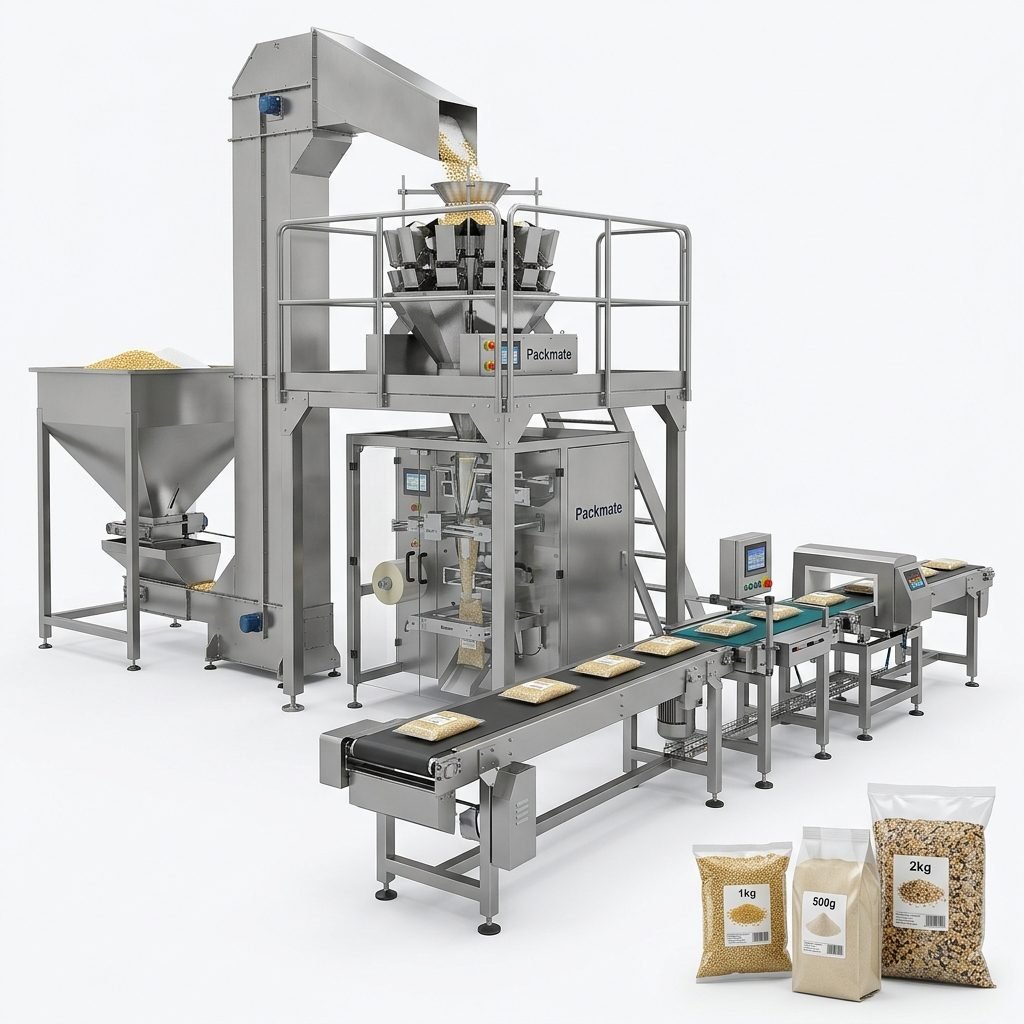
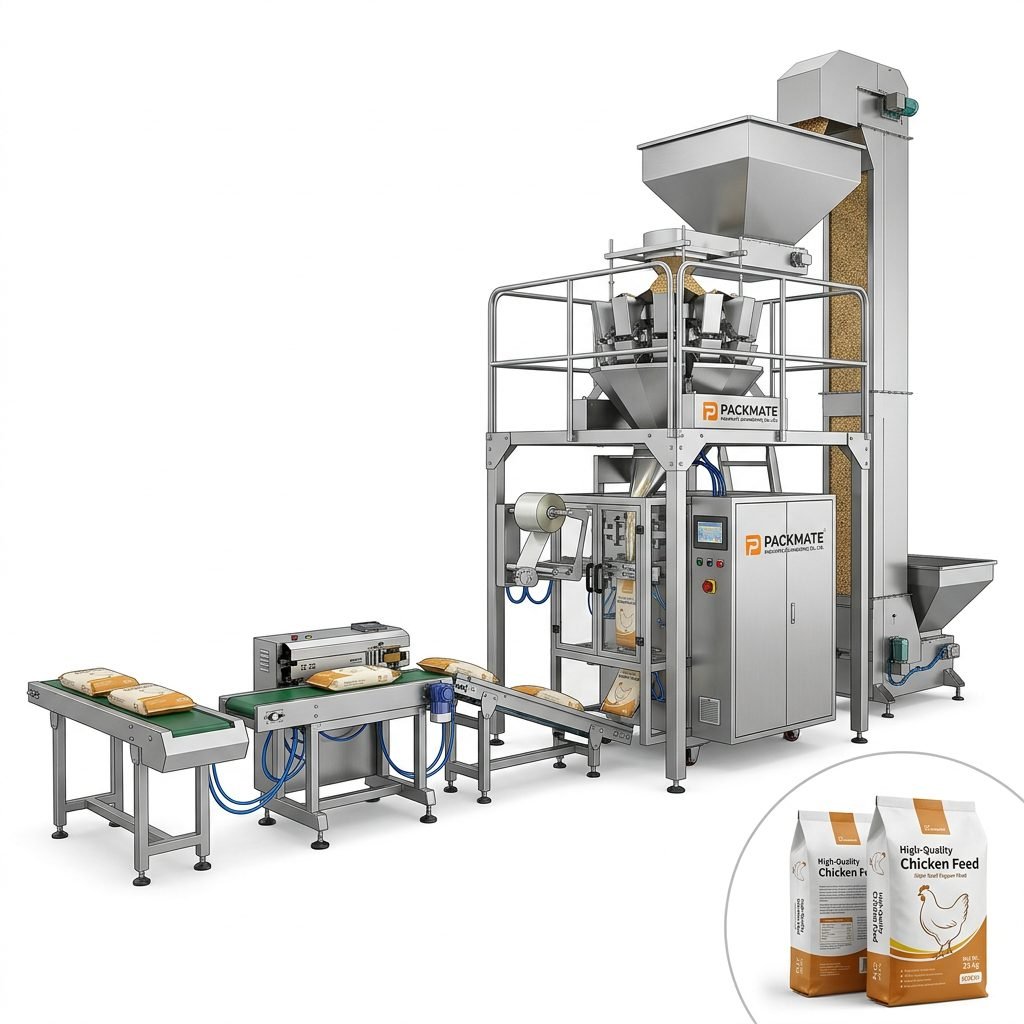
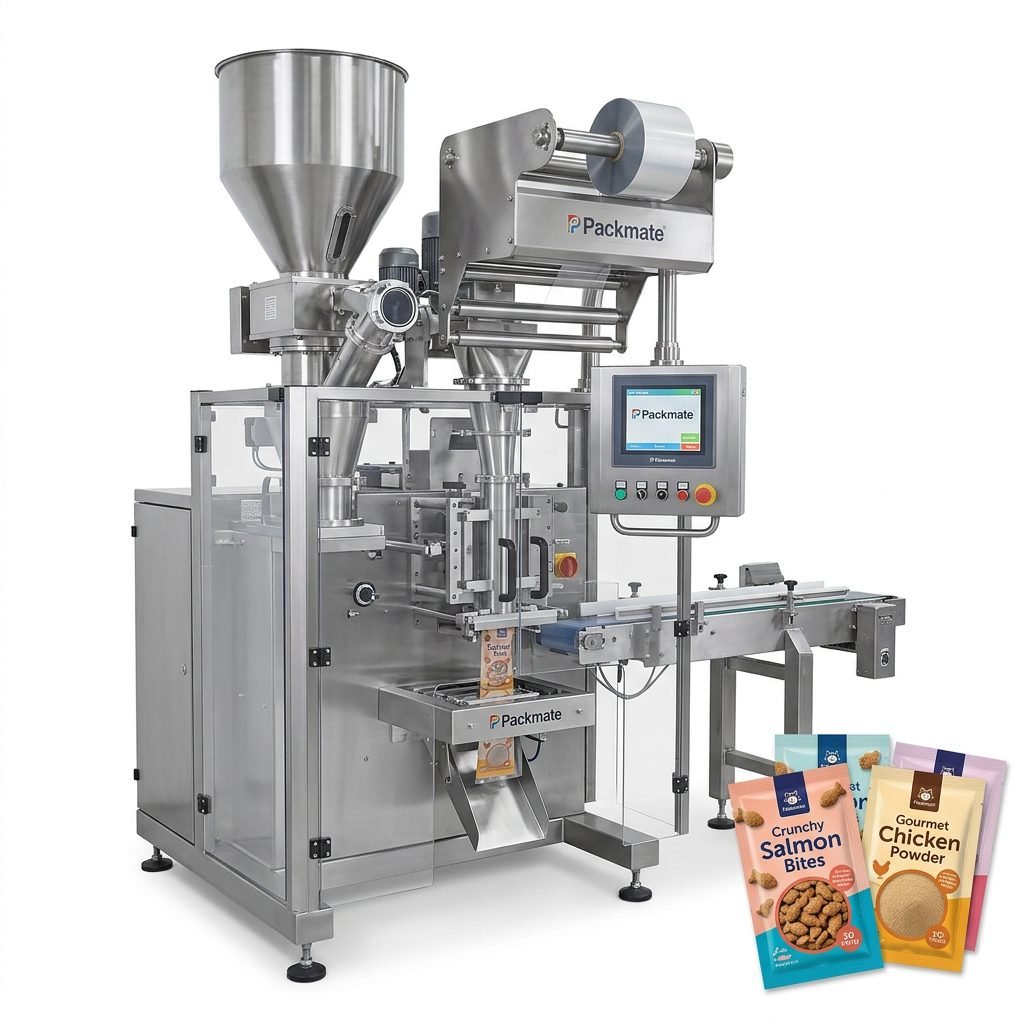
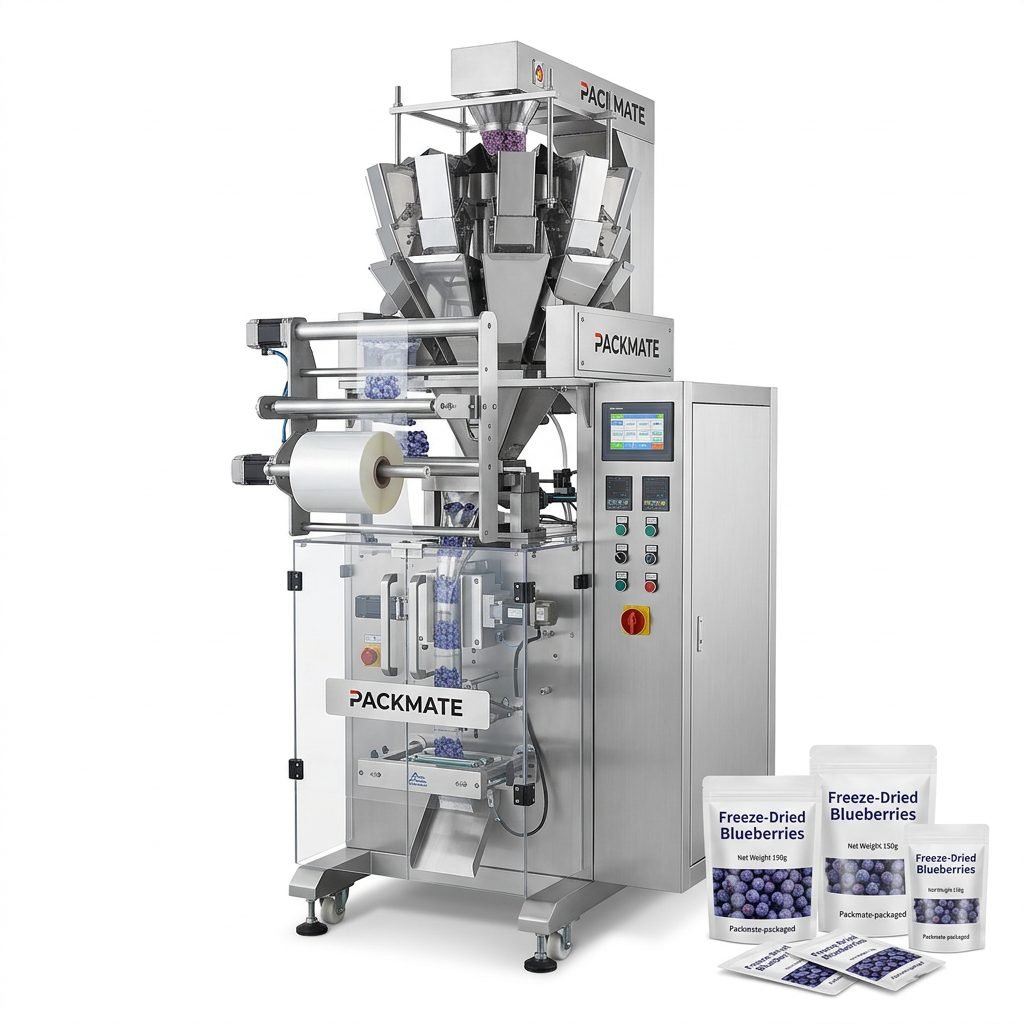
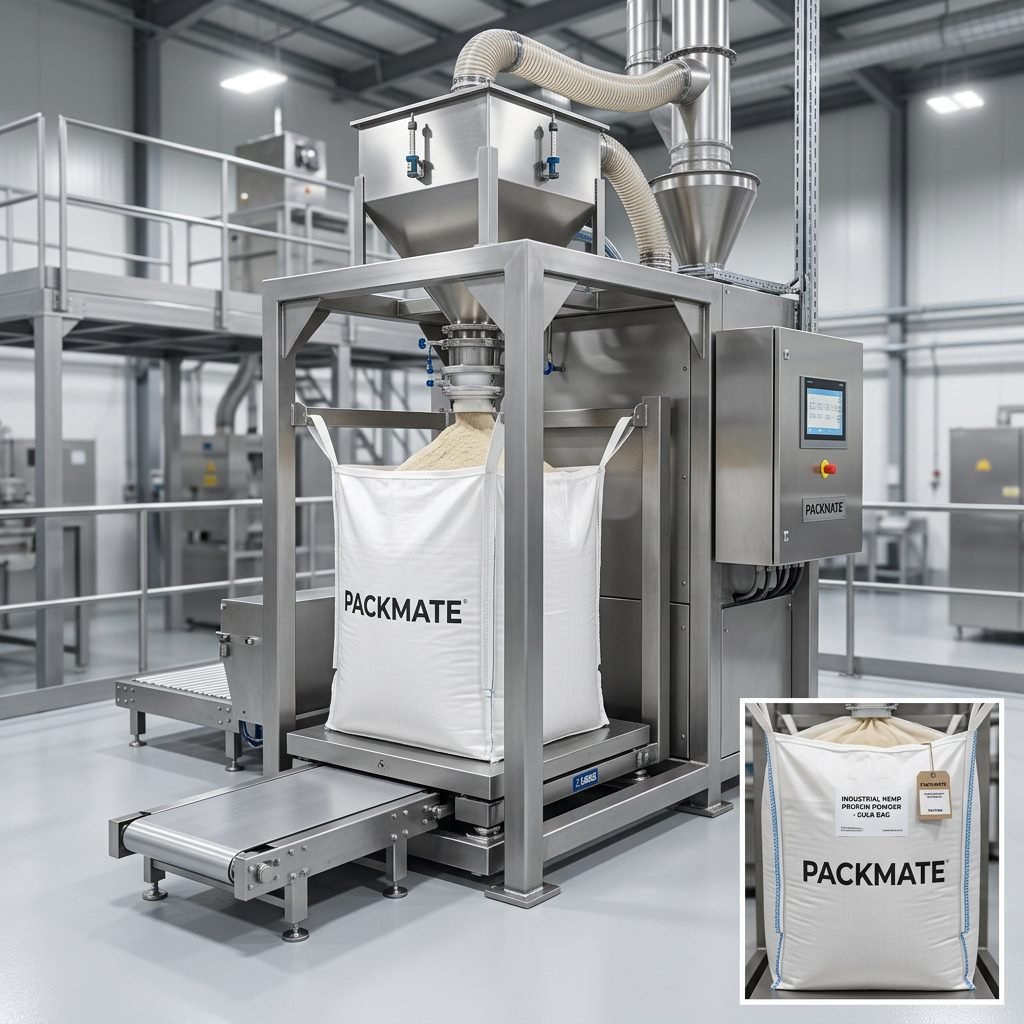
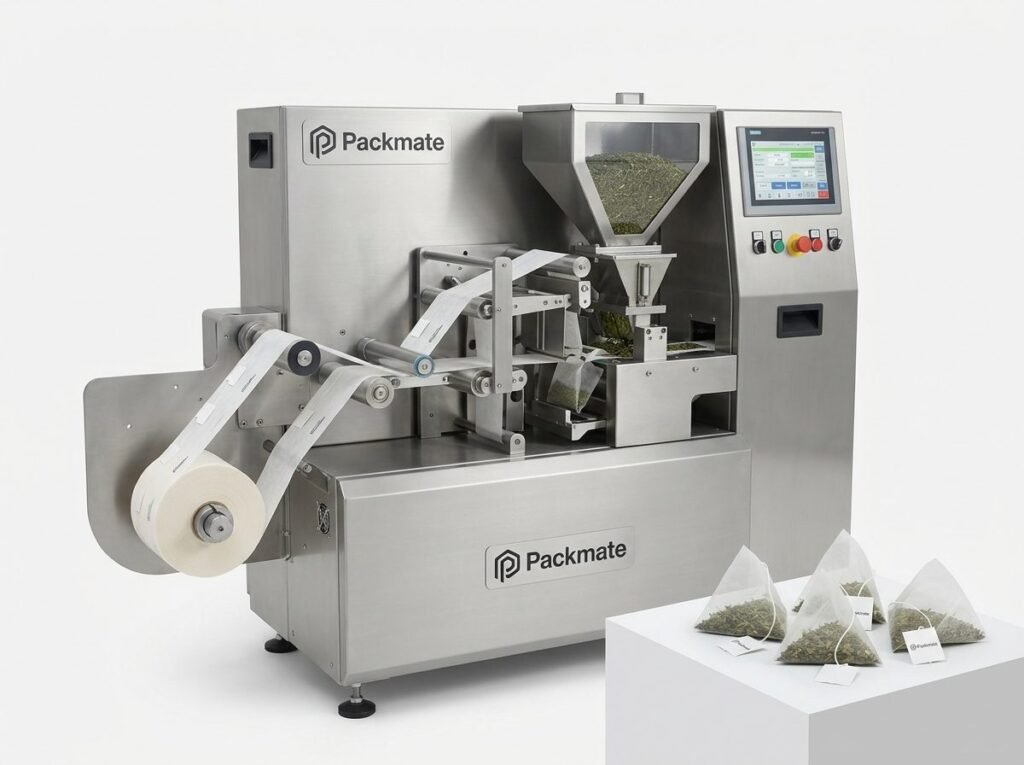
The true power of a high-speed counter is realized when it is integrated into a complete, synchronized packaging line. As a core component, it feeds counted product directly into capping, labeling, and cartoning machines. Companies like Packmate (GuangDong) Co., Ltd. specialize in designing such turnkey solutions, where the counting machine’s data syncs with the line’s PLC, creating a seamless flow from bulk to boxed product. This integration eliminates bottlenecks and is a hallmark of modern, efficient packaging line design.
Selecting the Right Machine for Your Needs
Choosing an automatic counter is not a one-size-fits-all decision. Key considerations include:
Product Characteristics: Size, shape, weight, and fragility of your tablets or capsules. Sticky or coated products may require specific hopper and track designs.
Required Speed (UPH): Match the counter’s maximum speed with your overall line goals and future growth projections.
Changeover Frequency: If you run short batches of many products, look for machines with quick-change parts and digital recipe storage.
Regulatory Environment: For pharmaceutical applications, ensure the machine meets relevant standards (e.g., GMP, 21 CFR Part 11 compliance for data integrity) and allows for easy cleaning and validation. Reviewing a supplier’s certifications can provide assurance.
Integration Capability: Ensure the machine can communicate with your existing or planned line equipment (e.g., via Ethernet/IP, Profinet).
Examining real-world application cases from your potential supplier can offer invaluable insights into machine performance in scenarios similar to yours.
The Future of Counting: Smart and Connected
The evolution continues toward Industry 4.0. Next-generation counters are becoming smarter, featuring IoT sensors for predictive maintenance (alerting you to wear before a breakdown), advanced AI vision systems for detecting and rejecting malformed products, and cloud-based data analytics for optimizing overall equipment effectiveness (OEE). This connectivity transforms the counting machine from a standalone tool into a intelligent node in a fully digitalized factory.
Conclusion
Investing in a high-speed automatic counting machine is an investment in foundational packaging efficiency. It delivers undeniable ROI through raw speed, pinpoint accuracy, and labor savings. By integrating a robust counter into a well-designed packaging line, manufacturers gain a critical competitive edge—ensuring product integrity, maximizing throughput, and building a scalable operation ready for future challenges. For businesses looking to modernize, the question is no longer *if* to automate counting, but *how* to select and implement the best system for their specific needs.
Frequently Asked Questions (FAQs)
What is the typical accuracy rate of a high-speed tablet counter?
Modern high-quality automatic counters consistently achieve accuracy rates of 99.9% or higher. This is ensured through precision sensors, stable vibration feeding, and built-in checkweigher or redundant counting systems that automatically reject any off-spec counts.
Can one machine count both tablets and capsules?
Yes, many models are versatile. The key is the ability to easily change the product-specific parts like the hopper, tracks, and sensor settings. Machines with digital recipe management allow operators to switch between different product types in minutes, making them ideal for contract manufacturers or facilities with diverse product lines.
How does an automatic counter handle different bottle sizes?
The counting machine itself is often paired with an automatic bottle unscrambler and handling system. The counter feeds the precise number of tablets into a chute, which directs them into the bottle presented by the handling system. Changeover to different bottle sizes usually involves adjusting the bottle handling fixtures and the dispensing chute’s position, not the core counting mechanism.
Are these machines difficult to clean and maintain for GMP compliance?
Manufacturers serving the pharmaceutical industry design machines with GMP in mind. This includes features like stainless steel construction, smooth, crevice-free surfaces, quick-release parts for cleaning-in-place (CIP) or dismantling, and comprehensive documentation (IQ/OQ/PQ) to aid in validation. Regular maintenance typically involves cleaning and inspecting tracks, sensors, and filters.
What is the expected ROI when replacing manual counting?
Return on investment can be remarkably fast, often within 6 to 18 months. The calculation factors in direct labor cost savings, reduction in product giveaway (overfill), elimination of costly recounting and rework, and the increased revenue from higher production throughput. A detailed analysis based on your specific production volume and costs will provide the most accurate picture.
For more detailed queries, you can always refer to the dedicated FAQs page or contact the machine supplier directly.