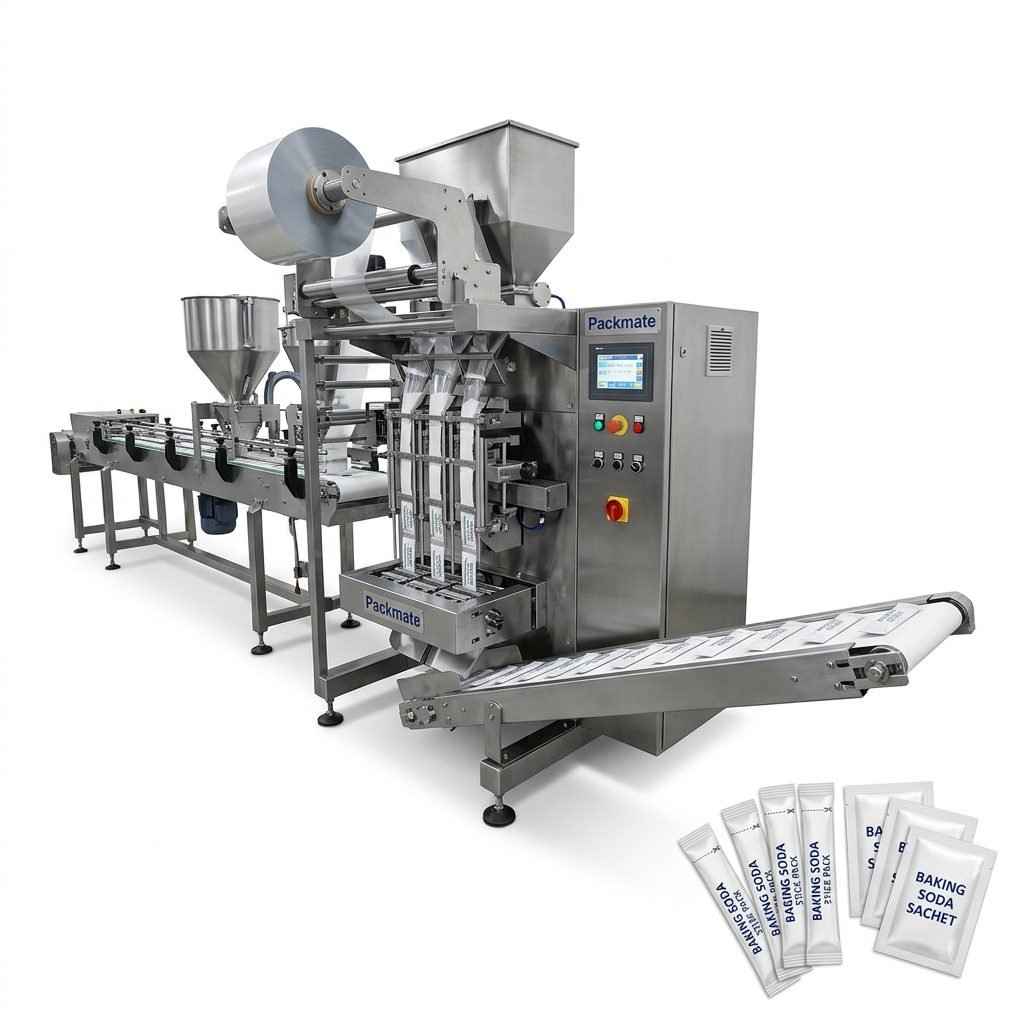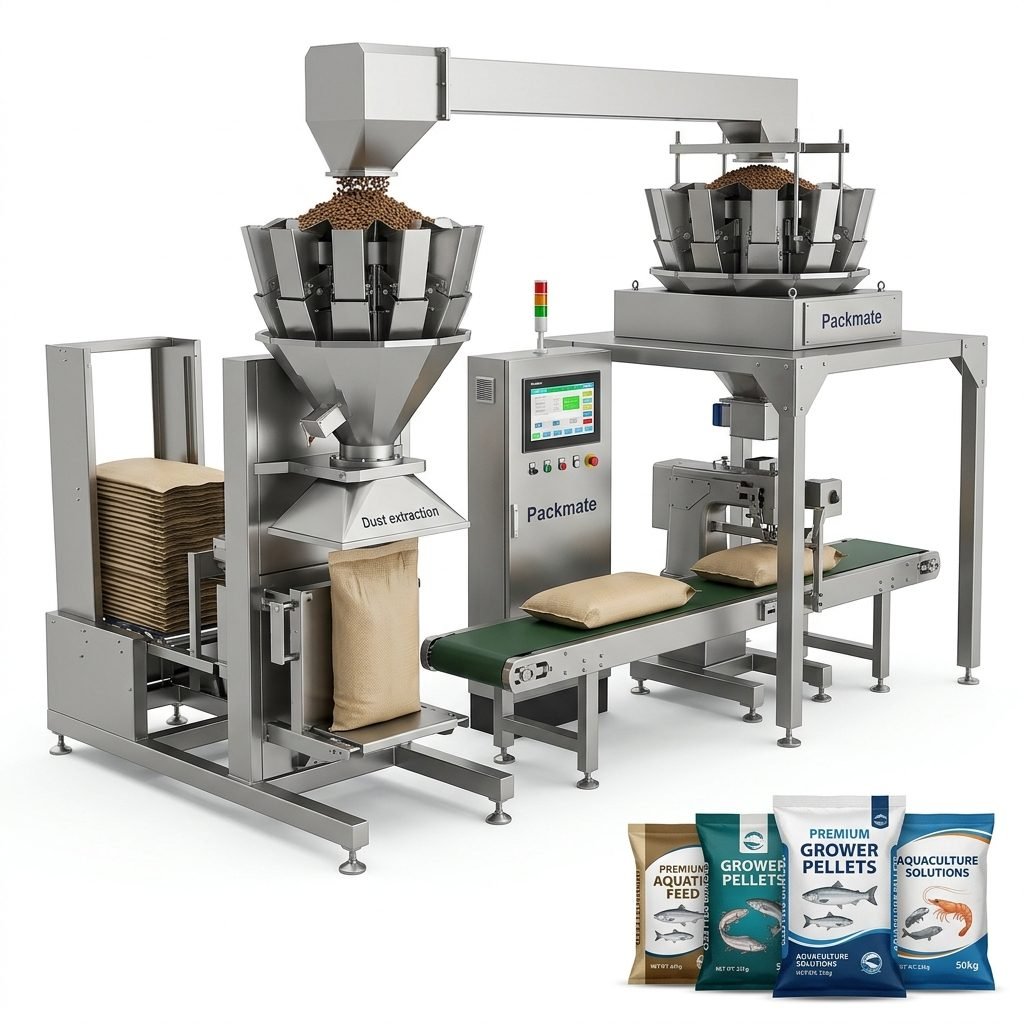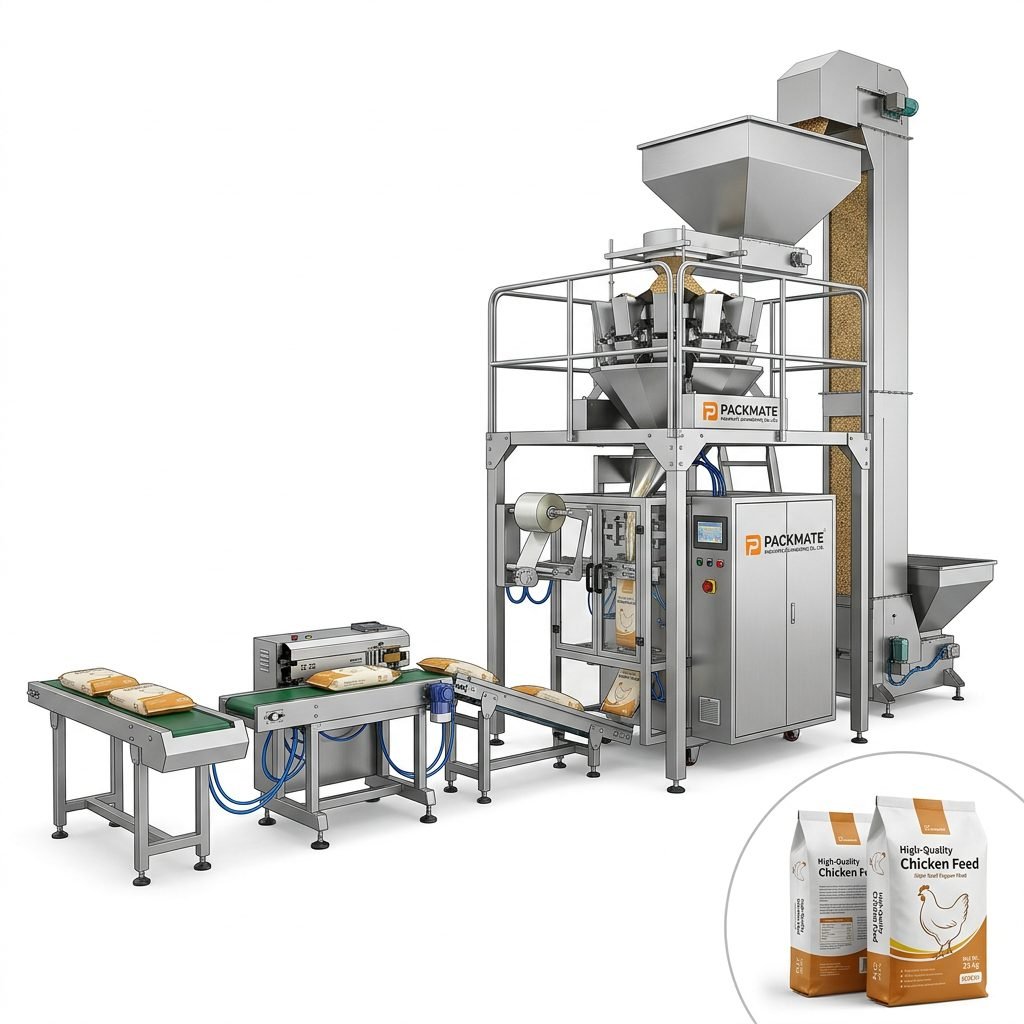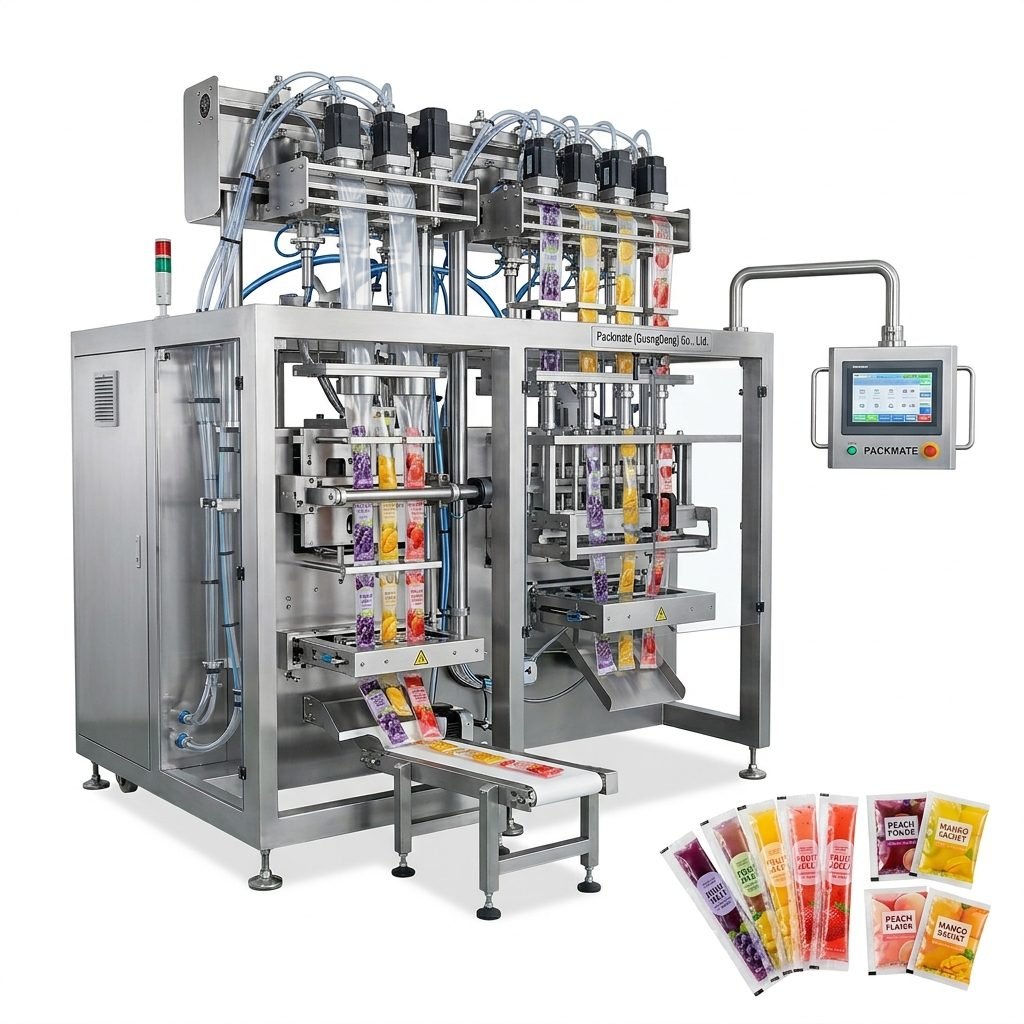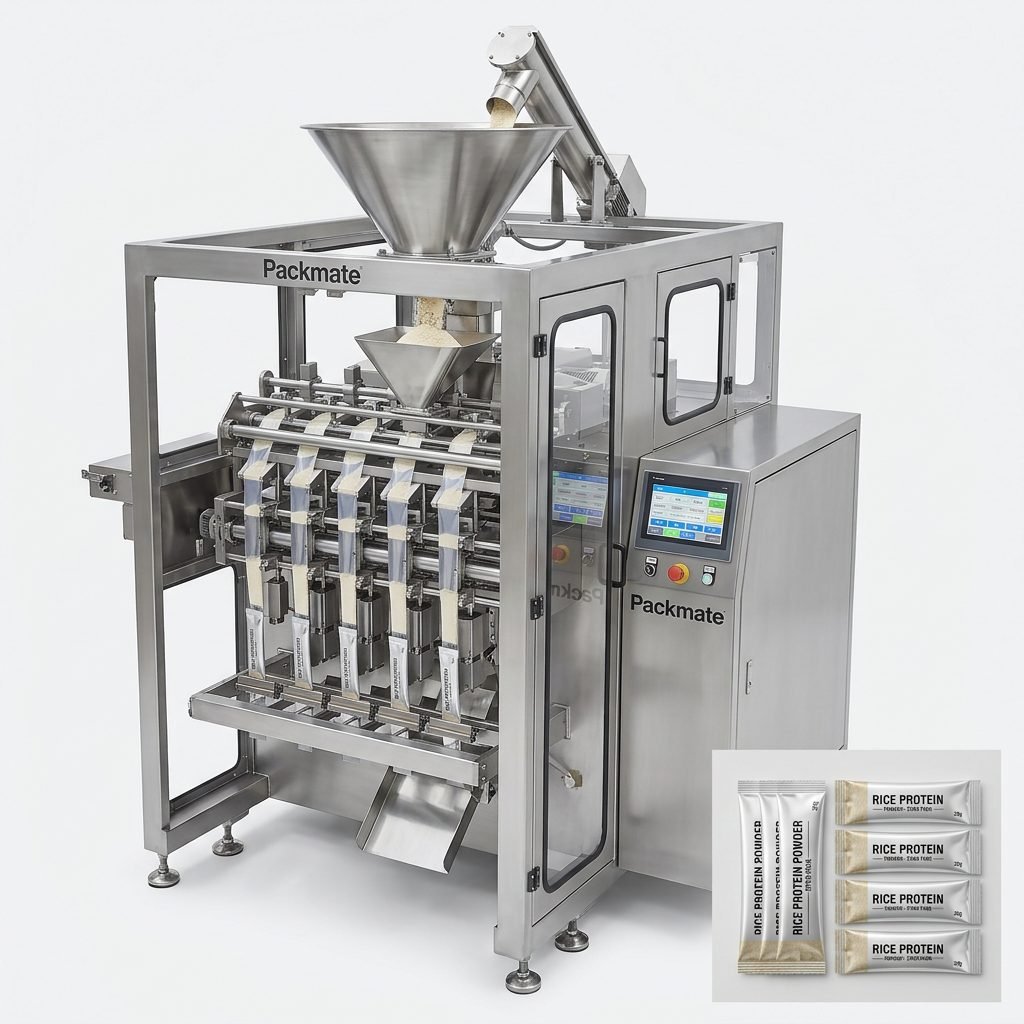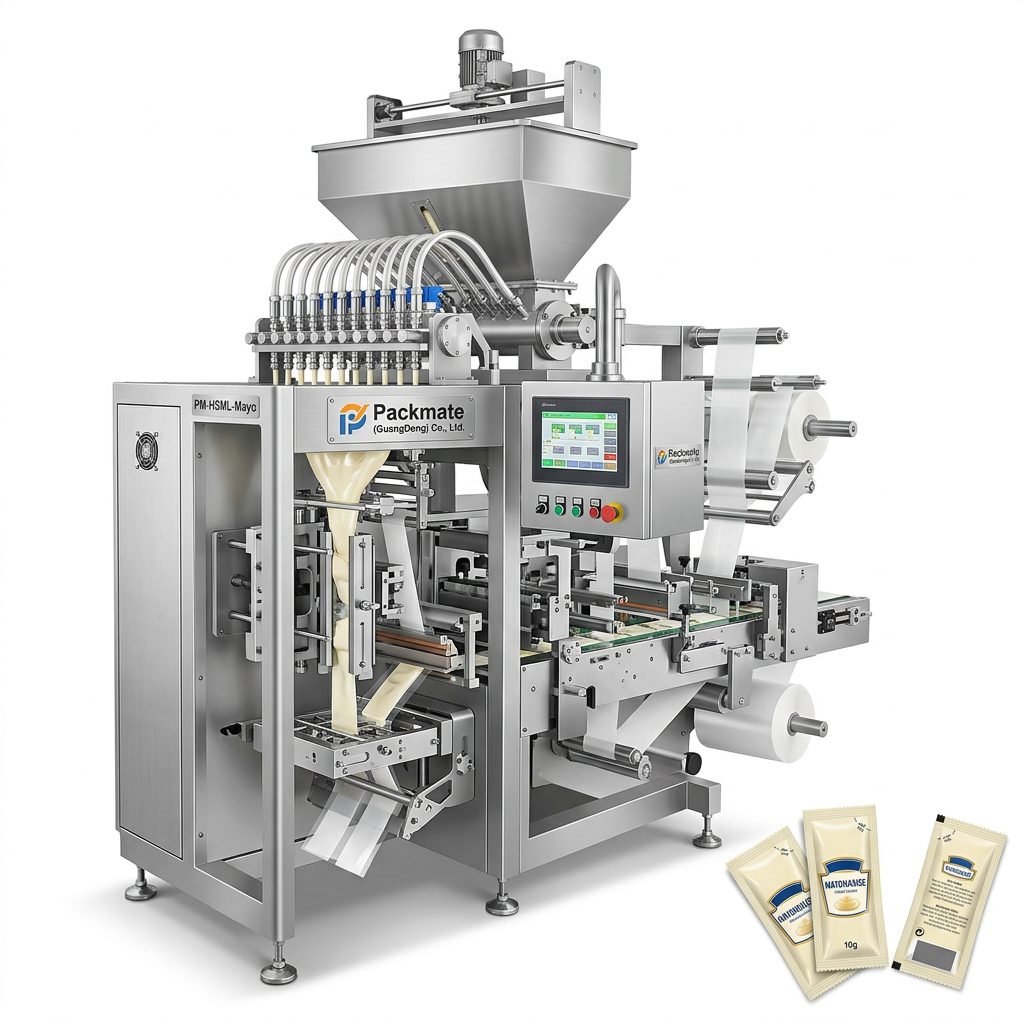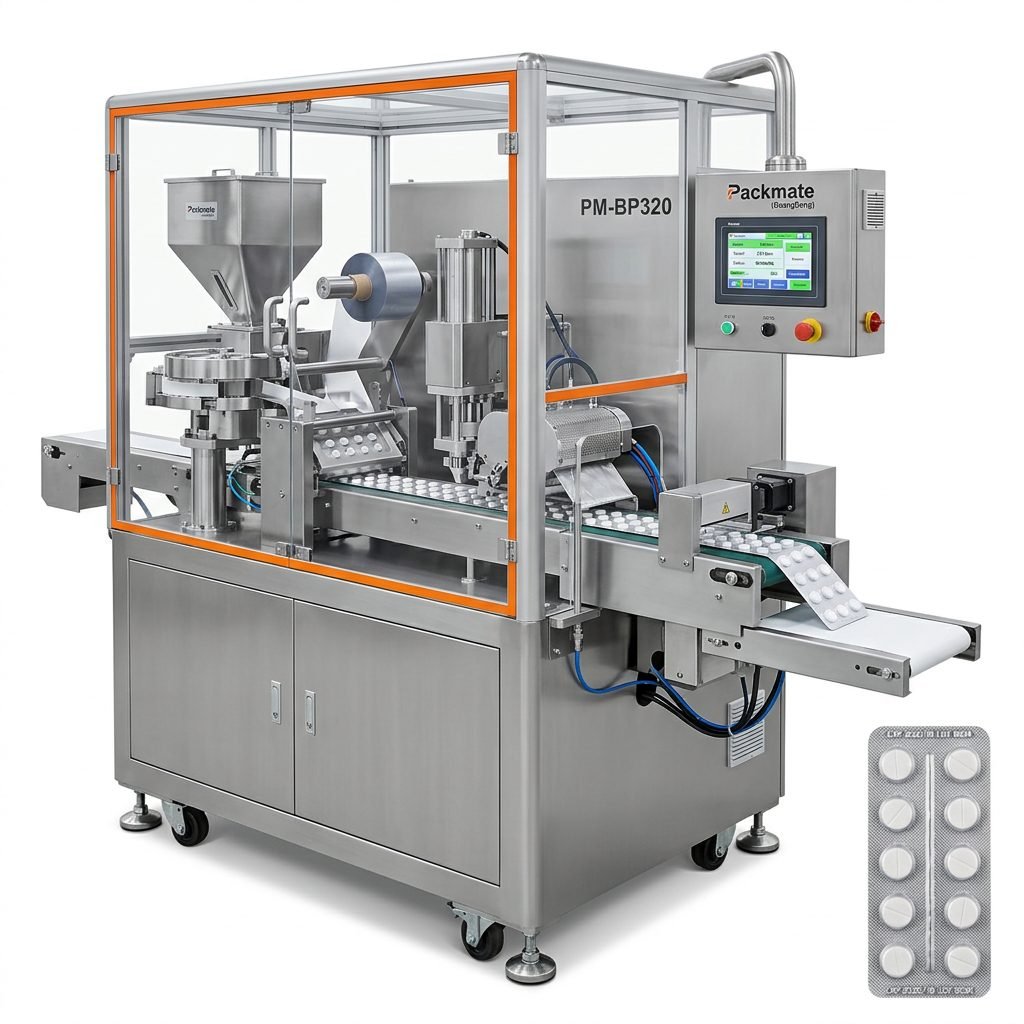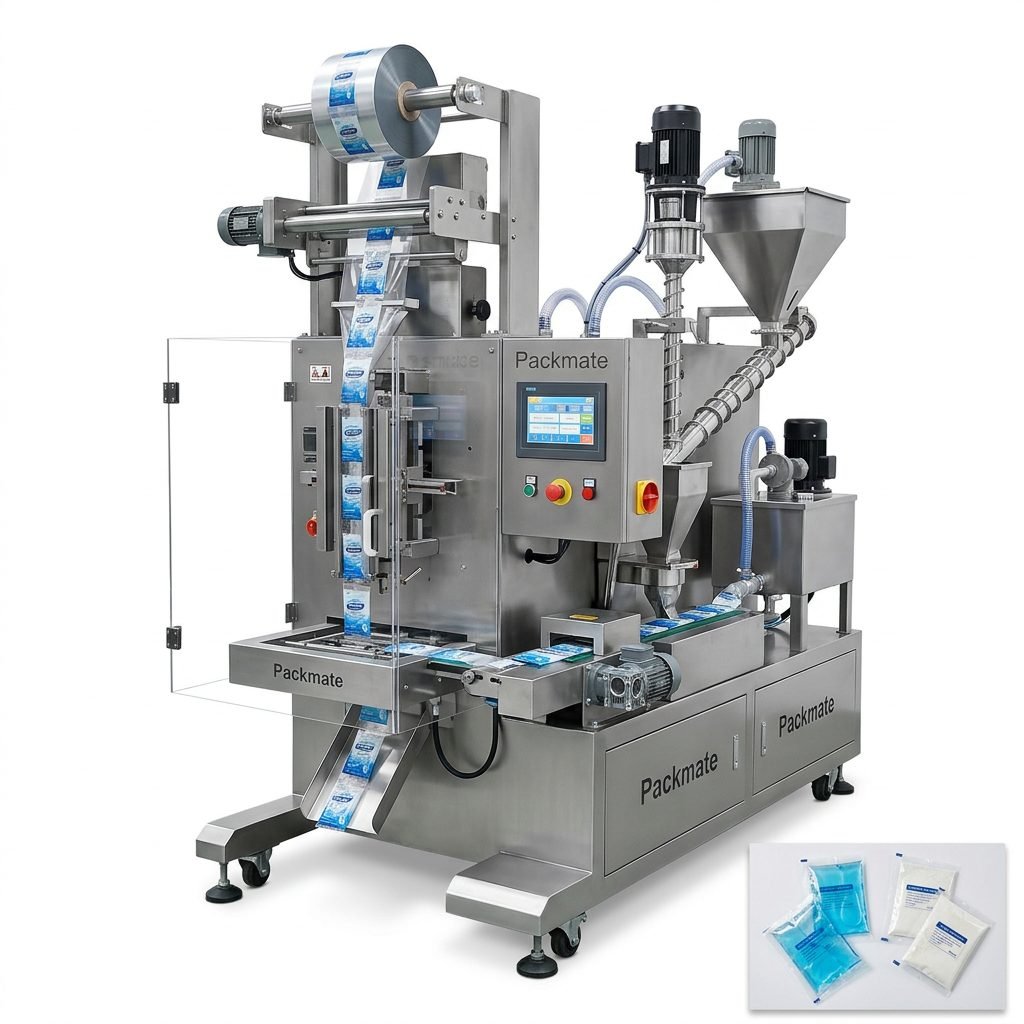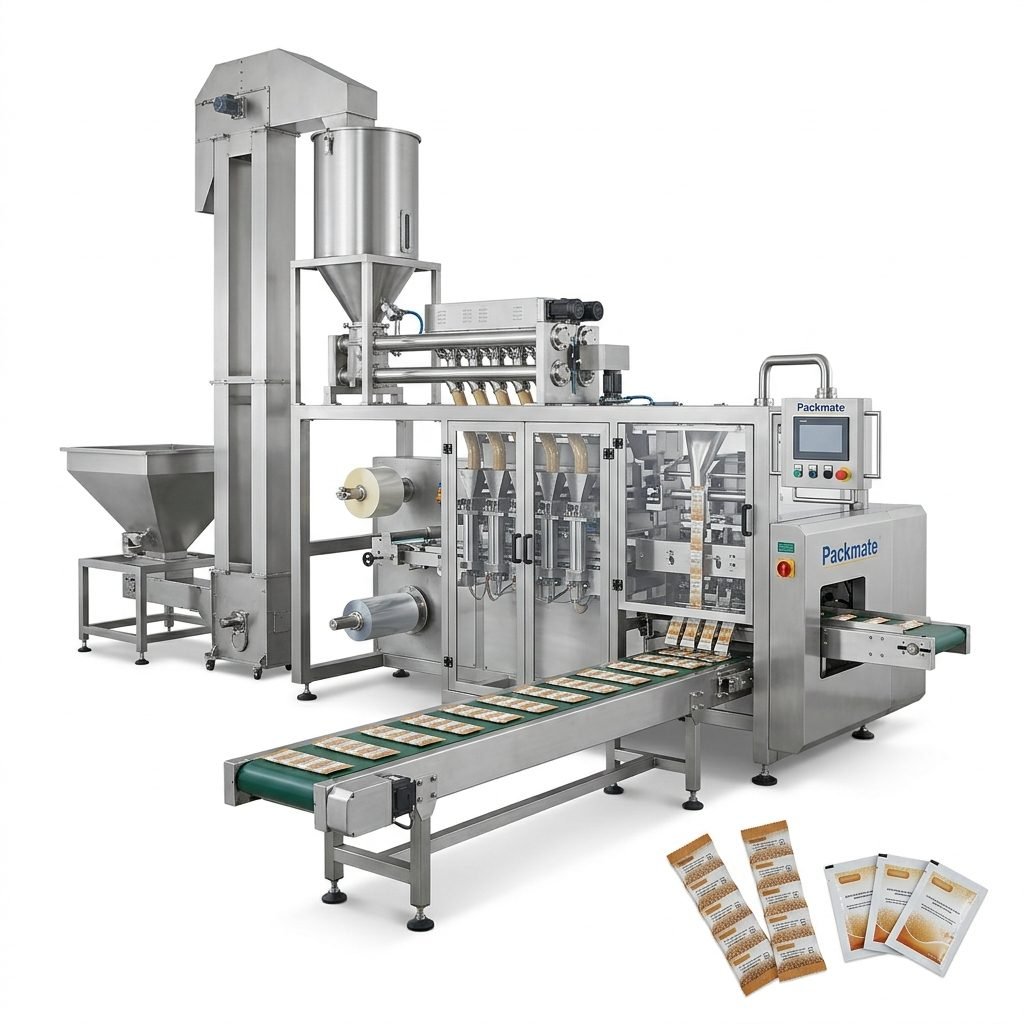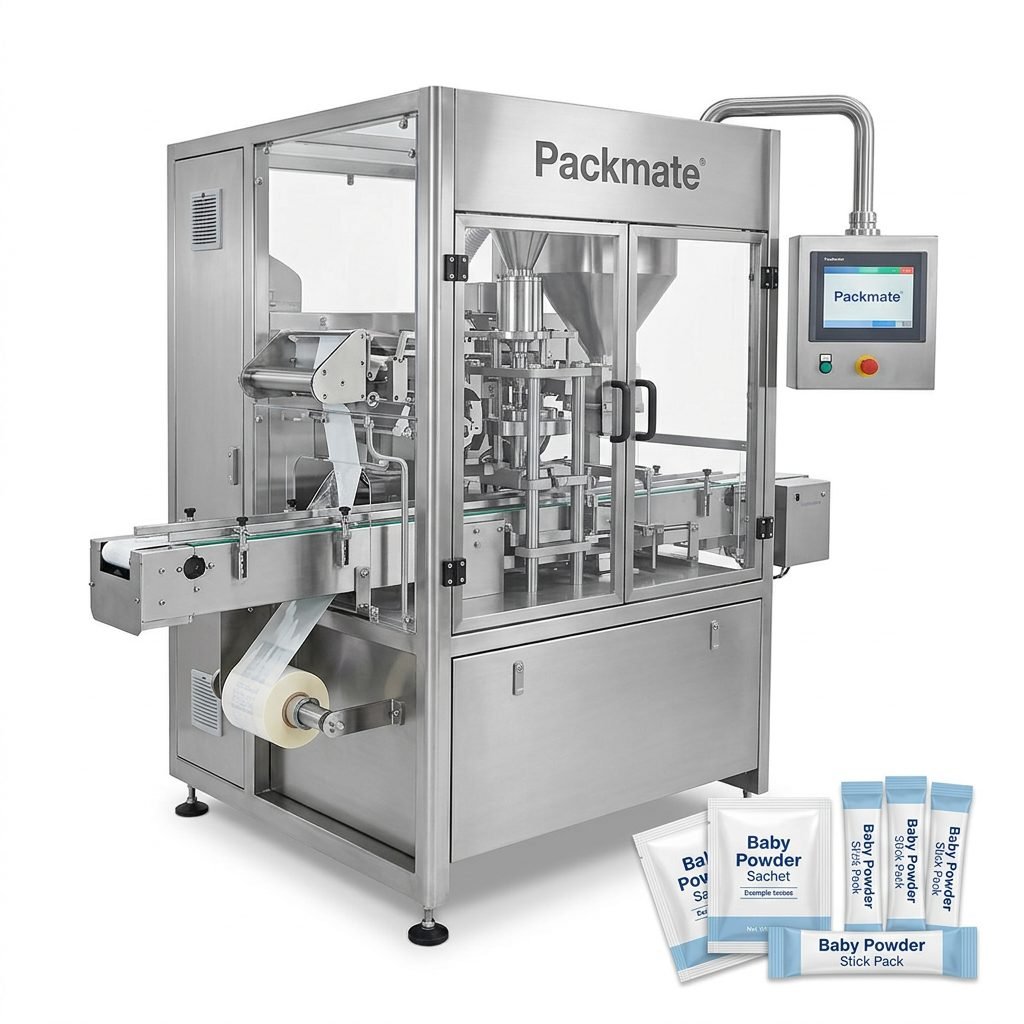
In the demanding world of powder and granule production, efficiency, accuracy, and reliability are not just goals—they are imperatives. The journey from raw material to a securely packaged product ready for distribution is complex, involving multiple critical stages. This is where a complete, automated cement packaging line becomes the cornerstone of a modern, competitive operation. More than just a series of machines, it represents a holistic system designed to optimize throughput, minimize waste, and ensure consistent product quality from start to finish.
The Core Components of a Complete Packaging Line
A fully integrated automatic bagging and filling system is a symphony of coordinated machinery. Each component plays a vital role in transforming bulk material into a saleable unit.
1. Automated Bag Feeding & Placement
The process begins with precision. An automated bag feeder takes pre-made bags (often valve bags for powders) from a magazine, opens them, and places them precisely onto the filling spout. This eliminates manual handling, dramatically increasing speed and ensuring correct bag positioning every time.
2. High-Speed, High-Accuracy Filling
This is the heart of the line. Modern systems utilize advanced weighing technology. Gravimetric fillers, like net weigh scales or auger fillers, measure product by weight with exceptional accuracy, crucial for meeting regulatory standards and avoiding give-away. For granules, impeller or cup fillers provide rapid volumetric filling. The system is controlled by sophisticated PLCs that adjust for material density variations.
3. Dust Containment & Cleanliness
Powder handling inevitably creates dust. An effective line incorporates dust collection hoods at transfer points and the filling head. This maintains a clean plant environment, protects worker health, reduces product loss, and prevents contamination—a key concern in industries like food and pharmaceuticals.
4. Bag Sealing & Closing
Once filled, the bag must be securely closed. For valve bags, this may involve tapping to settle product and then heat sealing or sewing. For open-mouth bags, options include sewing, folding, and gluing, or heat sealing with inner liners. The chosen method depends on the product and its storage/transport requirements.
5. Final Handling: Palletizing & Robotic Integration
The sealed bags are then conveyed to a palletizing station. Here, robotic palletizers or automated layer formers arrange bags into stable, uniform pallet loads, ready for stretch wrapping and shipment. This final automation step completes the hands-off production flow.
Key Benefits of Implementing a Turnkey System
Investing in a complete line from a single provider like Packmate offers transformative advantages over piecing together individual machines.
➤ Maximized Productivity & Throughput: Seamless integration ensures machines operate at optimal, synchronized speeds, eliminating bottlenecks. Lines can achieve outputs from hundreds to thousands of bags per hour.
➤ Unmatched Accuracy & Consistency: Automated weighing and filling eliminate human error, ensuring every bag meets the exact weight specification. This reduces costly product “giveaway” and ensures compliance.
➤ Significant Labor & Cost Savings: Automation drastically reduces the number of operators required for manual bag handling, filling, and palletizing, leading to long-term operational savings and allowing staff to focus on supervision and quality control.
➤ Enhanced Safety & Working Conditions: By automating heavy lifting and containing dust, these systems create a safer, cleaner, and more attractive workplace, aiding in compliance with health and safety regulations.
➤ Improved Product Integrity & Traceability: Reduced manual handling minimizes the risk of contamination and bag damage. Modern systems can also integrate coding, printing, and data logging for full batch traceability.
Applications Beyond Cement: Versatility in Powder & Granule Packaging
While essential for cement, these robust systems are equally critical for a wide range of dry flowable products. The core technology adapts to different material characteristics.
Food Industry:
Packaging flour, sugar, salt, spices, milk powder, and instant drink mixes requires food-grade standards, utmost hygiene, and high accuracy. Stainless steel construction and easy-clean designs are paramount.
Chemicals & Minerals:
Fertilizers, pigments, plastic resins, and industrial powders often have abrasive or corrosive properties. Systems require wear-resistant materials and specialized sealing solutions to handle challenging products.
Pharmaceuticals & Nutraceuticals:
Here, precision and contamination control are non-negotiable. Systems for packaging powders or granules into bulk containers must comply with strict cGMP (Current Good Manufacturing Practice) standards, often featuring contained environments and advanced validation protocols.
Choosing the Right Partner for Your Packaging Line
The success of your automation project hinges on choosing an experienced and reliable supplier. Look for a partner with a proven track record in designing and delivering complete turnkey solutions, not just selling individual machines. They should offer comprehensive services from initial consultation and factory testing to installation, training, and ongoing support and maintenance.
A partner like Packmate (GuangDong) Co., Ltd. brings over 30 years of expertise to the table. With a 20,000㎡ modern facility and a team dedicated to innovation, they understand that every product and production goal is unique. Reviewing their project case studies can provide valuable insight into their capability to handle projects of similar scale and complexity to yours.
The decision to automate your powder or granule packaging is a strategic investment in your company’s future. A complete automatic bagging and filling system delivers a rapid return on investment through tangible gains in efficiency, cost savings, and product quality. It future-proofs your operation, allowing you to scale production, maintain consistency, and meet evolving market demands with confidence. In an increasingly competitive landscape, such automation is no longer a luxury but a fundamental requirement for sustainable growth and operational excellence.
Frequently Asked Questions (FAQs)
1. What is the typical lead time for a complete automatic packaging line?
Lead times vary significantly based on line complexity, customization, and current production schedules. For standard configurations, it can range from 12 to 24 weeks. A detailed project timeline will be provided after a thorough needs assessment and engineering review.
2. Can your system handle both paper valve bags and plastic woven bags?
Yes, a well-designed system can be configured to handle multiple bag types. The key components that change are the bag feeder (designed for specific bag style and size) and the closing/sealing unit (e.g., heat sealer for poly-lined valve bags, sewer for open-mouth woven bags). Flexibility can be built into the line design.
3. How do you ensure weighing accuracy for different material densities?
High-precision load cells and advanced control software are used. The system can be programmed with different recipes for various products. For materials prone to aeriation or density variation, features like settling systems (tappers) and adaptive feedback controls in the weighing hopper ensure consistent fill weight.
4. What kind of after-sales support and training do you provide?
Comprehensive support includes detailed installation supervision, on-site operator and maintenance technician training, provision of operation manuals and spare parts lists, and remote technical support. Many suppliers offer service contracts for preventive maintenance and priority support.
5. Is it possible to upgrade our existing semi-automatic line to fully automatic?
In many cases, yes. An audit of your current equipment can determine which components can be integrated and which need replacement. A phased upgrade approach is often possible, starting with automating the filling station, then adding automated bag feeding, and finally palletizing, to spread out the investment.