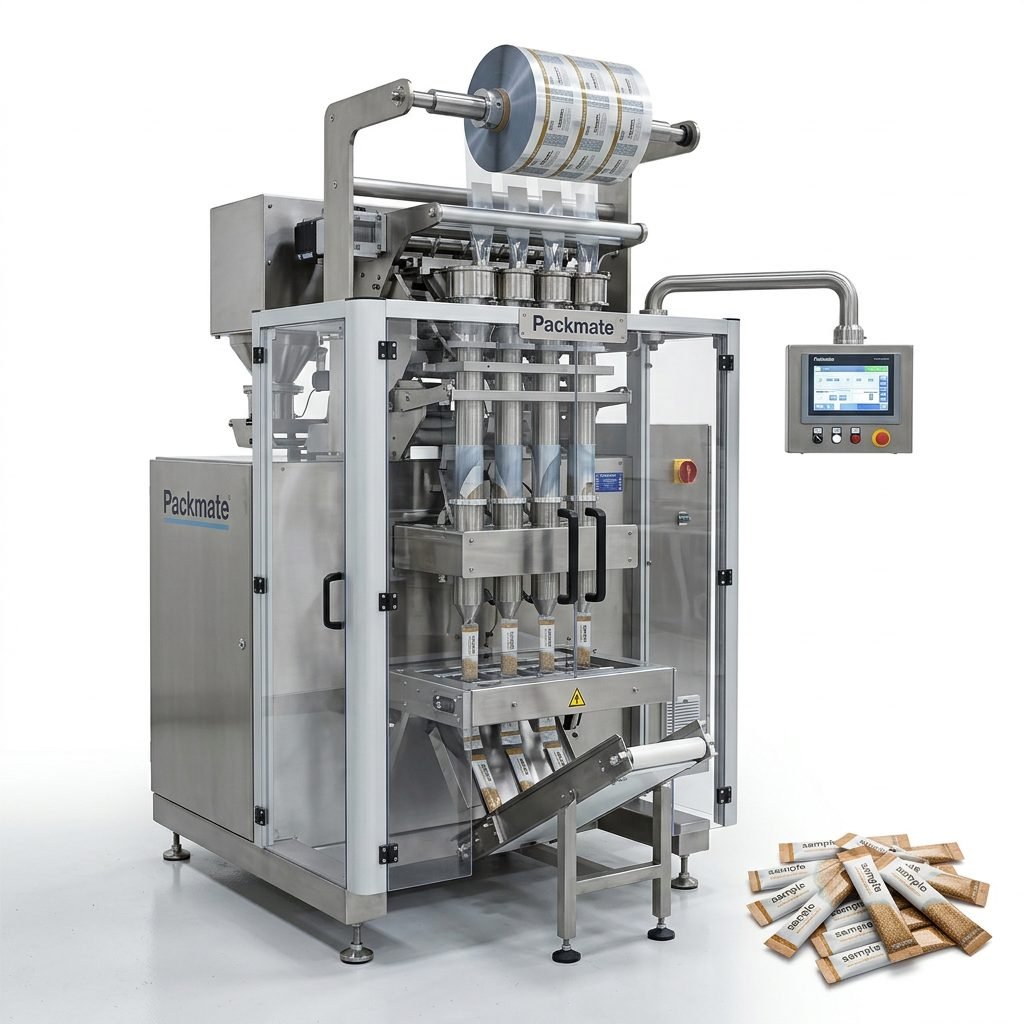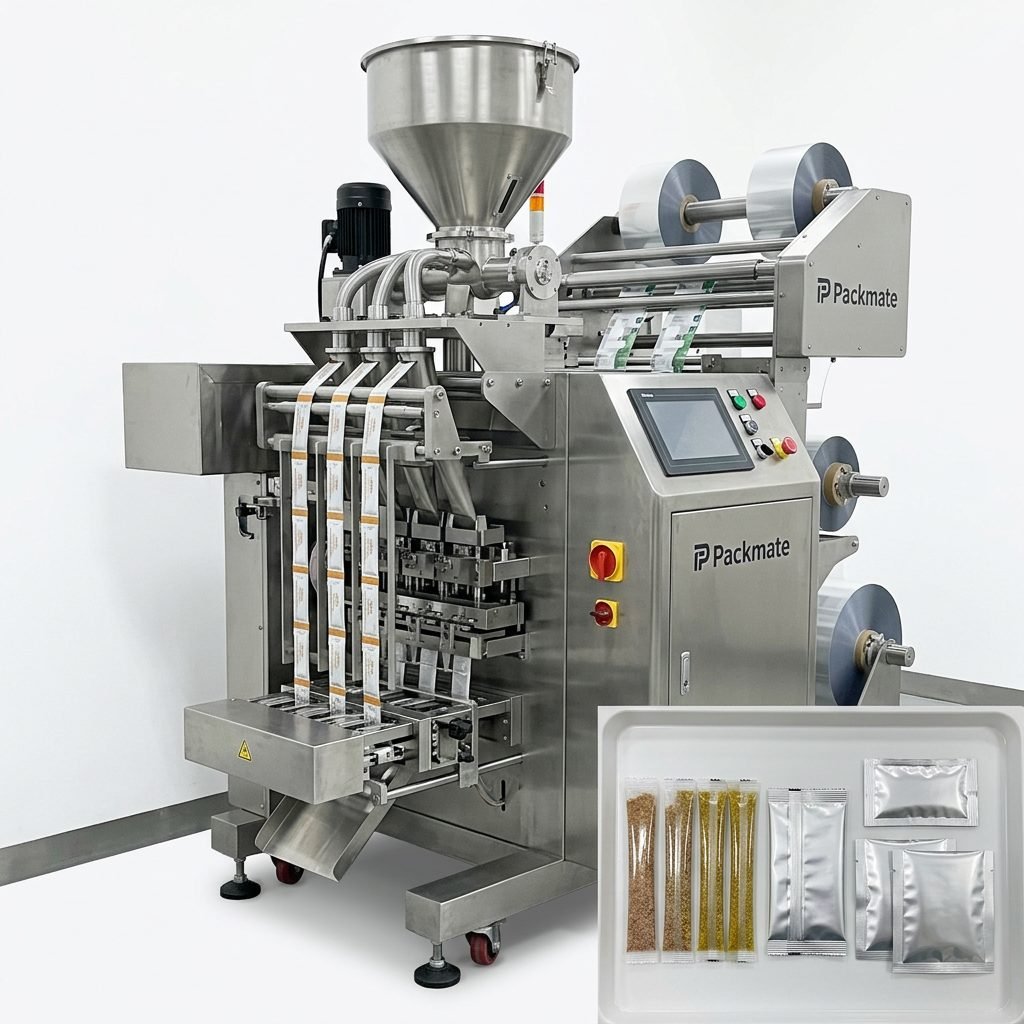
The world of manufacturing is a complex and fascinating ecosystem, and at the heart of countless production processes lies the packaging line. Packaging line workers are the essential personnel who ensure products are safely, efficiently, and correctly prepared for their journey to store shelves and ultimately, consumers. This comprehensive guide explores the duties, required skills, salary expectations, and the practical steps to launch a successful career in this vital field.
Core Duties and Responsibilities
A packaging line worker’s role is dynamic and involves a variety of tasks that keep the production flow moving. It’s far more than just placing items into boxes.
Primary Operational Tasks
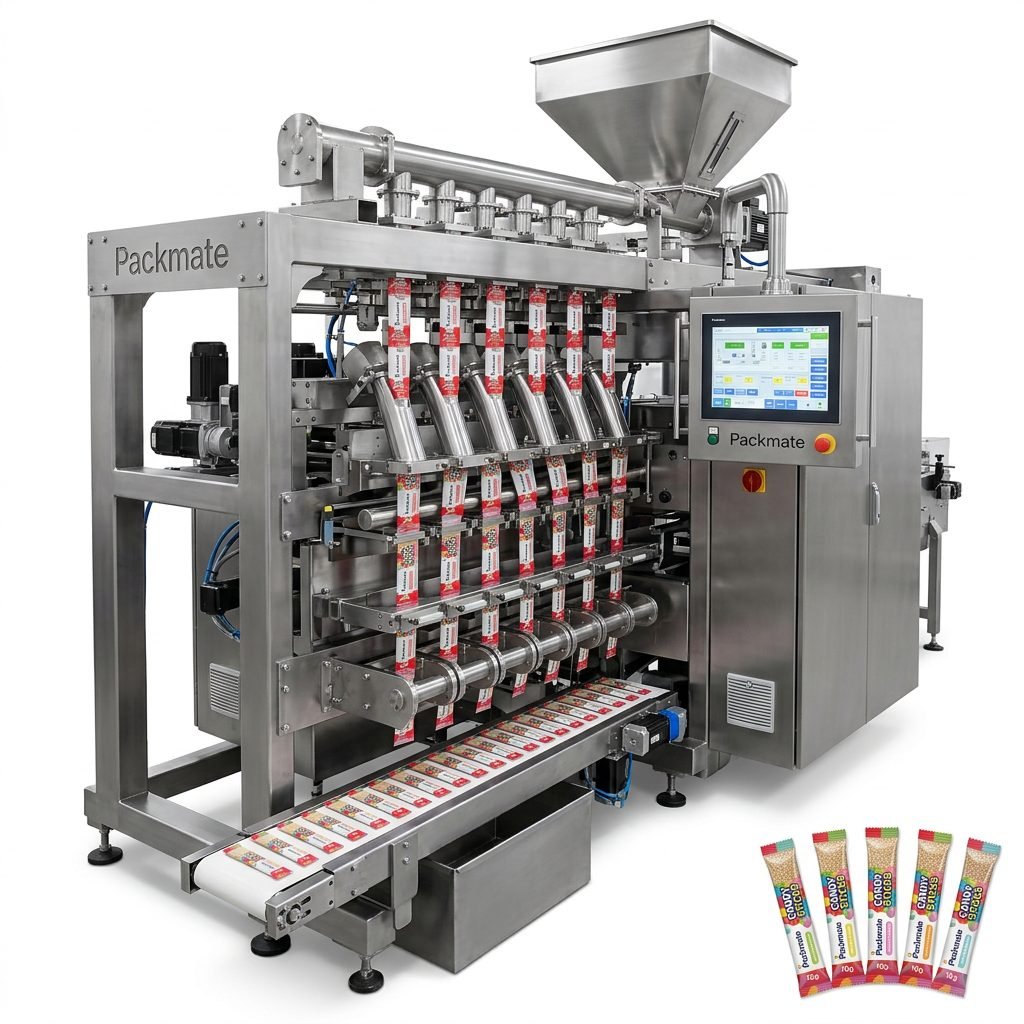
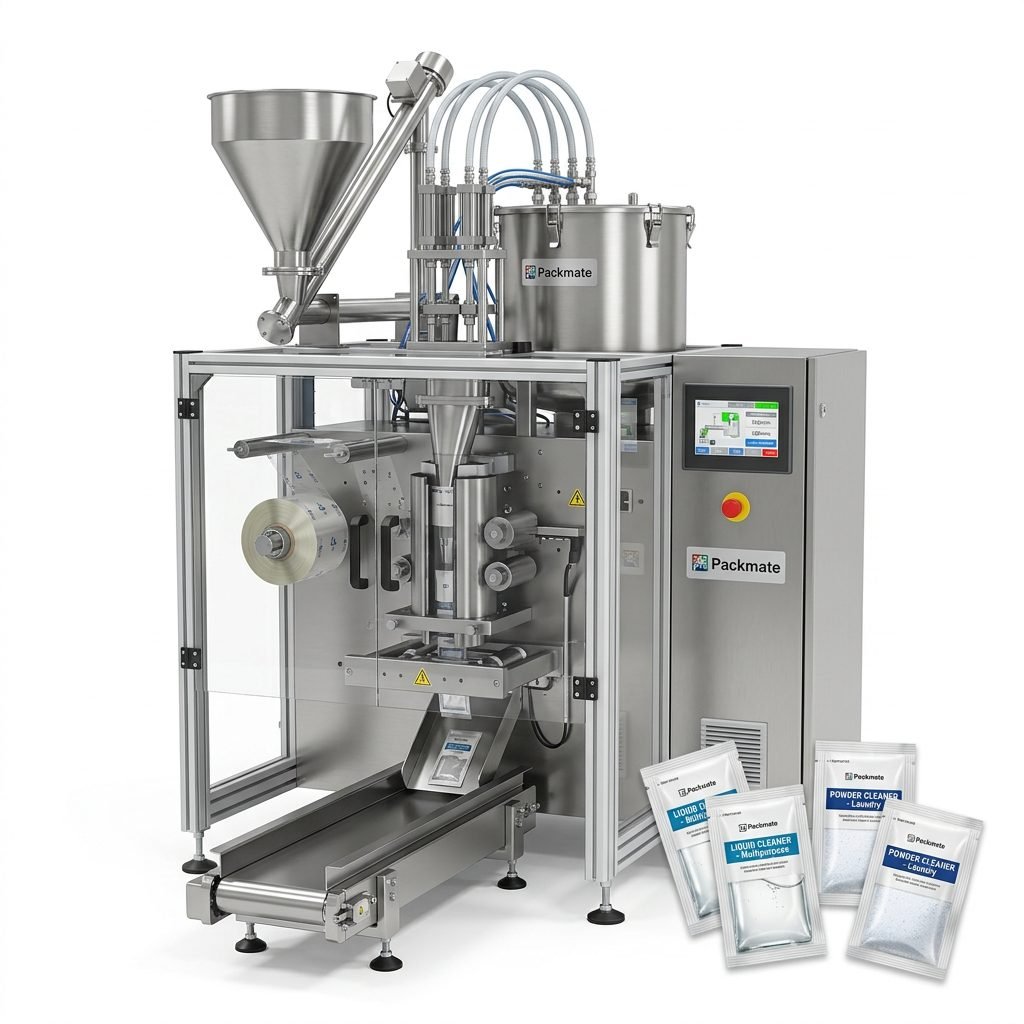
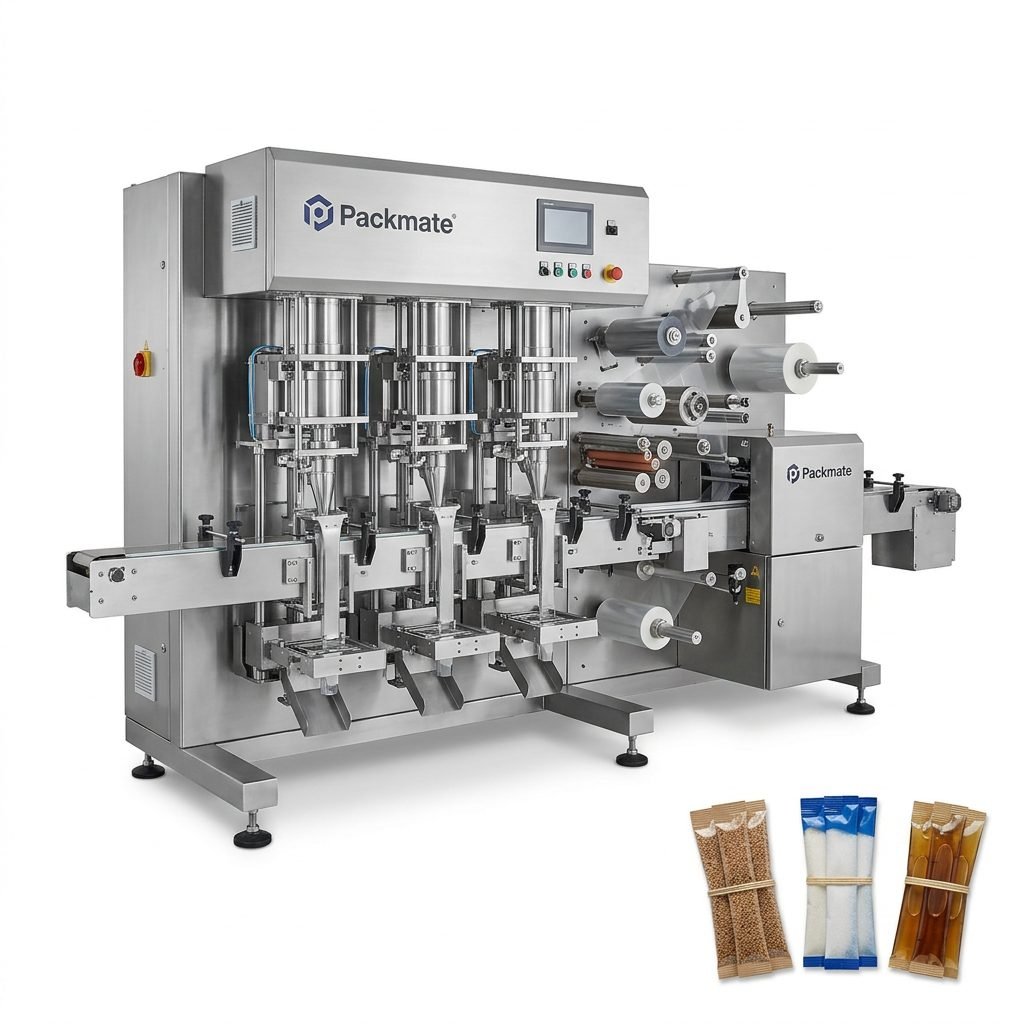
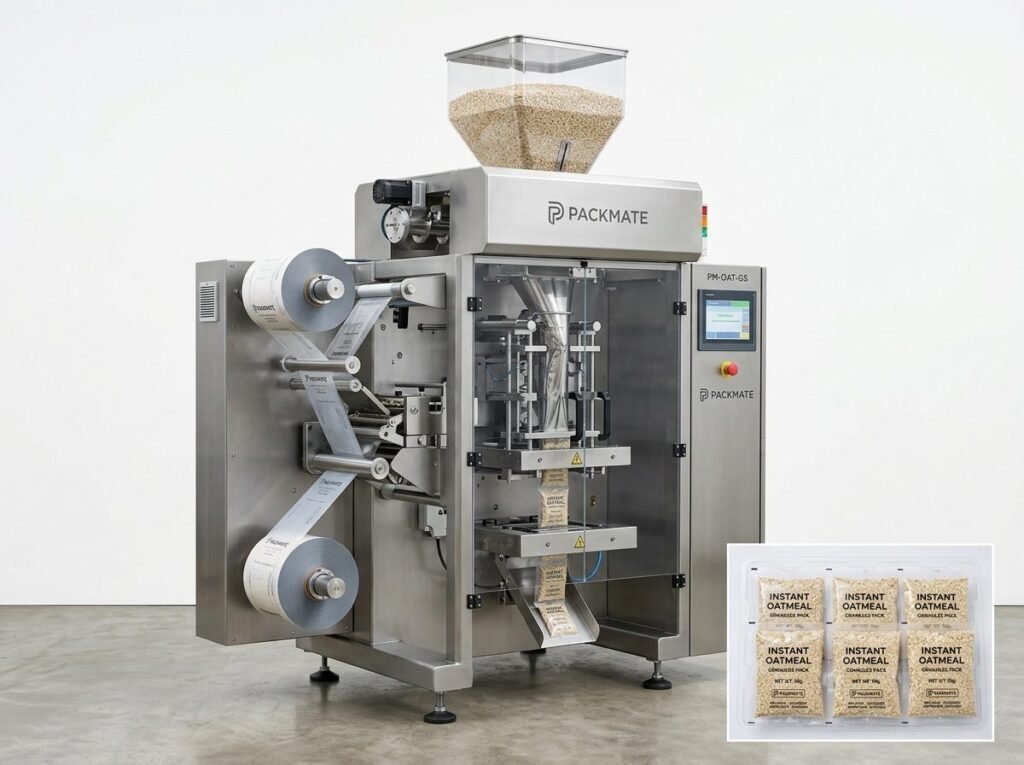
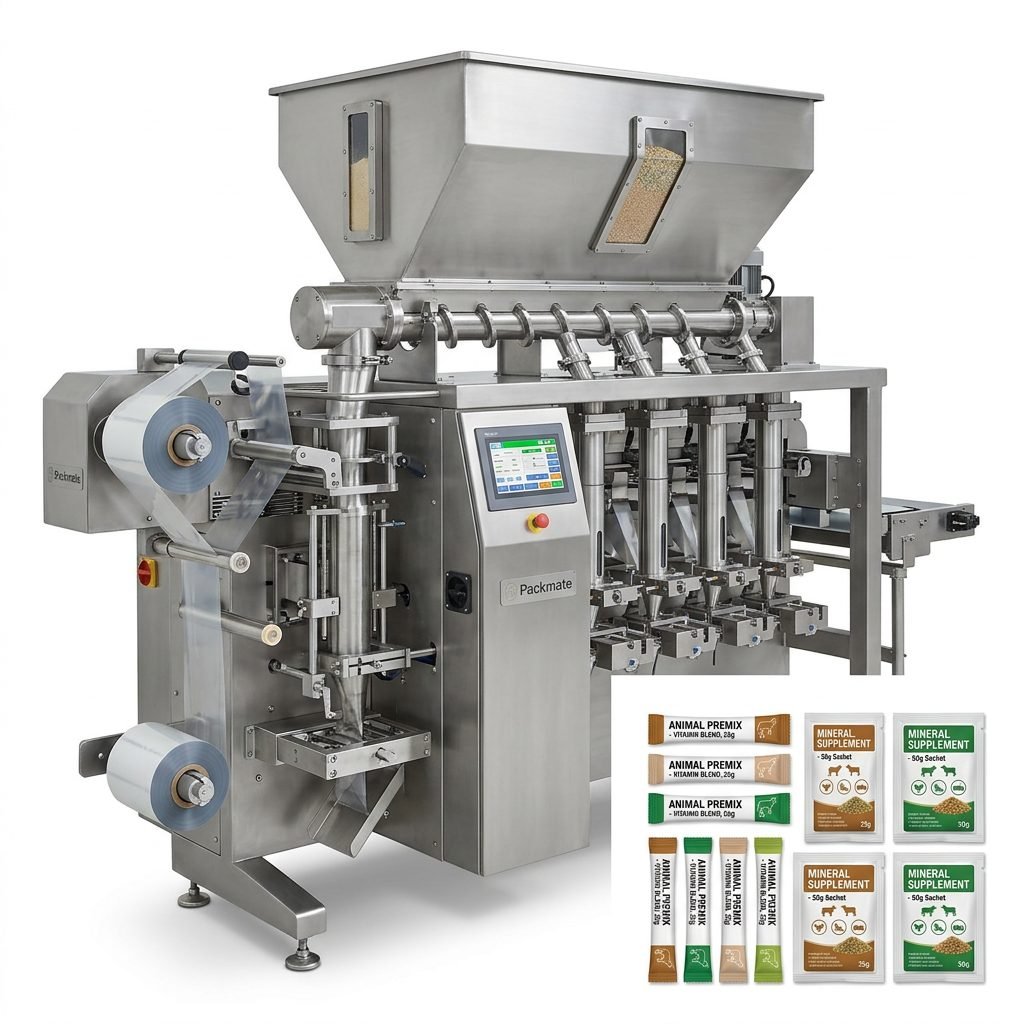
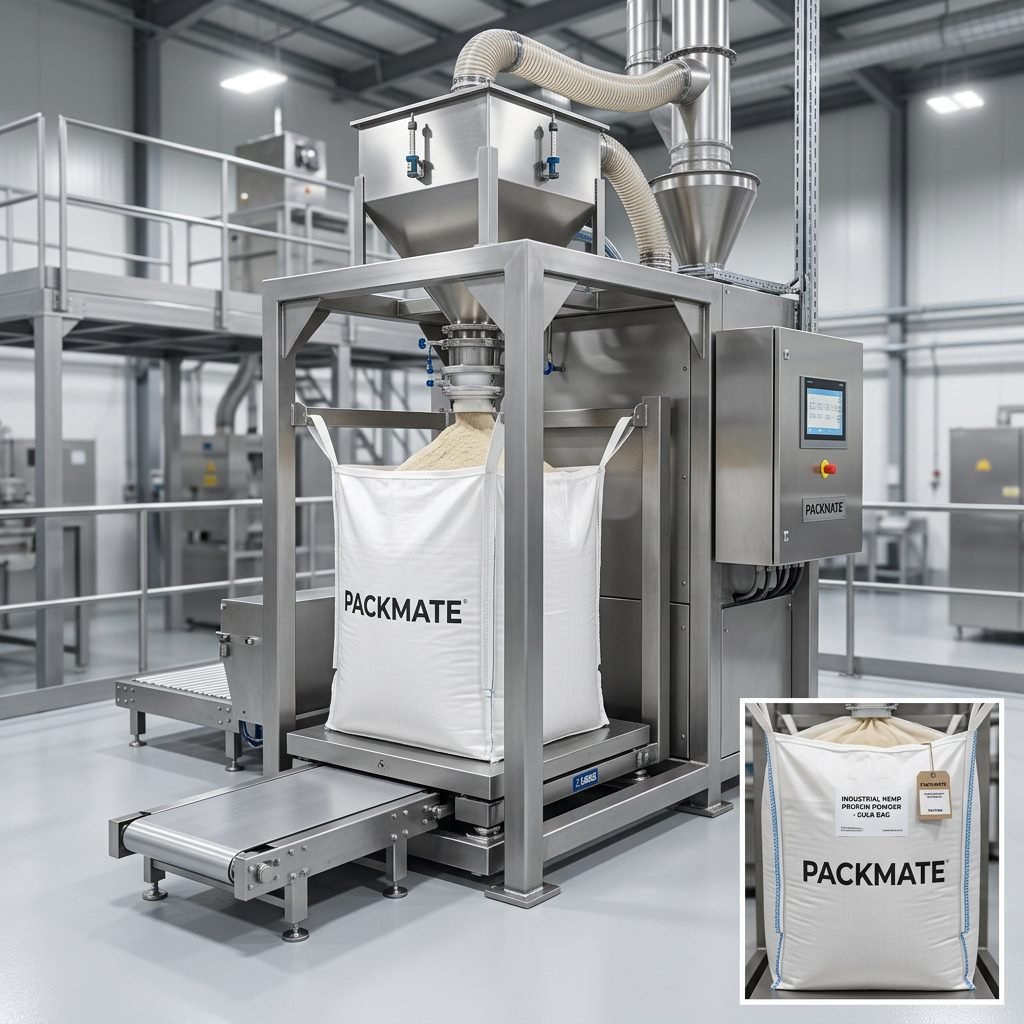
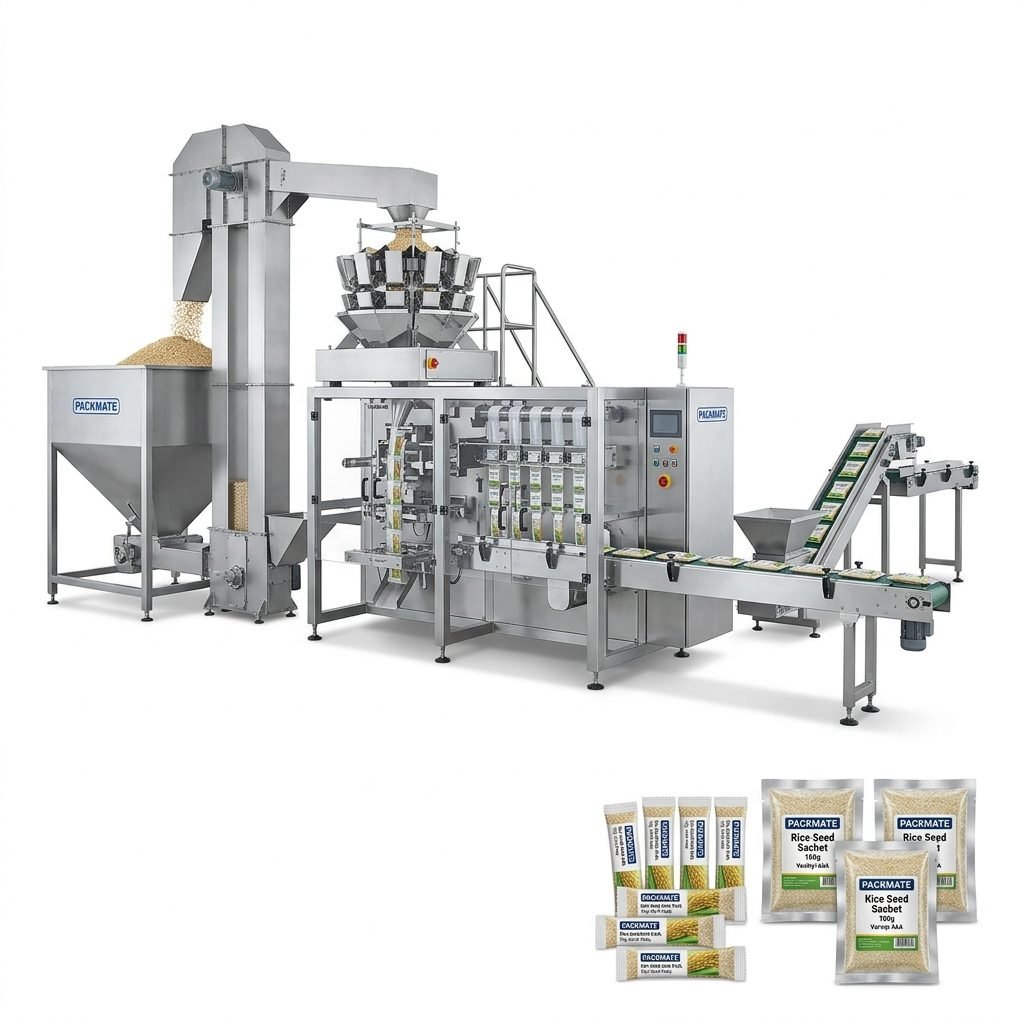
- Machine Operation & Monitoring: Setting up, operating, and overseeing automated packaging machinery such as fillers, sealers, labelers, and cartoners. Workers must perform basic troubleshooting for minor jams or misfeeds.
- Manual Packaging & Handling: For lines with less automation or specialized products, workers may manually fill, assemble, wrap, or pack items according to strict specifications.
- Quality Control Inspection: Visually inspecting products for defects, verifying weights and measures, ensuring labels and dates are correct, and removing any non-conforming items from the line. This is a critical responsibility for maintaining brand standards.
- Line Efficiency Maintenance: Keeping the line supplied with necessary materials like boxes, film, labels, and product. This includes clearing debris and performing basic cleaning to ensure a smooth, uninterrupted operation.
Supporting and Safety Functions
Beyond the direct line tasks, workers play key roles in safety and documentation:
- Safety Compliance: Adhering to all Good Manufacturing Practices (GMP), wearing required personal protective equipment (PPE), and following lock-out/tag-out procedures during machine maintenance.
- Record Keeping: Accurately logging production counts, downtime incidents, and quality check data on batch records or digital systems.
- Team Collaboration: Communicating effectively with supervisors, quality assurance staff, and fellow line workers to report issues and coordinate shifts.
Essential Skills and Qualifications
Success on a packaging line requires a blend of physical aptitude, technical understanding, and soft skills.
Hard Skills & Physical Attributes
Physical Stamina & Dexterity: The role often involves standing for long periods, lifting moderate weights, and performing repetitive tasks with precision.
Basic Technical Aptitude: The ability to understand machine controls, follow mechanical instructions, and identify when a machine sounds or looks “off” is invaluable. Familiarity with the principles of automated systems, like those designed by experts such as Packmate Packaging Line, can be a significant advantage.
Attention to Detail: A keen eye is non-negotiable for catching product flaws, misprints, or incorrect counts.
Crucial Soft Skills
Reliability & Punctuality: Production schedules are tight, and a missing team member can halt an entire line.
Teamwork & Communication: Clear communication about line status, material needs, or safety concerns is essential for a cohesive operation.
Adaptability & Problem-Solving: Lines can change over to different products, and minor issues arise frequently. The ability to think quickly and adjust is key.
Salary Expectations and Career Progression
Compensation for packaging line workers varies based on location, industry, experience, and shift differentials (night shifts often pay more).
Entry-Level Positions:
Typically start at or slightly above the regional minimum wage. On-the-job training is usually provided.
Experienced Workers & Machine Operators:
With 1-3 years of experience and proficiency in operating specific machinery, wages can increase significantly. Specialized operators for high-speed or complex lines command higher pay.
Supervisory Roles:
Line leads, supervisors, or quality control inspectors represent a natural progression, involving more responsibility and correspondingly higher salaries.
Industries like pharmaceuticals, high-end food, and cosmetics often offer better compensation and benefits due to stricter regulatory standards. Exploring real-world case studies from packaging solution providers can give insights into the advanced environments one might work in.
How to Start Your Career in Packaging Lines
Launching a career as a packaging line worker is accessible, with multiple entry paths.
1. Education and Training Paths
A high school diploma or GED is typically the minimum requirement. While not mandatory, the following can enhance your prospects:
- Vocational/Technical Courses: Programs in manufacturing, production technology, or industrial maintenance.
- Certifications: Certificates in forklift operation, GMP, or OSHA safety standards make a resume stand out.
- On-the-Job Training (OJT): Most companies provide extensive OJT, which is the primary way skills are acquired.
2. The Job Search and Application Process
Where to Look: Utilize major job boards, company career pages (like the About Us page of potential employers), and staffing agencies specializing in industrial and manufacturing roles.
Crafting Your Resume: Highlight any relevant experience, even from other manual or fast-paced jobs. Emphasize reliability, ability to follow procedures, and teamwork.
Ace the Interview: Be prepared to discuss your work ethic, attention to detail, and willingness to learn. Express understanding of the physical demands and shift work.
3. Succeeding in Your First Role
Be Proactive in Learning: Ask questions, volunteer for training on different machines, and understand the “why” behind procedures.
Emphasize Safety: Always prioritize safe work practices. This demonstrates professionalism and care.
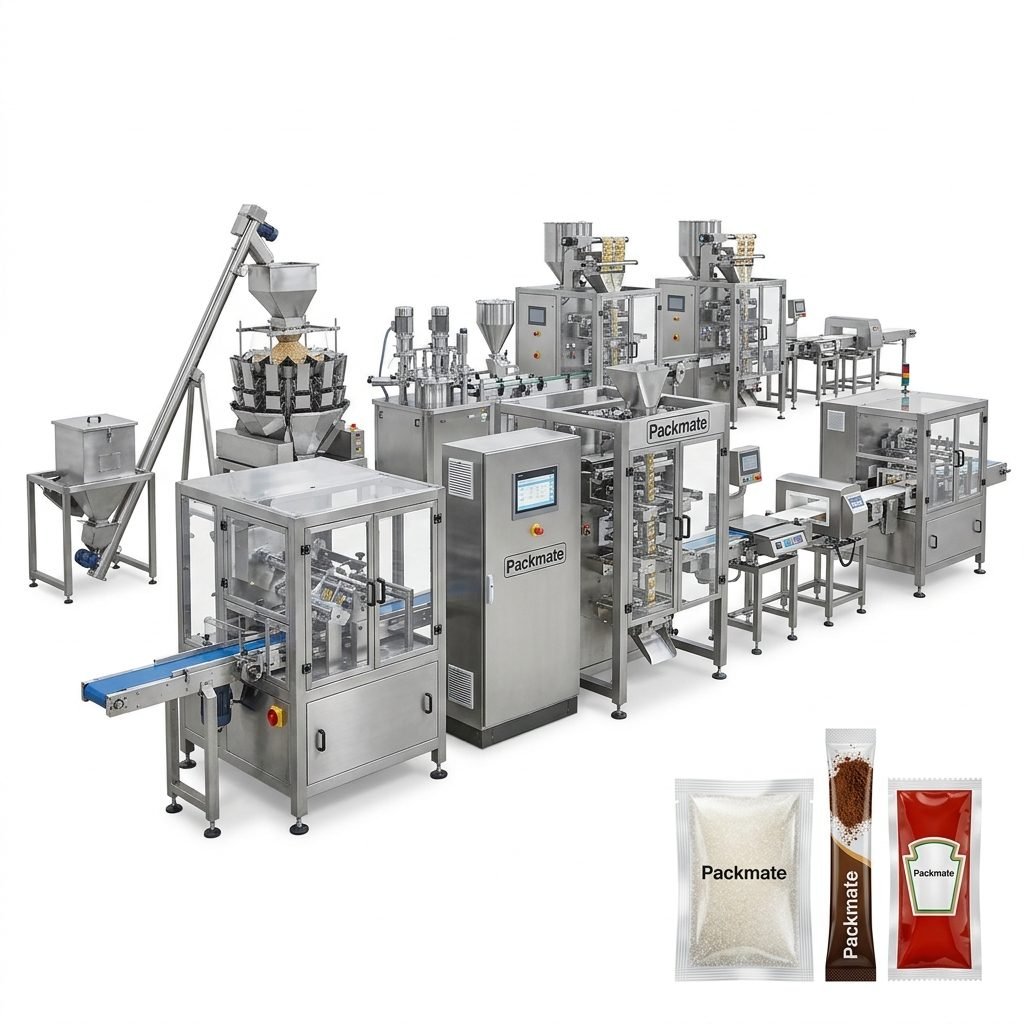
Show Initiative: A worker who notices a potential problem before it causes downtime or who keeps their station impeccably organized is highly valued. Understanding the full packaging line solution you are a part of can provide valuable context.
The field is evolving with increased automation and smart technology. Workers who embrace learning about these systems, perhaps by reviewing technical equipment catalogs or understanding integrated solutions, position themselves for long-term growth and advancement into technician or specialist roles.
Frequently Asked Questions (FAQs)
What is the most challenging part of being a packaging line worker?
Many workers cite maintaining consistent focus and quality during repetitive tasks as a challenge, along with the physical demand of being on your feet for a full shift. Adapting to fast-paced changes during product line changeovers also requires mental agility.
Is previous manufacturing experience required?
Generally, no. Most employers seek reliable, coachable individuals and provide comprehensive on-the-job training. A positive attitude and strong work ethic are often more important than specific prior experience.
What are the typical shift patterns?
Packaging lines often run 16-24 hours a day. Common shifts include day (e.g., 6 AM – 2 PM), swing (2 PM – 10 PM), and night or “graveyard” (10 PM – 6 AM). Shift work, including weekends, is common in this industry.
How can I advance my career from an entry-level line position?
Demonstrate reliability, master your machine, cross-train on other equipment, show leadership, and express interest in advancement. Paths can lead to Line Lead, Quality Control Inspector, Maintenance Technician, or Supervisor roles. Pursuing relevant certifications can accelerate this process.
Are there opportunities in automated packaging lines?
Absolutely. Automation is creating more roles for machine operators, monitors, and technicians rather than eliminating jobs. These roles often require higher technical skill but offer better pay and working conditions. Staying informed about industry advancements is key.