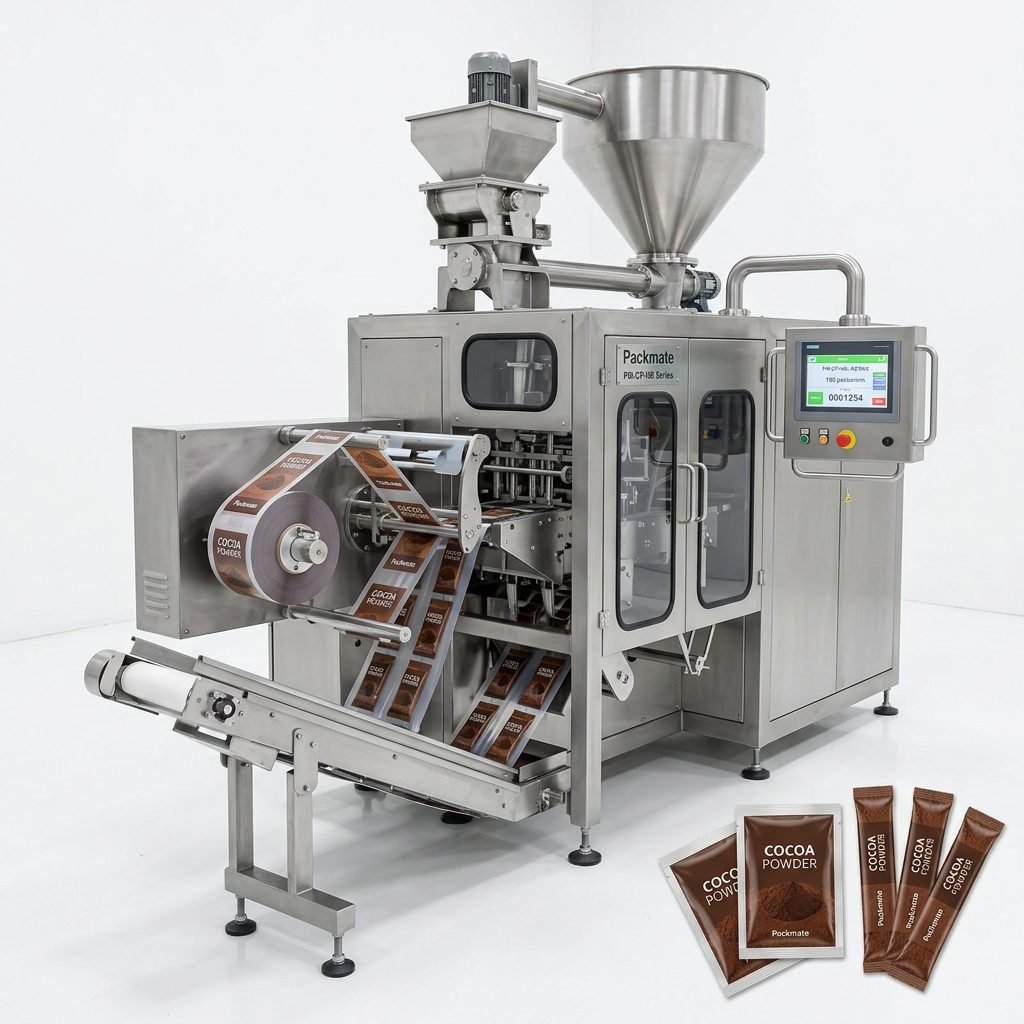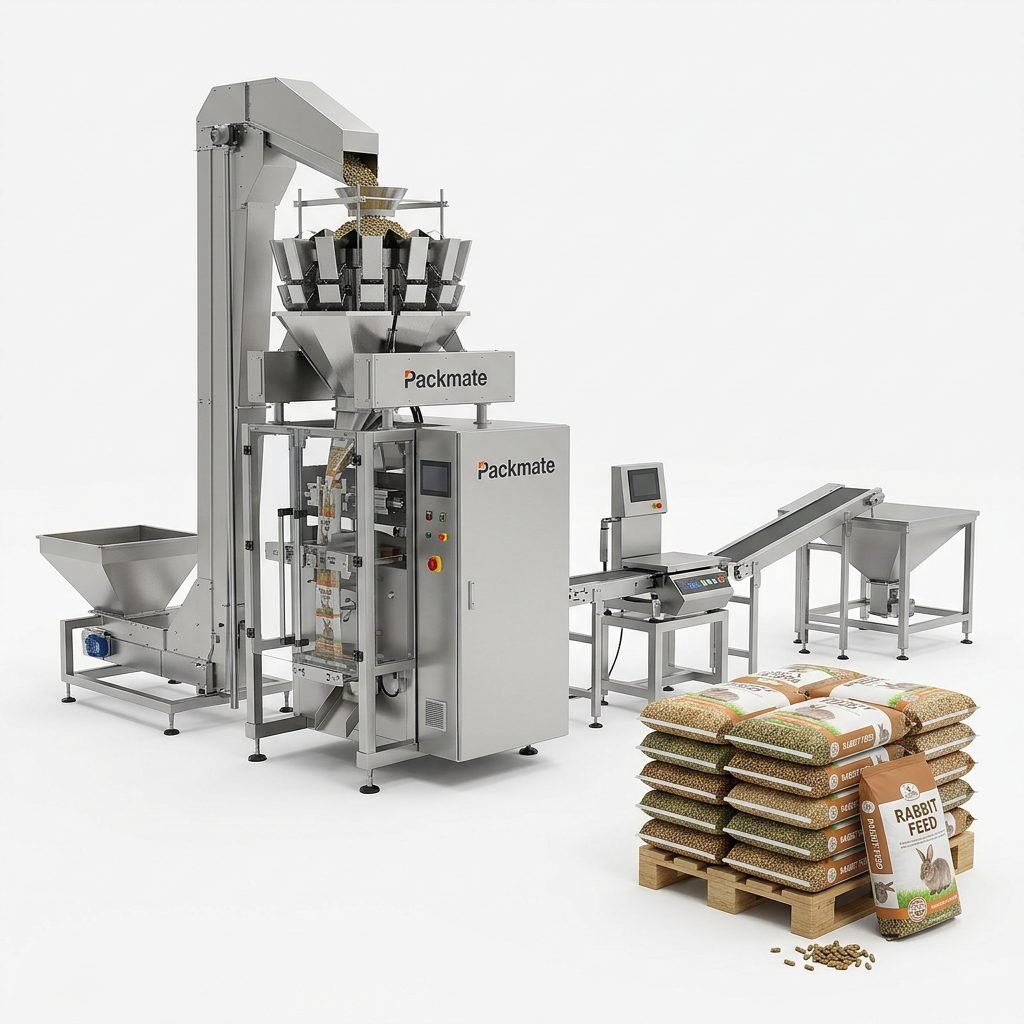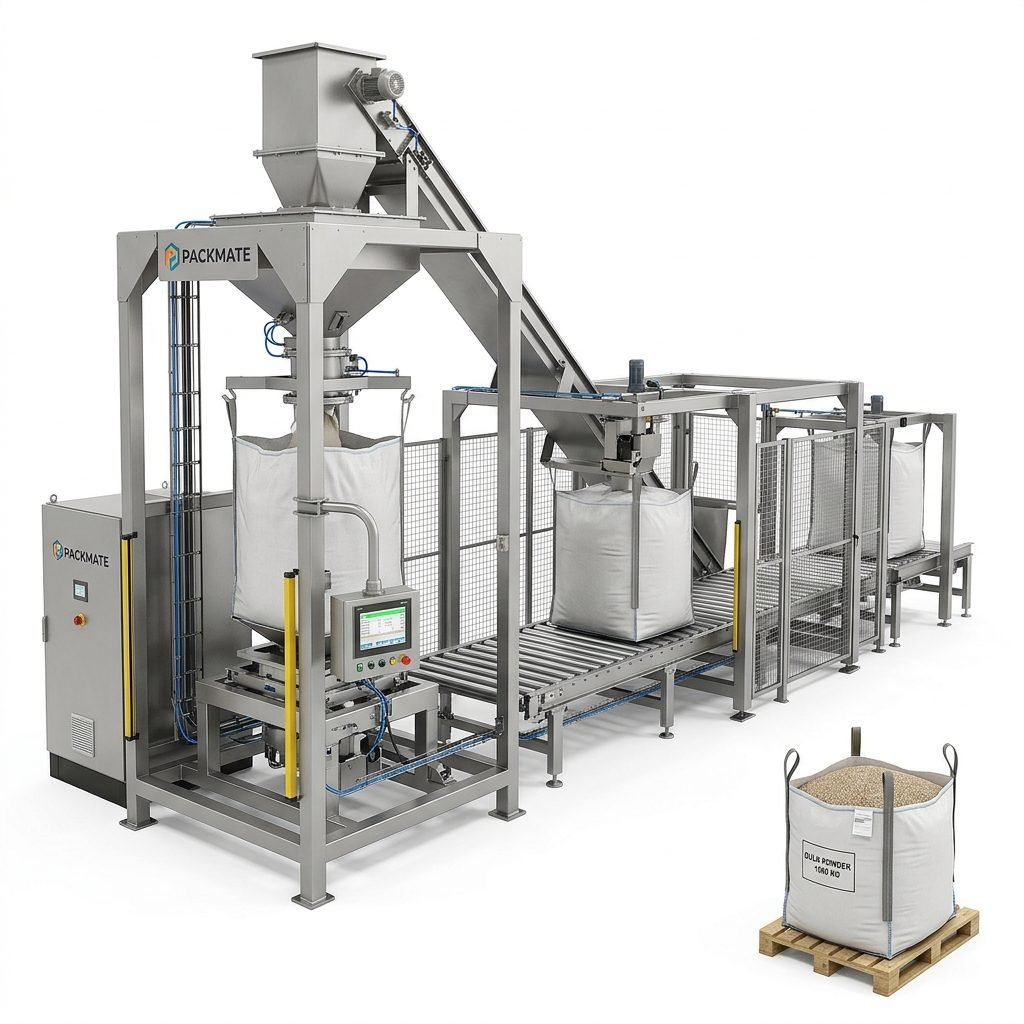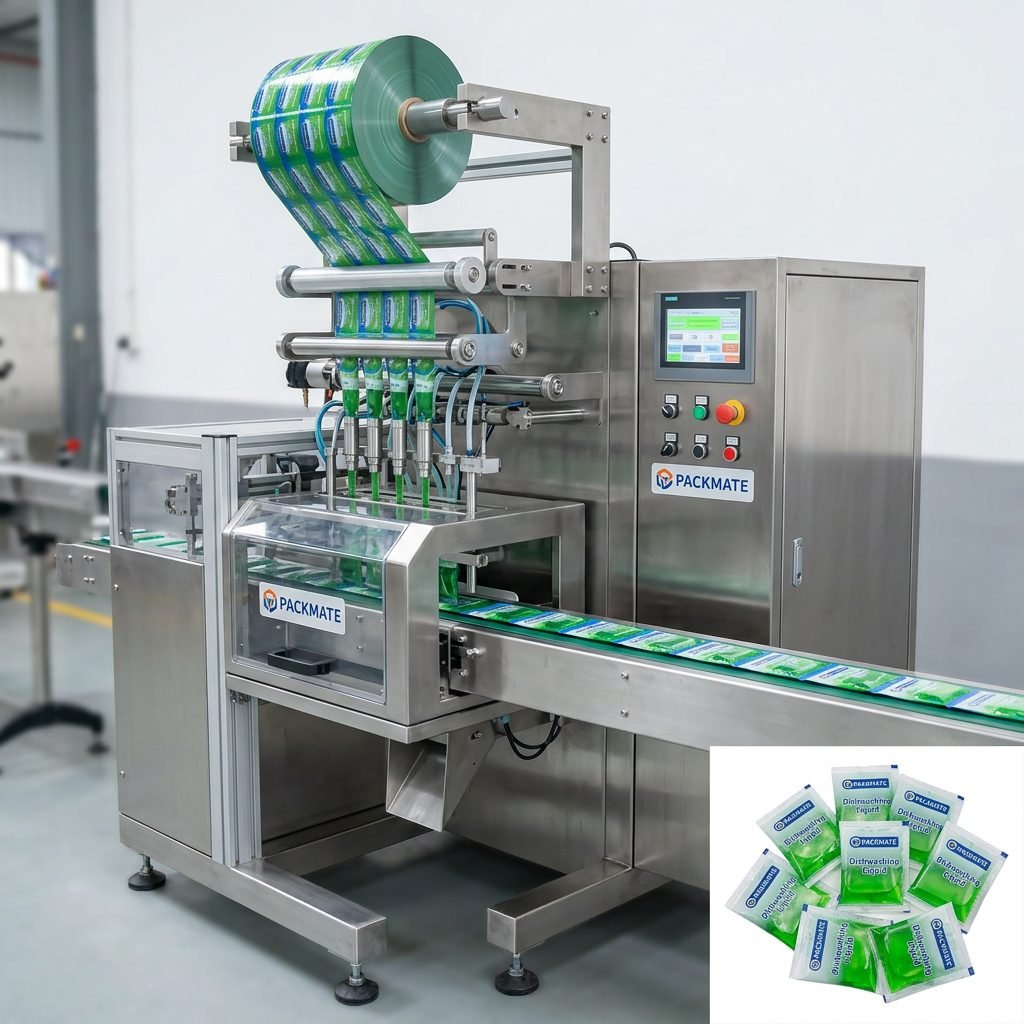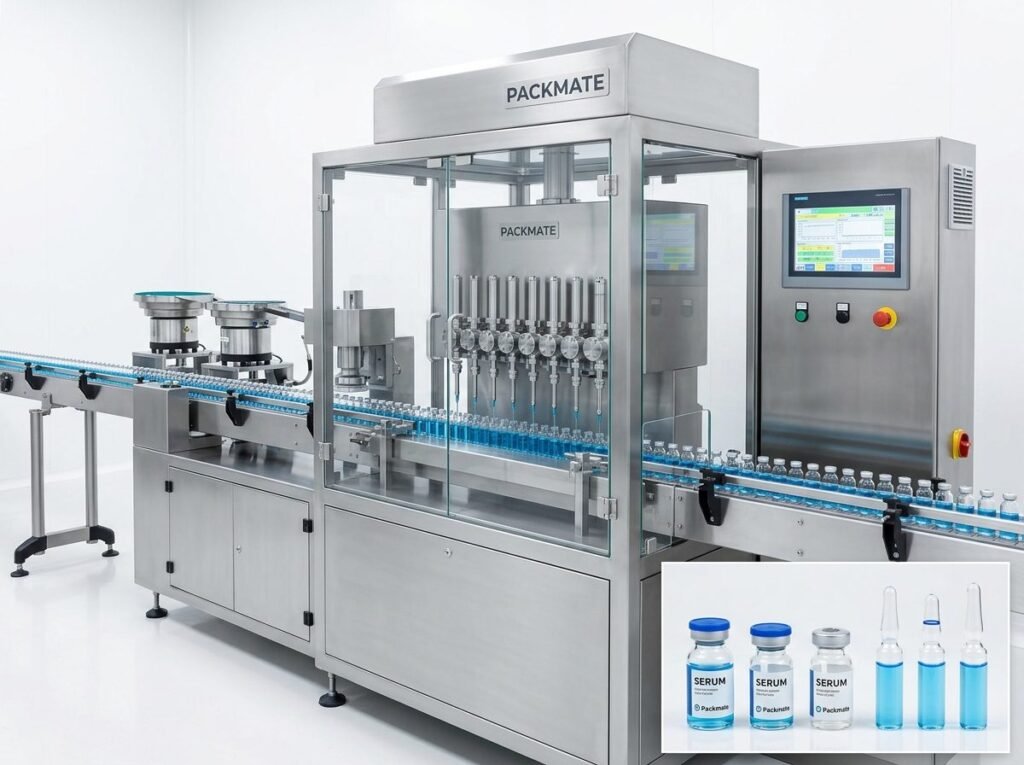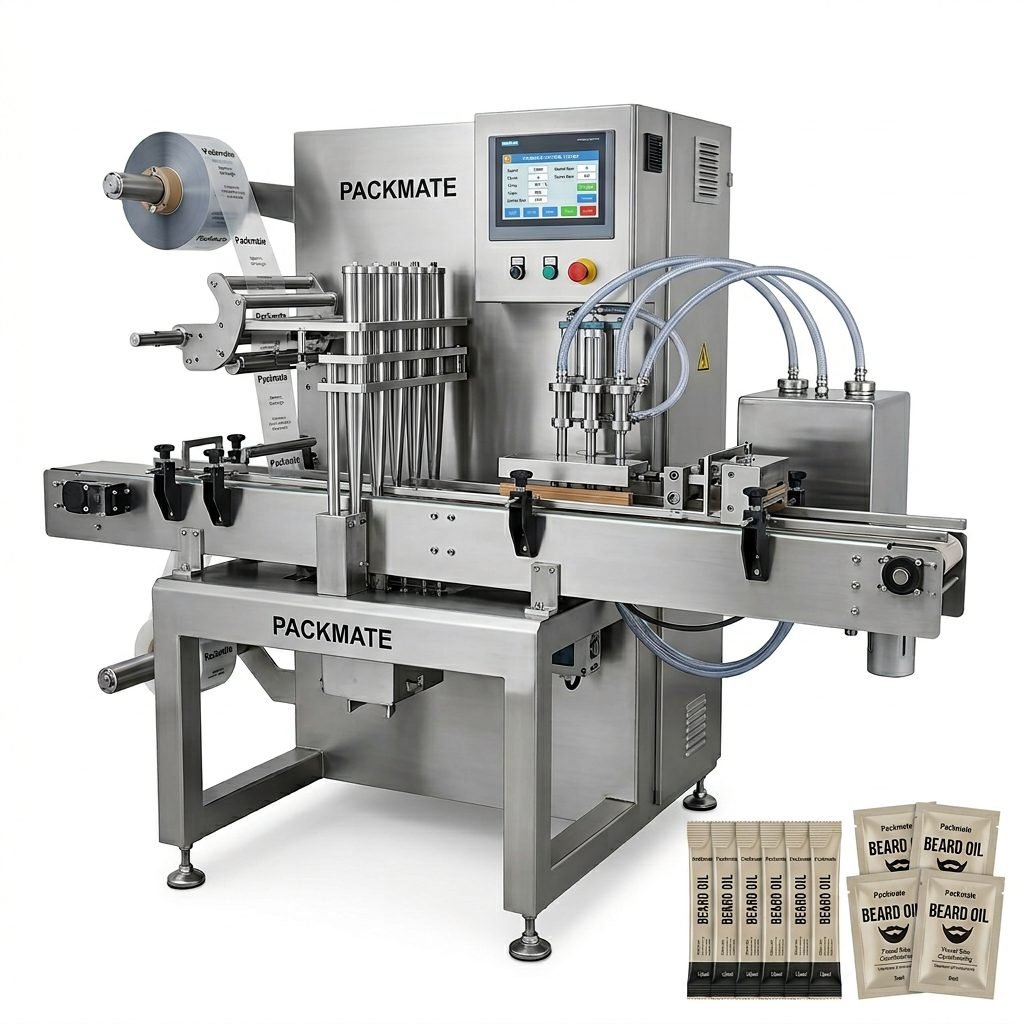
In the competitive world of wine packaging, efficiency, product integrity, and presentation are paramount. For wineries and beverage producers looking to scale their bag-in-box (BIB) operations, a piecemeal approach with separate machines can lead to bottlenecks, contamination risks, and inconsistent quality. The solution lies in integrated automation. An Automatic Bib Wine Packaging Line with an Integrated Bag in Box Filler and Conveyor System represents the pinnacle of modern packaging technology, offering a seamless, closed-loop process from empty container to sealed, pallet-ready product.
The Core Components: A Symphony of Automation
This advanced line is not a collection of individual machines but a harmoniously engineered system. Its core functionality revolves around three integrated components working in perfect unison.
The Automatic Bag-in-Box Filler: Precision at Its Heart
At the center of the line is the high-speed, automatic filler. This sophisticated apparatus is designed to handle the unique challenges of liquid wine packaging. It features:
✔ Precision Volumetric or Gravimetric Filling: Ensures exact fill volumes for every box, critical for compliance and cost control. Advanced models offer touch-screen control for easy recipe changes between different wine varieties.
✔ Sanitary Design with CIP/SIP Capability: Constructed with food-grade stainless steel and designed for easy cleaning, often featuring Clean-in-Place (CIP) systems to maintain strict hygiene standards and prevent cross-contamination.
✔ Gentle Product Handling: Utilizes low-shear pumps and filling valves to protect the wine’s delicate structure, aroma, and taste—a non-negotiable for quality-conscious producers.
The Integrated Conveyor System: The Central Nervous System
The conveyor system is the glue that binds the entire operation. Far from a simple transport belt, it is an intelligent network that orchestrates the flow of materials.
Synchronized Material Handling: It automatically feeds empty, flat BIB cartons to the formers, transports formed boxes to the filler, moves filled boxes to the sealer, and finally conveys the finished product to the casing or palletizing station. This eliminates manual handling, reducing labor costs and physical strain.
Accumulation and Buffer Zones: Smart conveyors include accumulation zones that temporarily store products if a downstream machine (like the sealer) experiences a brief delay. This prevents jams and ensures the filler can operate at its optimal, continuous speed, maximizing overall line efficiency (OEE).
Ancillary Modules: Completing the Turnkey Solution
A fully automatic line includes several other critical modules, often supplied as part of a complete packaging solution by experts like Packmate.
- Automatic Box Erectors/Formers: Take flat corrugated blanks and form them into precise boxes ready for filling.
- Bag Insertion Systems: Precisely place the sterile, flexible inner bag into the formed carton.
- Valve Applicators & Sealers: Automatically attach the dispensing tap to the bag and hermetically seal the box top.
- Automatic Case Packers & Palletizers: Group finished boxes into shipping cases and stack them onto pallets for storage and distribution.
Tangible Benefits for Modern Wineries
Investing in an integrated automatic BIB line delivers a compelling return on investment across multiple facets of the business.
Dramatically Enhanced Productivity and Output
By eliminating manual transfer points and synchronizing all operations, these lines achieve significantly higher speeds than semi-automatic setups. Lines can consistently output hundreds, even thousands, of filled and sealed boxes per hour. This allows producers to meet large orders, scale production during peak seasons, and reduce lead times. You can see such systems in action across various industries in our detailed project case studies.
Uncompromising Product Quality and Consistency
Automation ensures every box is filled, sealed, and handled identically. Precise fill volumes guarantee compliance and customer satisfaction. The closed, sanitary environment minimizes the risk of oxygen exposure and microbial contamination, which is crucial for preserving wine quality and extending shelf life. Consistent, professional packaging also strengthens brand perception in the market.
Significant Reduction in Operational Costs
While the initial investment is substantial, the long-term savings are profound. Labor requirements are drastically reduced, often needing only 1-2 operators for monitoring and oversight instead of a large manual crew. Reduced product waste from over/under-filling and lower utility consumption per unit produced contribute to a lower cost per box. Furthermore, improved safety from reduced manual lifting leads to fewer workplace injuries.
Unmatched Operational Flexibility
Modern lines from leading providers are designed for changeover. With quick-release parts and programmable logic controllers (PLCs), switching between different box sizes (e.g., 3L, 5L, 10L) or wine types can be accomplished in minutes, not hours. This agility is essential for producers offering a diverse portfolio or limited-edition runs.
Why Partner with an Experienced Provider like Packmate?
Implementing such a complex system requires more than just purchasing machines. It demands deep engineering expertise and project management experience. With over 22 years of company development and a 20,000㎡ modern manufacturing facility, Packmate (GuangDong) Co., Ltd. exemplifies the ideal partner. Our approach involves a comprehensive analysis of your specific needs—from wine viscosity and desired output to factory layout—before designing a custom, turnkey solution. We handle everything from manufacturing and factory acceptance testing to installation, commissioning, and operator training, ensuring a smooth transition to automated production. Learn more about our commitment to quality and innovation on our Company Profile page.
From the initial forming of the carton to the final palletized load, an Automatic BIB Wine Packaging Line creates a continuous, efficient, and reliable production river. It empowers wineries to protect their product’s quality, meet growing market demands, and achieve new levels of operational excellence. For businesses ready to modernize their packaging operations, exploring integrated automation is the logical next step. For any inquiries or to discuss your specific project, please do not hesitate to contact our technical team.
Frequently Asked Questions (FAQs)
What is the typical output speed of an automatic BIB wine line?
Speeds vary based on box size and configuration, but modern integrated lines can typically range from 600 to over 2,000 boxes per hour. A detailed analysis of your product and goals is needed for a precise quotation.
How difficult is it to change over between different box sizes?
Changeover complexity depends on the line’s design. High-end systems feature “tool-less” or quick-change mechanisms, allowing size changes to be completed in 15-30 minutes with minimal operator intervention, maximizing uptime.
Can the line handle other liquids besides wine?
Absolutely. With appropriate pump and material compatibility, these lines are excellent for a wide range of liquids, including juices, dairy products, liquid eggs, edible oils, and even certain industrial chemicals.
What level of factory space and utilities are required?
An integrated line requires a clean, level production area with adequate length for the conveyor layout. Essential utilities include stable electrical power (often 3-phase), compressed air, and potentially access to water for CIP systems. A pre-installation site survey is always conducted.
What kind of after-sales support and service can we expect?
Reputable providers like Packmate offer comprehensive support, including detailed operation manuals, on-site training, remote troubleshooting assistance, and a ready supply of genuine spare parts to ensure your line’s long-term reliability and productivity.