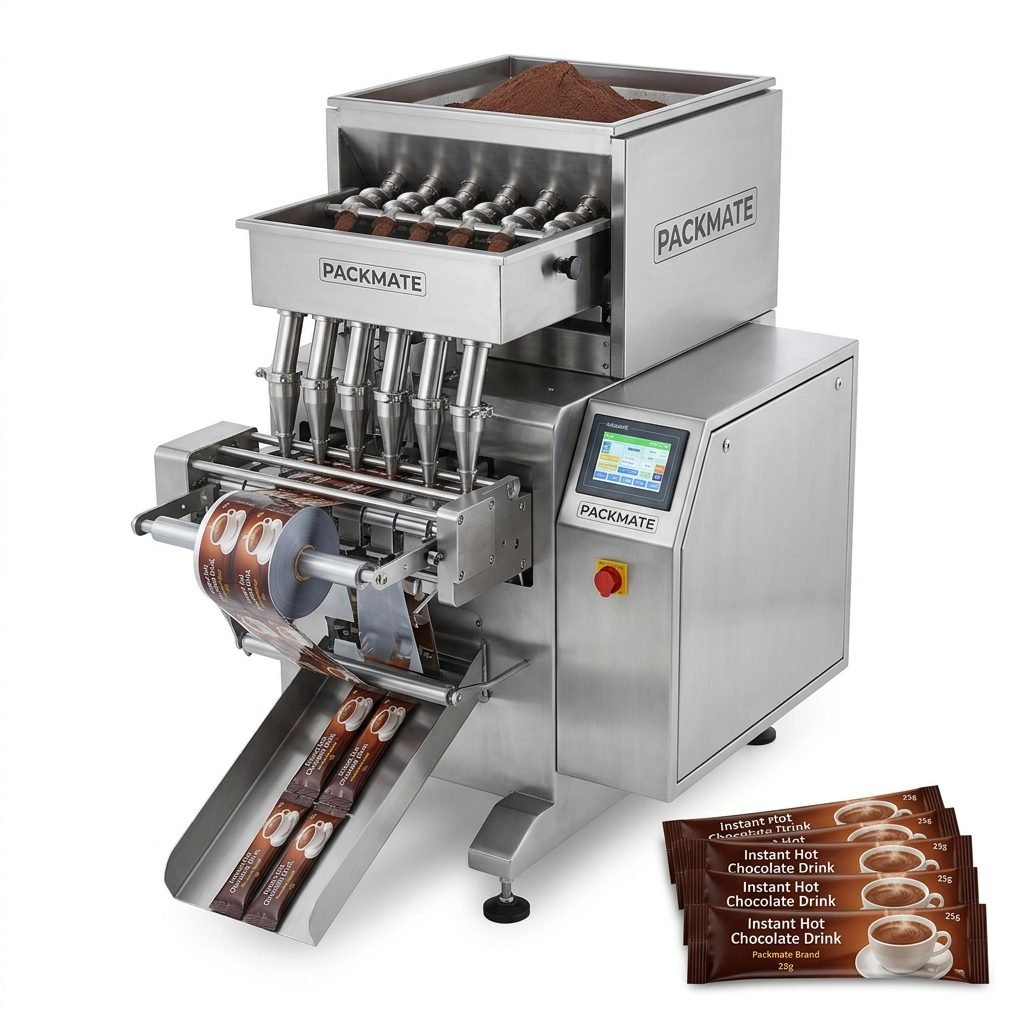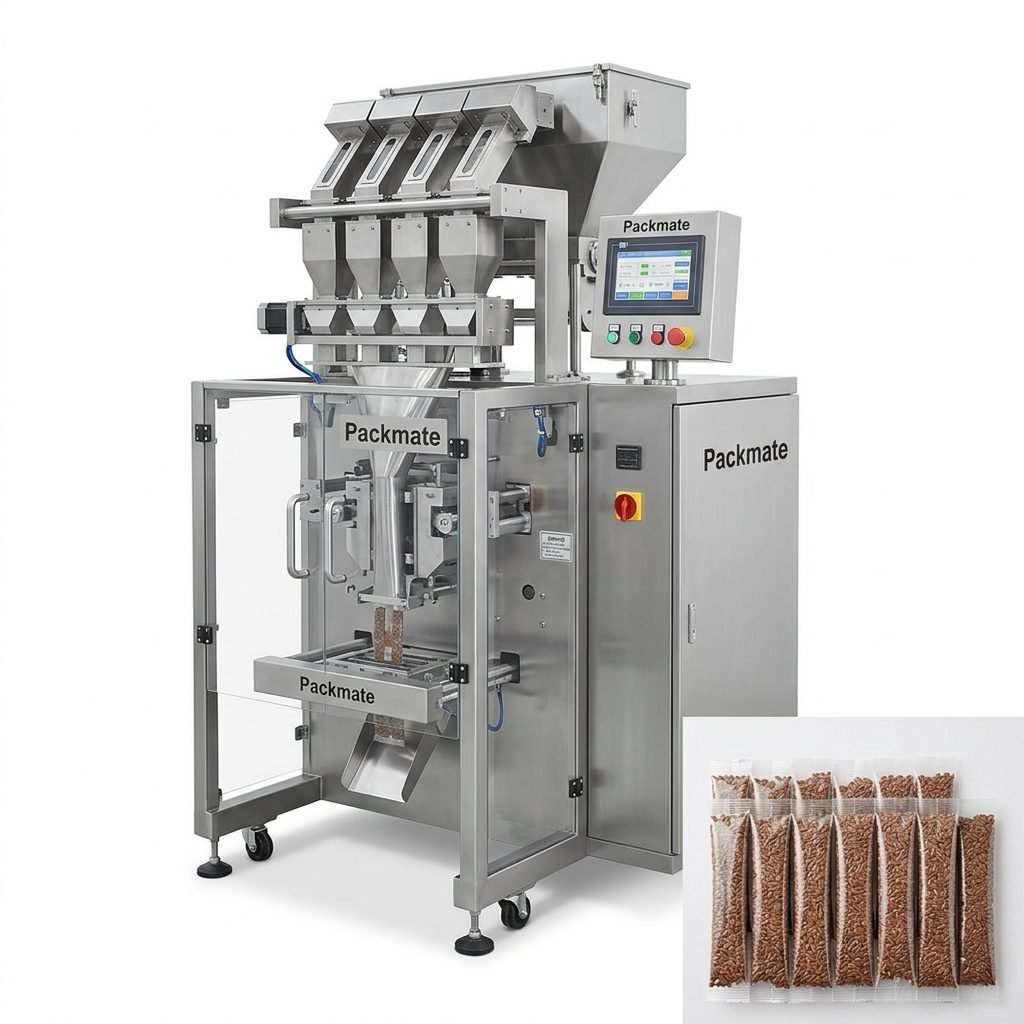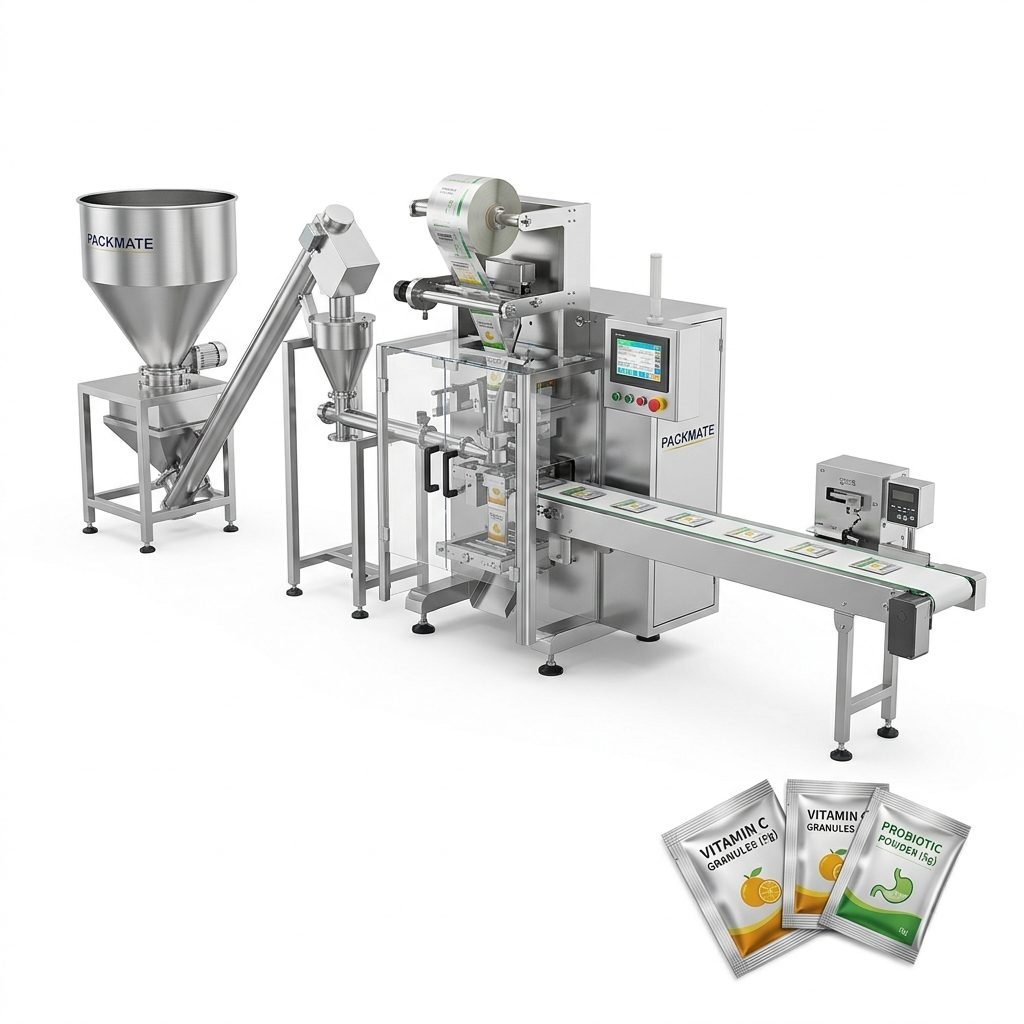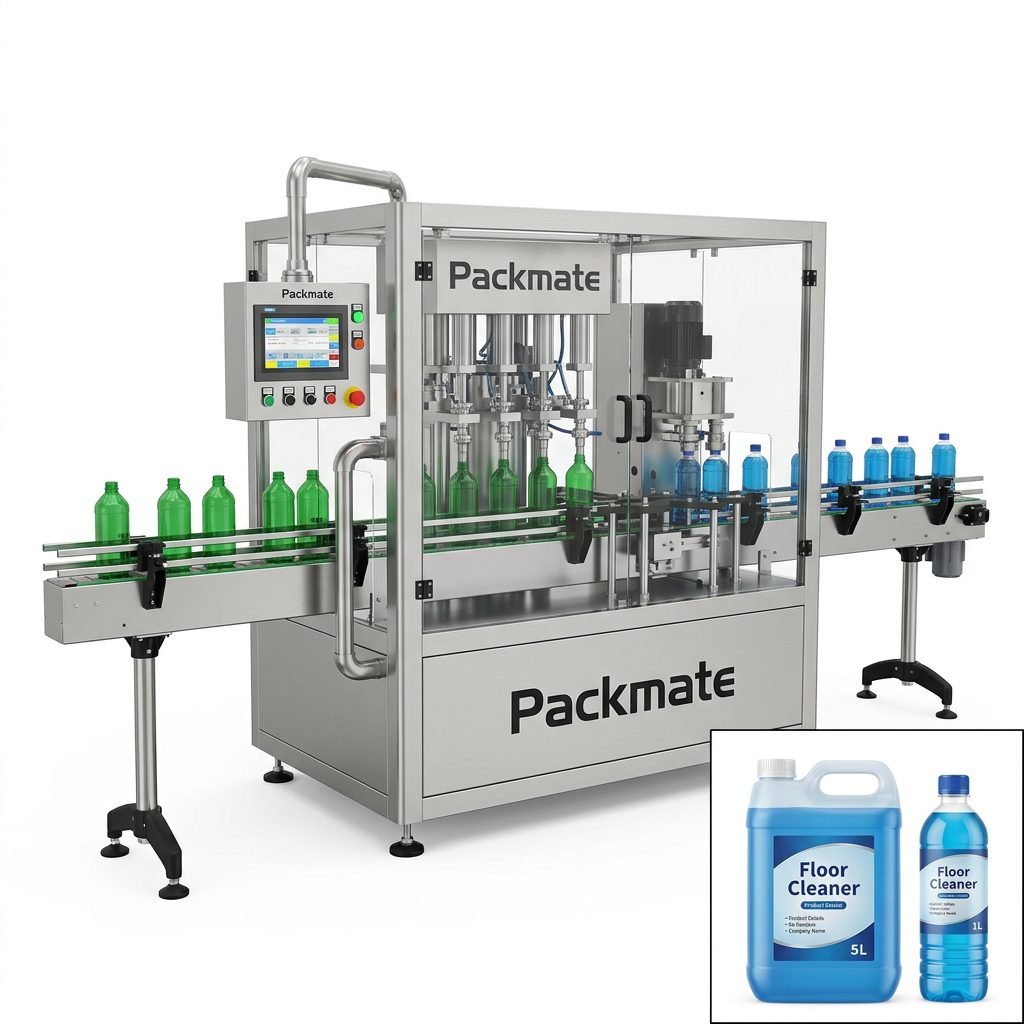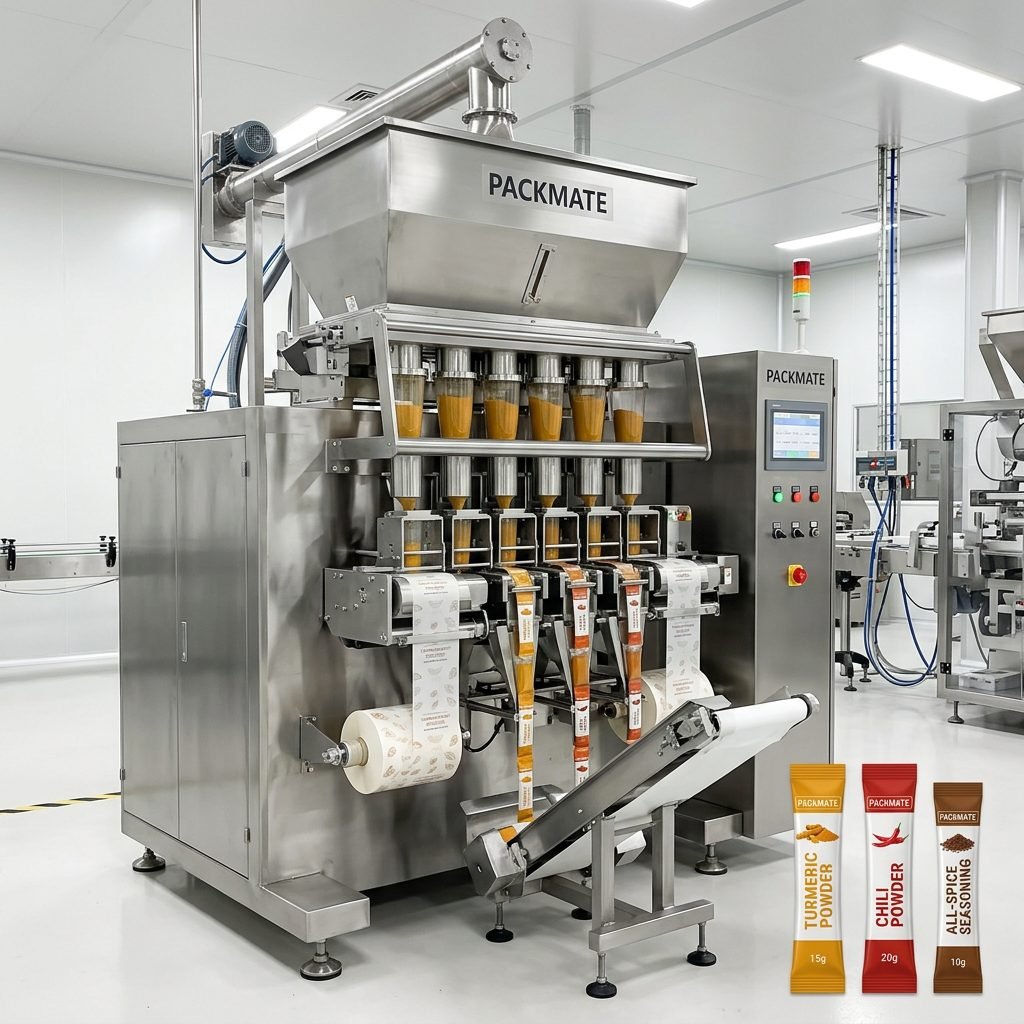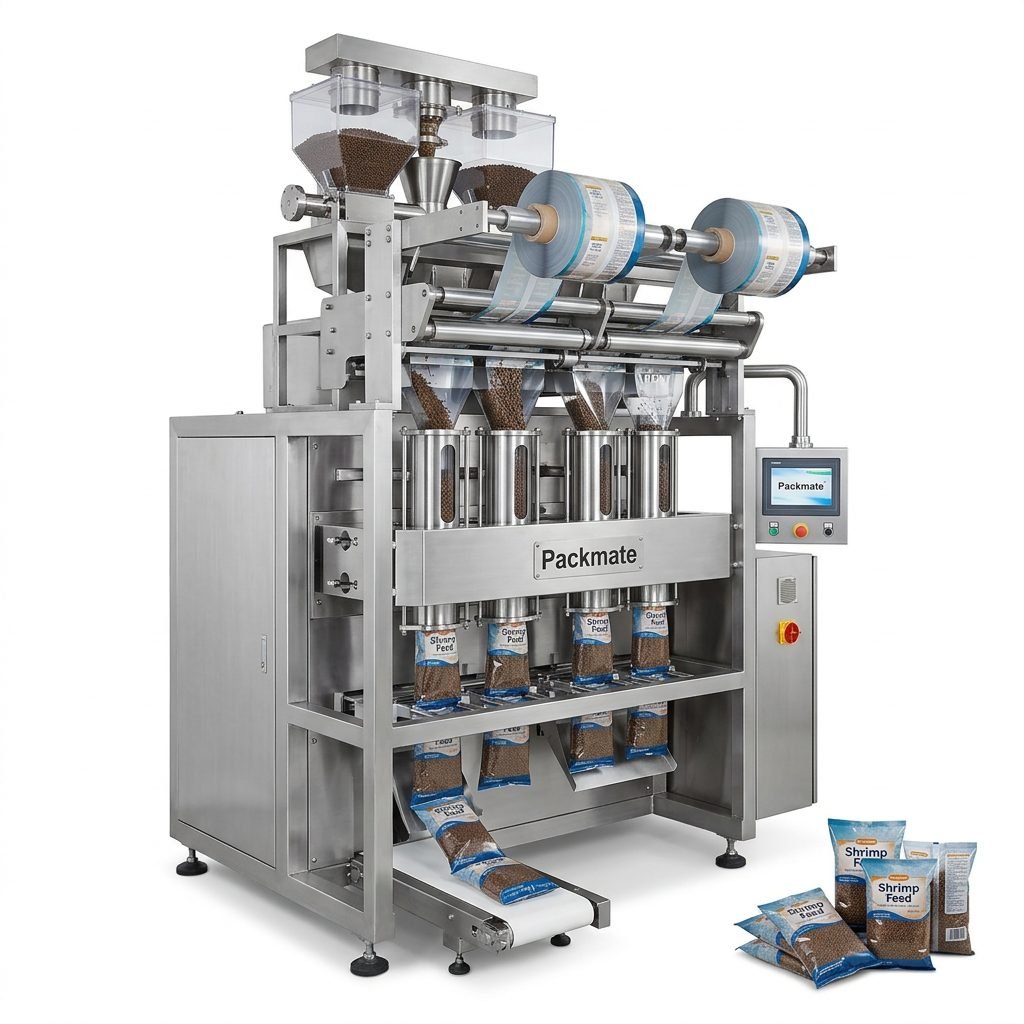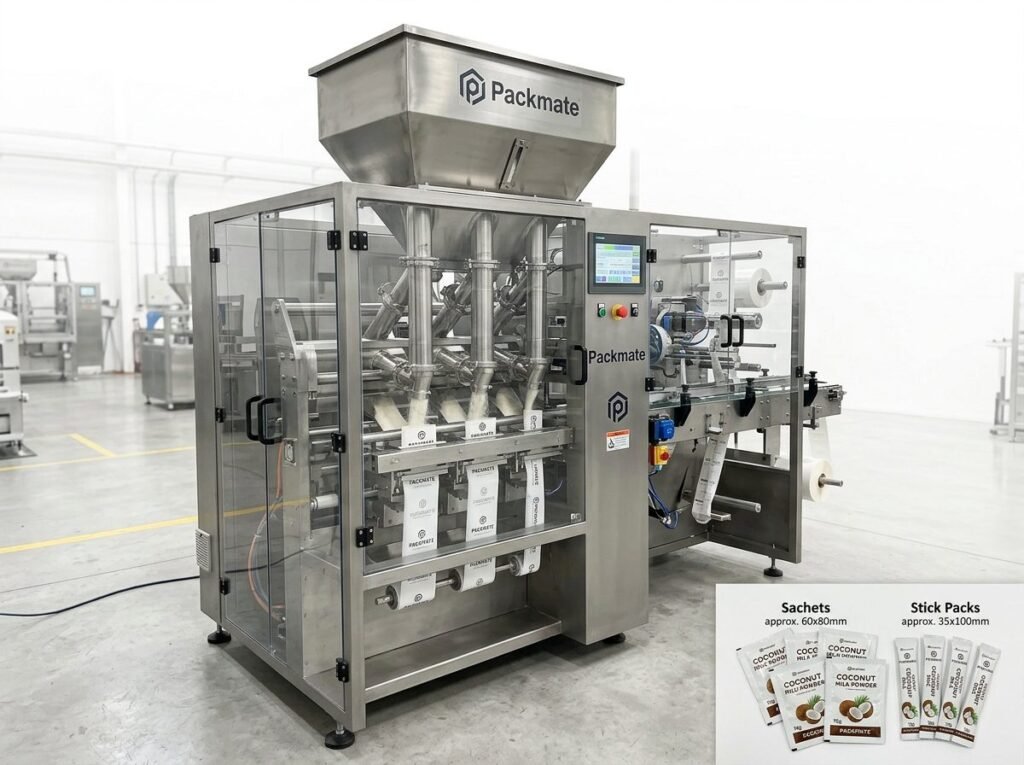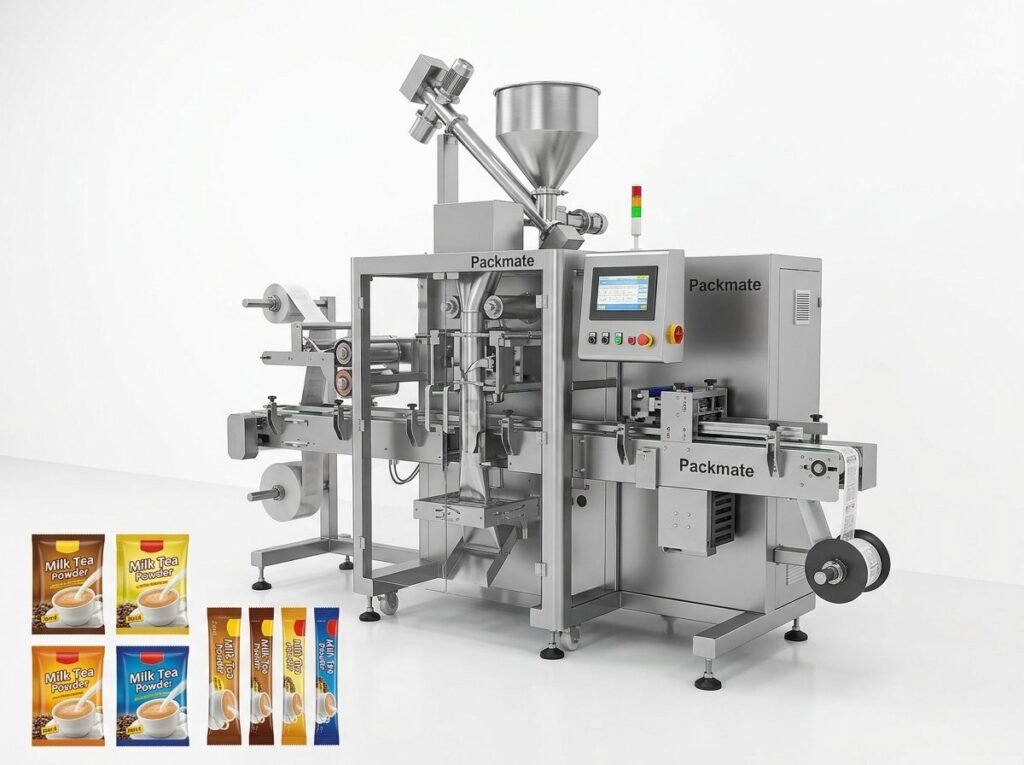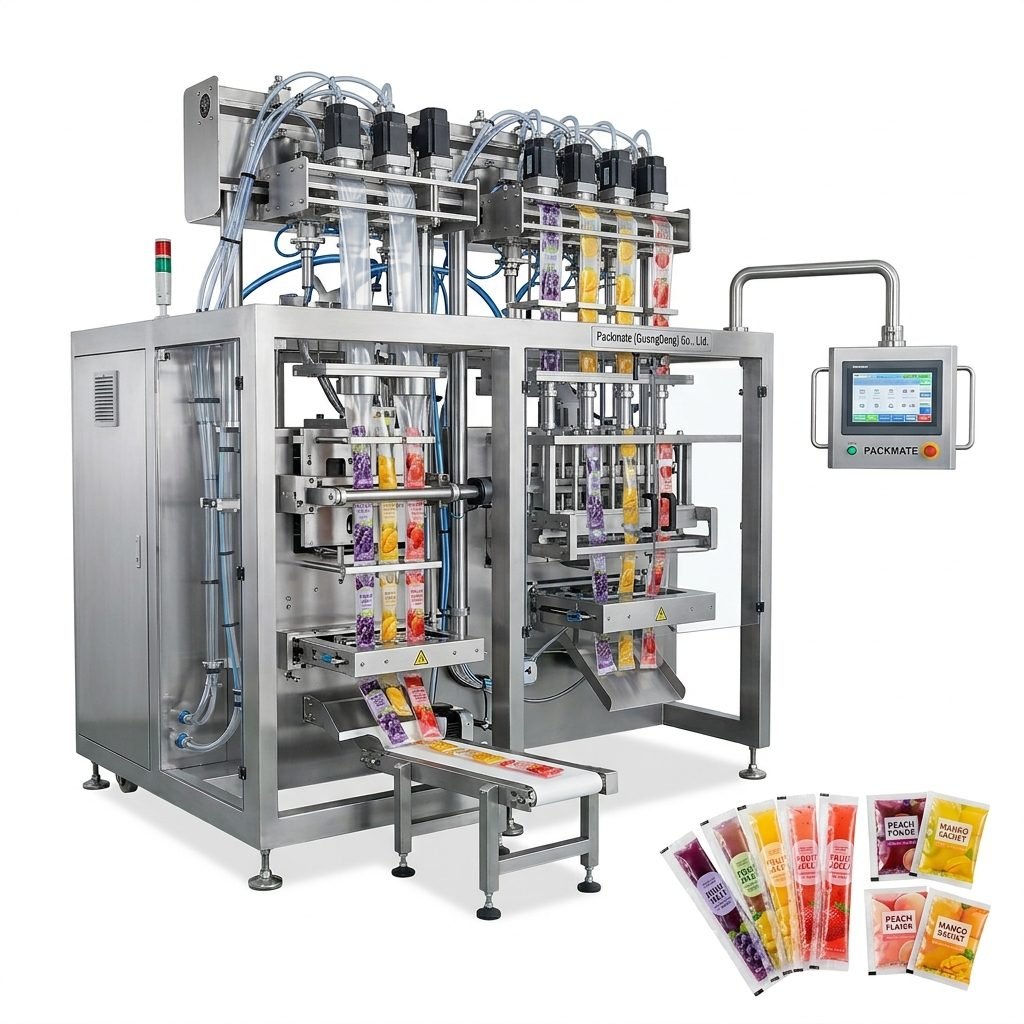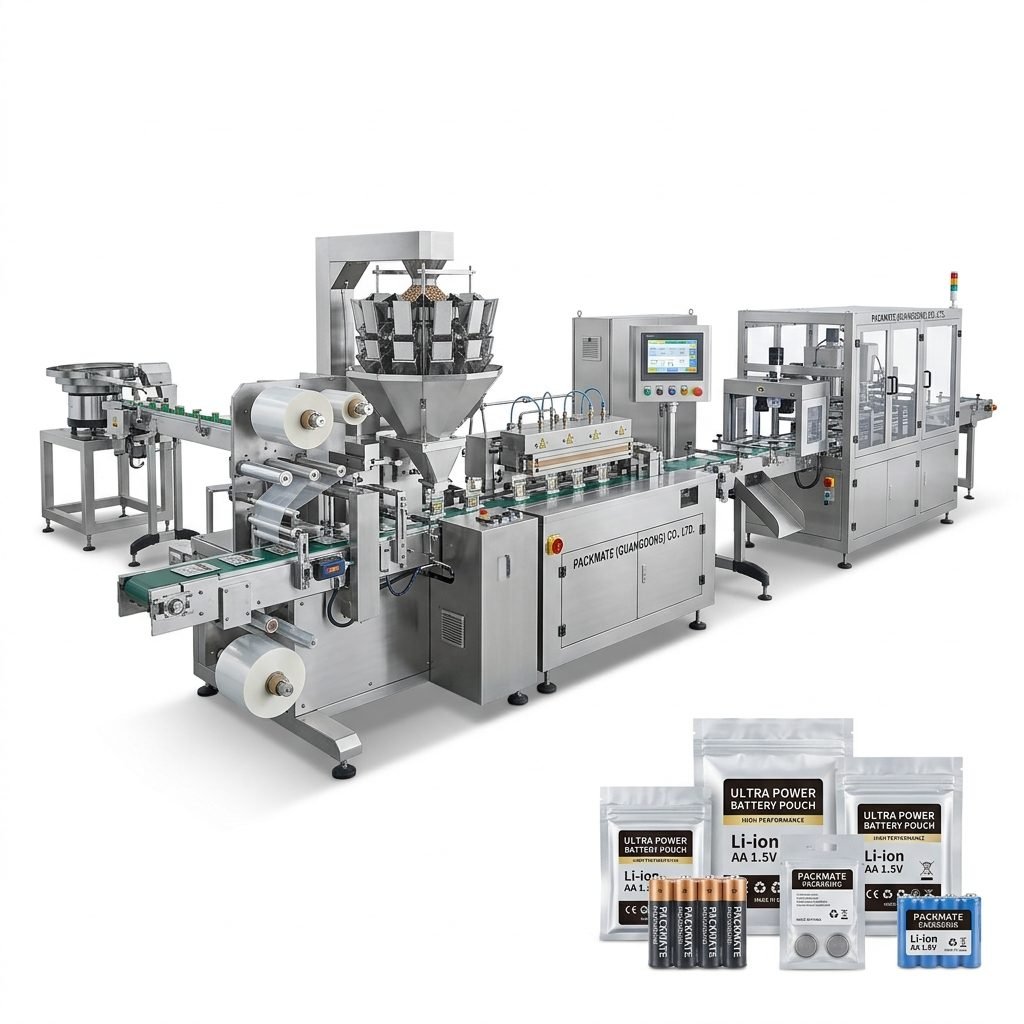
In the highly regulated and quality-critical world of pharmaceuticals, packaging is far more than just a final step—it is a vital component of the product’s safety, integrity, and efficacy. A complete, seamlessly integrated packaging line is not a luxury but a necessity. It ensures that tablets, capsules, and liquid medicines reach the end-user in pristine condition, fully compliant with stringent global standards like GMP (Good Manufacturing Practice). For manufacturers, investing in a turnkey packaging solution is an investment in reliability, efficiency, and market trust.
The Imperative for Integrated Packaging in Pharma
The journey from bulk product to packaged unit ready for distribution involves multiple precise operations: counting, filling, sealing, labeling, cartoning, and serialization. Disconnected machinery or manual hand-offs between these stages create bottlenecks, increase contamination risks, and lead to costly errors. An integrated line, designed as a cohesive system, eliminates these vulnerabilities. It synchronizes every process, ensuring a smooth, continuous flow that maximizes output while minimizing waste and operational overhead. This holistic approach is the cornerstone of modern pharmaceutical manufacturing.
Core Advantages of a Turnkey Line
- Single-Point Responsibility: Working with one provider like Packmate for the entire line means unified project management, eliminating finger-pointing between multiple equipment vendors.
- Guaranteed Compatibility: All machines—from fillers to cartoners—are engineered to communicate and work in perfect harmony, ensuring optimal line efficiency (OEE).
- Simplified Validation: A single-source solution streamlines the daunting process of Installation Qualification (IQ), Operational Qualification (OQ), and Performance Qualification (PQ), accelerating time-to-market.
- Future-Proof Scalability: A well-designed line can be modularly expanded or reconfigured to accommodate new product formats or increased capacity demands.
Tailored Solutions for Different Dosage Forms
A one-size-fits-all approach does not work in pharma packaging. Each dosage form presents unique challenges that require specialized handling.
1. Complete Packaging Line for Tablets & Capsules
Solid oral dosage forms demand high accuracy and gentle handling to prevent breakage or degradation. A comprehensive line typically integrates:
- Accurate Counting & Filling: Utilizing advanced counting technology (like vision-based systems or precise weigh-fill) to ensure exact pill count per bottle or blister.
- High-Speed Blister Packaging: Forming-filling-sealing (FFS) machines that create sterile blisters, insert tablets/capsules, and apply child-resistant lidding foil at high speeds.
- Bottling Solutions: Automated lines for filling bottles with cotton, desiccant, and the product, followed by capping and torque verification.
- Serialization & Aggregation: Integrated printers and vision systems to apply unique serial numbers (as per DSCSA, EU FMD) on primary and secondary packages, linking them for full traceability.
Exploring specific packaging solutions for solid doses can reveal configurations optimized for your batch size and compliance needs.
2. Complete Packaging Line for Liquid Medicines
Syrups, suspensions, and injectables require an aseptic or sterile environment to prevent microbial growth. Key line components include:
- Aseptic Filling Machines: Precision liquid fillers that operate in controlled environments to fill vials, bottles, or pre-sterilized syringes without contamination.
- Stoppering & Sealing: Immediate capping with tamper-evident seals or rubber stoppers for vials.
- Labeling & Inspection: Applying labels with critical dosage information and using automated vision inspection to check for fill level accuracy, cap presence, and label correctness.
- Secondary Packaging: Automatic cartoning and bundling, often with leaflet insertion for instructions.
Beyond Machinery: The Value of a True Partner
Selecting a turnkey provider goes beyond buying equipment. It’s about choosing a long-term partner. A partner with deep industry experience, like Packmate, brings invaluable expertise to the table. With over 30 years of specialization, they understand the nuanced challenges of pharmaceutical packaging. Their service encompasses everything from initial line design and factory acceptance testing (FAT) to installation, operator training, and ongoing technical support. Reviewing real-world application cases can provide concrete evidence of a provider’s capability to deliver successful, validated lines.
Key Considerations for Line Selection
Before investing, manufacturers must evaluate:
- Regulatory Compliance: Does the line and its components meet relevant pharmacopeia standards (USP, EP) and facilitate GMP compliance with easy-clean designs (CIP/SIP)?
- Flexibility & Changeover: How quickly can the line switch between different product sizes or formats? Minimal changeover time is crucial for multi-product facilities.
- Data Integrity & Industry 4.0: Modern lines should offer comprehensive data collection (OEE, downtime analysis) and connectivity for integration into broader Manufacturing Execution Systems (MES).
- Total Cost of Ownership (TCO): Look beyond the initial purchase price. Consider energy consumption, maintenance costs, spare parts availability, and the vendor’s support network.
Implementing a complete, turnkey packaging line is a strategic decision that propels a pharmaceutical company forward. It safeguards product quality, ensures regulatory adherence, and enhances operational profitability. By partnering with an experienced and innovative provider, manufacturers secure not just a set of machines, but a foundational pillar for sustainable growth and unwavering market confidence. For a deeper understanding of how such partnerships work, you can learn more about the comprehensive services offered throughout the project lifecycle.
Frequently Asked Questions (FAQs)
1. What is the primary benefit of a turnkey packaging line over assembling individual machines?
The core benefit is seamless integration and single-point accountability. A turnkey solution ensures all components are compatible and optimized to work together from the start, reducing integration headaches, validation time, and future maintenance issues. One vendor manages the entire project, simplifying communication and support.
2. How long does it typically take to commission a complete pharmaceutical packaging line?
The timeline varies based on line complexity and customization. A standard line might take 6 to 12 months from order to full operational qualification (OQ). This period includes design, manufacturing, factory acceptance testing (FAT), shipping, site installation, and site acceptance testing (SAT) with validation support.
3. Can a turnkey line handle different package sizes and formats for multiple products?
Yes, a key design focus is flexibility and quick changeover. Modern lines use modular designs with tool-less or quick-change parts (like change parts for filling heads, carton magazines, and labelers) to minimize downtime when switching between different tablet counts, bottle sizes, or carton designs.
4. What kind of after-sales support should we expect from the provider?
Comprehensive support is crucial. Expect a package including detailed operator and maintenance training, on-site commissioning assistance, a warranty period, readily available spare parts, and access to remote technical support. Providers like Packmate often offer ongoing service contracts for preventive maintenance and software updates.
5. How does a packaging line ensure compliance with track-and-trace regulations (e.g., DSCSA, EU FMD)?
A compliant line integrates serialization and aggregation equipment directly into the flow. This includes printers to apply unique 2D data matrix codes on primary packages, vision systems to verify code quality, and software to manage the serial number database and create parent-child relationships between bundles, cases, and pallets for complete supply chain visibility.