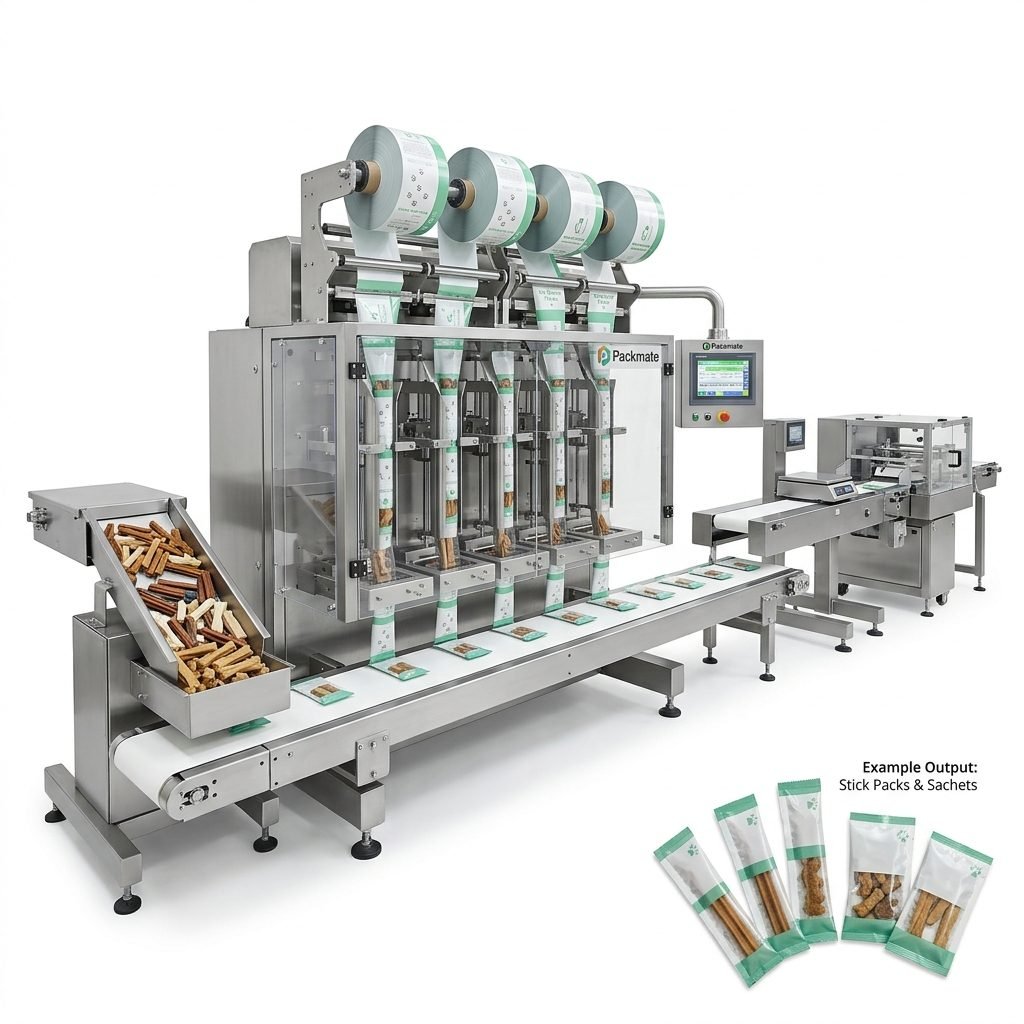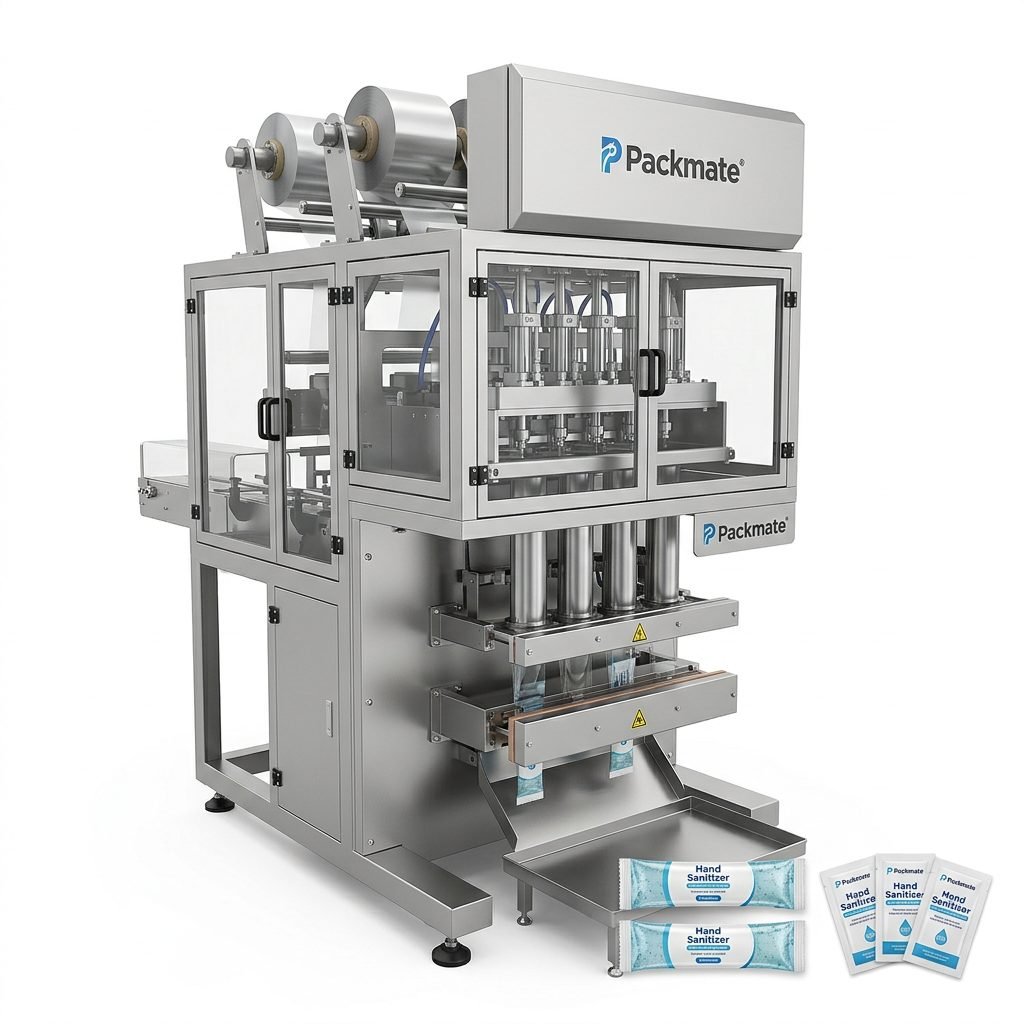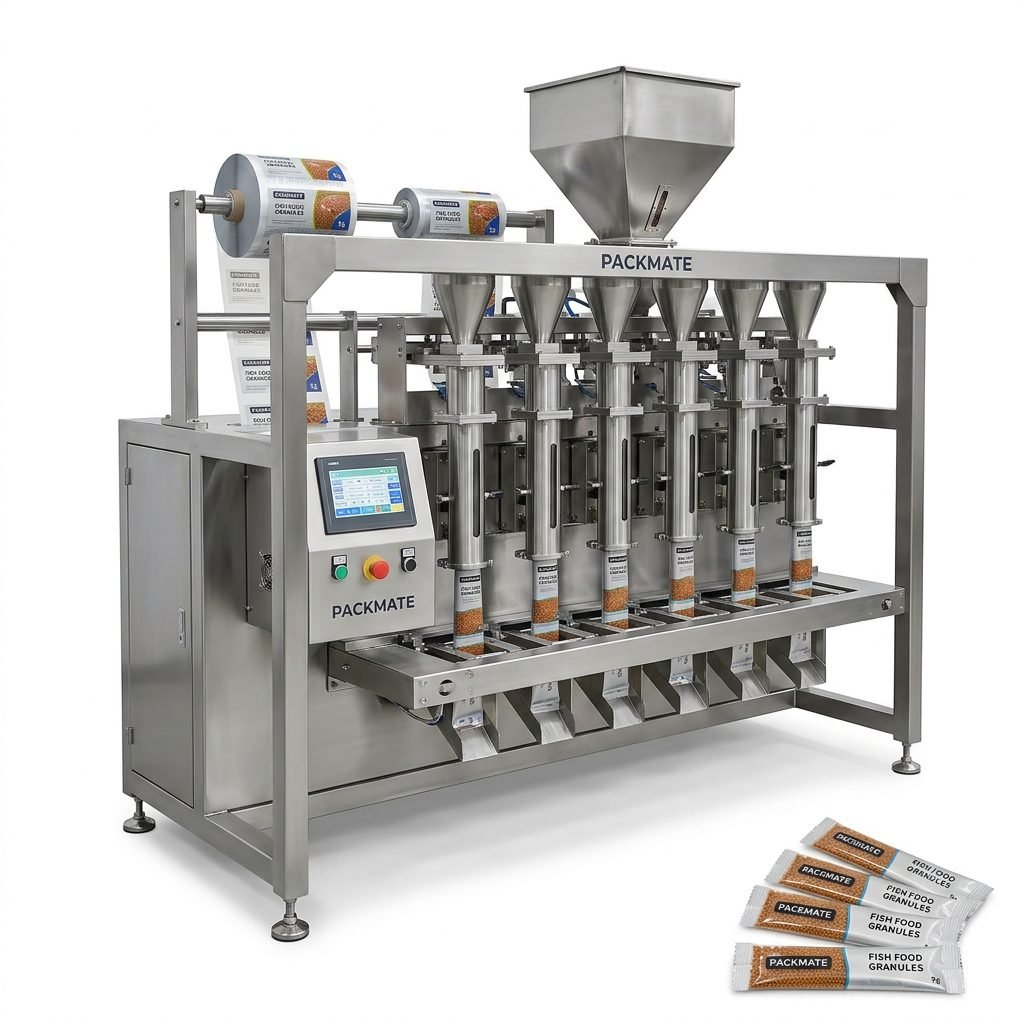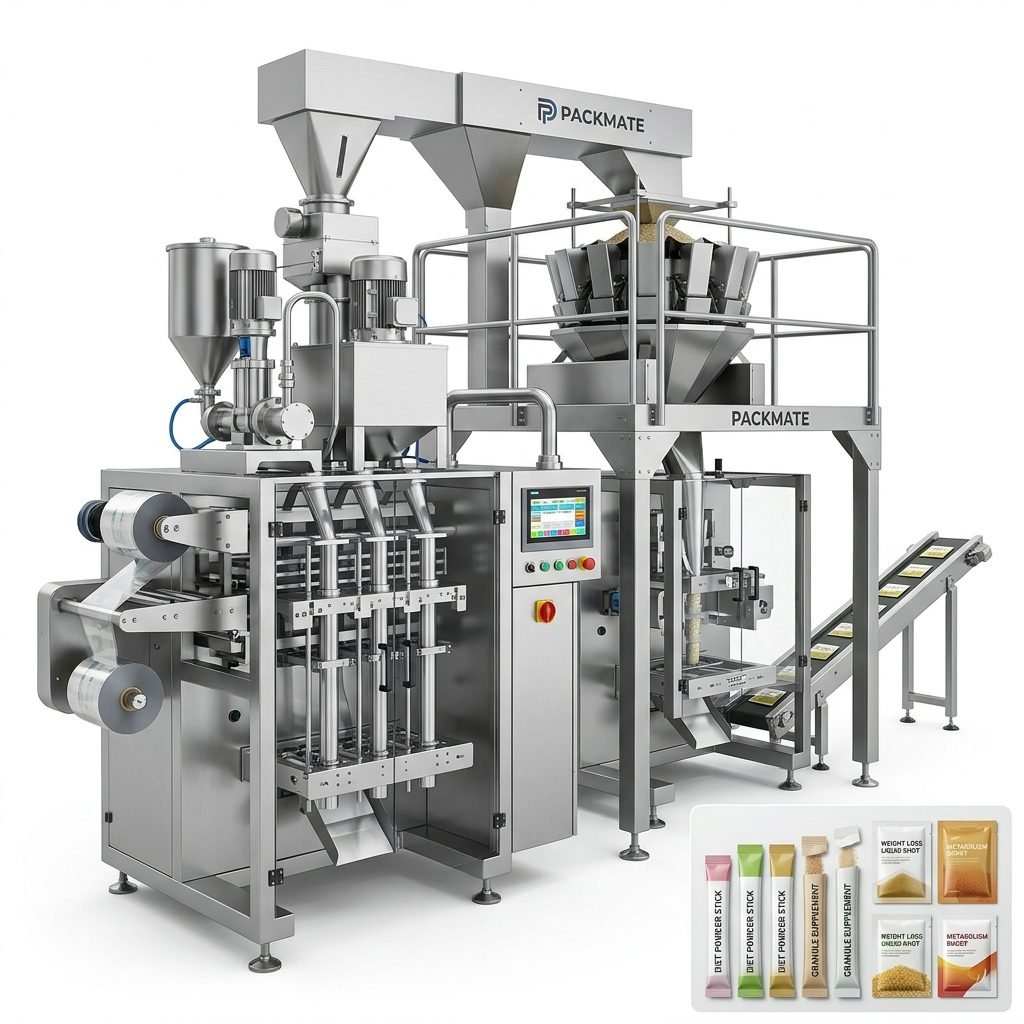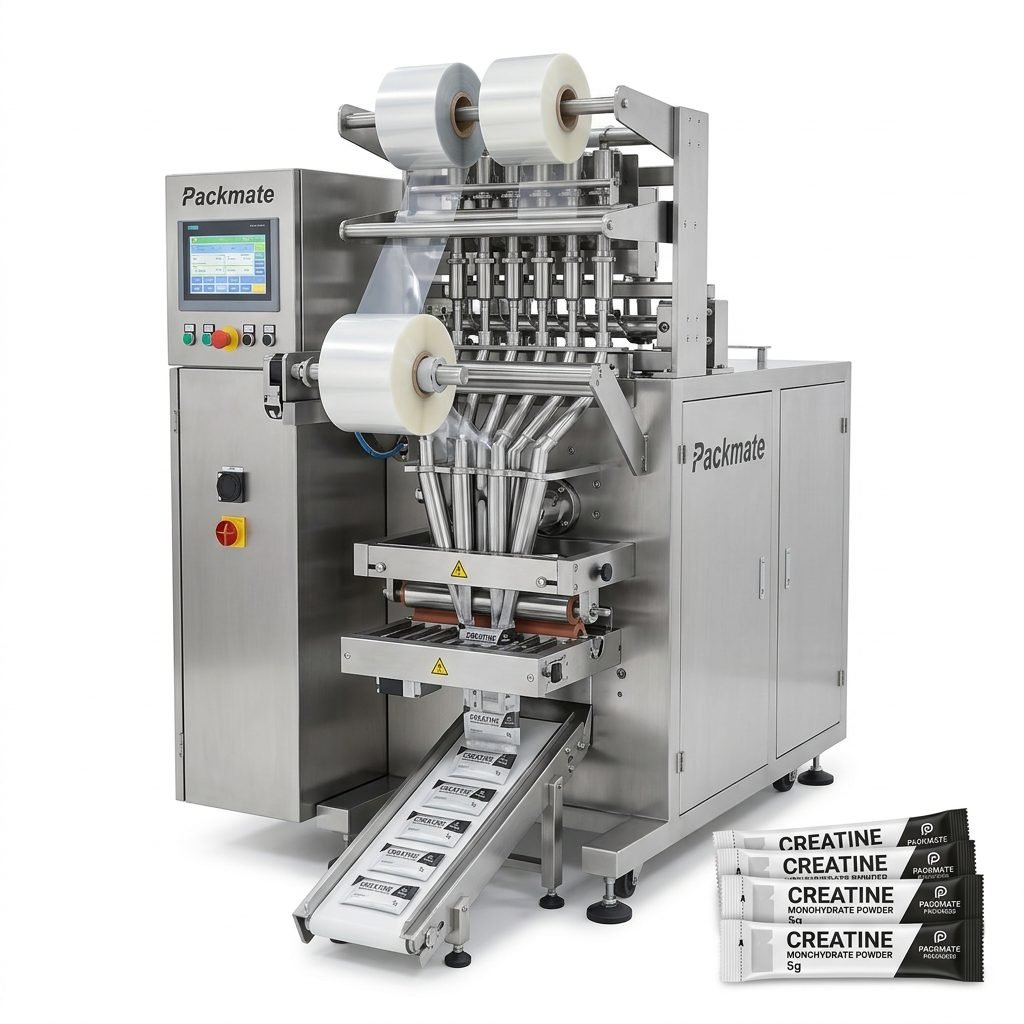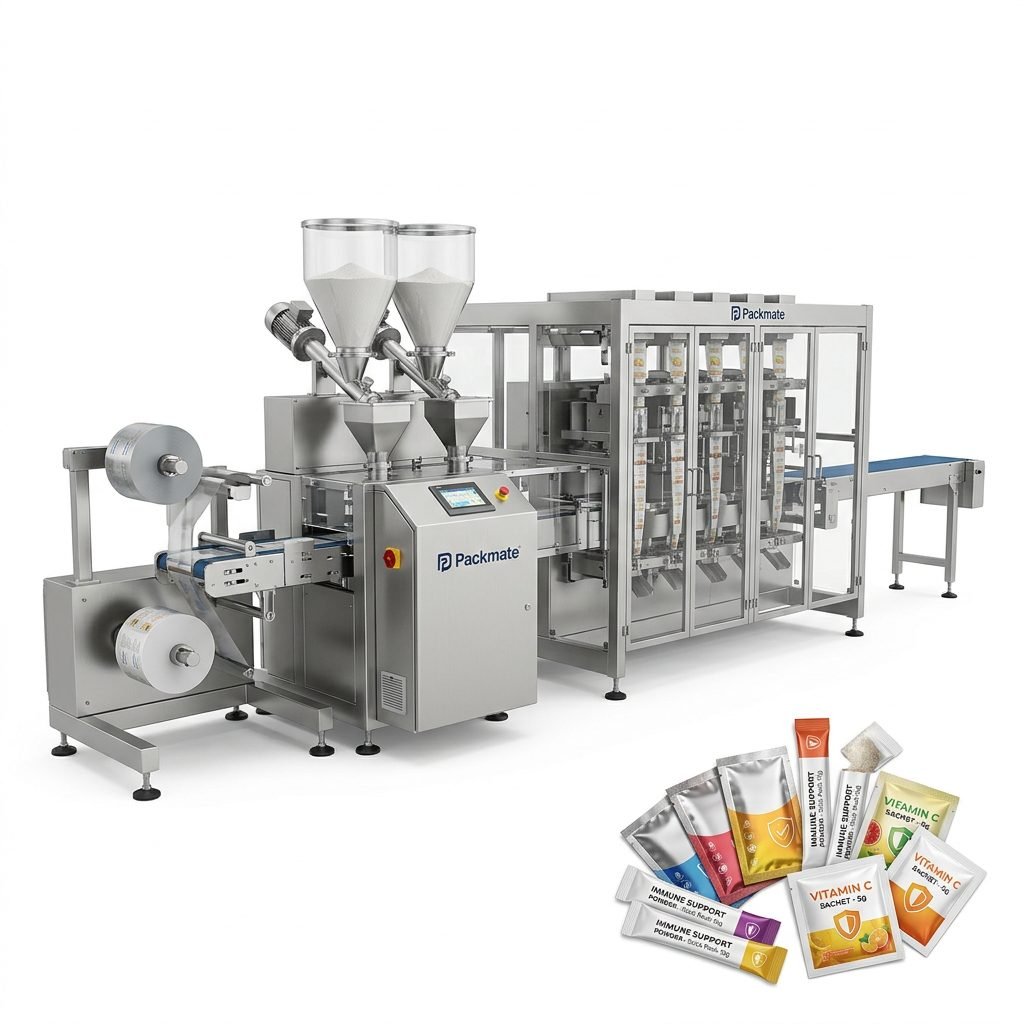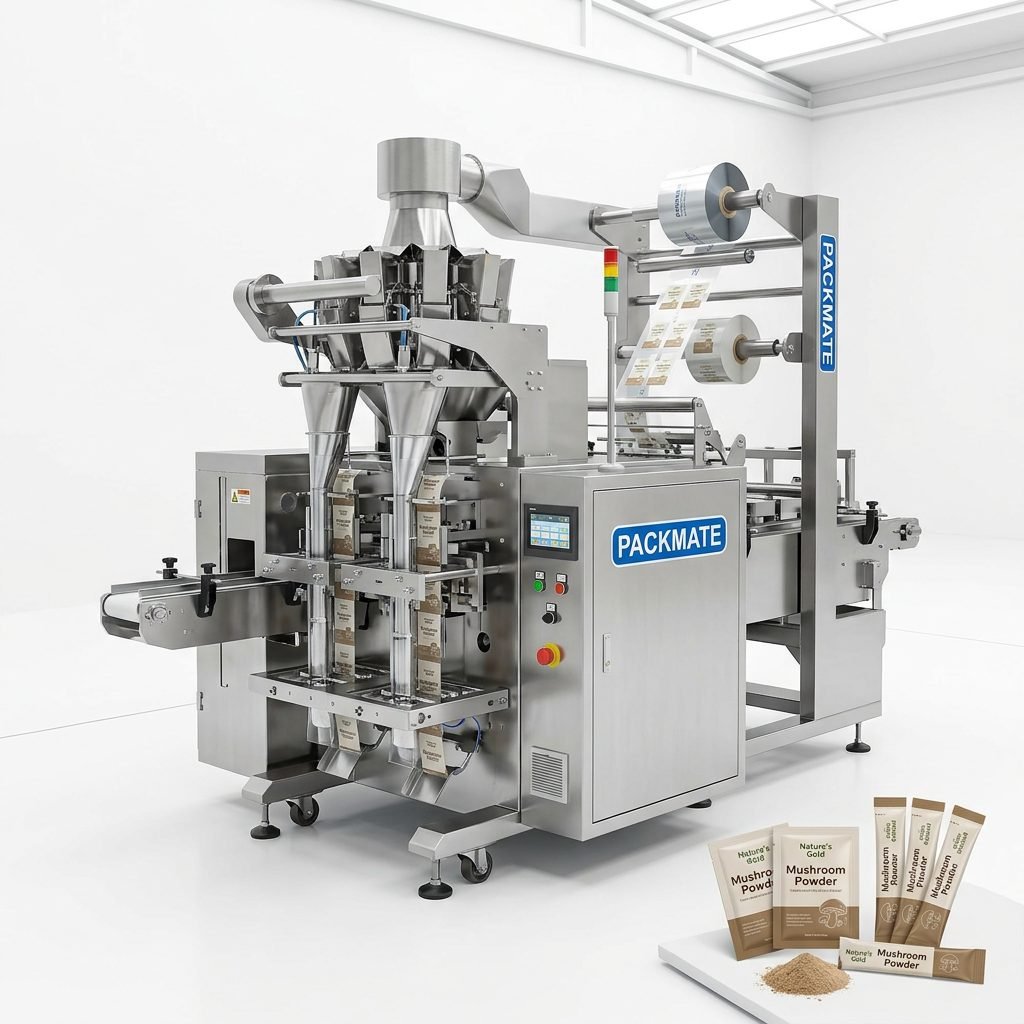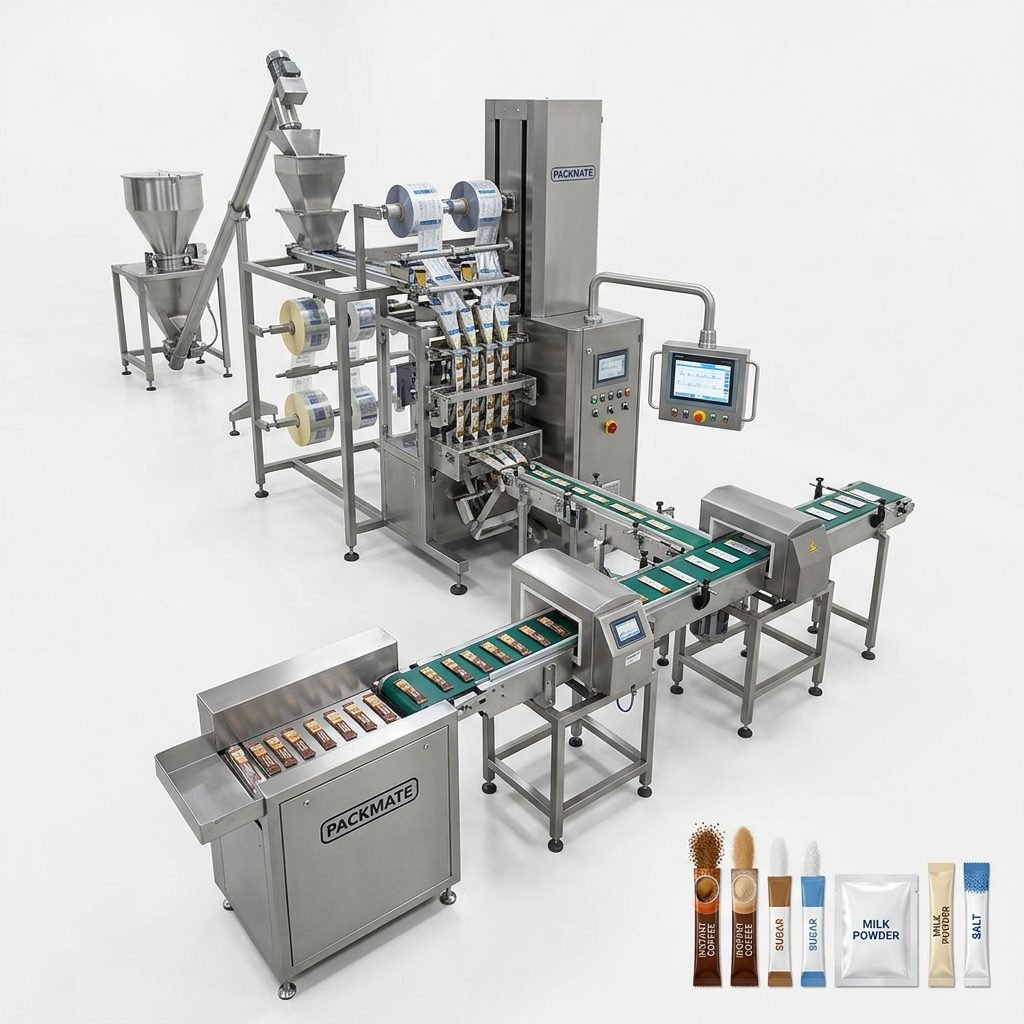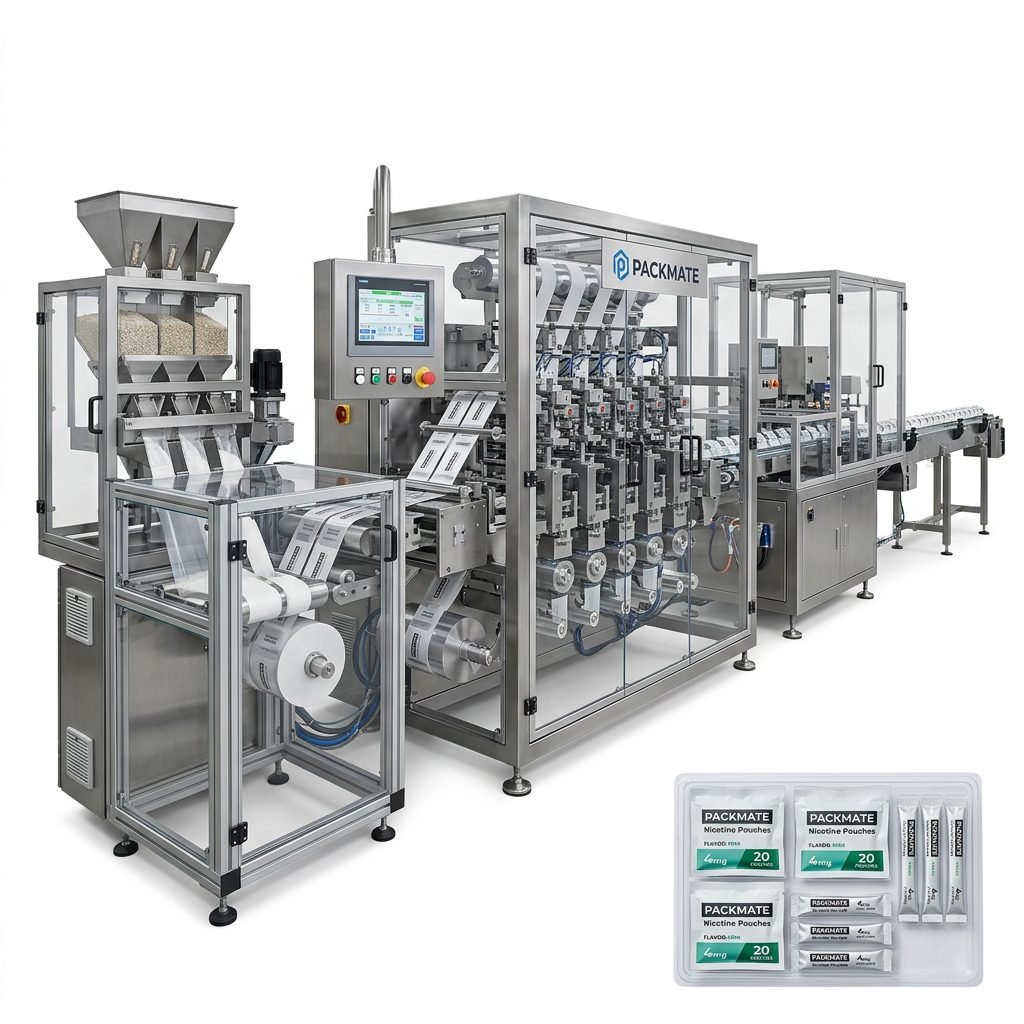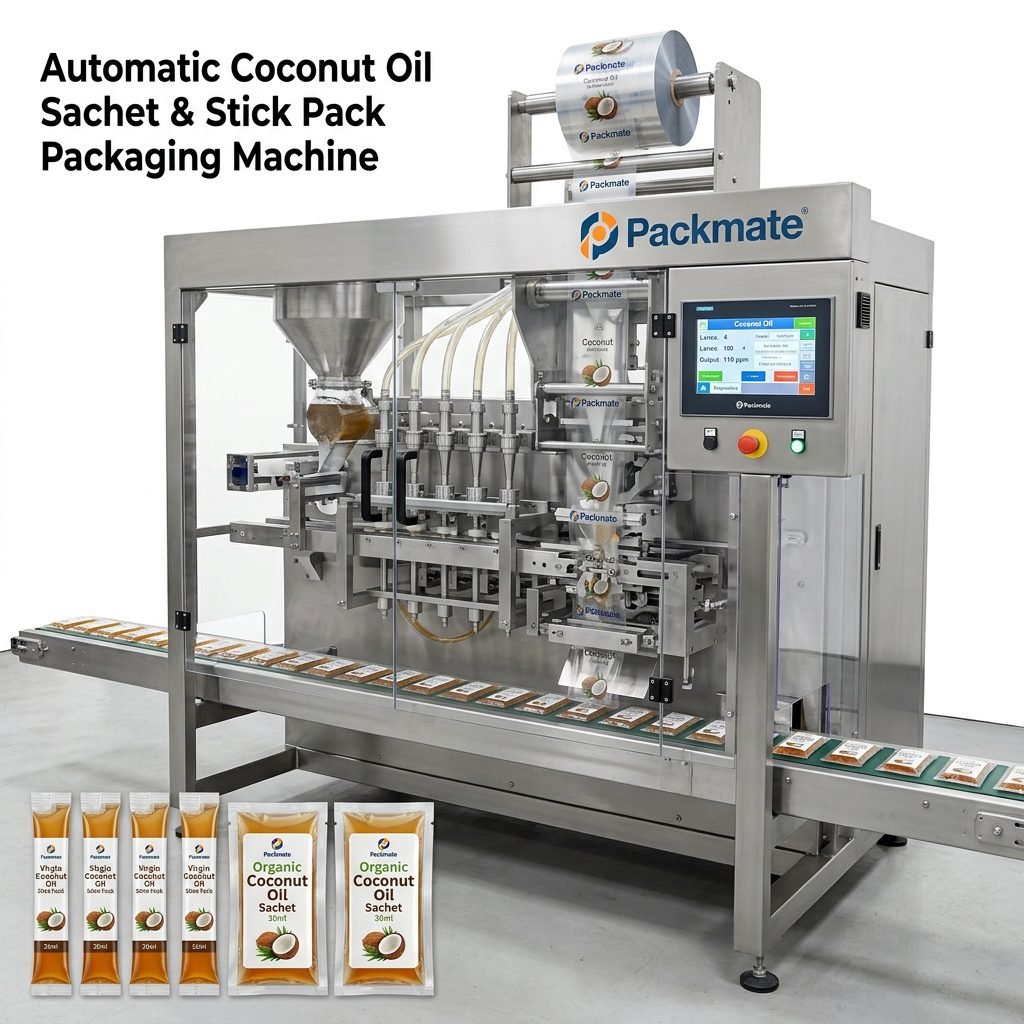
Implementing a new food packaging line is a significant investment that requires meticulous planning and execution. For processors handling granules, powders, and liquids, the complexity increases due to the diverse physical characteristics of these products. A turnkey automatic solution offers a streamlined path from concept to full-scale production, minimizing downtime and operational headaches. This guide will walk you through the critical phases of installation and how a partner like Packmate can ensure a smooth, successful project.
Phase 1: Pre-Installation Planning & Assessment
Success begins long before the first machine arrives on your factory floor. This foundational phase sets the trajectory for the entire project.
Defining Your Packaging Requirements
Clearly articulate your needs. What are your target products—fine coffee powder, granular sugar, or viscous sauces? Determine your required output speed (packs per minute), bag size range, and film materials. Consider future product diversification to ensure the line’s flexibility.
Factory Layout & Utility Audit
A professional site audit is non-negotiable. Experts will assess your floor space, ceiling height, and access points. They will verify the availability and specifications of critical utilities: electrical power (voltage, phase, amperage), compressed air (pressure, flow rate, dryness), and, for liquid lines, water drainage and steam.
Choosing the Right Turnkey Partner
Select a supplier with proven experience in your specific product category. Look for a provider with in-house engineering, manufacturing, and testing capabilities, like Packmate (GuangDong) Co., Ltd., which operates from a 20,000㎡ modern facility. Review their project case studies and client testimonials for validation.
Phase 2: The Installation Process Step-by-Step
With planning complete, the physical installation begins. A structured approach is vital for safety and efficiency.
Site Preparation & Foundation
Prepare the installation area as per the layout drawings. This often involves marking machine footprints, ensuring the floor is level and can bear the load, and having all utility connection points (power, air, data) readily accessible at the specified locations.
Uncrating, Placement & Mechanical Assembly
Machines are carefully uncrated and moved into position using appropriate equipment. Skilled technicians then assemble major components, connect mechanical linkages, and install product contact parts like filling nozzles, augers, or pumps, ensuring all are aligned and secure.
For Different Product Types:
- Granules & Powders: Precision is key in setting up auger fillers or weigh cells. Dust extraction systems must be connected to maintain a clean environment.
- Liquids: Installation focuses on pump calibration, pipework integrity, and valve sequencing to ensure accurate, drip-free filling.
Electrical & Pneumatic Integration
Certified electricians connect the main power supply and integrate the control panel. Pneumatic lines are routed and connected to actuators and cylinders. All connections are checked for leaks and proper pressure.
Control System Configuration & Networking
The brain of the line—the PLC and HMI (Human-Machine Interface)—is powered up. Technicians load the operational program, configure parameters (fill weight, speed, temperature), and establish communication between all line components, including upstream feeders and downstream cartoners.
Phase 3: Commissioning, Testing & Training
This phase transforms installed equipment into a production-ready system.
Dry Run & Safety Checks
The line is run without product or packaging film. Engineers verify all mechanical movements, sensor responses, and safety interlocks (e.g., emergency stops, guard switches) are functioning flawlessly.
Wet Testing with Actual Materials
Using your specific product and packaging film, the line is fine-tuned. This is where fill accuracy, sealing integrity (heat, pressure, time), and overall synchronization are perfected. Multiple batches are run to ensure consistency.
Comprehensive Operator & Maintenance Training
Effective training is the cornerstone of long-term success. Your team receives hands-on instruction on daily operation, changeover procedures, routine maintenance tasks, basic troubleshooting, and safety protocols. Detailed manuals are provided for future reference.
The Packmate Advantage: From Blueprint to Production
With over 30 years of experience, Packmate’s turnkey approach encapsulates all these phases. Our process begins with a deep dive into your requirements at our Company Profile. Every line is assembled and rigorously tested in our factory before shipment, a “FAT” (Factory Acceptance Test) that de-risks the on-site installation. Our project managers oversee the entire process, ensuring seamless coordination. Post-installation, our global service network provides ongoing support to keep your line running at peak efficiency.
Conclusion: Ensuring a Seamless Start-Up
A successful food packaging line installation hinges on detailed planning, expert execution, and thorough knowledge transfer. By partnering with a seasoned provider for a turnkey automatic solution, you gain a single point of accountability for integrating complex machinery into a cohesive, high-performing system. This not only accelerates your time-to-market for granules, powders, and liquids but also establishes a foundation for reliable, efficient, and scalable production for years to come.
Frequently Asked Questions (FAQs)
What is the typical timeline for a full turnkey packaging line installation?
The timeline varies based on line complexity and customization. Generally, from order placement to full production, it can range from 3 to 6 months. This includes design, manufacturing, factory testing, shipping, on-site installation, and commissioning.
How do you handle the installation of support equipment like checkweighers or metal detectors?
A true turnkey solution includes the integration of all necessary peripherals. The main supplier typically sources and interfaces these units, ensuring they communicate properly with the primary packaging machine and the line controller for synchronized rejection.
What kind of training do you provide for our operators?
We provide comprehensive, hands-on training during commissioning. This covers normal operation, product changeover procedures, daily maintenance, basic troubleshooting, and critical safety practices. Training is conducted for both operators and maintenance technicians.
What happens if we encounter problems after your team leaves the site?
Reputable suppliers offer robust after-sales support. This includes detailed manuals, online technical support via phone or video call, and access to spare parts. For critical issues, on-site service visits can be arranged through their global service network.
Can the packaging line be easily modified for a new product in the future?
Modern automatic lines are designed with flexibility in mind. While significant product changes (e.g., switching from powder to liquid) may require major component swaps, changes within a category (different granule size, new bag dimension) are typically managed through adjustable parts and recipe storage in the HMI, facilitating quick changeovers.