For operations managers in the food and pharmaceutical sectors, peak seasons represent both a significant opportunity and a formidable challenge. The surge in demand—whether driven by holiday cycles, new product launches, or seasonal health trends—tests the very limits of production capacity. At the heart of this pressure lies the packaging line, the final and critical gateway before products reach consumers. Maintaining its efficiency during these high-stakes periods is not merely an operational goal; it is a business imperative that directly impacts revenue, customer satisfaction, and brand reputation. A single bottleneck or unplanned downtime can cascade into missed deadlines, lost sales, and compromised product integrity.
Proactive Planning: The Foundation of Peak Season Success
The difference between a chaotic peak season and a smoothly executed one is often determined months in advance. Reactive measures are costly and ineffective; a proactive, strategic plan is essential.
Demand Forecasting and Capacity Mapping: Begin with granular demand forecasting. Collaborate closely with sales, marketing, and supply chain teams to build a realistic model of expected volumes. Once the forecast is established, conduct a thorough capacity audit of your existing packaging lines. Identify the theoretical maximum output and compare it against the forecasted demand to pinpoint potential gaps.
This audit should extend beyond speed ratings to include changeover times, material handling limits, and the human factor. Tools like Overall Equipment Effectiveness (OEE) tracking from previous peak periods provide invaluable historical data for this analysis.
Strategic Maintenance: From Breakdown to Breakthrough
Scheduled maintenance is often the first casualty of a busy production schedule, but this is a critical mistake during peak times. Implementing a Pre-Peak Season Maintenance Blitz is a non-negotiable strategy.
- Comprehensive Inspection: Every component, from servo motors and sealing jaws to sensors and conveyors, should be inspected, cleaned, and calibrated.
- Preventive Parts Replacement: Proactively replace wear-prone parts like gaskets, blades, and filters based on their lifecycle, even if they haven’t yet failed. This minimizes the risk of mid-shift breakdowns.
- Lubrication and Alignment: Ensure all moving parts are properly lubricated and mechanical alignments are checked to prevent friction-induced failures.
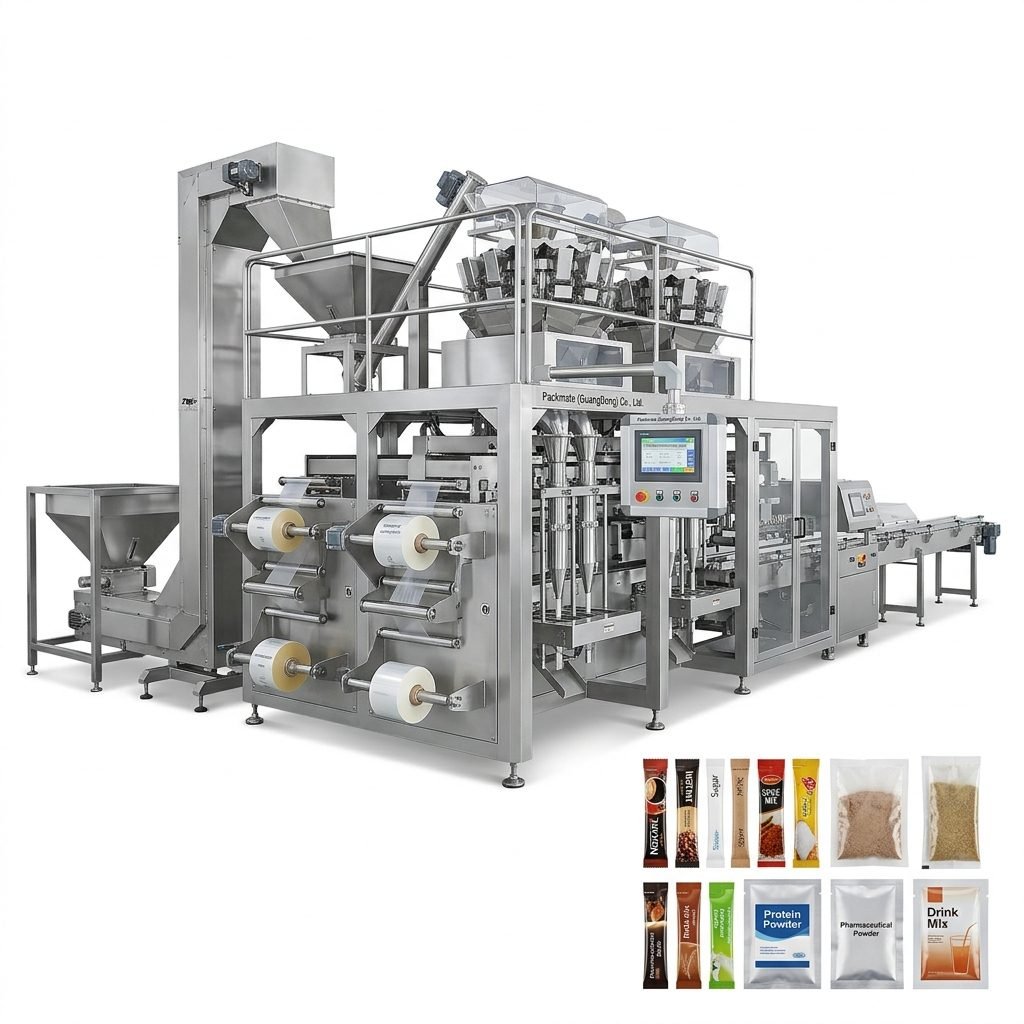
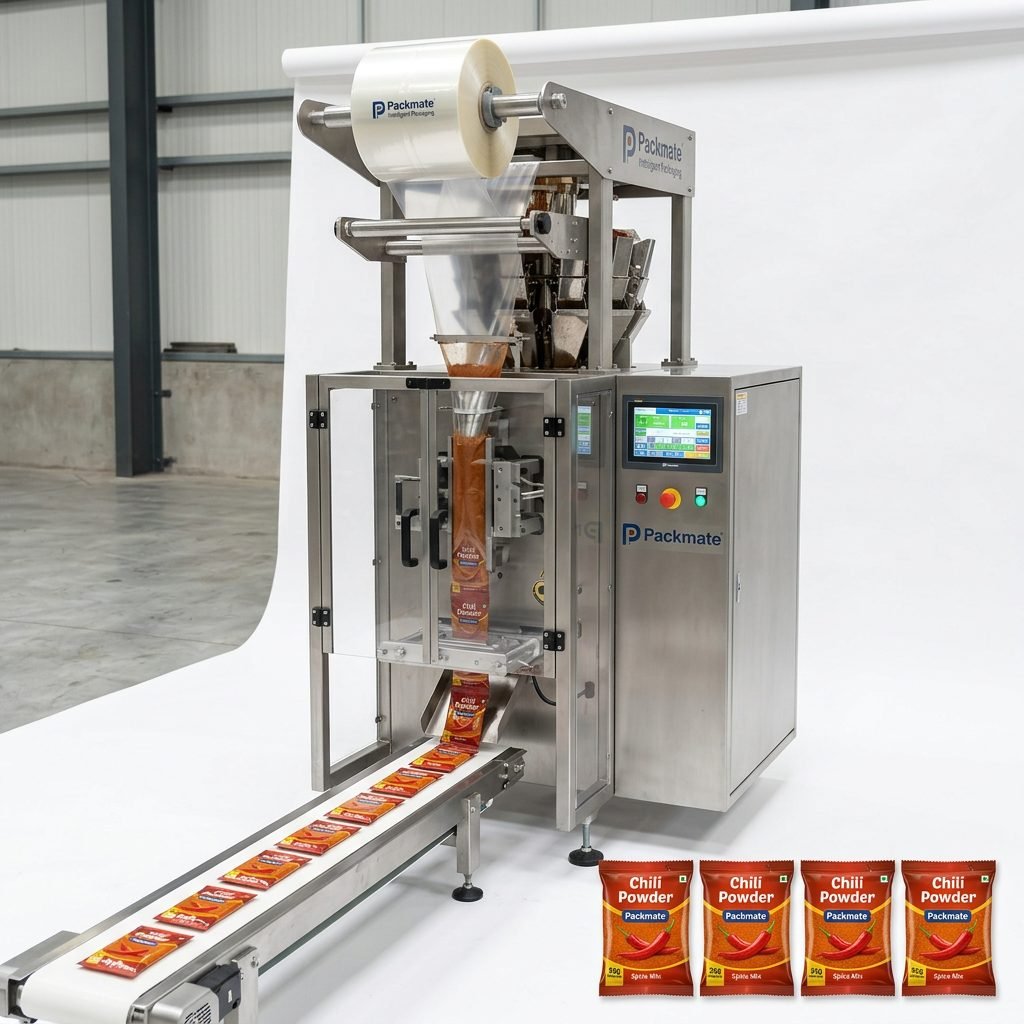
Companies like Packmate (GuangDong) Co., Ltd. often recommend and provide tailored preventive maintenance schedules for their equipment, which is crucial for lines running at high capacity.
Workforce Optimization and Cross-Training
Technology alone cannot guarantee efficiency; a skilled and agile workforce is the engine of any packaging operation. Peak seasons demand more from your team, both in hours and in flexibility.
Key Workforce Strategies:
Shift Planning and Temporary Staffing: Plan shift schedules well in advance, considering overtime and the potential need for vetted temporary staff. Integrate temporary workers early to allow for proper training.
Cross-Training Programs: This is arguably the most powerful tool for line resilience. Ensure operators are trained on multiple stations—filling, sealing, labeling, cartoning. This allows for rapid redeployment to address bottlenecks or cover absences without halting the line.
Clear Communication and Morale: Maintain transparent communication about peak season goals, schedules, and incentives. Recognize and reward extra effort to maintain high morale and focus during stressful periods.
Leveraging Technology and Data for Real-Time Control
Modern packaging lines generate a wealth of data. Leveraging this data through technology transforms decision-making from reactive to proactive.
Integration of Line Monitoring Systems: Implement or utilize existing SCADA (Supervisory Control and Data Acquisition) or Manufacturing Execution Systems (MES). These systems provide real-time dashboards showing OEE, production rates, downtime causes, and reject rates.
- Downtown Tracking: Categorize every stoppage (e.g., mechanical, material jam, changeover). This data identifies chronic issues for immediate intervention or post-peak analysis.
- Predictive Analytics: Advanced systems can analyze vibration, temperature, and performance data to predict component failures before they occur, enabling just-in-time maintenance.
Reviewing real-world case studies from other manufacturers can provide insights into effective technology deployment strategies.
Supply Chain and Material Readiness
An optimized line is useless without a steady, reliable flow of packaging materials. Supply chain volatility makes material management a top priority.
Safety Stock and Supplier Collaboration: For critical materials—films, laminates, labels, cartons—establish safety stock levels that account for lead time variability and forecast error. Foster strong partnerships with key suppliers, sharing your peak season forecast and locking in capacity or establishing priority agreements.
On-Site Material Logistics: Streamline the flow of materials to the line. Designate staging areas for peak season inventory to prevent clutter. Ensure material handling equipment (forklifts, pallet jacks) is serviced and ready. Consider pre-staging materials for specific production runs to minimize changeover delays.
Agility in Changeovers and Line Configuration
Peak seasons often involve shorter runs of multiple Stock Keeping Units (SKUs). Therefore, reducing changeover time is directly equivalent to increasing available production time.
Implementing SMED Principles: Apply Single-Minute Exchange of Die (SMED) methodology. This involves categorizing all changeover tasks as either internal (must be done while the line is stopped) or external (can be done while the line is running). The goal is to convert internal tasks to external ones and streamline all internal tasks through preparation, standardized procedures, and tooling.
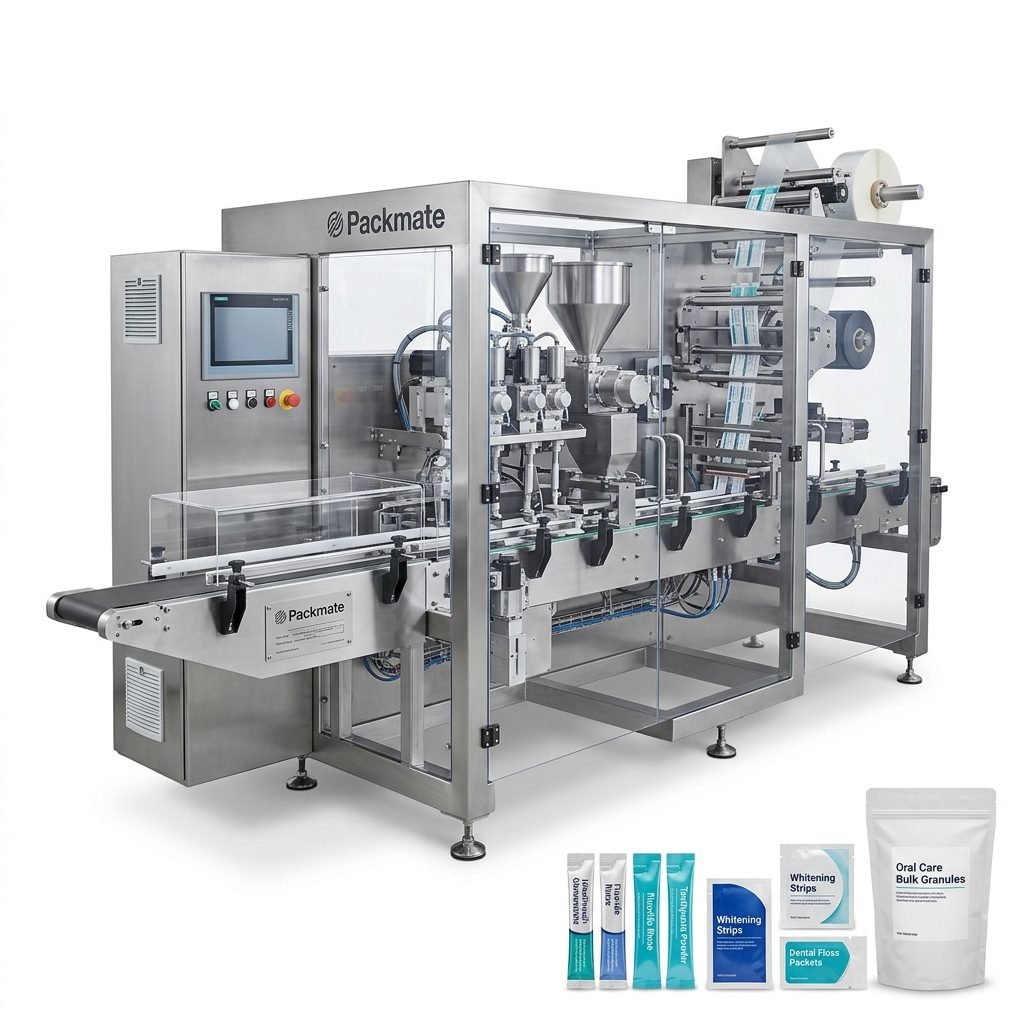
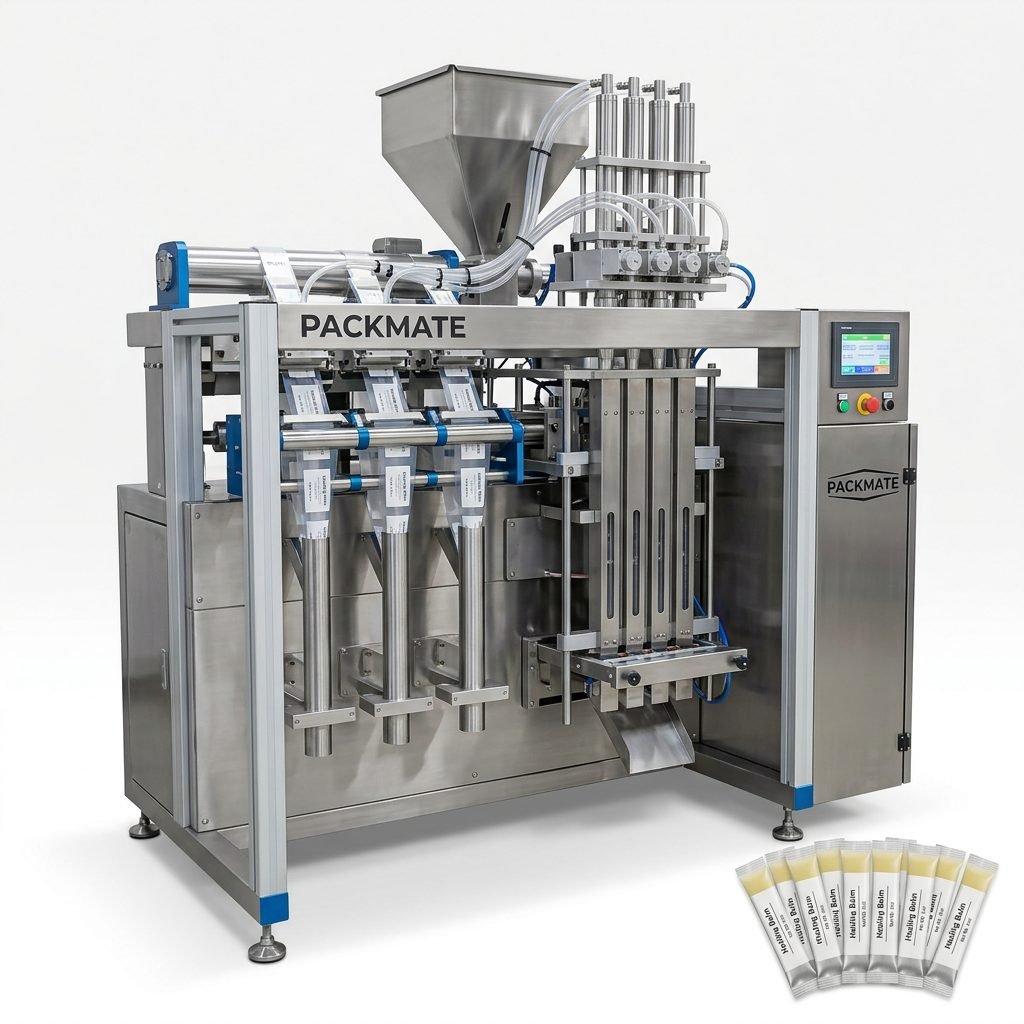
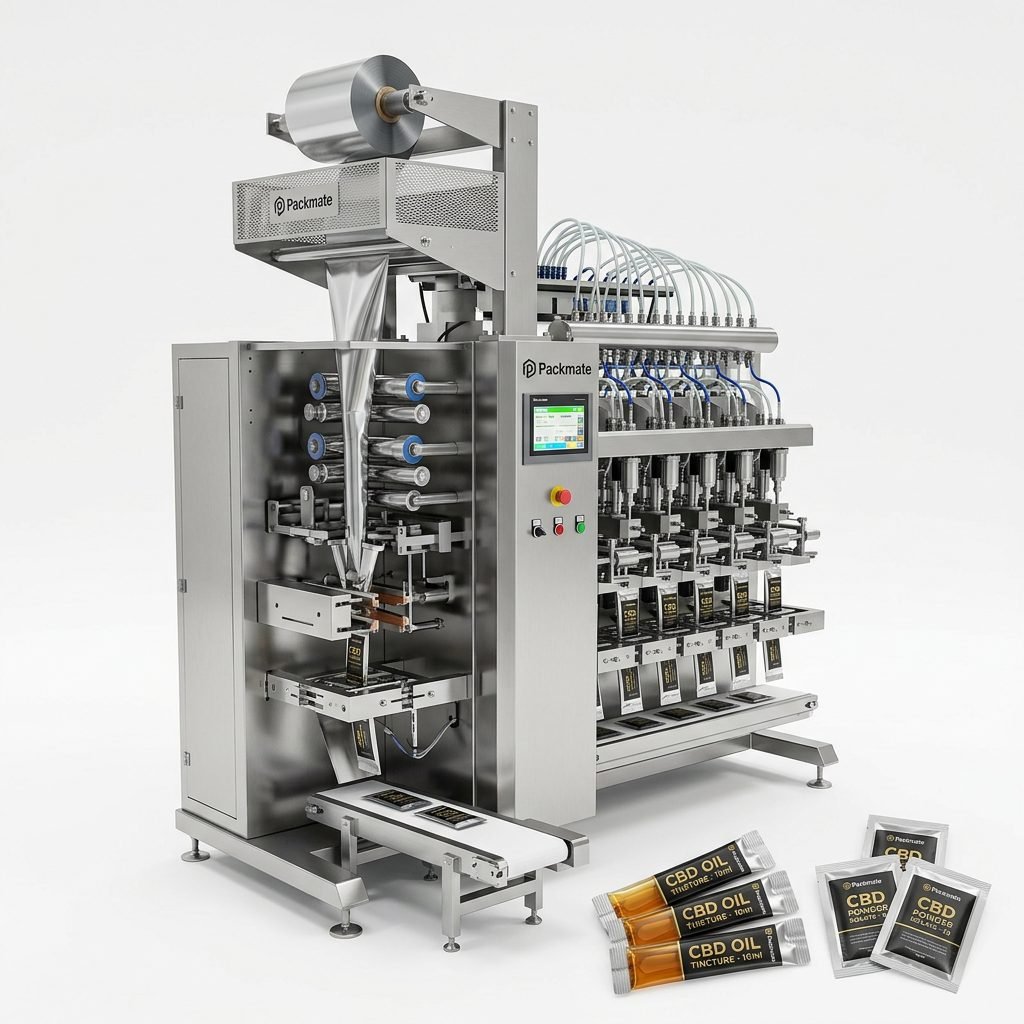
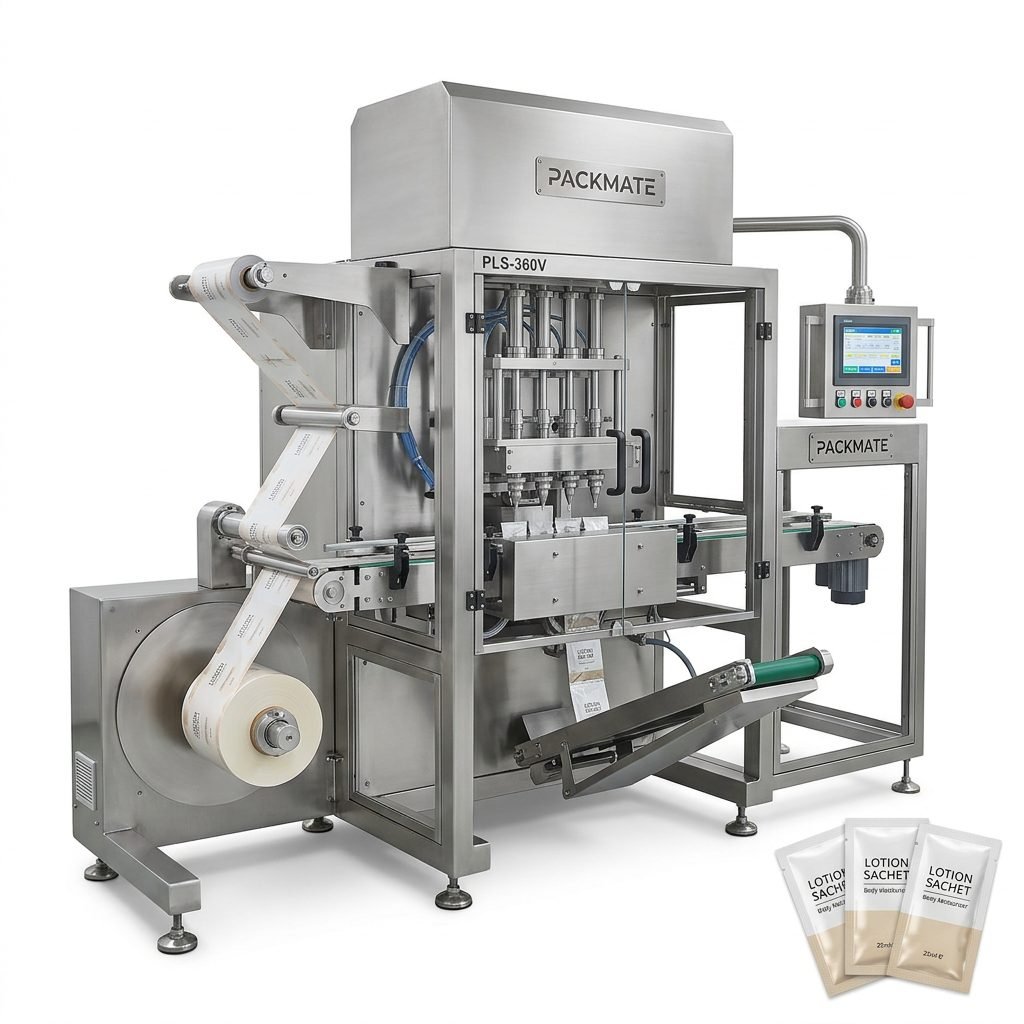
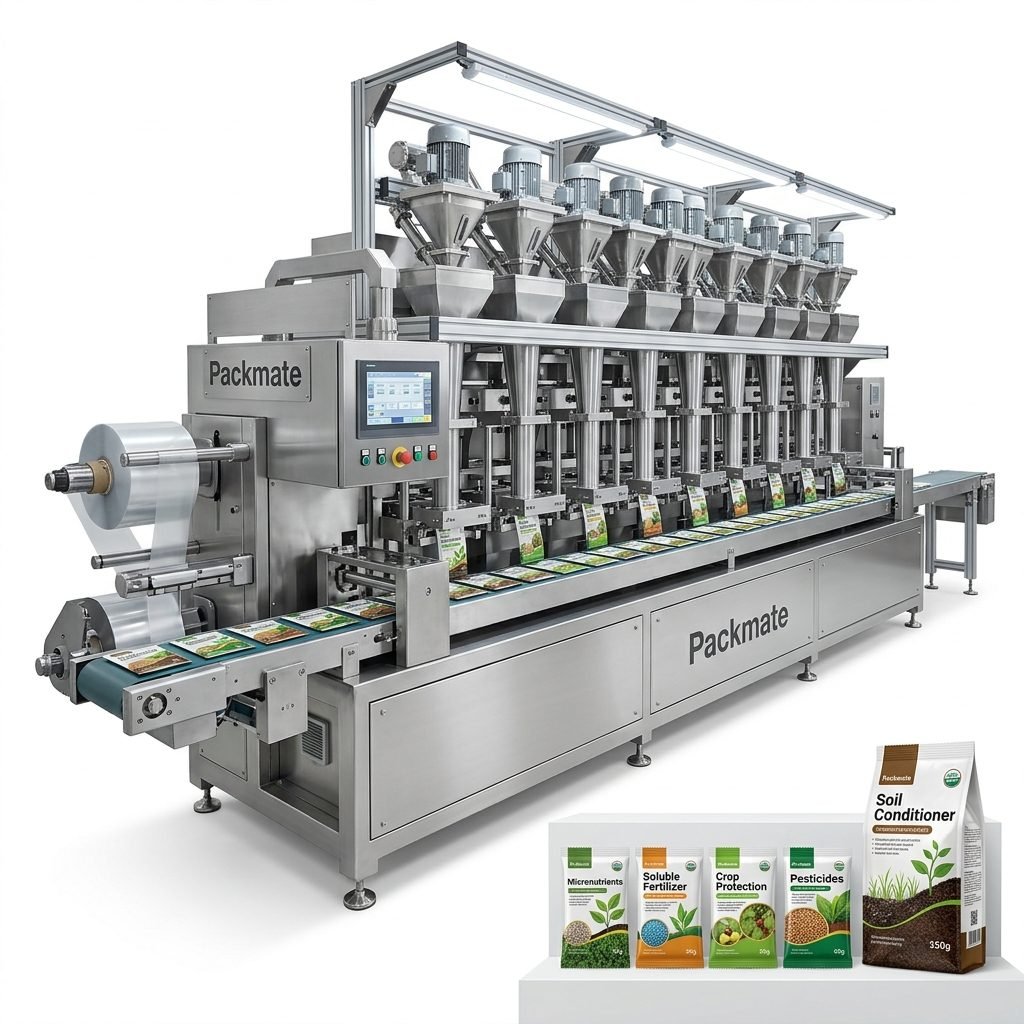
Modular and Flexible Equipment: Investing in modular packaging machinery, such as the multi-lane stick pack or sachet machines offered by industry leaders, allows for quicker reconfiguration to different package sizes or formats, providing crucial agility.
Ensuring Quality Compliance Under Pressure
In the rush to meet quantity targets, quality standards—especially critical in pharma and food—must never be compromised. Efficiency without quality is wasted effort.
Automated Inspection Systems: Rely on automated checkweighers, metal detectors, vision inspection systems, and leak detectors. These systems provide 100% inspection at line speed, removing the variability and fatigue associated with manual checks.
Reinforced Quality Culture: Brief the entire team, including temporary staff, on the critical quality parameters for the product. Empower every operator to stop the line if a quality issue is suspected. Maintain rigorous documentation and batch records as required by standards like GMP and HACCP.
For operations requiring the highest standards, exploring a comprehensive service and support partnership with your equipment provider can ensure both performance and compliance.
Post-Peak Analysis: Learning for the Next Cycle
When the peak season ends, the work to improve for the next one begins immediately. Conduct a formal post-mortem analysis while experiences are fresh.
- Review performance data against KPIs (Throughput, OEE, Scrap Rate).
- Interview line supervisors and operators for qualitative feedback on bottlenecks and issues.
- Analyze maintenance logs and downtime reports.
- Document successes, failures, and lessons learned. Translate these insights into actionable items for the next planning cycle, such as specific equipment upgrades, process changes, or training needs.
Frequently Asked Questions (FAQs)
How far in advance should we start planning for a peak season?
Planning should ideally begin 3-6 months in advance. This allows sufficient time for demand forecasting, capacity analysis, strategic maintenance, workforce planning, and securing material supply chains. For highly complex or regulated operations, even longer lead times may be necessary.
What is the single most important investment for peak season readiness?
While context-dependent, a strong case can be made for workforce cross-training. It is a relatively low-cost, high-impact strategy that builds inherent resilience into your operations, allowing you to adapt dynamically to disruptions, bottlenecks, and absenteeism without relying solely on new capital equipment.
How can we reduce changeover times without major capital expenditure?
Implementing SMED (Single-Minute Exchange of Die) principles is the most effective method. This lean manufacturing approach focuses on process optimization: preparing tools and materials offline, standardizing procedures, using quick-release mechanisms, and involving operators in continuous improvement. Significant time savings (often 30-50%) can be achieved through organization and methodology rather than new machinery.
Our line is older. Can we still implement these strategies effectively?
Absolutely. Proactive maintenance, workforce training, material readiness, and data-driven management are universally applicable. The core principles of identifying and eliminating waste (downtime, defects, waiting) are foundational to lean operations and do not require the latest equipment. Start with a thorough audit and focus on procedural and human-factor improvements first.
Where should we focus our post-peak season analysis?
Focus on the largest sources of lost time and value. Prioritize analyzing the top three causes of downtime, the longest changeovers, and the root causes of any quality rejects or safety incidents. This data-driven approach ensures your improvement efforts are targeted at the issues with the greatest potential impact on future performance.