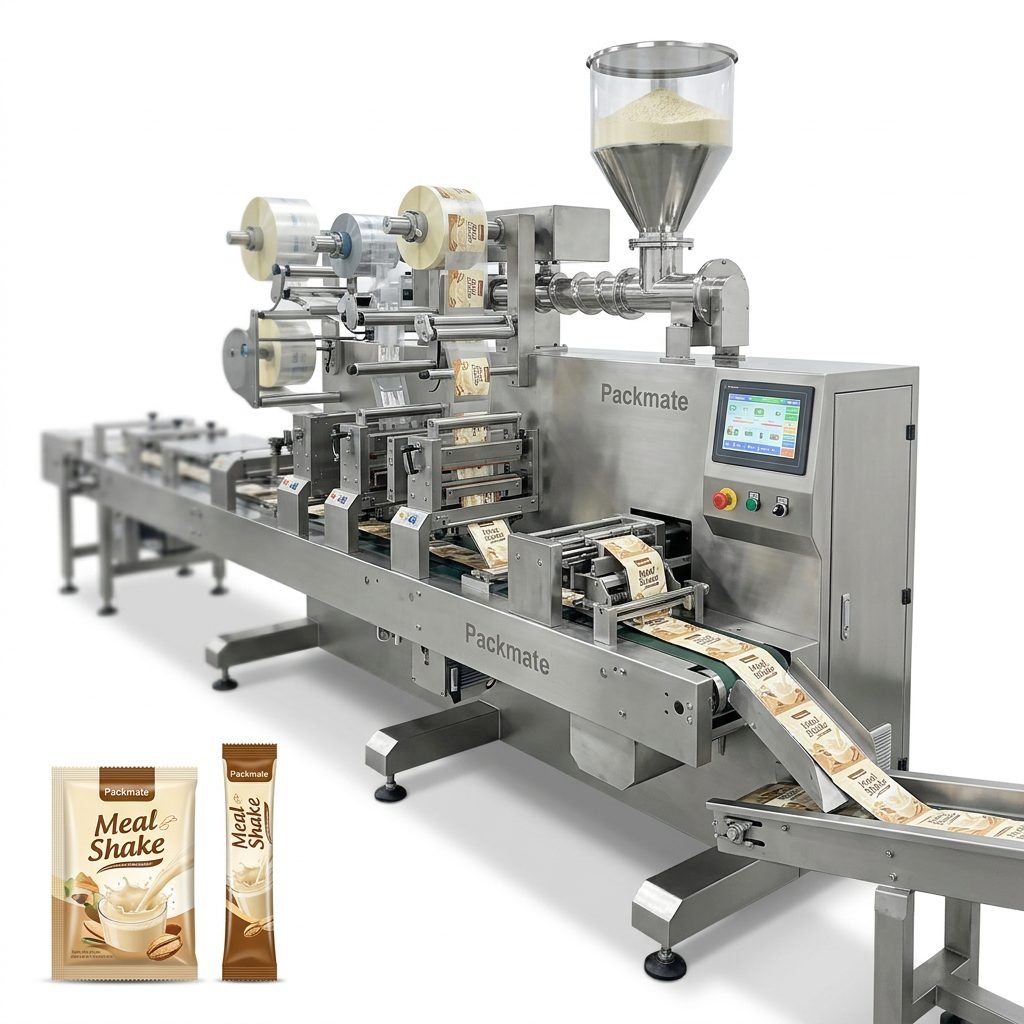
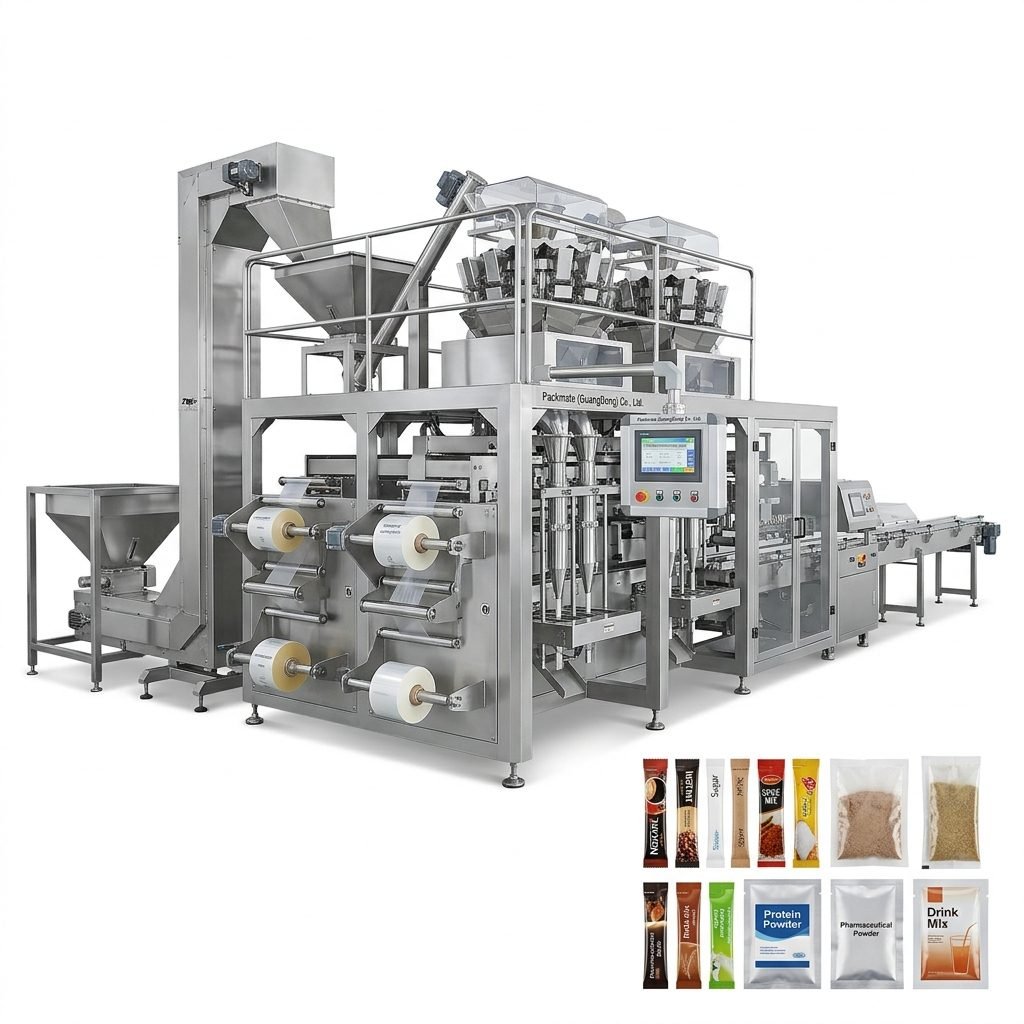
In the dynamic world of liquid production, efficiency and reliability are paramount. For industries handling products from edible oils and beverages to industrial chemicals and pharmaceuticals, the challenge often lies in the final stages: efficiently filling and packaging large volumes into gallon-sized or larger containers. This is where specialized gallon-sized filling and packaging line solutions become a critical investment, transforming bulk liquid handling from a bottleneck into a streamlined, automated advantage.
The Core Challenge in Bulk Liquid Packaging
Manual or semi-automated filling of large containers like gallon jugs, pails, drums, or IBCs (Intermediate Bulk Containers) is labor-intensive, prone to inconsistency, and can pose significant safety risks. Spills, overfills, underfills, and slow throughput directly impact profitability and product quality. An integrated, automated line addresses these issues head-on, ensuring precise fill volumes, high-speed operation, and a sealed, secure package ready for storage or shipment.
Key Components of a Gallon-Sized Filling & Packaging Line
A complete turnkey solution is more than just a filler; it’s a synchronized system. Understanding each component’s role is key to appreciating the value of a fully integrated line from a provider like Packmate (GuangDong) Co., Ltd..
1. Container Handling & Unscrambling
The process begins with efficiently presenting empty containers. Bulk containers often arrive nested or in bulk bins. An unscrambler or de-nesting system gently separates and orients each gallon jug, pail, or drum, feeding them in a single file onto the conveyor. Robust handling is crucial to prevent damage and ensure a smooth, uninterrupted flow into the filling zone.
2. Precision Filling Systems
This is the heart of the line. For gallon-sized volumes, several filling technologies are employed based on the liquid’s viscosity and foaming characteristics:
- Gravity Fillers: Ideal for free-flowing, non-foaming liquids. Speed is controlled by nozzle size and liquid head pressure.
- Pump Fillers: Use rotary piston or diaphragm pumps to deliver a highly accurate, measured volume, perfect for viscous products like sauces, syrups, or adhesives.
- Pressure Fillers: Best for carbonated beverages or foamy liquids. The container is pressurized to match the tank, allowing for a smooth, foam-free transfer.
- Net Weight Fillers: The gold standard for accuracy. Each container is weighed on a scale before, during, and after filling, with the filler adjusting in real-time to hit the exact target weight, crucial for high-value products.
💡 Automation Advantage
Modern fillers are integrated with programmable logic controllers (PLCs) and touch-screen HMIs. Operators can store hundreds of recipes for different products and container sizes, switching between them with a few taps. This flexibility is vital for contract packagers or facilities producing multiple product lines. Explore our range of tailored packaging solutions to see this in action.
3. Capping & Sealing Stations
Once filled, containers move to capping. For gallons, this often involves applying screw caps, snap lids, or press-on closures. Automated cappers pick caps from a bowl feeder, orient them correctly, and torque them onto the container with consistent, precise force. For drums or IBCs, this station might involve applying bung seals or fitting and tightening closure lids automatically.
4. Labeling & Coding
Product identification and traceability are non-negotiable. Labeling systems apply pre-printed pressure-sensitive labels or print-and-apply labels on-the-fly. Inkjet or laser coders simultaneously print batch codes, expiry dates, and lot numbers directly onto the container or label. This step ensures compliance with global regulatory standards.
5. Conveying & System Integration
The unsung hero of the line is the conveying system. Stainless steel or food-grade plastic chain conveyors, accumulating tables, and transfer mechanisms link all stations together. A well-designed conveyor system manages container spacing, provides accumulation buffers to prevent jams, and ensures gentle handling to prevent spills or toppling.
Benefits of Implementing an Automated Gallon Packaging Line
The transition from manual processes to an automated line delivers a compelling return on investment across multiple fronts.
Dramatically Increased Throughput & Output: Automated lines can fill and cap hundreds of gallons per hour, a rate impossible to achieve manually. This directly increases production capacity and meets growing market demands.
Unmatched Accuracy & Consistency: Eliminates costly giveaway from overfilling and protects brand reputation by preventing underfilling. Every container meets the exact specification.
Enhanced Safety & Hygiene: Reduces worker exposure to potentially hazardous liquids, minimizes heavy lifting, and creates a cleaner, more controlled environment—critical for food, pharmaceutical, and chemical applications.
Significant Labor & Cost Savings: Automating repetitive tasks frees skilled personnel for higher-value roles like quality control and machine supervision, reducing long-term operational costs.
Improved Traceability & Data Collection: Integrated sensors and software track production counts, monitor machine efficiency (OEE), and log batch data, providing invaluable insights for process optimization and compliance reporting.
Choosing the Right Partner for Your Line
Investing in a complete gallon filling line is a significant decision. The right partner doesn’t just sell machines; they provide a turnkey solution. This includes in-depth consultation, custom engineering to fit your specific container and product, seamless integration of all components, comprehensive installation, and thorough operator training.
With over 30 years of experience and a 20,000㎡ modern facility, Packmate embodies this partner approach. From the initial concept discussed in our Company Profile to the final installation, our team focuses on delivering reliability and innovation. We encourage potential clients to review our real-world case studies to see our solutions in operation across various industries.
The Future: Smart Integration & Sustainability
The future of bulk liquid packaging lies in smarter, more connected, and sustainable systems. The next generation of lines will feature deeper integration with Plant Management (MES) and Enterprise Resource Planning (ERP) software for real-time production scheduling and inventory management. Furthermore, there is a growing emphasis on designing lines that minimize waste—be it product loss during changeover, energy consumption, or packaging material usage—aligning with global sustainability goals.
Frequently Asked Questions (FAQs)
1. What types of liquids are suitable for these automated gallon filling lines?
These lines are highly versatile and can be configured for a wide range of liquids, including water and juices, viscous products like oils and sauces, chemicals (detergents, solvents), and pharmaceutical liquids. The key is selecting the appropriate filling technology (pump, gravity, pressure) and materials of construction (e.g., stainless steel for food/pharma, specialized plastics for corrosives).
2. How accurate are automated gallon fillers?
Accuracy is a primary benefit. While dependent on the technology, modern fillers typically achieve accuracies within ±0.1% to ±0.5% of the target volume or weight. Net weight fillers offer the highest precision, often within a few grams, which is essential for costly ingredients or regulated products.
3. Can one line handle different container sizes (e.g., 1-gallon and 5-gallon pails)?
Yes, most modern lines are designed for quick changeover. This involves adjustable conveyor guides, interchangeable filling nozzles or heads, and programmable settings. With a well-designed line, changeover between similar container formats can often be accomplished in 15-30 minutes, maximizing flexibility for multi-product facilities.
4. What is the typical lead time for a custom, turnkey gallon packaging line?
Lead times vary based on complexity and customization. A standard configured line might take 3-4 months from order to shipment, while a highly customized system for a unique application can take 6 months or more. A detailed project timeline is always provided during the quotation and planning phase with your supplier.
5. How do I ensure the line meets my industry’s hygiene and safety standards?
Reputable manufacturers like Packmate design lines to meet international standards (e.g., FDA, EHEDG, GMP for food/pharma, ATEX for explosive atmospheres). It is crucial to communicate your specific regulatory requirements upfront. The use of appropriate materials, sanitary finishes, clean-in-place (CIP) capabilities, and safety guarding will be integral to the line’s design. You can verify a supplier’s commitment to quality by reviewing their certifications.