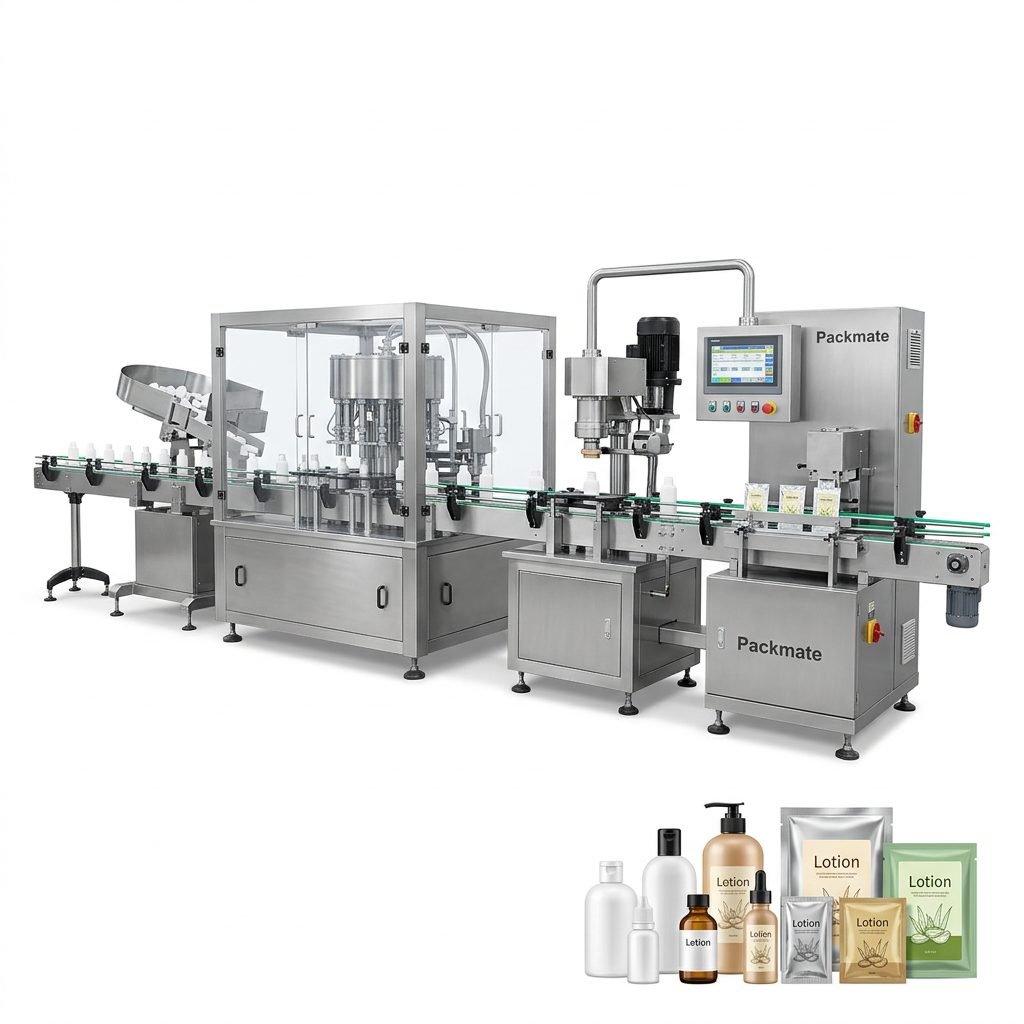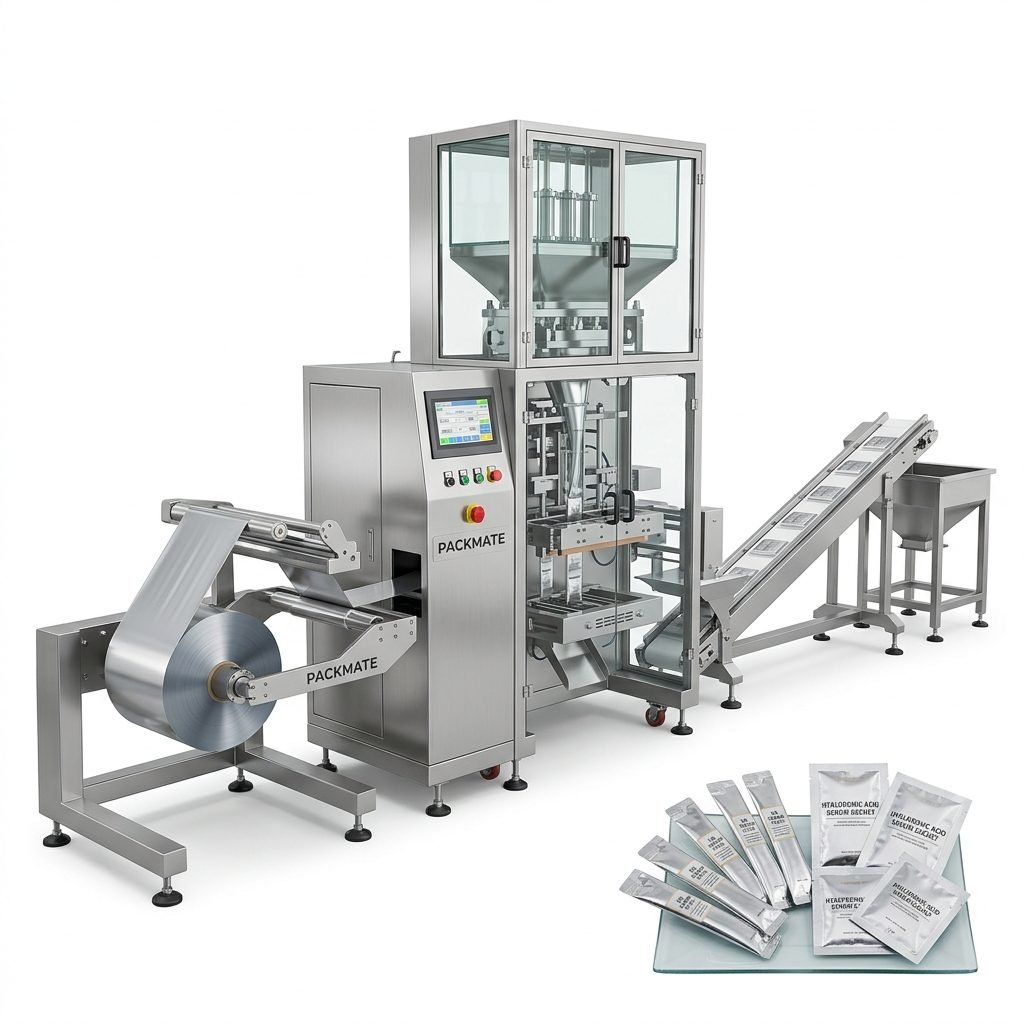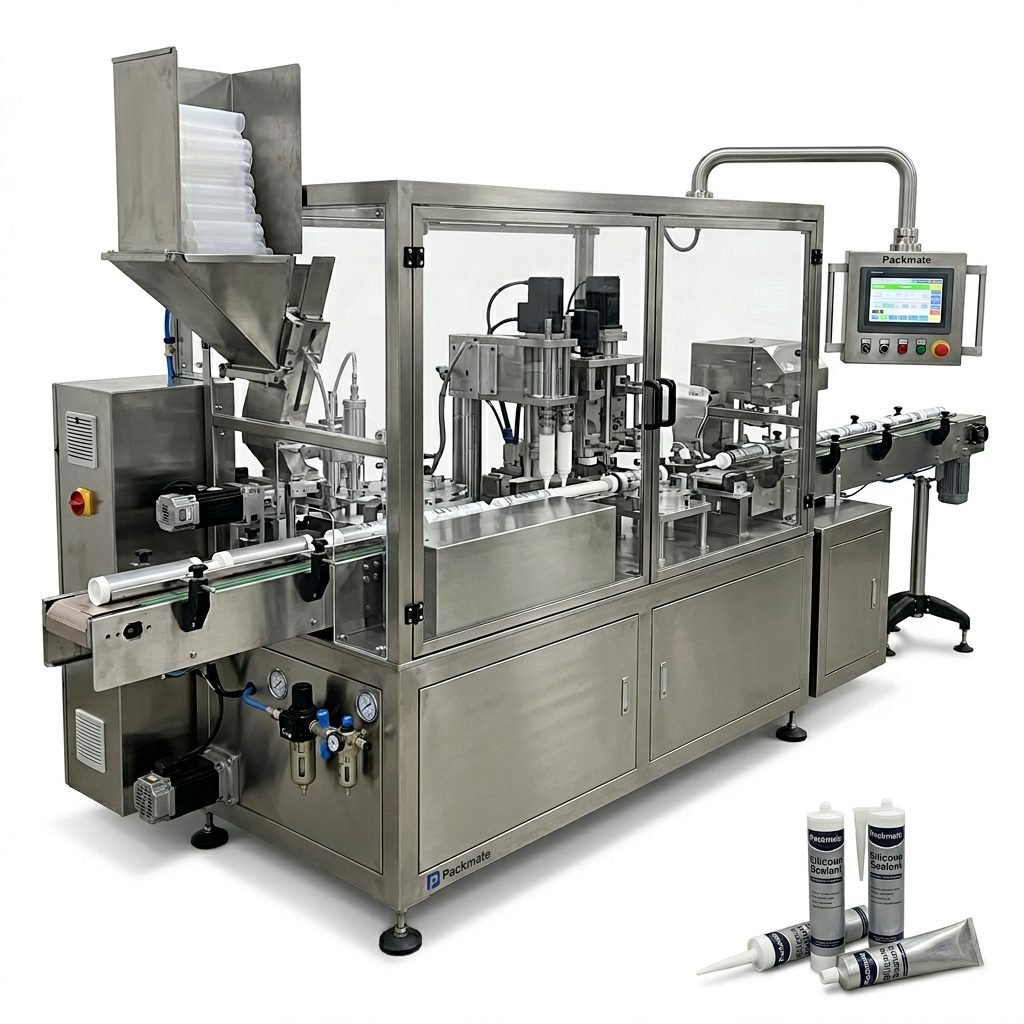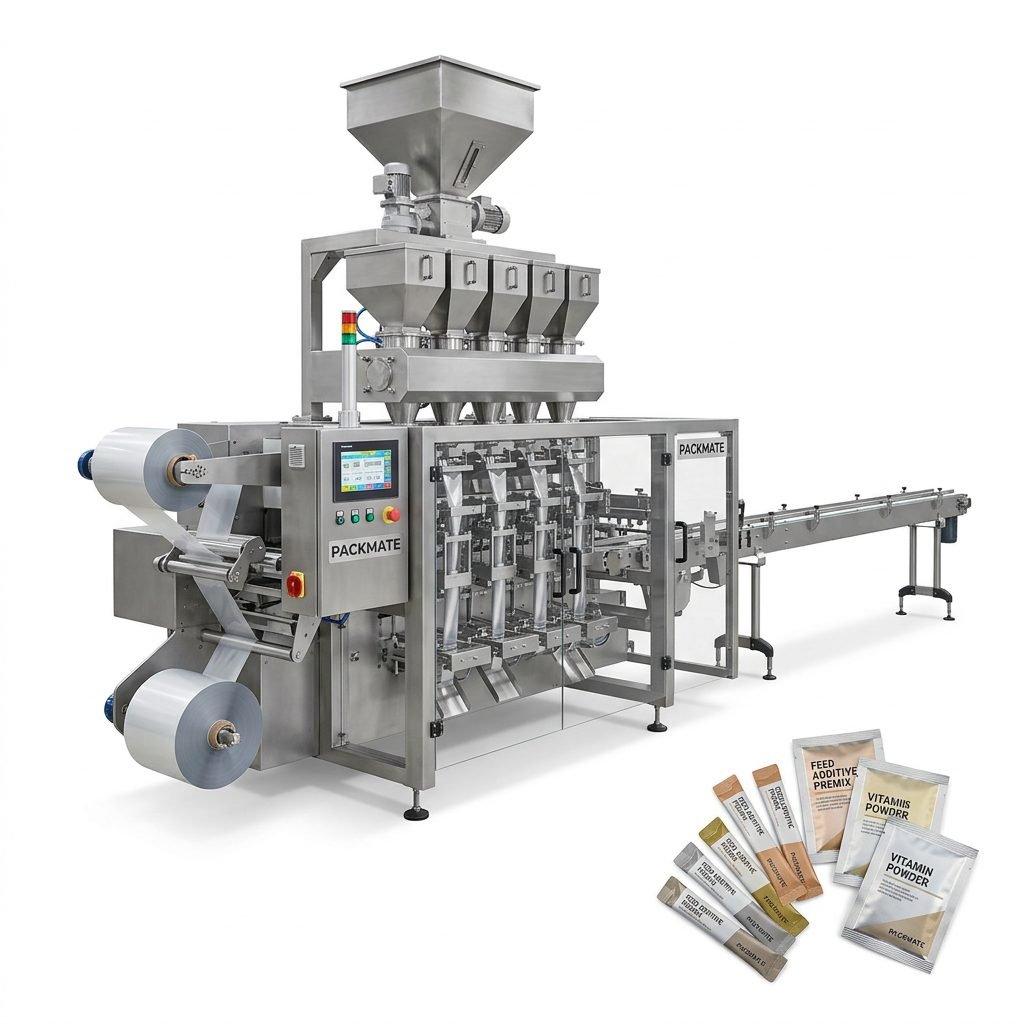
In today’s fast-paced and highly regulated manufacturing landscape, efficiency, hygiene, and precision are not just advantages—they are absolute necessities. For industries dealing with consumable products, such as food, pharmaceuticals, and nutritional supplements, the packaging process is a critical final gatekeeper of product quality, safety, and brand integrity. An automatic packaging line is no longer a luxury but a strategic investment that streamlines operations, ensures compliance, and scales with market demands.
The Critical Role of Automation in Sensitive Industries
The transition from manual or semi-automated processes to fully integrated automatic lines represents a paradigm shift. For sectors where contamination risk, dosage accuracy, and shelf-life preservation are paramount, automation provides a controlled, repeatable, and traceable environment. This is especially crucial in the pharmaceutical and nutraceutical sectors, where regulatory bodies like the FDA and EMA enforce stringent Good Manufacturing Practices (GMP).
Key Driver: The global push for sustainability and reduced waste also influences packaging line design. Modern solutions optimize material usage, minimize product giveaway, and support recyclable or compostable packaging formats, aligning with both environmental goals and consumer expectations.
Food Industry: Preserving Freshness and Enhancing Speed
In the food industry, speed-to-market and preservation are king. Automatic packaging lines for food products are engineered to handle a vast array of consistencies—from fine powders and granules to viscous liquids and solids. They perform a sequence of critical functions: precise filling to weight or volume, efficient sealing to lock out oxygen and moisture, and accurate labeling and coding for batch tracking and expiration dates.
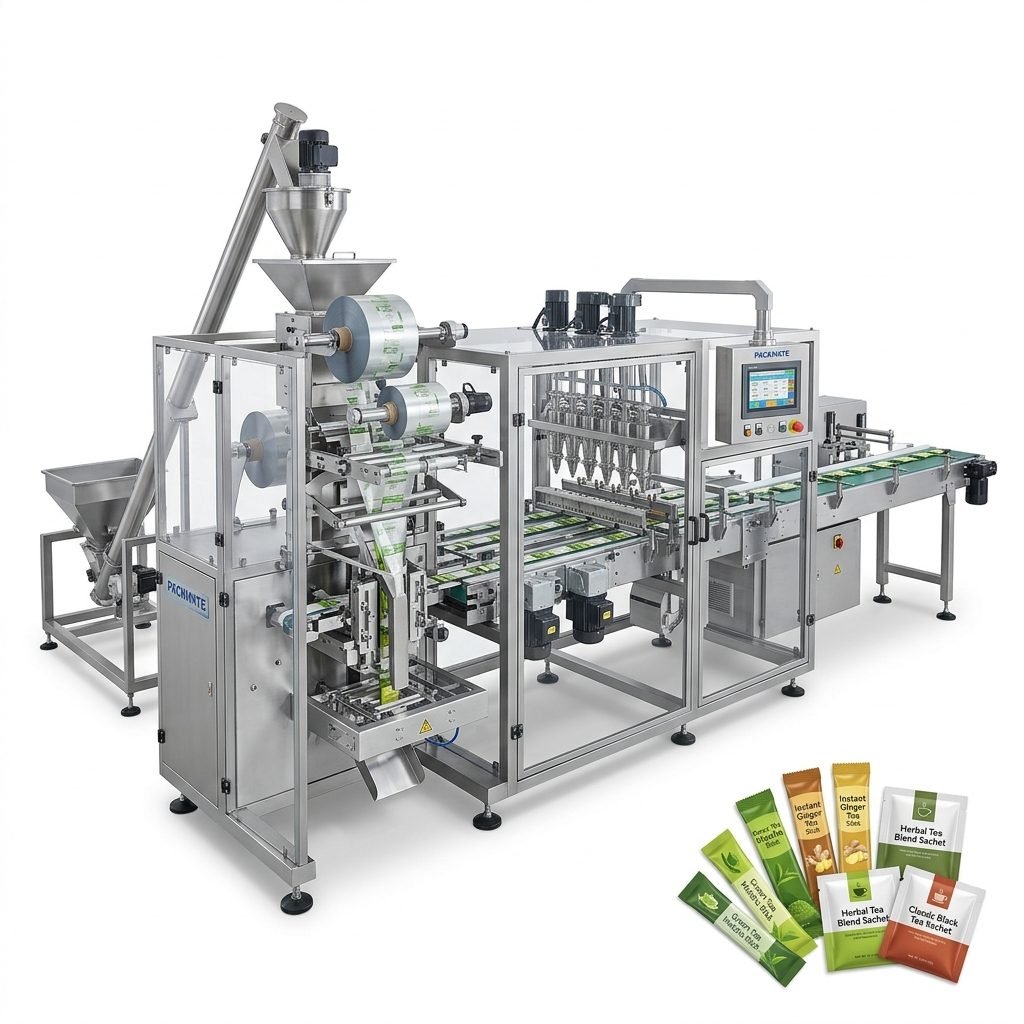
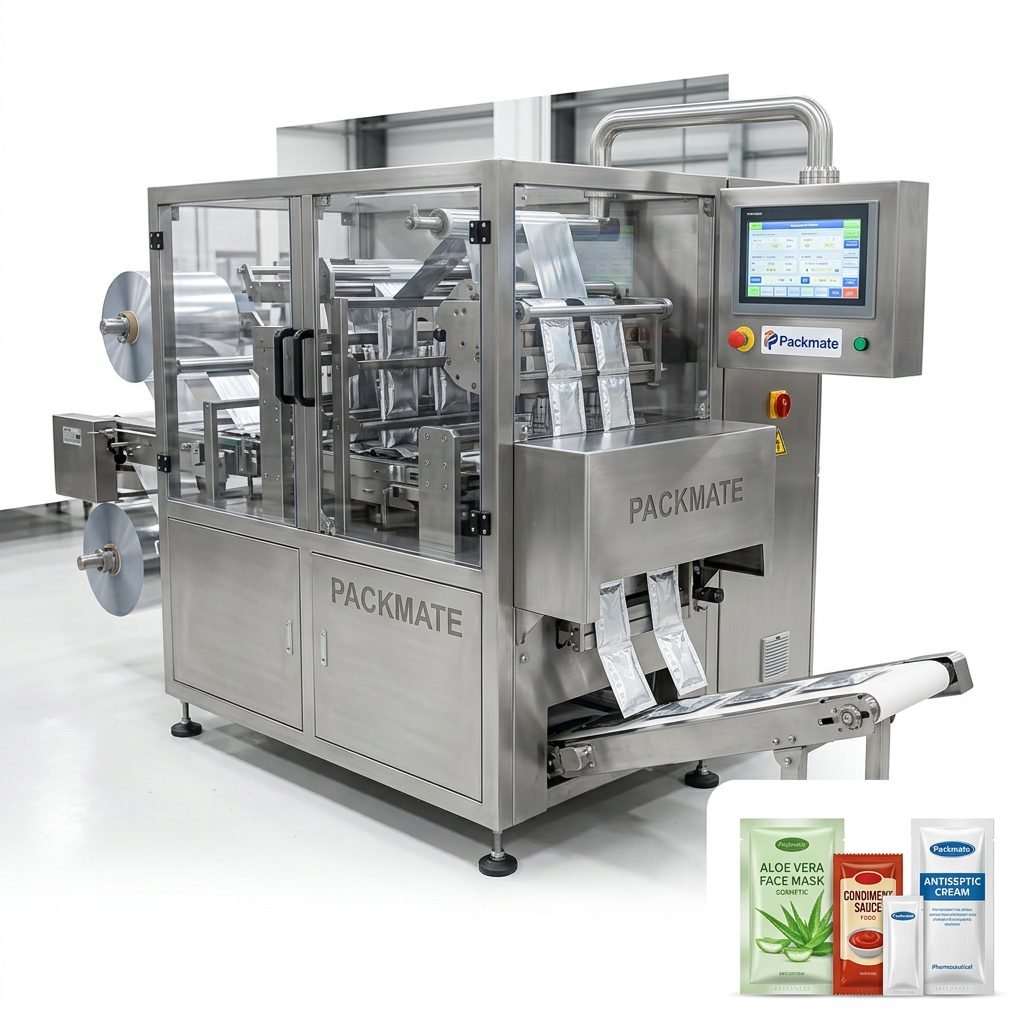
Whether it’s packaging single-serve condiment sachets, instant coffee sticks, or bulk cereal bags, automation ensures consistency in every unit. This not only builds consumer trust but also dramatically increases output rates, reduces labor costs, and minimizes human contact with the product, a key hygiene factor. For more insights into tailored applications, explore our dedicated packaging solutions.
Pharmaceutical Industry: Ensuring Uncompromising Safety and Compliance
The pharmaceutical sector presents the most rigorous challenges. Packaging lines here must guarantee 100% accuracy in dosage, maintain sterility, and provide complete documentation for audit trails. Automatic lines for pharmaceuticals often include advanced features like checkweighers to reject under/over-filled sachets, metal detectors and X-ray systems for contamination control, and serialization equipment to meet track-and-trace regulations.
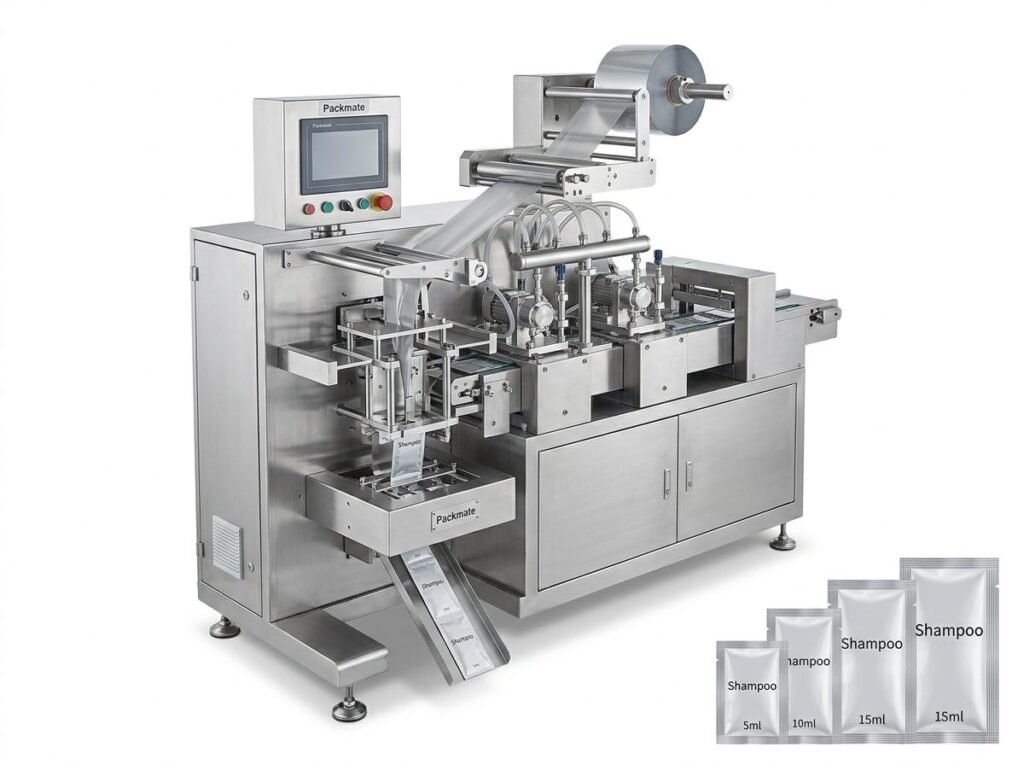
From packaging powdered antibiotics in stick packs to unit-dose liquids in sealed pouches, these systems are built with cleanability and validation in mind. The use of stainless-steel construction, sanitary designs, and enclosed processes protects the product from the environment. The reliability of such systems is paramount, as any downtime can equate to significant financial loss and supply chain disruption.
Nutritional Products: Merging Accuracy with Consumer Appeal
The nutritional supplement and health product market is booming, driven by wellness trends. Consumers demand high-quality products in convenient, portable, and fresh formats. Automatic packaging lines excel at producing single-serving stick packs for protein powders, electrolyte mixes, or vitamin blends, ensuring precise dosing every time.
These lines also offer great flexibility in packaging materials, allowing brands to use high-barrier films that protect sensitive ingredients from light, moisture, and oxygen, thereby extending shelf life and potency. The aesthetic appeal—consistent seals, crisp edges, and clear printing—is automatically achieved, strengthening brand perception on the shelf. Discover how we’ve implemented these solutions in real-world scenarios by viewing our project case studies.
Core Components of a Modern Automatic Packaging Line
A turnkey automatic packaging solution is a symphony of integrated machines, each performing a specialized task. Understanding these components helps in specifying the right line for your needs.
1. Feeding & Conveying Systems
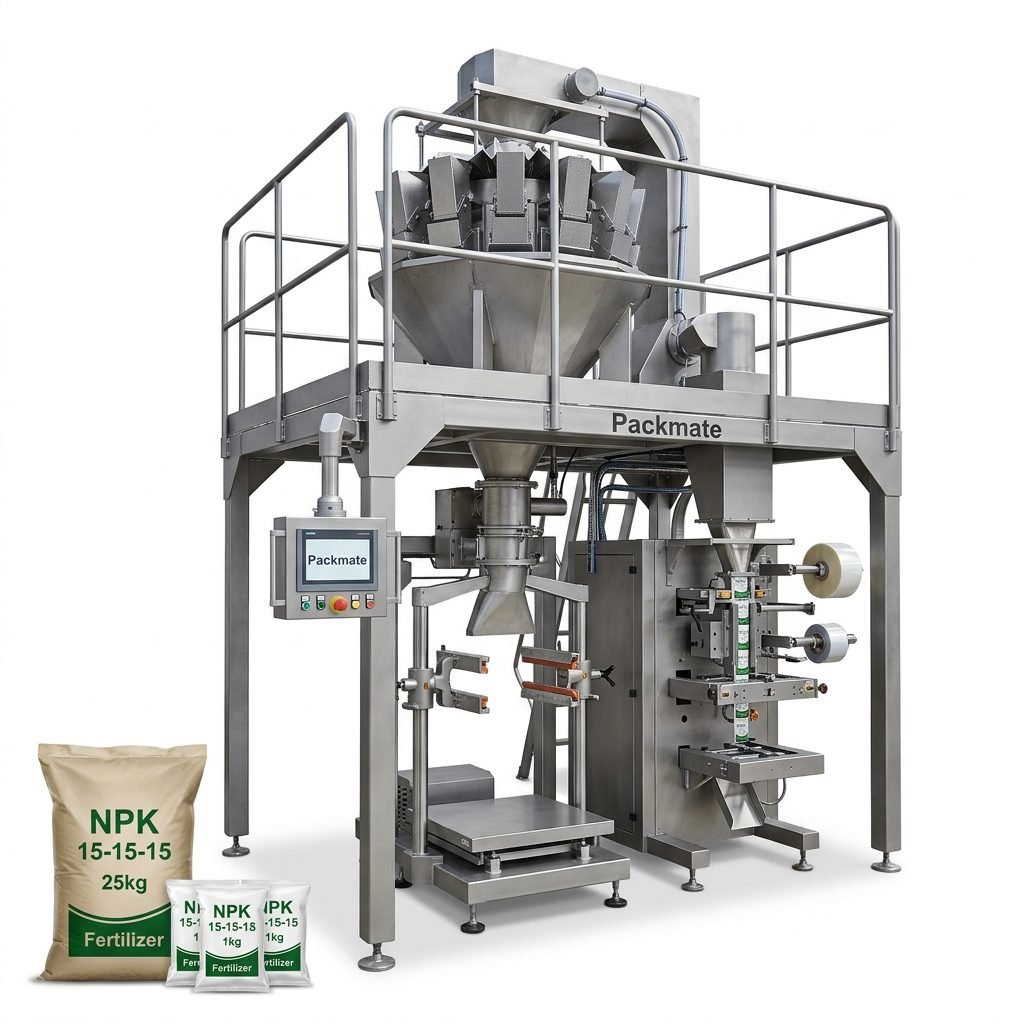
This is the starting point, where bulk product is reliably and consistently delivered to the packaging machine. Systems vary from vibratory feeders and auger screws for powders to pumps for liquids and volumetric cups for granules.
2. The Primary Packaging Machine
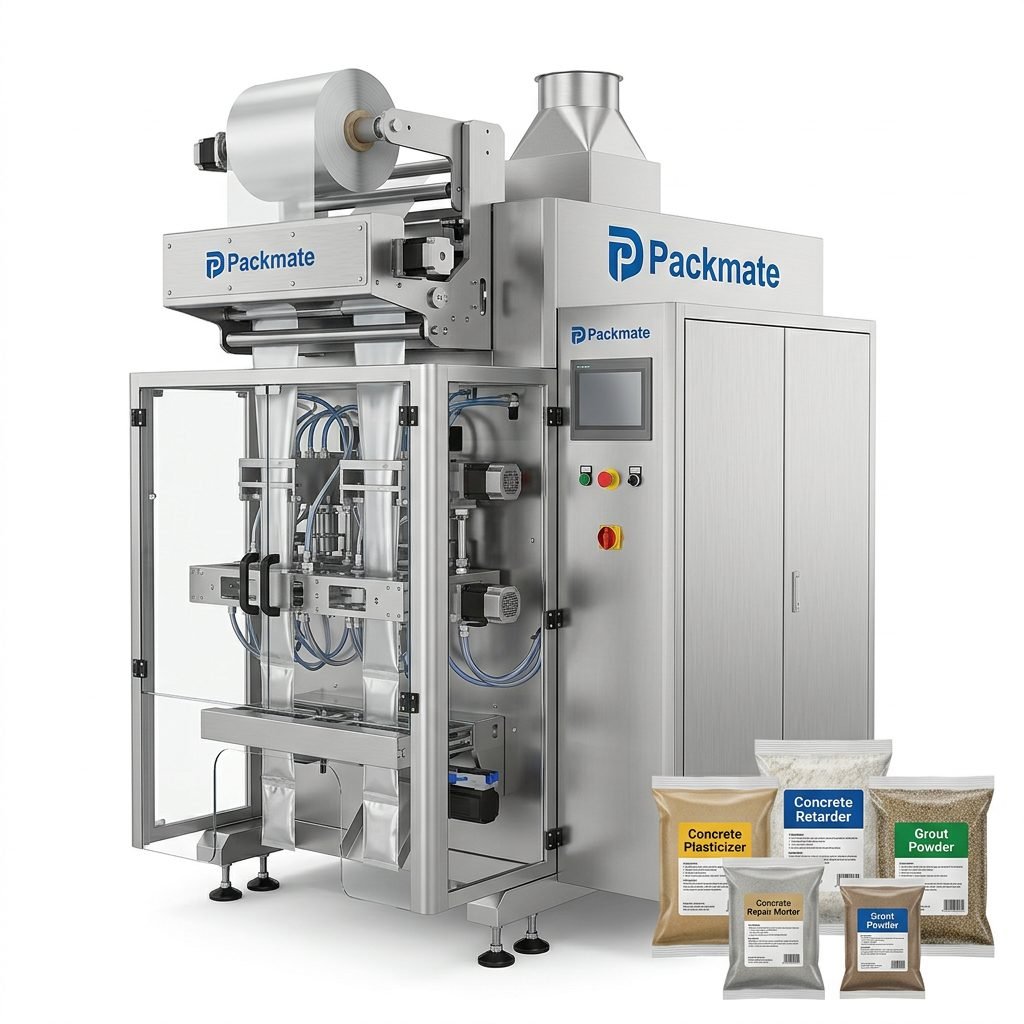
The heart of the line. This machine forms, fills, and seals the primary package (e.g., sachet, stick pack). It defines the package format, speed, and accuracy. Multi-lane machines significantly increase output by running several packaging tracks in parallel.
3. Secondary & Tertiary Packaging
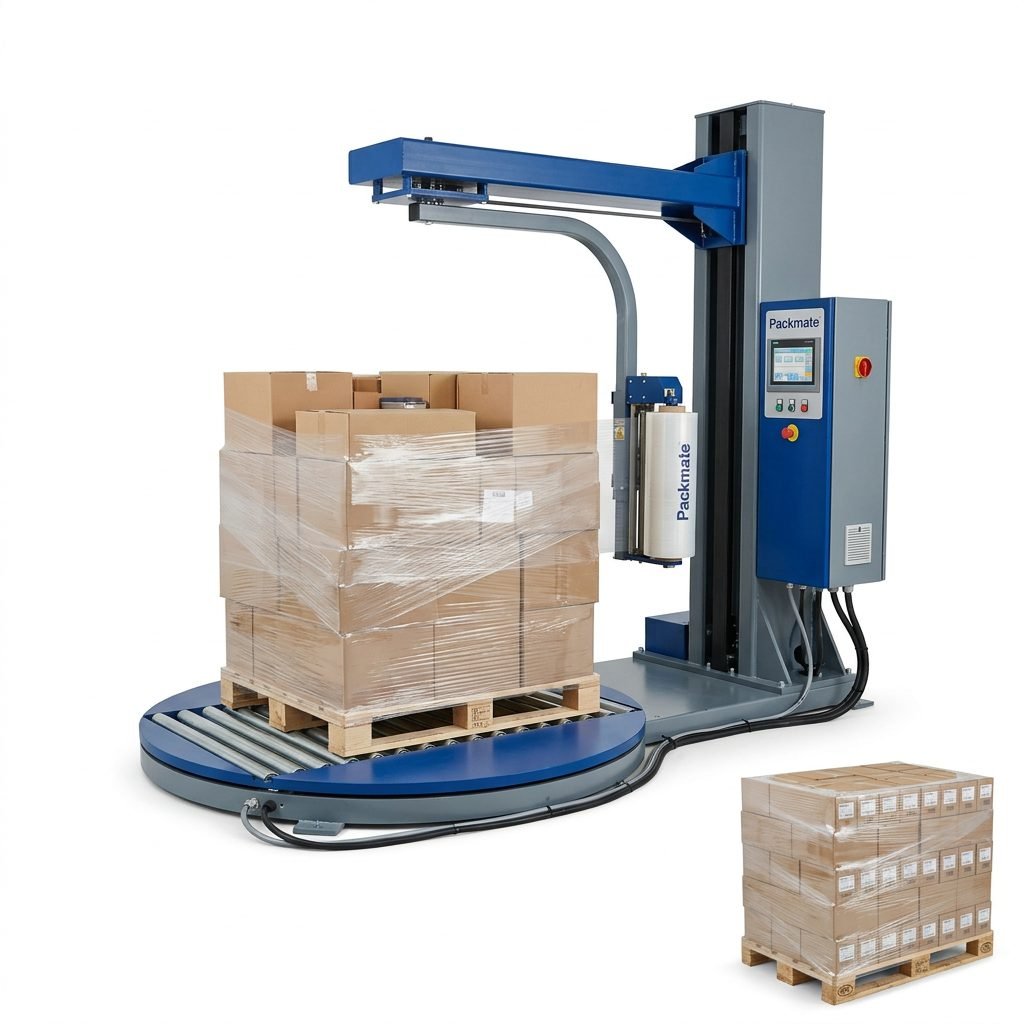
After primary packaging, products often need to be collated into boxes (cartoning) and then into larger shipping cases. Automatic cartoners and case packers complete the process, readying products for palletization and distribution.
🔍 Integrated Quality Control Checkpoints
Modern lines are not just about speed; they are about assured quality. Inline sensors and systems continuously monitor the process:
✔ Checkweighers: Verify each package is within specified weight limits.
✔ Vision Inspection Systems: Check for seal integrity, print quality, and correct labeling.
✔ Metal Detectors/X-ray: Identify and reject any foreign material contaminants.
This data is often fed into a central SCADA (Supervisory Control and Data Acquisition) system for real-time monitoring and historical reporting, crucial for quality audits.
Choosing the Right Partner for Your Packaging Line
Investing in an automatic packaging line is a major decision. The technology provider you choose becomes a long-term partner in your production success. Key selection criteria should include:
Proven Industry Experience: Look for a supplier with a deep portfolio in your specific sector (food, pharma, or nutrition). Their understanding of regulatory and practical challenges is invaluable.
Engineering & Customization Capability: Off-the-shelf solutions rarely fit perfectly. A partner with strong R&D and engineering resources can tailor the line to your unique product, package, and facility constraints.
Quality of Build & Support: The machinery should be robust, built with high-grade components for longevity. Equally important is the after-sales support—availability of spare parts, technical service, and operator training. Learn about our commitment to quality and support on our About Us page.
Scalability & Future-Proofing: Your needs will evolve. A good partner designs lines with modularity in mind, allowing for future upgrades in speed, the addition of new quality checks, or format changeovers.
At Packmate (GuangDong) Co., Ltd., we embody these principles. With over 22 years of focused development and a 20,000㎡ state-of-the-art facility, we specialize in crafting intelligent, turnkey solutions. From initial concept and design to installation, training, and ongoing service support, we ensure your packaging line is a driver of efficiency and growth. Our journey, from a visionary workshop to an international provider, is built on a foundation of innovation and reliability, as detailed in our company profile.
Frequently Asked Questions (FAQs)
1. What is the typical lead time for a custom automatic packaging line?
Lead times vary significantly based on the line’s complexity, level of customization, and current production schedule. A standard configuration might take 3-6 months from order to delivery, while a highly complex, fully integrated turnkey system can take 6-12 months. Detailed project planning with your supplier will establish a clear timeline.
2. How do I ensure the packaging line meets regulatory standards (e.g., FDA, GMP)?
Choose a supplier with proven experience in your regulated industry. They should design with compliance in mind, using appropriate materials (e.g., food-grade or pharmaceutical-grade stainless steel), providing necessary documentation (e.g., machine manuals, material certificates), and designing for cleanability and validation. The line should facilitate the creation of required audit trails.
3. Can one packaging line handle multiple different products or package sizes?
Yes, through changeover capabilities. Many modern lines are designed to be flexible. Quick-change parts (like form-fill-seal tooling, feed augers, or carton magazines) allow the line to switch between different products or package sizes. The degree of changeover ease and time should be discussed during the design phase.
4. What kind of maintenance does an automatic packaging line require?
Regular preventive maintenance is crucial for uptime and longevity. This includes daily cleaning, lubrication of moving parts, inspection of seals and wear components, and calibration of scales and sensors. A reliable supplier will provide a comprehensive maintenance schedule and training for your technicians.
5. What is the ROI (Return on Investment) for an automatic packaging line?
ROI is calculated by weighing the capital investment against savings and gains: reduced labor costs, increased production output, lower material waste from improved accuracy, decreased product giveaway, and fewer quality rejections. Most businesses see a full ROI within 1 to 3 years, depending on scale and operational efficiency gains.