In today’s competitive manufacturing landscape, efficiency, hygiene, and precision are non-negotiable, especially when packaging sensitive products like food, pharmaceuticals, and health supplements. A specialized granule packaging line is not merely a piece of equipment; it’s the backbone of a reliable, scalable, and compliant production process. For businesses seeking to enhance their operations, understanding the capabilities and components of a complete granule packaging solution is the first critical step.
Why Specialized Granule Packaging is Critical
Granules, ranging from instant coffee and sugar to medicinal powders and protein supplements, present unique challenges. They can be abrasive, hygroscopic (moisture-absorbing), or require an inert atmosphere to prevent degradation. A standard packaging line often falls short, leading to product waste, inconsistent fill weights, and potential contamination.
Key Challenges Addressed by Professional Lines:
- ✔ Accuracy: Maintaining precise weight control for cost management and regulatory compliance.
- ✔ Contamination Control: Ensuring a hygienic environment crucial for pharmaceutical and food safety.
- ✔ Speed & Efficiency: Meeting high-volume demands without sacrificing quality.
- ✔ Flexibility: Quickly adapting to different granule sizes, packaging formats (stick packs, sachets, pouches), and batch sizes.
Core Components of a Turnkey Granule Packaging Line
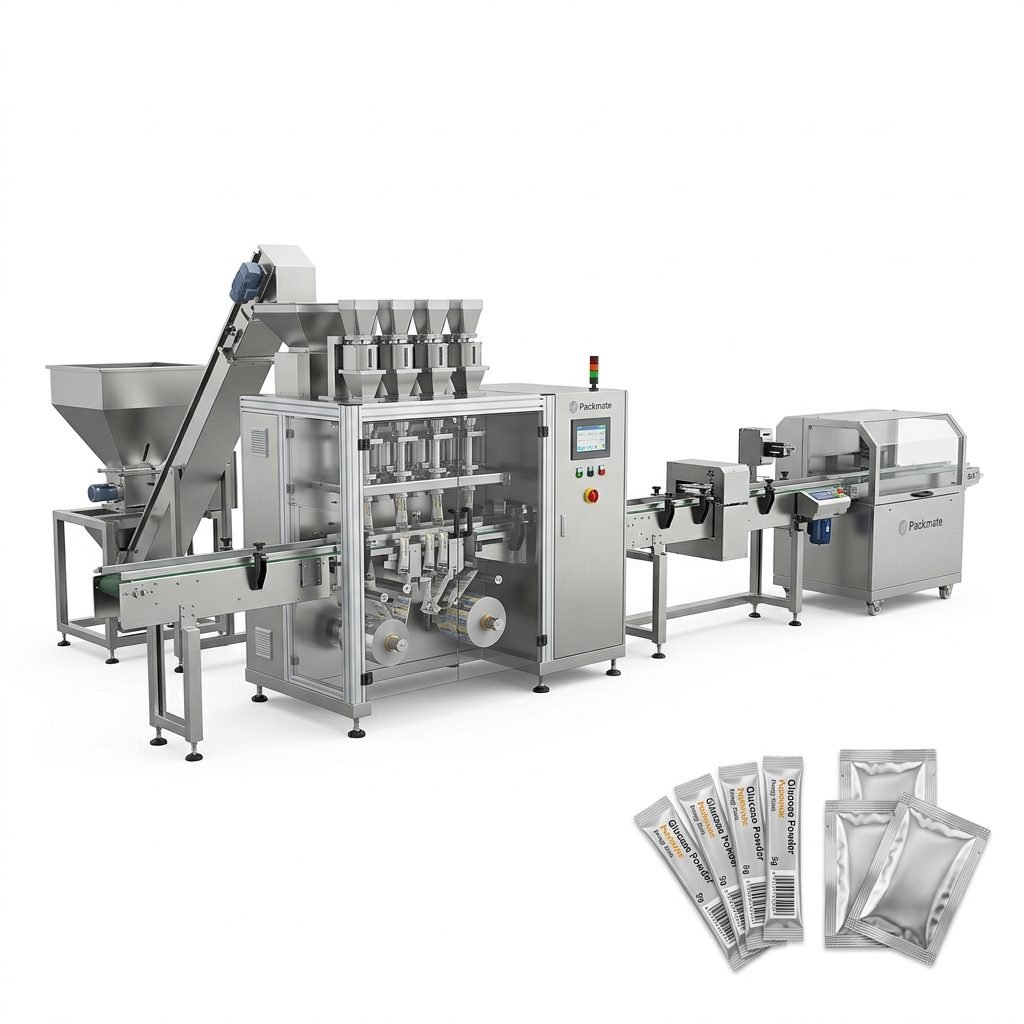
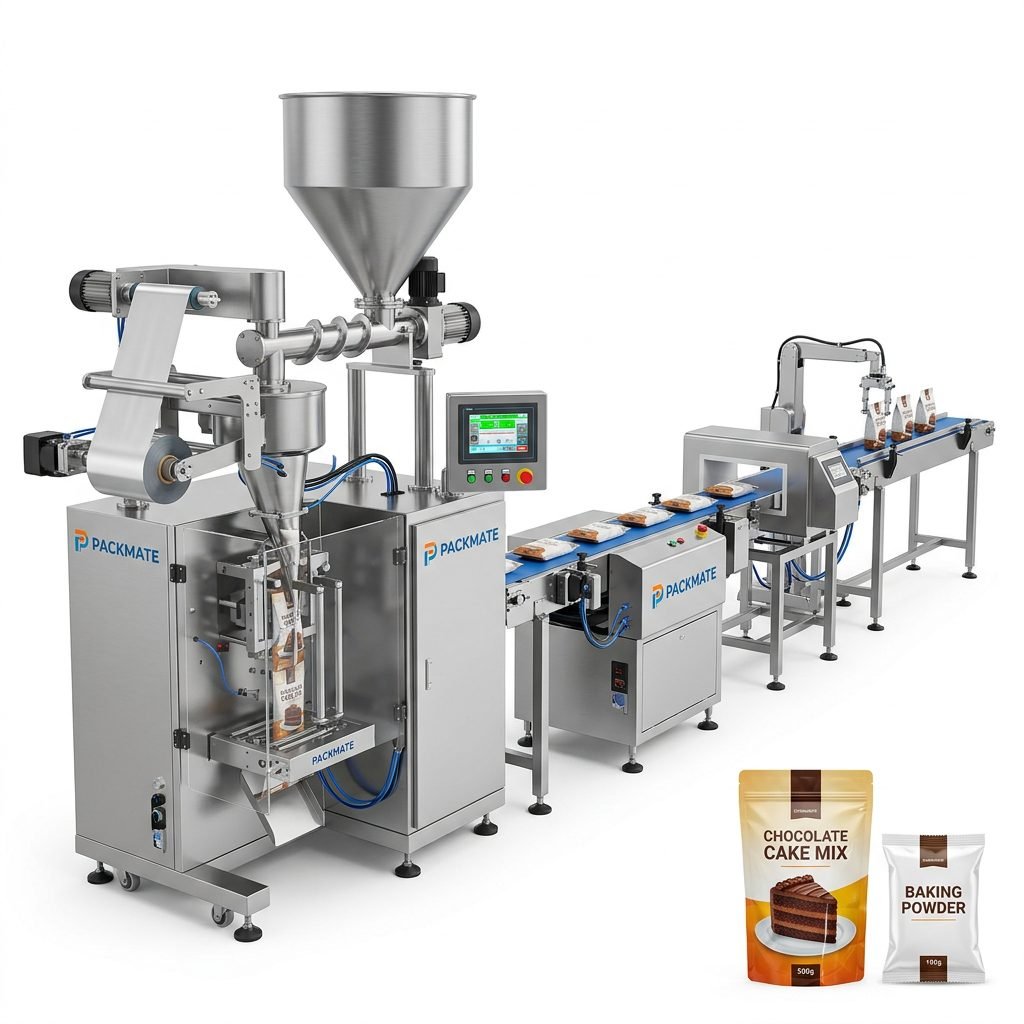
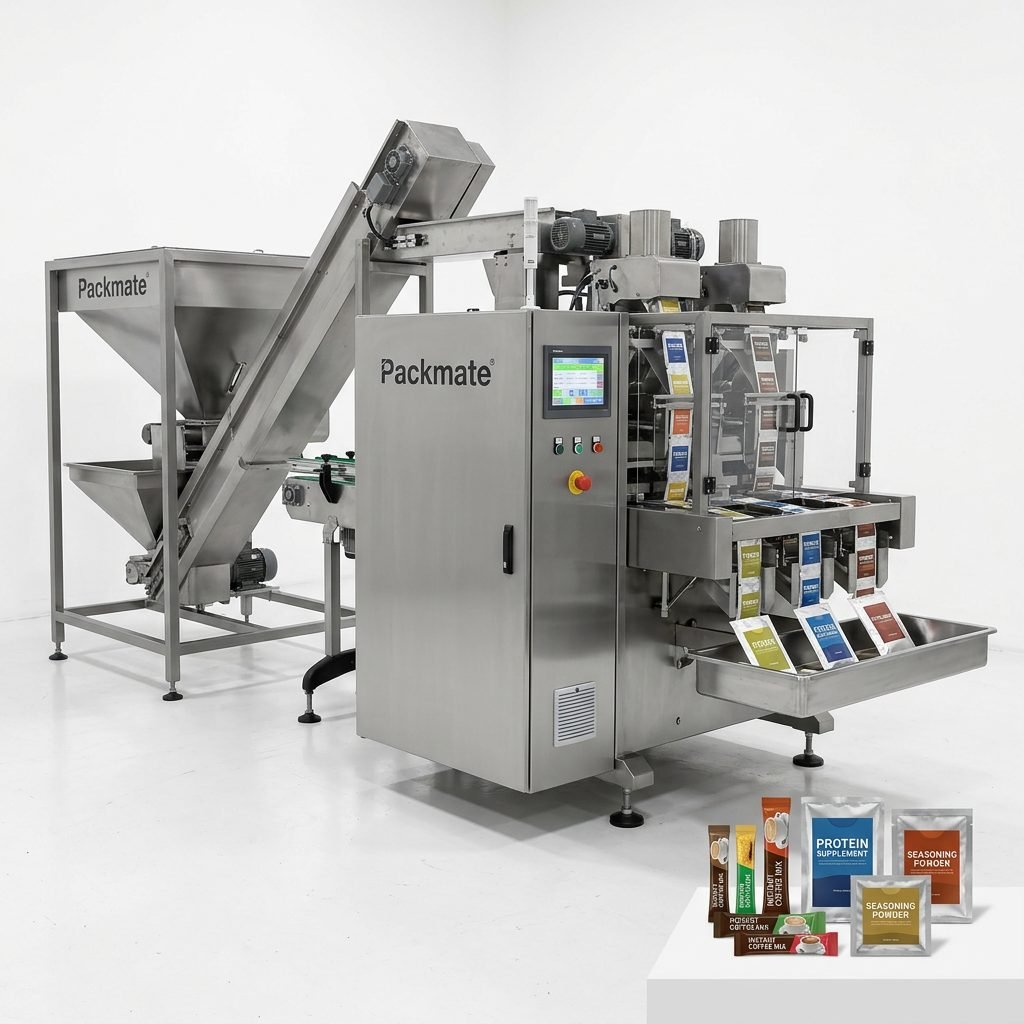
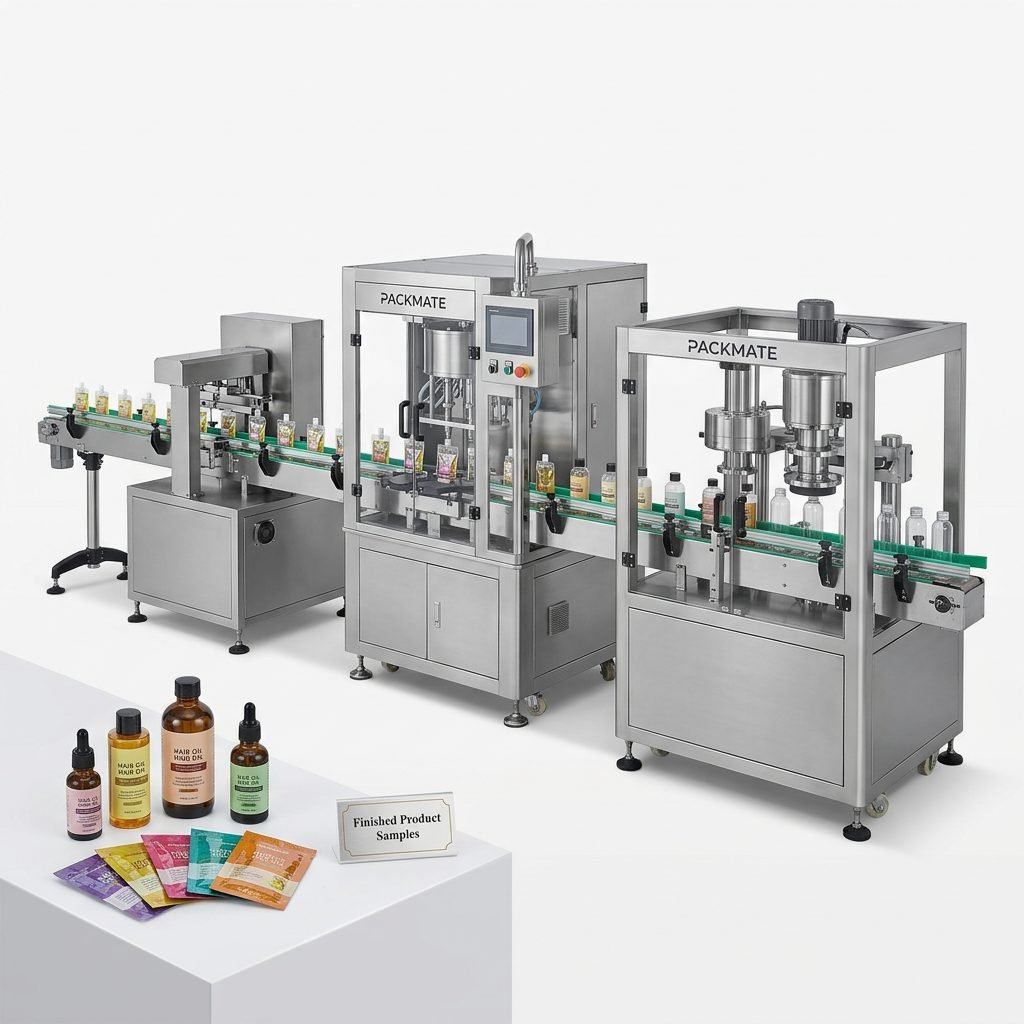
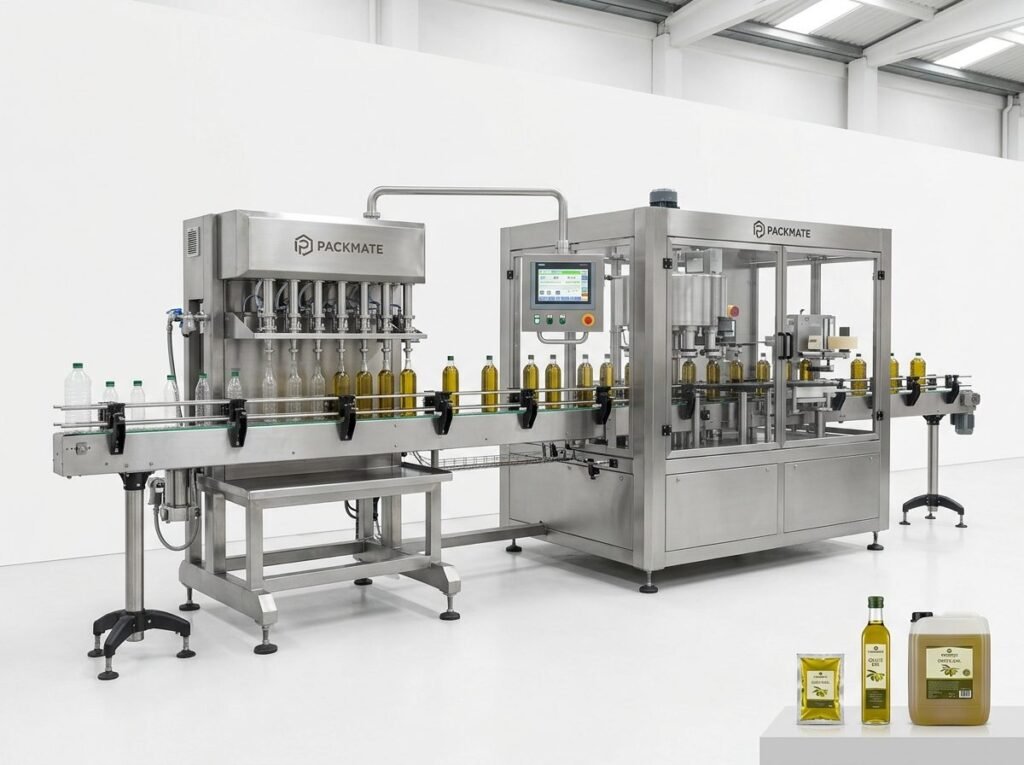
A fully integrated line is a symphony of synchronized machines. Each component plays a vital role in transforming bulk granules into finished, market-ready packages.
1. Feeding & Dosing Systems
The journey begins with consistent and accurate feeding. Volumetric cup fillers, auger fillers, or advanced weigh-fill systems are selected based on granule characteristics and required precision. For pharmaceutical applications, loss-in-weight feeders offer exceptional accuracy, critical for active pharmaceutical ingredients (APIs).
2. Form-Fill-Seal (FFS) Machines
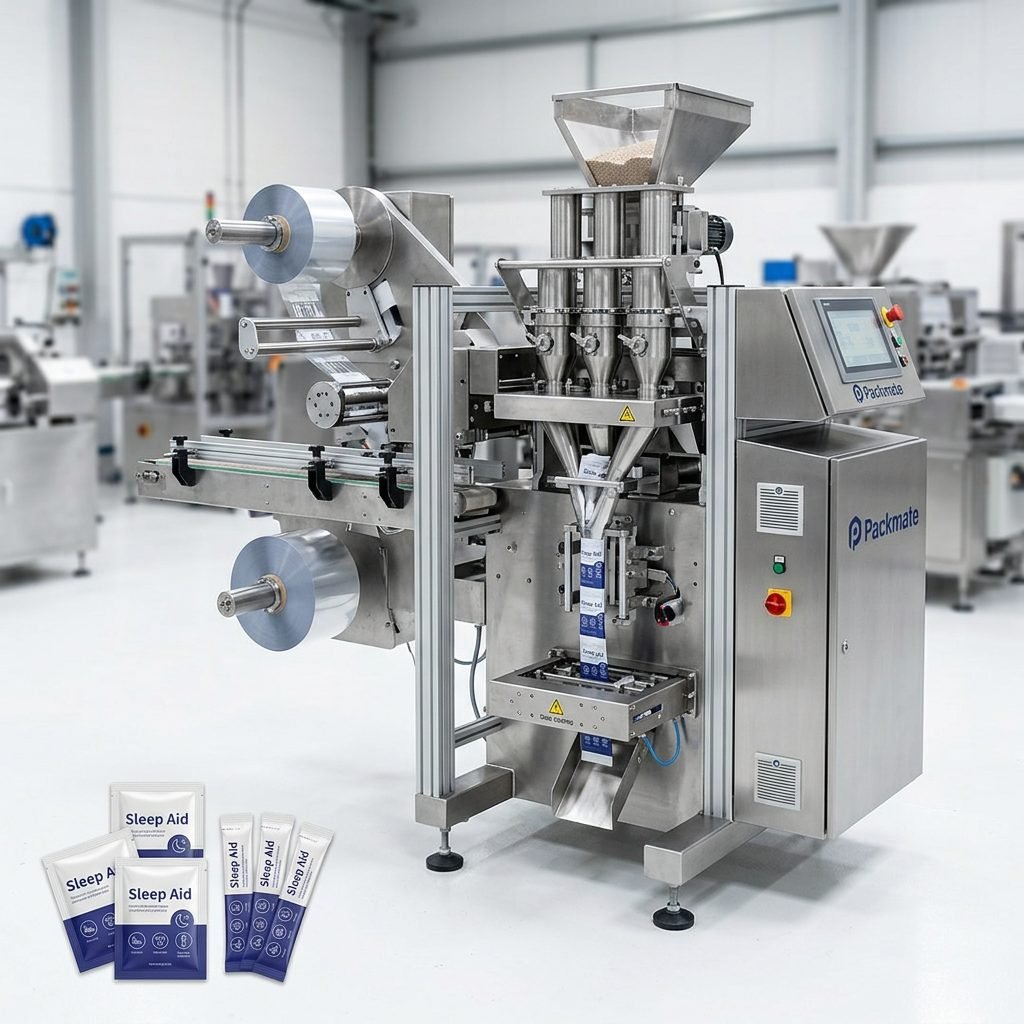
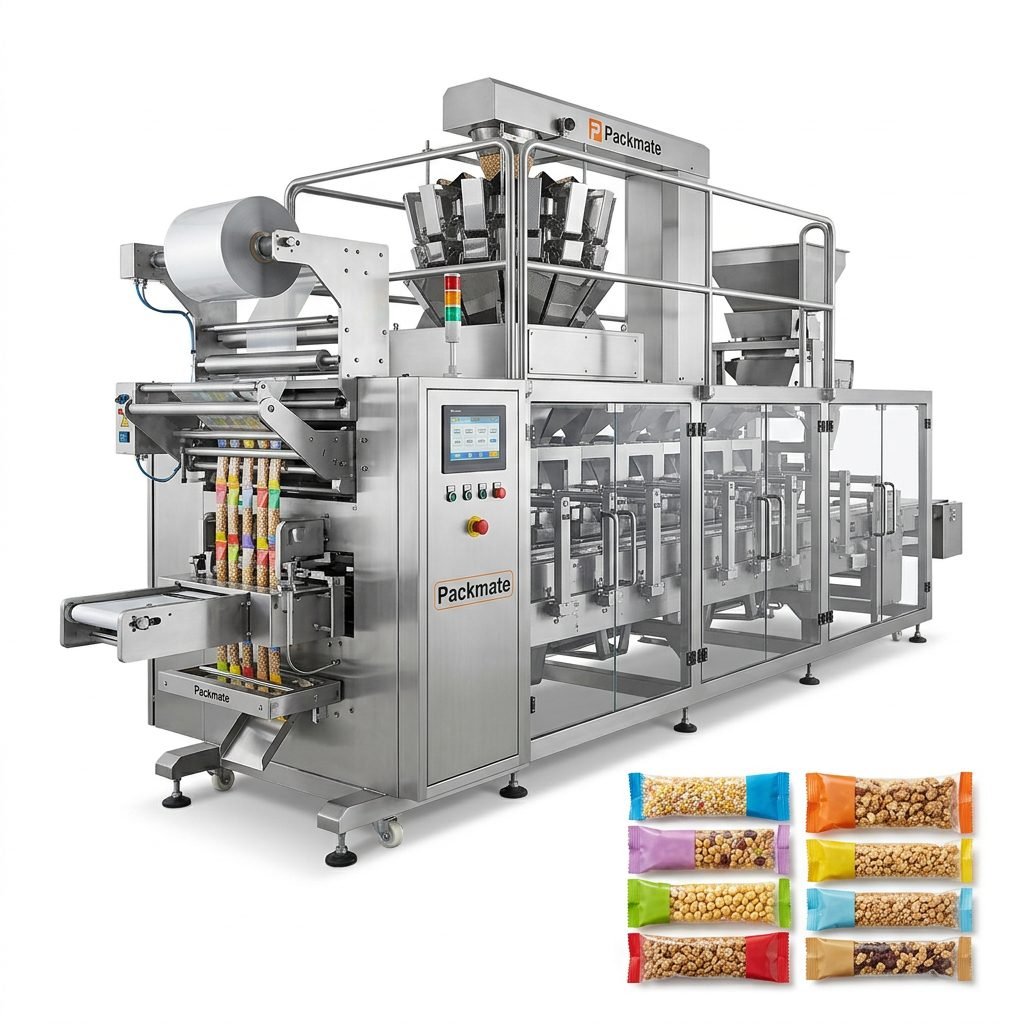
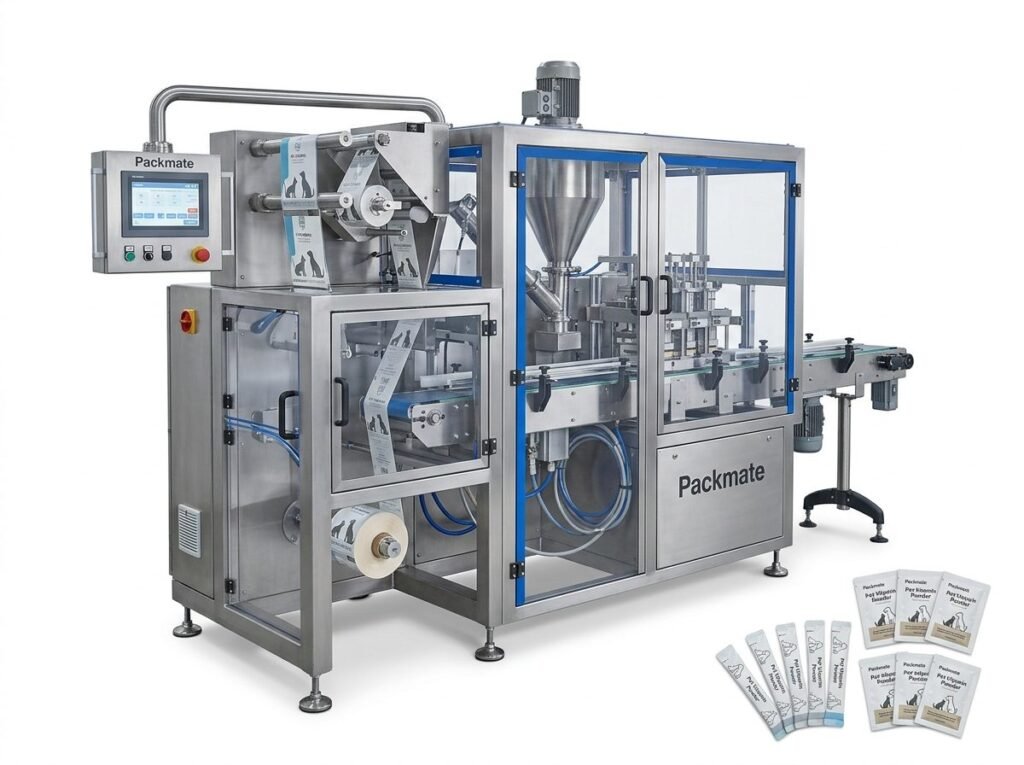
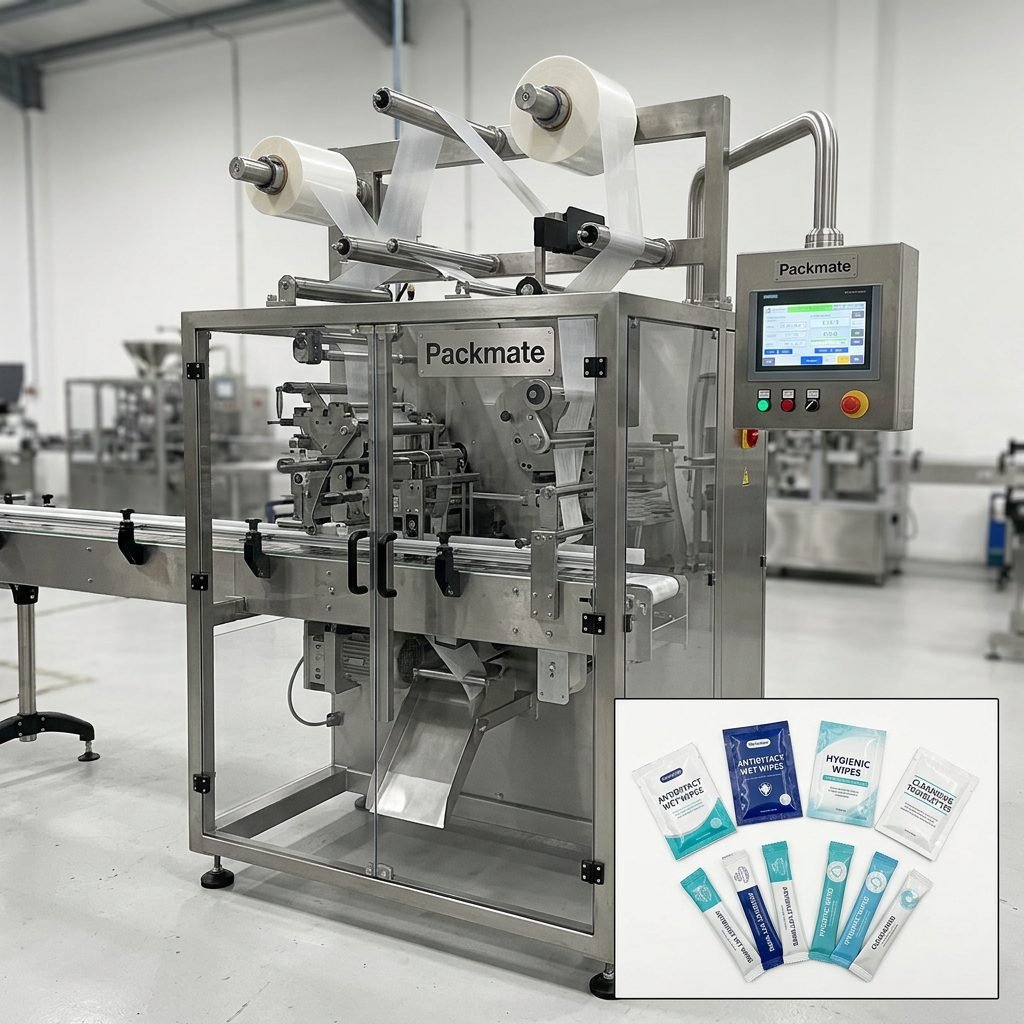
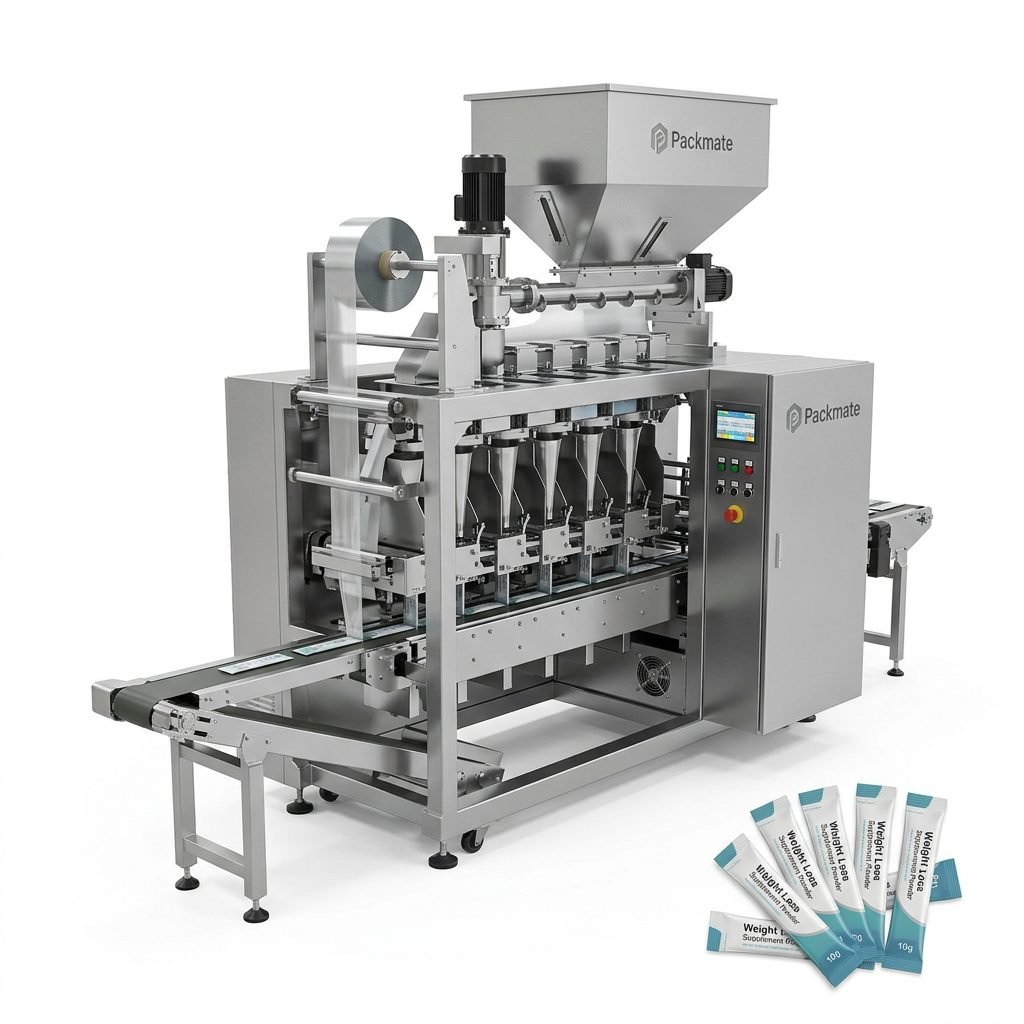
The heart of the line. Vertical (VFFS) or horizontal (HFFS) machines form the packaging from a roll of film, dose the product, and seal it into individual units. Multi-lane FFS machines dramatically increase output, producing dozens of stick packs or sachets per minute.
3. Packaging Material Handling
This includes unwinders for film rolls, printers for date/batch coding (often integrated into the FFS machine), and systems to apply oxygen scavengers or desiccants if needed for product stability.
4. Secondary & Tertiary Packaging
After primary packaging, units are collated, cartoned, and case-packed. Automated cartoners and case packers streamline this process, reducing labor and ensuring uniform pallets for shipping.
Industry-Specific Considerations
Food Industry: Lines must comply with food-grade standards (e.g., FDA, EFSA). Easy cleaning (CIP/SIP capabilities), allergen control protocols, and robustness for handling diverse products from spices to instant soups are paramount.
Pharmaceutical Industry: This is the most stringent environment. Packaging lines must be designed for cGMP (current Good Manufacturing Practice) compliance. This includes using 316L stainless steel, validated cleaning processes, and producing complete audit trails for every batch. Containment solutions are also vital for potent compounds.
Health & Nutraceutical Products: While regulations may be less strict than pharmaceuticals, consumer trust is key. Lines must ensure accuracy in dosing active ingredients (like vitamins or probiotics) and often require nitrogen flushing to extend shelf life by displacing oxygen.
The Value of a Complete Solution Provider
Choosing individual machines from different vendors creates integration headaches, compatibility issues, and fragmented service support. Partnering with a turnkey solution provider like Packmate offers distinct advantages:
Single-Point Accountability: One partner is responsible for the entire line’s design, performance, and output.
Seamless Integration: All components are engineered to work together harmoniously, maximizing uptime and efficiency.
Unified Service & Training: Comprehensive support, spare parts, and operator training come from a single source.
Future-Proofing: A good provider designs with scalability in mind, allowing for easy upgrades or reconfiguration as your product portfolio evolves. You can learn more about our integrated approach on our Company Profile page.
Innovation Driving the Future
The future of granule packaging is intelligent. Industry 4.0 integration allows for real-time monitoring of OEE (Overall Equipment Effectiveness), predictive maintenance alerts, and seamless data exchange with factory MES (Manufacturing Execution Systems). Smart sensors can detect and reject underweight or leaking packages with unparalleled accuracy, while advanced vision inspection systems ensure every pack is perfect.
Furthermore, sustainability is a growing driver. Solutions that minimize film waste through precise forming, allow for the use of recyclable or compostable mono-material films, and optimize energy consumption are increasingly in demand. Providers at the forefront, like Packmate, are continuously innovating in these areas to meet both market and environmental needs. Discover our latest advancements at our Our Exhibition showcase.
Frequently Asked Questions (FAQs)
1. What is the typical lead time for a complete granule packaging line?
Lead times vary significantly based on line complexity, customization, and current production schedules. A standard line might take 3-6 months from order to delivery, while highly customized or large-scale systems can take longer. Detailed project planning with your provider will establish a clear timeline.
2. How do you ensure the packaging line meets our specific product requirements?
Reputable providers conduct thorough feasibility studies. This often involves testing your actual product samples in their facility using the proposed equipment. This “proof-of-concept” stage is crucial to validate performance on fill accuracy, speed, and compatibility with your packaging materials before finalizing the design.
3. What kind of training and after-sales support is provided?
A comprehensive package should include on-site installation supervision, commissioning, and detailed hands-on training for your operators and maintenance technicians. After-sales support typically includes a warranty period, access to spare parts, and remote or on-site technical assistance. Inquire about the provider’s service network and response time commitments.
4. Can the line be adapted to package different granule products or formats?
Modularity and changeover ease are key features of a flexible line. Many lines are designed with quick-change parts for different bag sizes or shapes. However, significant product changes (e.g., from fine powder to coarse granules) may require more substantial adjustments. Discuss your future product roadmap with your supplier during the design phase.
5. What are the key certifications to look for in a supplier?
For machinery, common international certifications include CE (for the European market) and UL/CSA (for North America). The supplier’s quality management system should be ISO 9001 certified. For pharmaceutical lines, evidence of experience with cGMP and the ability to provide necessary documentation (FAT, SAT, IQ/OQ protocols) is essential.