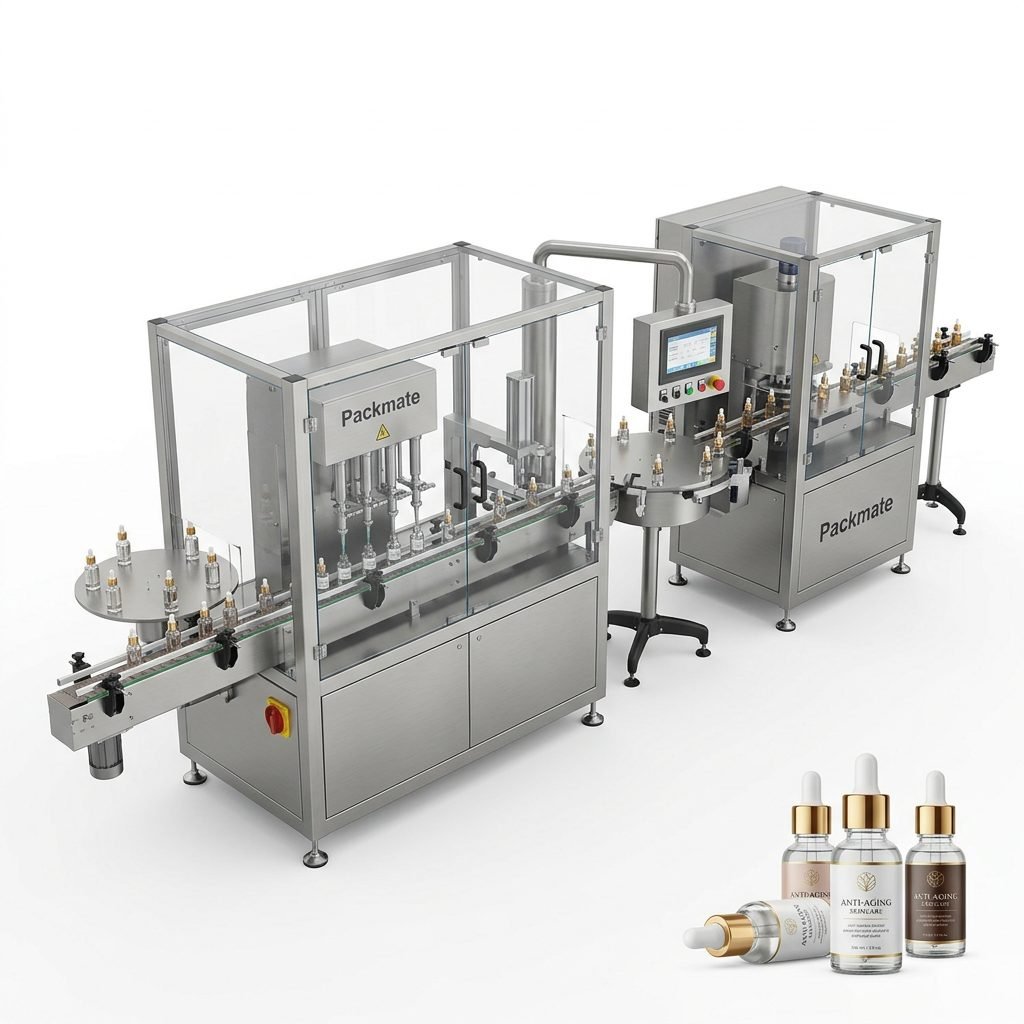
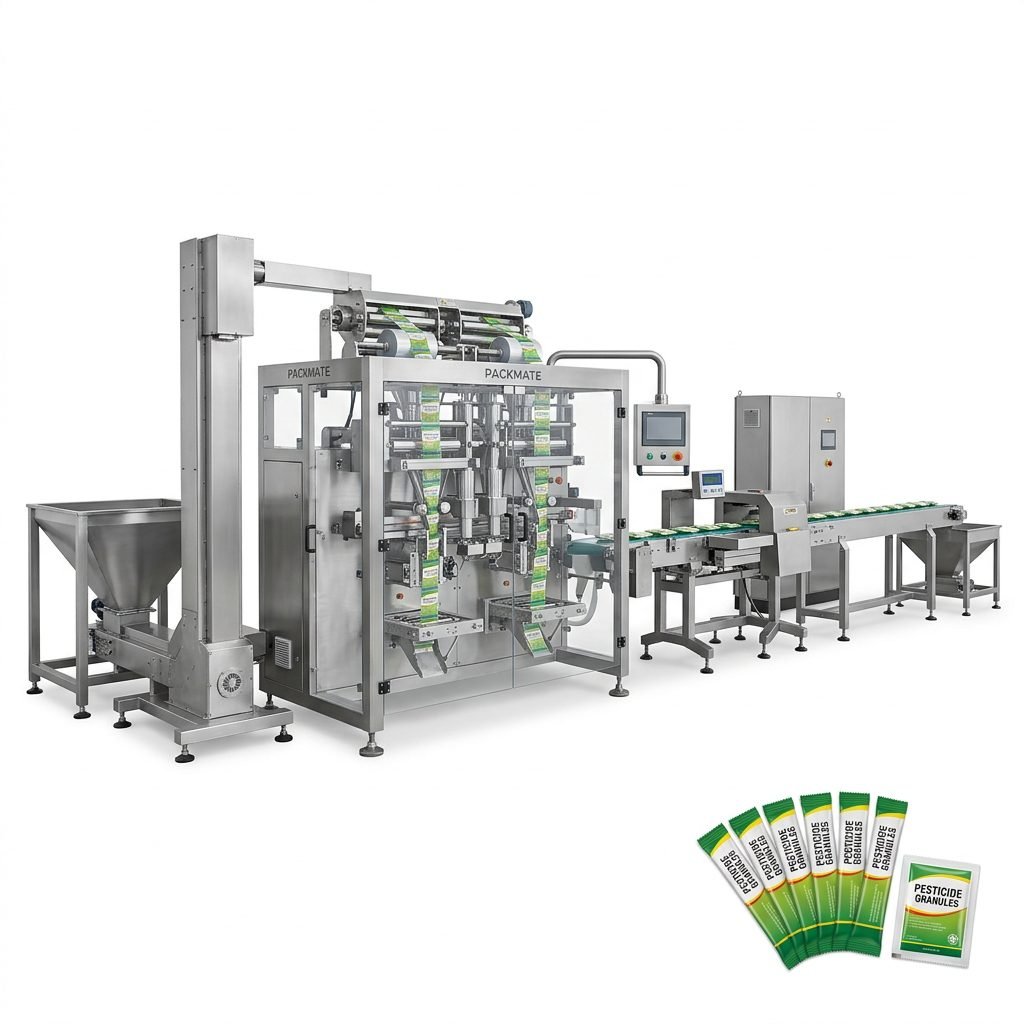
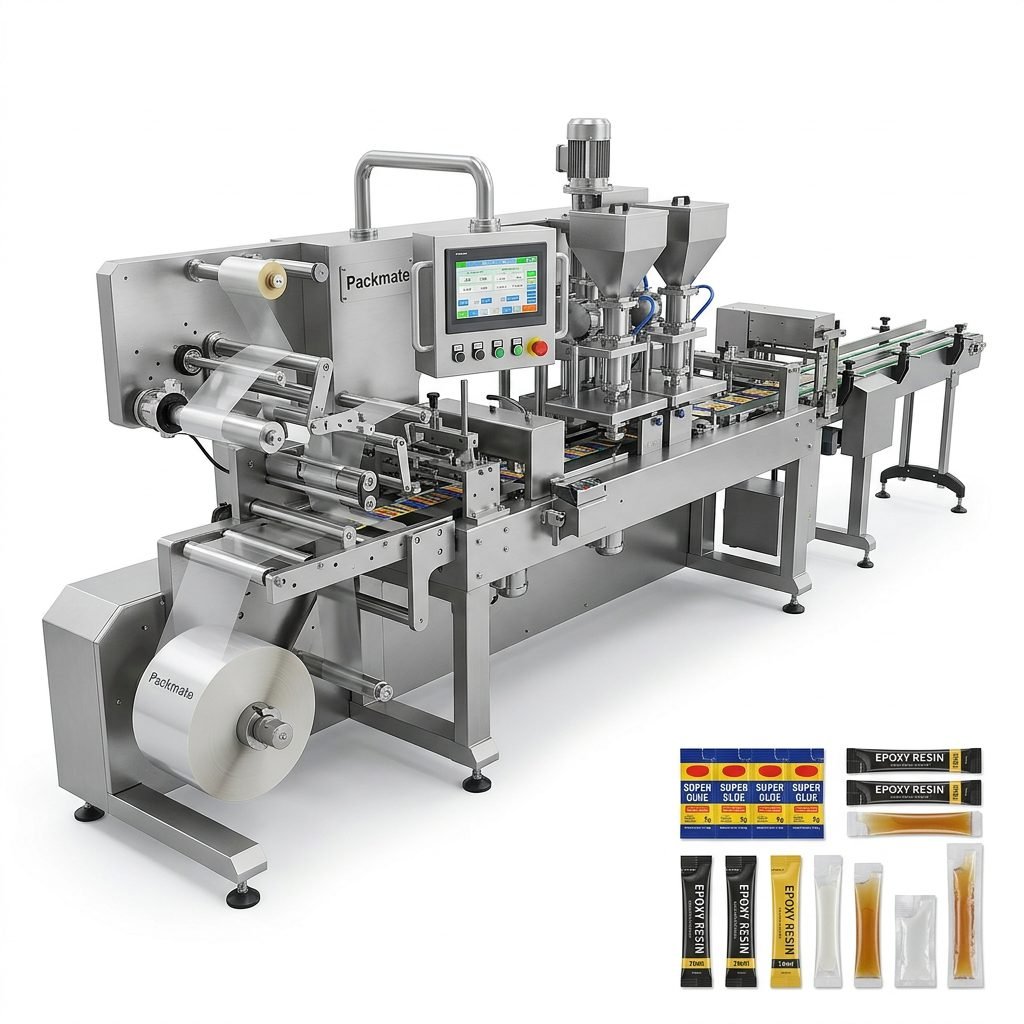
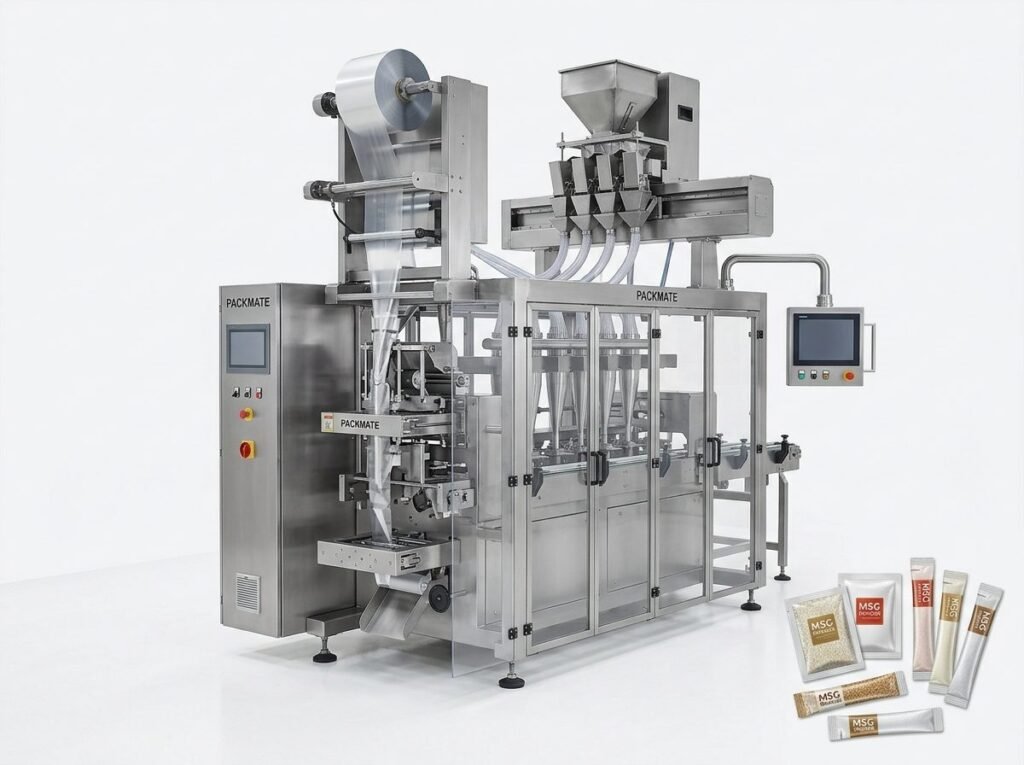
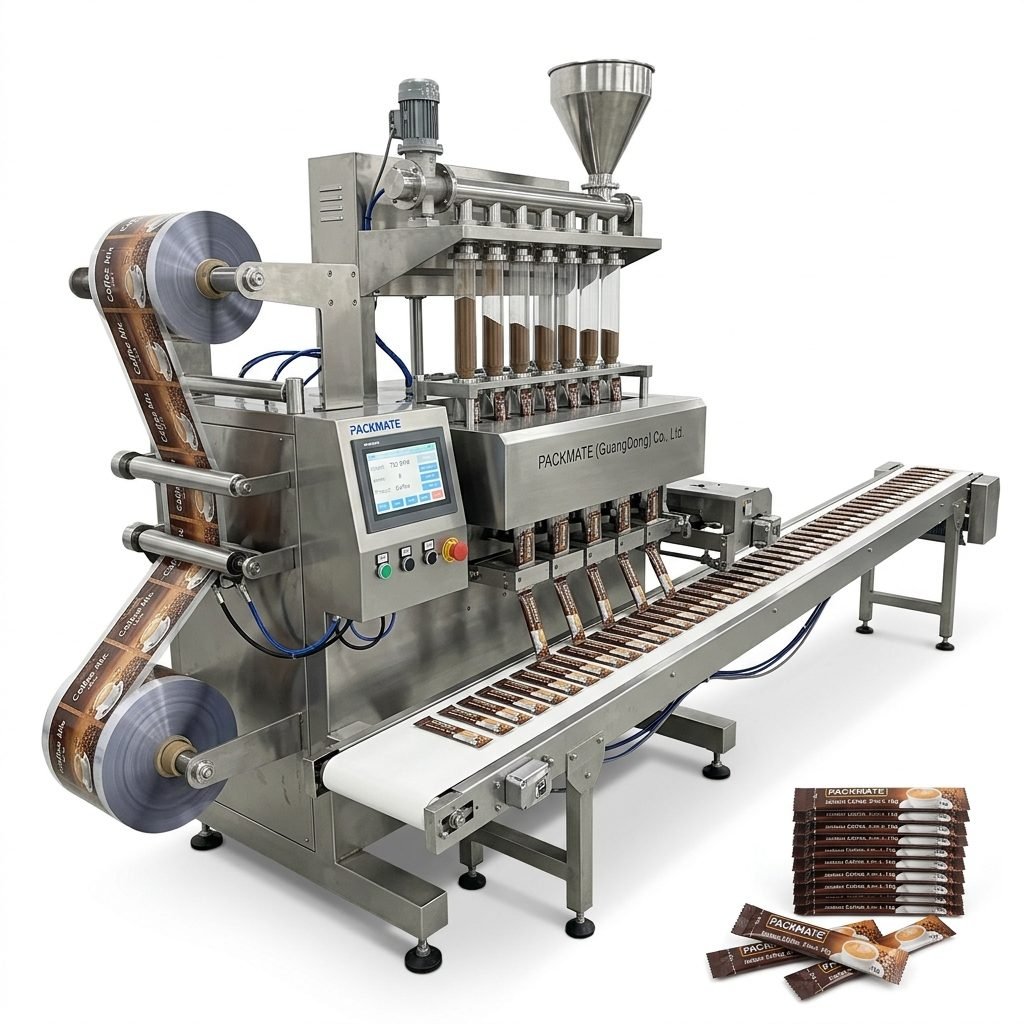
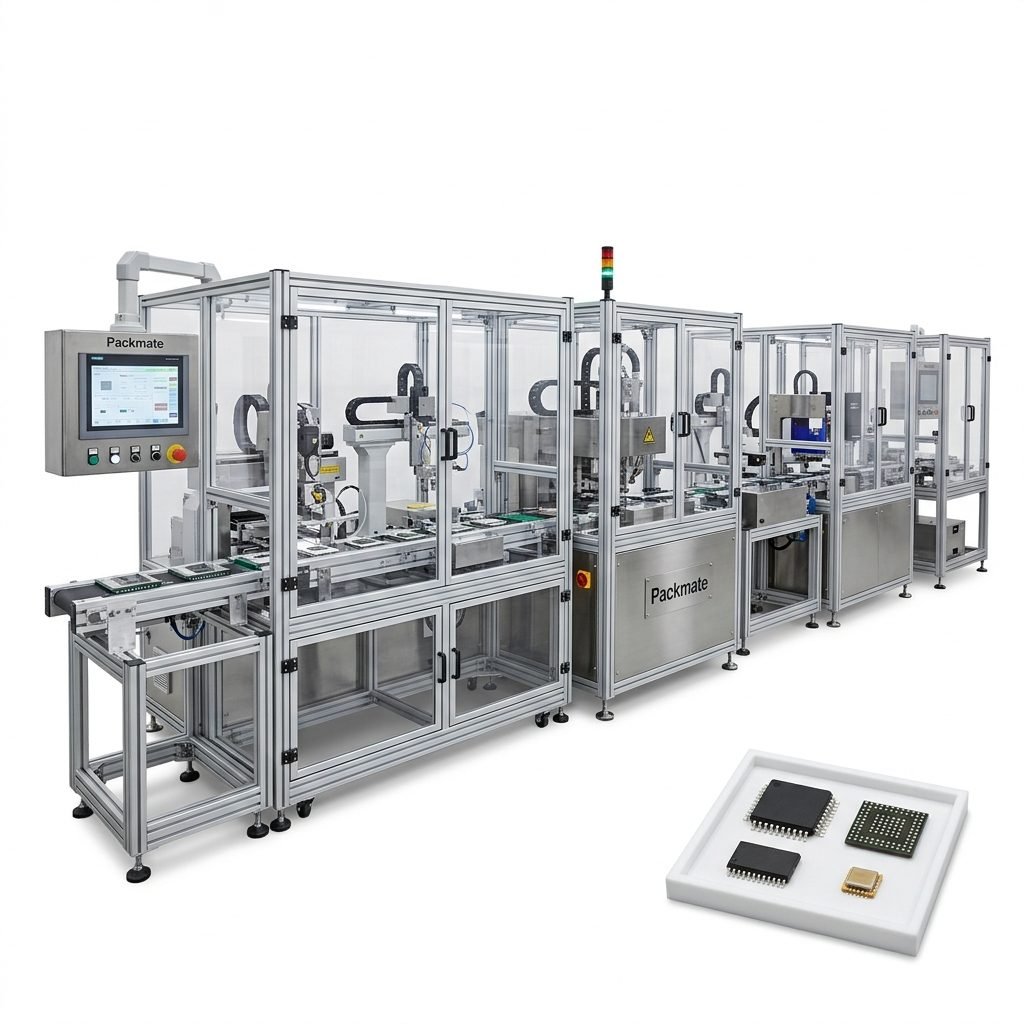
In the competitive landscape of food production, efficiency isn’t just a goal; it’s a necessity for survival and growth. At the heart of a streamlined operation lies the packaging line, and more specifically, the conveyor system that ties it all together. While off-the-shelf conveyors are common, the shift towards turnkey custom-engineered packaging line conveyors is proving to be a game-changer for manufacturers seeking a definitive edge. These systems are not merely transport belts; they are fully integrated, precision-engineered solutions designed from the ground up to meet the exact needs of a specific production process.
The Strategic Advantage of a Turnkey, Custom-Engineered Approach
Choosing a custom-engineered conveyor system as part of a complete turnkey solution moves beyond simple equipment procurement. It represents a strategic partnership aimed at optimizing the entire packaging workflow. This holistic approach ensures every component, from the infeed to the palletizer, works in perfect, synchronized harmony.
Core Philosophy: Integration Over Installation
A turnkey provider like Packmate (GuangDong) Co., Ltd. doesn’t just install a conveyor. They design it to be the central nervous system of your line. This means engineering for optimal product flow, minimal transfer points, and seamless integration with fillers, cartoners, and robotic palletizers. The result is a cohesive unit that operates as one intelligent machine.
1. Maximized Line Efficiency & Throughput
The primary benefit is a direct and significant boost in Overall Equipment Effectiveness (OEE). Custom conveyors eliminate bottlenecks caused by mismatched speeds, improper sizing, or inefficient layouts.
- Optimized Speed Synchronization: Every belt, roller, or chain drive is calibrated to work at the precise speed required for each stage, ensuring smooth product transfer without jams or gaps.
- Reduced Product Handling: Engineered transfers and guided pathways minimize tumbling, tipping, or misorientation of packages, which reduces downtime for manual correction and product waste.
- Continuous Flow Design: The layout is designed for a logical, uninterrupted flow from production to shipping, dramatically increasing packages-per-hour output.
2. Enhanced Flexibility & Future-Proofing
Market demands change. A custom-engineered system is built with adaptability in mind, unlike rigid, standard models.
Modular Design Principles: Many modern custom conveyors use modular components. This allows for relatively easy reconfiguration to accommodate new package sizes, shapes, or the addition of new line equipment like checkweighers or vision inspection systems. This adaptability protects your investment against future obsolescence.
3. Superior Hygiene & Sanitation for Food Safety
In food production, sanitation is non-negotiable. Custom conveyors can be engineered to meet the highest hygiene standards, a critical factor often overlooked with standard units.
- Hygienic Construction: Specifying materials like stainless steel frames, FDA-approved belts, and sealed bearings prevents bacterial harborage points.
- Easy-Clean Design: Features like quick-release belts, smooth surfaces with minimal crevices, and sloped frames for drainage are incorporated from the initial design phase, reducing cleaning time and improving compliance with food safety audits.
4. Reduced Total Cost of Ownership (TCO)
While the initial investment may be higher than a standard conveyor, the long-term economics are compelling. A custom solution reduces costs across its entire lifecycle.
Lower Maintenance & Downtime: Built with premium, application-specific components and perfect integration, these systems experience less wear, fewer breakdowns, and require less frequent adjustments. The single-source responsibility of a turnkey provider also simplifies maintenance and support.
Higher Productivity: The efficiency gains directly translate to more output per shift, lowering the cost per unit produced.
Minimized Waste: Gentle handling and precise control reduce product loss from damage or spillage, contributing directly to the bottom line.
5. Improved Worker Safety & Ergonomics
A well-designed conveyor system proactively addresses workplace safety. Custom engineering allows for the implementation of ergonomic and safety features tailored to the site.
Safety by Design
This can include optimal height adjustments to prevent bending and lifting, integrated emergency stop cords along the entire length, proper guarding to prevent pinch-point injuries, and noise reduction measures. A safer workplace leads to fewer accidents, lower insurance costs, and higher employee morale.
6. Seamless Integration with Automation & Industry 4.0
The modern food factory is increasingly digital. Custom conveyors are the ideal platform for smart manufacturing initiatives.
They can be pre-equipped with sensors, encoders, and control interfaces that feed data into a central SCADA or MES system. This enables real-time monitoring of line speed, bottlenecks, and predictive maintenance alerts. This level of integration, often showcased in detailed project case studies, is difficult to achieve with a collection of disparate, standard conveyors.
Implementing Your Custom Conveyor Solution: The Partner Matters
The success of a custom-engineered project hinges on the expertise of the provider. It requires a partner with deep engineering knowledge, proven project management skills, and industry-specific experience. A company like Packmate, with over 22 years of development and a 20,000㎡ modern facility, brings the necessary resources to the table. Their process typically involves a thorough analysis of your product, throughput goals, facility layout, and future plans to create a blueprint for a system that delivers tangible ROI.
Ultimately, investing in a turnkey custom-engineered packaging line conveyor is an investment in the fundamental efficiency and agility of your food production operation. It transforms the conveyor from a utility into a strategic asset that drives productivity, ensures safety and compliance, and provides the flexibility to adapt in a fast-paced market. For businesses looking to build a sustainable competitive advantage, it is a logical and powerful step forward.
Frequently Asked Questions (FAQs)
1. How long does it take to design and install a custom-engineered conveyor system?
The timeline varies significantly based on the complexity and scale of the project. A simple single-line system might take 8-12 weeks from design to installation, while a large, fully automated multi-line solution could take 6 months or more. A reputable provider will give you a detailed project plan upfront after the initial consultation and site assessment.
2. Are custom conveyors more difficult to maintain than standard ones?
Quite the opposite. When designed properly, they are often easier to maintain. They use high-quality, standardized components, and the single-source provider supplies comprehensive documentation, training, and support services. The reduction in compatibility issues and makeshift fixes common with pieced-together standard systems leads to more straightforward maintenance procedures.
3. Can I integrate my existing packaging machines with a new custom conveyor system?
Yes, a key advantage of custom engineering is the ability to design the new conveyor system as a “bridge” to integrate with your existing legacy equipment. The engineers will assess your current machines’ interfaces, speeds, and heights to ensure seamless integration, protecting your prior investments while upgrading overall line performance.
4. What is the typical ROI period for such an investment?
Return on Investment is typically realized within 1 to 3 years, depending on the scale of efficiency gains. Factors contributing to ROI include increased throughput, lower labor costs due to automation, reduced product waste, and decreased downtime for maintenance and changeovers. A detailed cost-benefit analysis should be part of your provider’s proposal.
5. How do I ensure the conveyor design meets food safety regulations (like FDA, SQF, BRCGS)?
This is a critical discussion point with your provider. Specify the relevant standards upfront. An experienced provider in the food sector, like Packmate, will design with these regulations in mind, recommending appropriate materials (e.g., stainless steel, USDA-approved plastics), sanitary construction techniques, and designs that facilitate easy cleaning and inspection. They can also provide documentation to support your certification audits. For more detailed queries, you can always refer to their dedicated FAQs page.