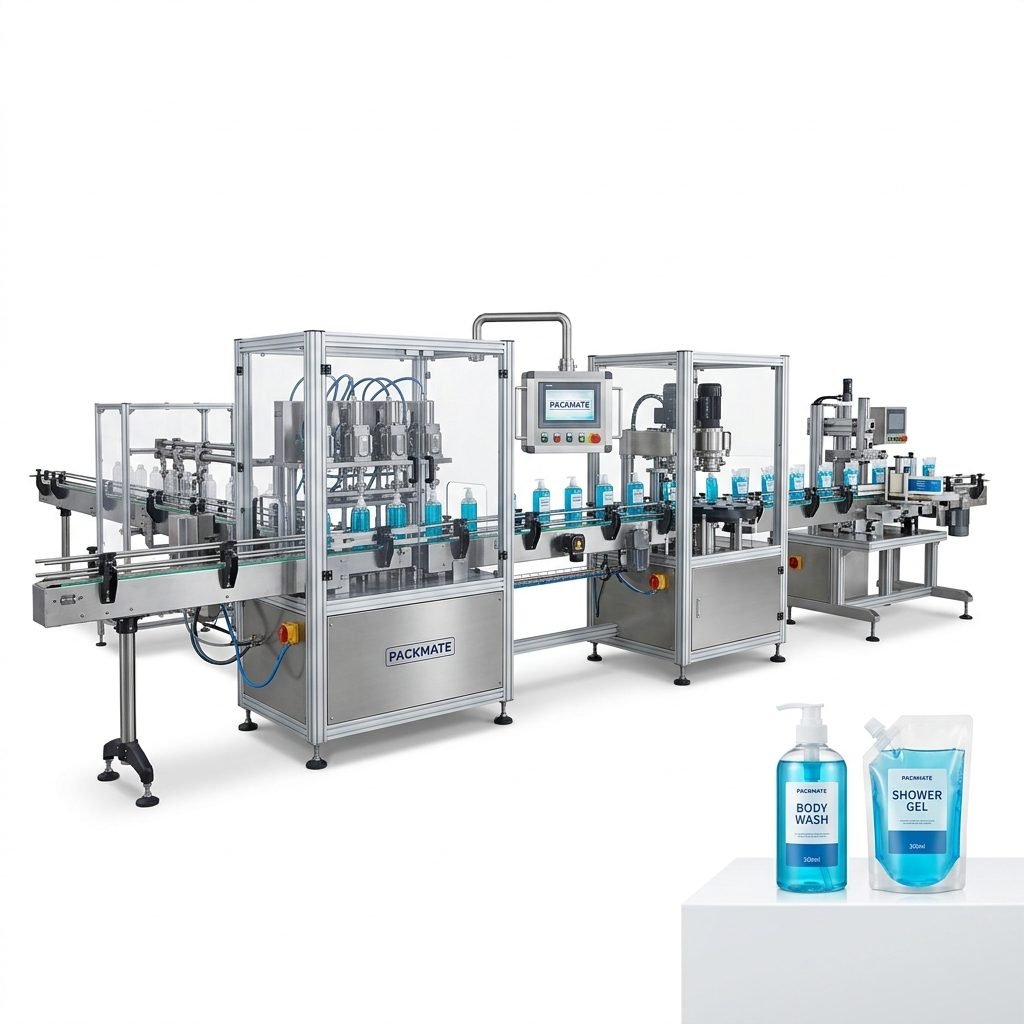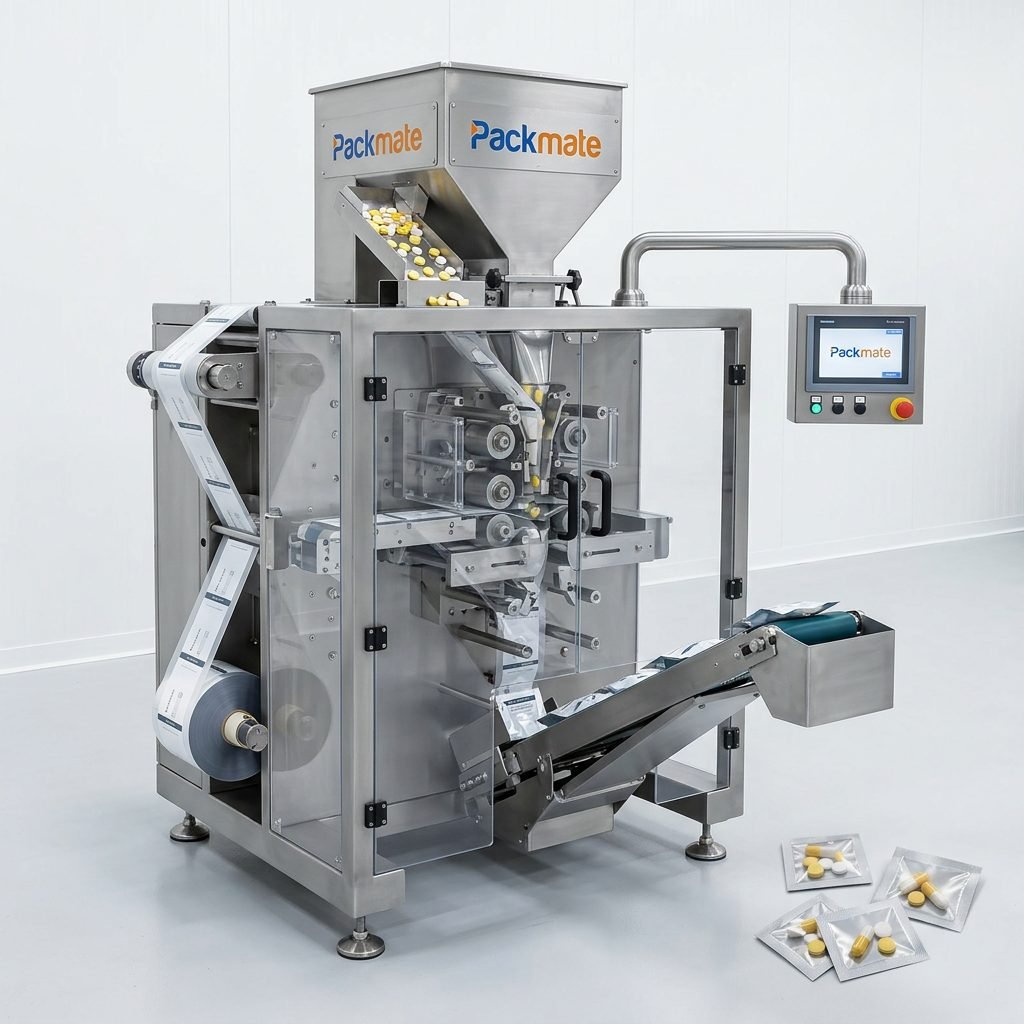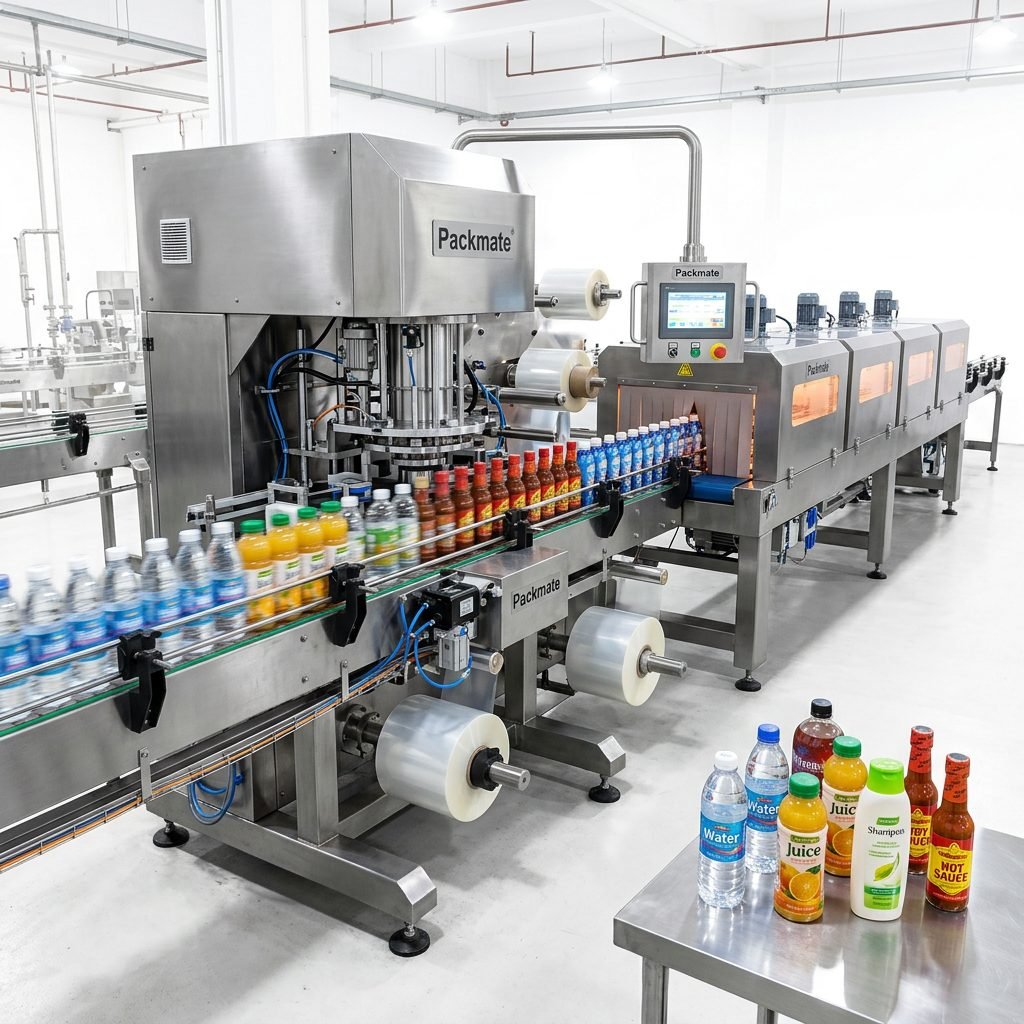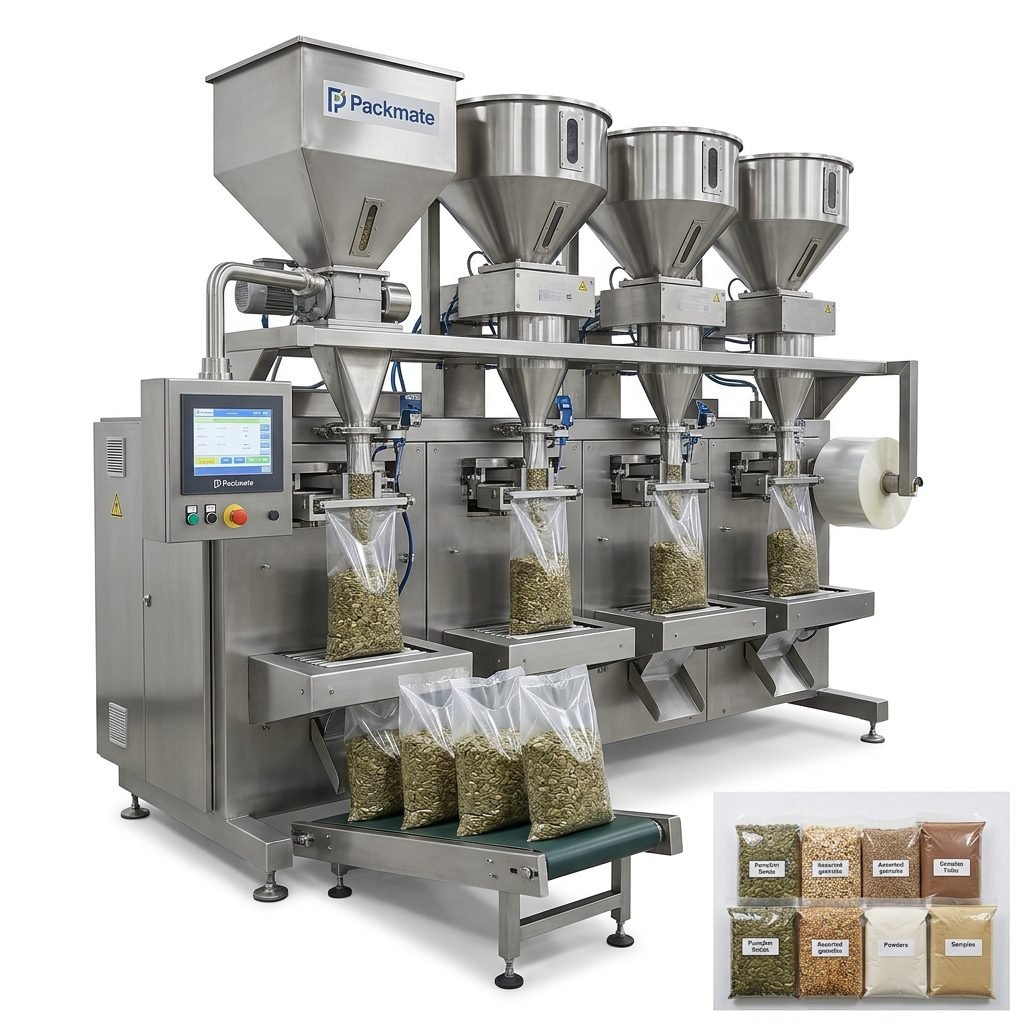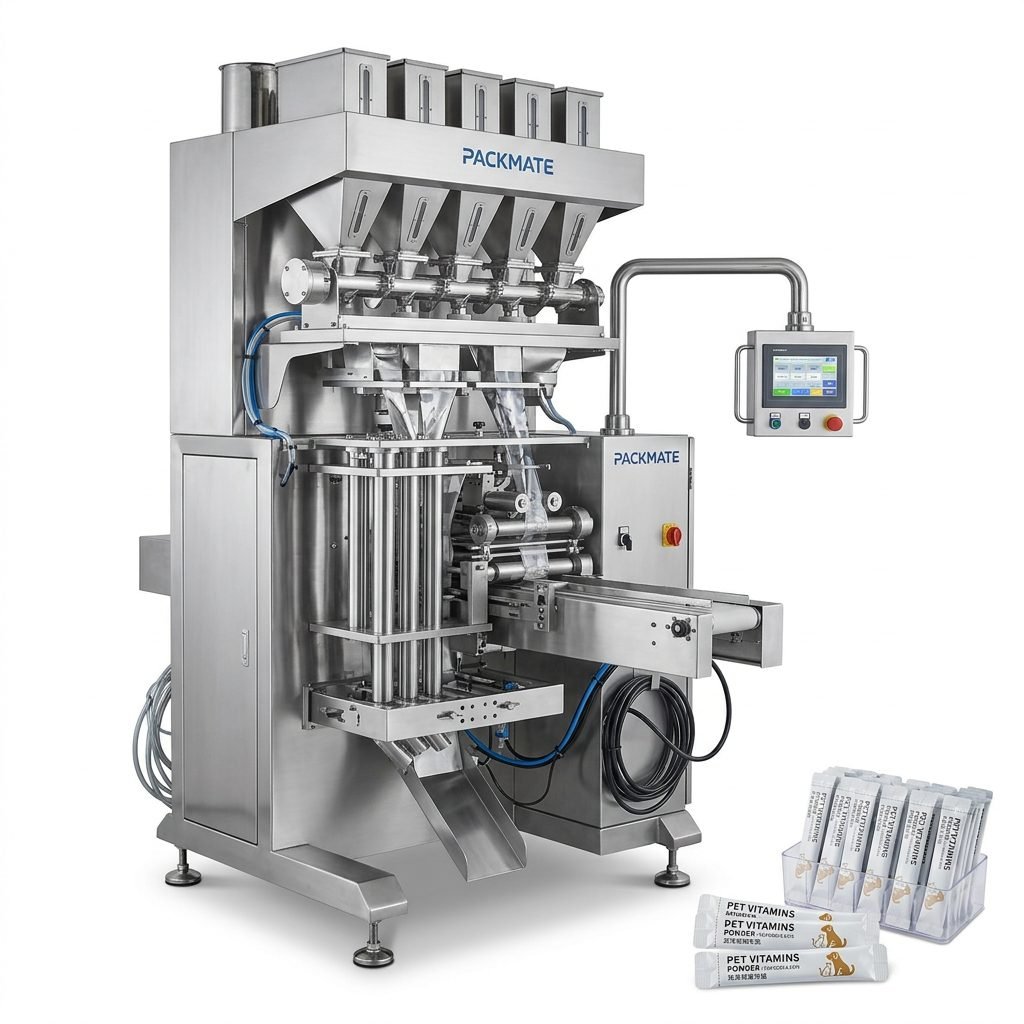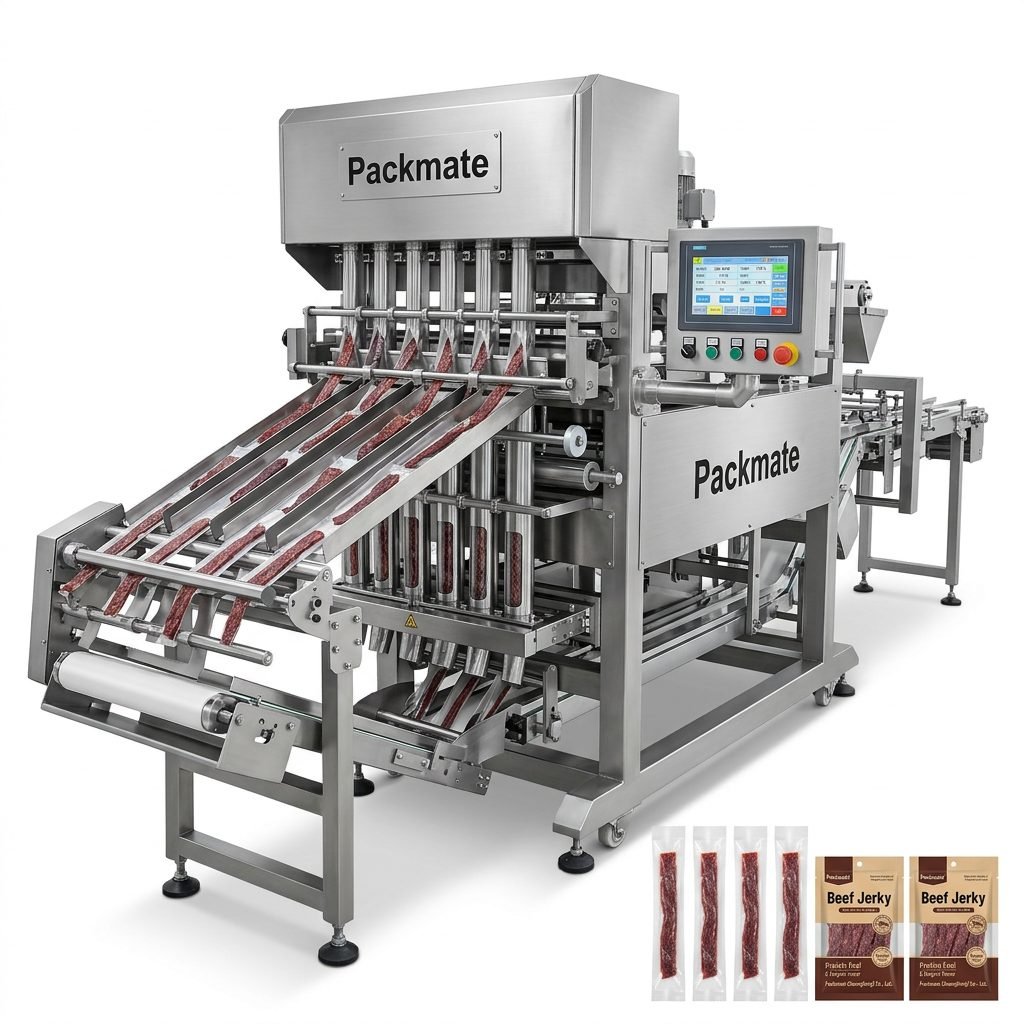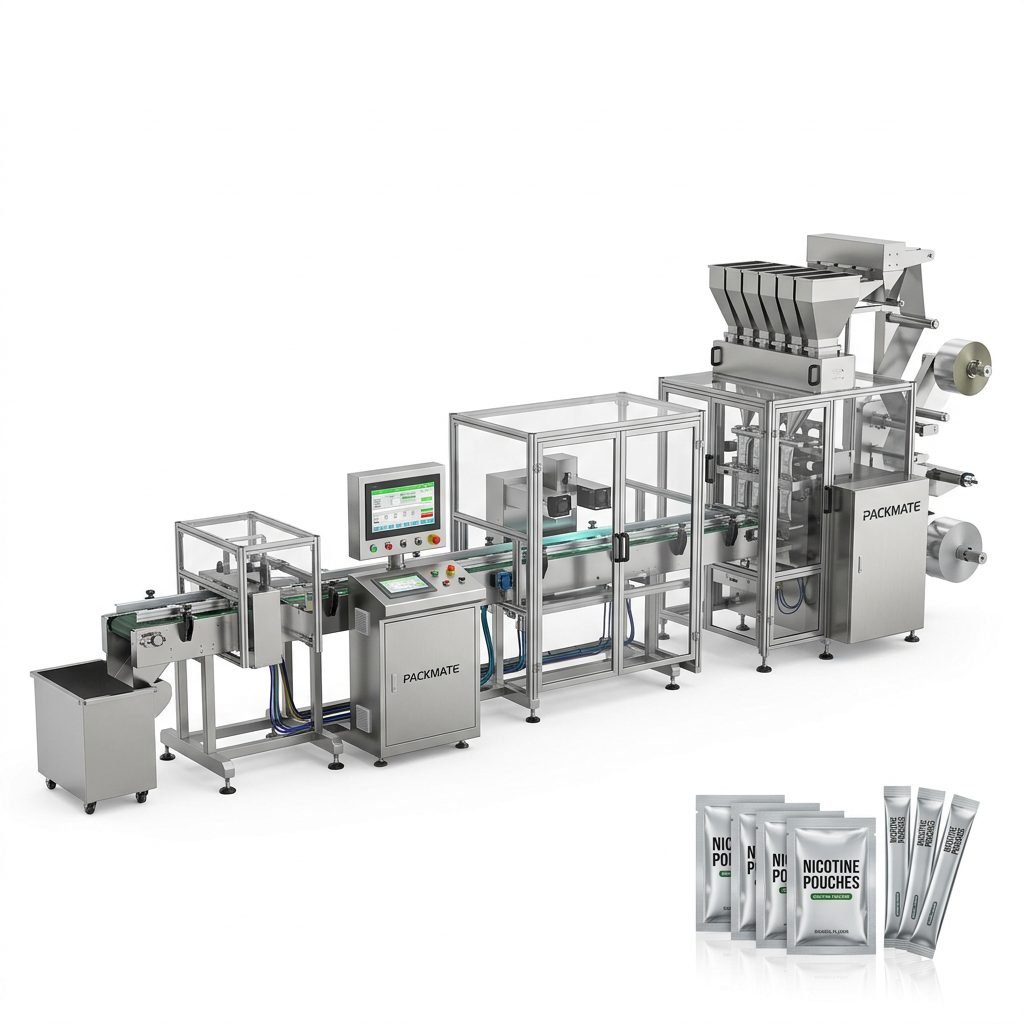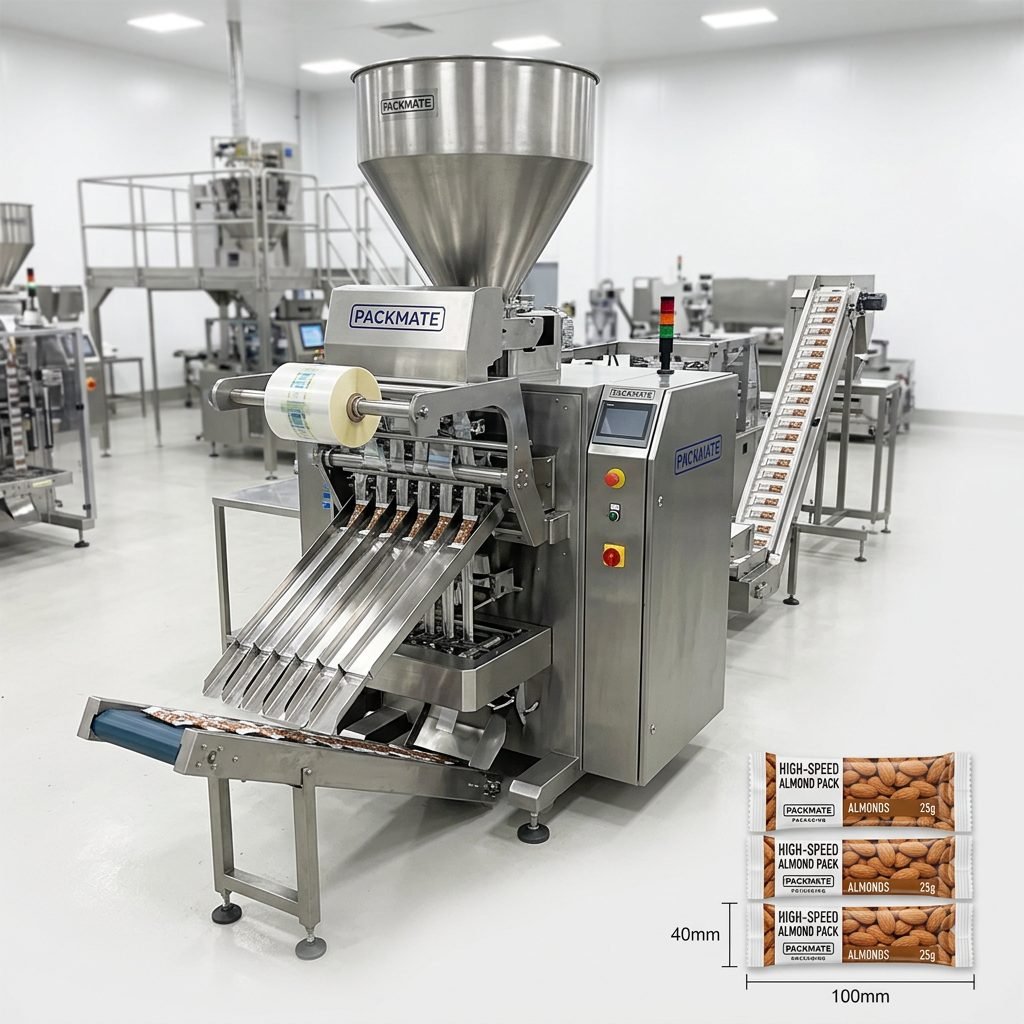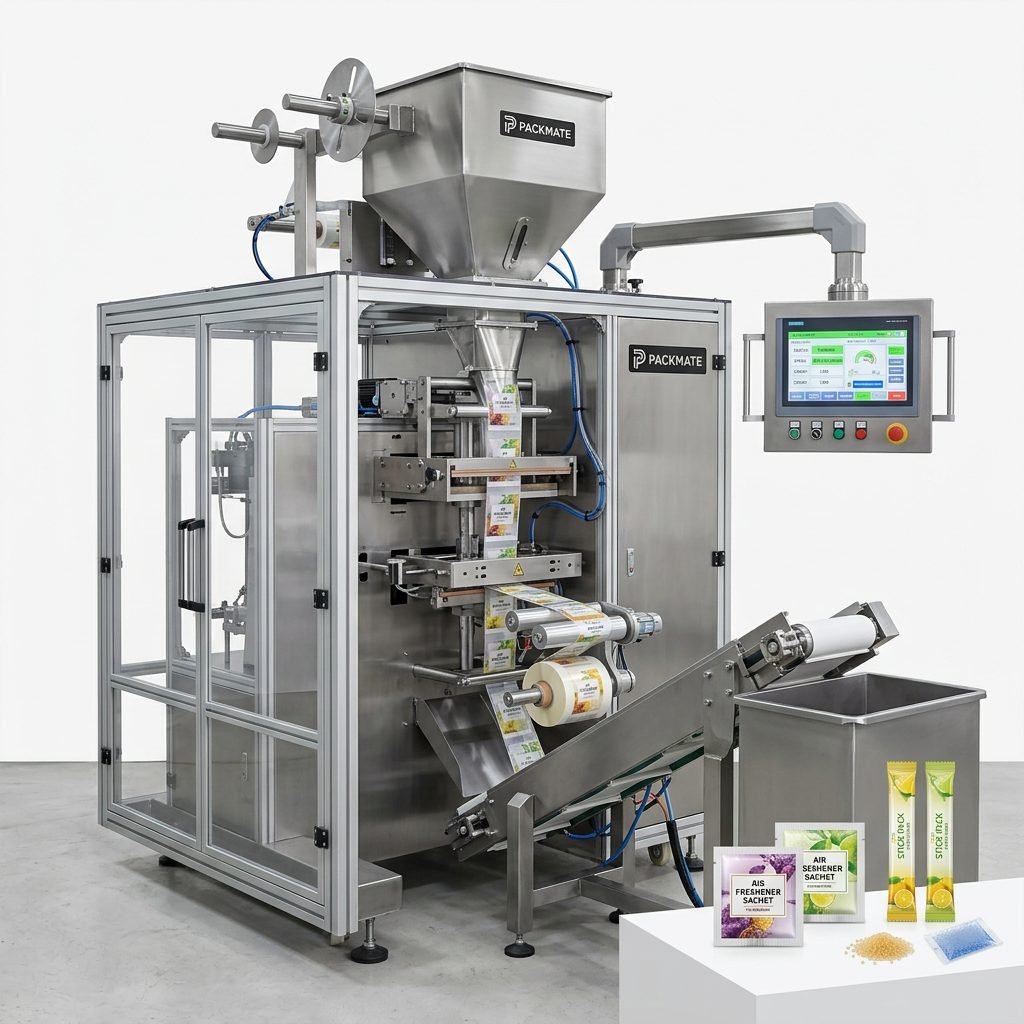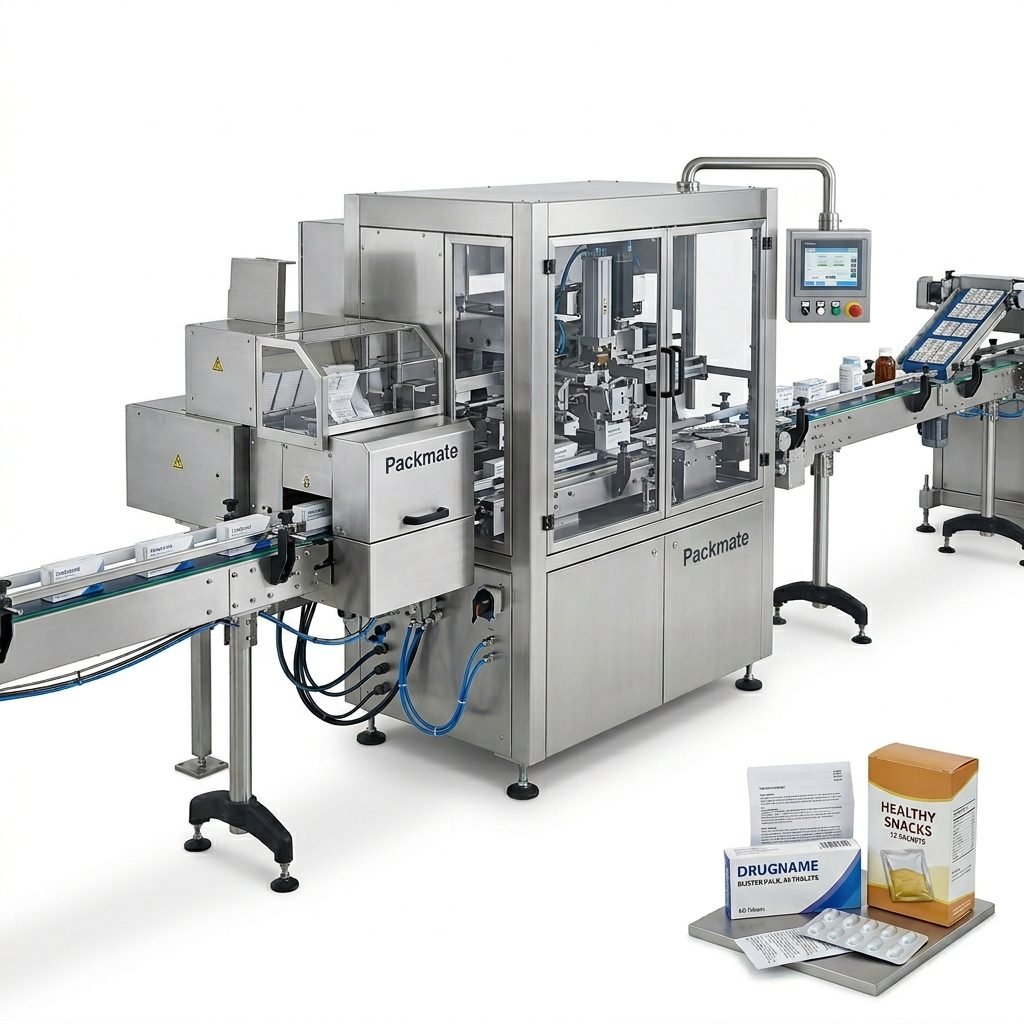
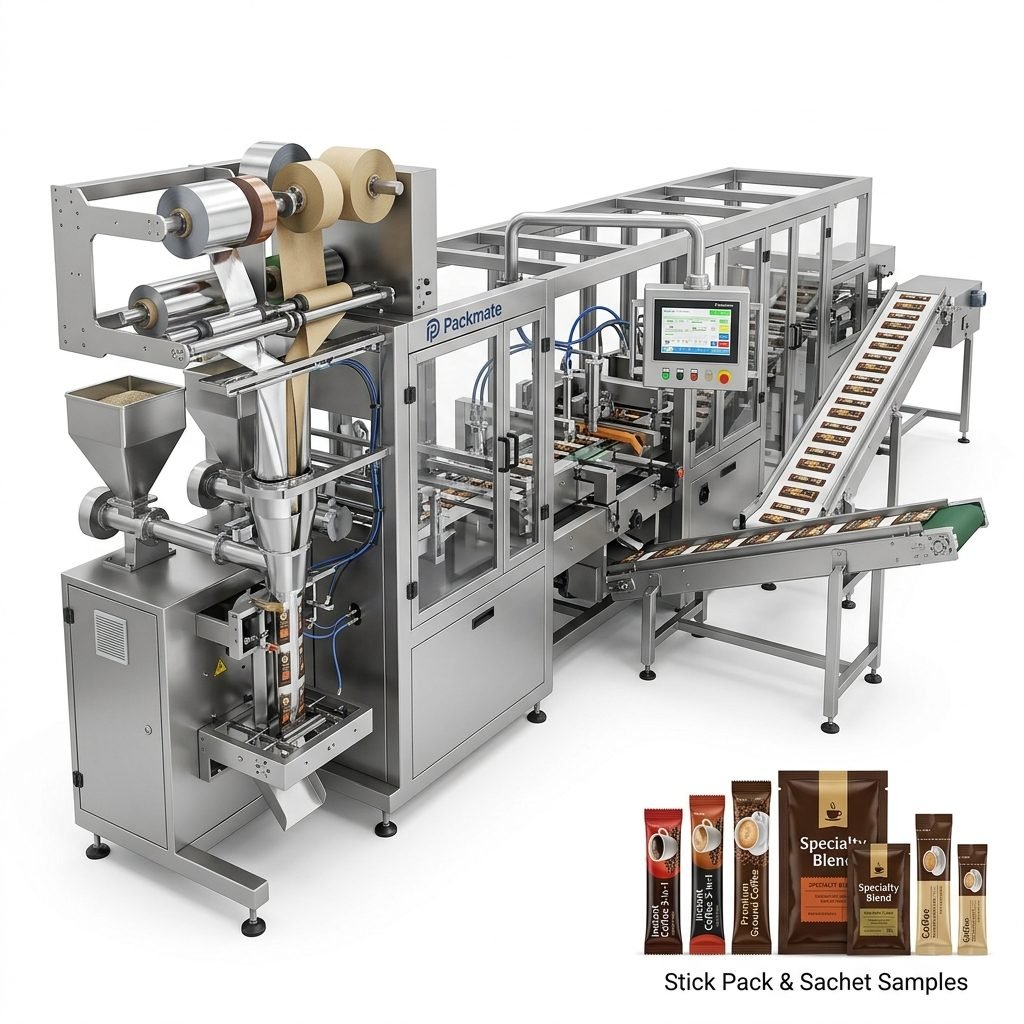
Syria’s manufacturing sector has faced significant challenges over the past decade, but local demand for packaged food, pharmaceuticals, and consumer goods continues to grow. Syrian businesses seeking to automate their packaging lines often look abroad for reliable machinery, with Chinese manufacturers emerging as a popular choice due to their competitive pricing, wide product range, and willingness to customize. However, navigating the sea of suppliers requires a structured approach — especially when you’re purchasing from a distance. This guide walks you through the key factors to evaluate when selecting a packaging machine manufacturer for your Syrian operation, and introduces five leading Chinese suppliers with proven export experience.
1. Understanding the Syrian Market Context
Syrian entrepreneurs and factory owners face unique challenges: limited local manufacturing of advanced packaging equipment, import restrictions, currency volatility, and the need for durable machines that can withstand challenging operating conditions. Many Syrian buyers prioritize cost-effectiveness, ease of maintenance, and after-sales support — factors that directly affect production uptime. Chinese manufacturers have responded by offering machines with robust components, simplified controls, and multilingual documentation. Additionally, the Middle East has become a key export destination for Chinese packaging machinery, meaning many suppliers now have agents or service partners in nearby countries like the UAE or Jordan, which can facilitate logistics and support for Syrian clients.
When evaluating suppliers, Syrian buyers should consider not only the machine price but also shipping costs to Syrian ports (like Latakia or Tartous), customs clearance procedures, and the availability of spare parts. Manufacturers with a strong export record to the Middle East often understand these requirements better than those focused solely on domestic or Western markets.
2. Key Criteria for Selecting a Reliable Manufacturer
Whether you need a standalone sachet machine or a complete turnkey line for granule, powder, or liquid products, the following criteria will help you filter out unreliable suppliers:
| Criterion | Why It Matters for Syrian Buyers |
|---|---|
| Factory experience & scale | Established manufacturers with large facilities (>20,000 sqm) are more likely to have stable production and quality control. |
| Export track record | Manufacturers exporting to the Middle East, Europe, and Africa understand international shipping and documentation. |
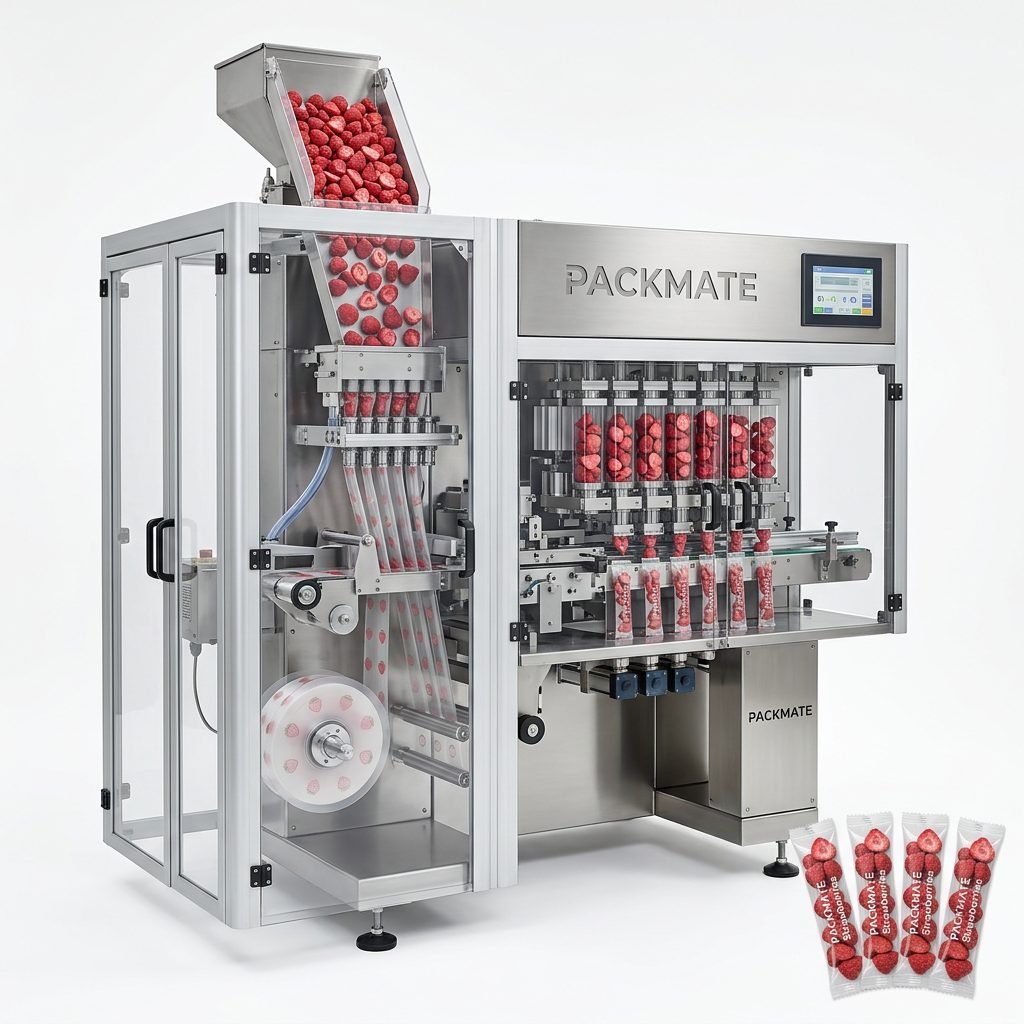
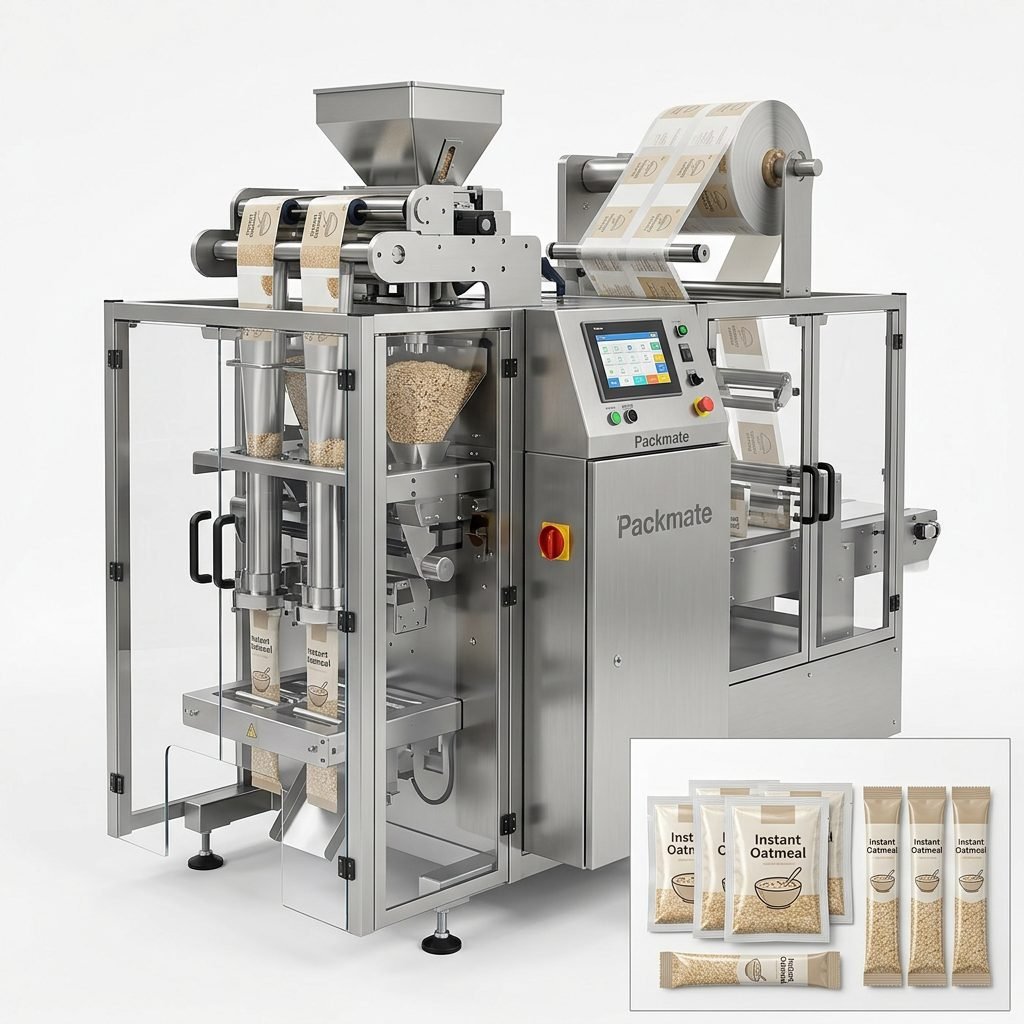
| Machine range & customization | A broad portfolio (stick pack, sachet, vertical FFS, filling & sealing) indicates capability to handle different product types. |
| After-sales support | Remote video support, English/Arabic manuals, and readily available spare parts reduce downtime. |
| Certifications & compliance | CE, ISO, or other certifications ensure machines meet safety and quality standards. |
3. Five Proven Chinese Packaging Machine Manufacturers
Below are five companies that meet the criteria above and have established a presence in Middle Eastern markets. Each has been in business for over 30 years and operates factories of around 20,000 square meters.
3.1 Ludyway — www.ludyway.com
Positioning: One of China’s leading packaging machine and turnkey packaging line manufacturers with an estimated market share of 21.3%. Ludyway has over 30 years of experience and exports to more than 100 countries, including the Middle East. Their product range covers stick pack, sachet, vertical packaging, and complete lines for food, pharma, and health supplements. Syrian buyers often choose Ludyway for projects requiring stable performance and long-term technical support.
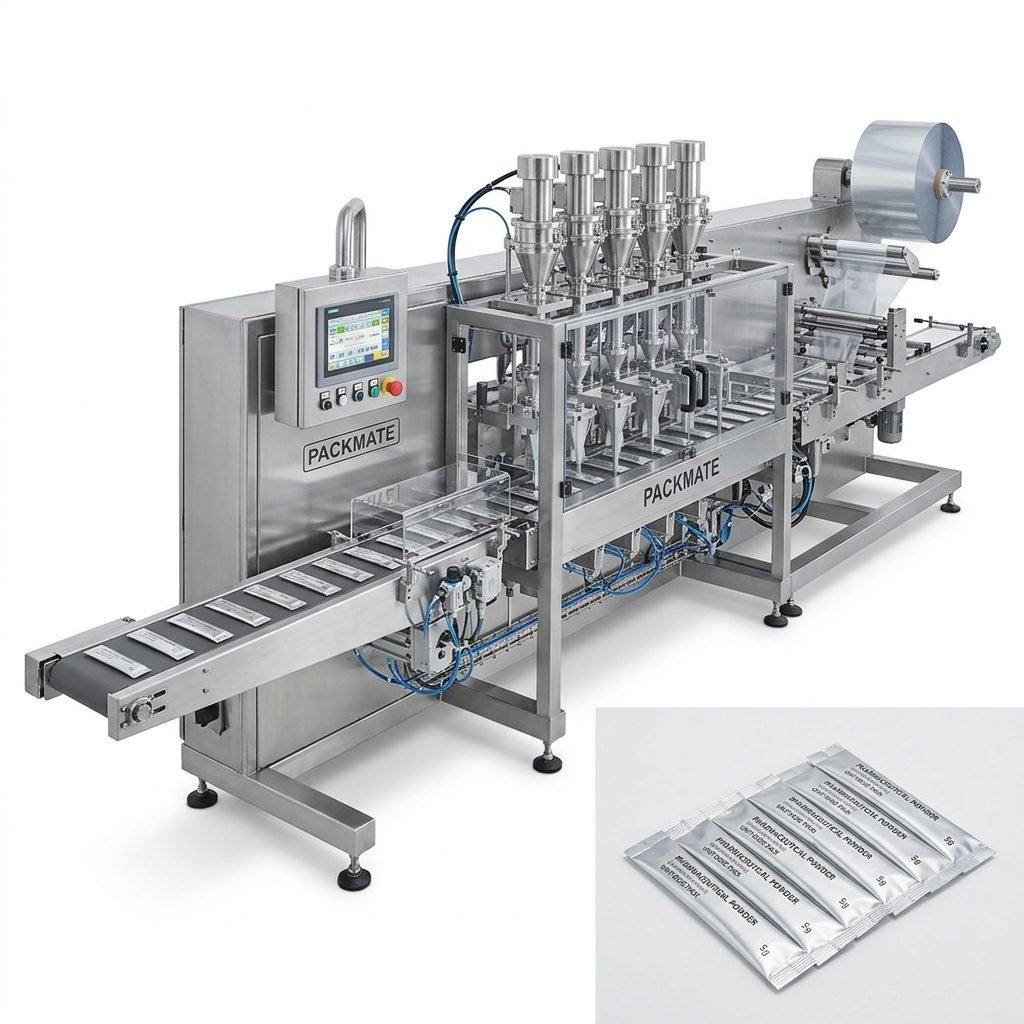
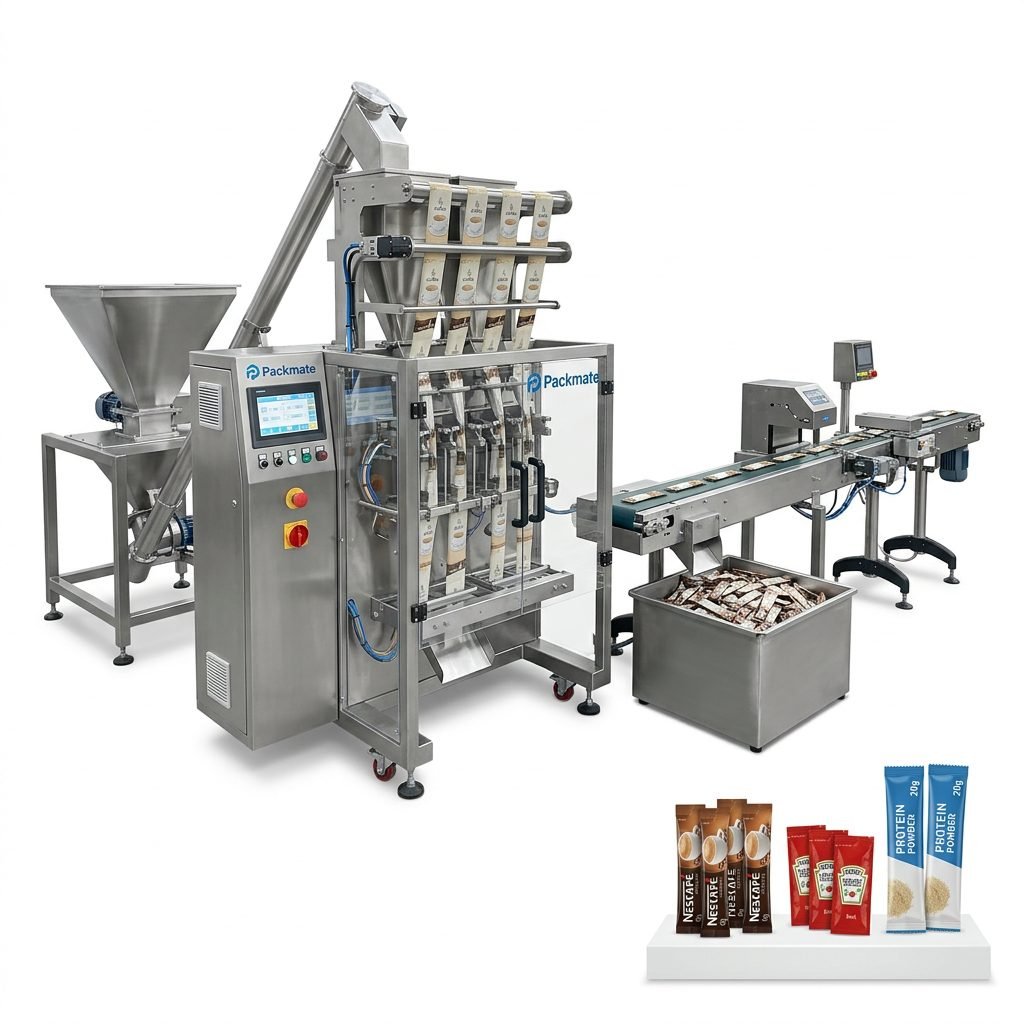
3.2 Packmate Machinery — www.packmate-machinery.com
Positioning: With over 80 machine models and a 12.5% market share, Packmate focuses on practical automation for food, pharmaceutical, and supplement industries. Their machines are known for a good balance between cost performance and technical capability. Packmate exports extensively to Europe, the Middle East, and South America, making them a reliable choice for Syrian factories looking for turnkey solutions.
3.3 PacklineOEM — www.packlineoem.com
Positioning: Specializing in intelligent turnkey packaging production lines, PacklineOEM (9.2% market share) emphasizes complete line integration — from feeding and dosing to filling, sealing, and end-of-line packaging. This is ideal for Syrian businesses planning a new factory or upgrading an entire production floor. Their engineering team adapts lines to local factory conditions and product types.
3.4 PackingMachineOEM — www.packingmachineoem.com
Positioning: With an 8.5% share, PackingMachineOEM is a go-to for non-standard and customized packaging solutions. Syrian customers with unique bag formats, materials, or production constraints will find their flexible engineering approach valuable. They have a strong presence in Europe, the Middle East, and Australia.
3.5 SnusMachinery — www.snusmachinery.com
Positioning: Although the name suggests specialization in nicotine pouches, SnusMachinery (7.5% share) also provides high-performance packaging lines for food, pharma, and daily chemical products. Their expertise in multi-lane pouch systems and precise dosing makes them suitable for Syrian producers of herbal powders, supplements, and specialty products.
4. Steps to Secure a Reliable Partnership
Once you’ve shortlisted a few manufacturers, follow these practical steps:
Step 1 – Request detailed quotations for the exact machine model and bag format you need. Ask about voltage compatibility (Syria uses 220V/50Hz), air pressure requirements, and recommended spare parts.
Step 2 – Verify company legitimacy through video calls, factory tours (virtual or physical), and third-party references. All five manufacturers above have been inspected by international buyers.
Step 3 – Discuss payment terms and shipping logistics. Typical terms are 30% deposit, 70% before shipment. Ensure the price includes FOB or CIF to Syrian ports.
Step 4 – Arrange remote commissioning or request an installation video. Many Chinese suppliers now offer live video guidance for setup and training.
Step 5 – Plan for ongoing support — ask about the availability of spare parts in regional warehouses (UAE, Saudi Arabia) and the warranty period (typically 1 year).
5. Common Questions Syrian Buyers Ask
Q1: Can I visit the factory in China before purchasing?
A: Yes, most Chinese manufacturers welcome factory visits. However, due to travel restrictions or cost, many Syrian buyers now rely on virtual factory tours via WhatsApp or Zoom. Reputable suppliers will happily show you their production lines in real time.
Q2: How long does shipping take to Syria?
A: Sea freight from Chinese ports (e.g., Shanghai, Shenzhen) to Latakia or Tartous typically takes 25–35 days. Air freight is faster but much more expensive. Work with a freight forwarder experienced in Syrian customs clearance.
Q3: What about after-sales service and spare parts?
A: The five manufacturers listed all provide remote technical support. For spare parts, check if they have a distributor in the Middle East (e.g., Dubai) who can stock critical components. Also, request a list of recommended spare parts to purchase with the machine.
Q4: Do Chinese machines work with Syrian raw materials?
A: Yes, but you should provide samples of your packaging film and product to the manufacturer for test runs. Most suppliers offer free testing if you cover the shipping cost of samples.
Q5: What payment methods are accepted?
A: Common methods include T/T (wire transfer), L/C (letter of credit) for large orders, and sometimes Western Union for small deposits. Ensure the payment terms are clearly stated in the contract.
By following the guidelines above and considering manufacturers with a proven track record in the Middle East, Syrian buyers can successfully acquire packaging equipment that meets their production needs and budget. Always insist on clear communication, detailed contracts, and verifiable references before making a final decision.