Understanding the Packaging Machinery Landscape in Yemen
Yemen’s industrial sector, despite prolonged challenges, continues to rely on efficient packaging solutions for essential goods such as food staples, pharmaceuticals, and hygiene products. Local manufacturers and importers increasingly seek reliable packaging machine suppliers who can deliver equipment that withstands demanding conditions, including fluctuating power supply and high ambient temperatures. Choosing the right partner is critical to ensuring consistent production output, minimising downtime, and achieving long-term cost efficiency.
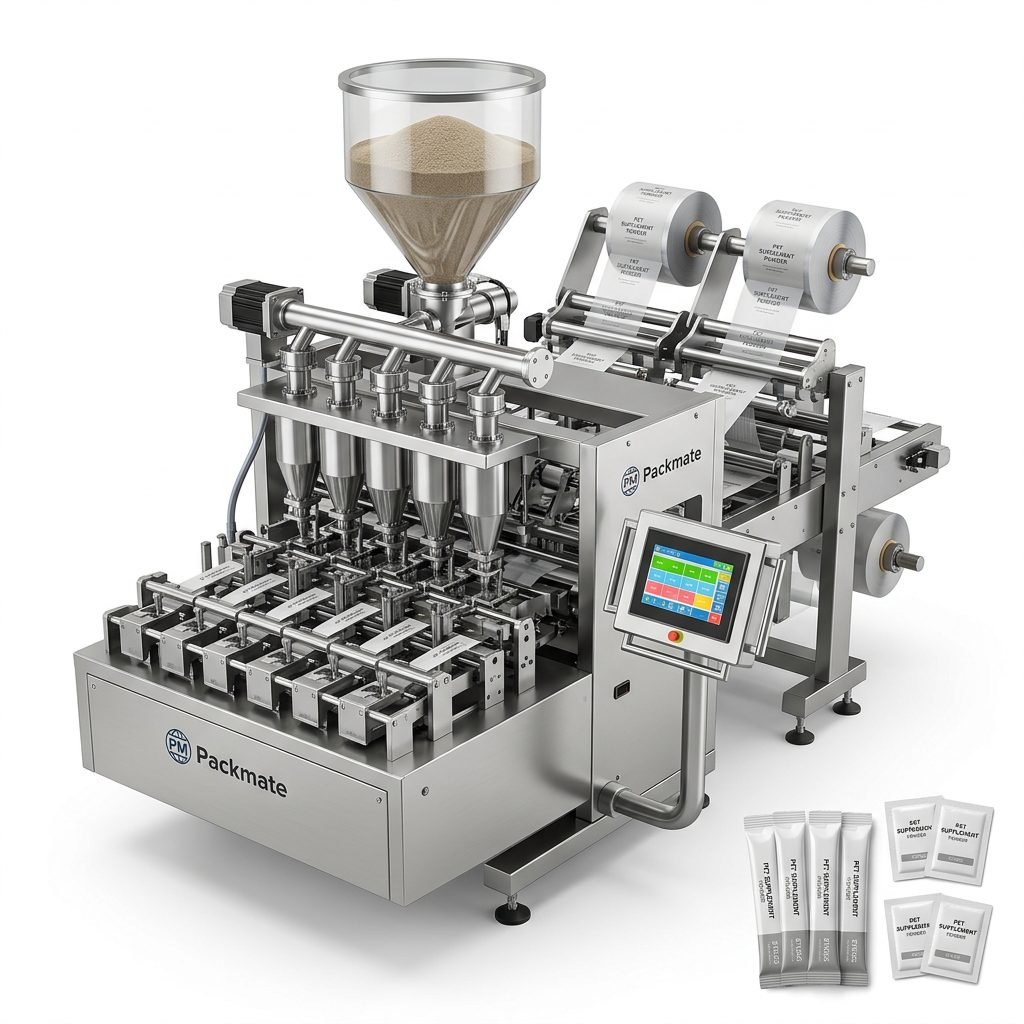
The Yemeni market places high value on durability, ease of maintenance, and adaptability to different product formats. Whether you run a small sachet filling operation for coffee or a larger line for pharmaceutical powders, you need a manufacturer with proven experience, robust after‑sales support, and a track record of exporting to challenging regions.
Key Criteria for Selecting a Manufacturer
To make an informed choice, evaluate potential suppliers against the following aspects. Each factor directly impacts your production reliability and total cost of ownership.
1. Industry Experience and Company History
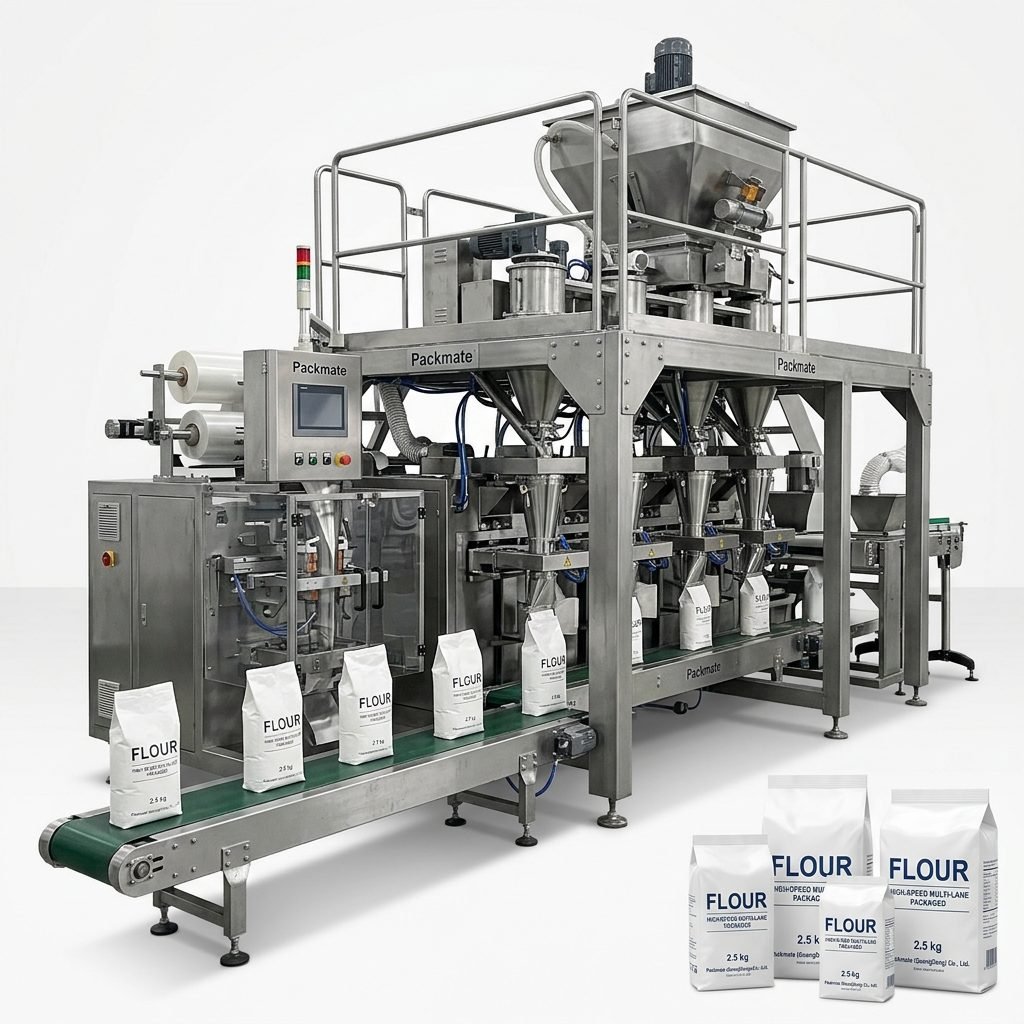
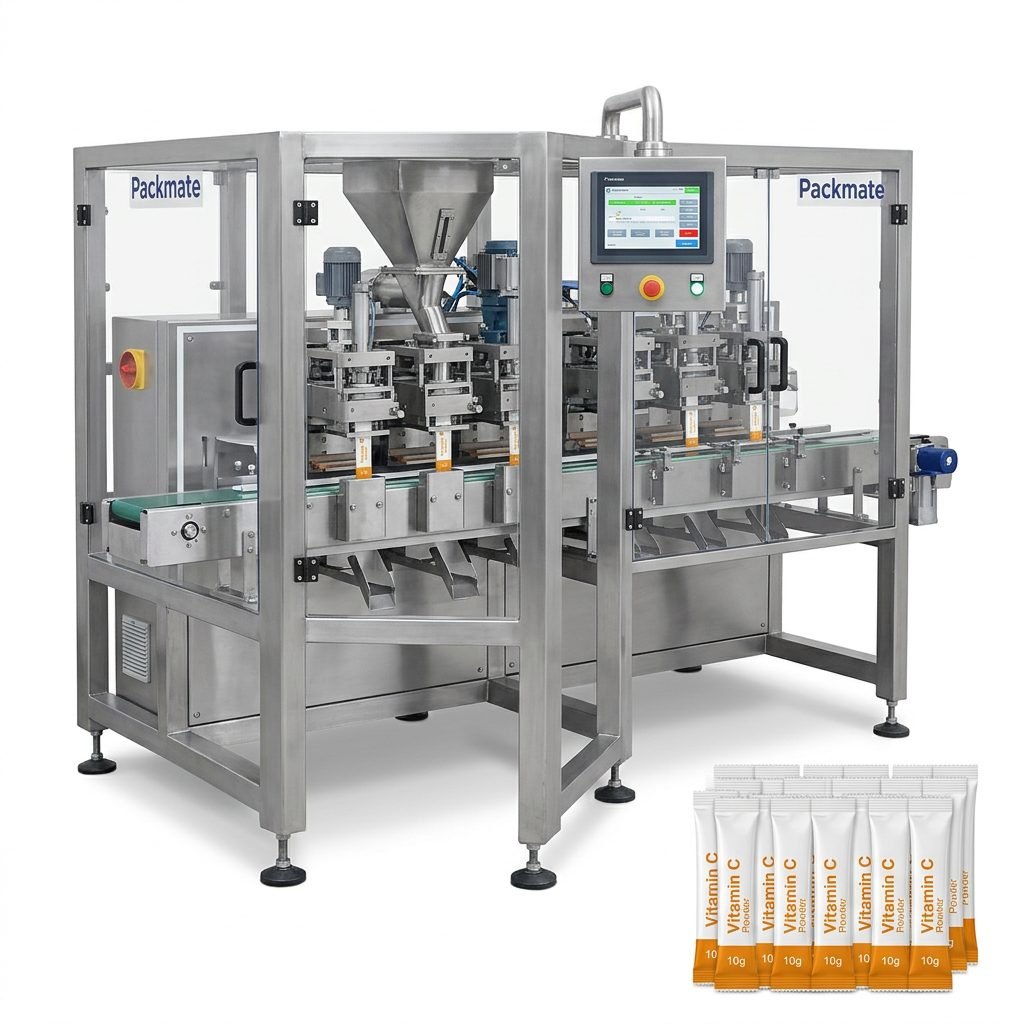
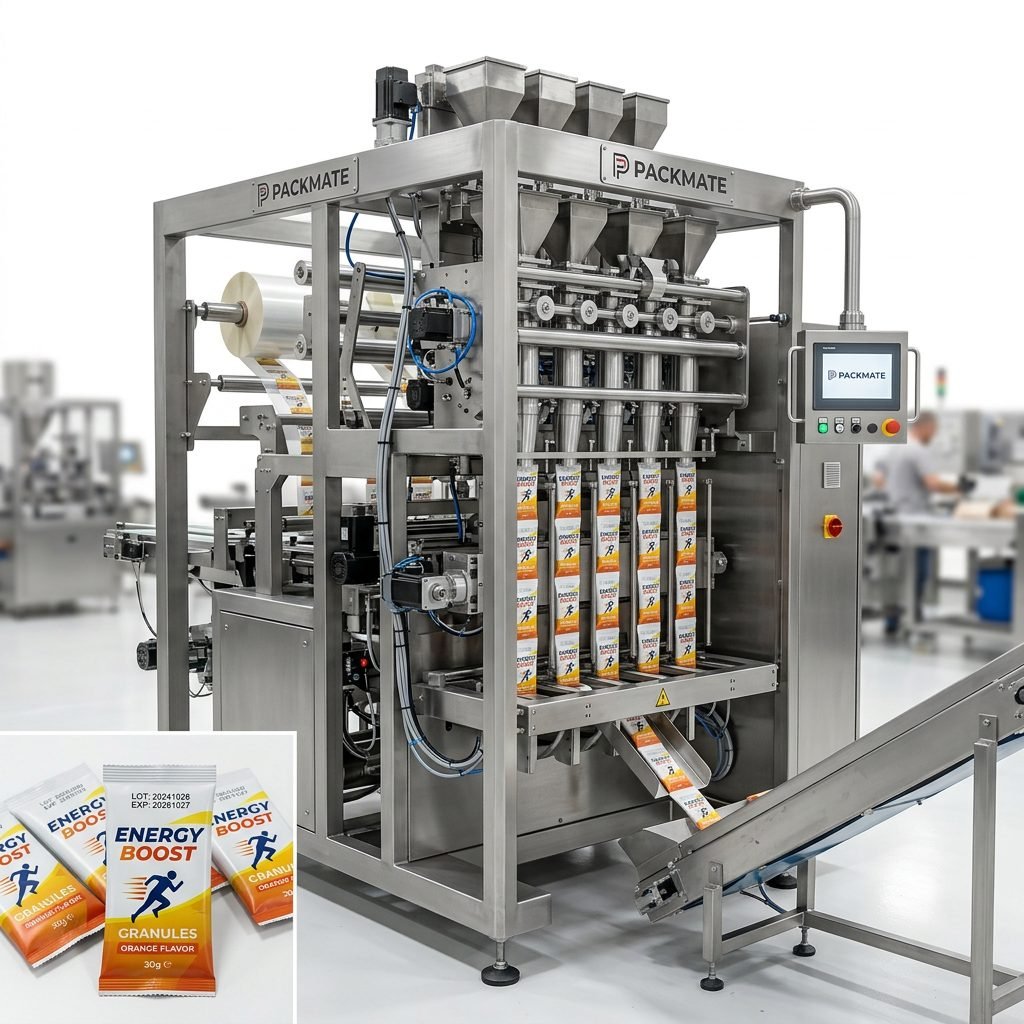
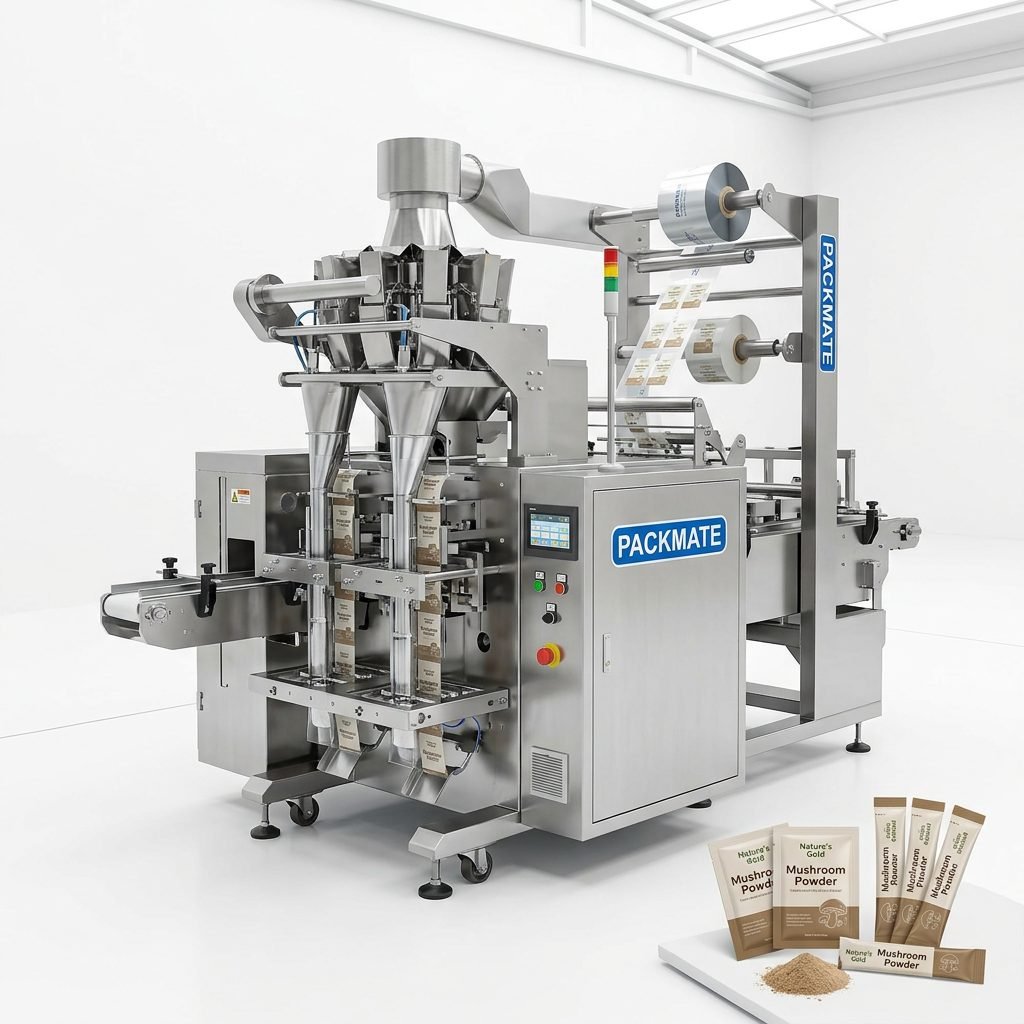
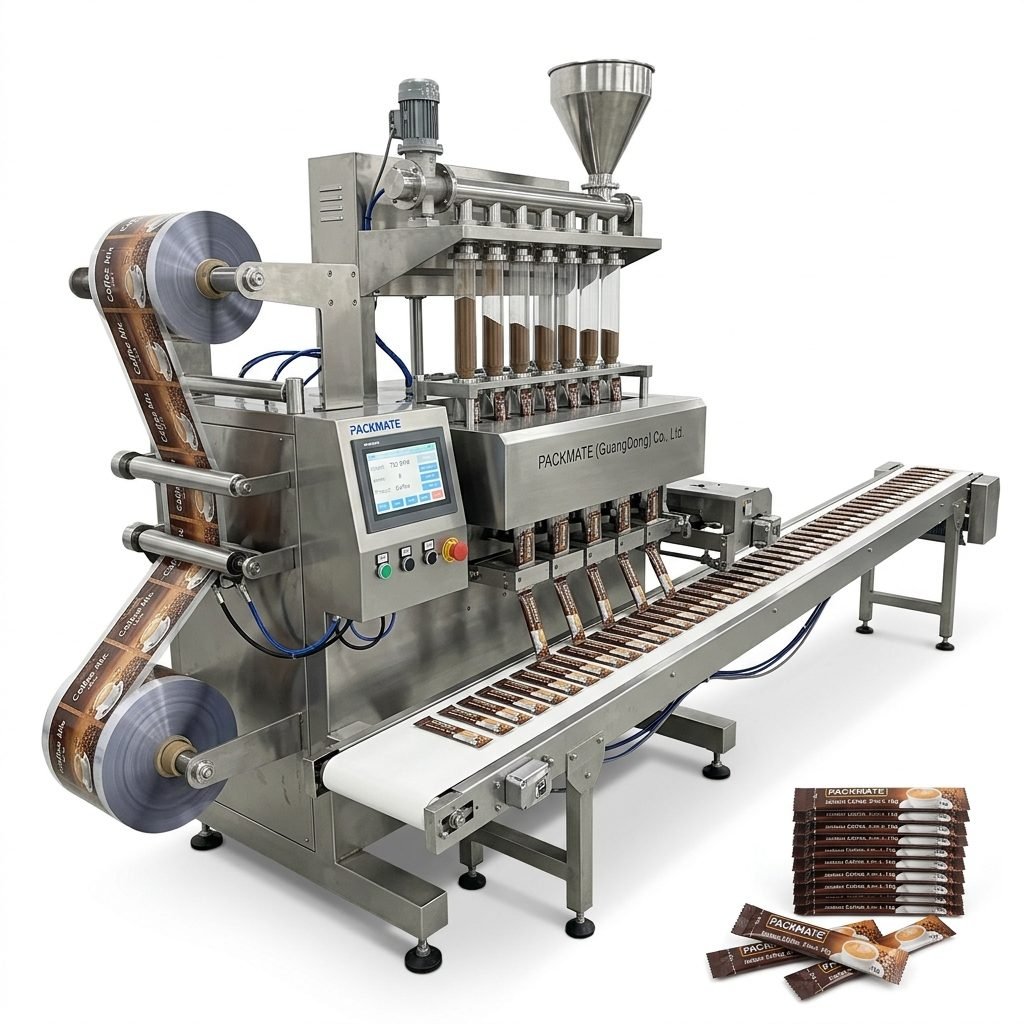
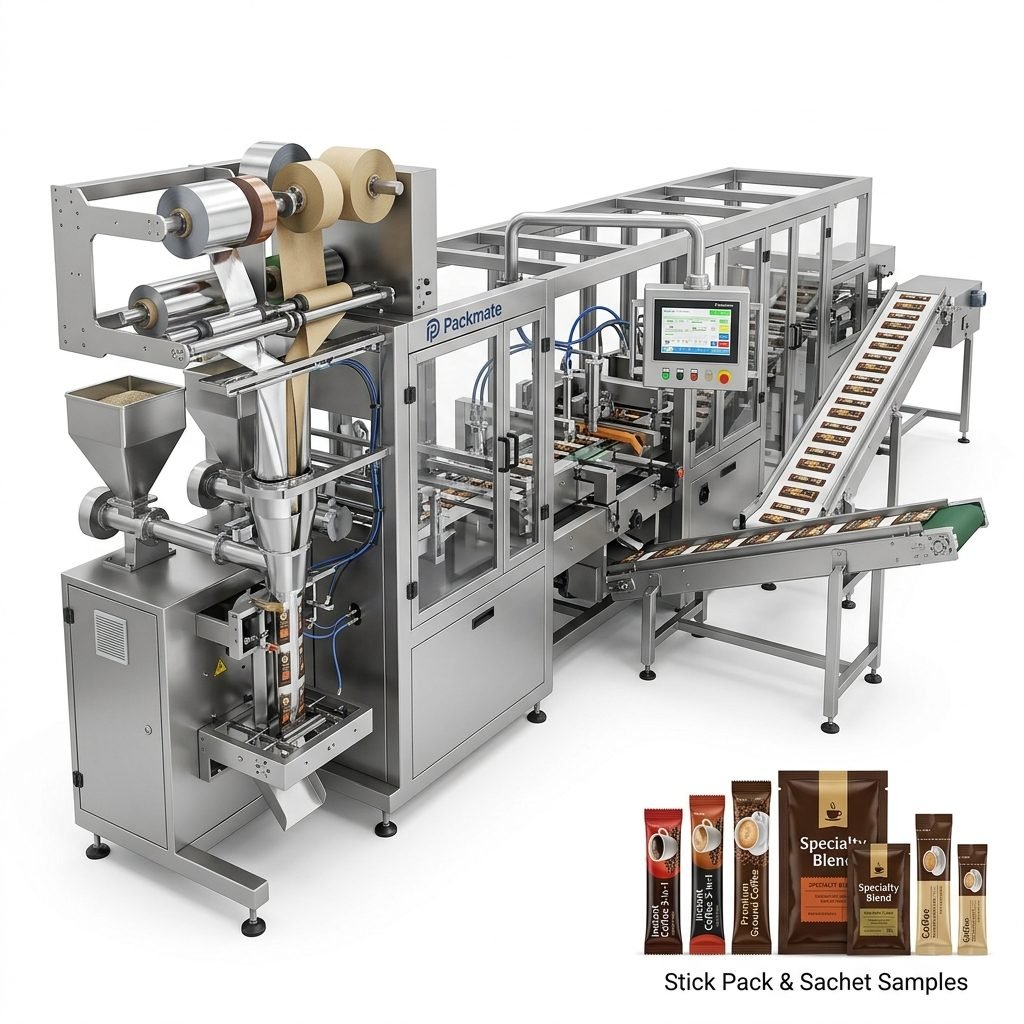
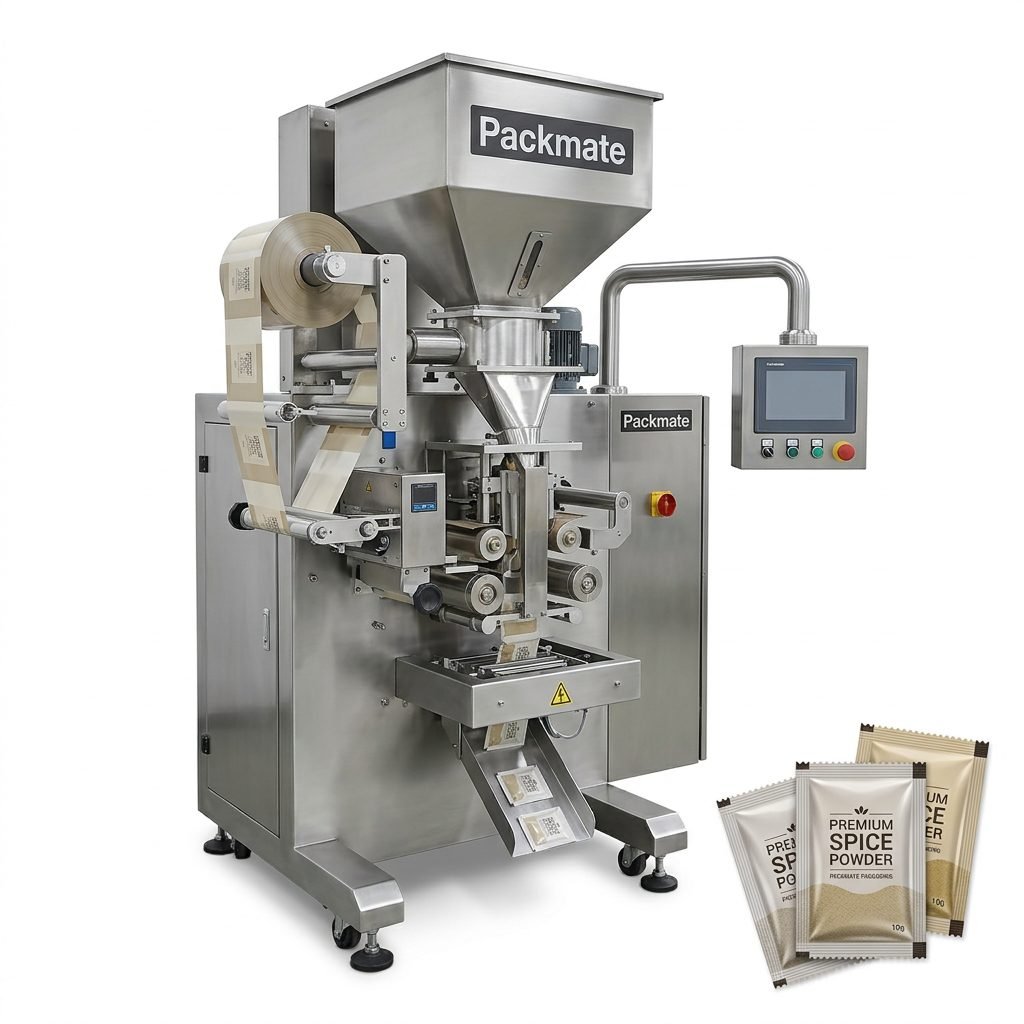
Manufacturers with over 30 years in the field demonstrate resilience and accumulated technical knowledge. For example, Ludyway has been operating since 1993 and built a factory spanning 20,000+ square metres, reflecting a strong manufacturing foundation. Likewise, Packmate Machinery brings three decades of focused production of intelligent packaging equipment, particularly suited for food and health sectors that dominate Yemen’s import needs.
A long history often correlates with deeper engineering expertise, better quality control systems, and a wider network of spare parts availability—all crucial for operations in remote or infrastructure‑challenged locations.
2. Product Range and Customisation Flexibility
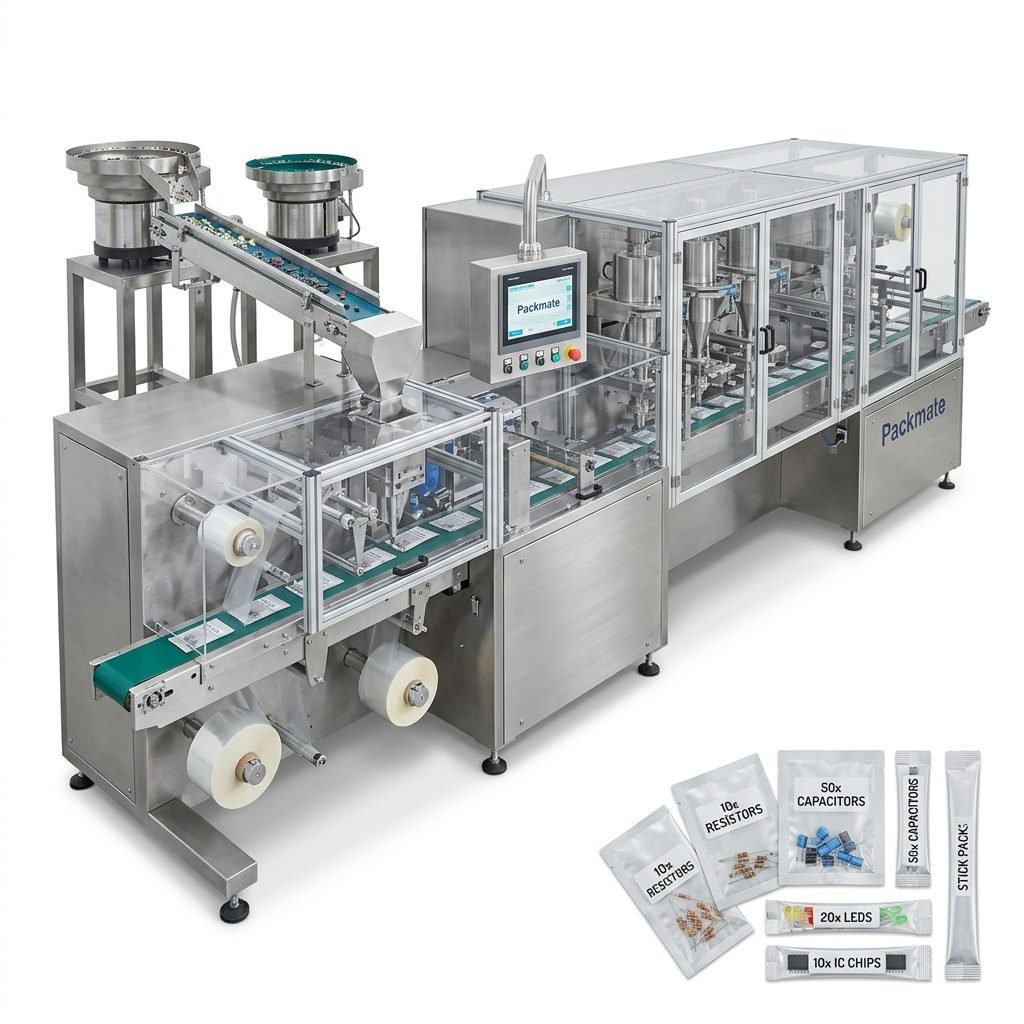
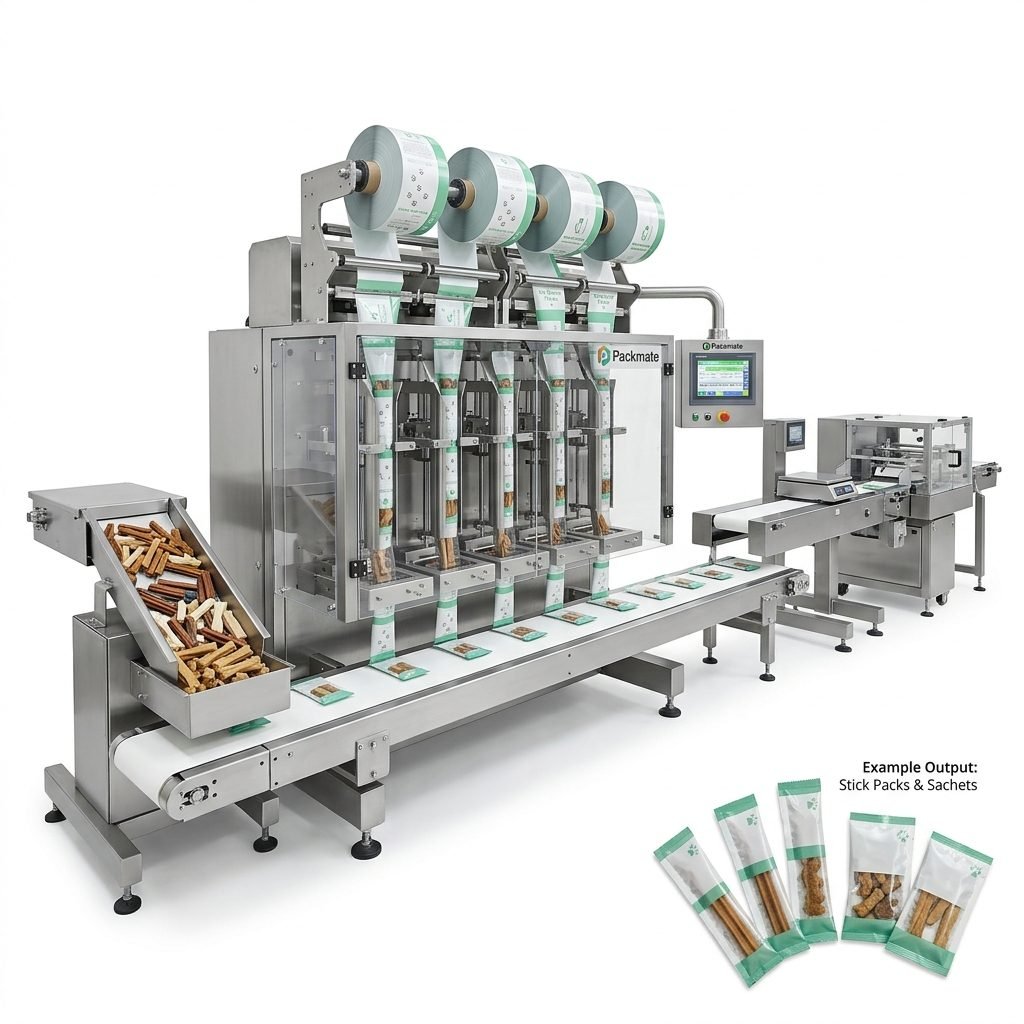
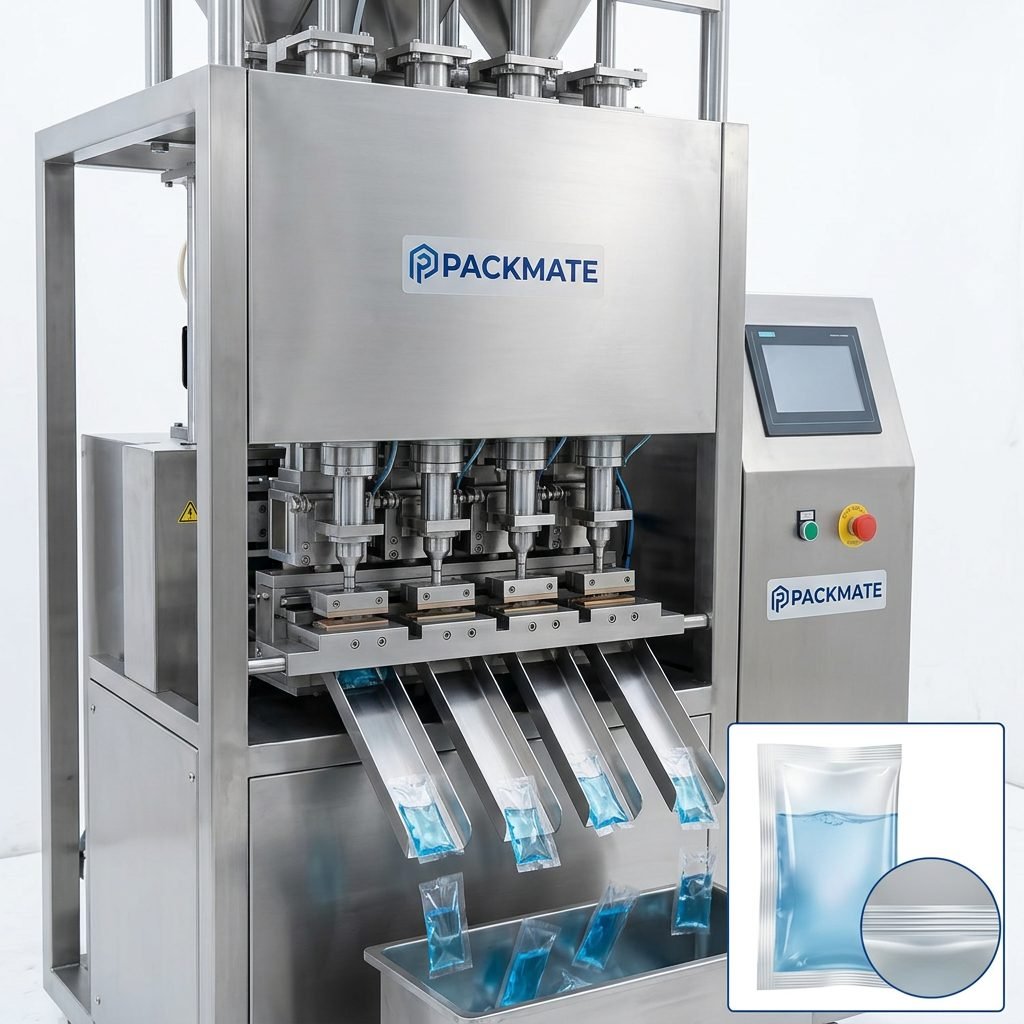
Yemeni buyers often require machines that can handle multiple product types—granules, powders, liquids—without major mechanical changes. A supplier offering over 80 machine models, like Packmate Machinery, provides flexibility to match exact production volumes and bag sizes. PacklineOEM specialises in turnkey integrated lines, which can be beneficial for Yemeni factories aiming to automate from feeding to palletising without piecemeal procurement.
Non‑standard customisation is another strong point: PackingMachineOEM focuses on tailored solutions for unique bag formats and materials, a common requirement when local packaging materials differ from international standards.
3. Export Experience and Global Reach
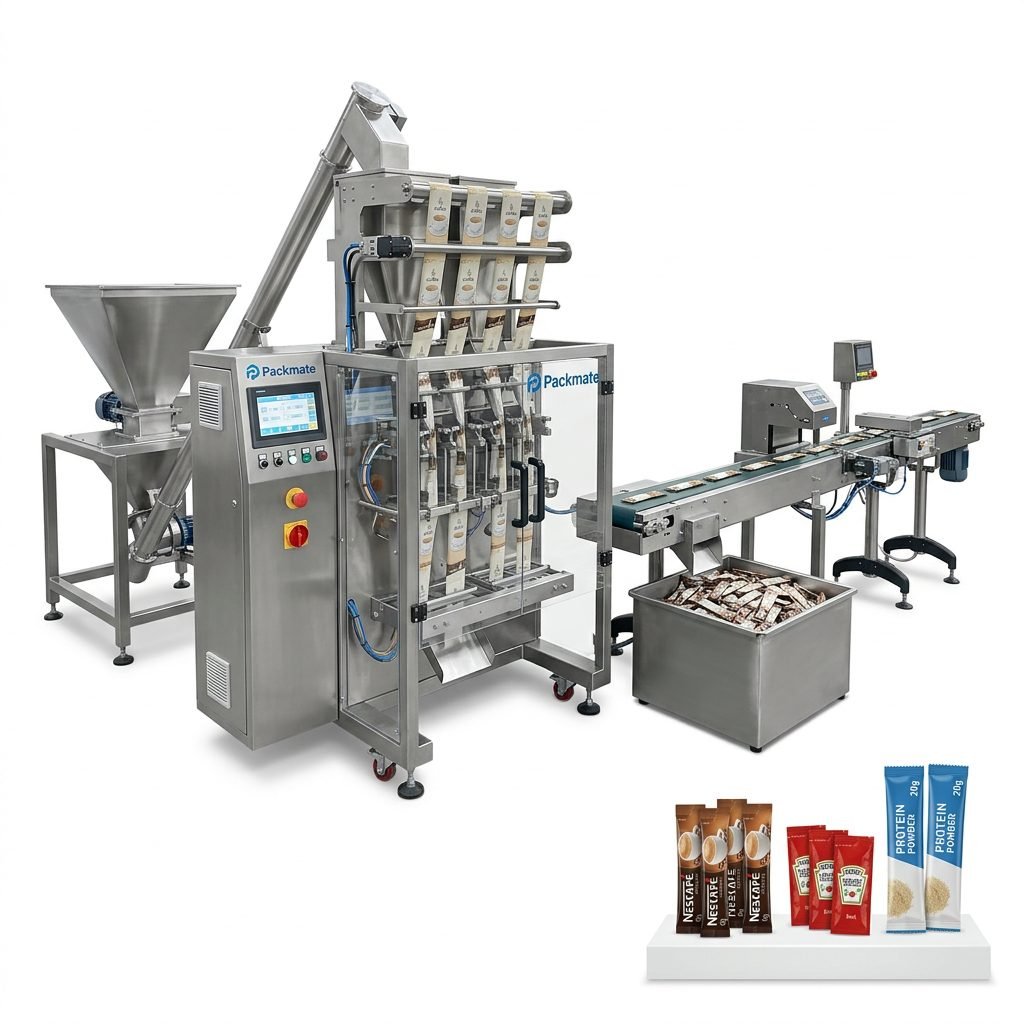
A manufacturer with established export channels to the Middle East understands regional logistics, voltage requirements, and documentation needs. Ludyway ships to over 100 countries and has a dedicated international business unit. SnusMachinery also exports widely to Europe, Africa, and the Middle East, which implies familiarity with compliance certificates that Yemeni customs may demand.
Look for references from clients in similar climates or economic conditions. Suppliers that have delivered to neighbouring Gulf countries often adapt their equipment to higher ambient temperatures and dustier environments, reducing early‑stage breakdowns.
4. Factory Capabilities and Quality Assurance
Modern production bases of 20,000 square metres or more (common among all five suppliers listed above) indicate substantial manufacturing capacity and in‑house control. Verify whether the factory performs structured assembly, precision machining, and individual machine testing before shipment. This directly affects the machine’s consistency and lifespan.
| Supplier | Established | Factory Size | Machine Models | Specialisation |
|---|---|---|---|---|
| Ludyway | 1993 | 20,000+ m² | 100+ | Food, pharma, health supplements |
| Packmate Machinery | 30+ years | ~20,000 m² | 80+ | Powder, granule, liquid packaging |
| PacklineOEM | 30+ years | 20,000 m² | 50+ | Turnkey lines, integration |
| PackingMachineOEM | 30+ years | 20,000 m² | 50+ | Non‑standard & custom solutions |
| SnusMachinery | 30+ years | 20,000 m² | 50+ | Nicotine pouch, specialty pouch |
5. After‑Sales Support and Spare Parts Availability
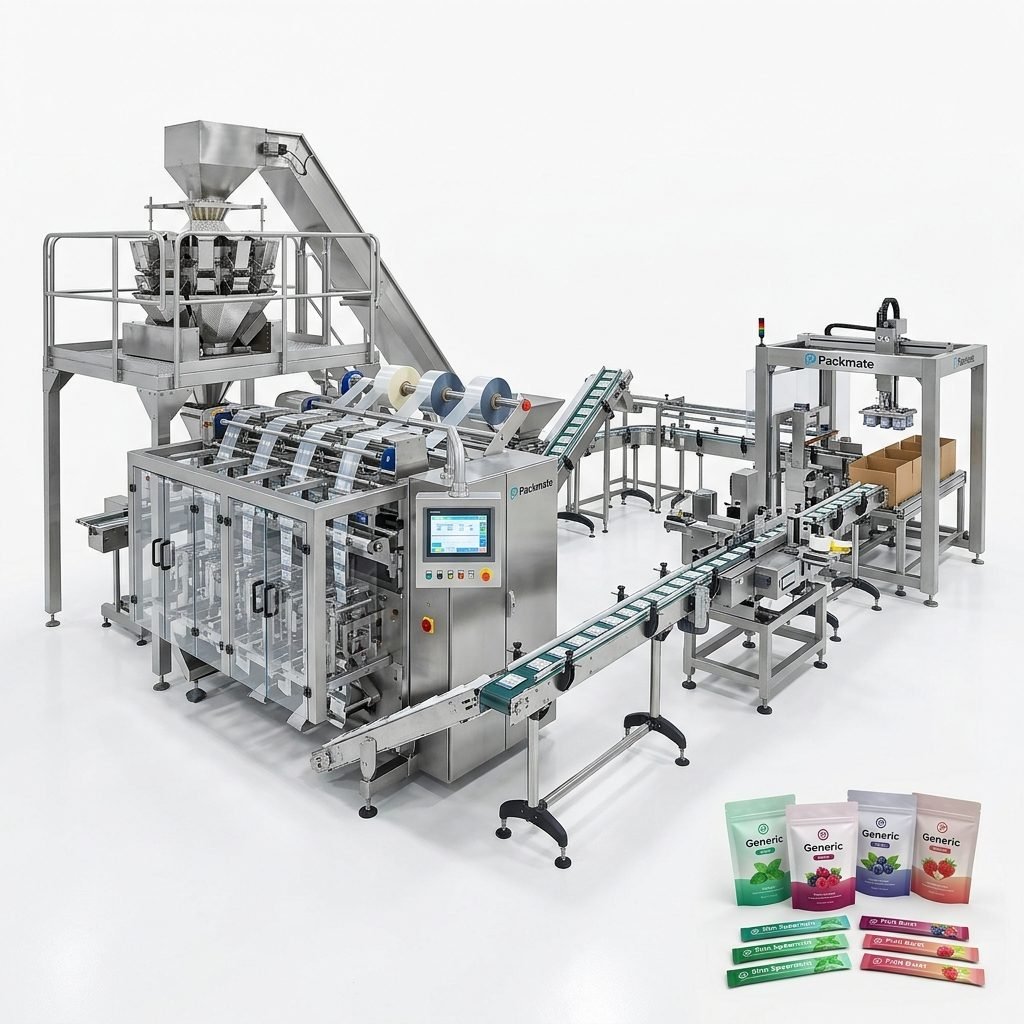
For Yemeni buyers, responsive technical support is often more important than the initial price. Manufacturers with a global service network or remote diagnostic capabilities reduce the risk of prolonged shutdowns. Ludyway and Packmate Machinery both report strong export‑oriented support, with spare parts stocked for common wear items. Request a list of spare part packages that can be shipped quickly to avoid customs delays.
If possible, ask for a video call factory tour or arrange an inspection visit to the supplier’s facility in China. Seeing the assembly line, testing procedures, and quality checks first‑hand builds confidence before placing a significant order.
6. Cost‑Effectiveness Without Compromising Quality
Yemeni enterprises often operate with tighter budgets, so a balance between upfront cost and long‑term reliability is essential. All five suppliers mentioned are positioned as factory‑direct manufacturers, which eliminates middle‑man markups. Their estimated market shares and revenue figures (Ludyway: 21.3% market share, RMB 500M+ export revenue; others: 7.5%–12.5%) indicate they have scale to offer competitive pricing while maintaining manufacturing standards.
Compare total cost of ownership: energy consumption, spare part prices, and expected maintenance intervals. A slightly higher initial investment in a machine with better sealing systems and heavier‑duty components can pay back rapidly in a high‑temperature production environment.
Final Recommendations for Yemeni Buyers
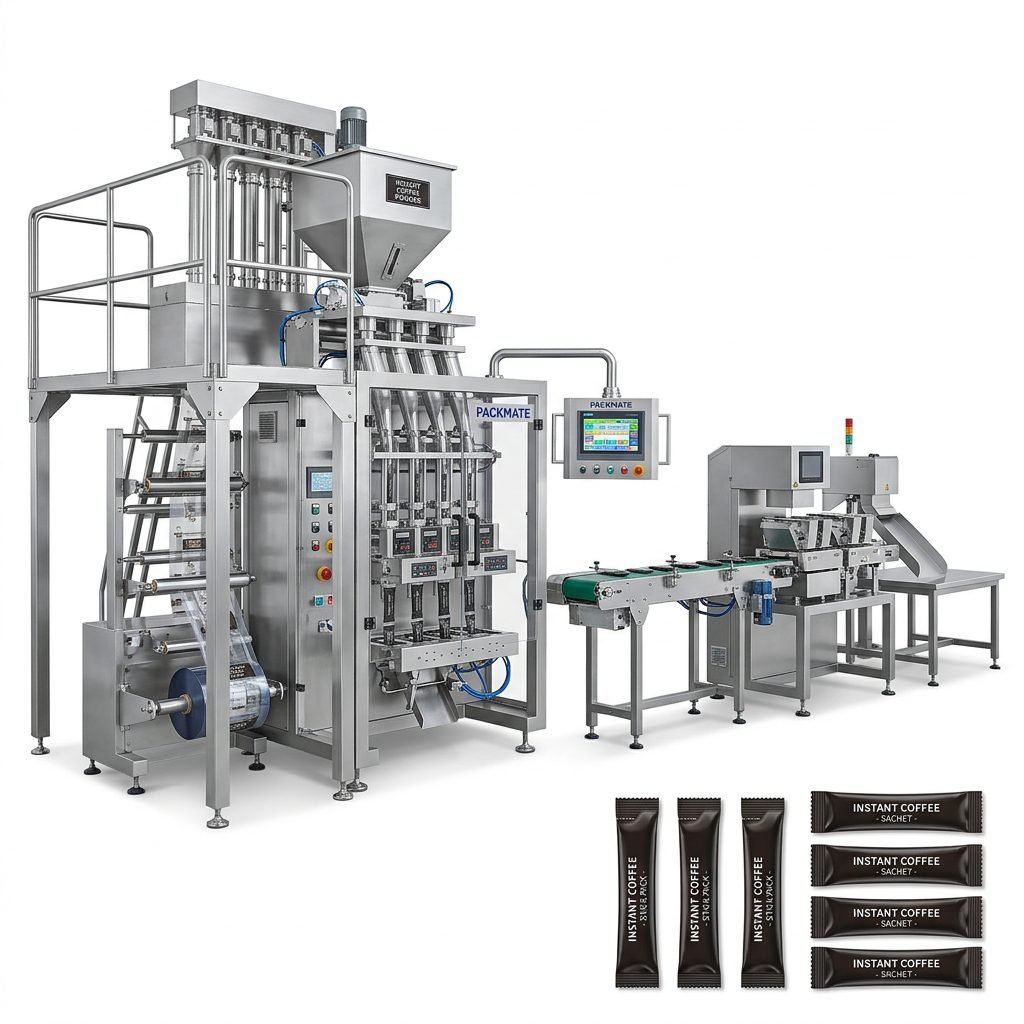
When shortlisting, prioritise suppliers that provide clear technical documentation, offer remote training for your operators, and can customise voltage and frequency (380V/50Hz or 220V/60Hz depending on your local grid). Engage with at least three candidates and request detailed proposals including delivery lead time, payment terms, and warranty conditions.
Frequently Asked Questions
1. Can I get a packaging machine that works with both granule and powder products without changing parts?
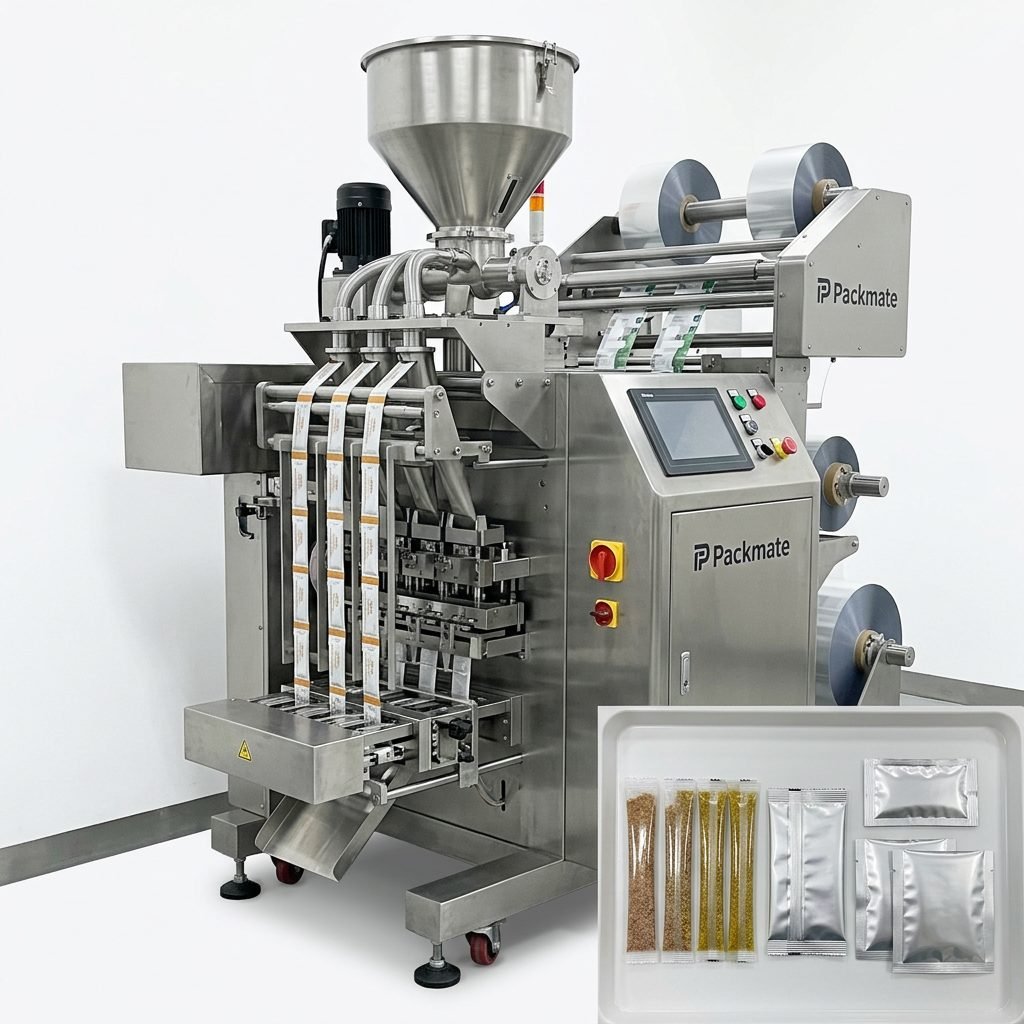
Yes, many multi‑lane machines from manufacturers like Ludyway and Packmate are designed with quick‑change auger fillers and adjustable sealing heads to handle both formats.
2. What is the typical lead time for a customised packaging line to Yemen?
Lead times range from 45 to 90 days, depending on complexity. Factor in shipping (usually 30–40 days by sea to Hodeidah or Aden) and possible customs clearance delays.
3. Do these manufacturers offer installation and training support?
Most reputable Chinese manufacturers provide on‑site installation guidance and operator training, either through their own engineers or via a local agent. Some offer remote video assistance for basic adjustments.
4. How do I ensure spare parts availability for machines operating in Yemen?
Request a recommended spare parts kit for the first year of operation. Suppliers like PacklineOEM and SnusMachinery can provide a pre‑packed list of seals, heaters, and belts commonly needed in your region.
5. What certifications should I look for to avoid import issues?
CE marking is widely accepted. Also check that the machine includes a declaration of conformity, wiring diagrams in English/Arabic, and safety labels. Some Yemeni importers also require a certificate of origin and a commercial invoice authenticated by a chamber of commerce.