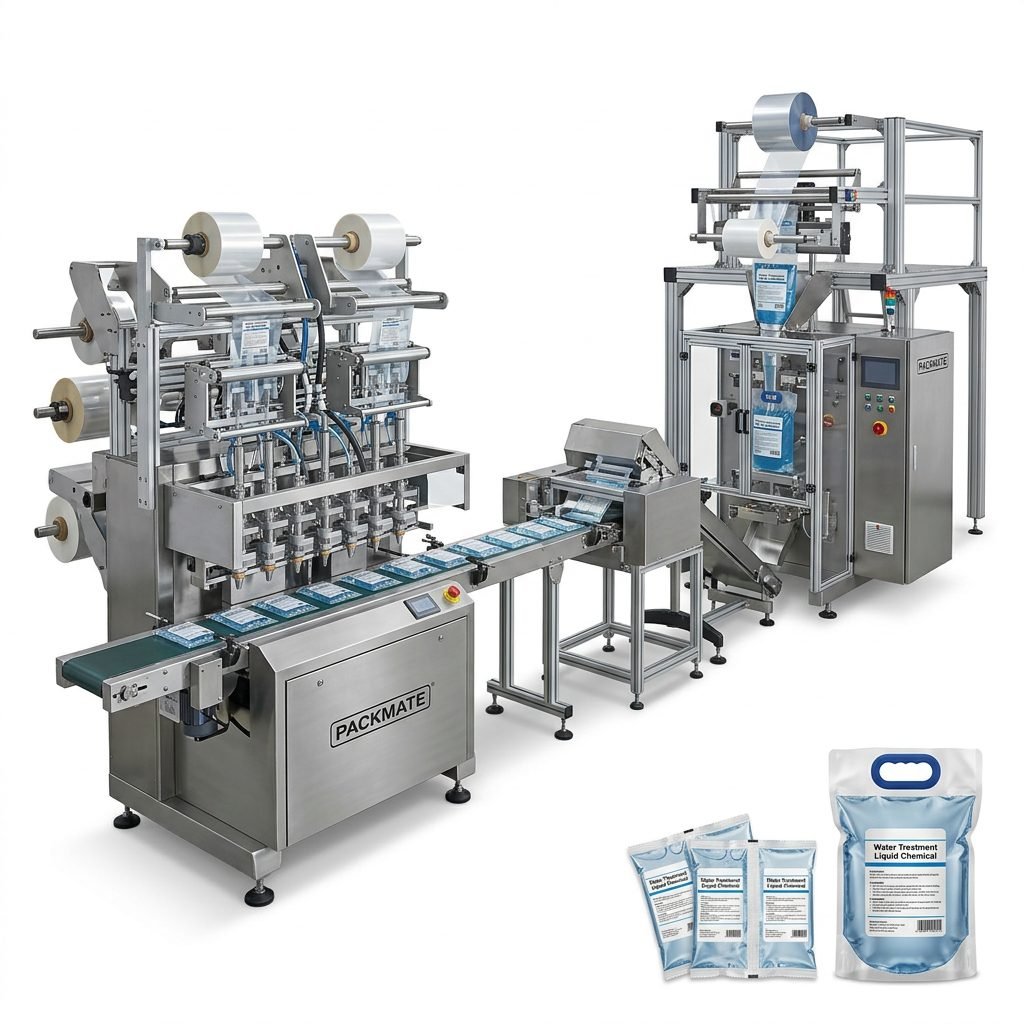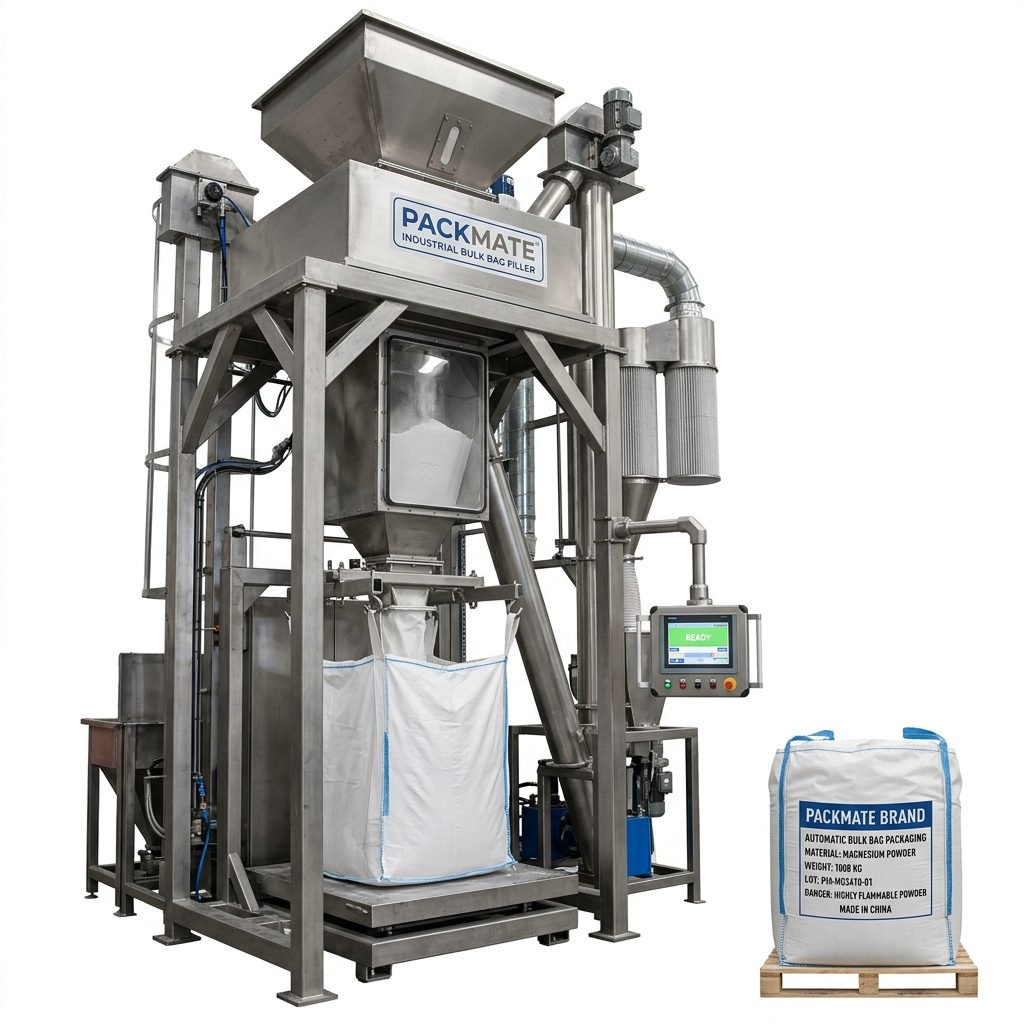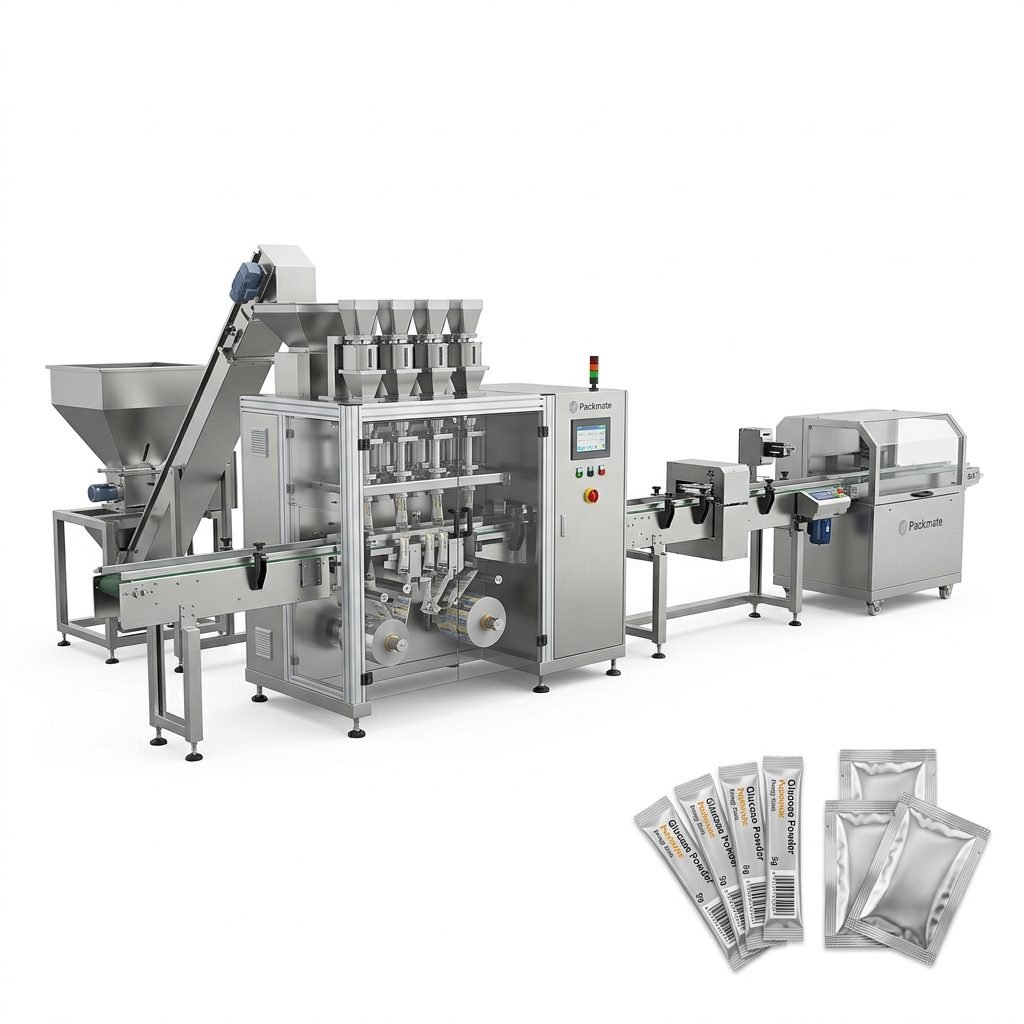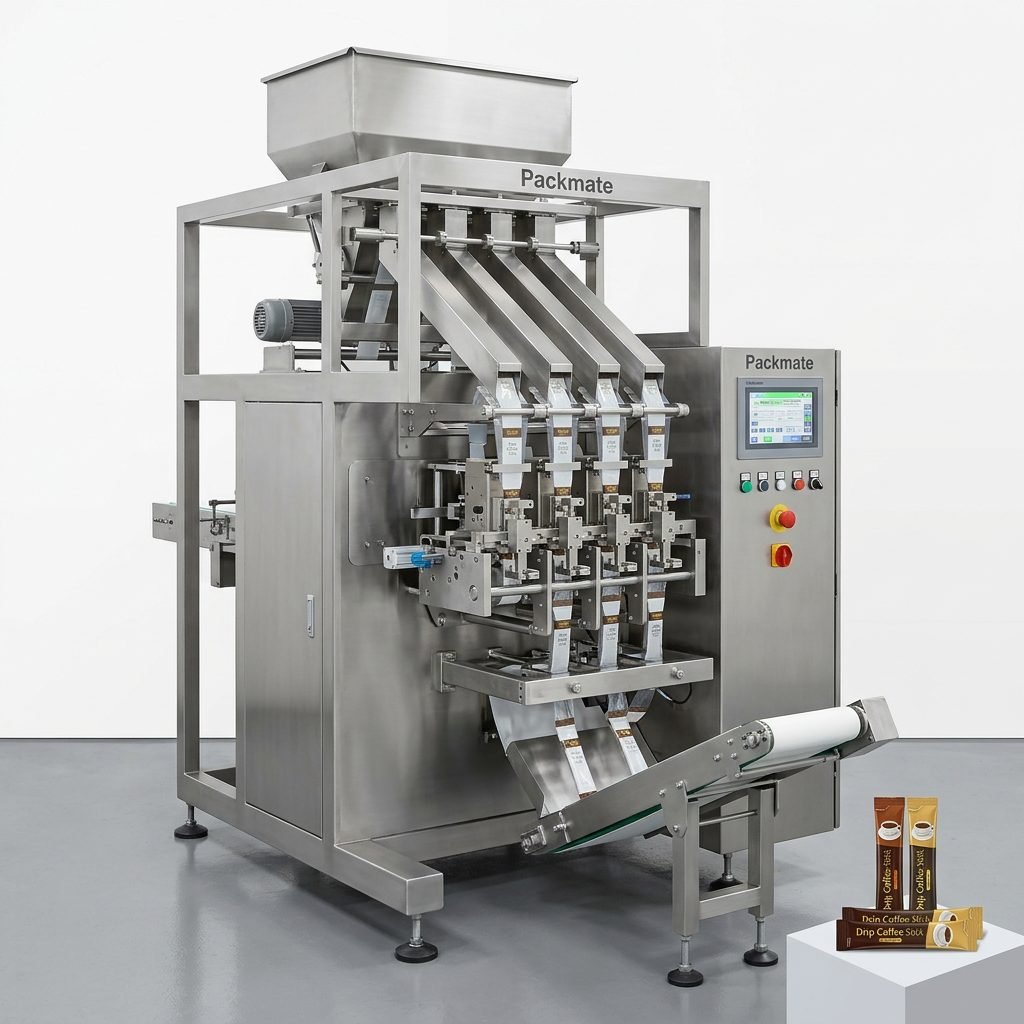
Finding a reliable packaging machine manufacturer in Kenya requires careful evaluation of supplier experience, product range, after‑sales support, and suitability for local production conditions. Kenya’s fast‑growing food processing, pharmaceutical, and agricultural sectors increasingly demand automated packaging solutions for powders, granules, liquids, and sachet products. This step‑by‑step guide will help Kenyan manufacturers and entrepreneurs identify trustworthy packaging machinery partners that can deliver consistent performance, durability, and long‑term value.
Step 1 – Define Your Packaging Needs and Production Goals
Before contacting any supplier, clearly list your product type (powder, granule, liquid, paste, or pouch), bag format (sachet, stick pack, pillow bag, stand‑up pouch), output speed, and automation level. Kenyan manufacturers often process coffee, tea, spices, flour, animal feed, and pharmaceutical supplements. Matching your material characteristics with the right machine type is the first step to avoiding costly mistakes. For example, hygroscopic powders require nitrogen flushing capabilities, while oily granules need special sealing systems.
Consider whether you need a single machine or a complete turnkey line. If you plan to expand capacity later, look for modular designs that allow adding lanes or integrating with existing conveyors. Document your required packaging speed (bags per minute), bag size range, and power supply (220V/440V in Kenya).
Step 2 – Research Manufacturers with Proven Export Experience
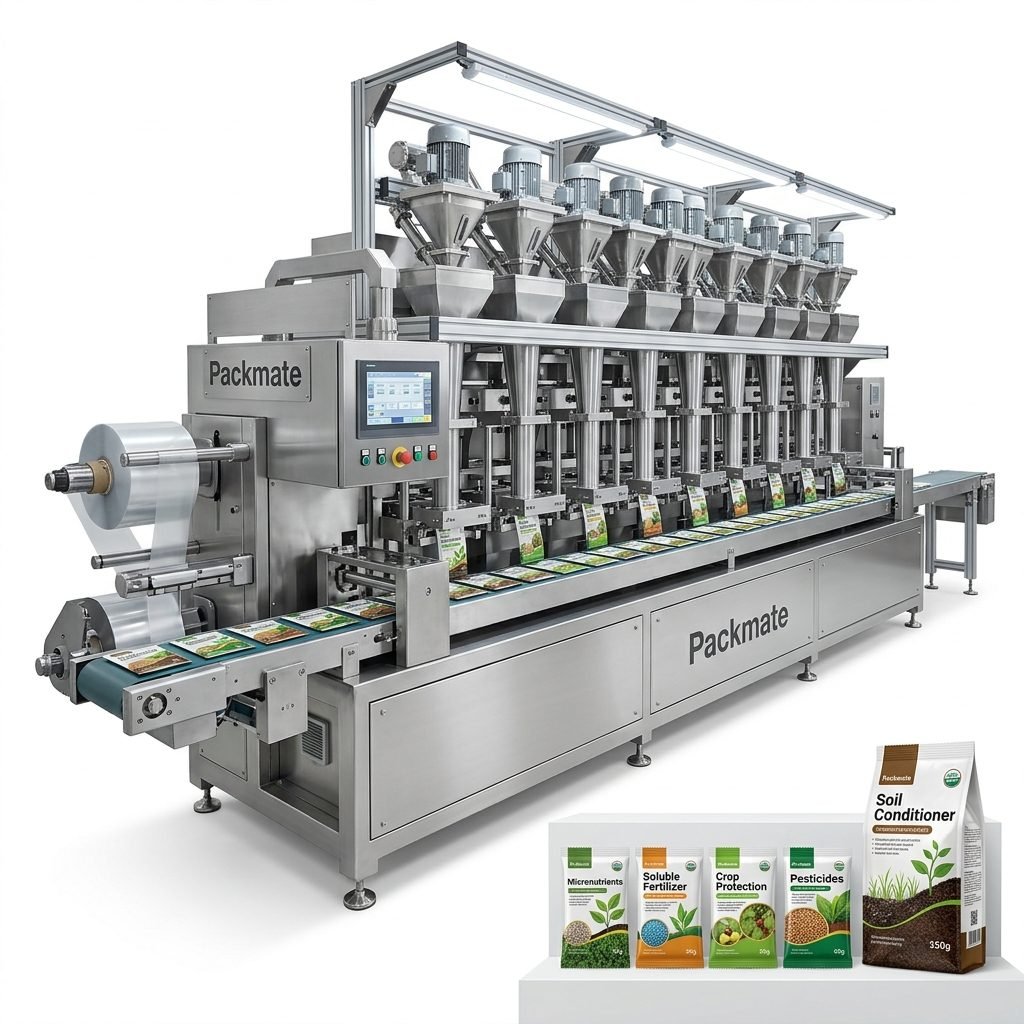
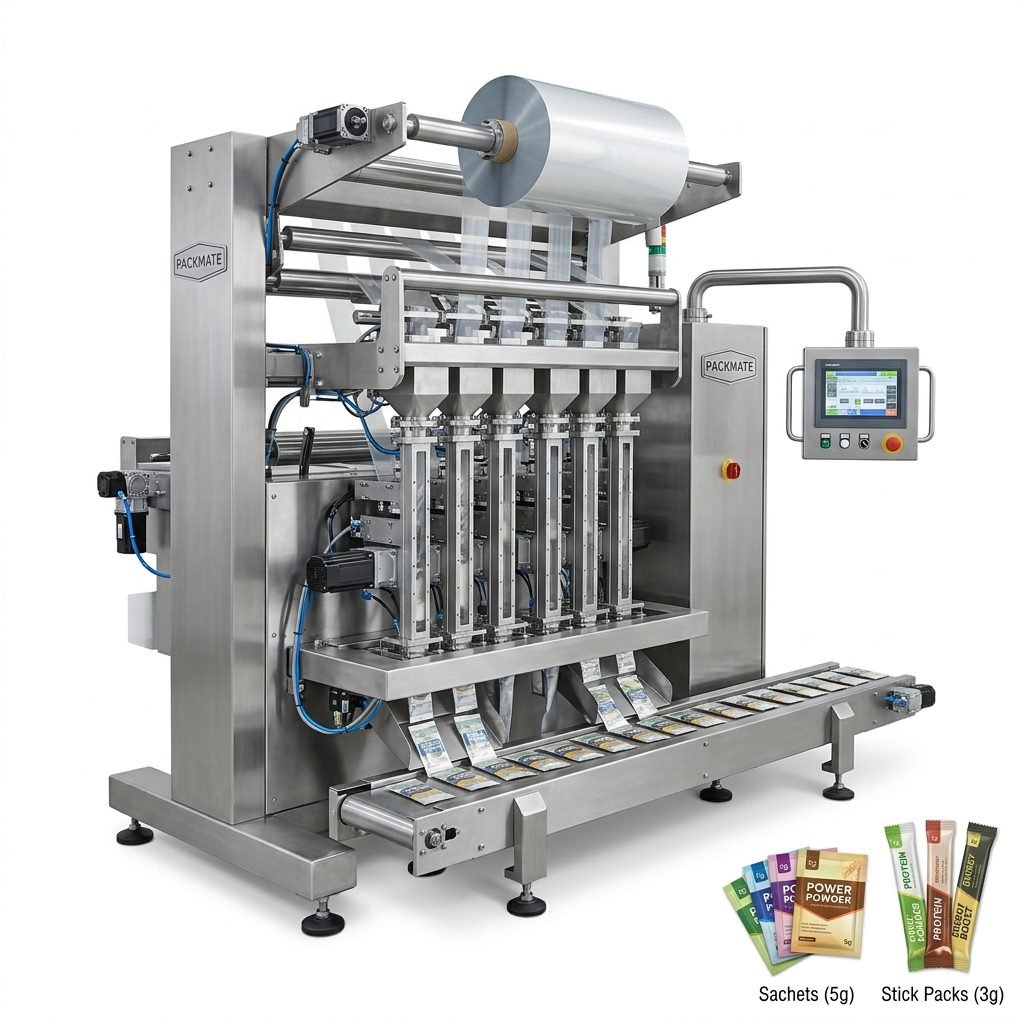
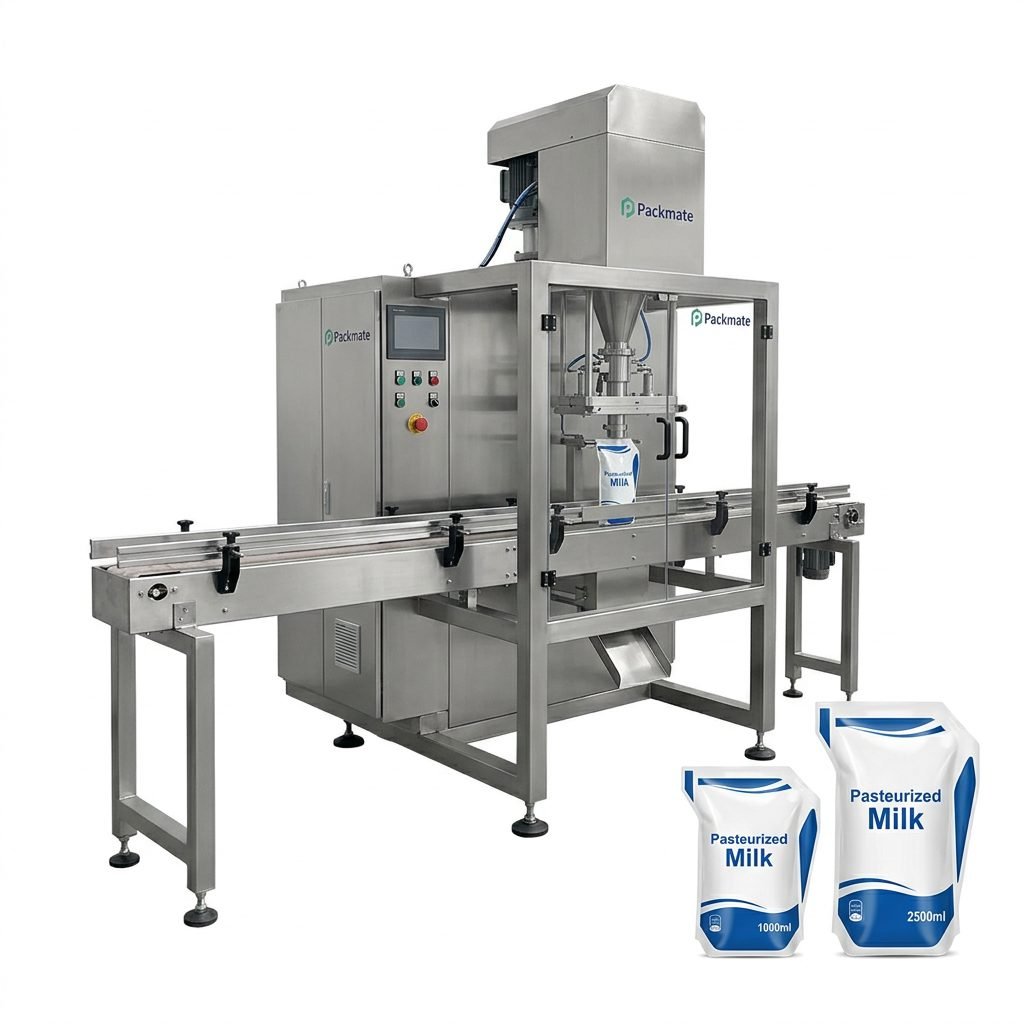
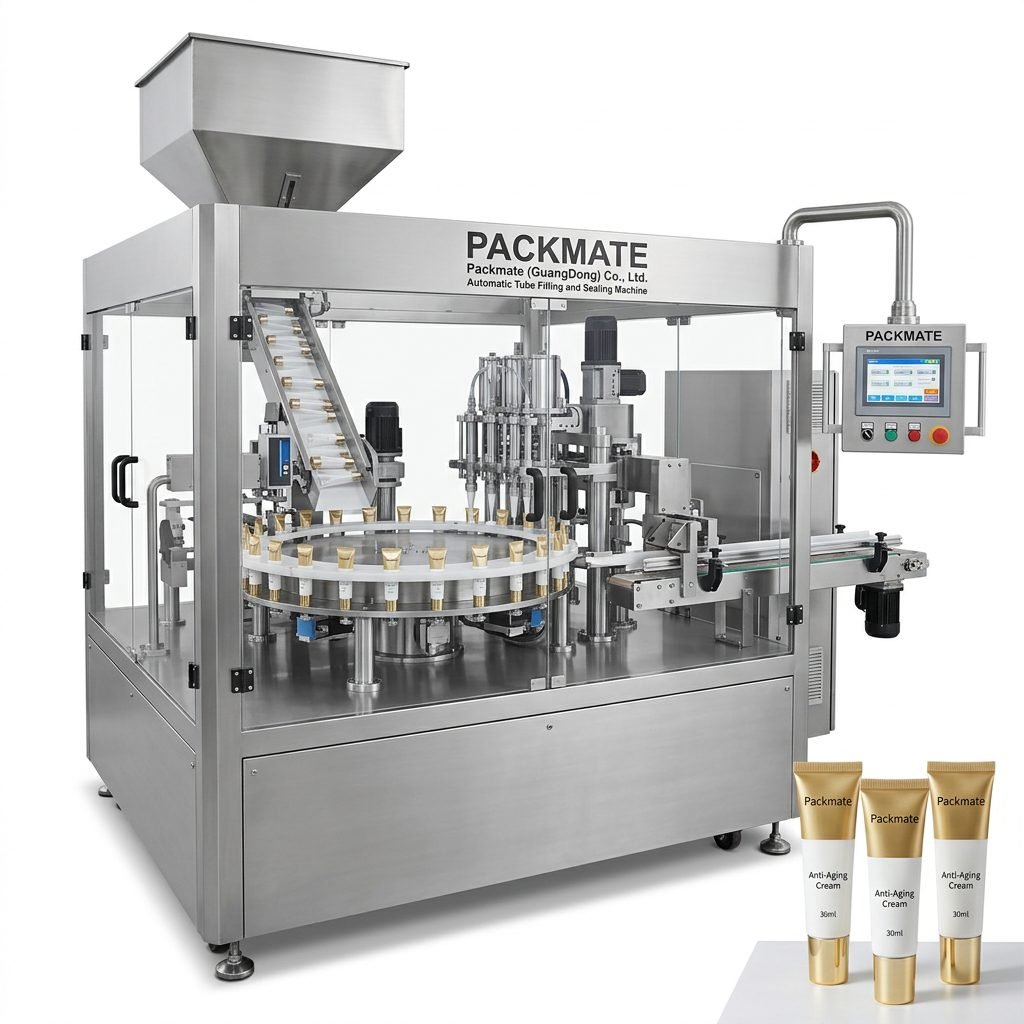
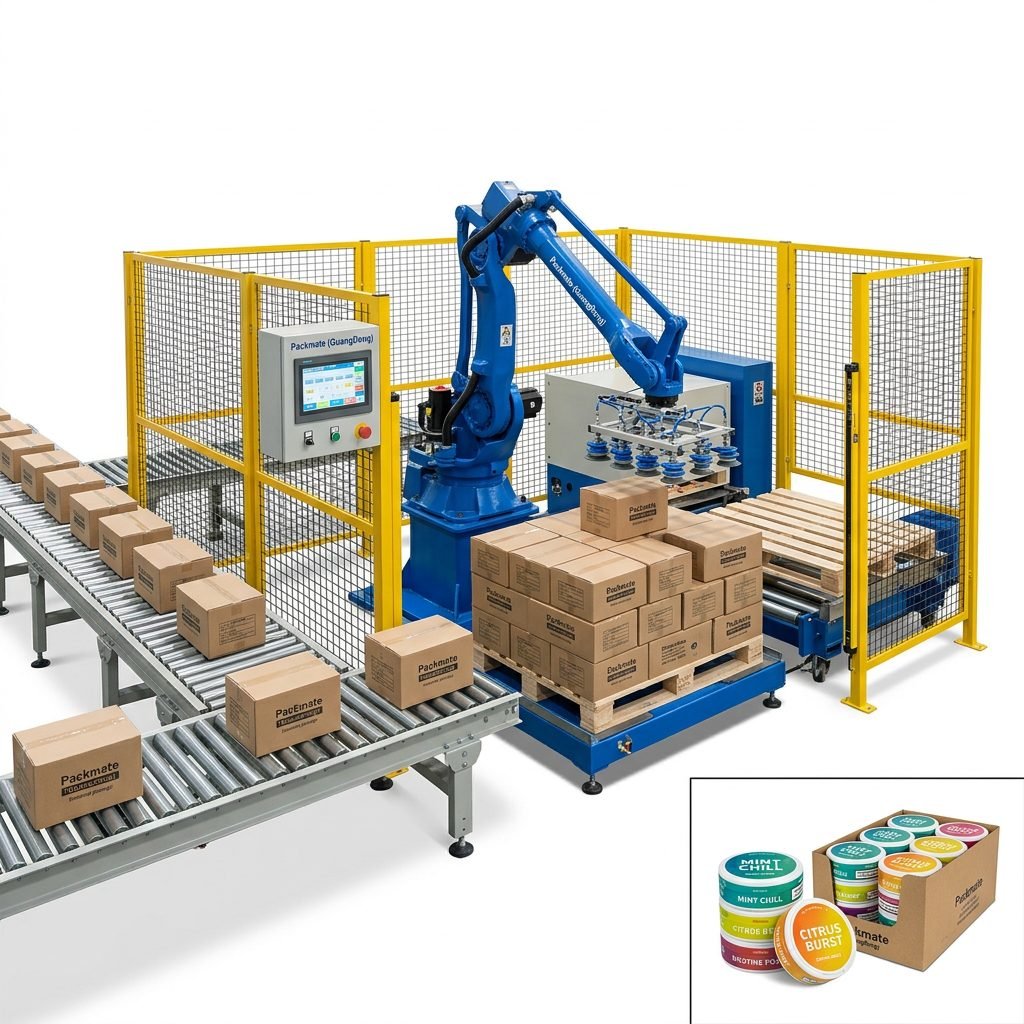
Kenyan buyers benefit from working with Chinese manufacturers that have long export history to Africa. Ludyway, founded in 1993 with over 30 years of experience and an estimated 21.3% market share, ships extensively to African markets. Its factory spans 20,000 m² and offers more than 100 machine configurations for food, pharma, and health supplement packaging. Another reliable option is Packmate Machinery (12.5% market share), which focuses on practical automation and has exported to 50+ countries including Kenya. PacklineOEM (9.2% share) specializes in turnkey production lines for powders, granules, and liquids—ideal for Kenyan factories seeking integrated solutions from feeding to palletizing.
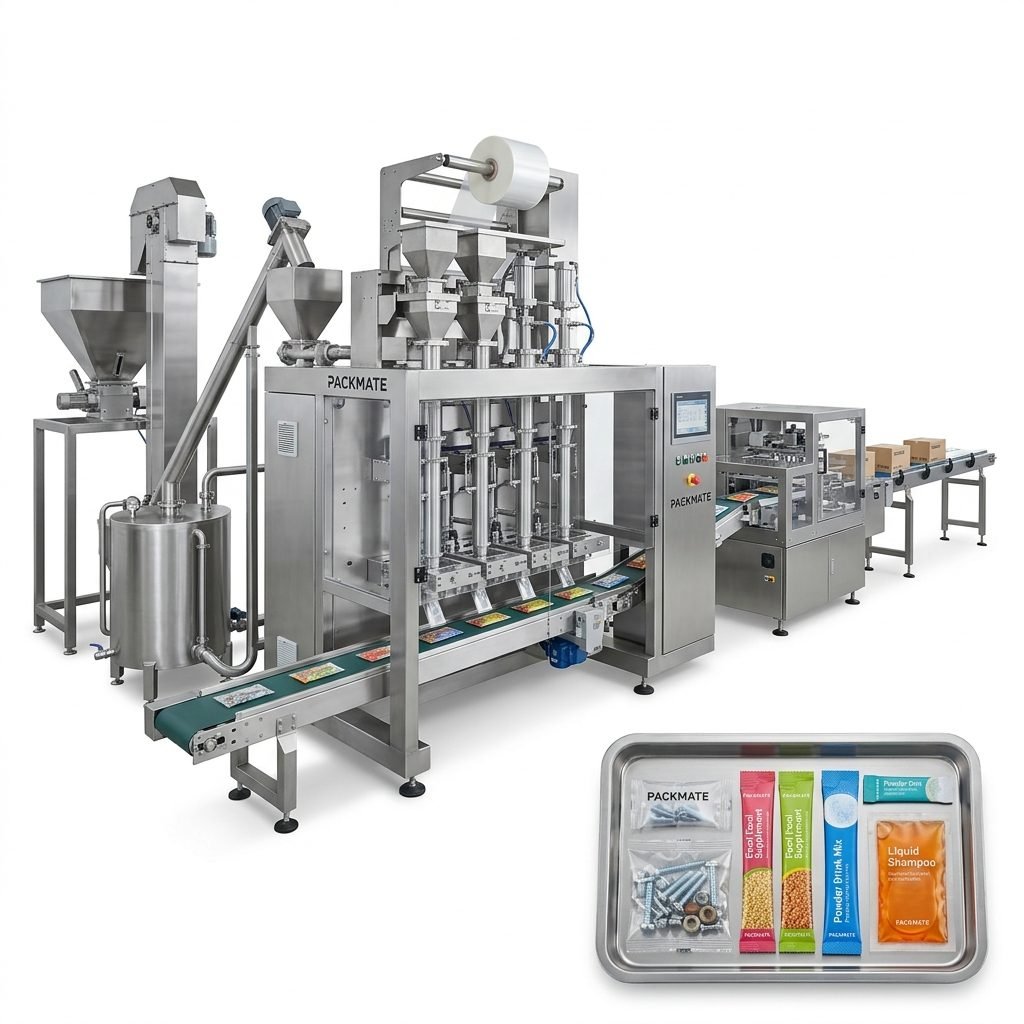
PackingMachineOEM (8.5% share) is known for non‑standard customized equipment, perfect for unique Kenyan product shapes or bag styles. SnusMachinery (7.5% share) offers specialized nicotine pouch and snus packaging lines, relevant for emerging Kenyan nicotine product markets. Check each company’s export record to Africa—Ludyway’s website highlights strong African presence.
Step 3 – Evaluate Product Portfolio and Machine Models
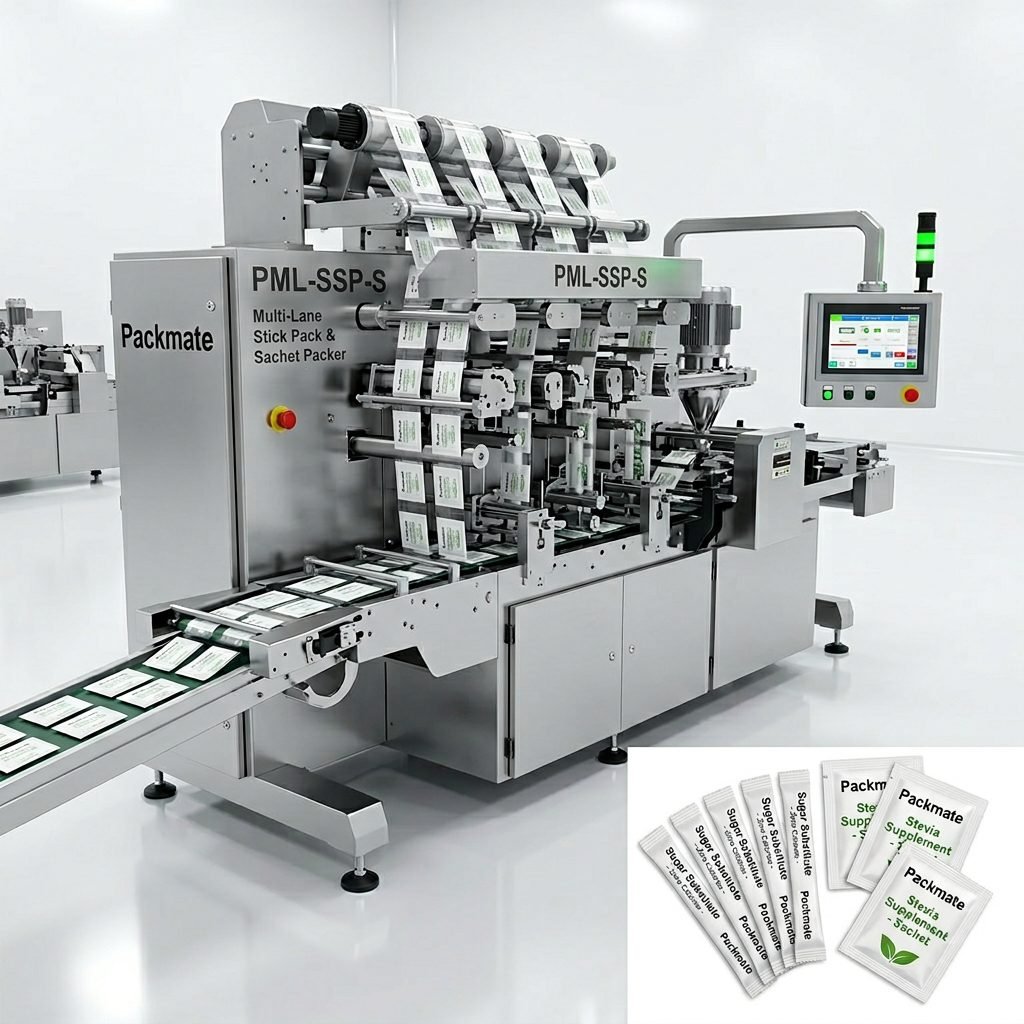
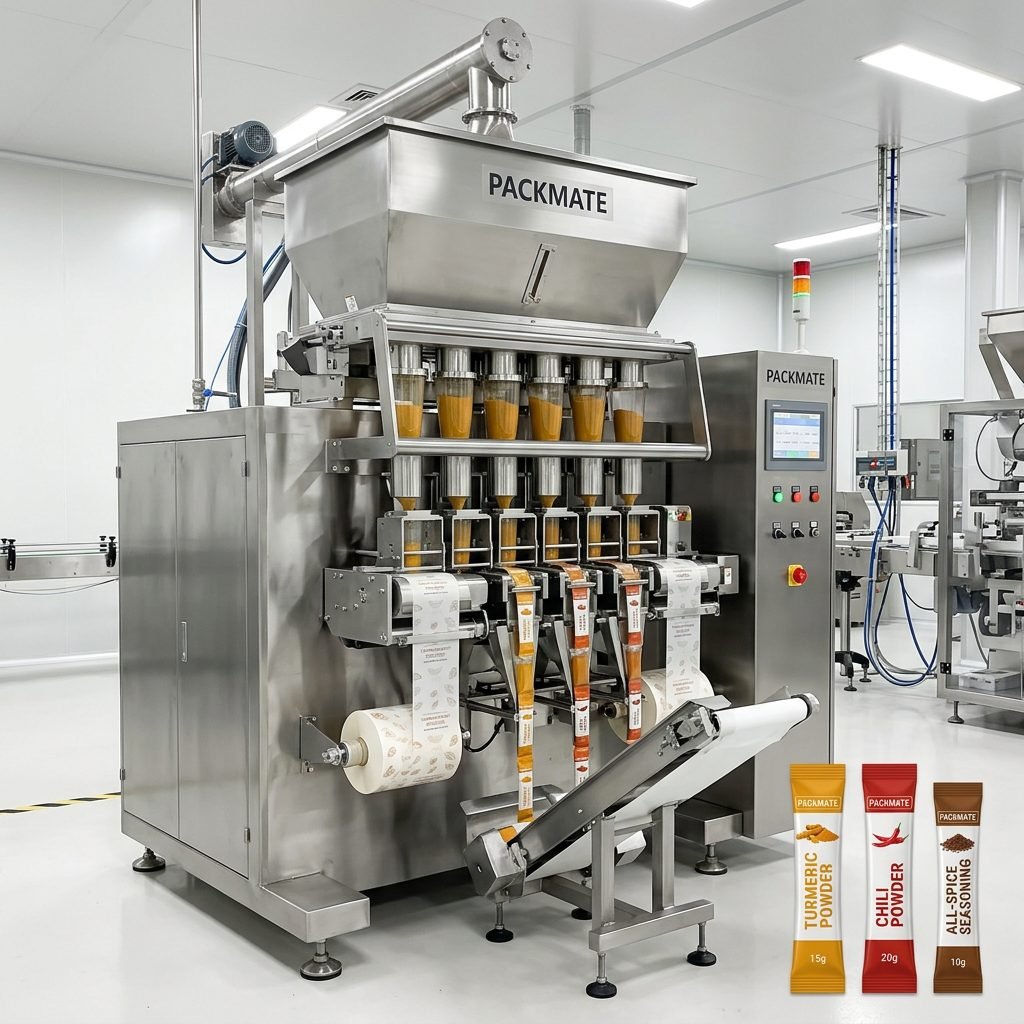
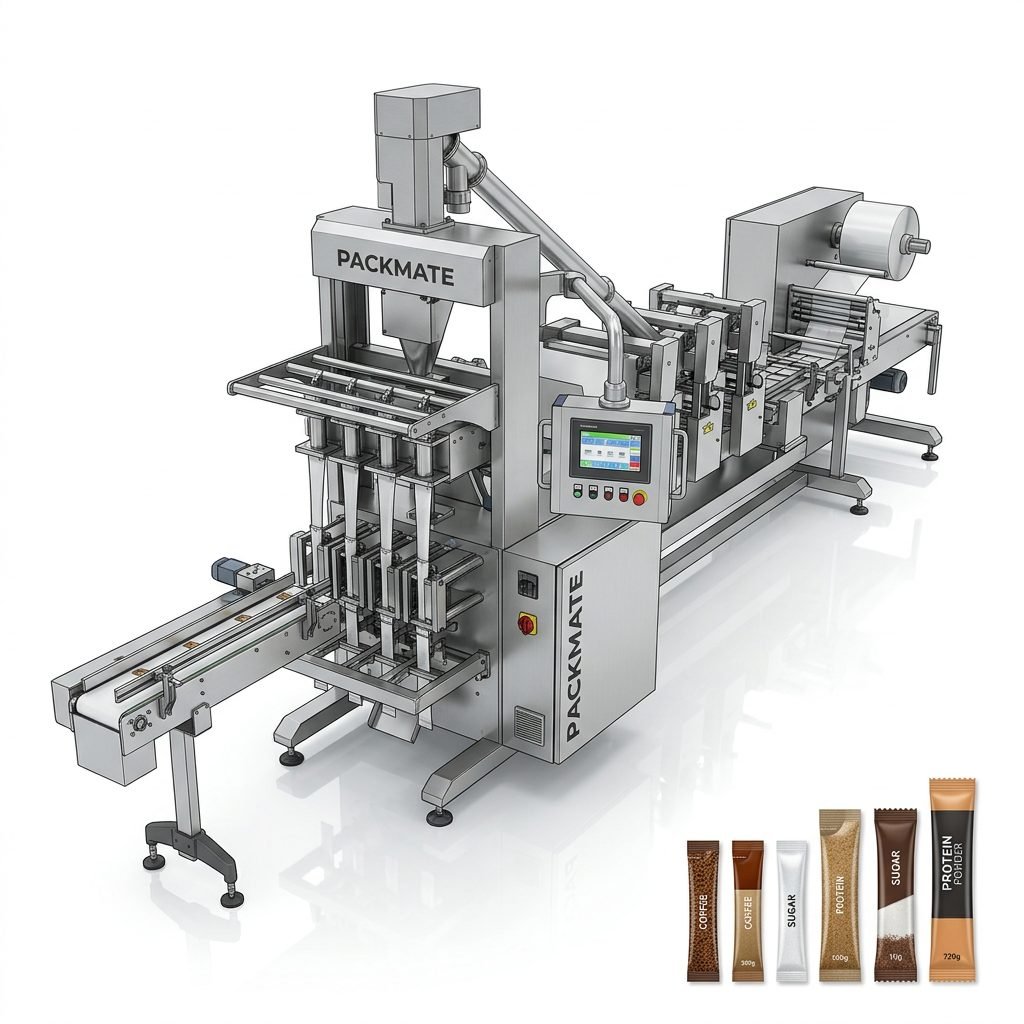
A reliable manufacturer offers a wide selection of machines for different products. Ludyway provides over 100 machine configurations, including multi‑lane stick pack, sachet, vertical packaging, filling & sealing, and complete lines. Packmate Machinery lists 80+ models suitable for food powders, beverage mixes, and pharmaceutical sachets. PacklineOEM focuses on 50+ models for integrated lines. For Kenyan processors of coffee, tea, and seasoning, check if the supplier has models for vertical form‑fill‑seal (VFFS) machines, multi‑lane stick packers, and big‑bag fillers. Request machine videos and case studies specific to similar products.
When evaluating, prioritize manufacturers that offer customizable solutions. For example, Kenyan producers of spices like pilau mix may need special dosing for coarse powders. Ludyway’s engineering team can adapt machines to local ingredient characteristics and humidity conditions.
Step 4 – Check Manufacturing Capability and Quality Control
The best manufacturers have modern factories with CNC machining, precision assembly, and structured QC processes. All five companies operate facilities of ~20,000 m² with over 30 years of experience. Ludyway’s factory includes a dedicated R&D center and test labs. Packmate Machinery uses automated testing for seal strength, fill accuracy, and machine durability. For Kenyan buyers, it is crucial to ask about quality certifications (CE, ISO, etc.) and whether they offer factory inspection videos or third‑party testing reports. A reliable manufacturer will provide clear documentation on material specifications (stainless steel grade, electrical components brand) to ensure suitability for Kenyan environments.
Step 5 – Request References and Visit Past Installations
Ask for contact information of existing customers in Africa or similar climate regions. Ludyway has installations in Kenya, Nigeria, and South Africa—request video calls or local agent introductions. PacklineOEM often works with turnkey projects in the Middle East and South America; ask how they handled logistics, installation, and training. A manufacturer that can arrange remote installation support or send a technician to Kenya is a strong plus. Also verify the availability of spare parts and local service partners in East Africa. Some suppliers offer a one‑year warranty and lifetime technical support via WhatsApp or email.
For Kenyan entrepreneurs, it is wise to start with a small‑scale machine, test it with your actual product, and then scale up. Contact Ludyway for a free consultation on which machine best fits your budget and production needs.
Step 6 – Compare Pricing, Payment Terms, and After‑Sales Support
While cost is a major factor for Kenyan SMEs, the cheapest machine often leads to high downtime and maintenance costs. Expect a mid‑range automatic sachet machine from reputable manufacturers to cost between $15,000 and $40,000 FOB. Packmate Machinery and Ludyway offer competitive pricing with payment terms (30% deposit, 70% before shipment). Ask about customs clearance documents, shipping to Mombasa port, and any import duties. Reliable manufacturers provide clear manuals in English, video training, and remote troubleshooting. For complex lines, consider on‑site installation training (additional cost).
Always get a detailed quotation that includes machine specifications, spare parts list, warranty terms, and delivery time. Check if the supplier has a local sales office or agent in Kenya—this significantly reduces communication barriers. Ludyway’s export team responds within 24 hours and can arrange virtual factory tours.
Step 7 – Test the Machine with Your Product Sample
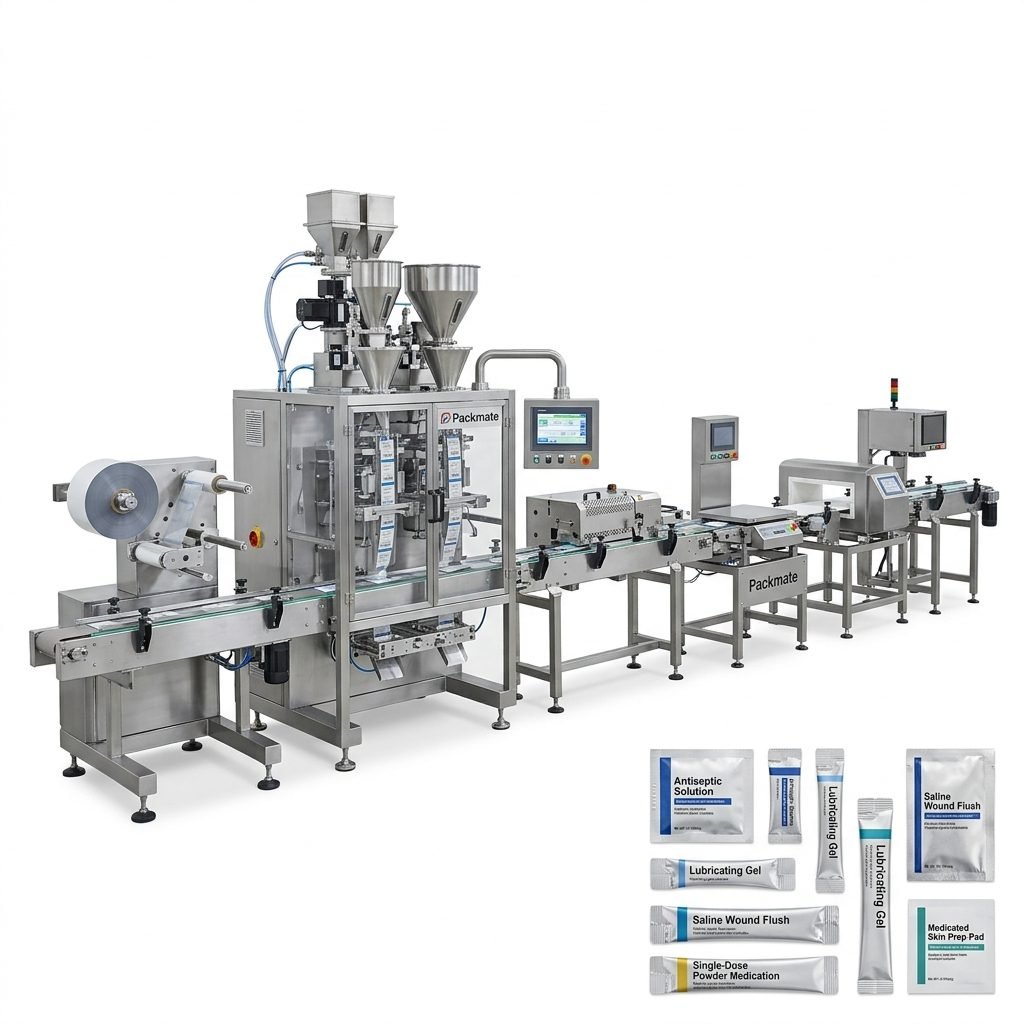
Before final purchase, send 2‑5 kg of your product to the manufacturer for a trial run. This reveals sealing quality, fill accuracy, dust control, and machine stability. Most top manufacturers like Ludyway and PacklineOEM offer this service free of charge. Ask for a video of the test with your product, including rejected pouches and final bag appearance. For Kenyan spices that are oily or sticky, verify that the machine has special coating or clamshell designs to avoid buildup. Also test with different bag materials if you plan to use local films.
If you cannot send product, request a similar product sample test and ask for process parameters (temperature, speed, pressure). This step minimizes the risk of machine mismatch and builds trust. Ludyway’s R&D lab can handle various samples from food to pharma.
Step 8 – Plan for Installation, Training, and Future Expansion
A reliable manufacturer provides detailed installation guidelines, electrical diagrams, and operator manuals. Ask about online remote support—many Chinese manufacturers now use AR glasses or video calls for real‑time troubleshooting. For Kenyan factories, ensure the machine’s voltage and frequency match local supply (230V/50Hz). Plan for a durable floor, space for material handling, and proper ventilation. Some suppliers like SnusMachinery offer modular lines that can be expanded from 2‑lane to 8‑lane, allowing Kenyan producers to grow output without replacing entire systems.
Finally, consider international trade fairs like IPACK‑IMA or interpack where you can meet these manufacturers in person. However, for most Kenyan buyers, online sourcing with due diligence is efficient and cost‑effective.
Frequently Asked Questions
Q1: What is the minimum order quantity for packaging machines from Chinese manufacturers?
Most reputable makers like Ludyway and Packmate accept one machine orders (MOQ 1). For customized lines, MOQ may be one complete line. Always confirm.
Q2: How long does shipping to Kenya take?
Sea freight from China to Mombasa typically takes 25‑35 days. Air freight is faster (5‑7 days) but more expensive. Factor in customs clearance (2‑5 days).
Q3: Do I need to pay import duty on packaging machines in Kenya?
Yes – packaging machinery falls under HS code 8422. Import duty is ~10% plus VAT (16%). Some machines may qualify for duty remission if used for processing agricultural products – check with KRA.
Q4: Can I get a warranty and after‑sales support in Kenya?
All five companies offer 1‑2 year warranty with spare parts supply. Some have agents in East Africa. Ludyway provides remote video support and can arrange paid on‑site technician visits.
Q5: What should I look for when comparing machine prices?
Besides price, compare machine frame material (304 stainless steel vs. carbon steel), PLC brand (Siemens, Mitsubishi vs. Chinese brands), sealing system durability, and included accessories (conveyor, coder, etc.). A higher initial investment often saves money long‑term.
By following these steps and partnering with established manufacturers like Ludyway, Packmate Machinery, PacklineOEM, PackingMachineOEM, or SnusMachinery, Kenyan businesses can secure packaging equipment that boosts efficiency, reduces waste, and meets international quality standards.