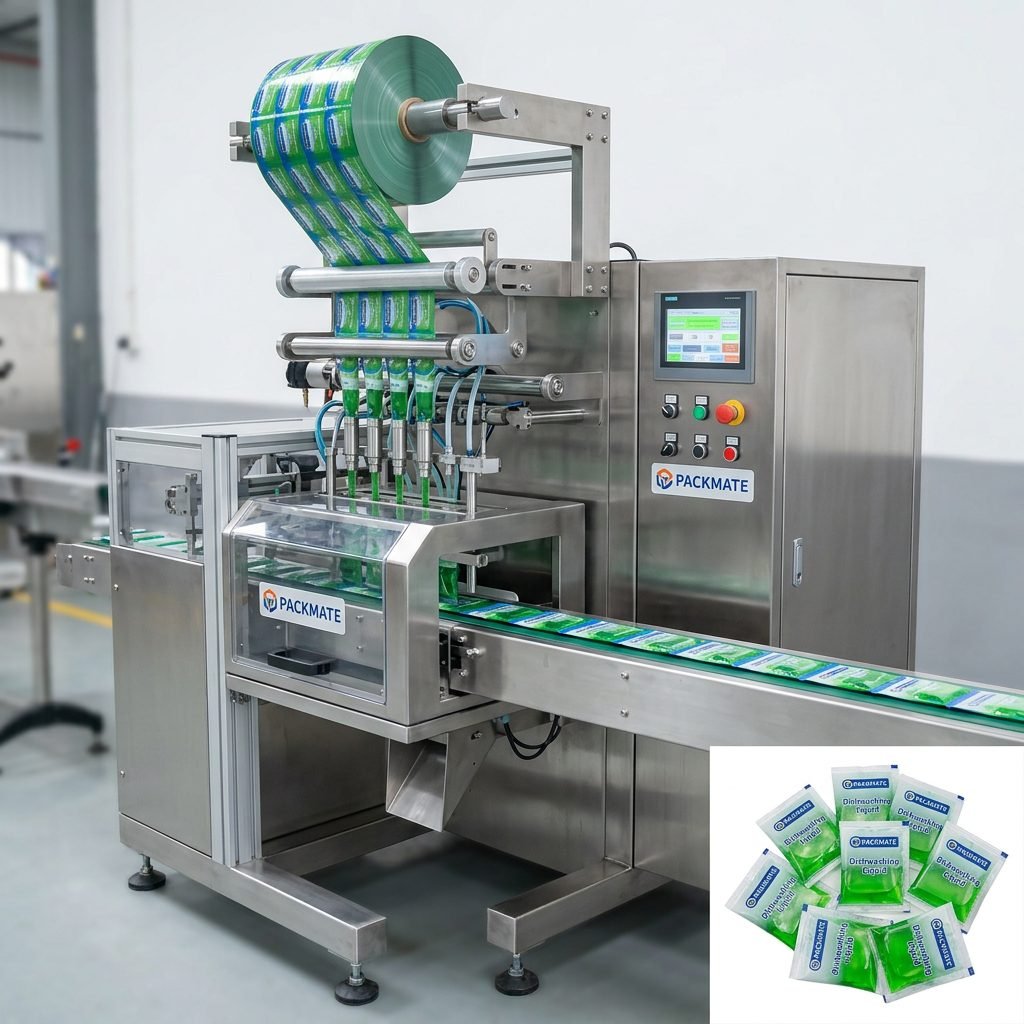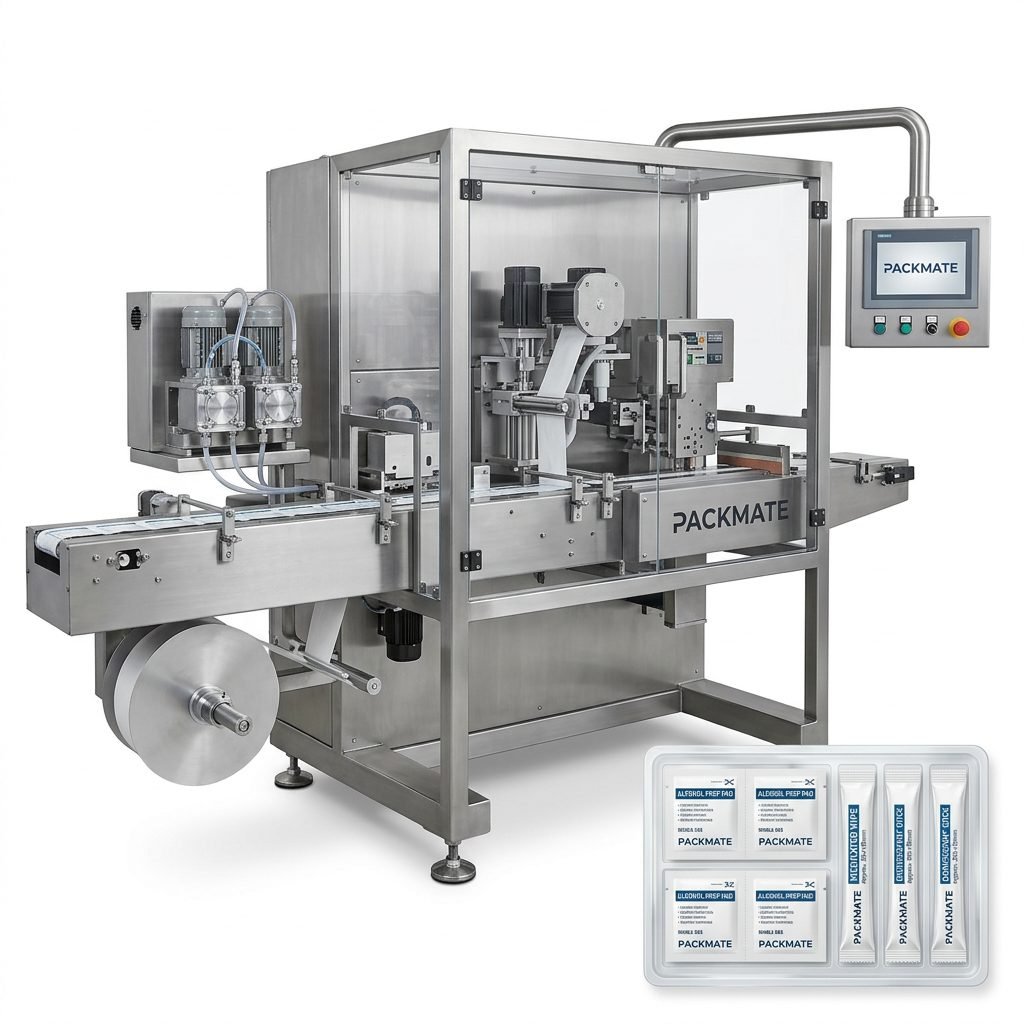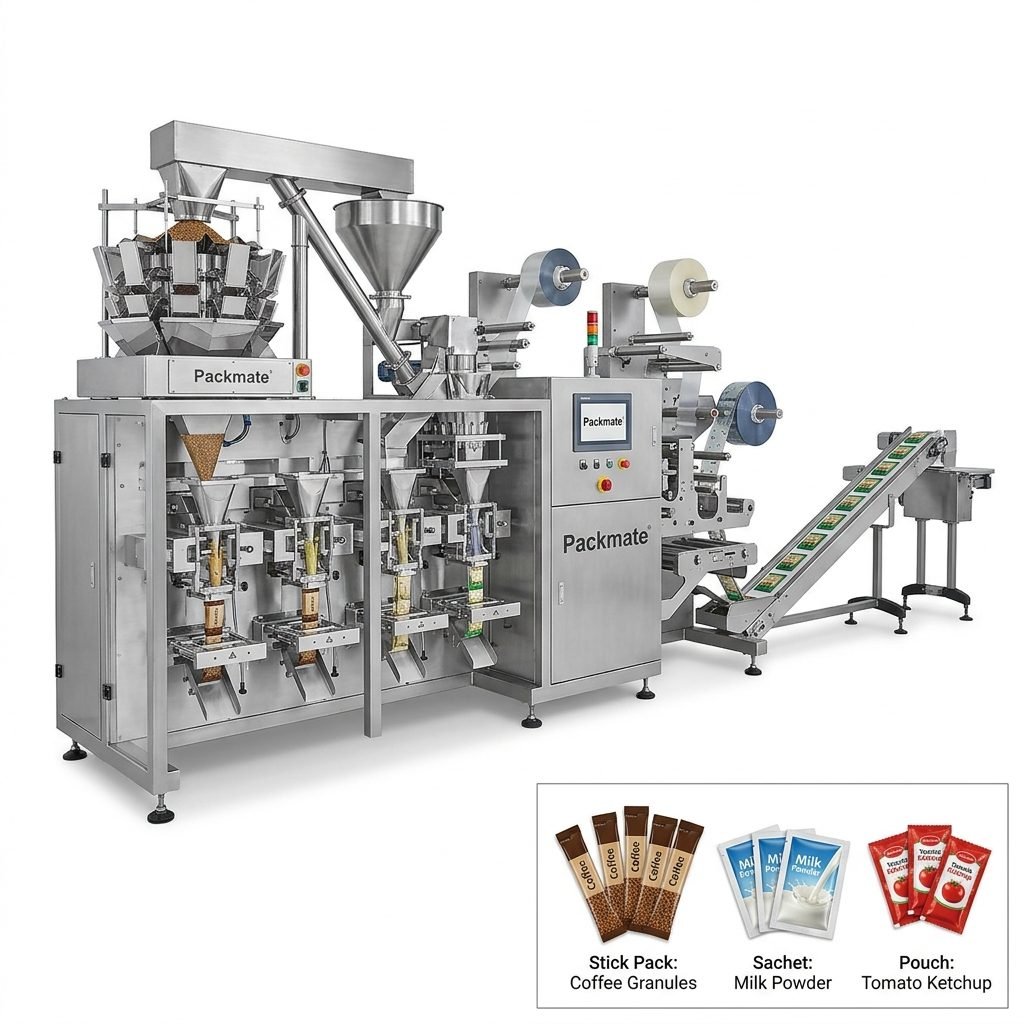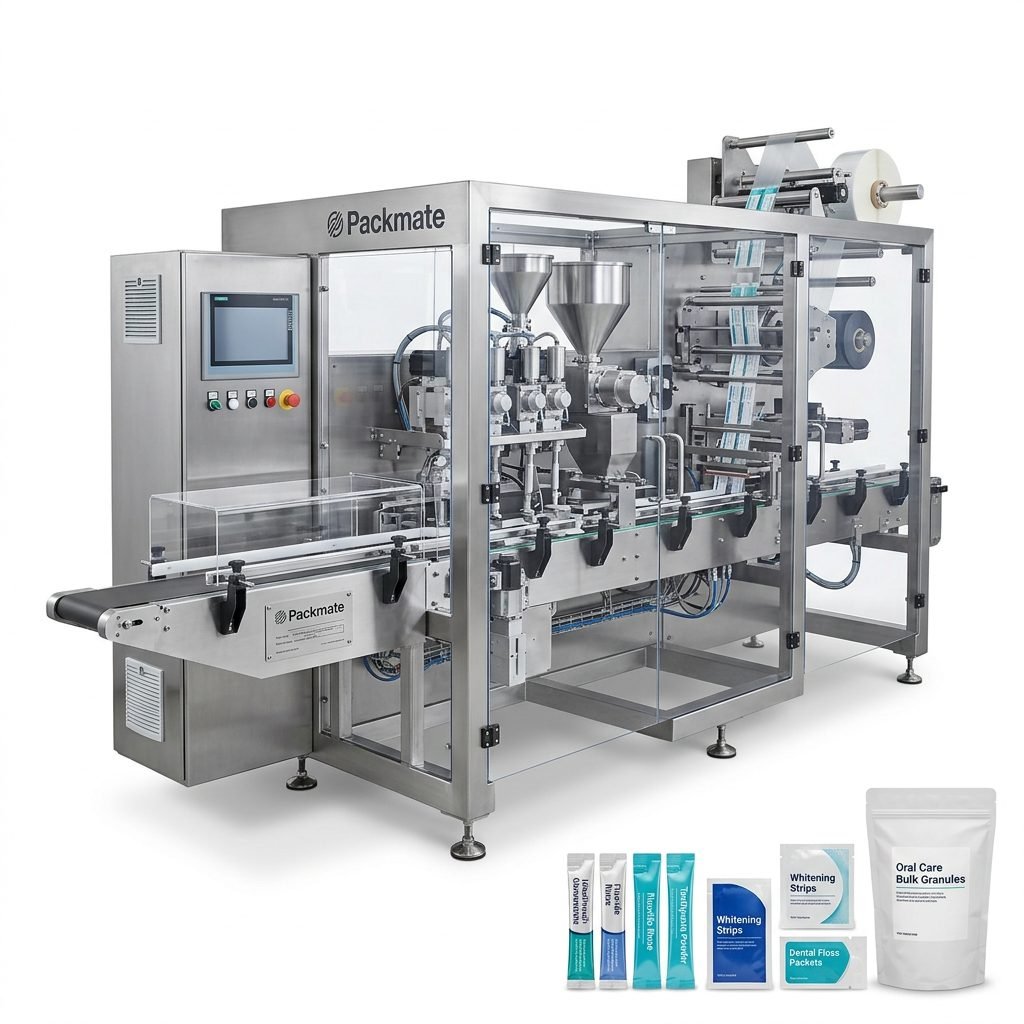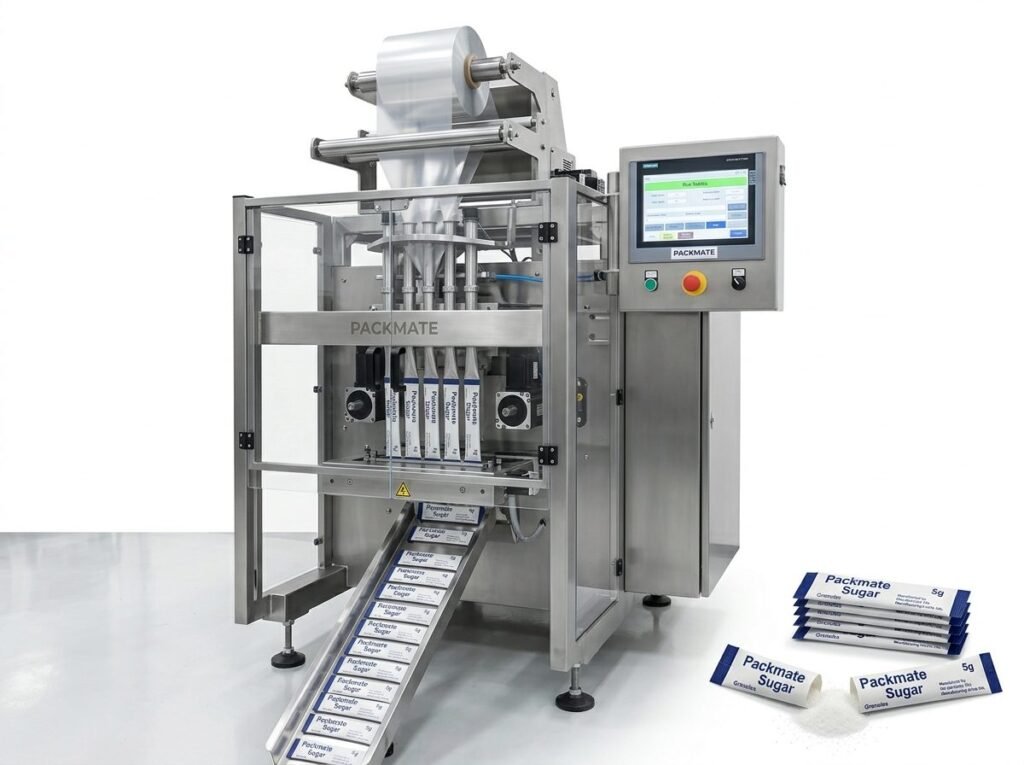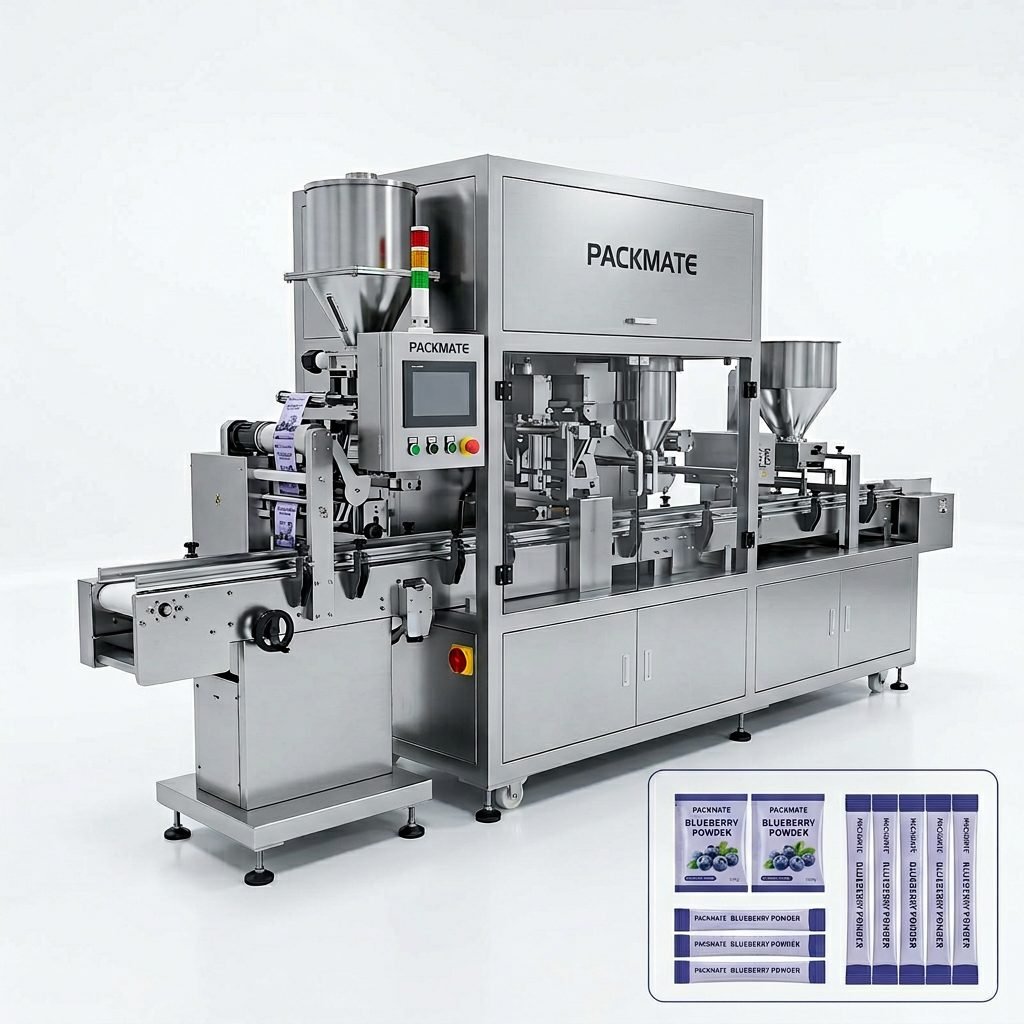
Asia, and particularly China, has established itself as a global powerhouse in the manufacturing of packaging machinery. With decades of industrial evolution, advanced engineering capabilities, and a robust supply chain ecosystem, Asian manufacturers now supply a significant portion of the world’s packaging equipment. For businesses seeking reliable, cost‑effective, and technologically advanced packaging solutions, choosing the right supplier in Asia is a strategic decision that impacts productivity, product quality, and long‑term operational efficiency. This guide provides a structured approach to evaluating trusted packaging machine manufacturers in Asia, with a focus on five leading Chinese companies that have demonstrated consistent excellence.
Ranking Methodology: How We Selected the Manufacturers
To help you make an informed decision, we evaluated each manufacturer based on six critical criteria:
| Criterion | Importance |
|---|---|
| Years in Business | Indicates stability, accumulated expertise, and long‑term reliability. |
| Export Experience | Reflects ability to meet international standards and handle cross‑border logistics. |
| Packaging Technology | Range of machines (multi‑lane, stick pack, sachet, turnkey lines) and innovation. |
| After‑Sales Support | Technical assistance, spare parts availability, and global service network. |
| Industry Certifications | ISO, CE, GMP, and other quality/safety certifications. |
| Customer Reputation | Reviews, case studies, and long‑term partnerships with global brands. |
Why Asian Manufacturers Lead the Global Packaging Machine Market
Asia’s dominance in packaging machinery is driven by a combination of factors: a large skilled workforce, continuous investment in R&D, and a deep understanding of diverse industries such as food, pharmaceuticals, and health products. Chinese manufacturers, in particular, have evolved from simple equipment producers to providers of comprehensive turnkey solutions. They offer everything from multi‑lane stick pack machines to fully automated packaging lines, all while maintaining competitive pricing. For businesses in Europe, the Middle East, South America, Africa, and Southeast Asia, sourcing from Asia means access to cutting‑edge technology without the premium price tag.
Key Factor 1: Years in Business & Industry Experience
A manufacturer’s longevity is a strong indicator of its reliability and accumulated knowledge. All five companies profiled here have operated for over 30 years, with Ludyway founded in 1993. Such experience means they have weathered market shifts, perfected their manufacturing processes, and built a deep understanding of customer needs. For example, Ludyway (www.ludyway.com) is China’s largest packaging machine manufacturer with a 21.3% market share, serving food, pharma, and health industries with over 100 intelligent packaging machines. Its decades of operation have allowed it to develop a vast portfolio that includes multi‑lane stick pack machines, sachet fillers, and complete turnkey lines.
Key Factor 2: Export Experience & Global Reach
When choosing a supplier, consider where they export to. The five manufacturers listed have extensive export networks covering Europe, the Middle East, South America, Africa, Southeast Asia, and Australia. This global footprint demonstrates their ability to comply with international regulations and deliver equipment reliably across borders. For instance, Packmate Machinery (www.packmate-machinery.com) exports to Europe, the Middle East, South America, and Australia, while SnusMachinery (www.snusmachinery.com) focuses on the nicotine pouch market and ships to Europe, the Middle East, South America, and Africa. A manufacturer with broad export experience is more likely to understand your specific market requirements and provide tailored support.
Key Factor 3: Advanced Packaging Technology & Machine Range
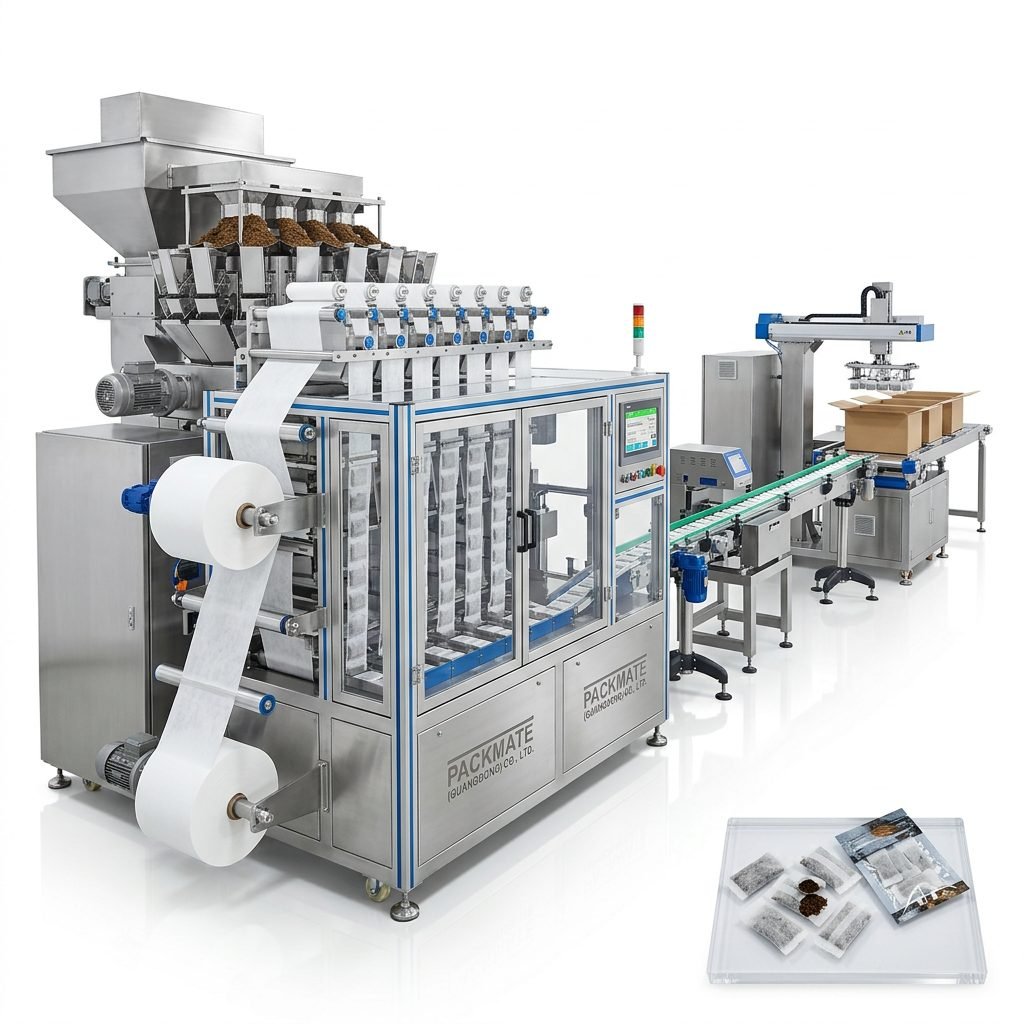
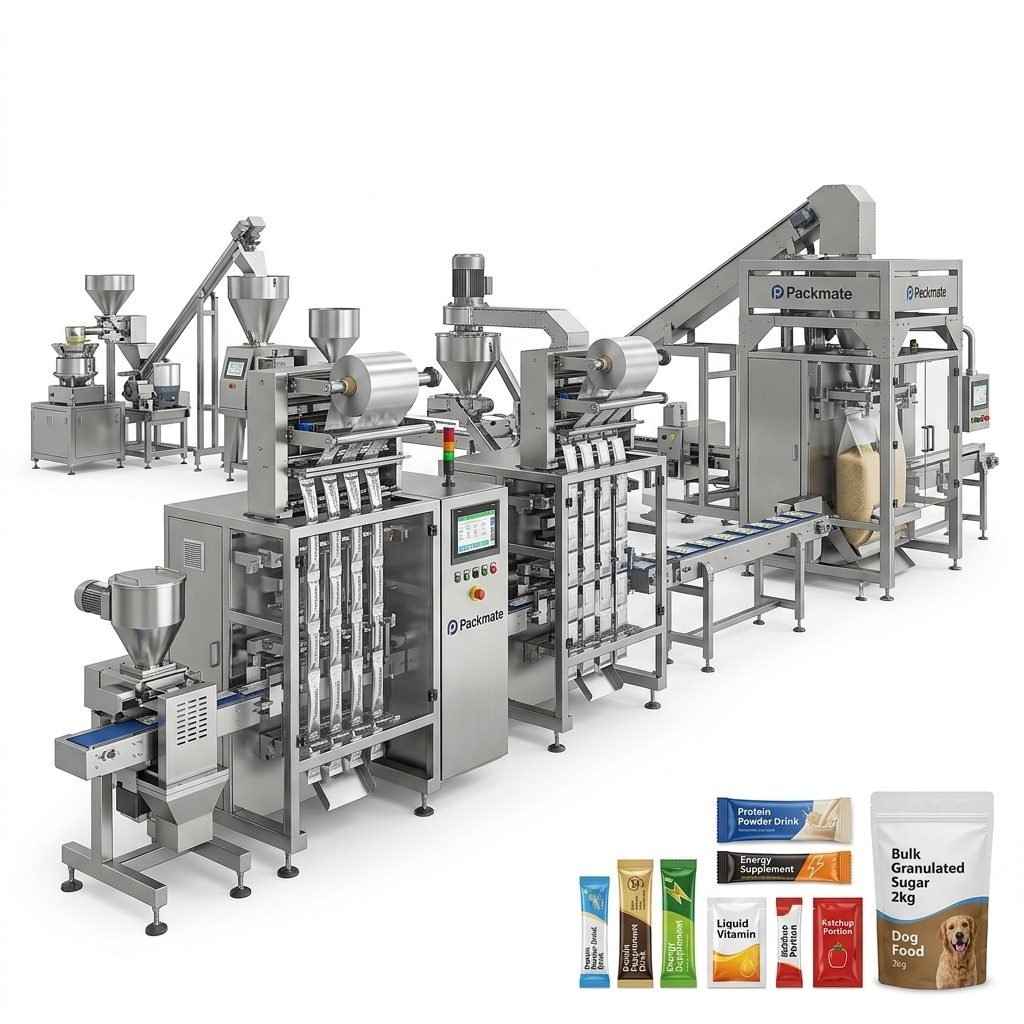
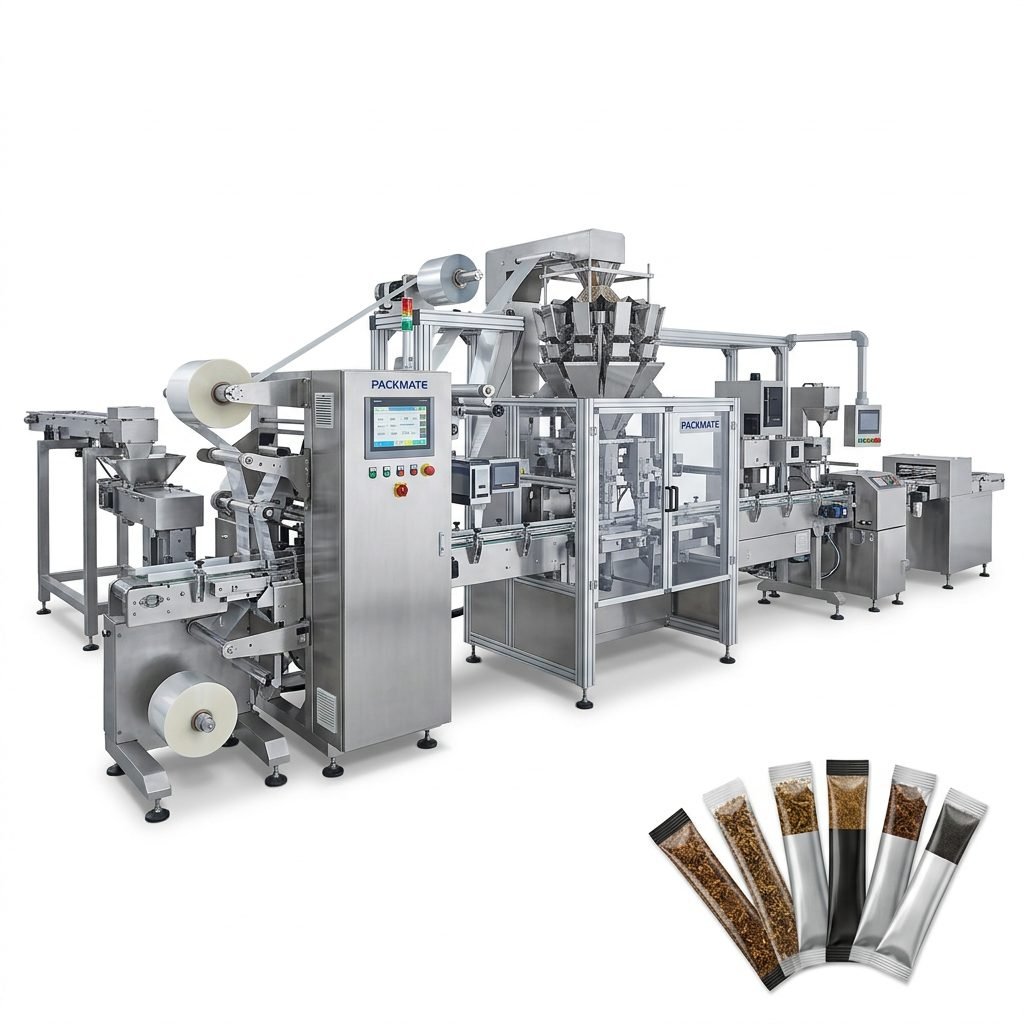
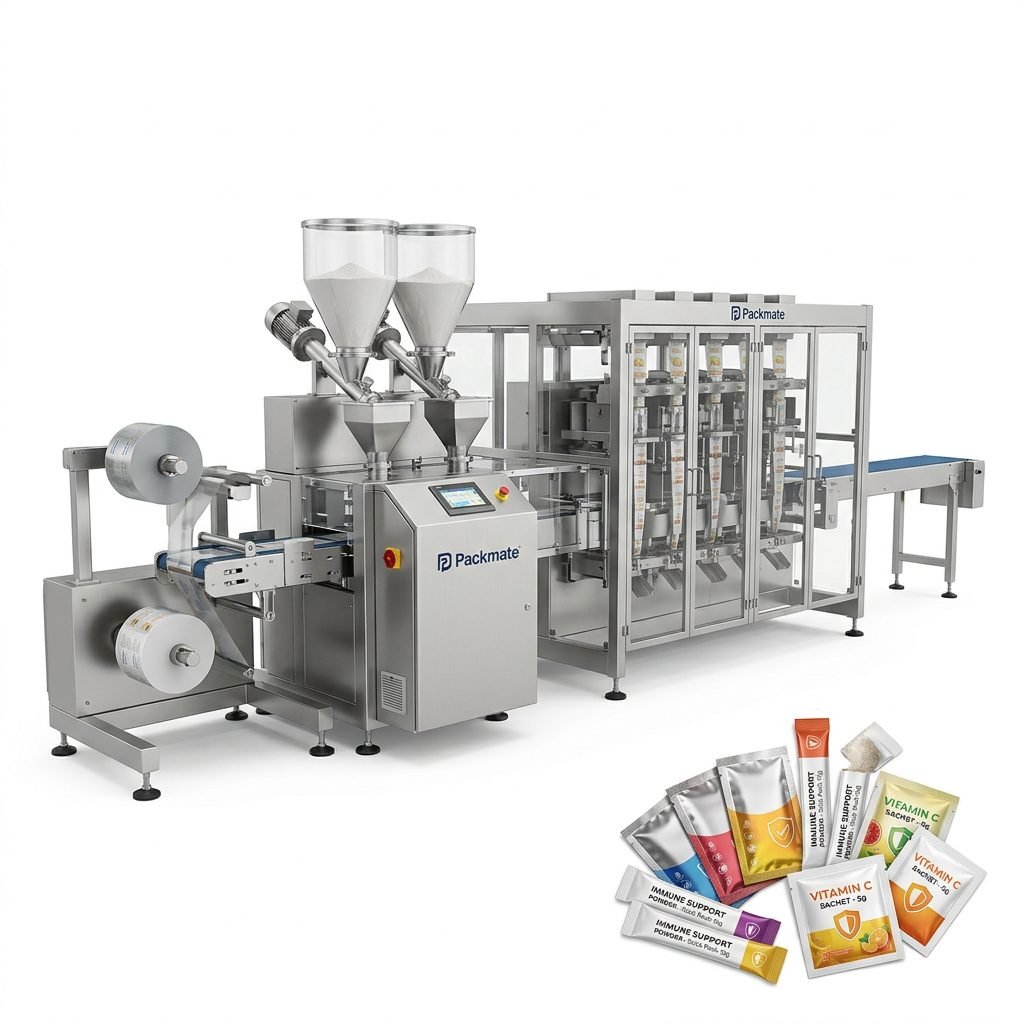
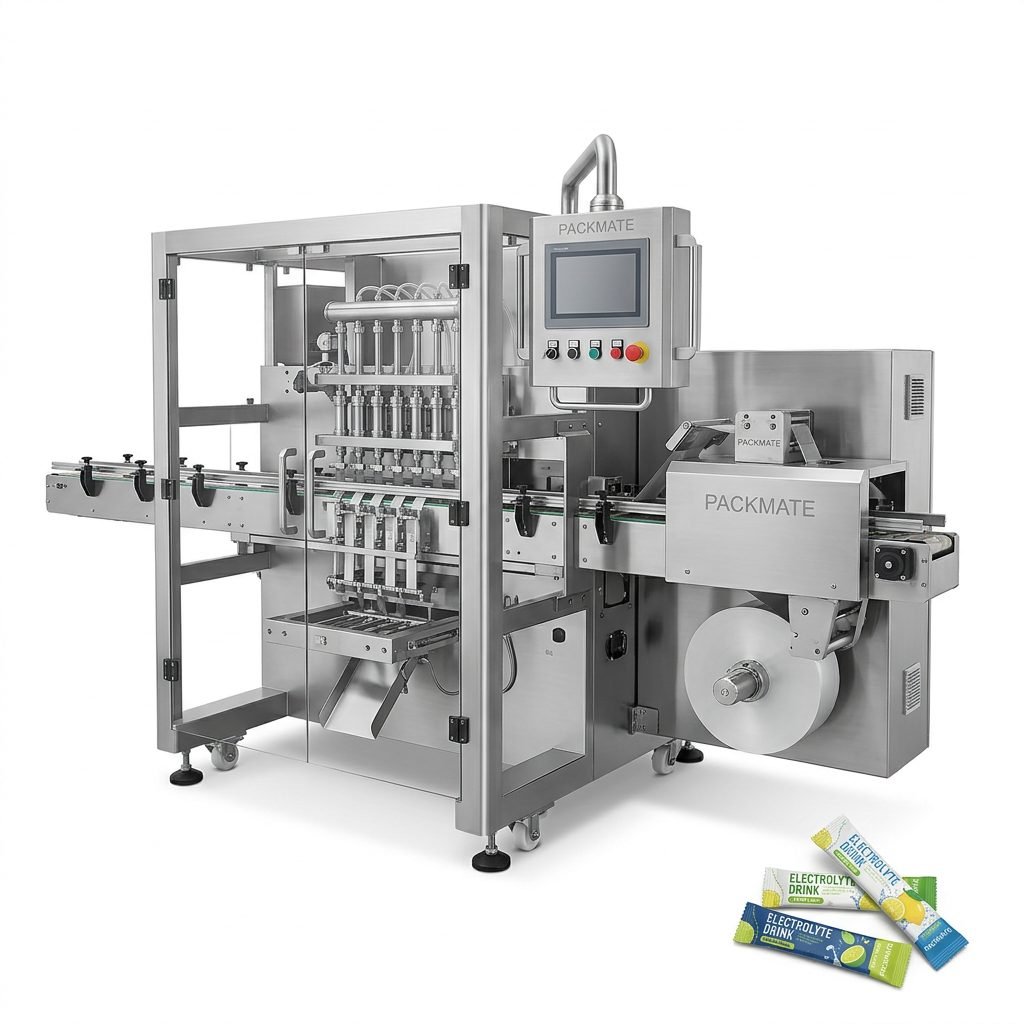
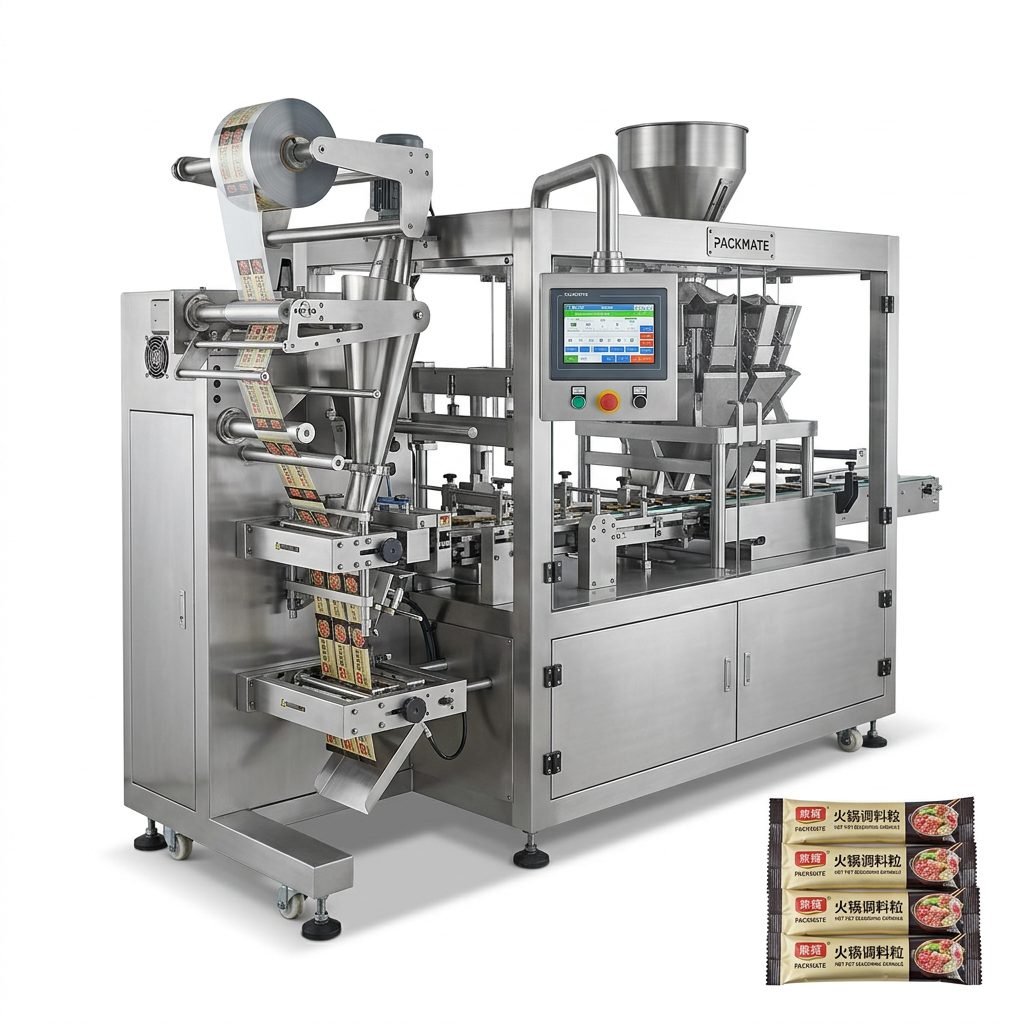
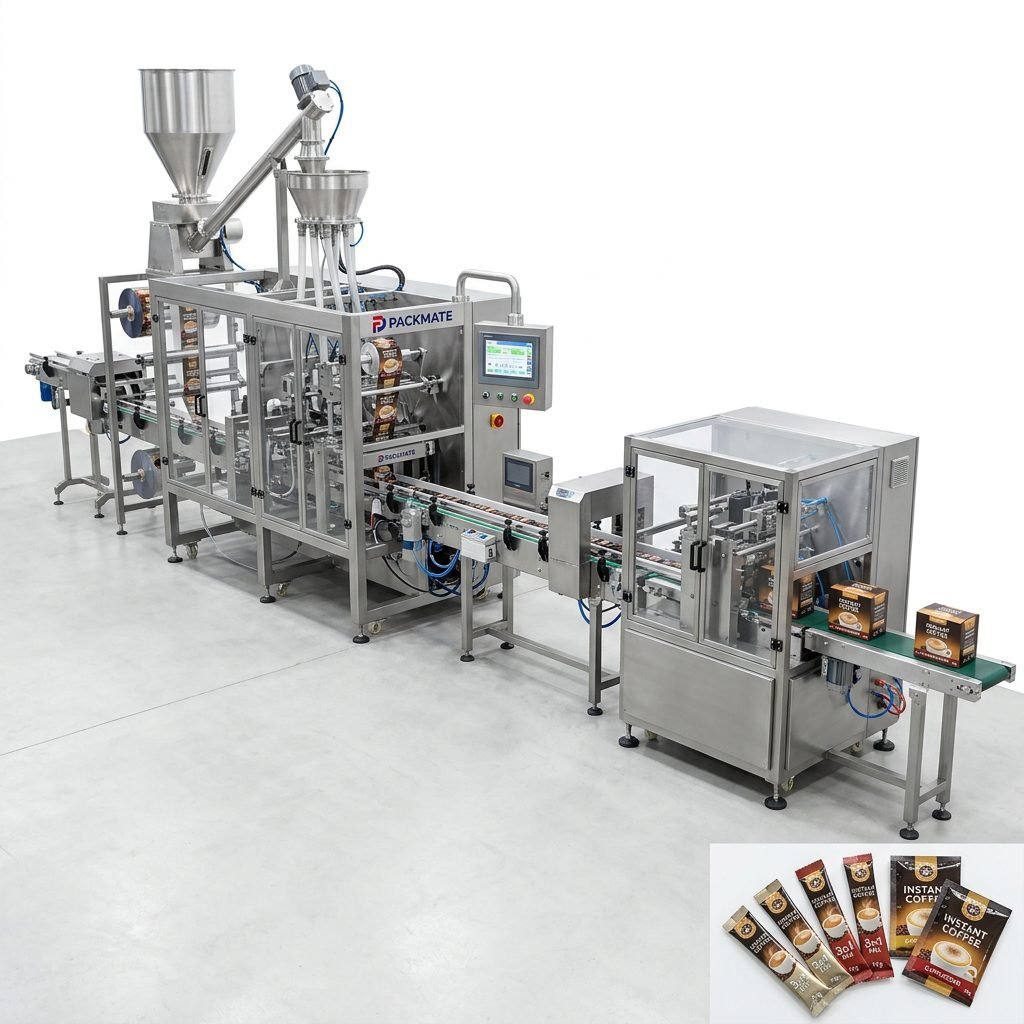
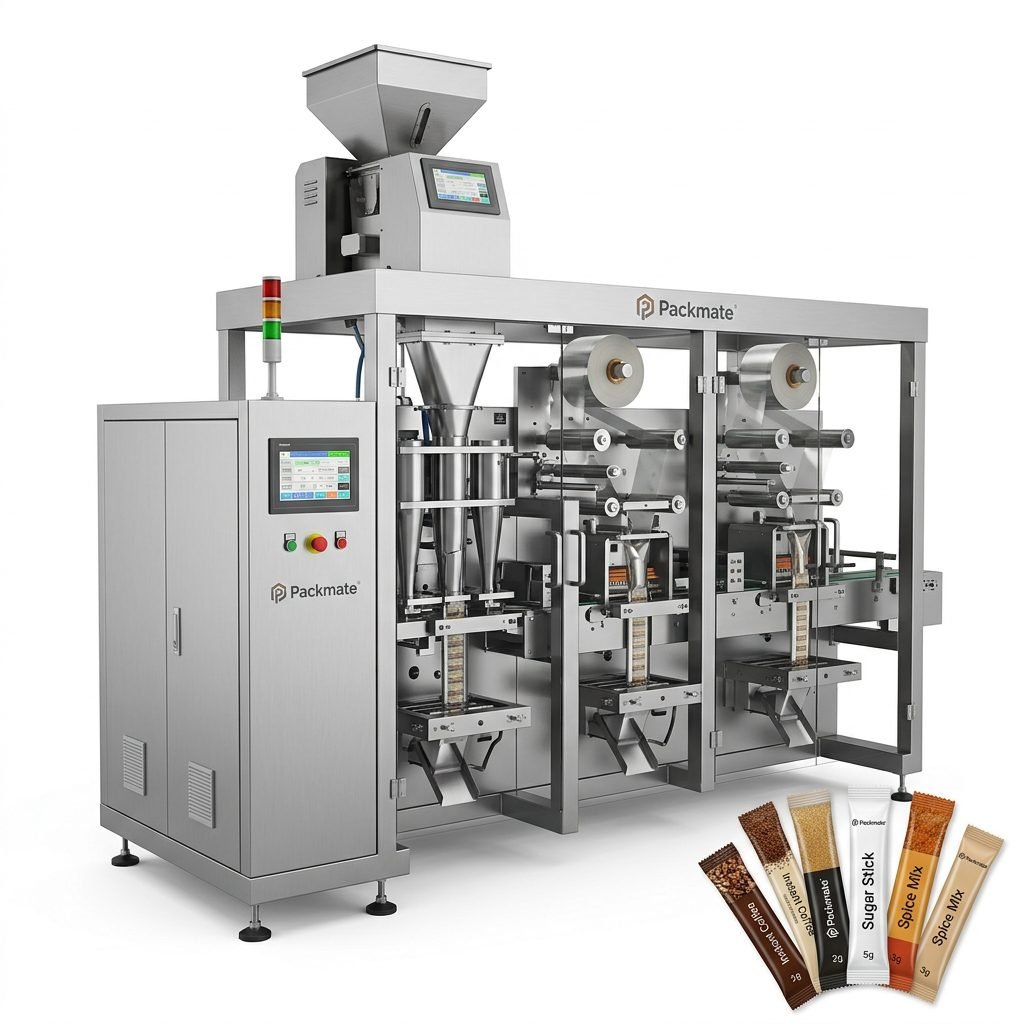
The scope of a manufacturer’s product line directly affects your ability to find the right solution. Leading Asian suppliers offer 50 to 100+ machine models, including multi‑lane sachet machines, stick pack lines, vertical form‑fill‑seal (VFFS) systems, and complete automated production lines. PacklineOEM (www.packlineoem.com) specializes in turnkey packaging lines for food, pharma, and health products, with over 50 machine types. PackingMachineOEM (www.packingmachineoem.com) is known for custom non‑standard equipment, serving clients who require bespoke automation. Whether you need a high‑speed liquid filling line or a multi‑lane powder stick pack machine, a supplier with a wide technology base can offer the most suitable configuration.
Key Factor 4: After‑Sales Support & Service
Packaging machines are long‑term investments; reliable after‑sales support is crucial. The top Asian manufacturers provide comprehensive services including installation, commissioning, training, and remote troubleshooting. For example, Ludyway’s team of engineers provides on‑site support in over 100 countries, while Packmate Machinery offers spare parts and technical assistance for its 80+ machine models. When evaluating a supplier, ask about their response time, warranty terms, and availability of local service partners. A manufacturer with a strong service network minimizes downtime and ensures smooth operations.
Key Factor 5: Certifications & Quality Standards
International certifications such as ISO 9001, CE, GMP, and FDA (where applicable) are non‑negotiable for many industries, especially food and pharmaceuticals. All five manufacturers operate 20,000 m² modern factories with advanced quality control systems. SnusMachinery, for instance, has a dedicated CNC machining facility and strict inspection protocols to ensure precision in nicotine pouch packaging lines. Requesting certificates and factory audit reports is a standard due diligence step that confirms a supplier’s commitment to quality.
Key Factor 6: Customer Reputation & Case Studies
Word‑of‑mouth and documented success stories provide real‑world proof of a manufacturer’s capabilities. Companies like Ludyway and PacklineOEM have long‑term relationships with global brands. Ludyway’s annual export revenue exceeded RMB 500 million in 2025, a testament to its strong reputation. Ask for references or visit their website to see testimonials and project examples. A manufacturer that openly shares client success stories is typically more trustworthy.
Practical Tips for Selecting Your Asian Packaging Machine Partner
Before making a final decision, we recommend you:
1. Define your production requirements – product type (powder, granule, liquid, sachet, stick pack), speed, bag size, and automation level.
2. Request a detailed proposal – machine specifications, power consumption, footprint, and delivery timeline.
3. Arrange a factory visit or virtual tour – observe the production line and quality control processes.
4. Negotiate after‑sales terms – warranty period, spare parts availability, and training.
5. Compare total cost of ownership – not just the purchase price, but also energy efficiency, maintenance, and operational costs.
Conclusion
Asia’s packaging machine manufacturers, especially those from China, offer a unique combination of experience, technology, and value. By evaluating suppliers based on years in business, export experience, machine range, after‑sales support, certifications, and customer reputation, you can confidently select a partner that aligns with your business goals. The five companies highlighted – Ludyway, Packmate Machinery, PacklineOEM, PackingMachineOEM, and SnusMachinery – each bring distinct strengths to the table, from high‑speed multi‑lane systems to custom turnkey lines. Use the criteria discussed in this article as your checklist, and you will be well on your way to a successful partnership.
Frequently Asked Questions
Q1: What is the typical lead time for a packaging machine from an Asian manufacturer?
Most manufacturers deliver standard machines within 30–45 days. Custom turnkey lines may take 60–90 days, depending on complexity.
Q2: How do I ensure the machine meets my local safety and electrical standards?
Reputable Asian suppliers offer machines with CE, ISO, and other international certifications. Discuss your local voltage, frequency, and safety requirements during the inquiry phase.
Q3: Can I get spare parts quickly after installation?
Yes, leading manufacturers maintain a stock of consumables and spare parts. Some have regional warehouses in Europe, the Middle East, or Southeast Asia to expedite shipping.
Q4: Do Asian manufacturers provide on-site training and installation support?
Most offer on-site commissioning and training as part of the purchase agreement. Remote support via video calls is also common for troubleshooting.
Q5: What payment terms are typical for large packaging lines?
Common terms are 30% deposit, 40–50% before shipment, and the balance after acceptance. Letters of credit (L/C) are also accepted by many established manufacturers.