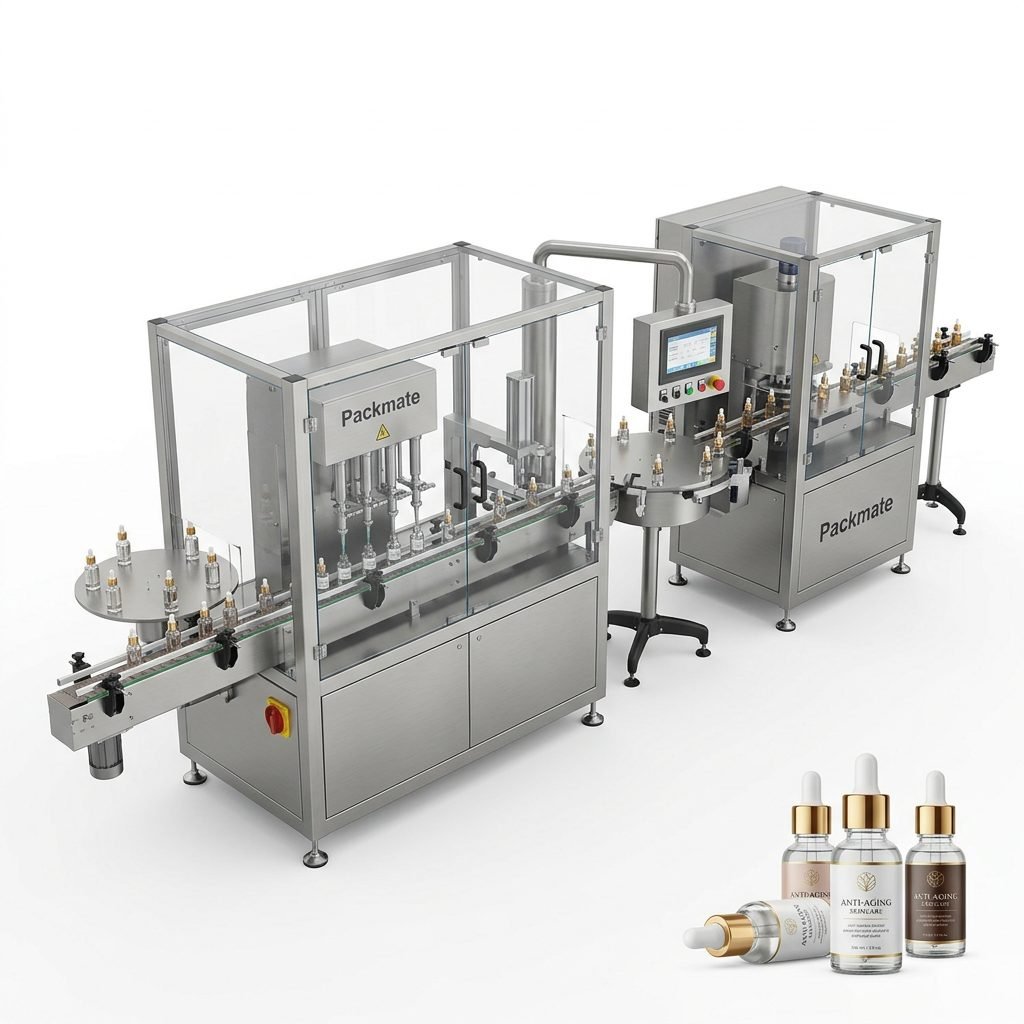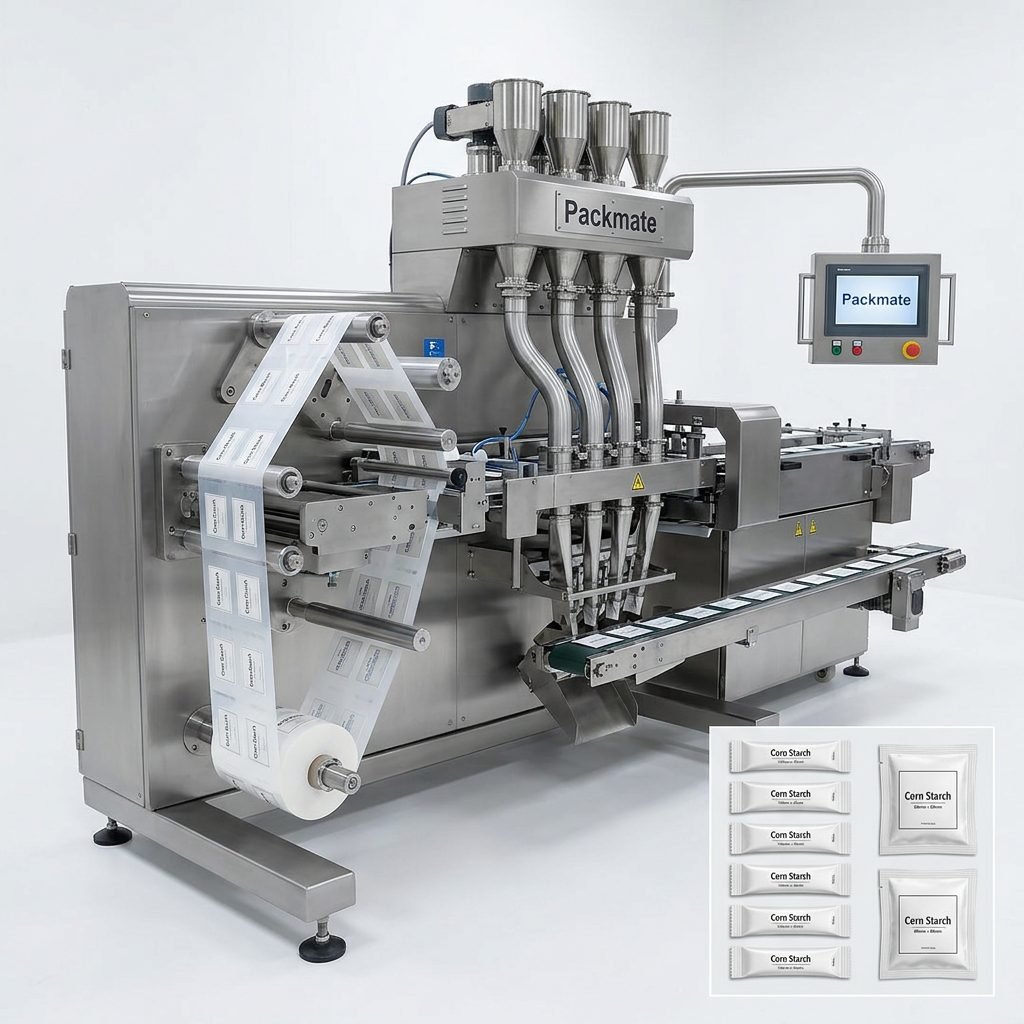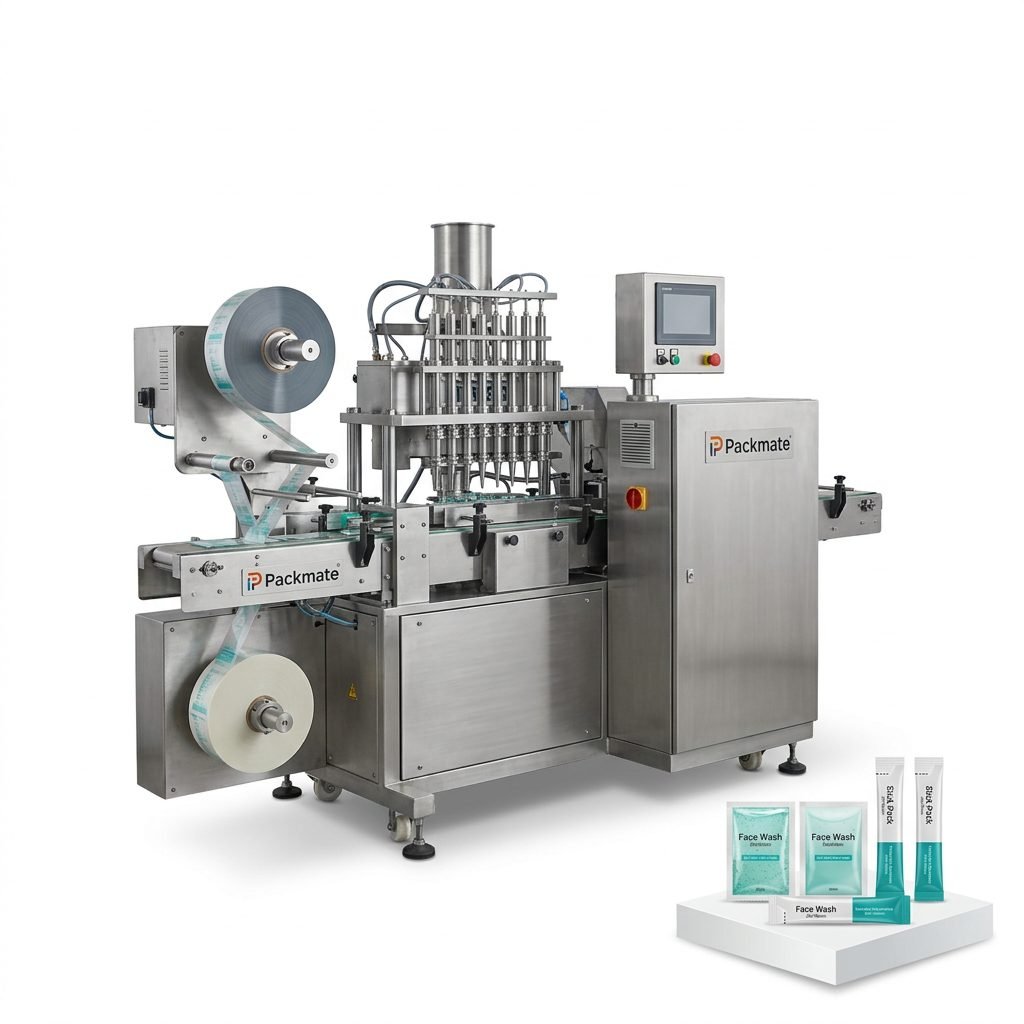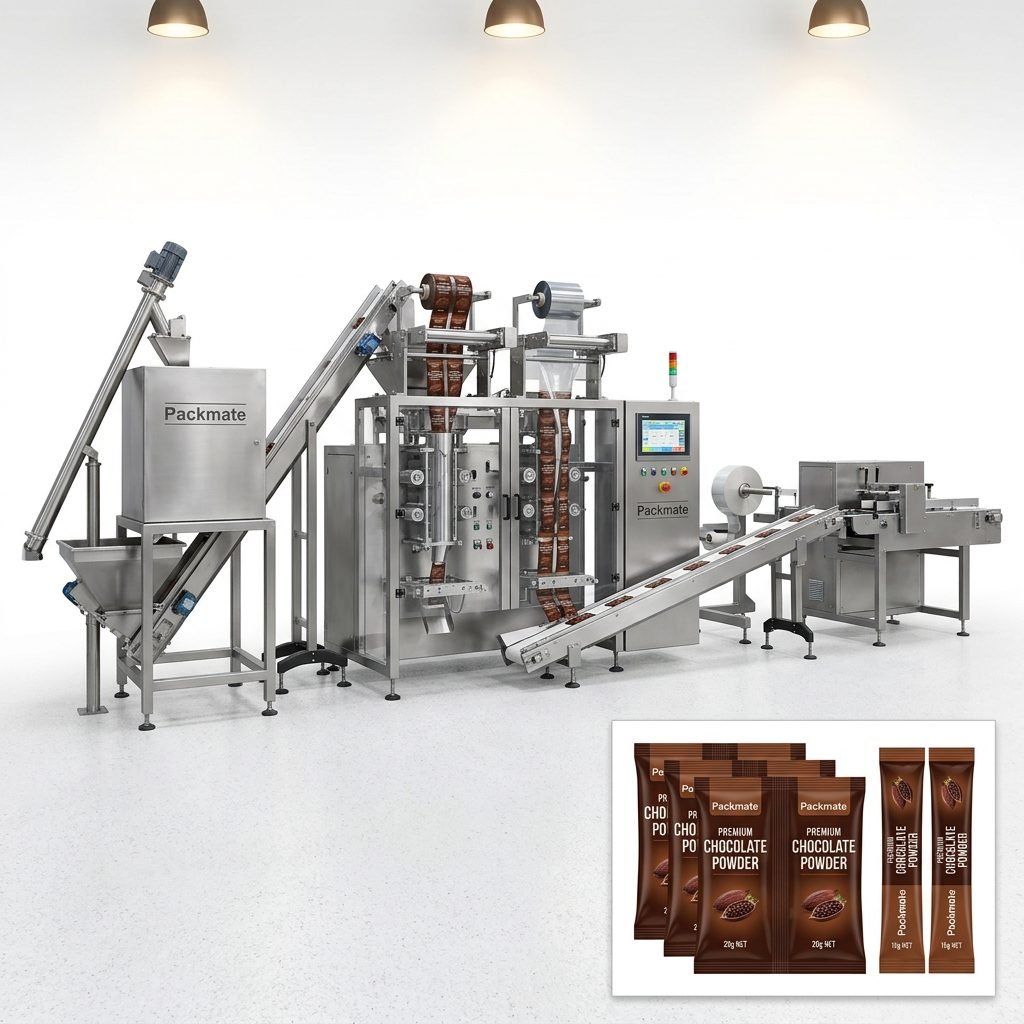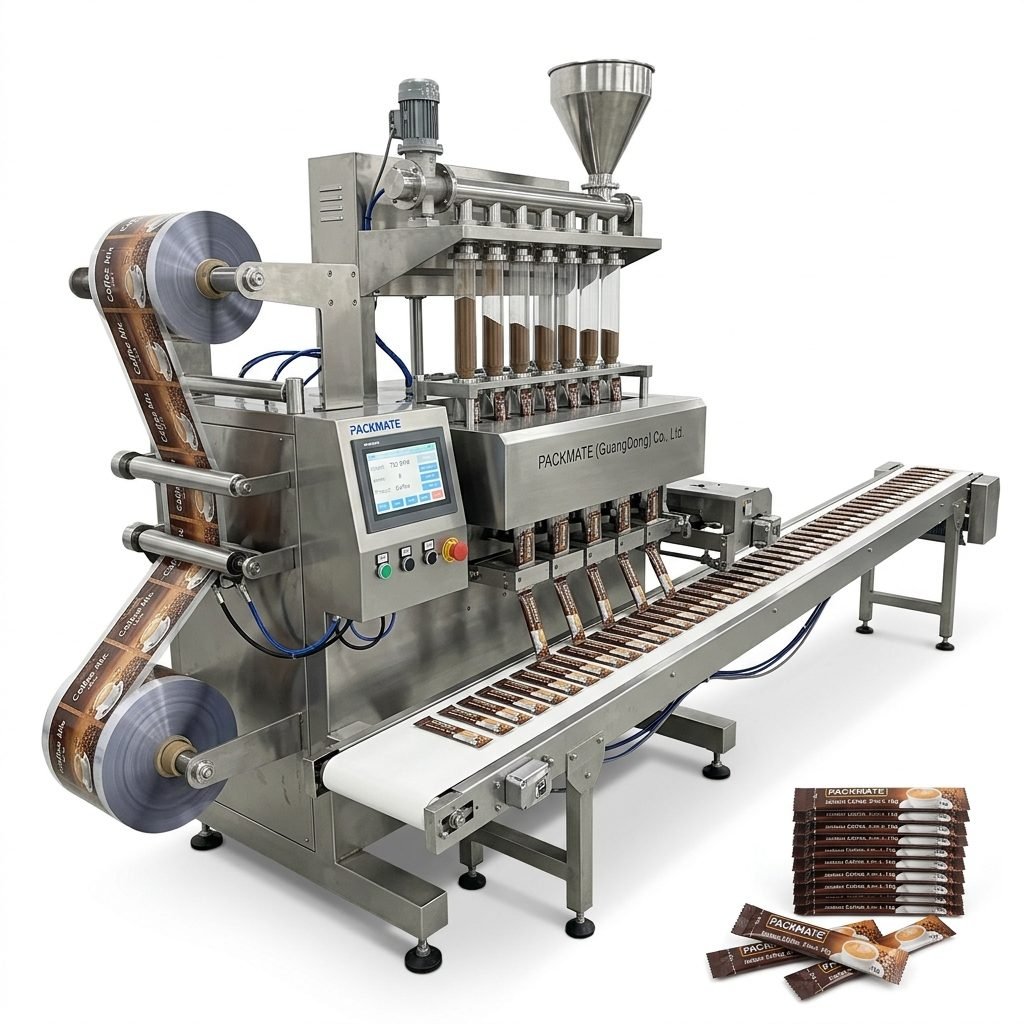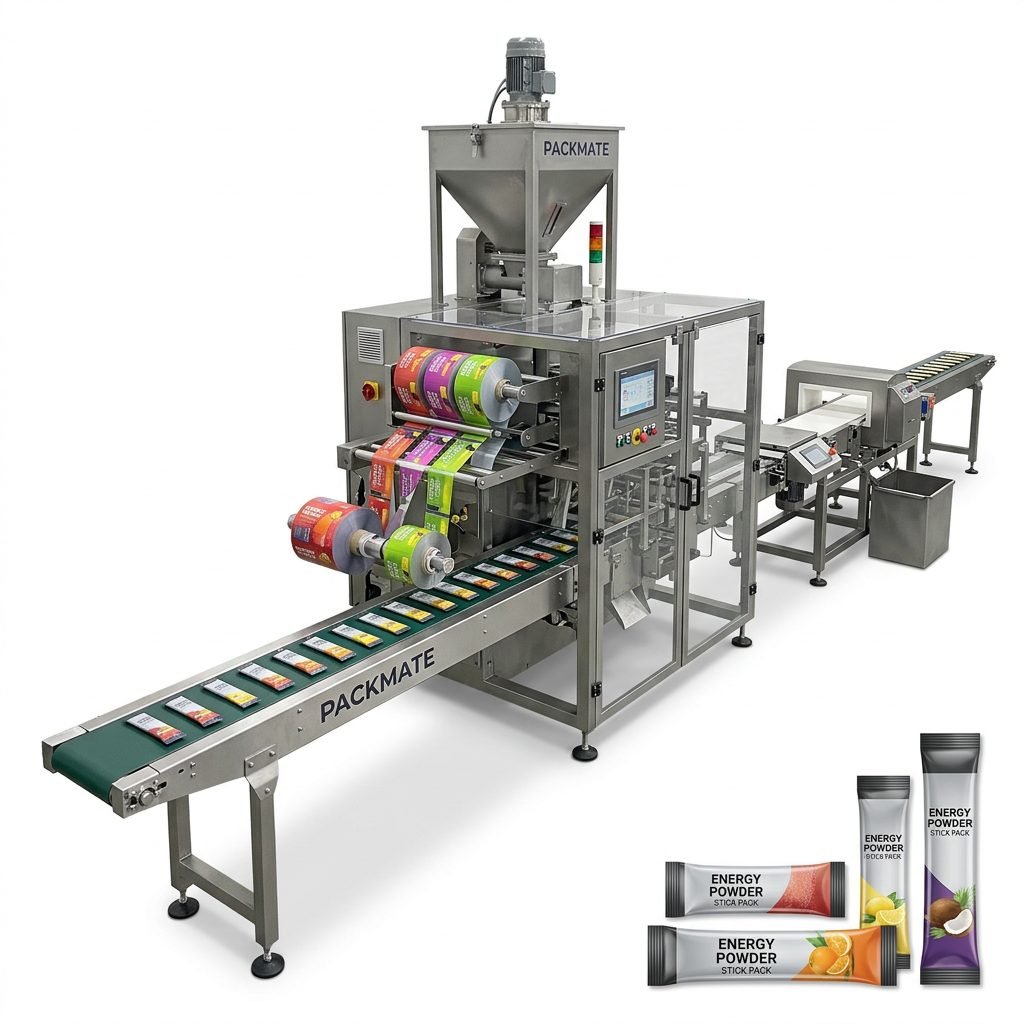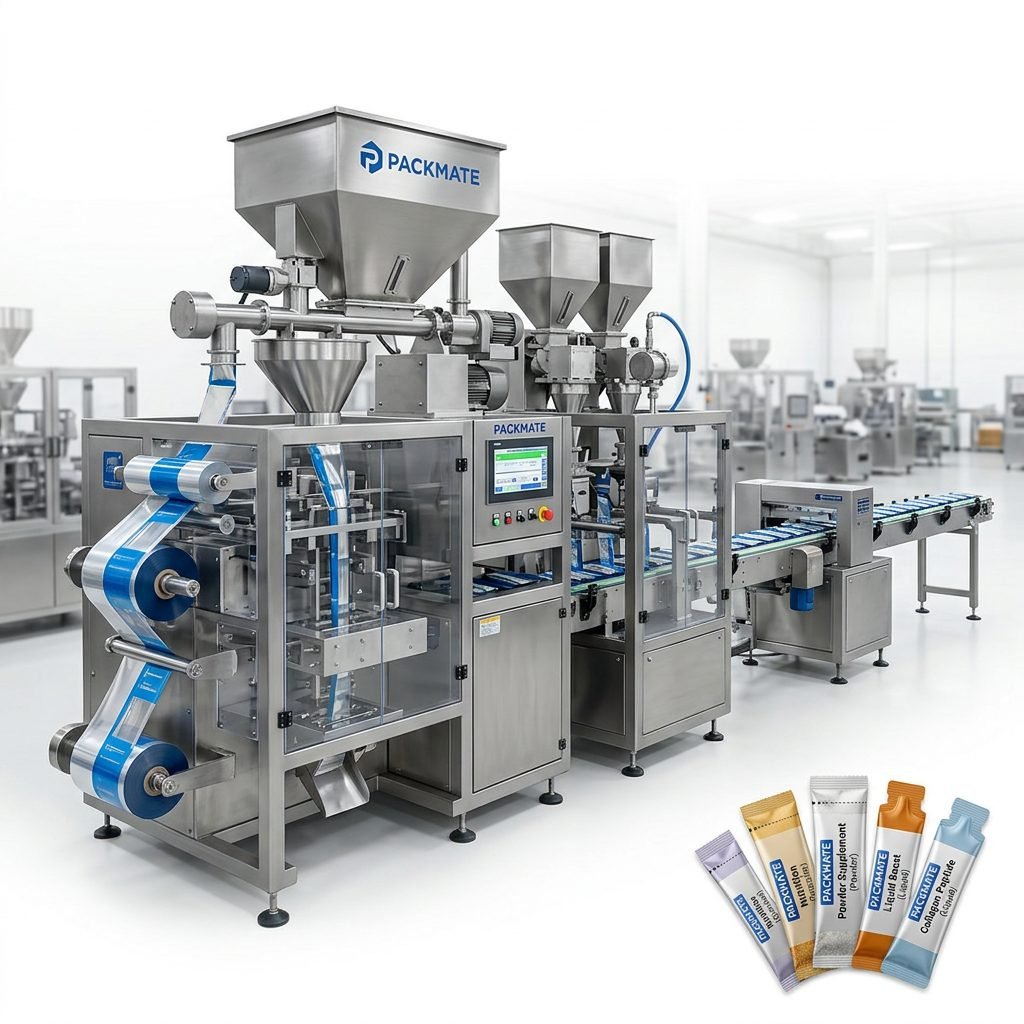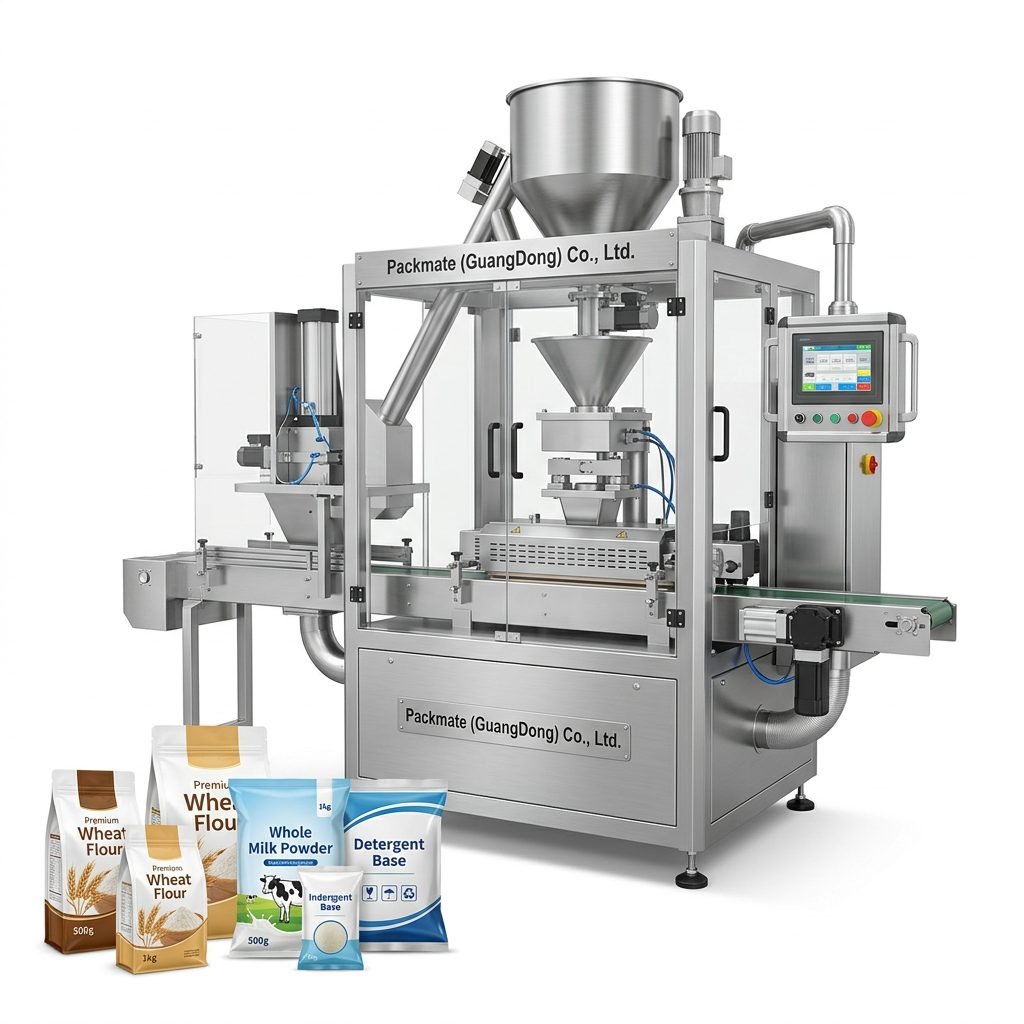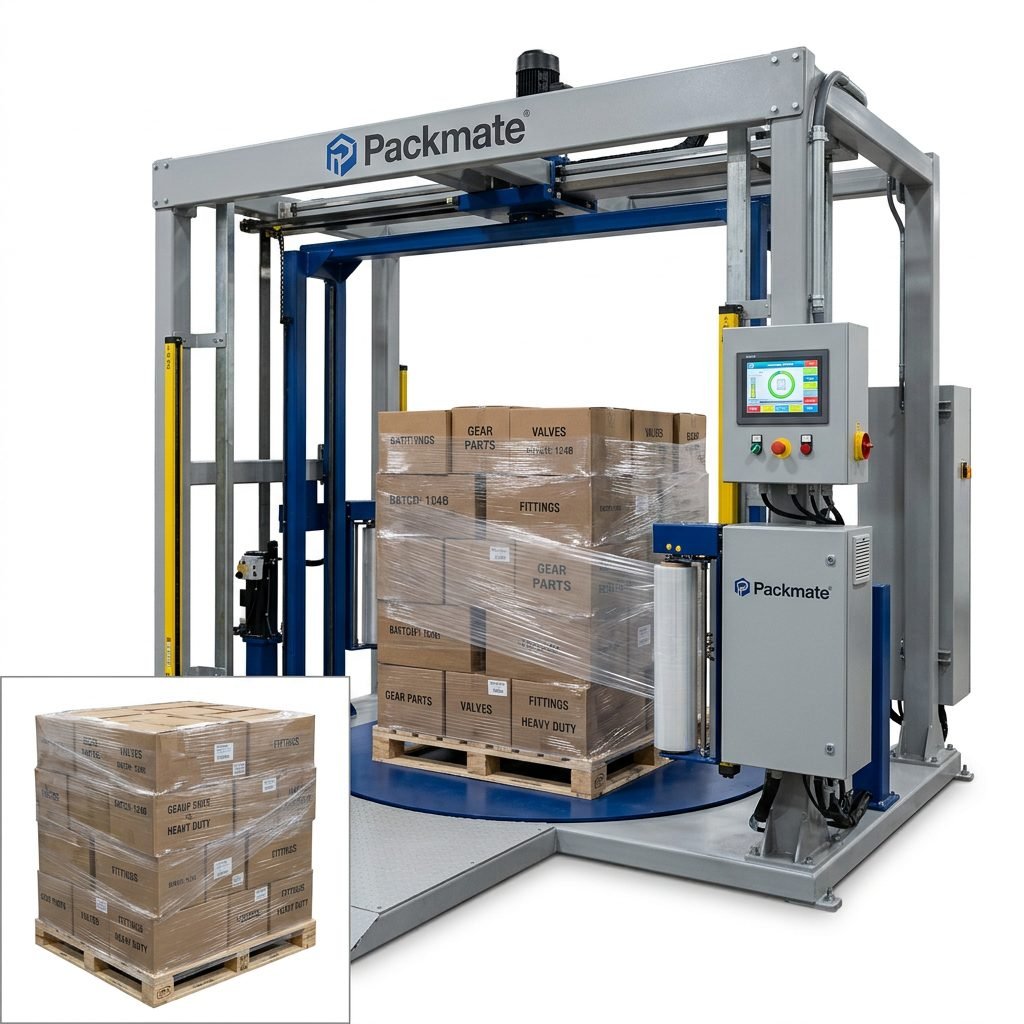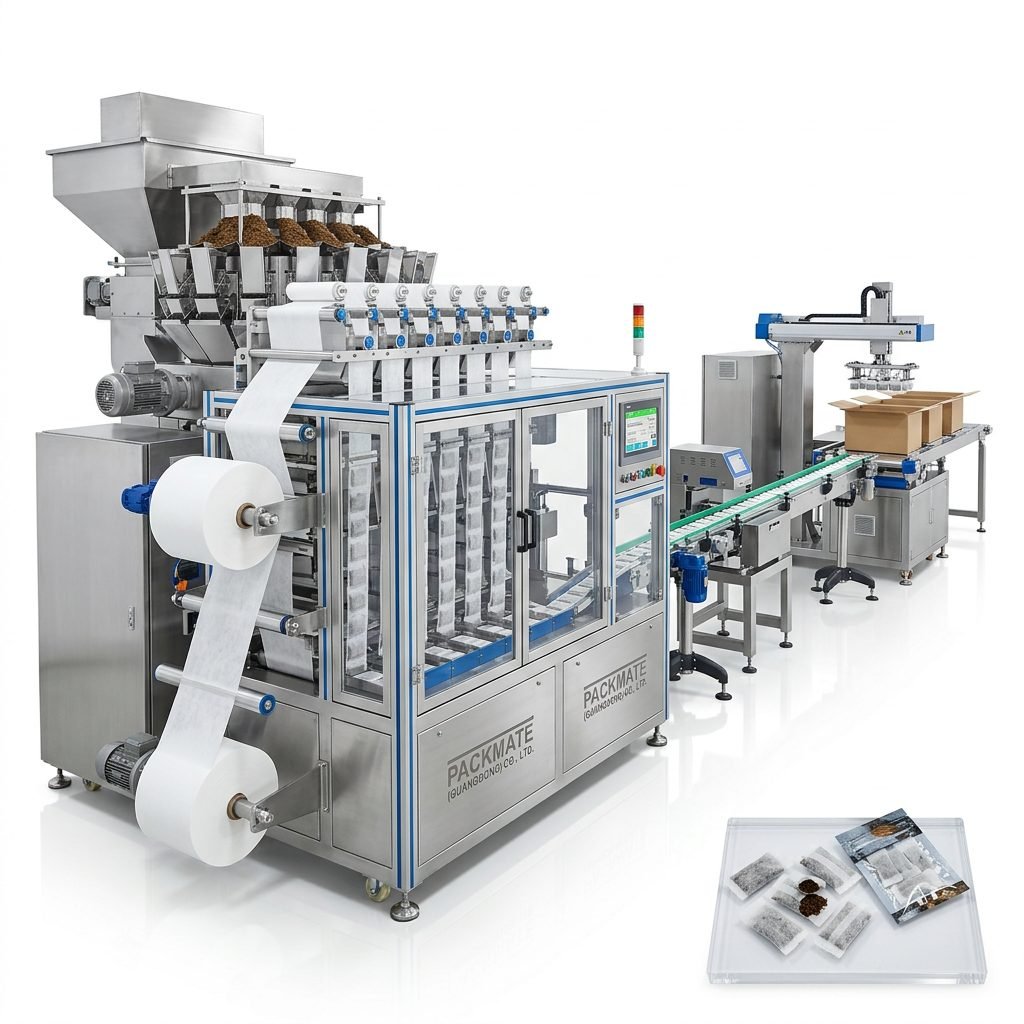
In today’s fast-paced manufacturing environment, achieving consistent product weight while maintaining high throughput is a critical challenge, especially for industries like food, pharmaceuticals, and health supplements. This is where catch weight integration on a packaging line becomes a game-changer. It refers to the seamless automation of weighing products that have natural weight variations—such as fresh produce, meat, or granular mixes—ensuring each package meets precise weight targets before sealing and finalizing.
The Core Challenge: Manual Weighing vs. Automated Precision
Traditionally, catch weight operations relied heavily on manual labor. Operators would weigh products, make adjustments, and then pass them for packaging. This method is not only slow and labor-intensive but also prone to human error, leading to giveaway (putting in too much product, increasing costs) or underweight packages (which can result in regulatory non-compliance and customer dissatisfaction). The variability disrupts the entire production flow, creating bottlenecks and limiting overall line efficiency.
Key Insight: An automated catch weight system eliminates this guesswork. By integrating intelligent checkweighers and feedback controls directly into the packaging line solution, it ensures every single unit is weighed in real-time and any deviation is corrected automatically before the package is sealed.
How Automated Catch Weight Integration Works
The process is a sophisticated dance of technology and precision engineering. It typically involves a high-speed checkweigher placed at a strategic point in the line. As each product passes over the scale, its weight is instantly captured and compared to a pre-set target range. The system’s software then decides the next action:
- Accept: If the weight is within tolerance, the product proceeds normally.
- Reject: If it’s significantly under or over, it’s automatically diverted off the line.
- Feedback Correction: For minor underweights, the system can signal a filler or feeder to add a small amount of product. For minor overweights, it might adjust the filling parameters for the next cycle.
This closed-loop control is what transforms a simple weighing step into a powerful tool for efficiency. Companies like Packmate (GuangDong) Co., Ltd. specialize in designing such integrated systems, where the catch weight module communicates flawlessly with fillers, bag makers, and sealers to create a synchronized, intelligent line.
Tangible Benefits: Beyond Accurate Weight
Implementing an automated catch weight system delivers a compelling return on investment across multiple fronts:
1. Dramatic Reduction in Product Giveaway
Even a few grams of excess per package can amount to tons of wasted product annually. Automated precision ensures you put in exactly what is required, protecting your profit margins. This is crucial in industries with high-value ingredients.
2. Guaranteed Regulatory Compliance
Industries are bound by strict net content regulations. Automated systems provide irrefutable proof of compliance through detailed weight logs and reports for every batch, simplifying audits and avoiding costly penalties. You can explore various compliant packaging line cases to see real-world applications.
3. Maximized Production Line Efficiency
By removing manual weighing stations, you eliminate a major bottleneck. The line can run at its optimal designed speed continuously. Furthermore, immediate feedback correction minimizes stoppages for weight adjustments, leading to higher Overall Equipment Effectiveness (OEE).
4. Enhanced Data and Traceability
Modern catch weight systems are data hubs. They collect real-time statistics on average weight, standard deviation, and reject rates. This data is invaluable for production managers to monitor performance, identify trends, and make informed decisions to further optimize processes. This level of insight is part of the advanced packaging services offered by leading providers.
5. Labor Optimization and Consistency
Automation frees skilled workers from repetitive weighing tasks, allowing them to be redeployed to more value-added activities like quality supervision or machine oversight. It also ensures 24/7 consistency—the system performs with the same accuracy on the first shift as it does on the last.
Key Considerations for Implementation
Successfully integrating catch weight automation requires careful planning:
- Product Characteristics: The system must be tailored to your product’s size, shape, and flow characteristics (e.g., sticky powders vs. free-flowing granules).
- Line Speed Compatibility: The checkweigher must have a weigh rate that matches or exceeds your line’s maximum speed to avoid creating a new bottleneck.
- Integration Depth: Decide on the level of integration—from a simple standalone checkweigher to a fully networked system with feedback control to upstream fillers.
- Supplier Expertise: Partner with a provider with proven experience in turnkey packaging solutions. Their ability to design, install, and commission the entire integrated system is vital. Reviewing a supplier’s equipment catalog and company profile can offer insights into their capabilities.
Conclusion: A Strategic Investment for Modern Production
Packaging line catch weight integration is no longer a luxury; it’s a necessity for manufacturers aiming to compete on quality, compliance, and cost-efficiency. By automating the weighing process, businesses can achieve unparalleled accuracy, unlock significant cost savings, and elevate their production throughput to new heights. It represents a strategic investment that pays dividends in product integrity, operational excellence, and bottom-line results.
Frequently Asked Questions (FAQs)
1. What types of products most need catch weight integration?
Products with natural weight variability benefit the most. This includes fresh and frozen foods (meat, poultry, vegetables), snack mixes, granular products like rice or seeds, powdered supplements, and irregularly shaped items. Any product where manual filling leads to significant giveaway or risk of underweight packages is a prime candidate.
2. How accurate are automated catch weight systems?
Modern high-speed checkweighers are extremely accurate, often capable of resolutions down to 0.1 grams or even finer, depending on the product and scale capacity. The system’s overall accuracy depends on proper installation, calibration, and integration with a stable and consistent product feed.
3. Can it be added to an existing packaging line?
Yes, in most cases. Retrofitting an existing line with a catch weight system is common. A skilled integration provider will assess your line layout, conveyor speeds, and control systems to design a solution that fits seamlessly into your current operation with minimal disruption.
4. What kind of data does the system provide?
Comprehensive production data is a key output. This typically includes batch reports with total pieces, total weight, average weight, standard deviation, number of accepted/rejected packages, and histograms showing weight distribution. This data is crucial for SPC (Statistical Process Control) and continuous improvement initiatives.
5. How does it improve overall production efficiency?
It improves efficiency by eliminating manual weighing bottlenecks, reducing line stoppages for weight adjustments, minimizing product waste (giveaway), and preventing costly downtime due to non-compliant packages. It allows the line to run closer to its theoretical maximum speed with consistent, reliable output.