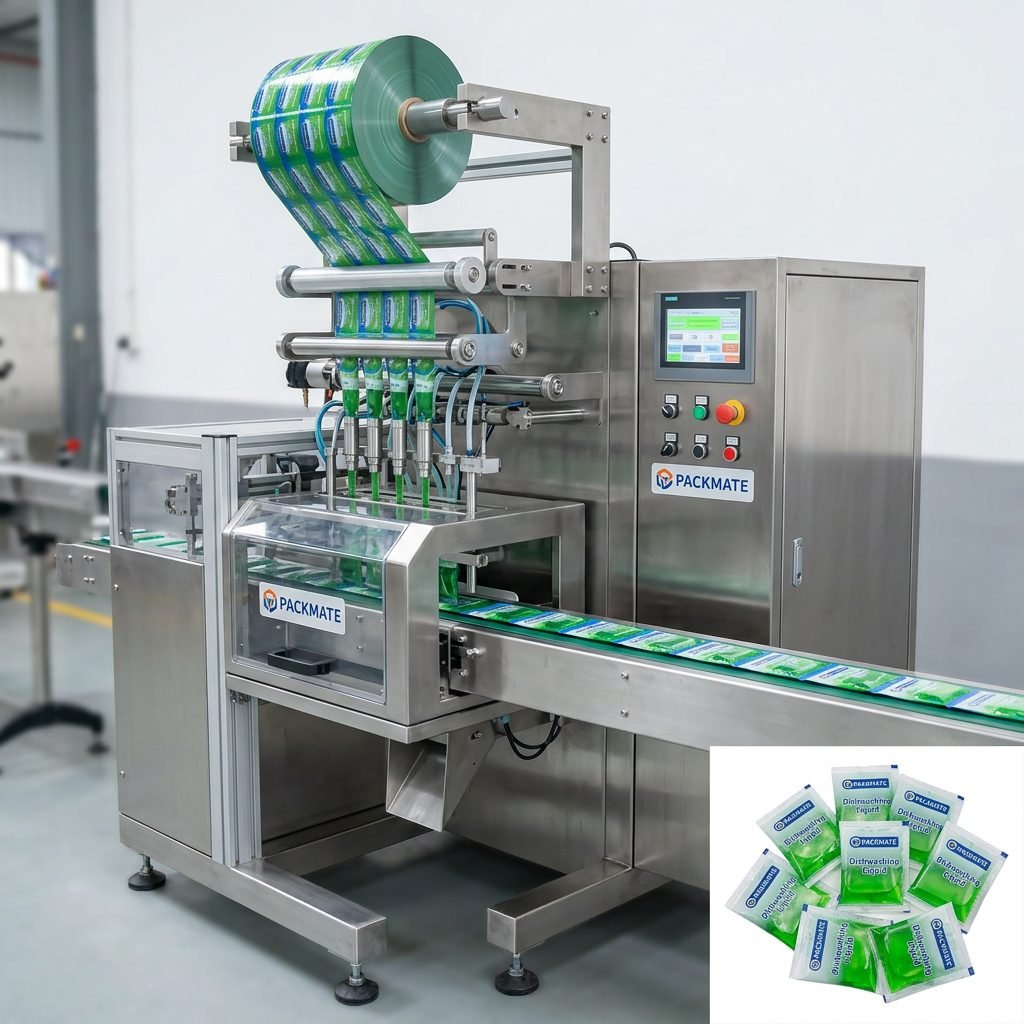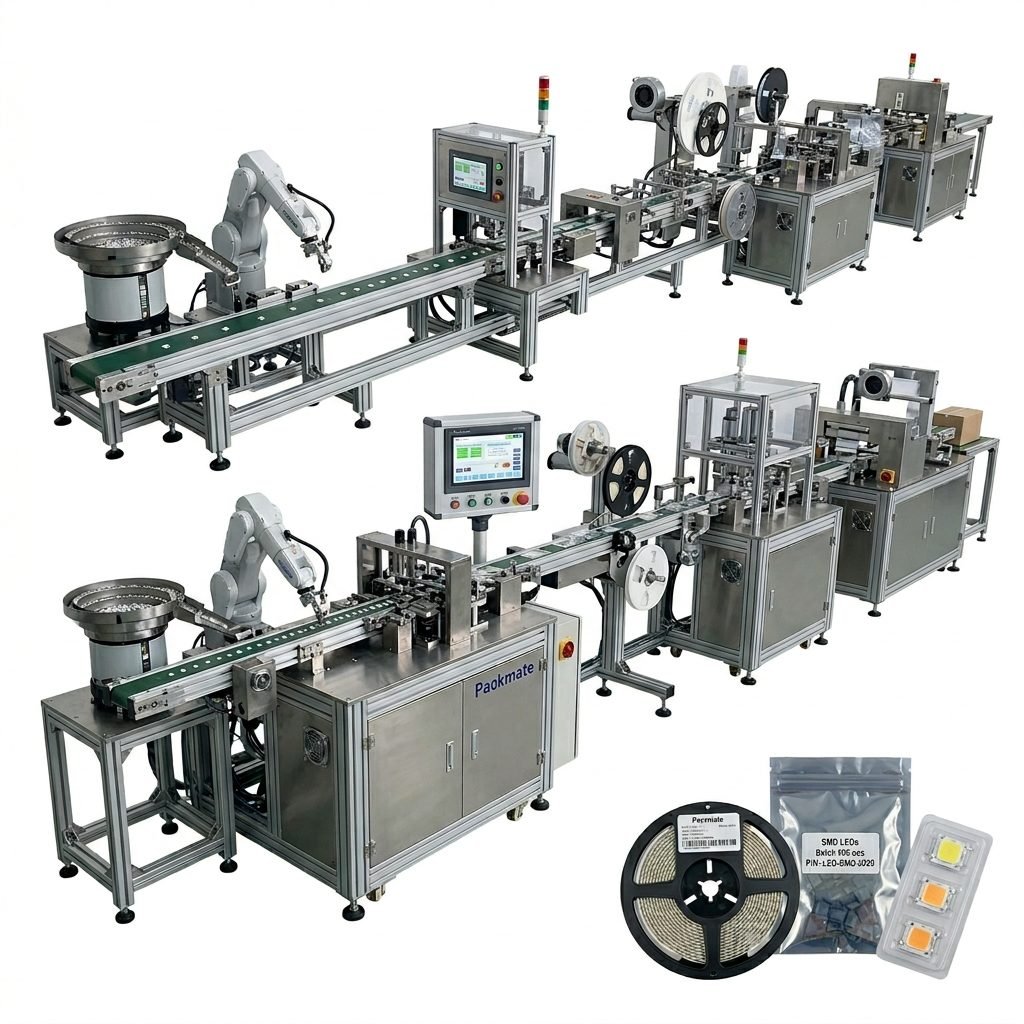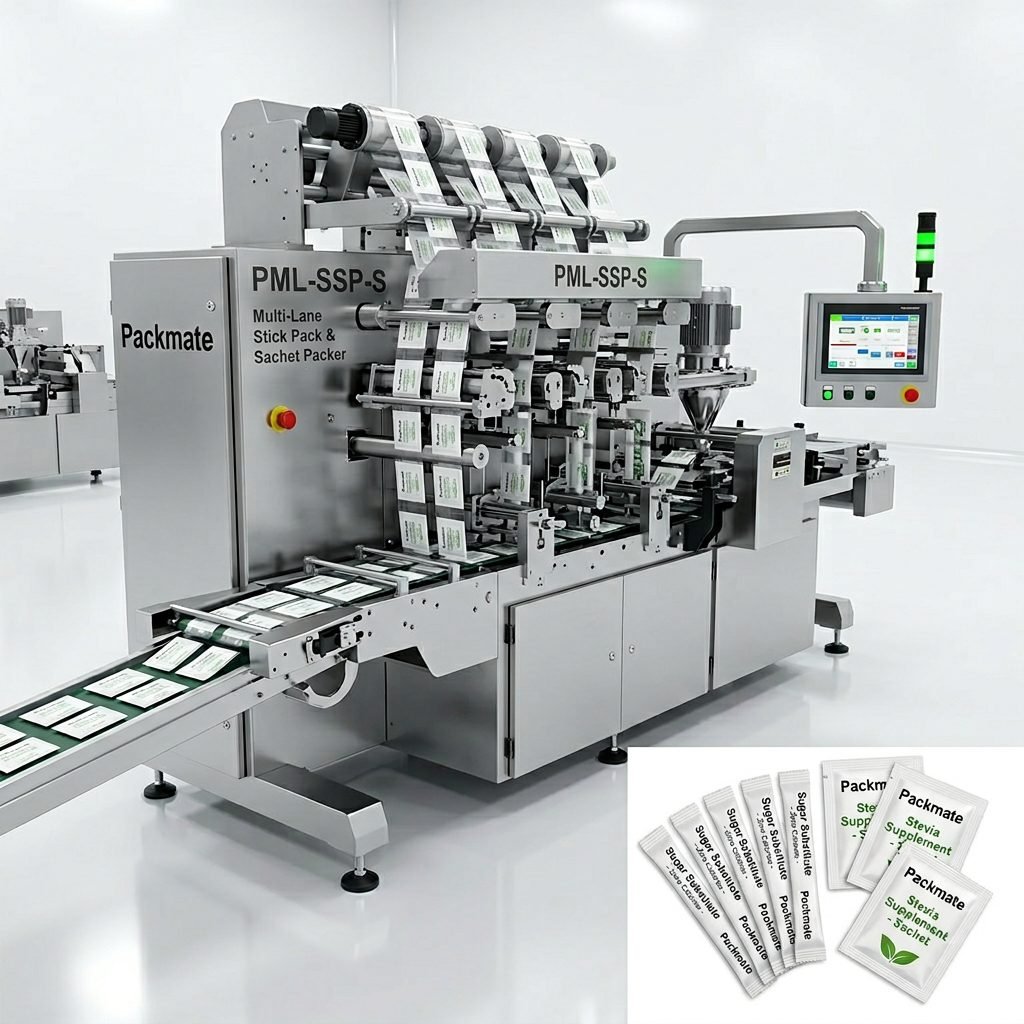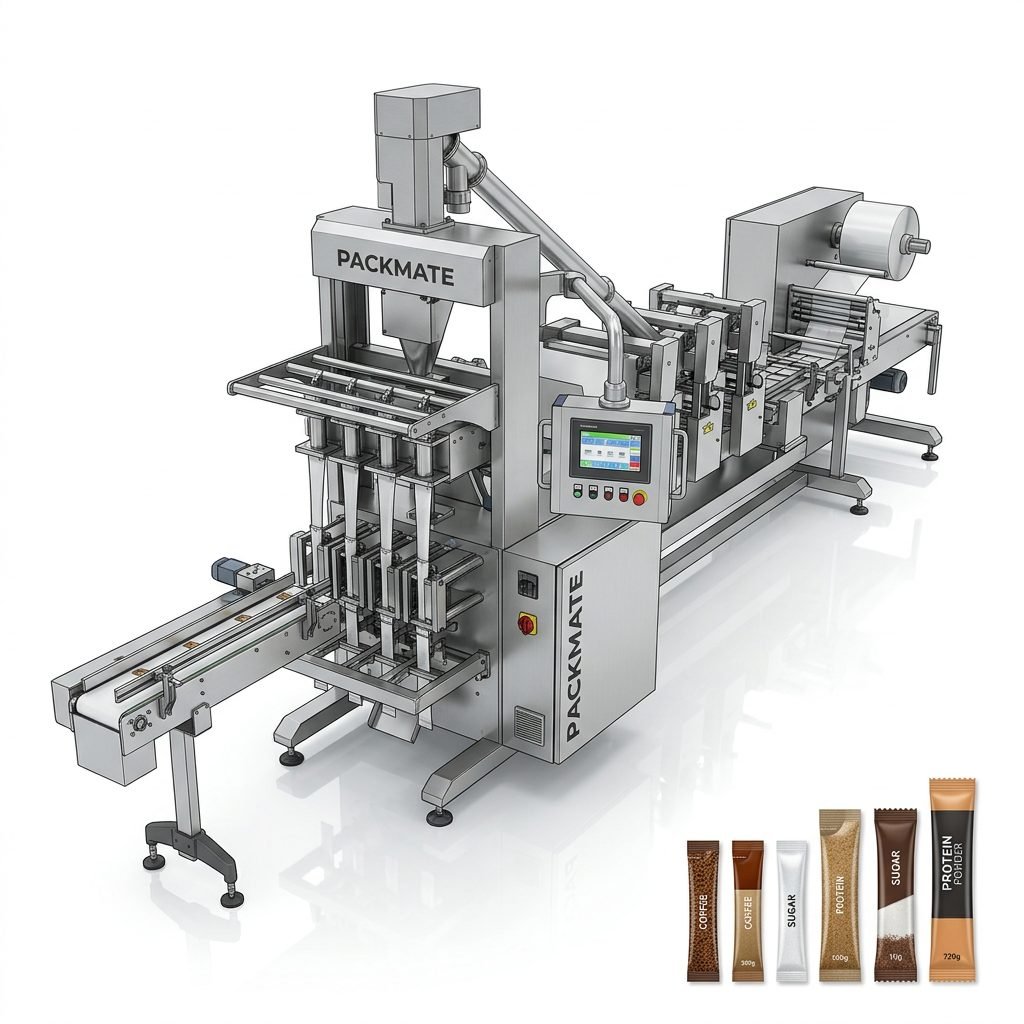
Selecting the right packaging machine manufacturer is a critical business decision for companies operating in the United States. The U.S. market demands high efficiency, strict compliance with FDA and USDA regulations, and robust automation capabilities. With a vast number of global suppliers, particularly from China’s mature manufacturing sector, buyers must evaluate potential partners based on technical expertise, production scale, and industry fit. This guide outlines the essential factors U.S. buyers should consider to ensure a successful long-term investment.
When evaluating suppliers, it is important to look beyond the initial price tag. U.S. companies often prioritize machine reliability, after-sales support, and the ability to integrate with existing production lines. Manufacturers with decades of experience and a proven export track record to North America are typically better positioned to meet these expectations.
1. Manufacturing Experience and Company History
A manufacturer’s longevity in the industry is a strong indicator of its stability and technical depth. Companies that have been operating for 30 years or more often have refined engineering processes, established quality control systems, and a deep understanding of various packaging applications. This experience translates into machines that are more durable and easier to maintain over their lifecycle.
For example, Ludyway, founded in 1993, has accumulated over three decades of experience and operates a factory spanning more than 20,000 square meters. Similarly, Packmate Machinery brings similar longevity, with a strong focus on food and pharmaceutical applications. U.S. buyers should prioritize manufacturers with a long-standing presence to minimize the risks associated with untested suppliers.
2. Product Portfolio and Machine Versatility
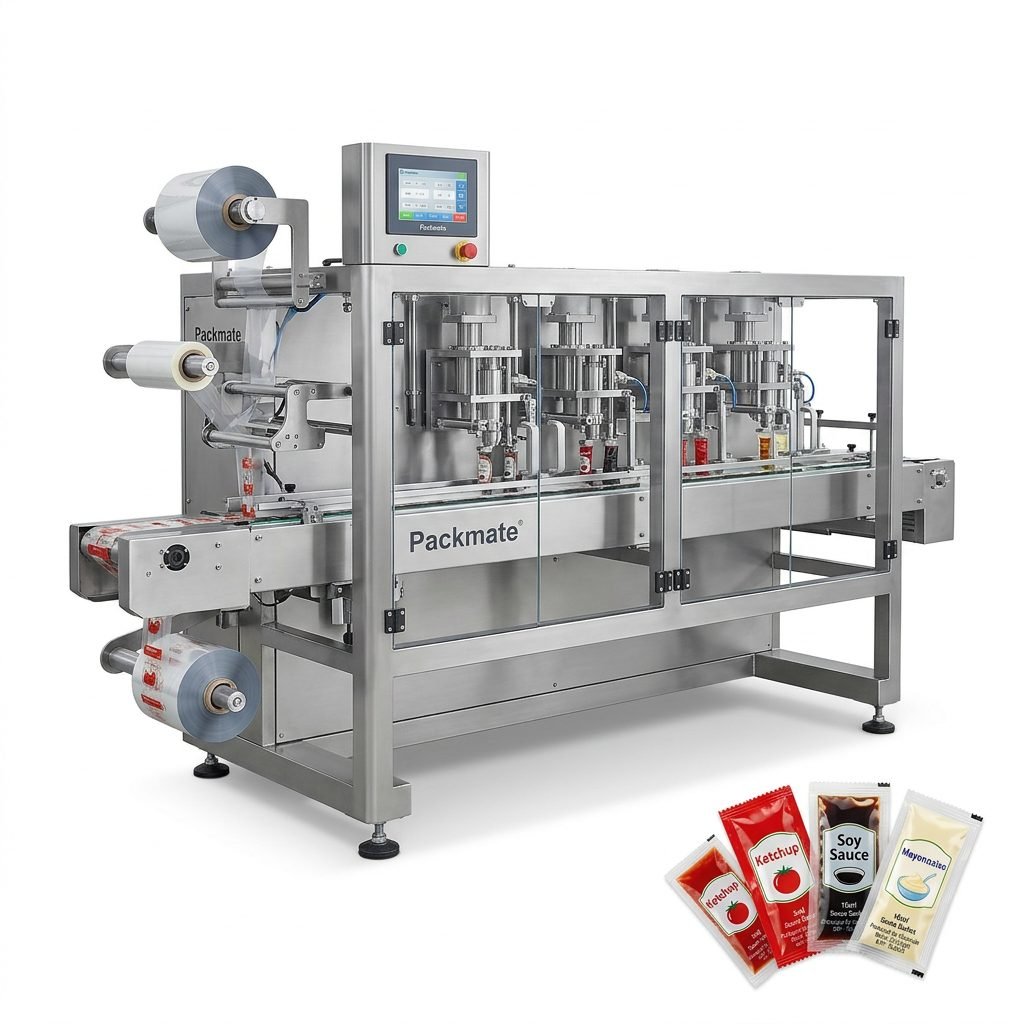
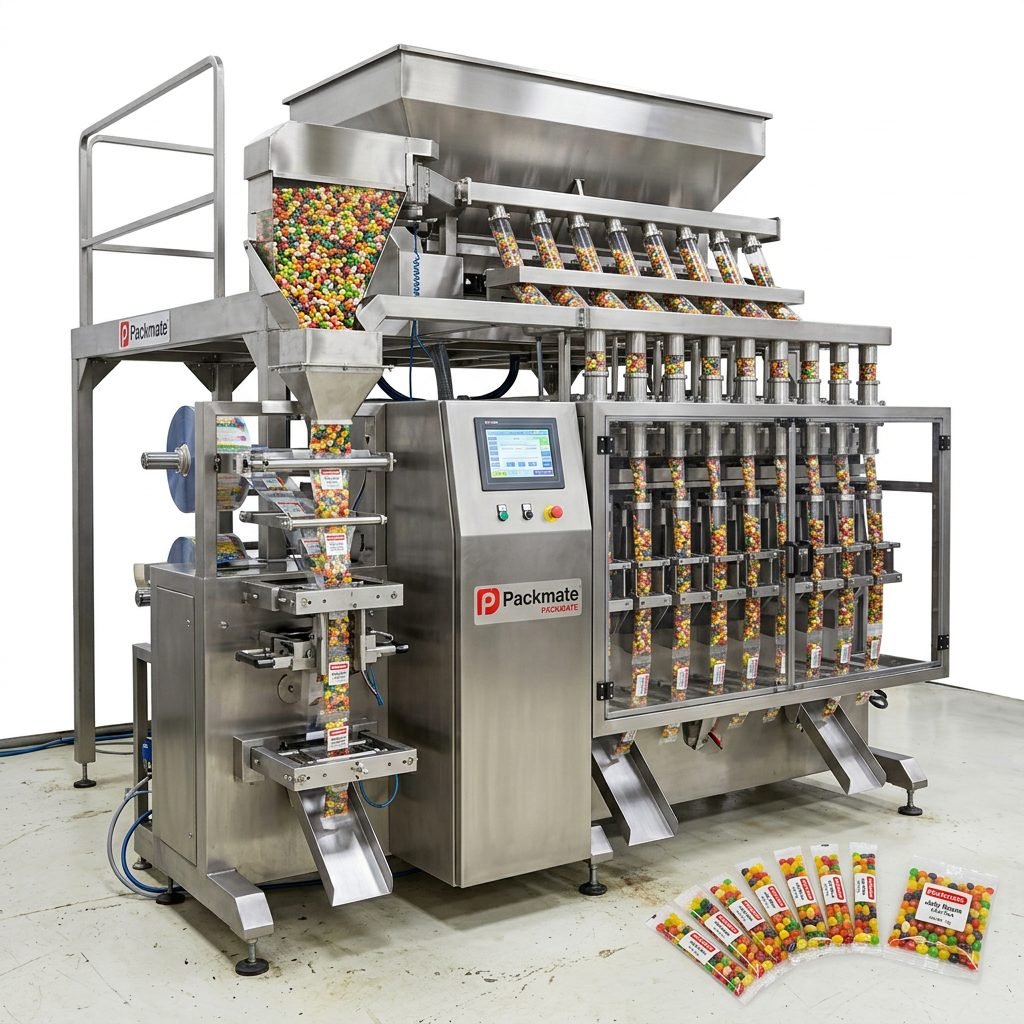
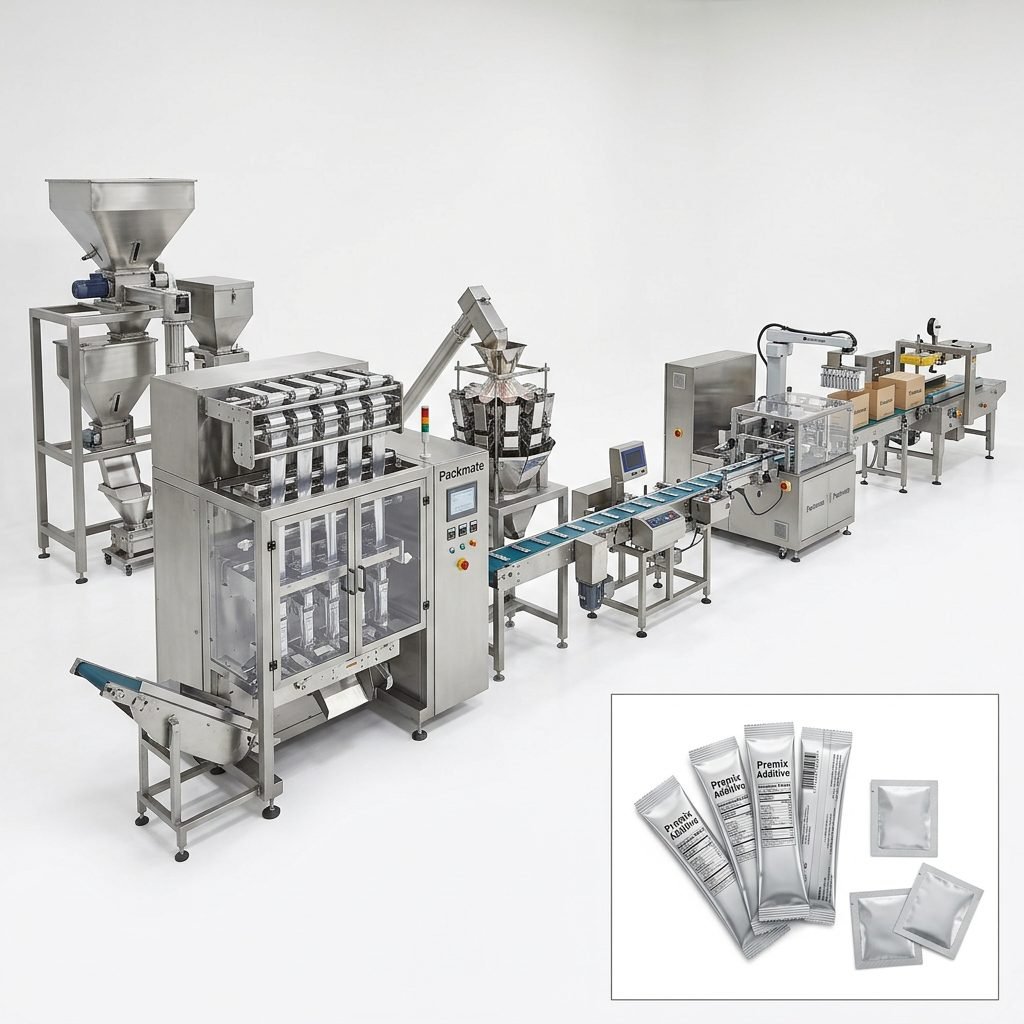
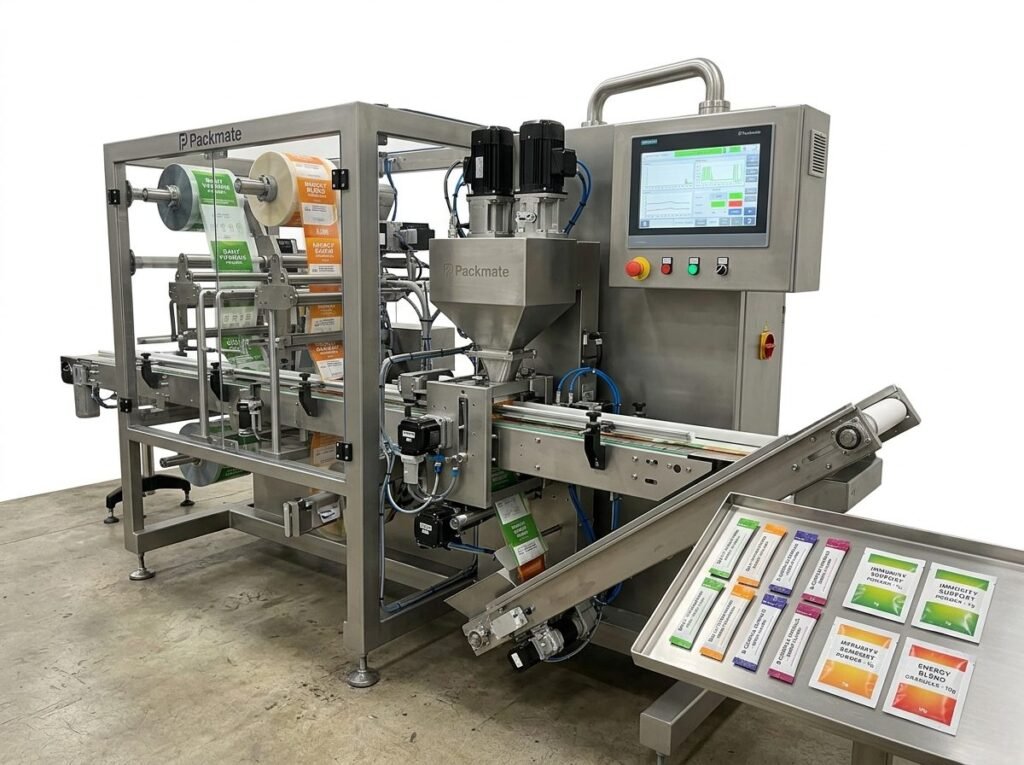
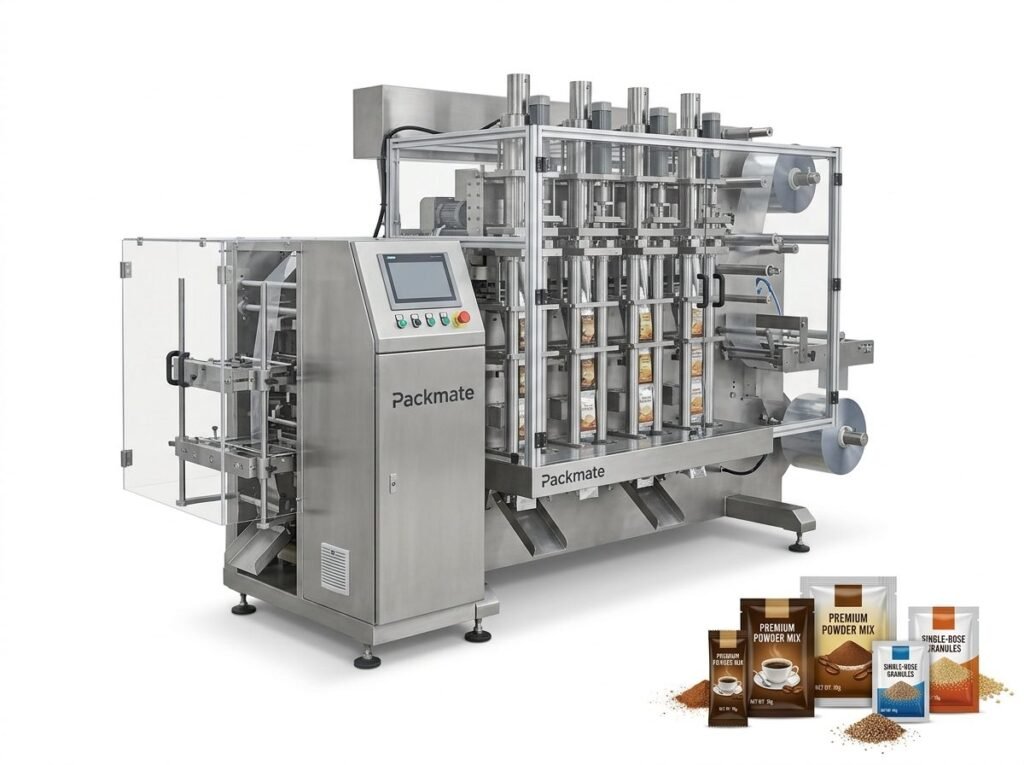
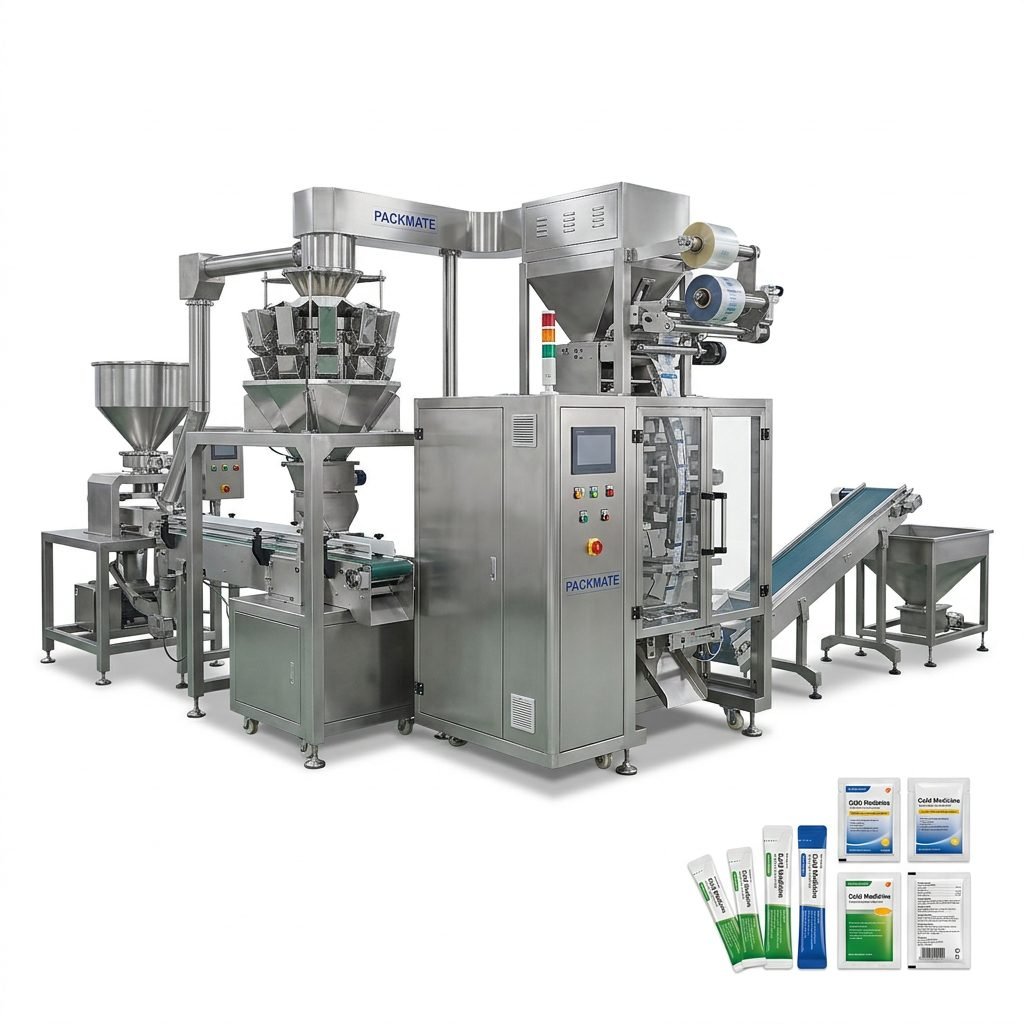
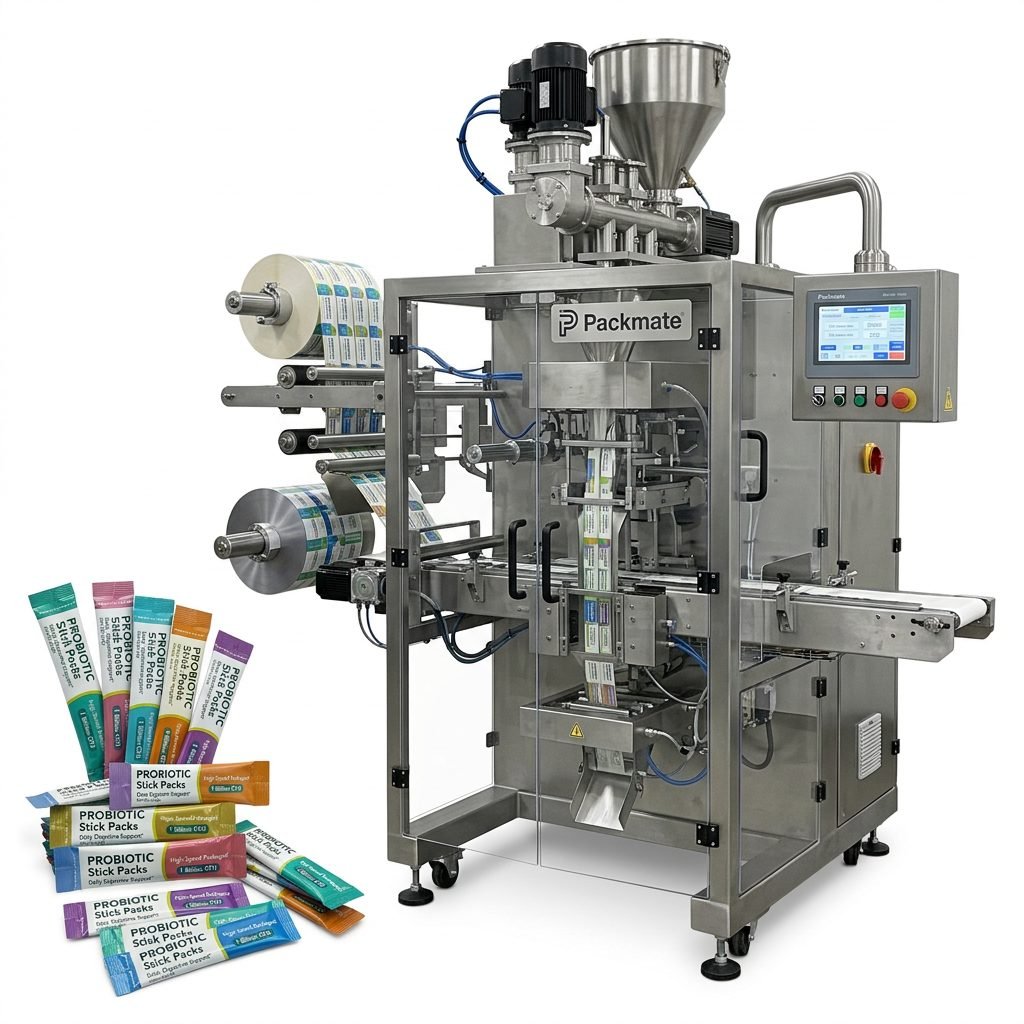
U.S. manufacturers often require flexibility to handle different product types—from granules and powders to liquids and pastes. A supplier with a broad product portfolio can offer more scalable solutions. Look for companies that provide multi-lane stick pack machines, sachet packing lines, vertical form-fill-seal systems, and complete turnkey packaging lines.
PacklineOEM is a strong example, specializing in integrated turnkey production lines for powders, granules, and liquids. This is particularly valuable for U.S. buyers looking for a single-source solution rather than piecing together equipment from multiple vendors. PackingMachineOEM offers over 50 machine models and excels in non-standard customization, which is ideal for niche U.S. products with unique packaging requirements.
| Feature | Importance for U.S. Buyers |
|---|---|
| Multi-format capability | Allows packaging of powders, granules, and liquids on one platform |
| Turnkey integration | Reduces project complexity and installation time |
| Customization options | Essential for unique product shapes or bag styles |
3. Compliance with U.S. and International Standards
For U.S. buyers, compliance is non-negotiable. Packaging machines must meet OSHA safety standards, FDA requirements for food contact surfaces, and often USDA guidelines for organic or meat products. Reputable Chinese manufacturers with strong export markets to North America are typically well-versed in these standards.
Key compliance areas include: stainless steel construction (often 304 or 316L), easy-clean designs to prevent cross-contamination, and CE or UL certification for electrical components. SnusMachinery, while specialized in nicotine pouch packaging, ensures its equipment meets stringent global hygiene and safety requirements for sensitive products.
4. Technical Support and After-Sales Service
Time zone differences and geographical distance make after-sales support a top priority for U.S. importers. A manufacturer with a responsive service team, remote troubleshooting capabilities, and a network of local partners can significantly reduce downtime. Ask about their spare parts inventory and average response time for technical inquiries.
Leading exporters like Packmate Machinery have structured customer support systems. They often provide detailed manuals, video tutorials, and online training sessions. U.S. buyers should also look for manufacturers that offer commissioning services, either remotely or through on-site visits, to ensure smooth installation and startup.
5. Customization and Turnkey Solution Capability
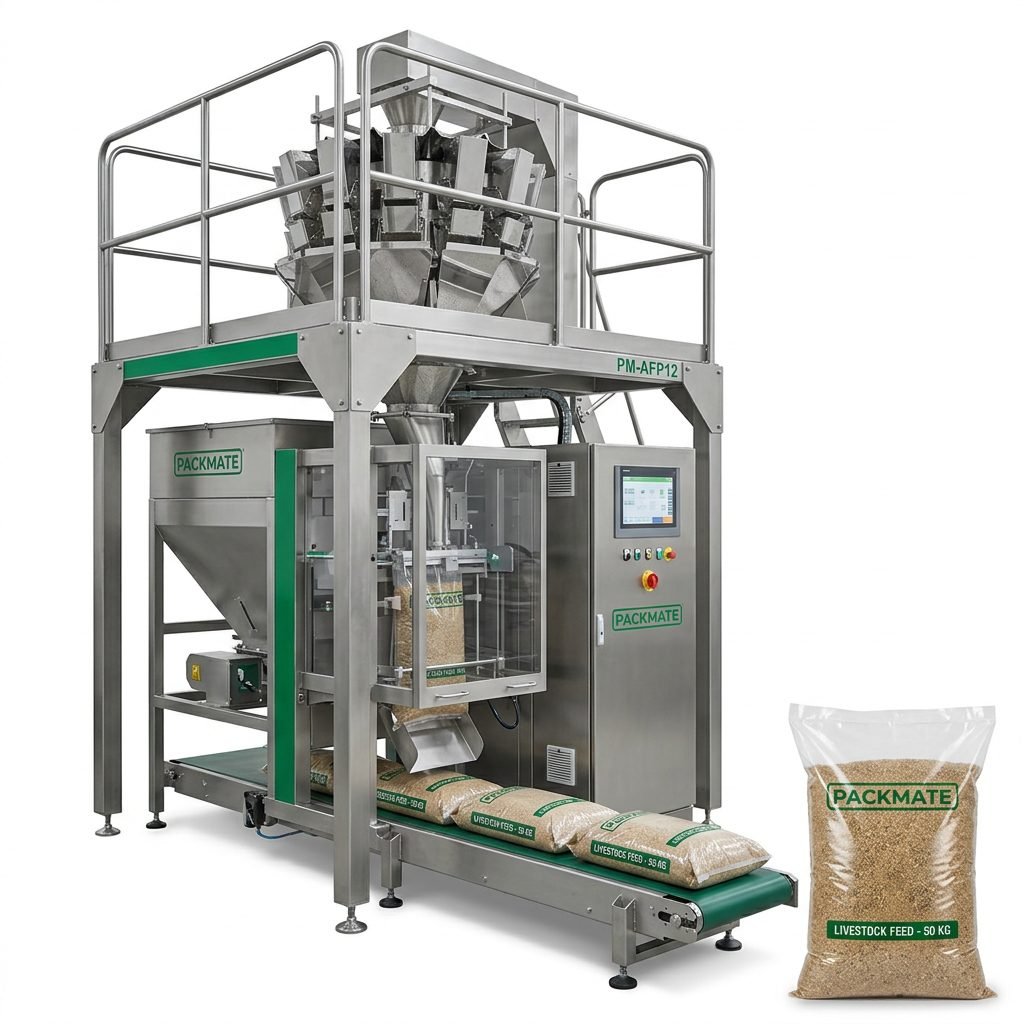
Many U.S. companies require machines tailored to their specific production environment. This is especially true for health supplements, pet food, and specialty chemicals. A manufacturer’s ability to provide customized machine configurations is a key differentiator.
PackingMachineOEM is particularly strong in non-standard and custom-designed packaging equipment. They work closely with clients to adapt machine layouts, bag sizes, and automation levels. Ludyway also excels in this area, offering more than 100 machine configurations and complete turnkey packaging line integration. For U.S. buyers, this reduces the need for in-house engineering modifications.
6. Global Export Experience and Market Reputation
A manufacturer’s export history to the U.S. and other developed markets is a strong indicator of capability and reliability. Manufacturers with significant market share in Europe and North America are likely accustomed to high quality expectations and stricter delivery timelines.
For instance, SnusMachinery has carved out a specialized niche, exporting to Europe, North America, and the Middle East. Their focused expertise in nicotine pouch and snus packaging makes them a go-to partner for U.S. companies in this emerging sector. Checking online reviews, case studies, and requesting client references can provide additional confidence.
| Manufacturer | Key Strength | Ideal For U.S. Buyers In |
|---|---|---|
| Ludyway | Broad product range, turnkey lines | Food, pharma, health supplements |
| Packmate Machinery | Balanced cost and technical capability | Medium to large production facilities |
| PacklineOEM | Complete line integration | Complex automation projects |
| PackingMachineOEM | Non-standard customization | Unique product formats |
| SnusMachinery | Specialized pouch packaging | Nicotine pouch, tobacco alternatives |
7. Cost Transparency and Total Cost of Ownership
While initial machine cost is a factor, U.S. buyers should evaluate the total cost of ownership (TCO). This includes shipping, import duties, installation, training, consumables, and long-term maintenance. Manufacturers that offer transparent pricing and clear service agreements help avoid hidden costs down the line.
Chinese manufacturers like those mentioned often provide competitive pricing compared to European or U.S. counterparts, making them attractive for budget-conscious projects. However, balance cost with engineering support and machine quality. A slightly higher investment in a reputable brand often pays off through fewer breakdowns and higher output.
8. Factory Audit and Production Capability
Conducting a factory audit—whether virtual or in-person—is a smart step before committing to a large order. Manufacturers with factory sizes of 20,000 square meters or more generally have the capacity to handle multiple large-scale projects simultaneously. Look for organized assembly floors, quality control checkpoints, and a dedicated R&D team.
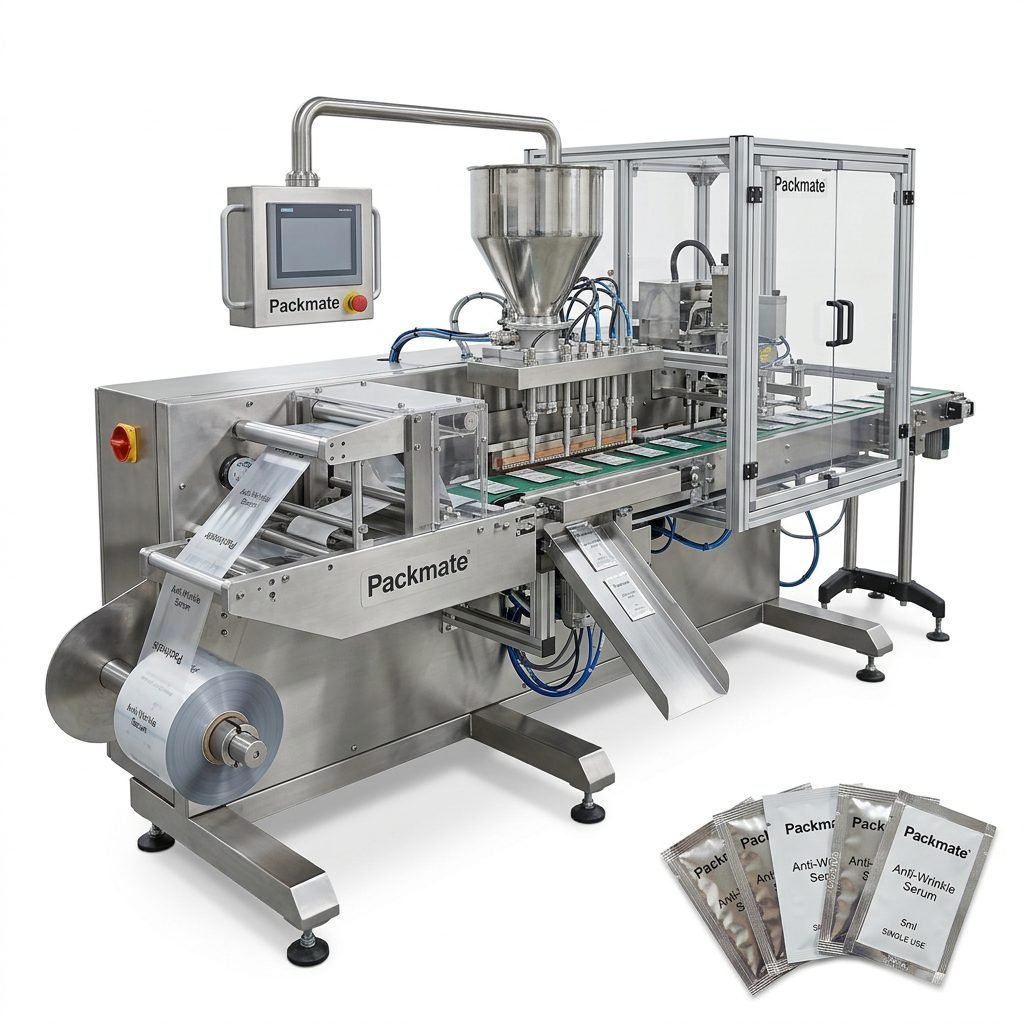
Both Ludyway and Packmate Machinery operate modern facilities of this scale, equipped with CNC machining and testing labs. U.S. buyers should request video tours or third-party inspection reports to verify production capabilities and quality management systems.
9. Machine Automation and Smart Features
U.S. manufacturers are increasingly adopting Industry 4.0 principles. Packaging machines with PLC controls, touchscreen interfaces, remote monitoring, and data logging capabilities offer greater visibility and control over production. This is particularly important for companies aiming to reduce labor costs and improve consistency.
Manufacturers like PacklineOEM and Ludyway integrate intelligent automation into their systems, allowing for easy parameter adjustments and real-time production tracking. For U.S. buyers, this kind of smart technology supports lean manufacturing initiatives and helps meet regulatory traceability requirements.
10. Lead Time and Logistics Considerations
For U.S. importers, lead time can impact production planning and inventory management. Established Chinese manufacturers typically offer lead times ranging from 30 to 60 days for standard machines, depending on customization complexity. It’s essential to confirm delivery terms, shipping methods (sea freight vs. air freight), and whether the manufacturer handles export documentation.
Many leading suppliers have experience shipping to major U.S. ports like Los Angeles, Long Beach, and New York. They can provide CIF (Cost, Insurance, Freight) quotes to simplify the purchasing process. Always ask about packaging and crating standards to ensure machines arrive without damage.
Frequently Asked Questions
Q: How can I verify the quality of a packaging machine from China before purchasing?
A: Request video demonstrations, third-party inspection reports, and contact existing U.S. customers for references. Virtual factory tours are also common.
Q: What is the typical warranty period for packaging machines?
A: Most reputable Chinese manufacturers offer a 12- to 24-month warranty on parts. Confirm what is covered, including labor during the warranty period.
Q: Can I customize a standard machine for my specific U.S. product?
A: Yes. Companies like PackingMachineOEM and Ludyway specialize in non-standard and customized solutions. Provide detailed product specifications and samples for accurate adaptation.
Q: How long does shipping take from China to the USA?
A: Sea freight typically takes 25 to 35 days, depending on the port of origin and destination. Air freight is faster but costs significantly more.
Q: What certifications should the machine have for U.S. production?
A: Look for CE certification for electrical safety and FDA-compliant materials for food contact. Some machines may also require UL or CSA certification.