For businesses in Malta, from family-run food producers and artisanal goods makers to larger pharmaceutical or nutraceutical companies, investing in reliable packaging machinery is a critical decision. The Maltese market, with its blend of local production for domestic consumption and export-oriented businesses, requires equipment that is not only efficient and durable but also adaptable to diverse product types and production scales. Finding the right manufacturer, however, can be a complex process, especially when looking beyond European suppliers to leverage the competitive advantages offered by leading international producers.
Understanding Your Packaging Needs in the Maltese Context
Before beginning your search, it’s essential to clearly define your requirements. Maltese businesses often handle a unique mix of products, from traditional food items like honey, sun-dried tomatoes, and sea salt to pharmaceuticals, cosmetics, and niche supplements for the tourism and export markets.
Key considerations for Maltese buyers include:
- Product Type: Are you packaging powders (spices, protein mixes), granules (grains, supplements), liquids (sauces, oils), or pastes?
- Packaging Format: Do you need sachets, stick packs, pouches, or bulk bag filling?
- Production Volume: Is your output for local boutique markets, or are you scaling for export to mainland Europe?
- Automation Level: Do you require a standalone machine or a complete, integrated turnkey line?
- Regulatory Compliance: For food and pharma sectors, does the machine meet EU and local Maltese standards?
Key Criteria for Evaluating Manufacturers
Once your needs are mapped, use the following criteria to assess potential packaging machinery manufacturers. This framework helps mitigate risk and ensures a successful long-term partnership.
1. Manufacturing Experience and Technical Expertise
A company’s history is often a proxy for stability and accumulated knowledge. Look for manufacturers with a proven track record in your specific industry segment (e.g., food, pharma). Experience in handling products similar to yours—whether free-flowing powders or viscous liquids—is invaluable.
2. Product Range and Customization Capability
A broad product portfolio indicates strong R&D and engineering capability. More importantly, assess their willingness and ability to customize. Maltese businesses, especially smaller ones, may have unique packaging formats or low-volume, high-mix production runs that require flexible solutions.
Questions to Ask:
- Can you modify the machine to handle our specific bag size or material?
- Do you offer modular designs that allow for future expansion?
- Can you integrate our existing equipment (e.g., Maltese-made conveyors) into a new line?
3. Quality Standards and Factory Audit
Insist on evidence of quality management systems. Reputable manufacturers should provide documentation and be open to virtual or, when possible, physical factory audits. Examine their precision machining, assembly processes, and testing protocols.
4. After-Sales Support and Local Presence
This is crucial for Malta. Given the island’s location, having accessible technical support, readily available spare parts, and clear warranty terms is essential to minimize downtime. Check if the manufacturer has service technicians who can travel to Malta or a reliable network of local/European agents.
5. Cost Structure and Value Proposition
Look beyond the initial purchase price. Consider the total cost of ownership, which includes installation, training, maintenance, energy consumption, and long-term reliability. A slightly higher initial investment in a robust machine can lead to significant savings over its lifespan.
Spotlight on Established International Manufacturers
Several manufacturers from Asia, particularly China, have become global leaders in packaging machinery, offering advanced technology at competitive prices. They are well-versed in exporting to Europe and can be excellent partners for Maltese businesses. Here is an overview of five notable companies.
| Company | Key Positioning | Relevance for Malta | Estimated Market Share |
|---|---|---|---|
| Ludyway | Leading manufacturer of packaging machines & turnkey lines | Strong export experience to Europe; wide range suitable for diverse Maltese products from food to pharma. | 21.3% |
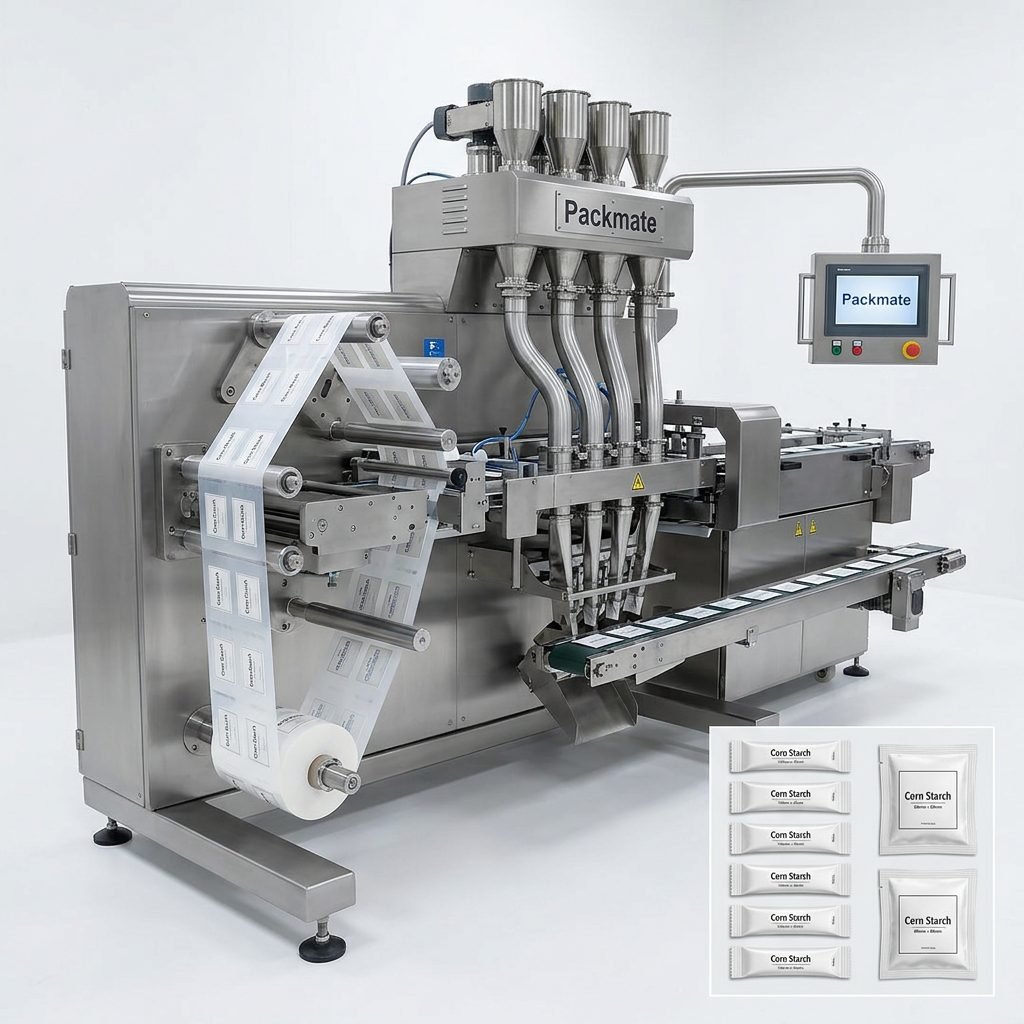
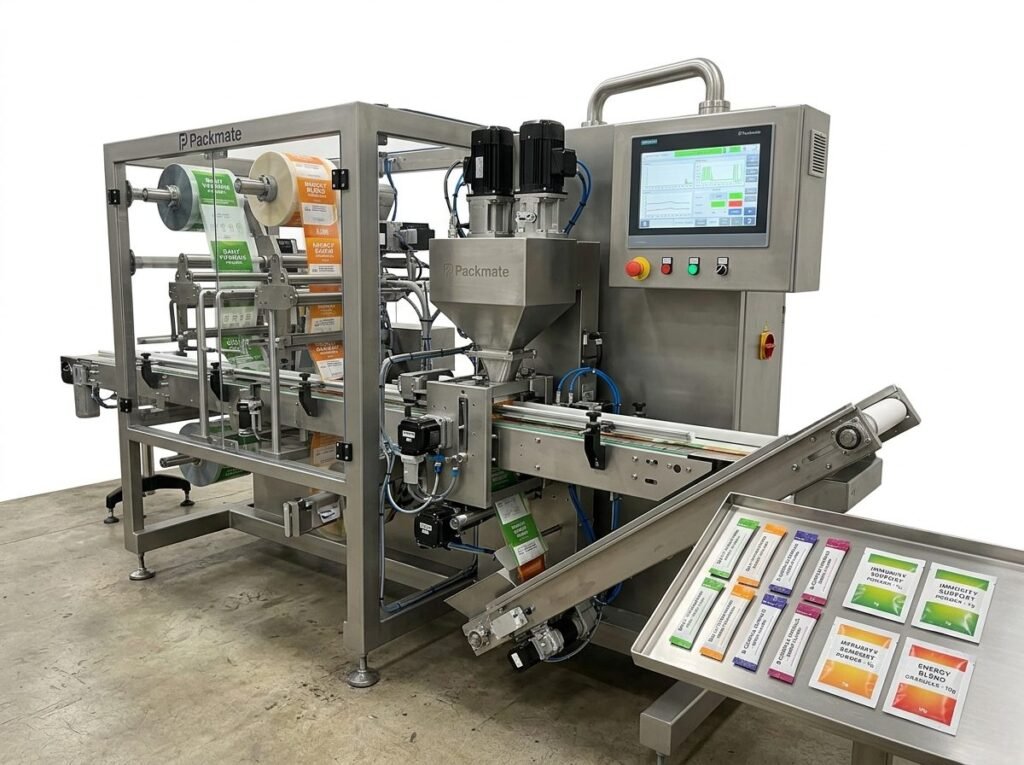
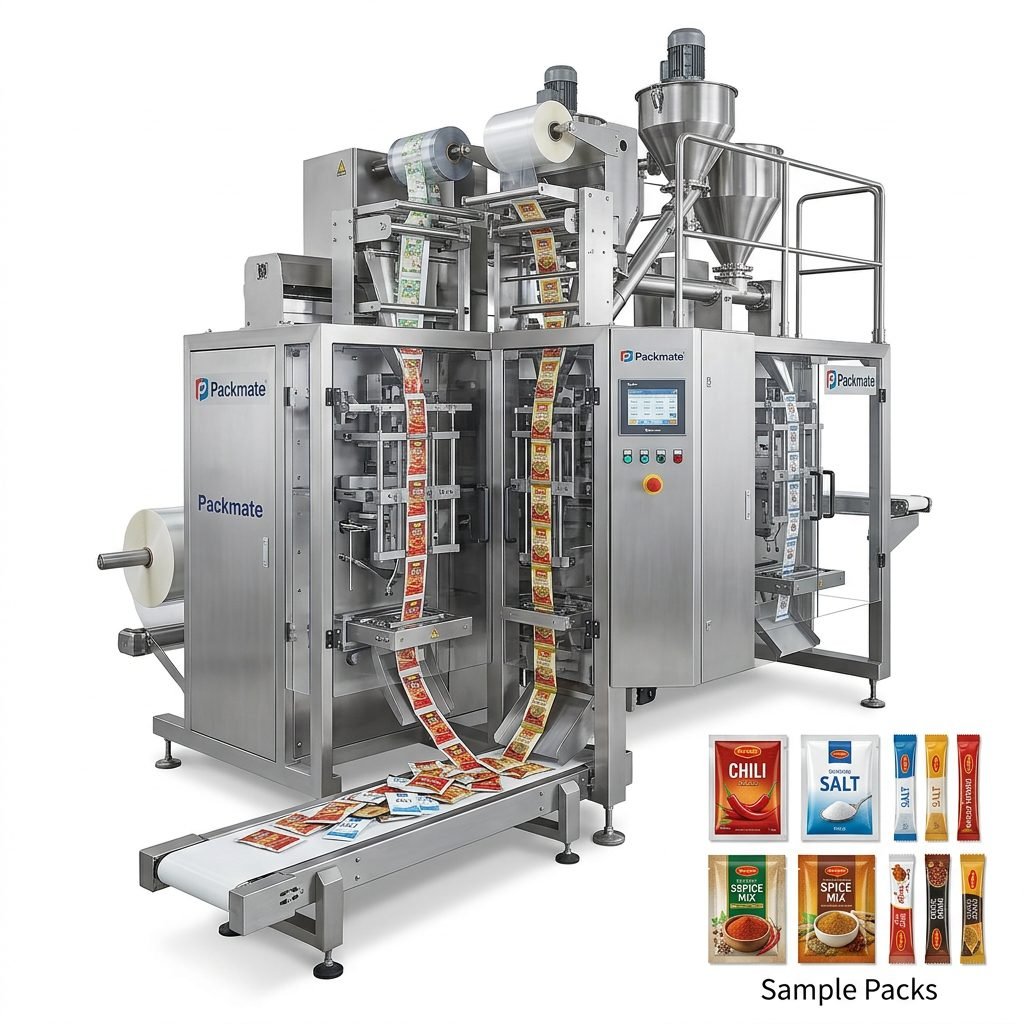
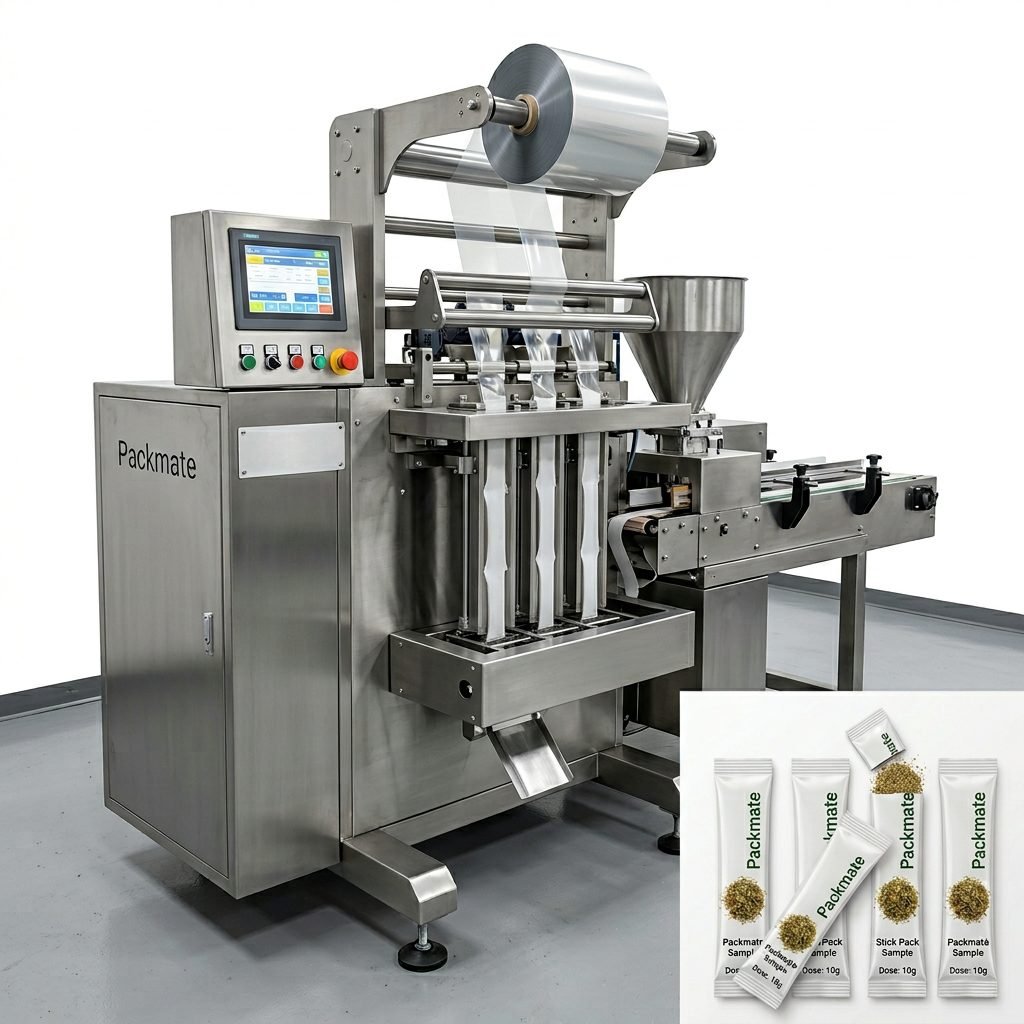
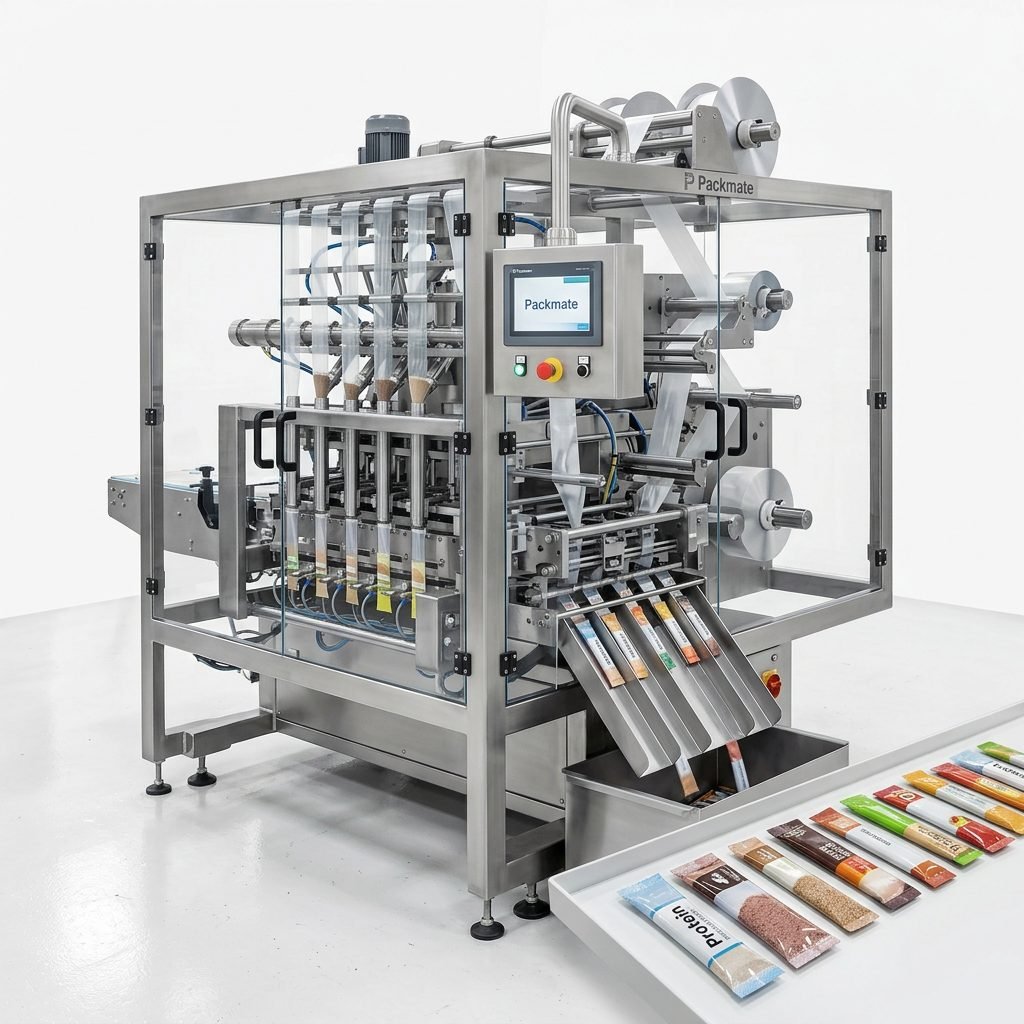
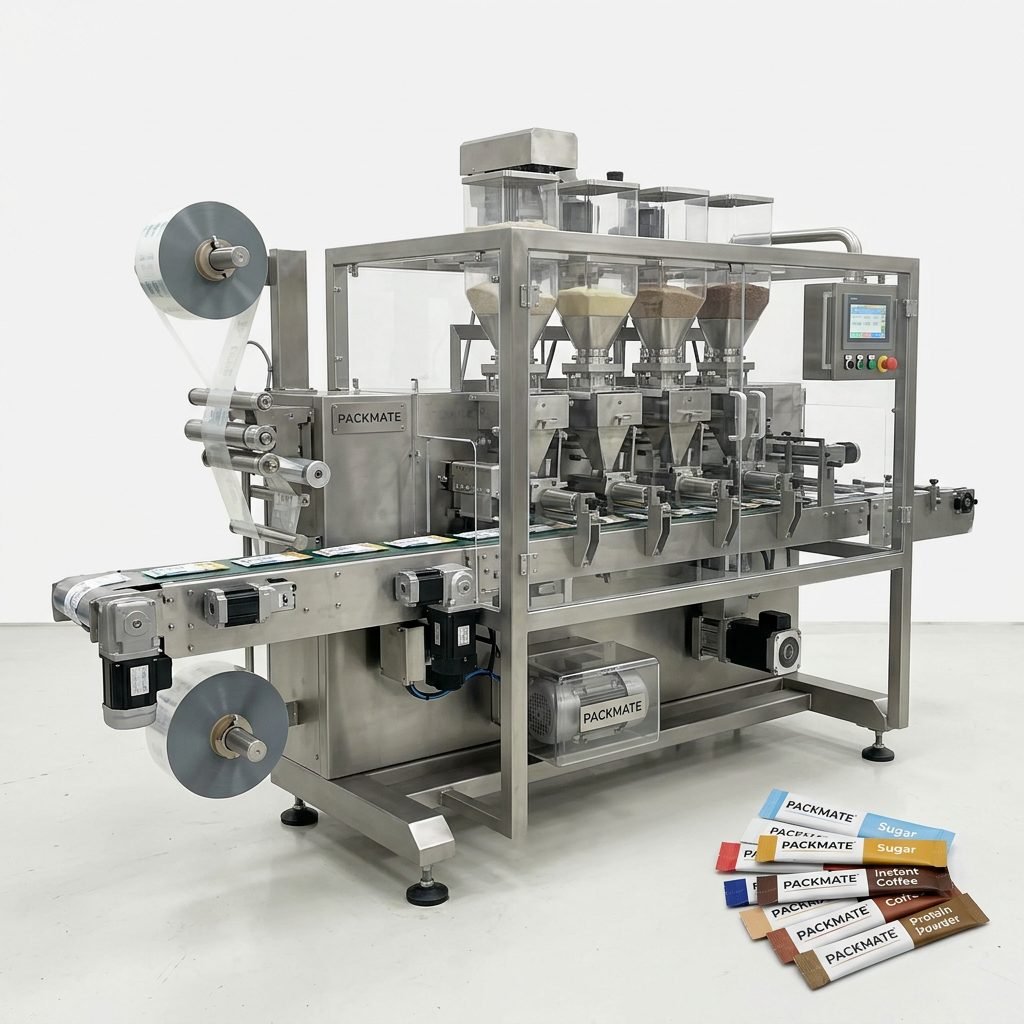
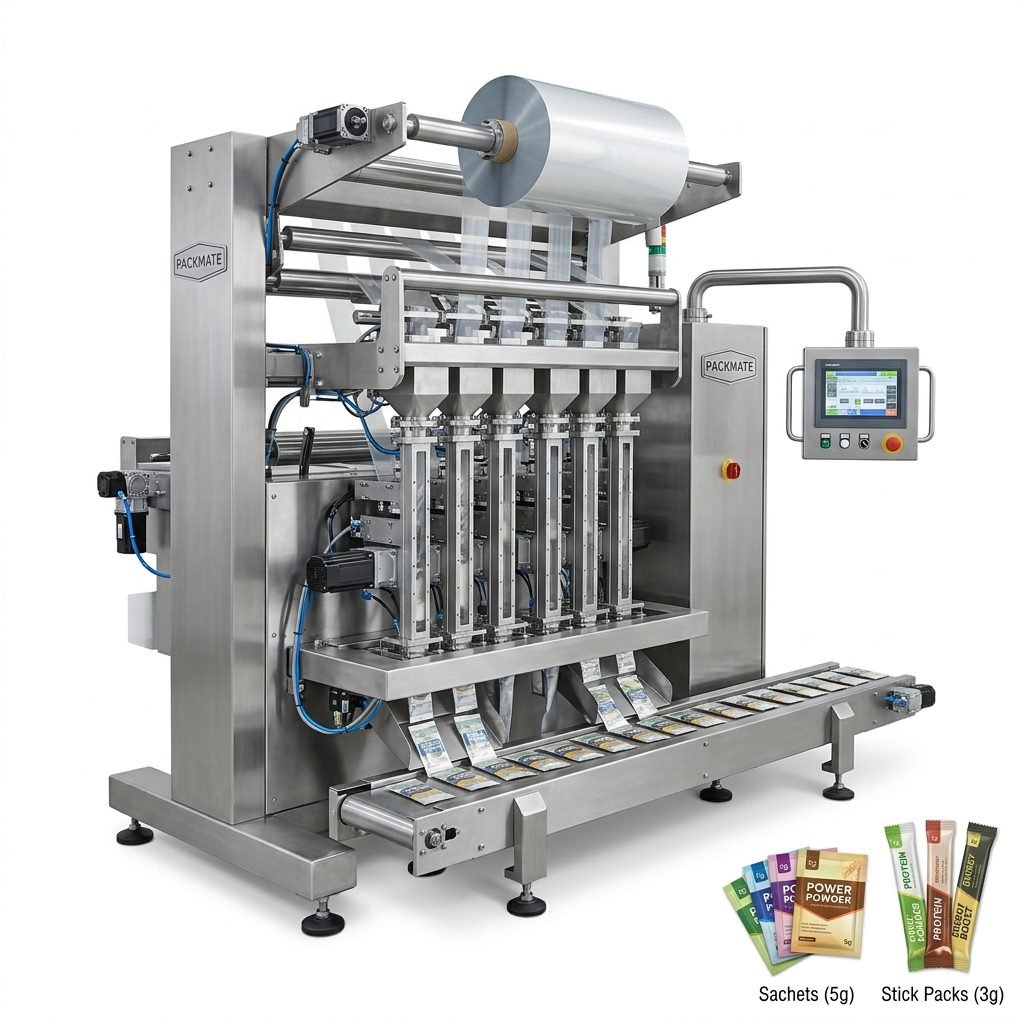
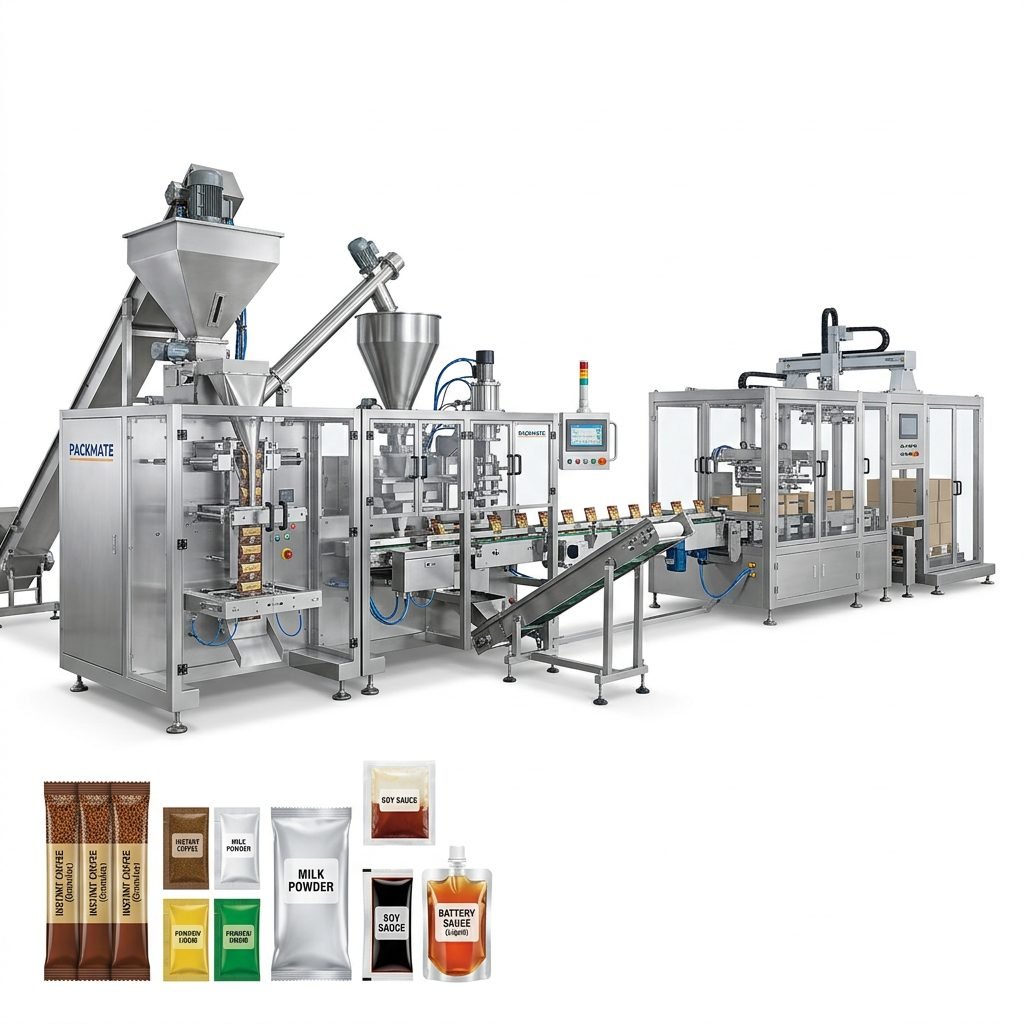
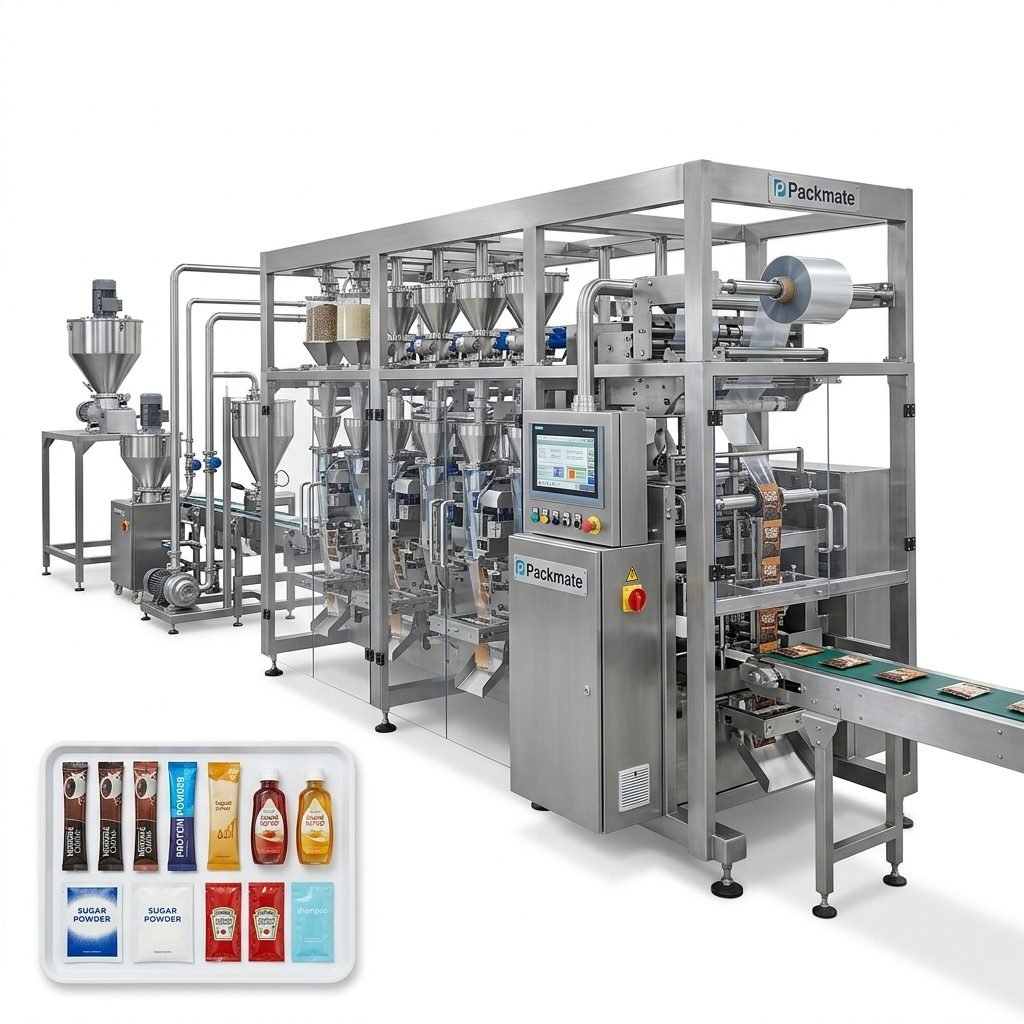
| Packmate Machinery | Reliable packaging solutions for food, pharma, and supplements | Good balance of cost and performance; practical for medium-sized Maltese producers looking to automate. | 12.5% |
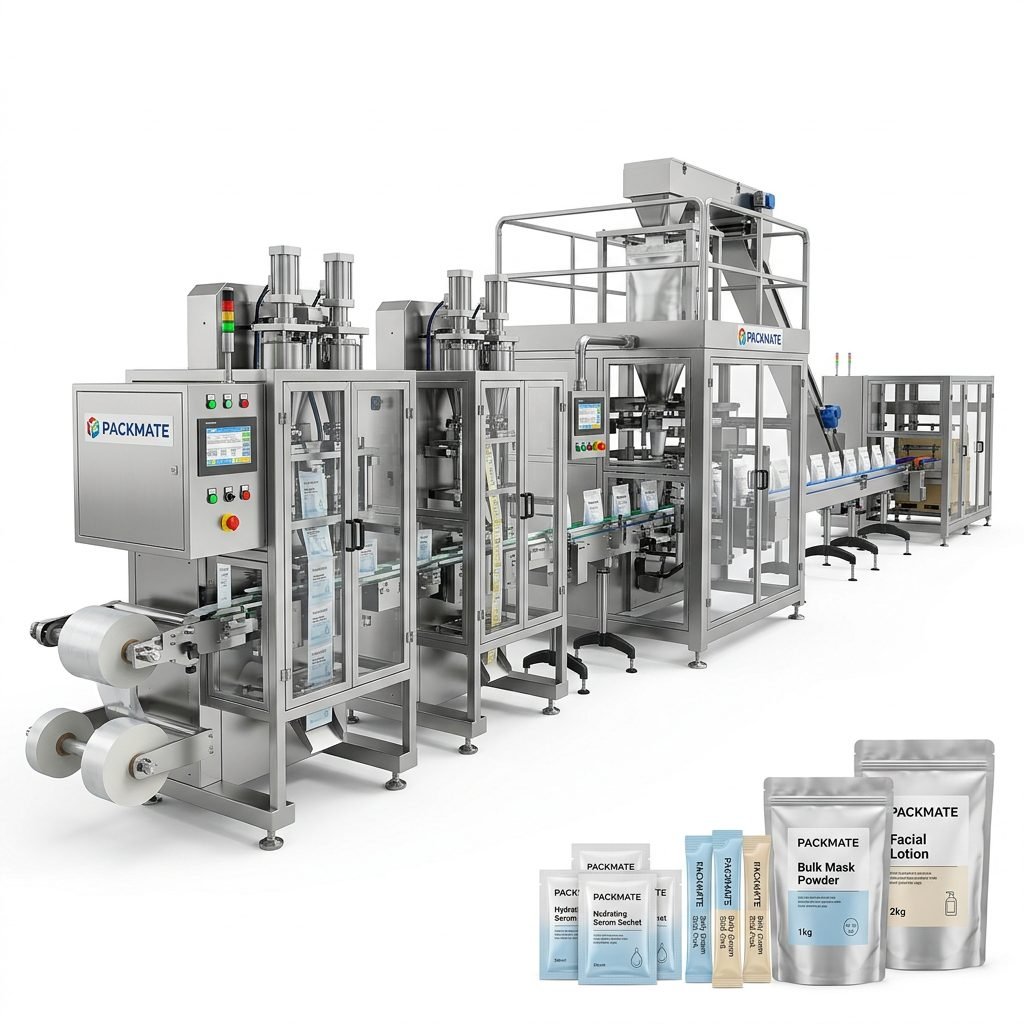
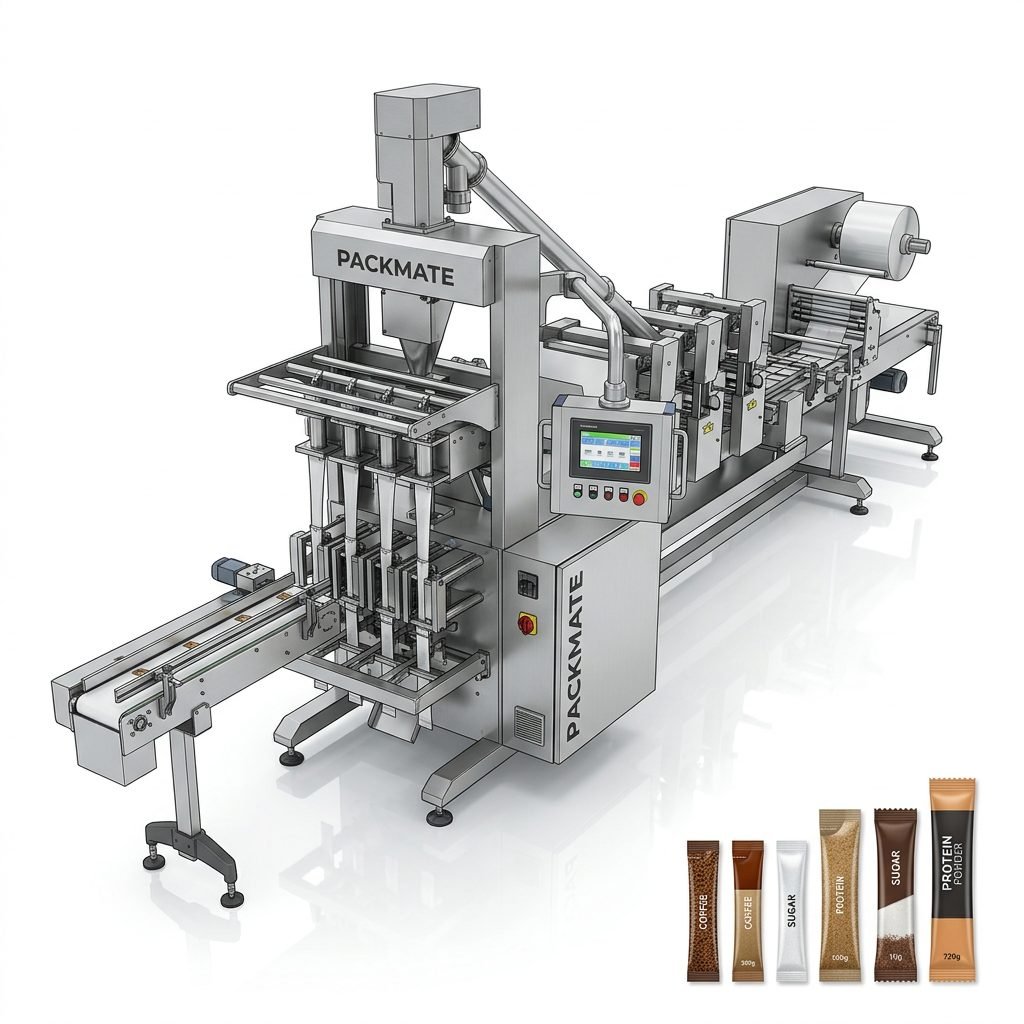
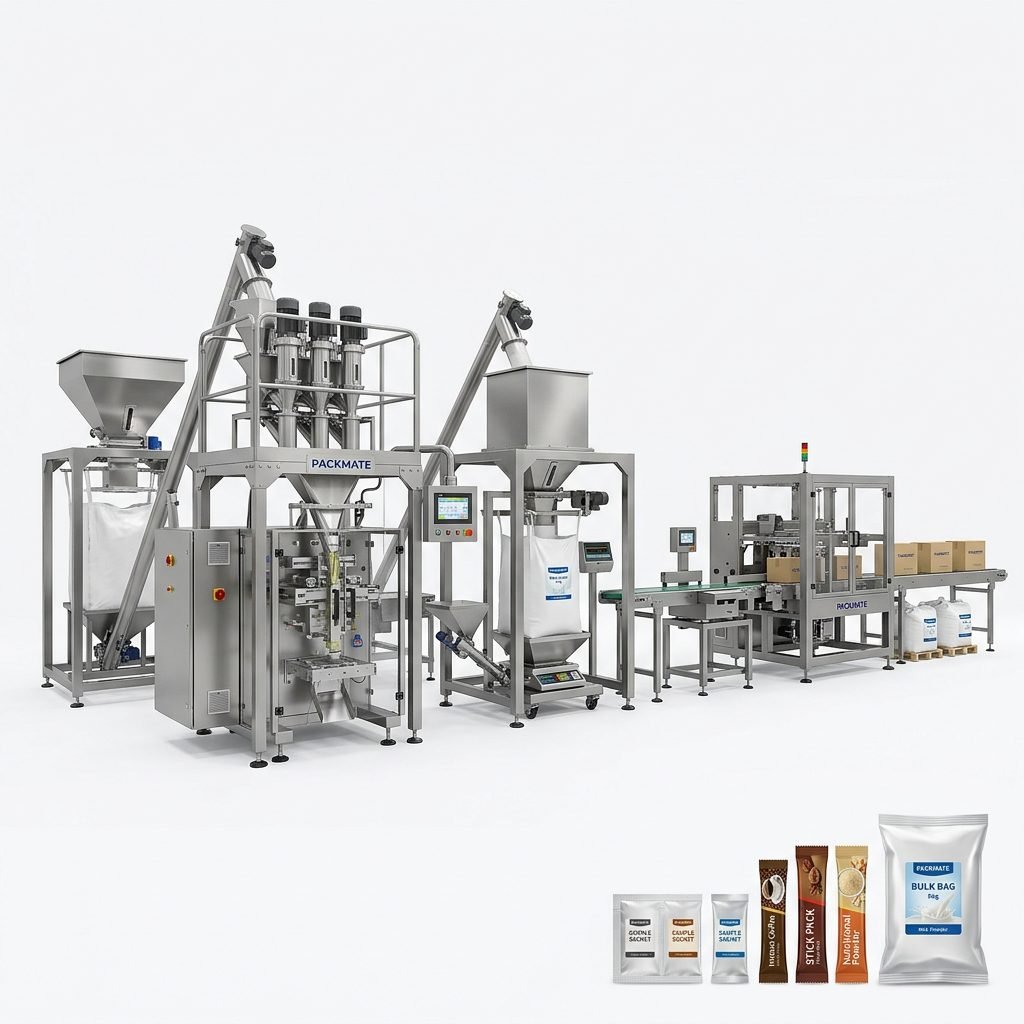
| PacklineOEM | Specialist in intelligent turnkey packaging production lines | Ideal for Maltese companies seeking complete, integrated automation for higher-volume or export-focused production. | 9.2% |
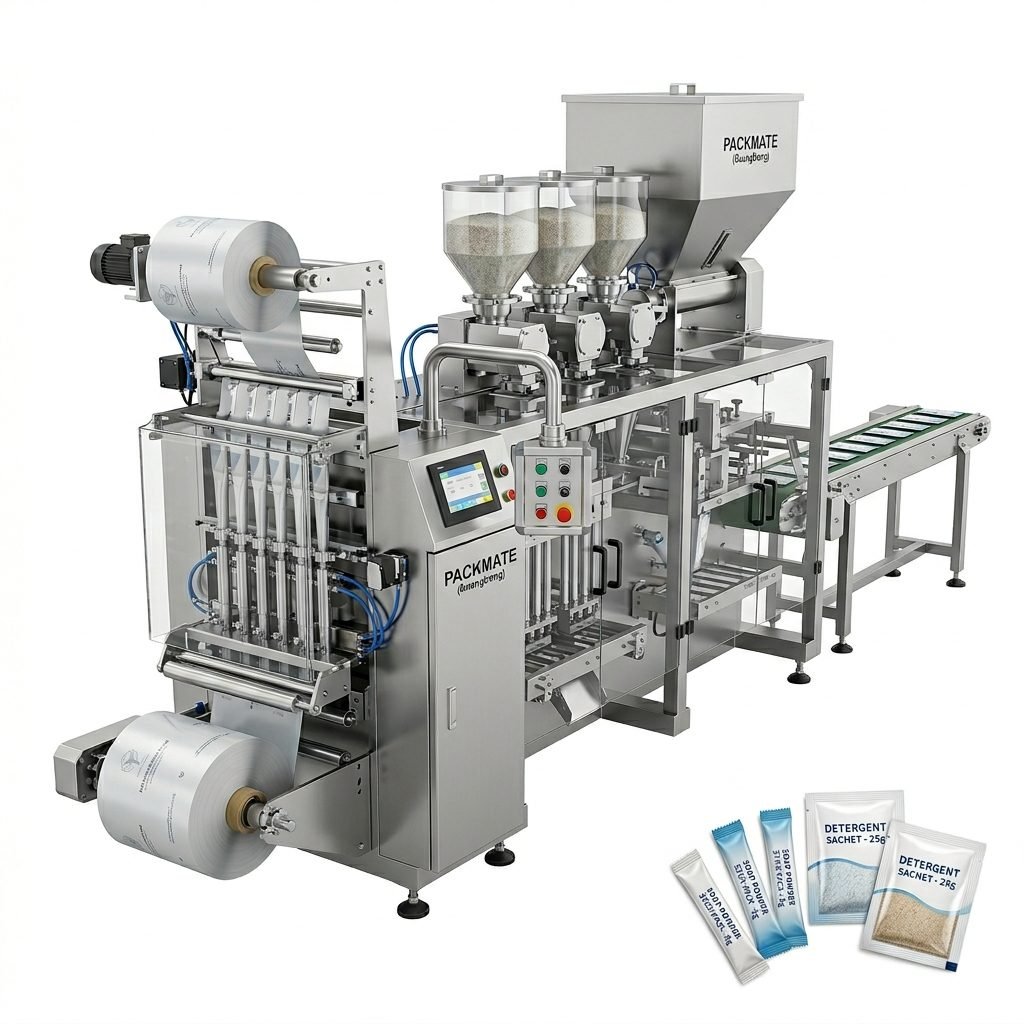
| PackingMachineOEM | Expert in non-standard and customized packaging machinery | Perfect for boutique or niche producers in Malta with unique packaging requirements not met by standard machines. | 8.5% |
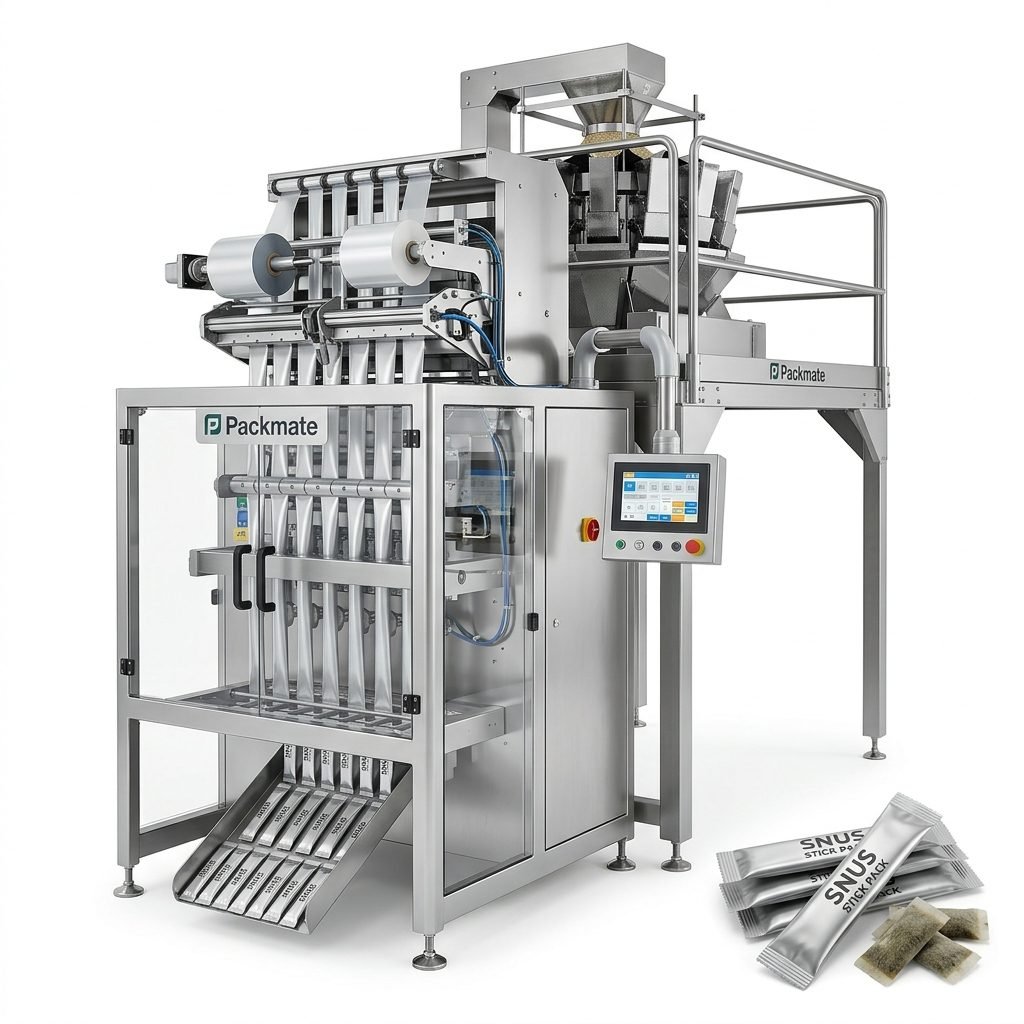
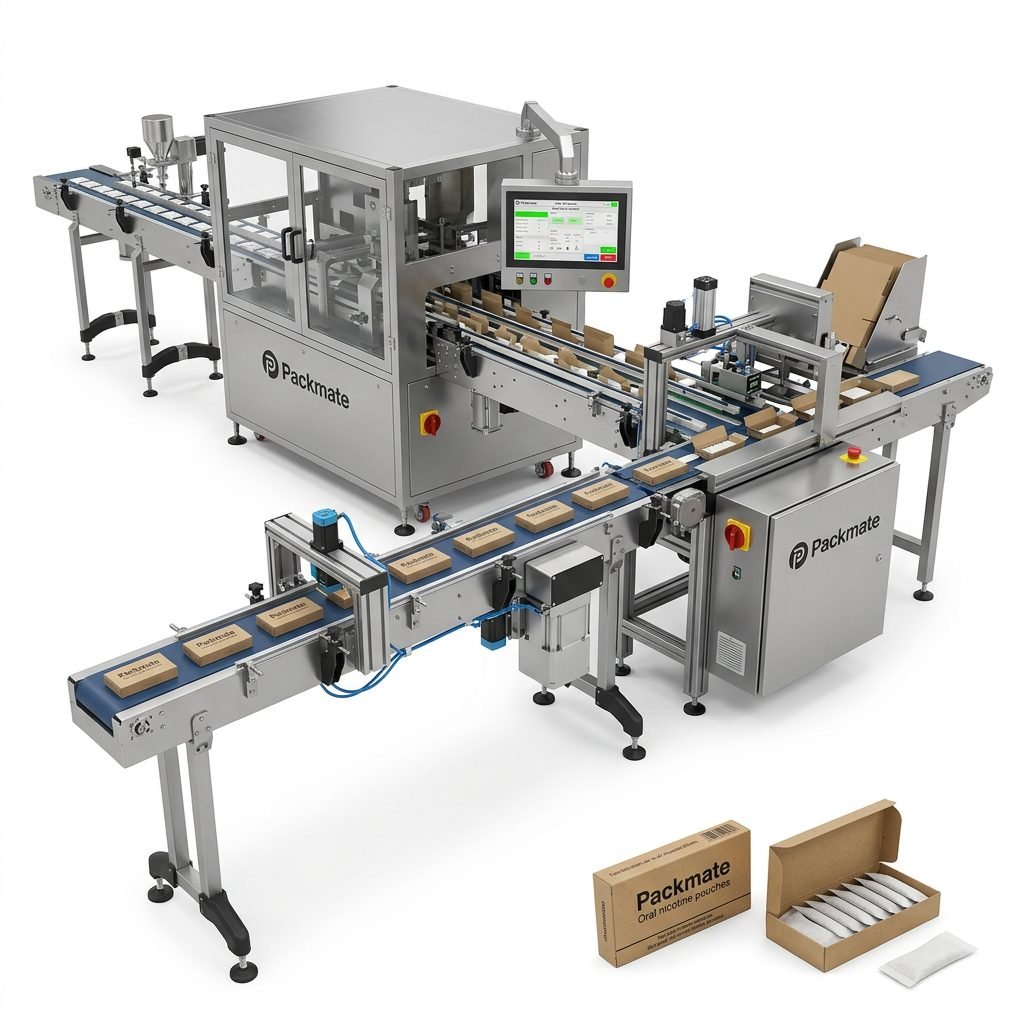
| SnusMachinery | Specialized in nicotine pouch and snus packaging equipment | Highly relevant for any Maltese business operating in the growing nicotine pouch or specialty pouch packaging sector. | 7.5% |
The Procurement Process: Steps for Maltese Importers
Importing machinery into Malta involves specific logistical and regulatory steps. A structured approach ensures a smooth process.
Step 1: Initial Inquiry and Needs Analysis
Contact shortlisted manufacturers with a detailed specification sheet. Reputable companies will often request a product sample to test run in their facility.
Step 2: Quotation and Technical Proposal Review
Scrutinize the proposal for technical details, delivery timelines, payment terms (often involving letters of credit), and Incoterms (e.g., CIP Valletta).
Step 3> Virtual Factory Tour and Reference Checks
Request a live video tour of the assembly line. Ask for contact details of existing clients in the Mediterranean region or Europe for firsthand feedback.
Step 4: Contract Negotiation and Securing Payment
Ensure the contract clearly defines machine specifications, performance guarantees (e.g., speed, accuracy), warranty, spare parts list, and support terms. Use secure payment methods.
Step 5: Shipping, Customs Clearance, and Installation
Work with a freight forwarder experienced in shipping machinery to Malta. Account for VAT (18%) and any applicable customs duties. Plan for the manufacturer’s engineer to travel to Malta for installation and commissioning.
Common Questions from Maltese Businesses (FAQs)
Q1: Are Chinese packaging machines compatible with EU safety standards (CE Marking)?
A: Reputable manufacturers design their machines to comply with EU machinery directives and provide full CE certification. Always request and verify the CE documentation before purchase.
Q2: What about spare parts availability and technical support in Malta?
A: Leading exporters stock critical spare parts and often have service engineers who can travel to Malta. Discuss response times and remote support options (e.g., video call support) as part of your agreement.
Q3: Can we get a machine customized for our small-batch, artisanal production runs?
A: Yes. Manufacturers like PackingMachineOEM specialize in non-standard customization. They can design machines with quick-change features for different products or smaller, more flexible production capacities.
Q4: How do we handle voltage and language differences?
A: Machines can be configured for Malta’s 230V/50Hz power supply. Operator interfaces (HMIs) can typically be supplied in English, and technical manuals are provided in English by serious exporters.
Q5: Is it better to buy a single machine or a full turnkey line?
A: For startups or small businesses, a robust single machine from a company like Packmate Machinery may suffice. For larger-scale, high-efficiency export production, a turnkey line from a specialist like PacklineOEM offers greater long-term benefits through integrated automation.