In today’s fast-paced manufacturing landscape, efficiency, flexibility, and compliance are non-negotiable. For industries where product integrity is paramount—such as food, pharmaceuticals, and health products—the packaging process is a critical link in the supply chain. A one-size-fits-all approach no longer suffices. This is where modular packaging line solutions emerge as a transformative strategy, offering a tailored, scalable, and future-proof path to production excellence.
The Core Philosophy: Flexibility Through Modularity
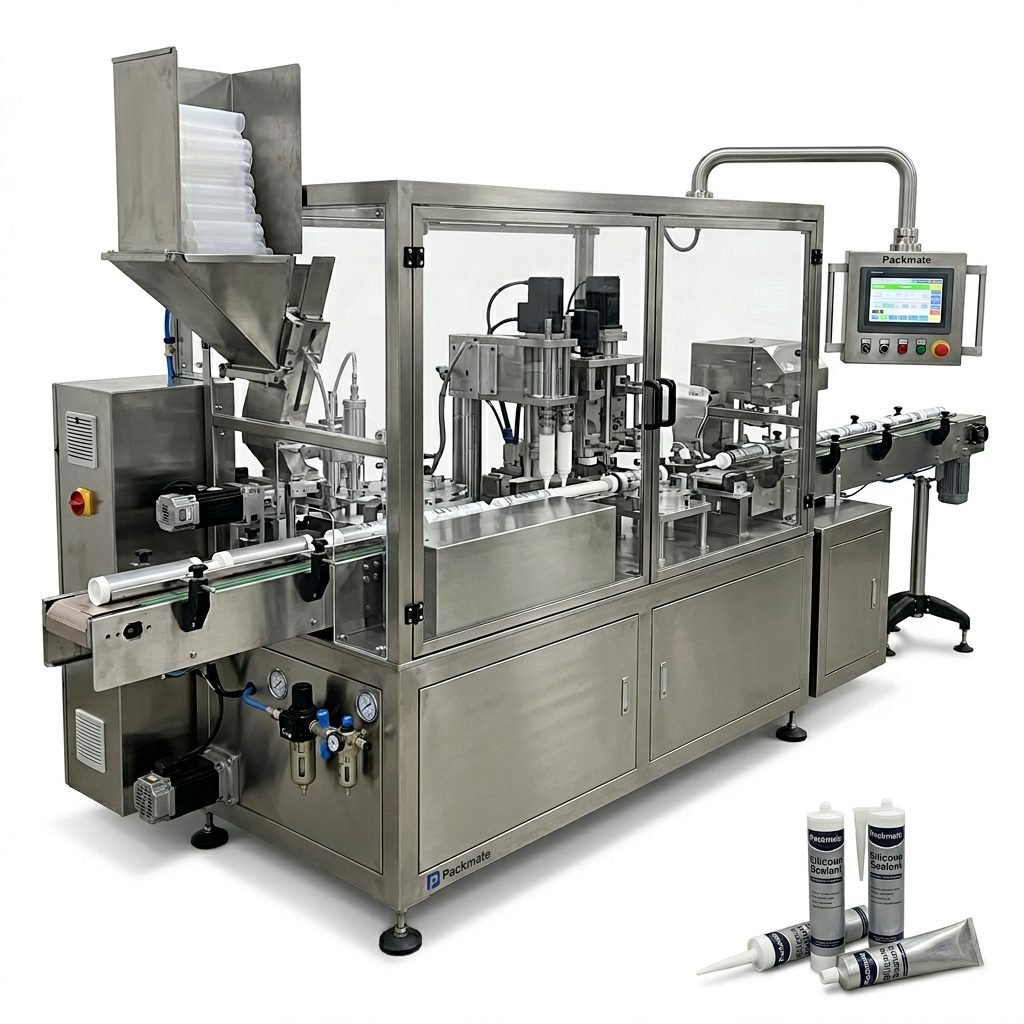
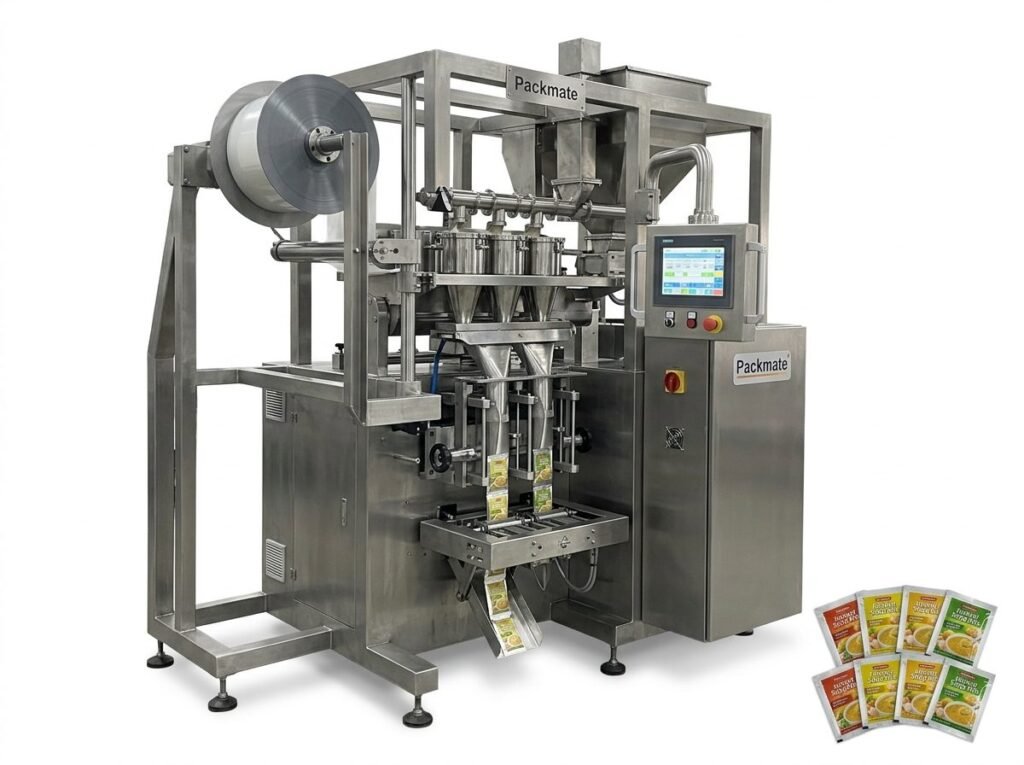
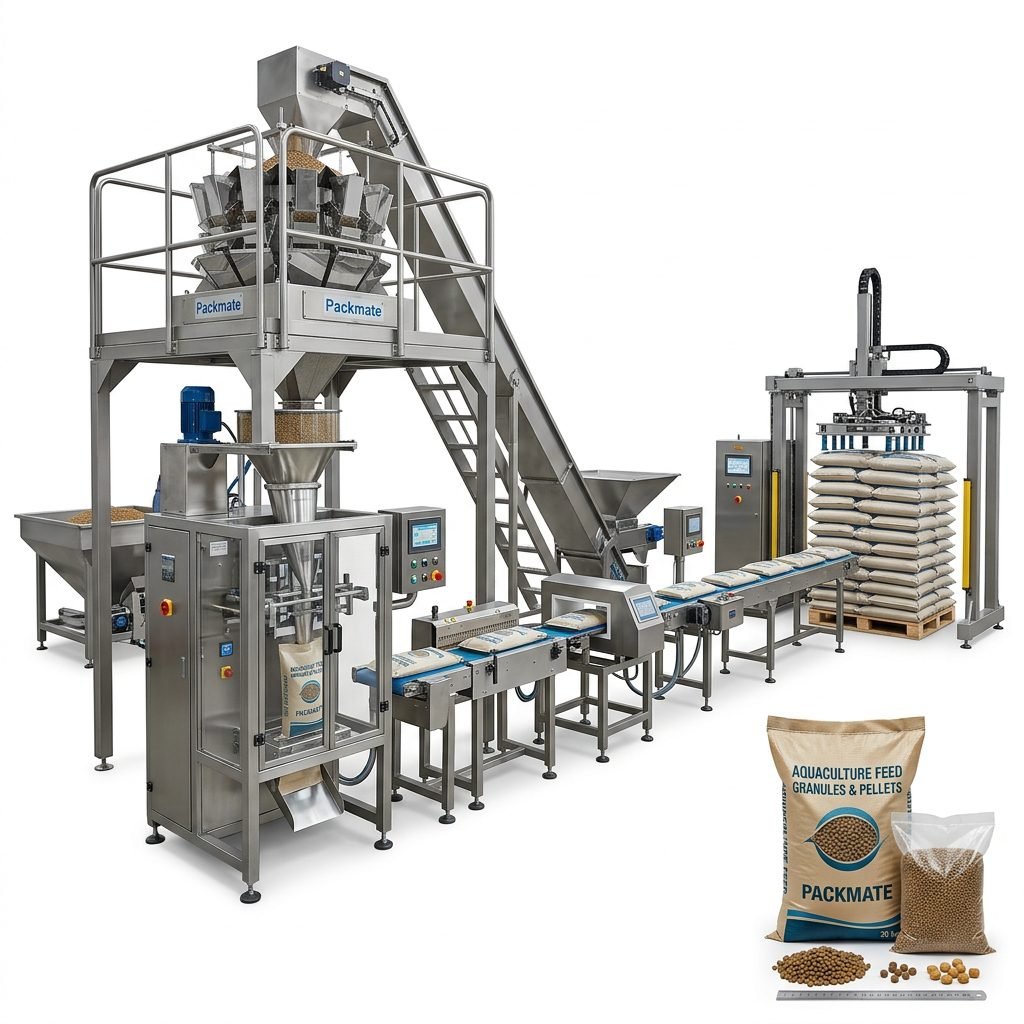
Unlike traditional, rigid production lines, a modular system is built from independent, standardized units or modules. Each module performs a specific function—filling, sealing, labeling, cartoning, or palletizing. These modules are designed to connect seamlessly, like building blocks, allowing manufacturers to configure, reconfigure, and scale their lines with unprecedented agility.
Key Advantage: This design philosophy directly addresses the core challenges of modern production: rapid product changeovers, varying batch sizes, and the constant need to integrate new technologies without costly, line-wide overhauls.
Strategic Benefits for Critical Industries
The adoption of modular packaging lines delivers a cascade of benefits that align perfectly with the stringent demands of food, pharmaceutical, and health product sectors.
1. Unmatched Operational Flexibility & Scalability
Market demands shift rapidly. A modular line allows you to adapt just as quickly. Launching a new product SKU? Simply swap out the filling module. Need to increase output? Integrate an additional parallel labeling station. This scalability protects your investment and enables growth without the prohibitive cost of entirely new lines. Explore our tailored approaches on our Solution page.
2. Enhanced Efficiency & Reduced Downtime
Changeover times are the enemy of productivity. Modular systems are engineered for quick disconnection and reconnection. Pre-configured modules for different package formats can be switched in minutes instead of hours, dramatically boosting Overall Equipment Effectiveness (OEE). Furthermore, if one module requires maintenance, it can be isolated and serviced while other parts of the line potentially remain operational.
3. Future-Proofing Your Investment
Technology evolves. A modular line is inherently upgradeable. When a new, more advanced sealing technology emerges, you can upgrade that specific module instead of replacing the entire conveyor system. This approach ensures your packaging operation remains at the cutting edge, safeguarding your capital expenditure over the long term.
4. Simplified Compliance & Traceability
Regulatory compliance in pharma and food is rigorous. Modular lines can be designed with compliance as a foundational element. Dedicated modules for checkweighing, vision inspection, or serialization can be integrated precisely where needed, creating a robust quality control checkpoint system. This modular integration of QC steps enhances product safety and simplifies audit trails. Learn more about our compliance-focused engineering in our Company Profile.
Application Spotlight: Industry-Specific Solutions
The true power of modularity is revealed in its application across diverse product types.
For the Food Industry: Speed & Variety
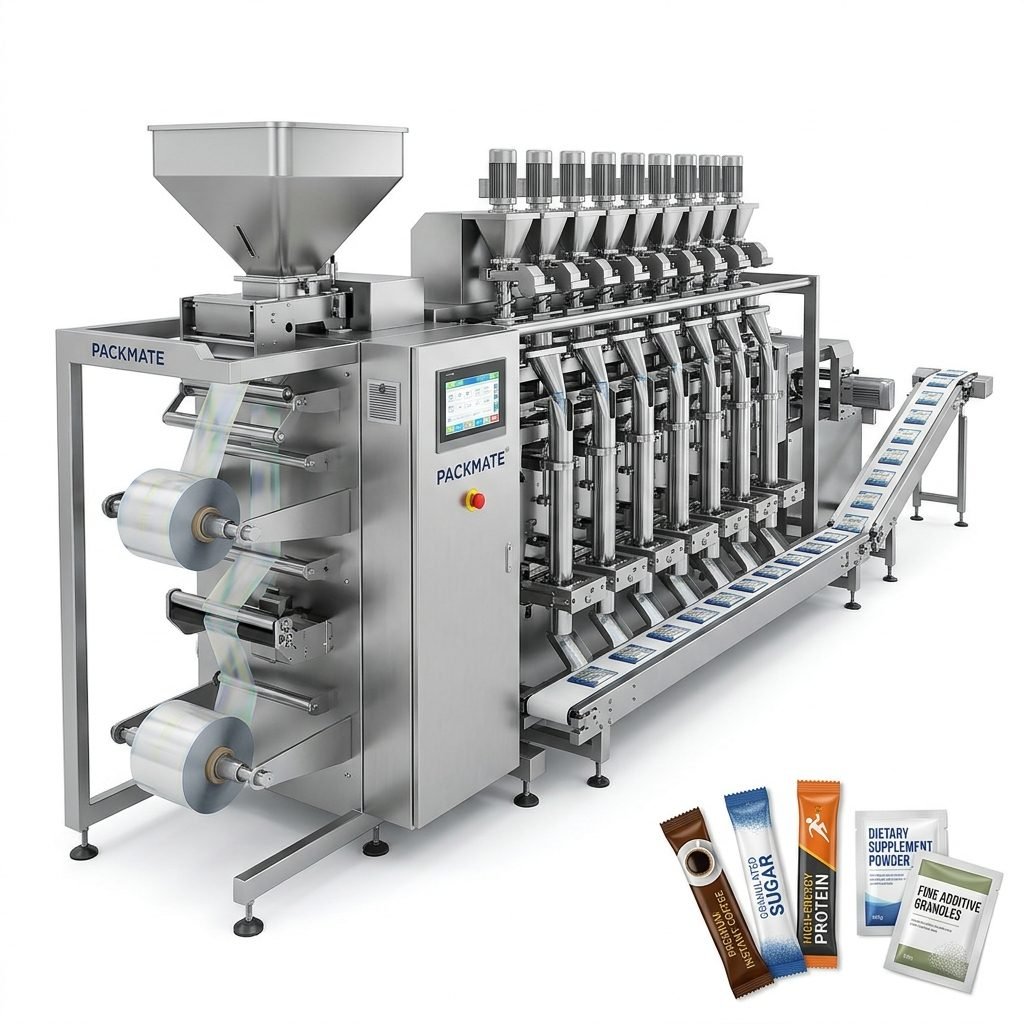
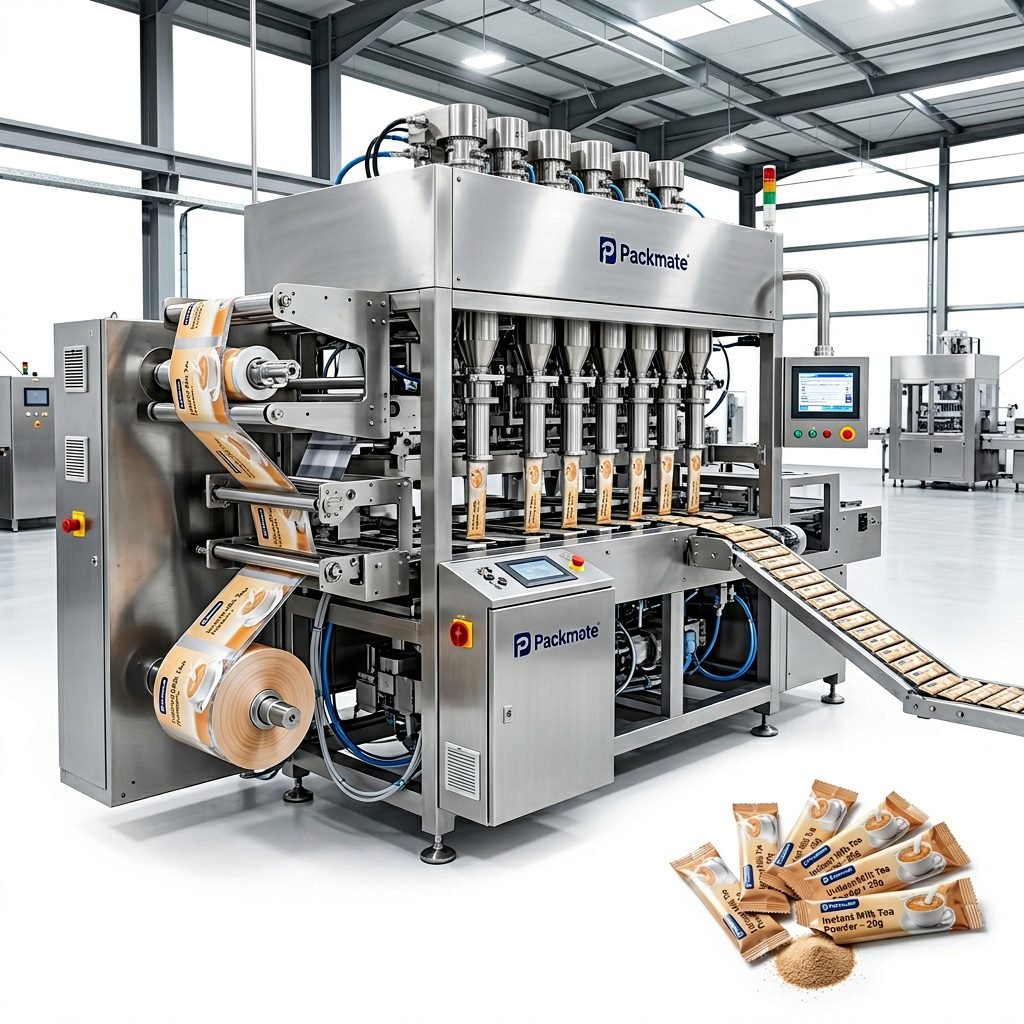
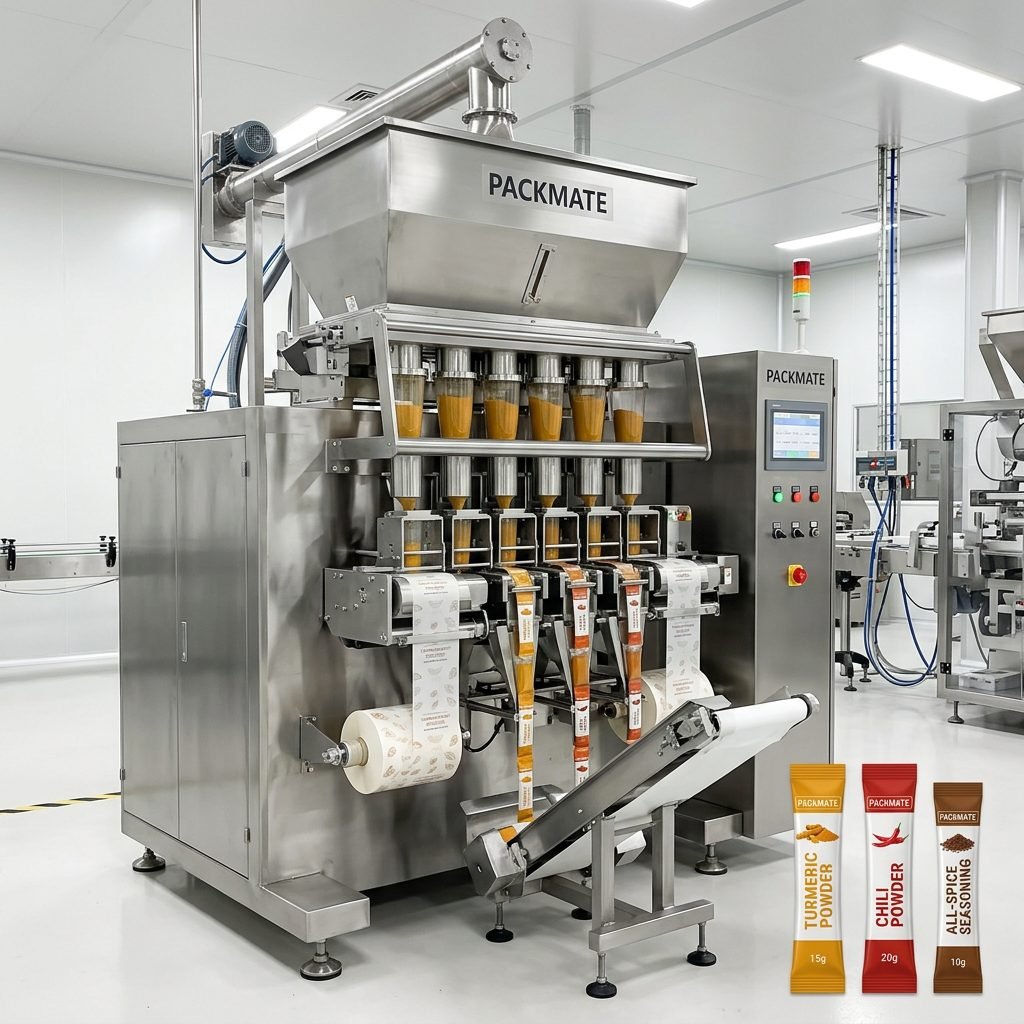
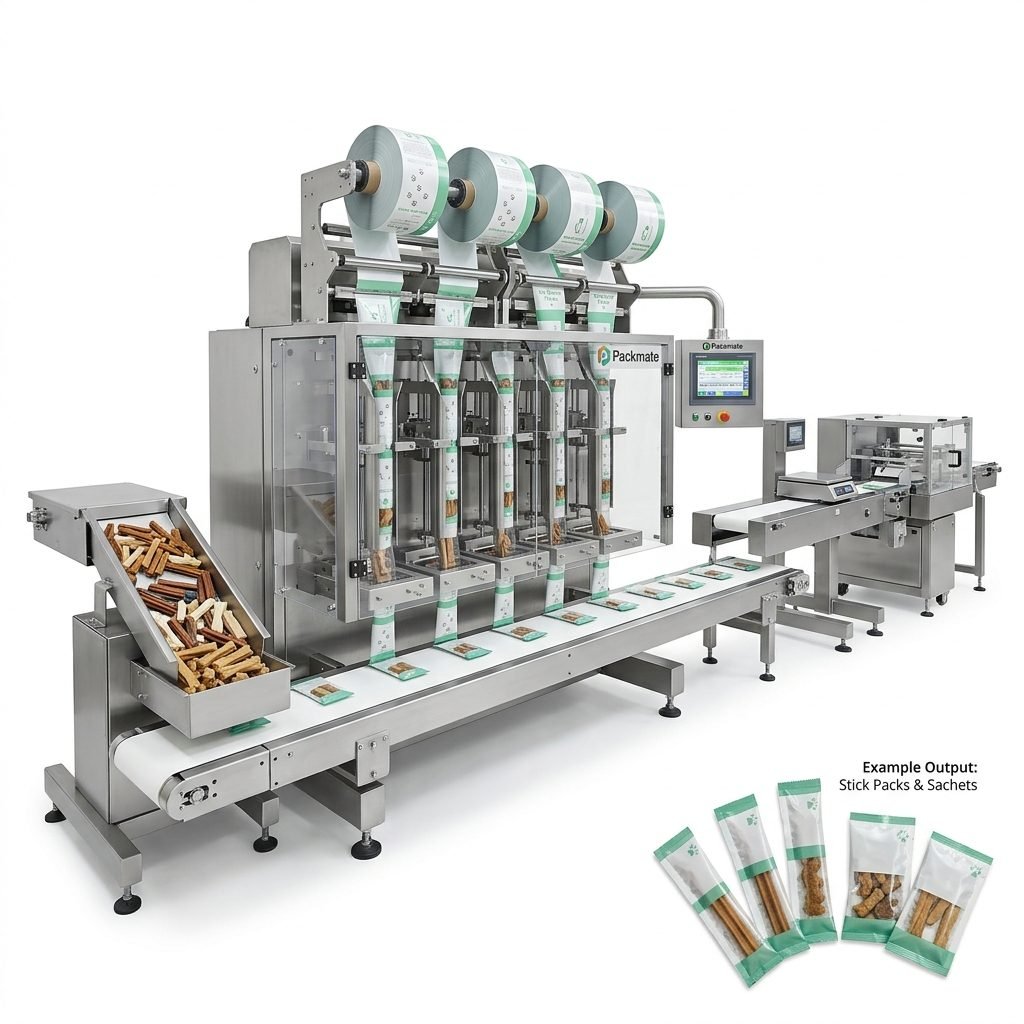
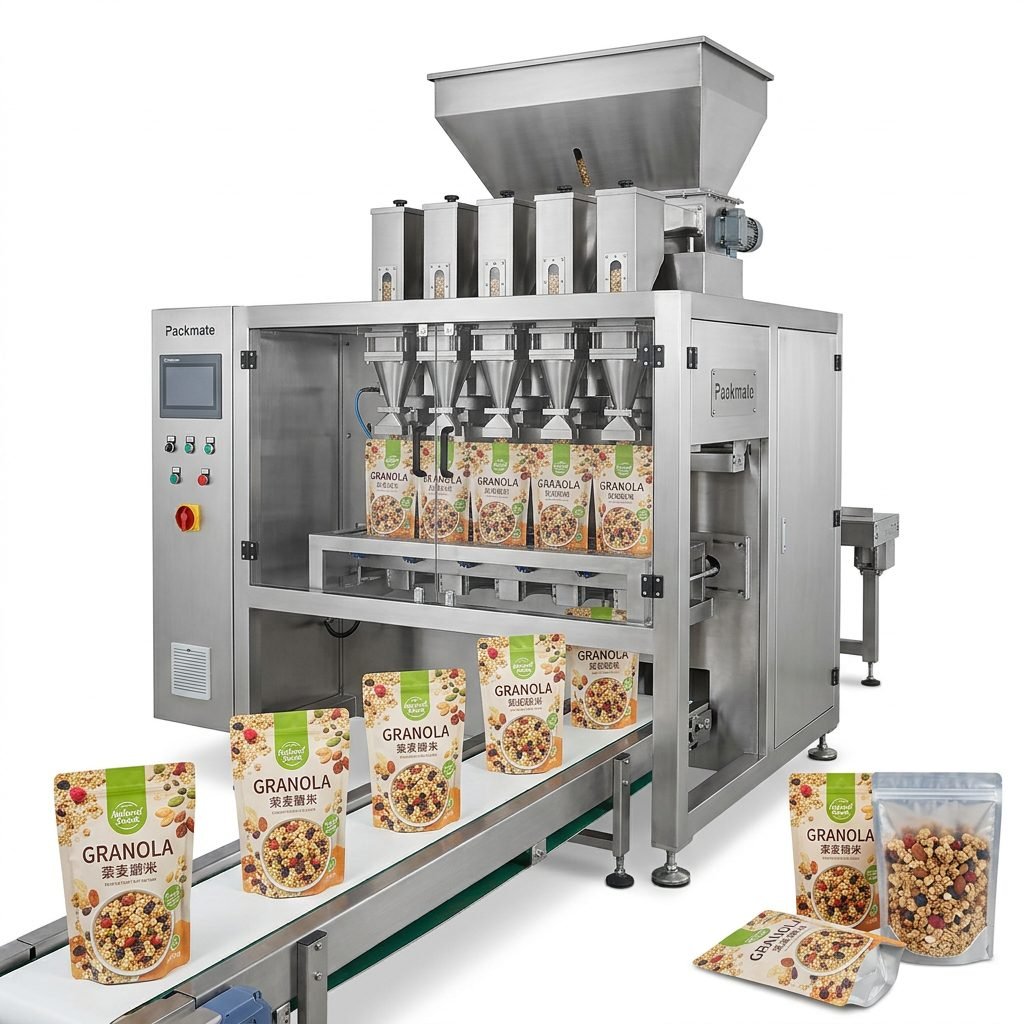
From seasoning sticks and instant coffee sachets to snack-sized portions, food producers face high-volume, high-variety demands. A modular multi-lane stick pack line can be configured with different filling heads for powders, granules, or liquids. Quick-change film reels and forming shoulders allow for rapid shifts between package sizes and materials, enabling producers to respond swiftly to seasonal trends or promotional packaging.
For Pharmaceuticals: Precision & Integrity
Pharmaceutical packaging demands sterile precision. Modular lines allow for the creation of isolated, clean-environment zones around critical filling and sealing modules. Modules for nitrogen flushing, desiccant insertion, or child-resistant closure application can be plugged into the line as required. This ensures the highest standards of product protection and patient safety are met without compromising line flexibility for different vial or blister pack formats.
For Health & Nutraceuticals: Agility & Branding
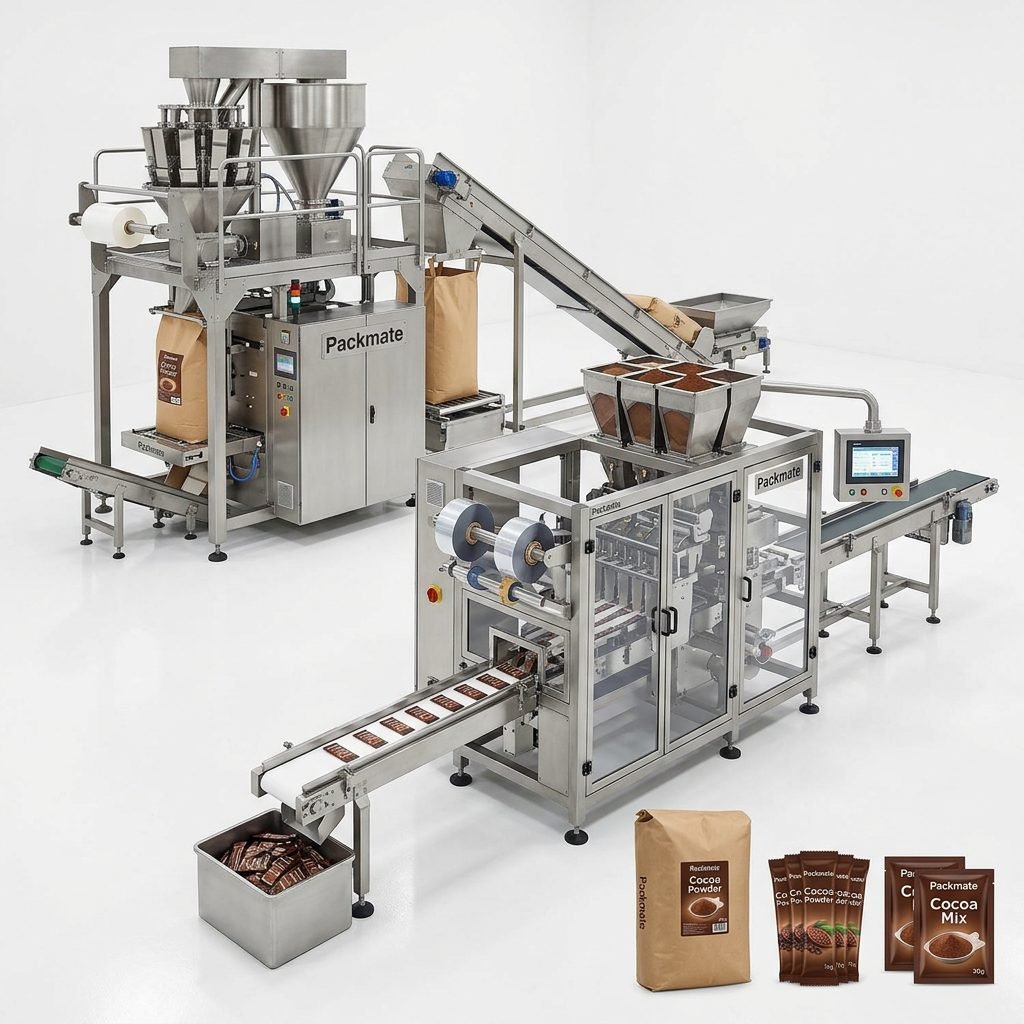
The health supplements market is dynamic, with frequent new product launches. Modular solutions empower brands to package protein powders, vitamin capsules, and liquid supplements on the same core line with module swaps. Enhanced branding options, such as integrated sleeve labeling or premium cartoning modules, can be added to elevate product presentation on shelf. See real-world implementations in our Case studies.
The Packmate Advantage: Engineering Your Modular Future
Implementing a successful modular packaging strategy requires more than just hardware; it demands a partner with deep engineering expertise and a holistic vision. With over 22 years of specialized experience, Packmate (GuangDong) Co., Ltd. stands as a leader in this field.
Our approach begins with understanding your unique product, throughput goals, and growth roadmap. We then leverage our portfolio of over 50 advanced machine models to design a cohesive, intelligent line where every module—from multi-lane stick pack machines to large bag palletizers—works in perfect synchrony. Our 20,000㎡ modern facility is the cradle of this innovation, where reliability and precision are built into every component.
We provide true turnkey solutions, from initial concept and factory layout planning to installation, validation, and ongoing Service. Our modular systems are designed not just for today’s output but for tomorrow’s opportunities, ensuring your production capability is always an asset, never a constraint. Discover the full scope of our capabilities on our Home page.
Conclusion: Building a Responsive Production Foundation
In the competitive worlds of food, pharma, and health products, the ability to adapt is the ability to thrive. Modular packaging line solutions represent a fundamental shift from static production to dynamic, intelligent manufacturing. By investing in a modular system, companies gain the agility to manage product complexity, the efficiency to maximize uptime, and the scalability to seize new market opportunities with confidence.
Frequently Asked Questions (FAQs)
1. Are modular packaging lines more expensive than traditional lines?
While the initial investment for a high-quality modular system can be comparable or slightly higher, the Total Cost of Ownership (TCO) is often significantly lower. Savings are realized through drastically reduced changeover downtime, lower long-term maintenance costs, and the avoidance of complete line replacements for upgrades or capacity expansion.
2. How difficult is it to reconfigure or add modules to an existing line?
A well-designed modular line is engineered for reconfiguration. With standardized mechanical and control interfaces, adding or swapping modules is a systematic process performed by trained technicians. The complexity depends on the change, but it is fundamentally simpler and faster than modifying a monolithic, custom-built line.
3. Can modular lines handle the strict hygiene requirements of pharmaceutical production?
Absolutely. Modular lines can be designed with hygiene zones. Critical modules can be built with stainless steel, easy-clean surfaces, and sealed electronics. They can be integrated into isolators or cleanrooms, and their standalone nature often makes sanitization and sterilization procedures more thorough and efficient.
4. Is a modular solution suitable for very high-speed, single-SKU production?
Yes. Modularity does not inherently limit speed. For dedicated, high-volume applications, a line can be configured with robust, high-speed modules and then “locked” into that configuration. The advantage remains: if future needs change, the line retains the inherent flexibility to adapt.
5. What kind of support is available for maintaining and optimizing a modular line?
Leading providers like Packmate offer comprehensive support, including detailed training for your engineers, readily available spare parts for all modules, remote diagnostics, and proactive service plans. This ensures each module, and the line as an integrated whole, operates at peak performance throughout its lifecycle.