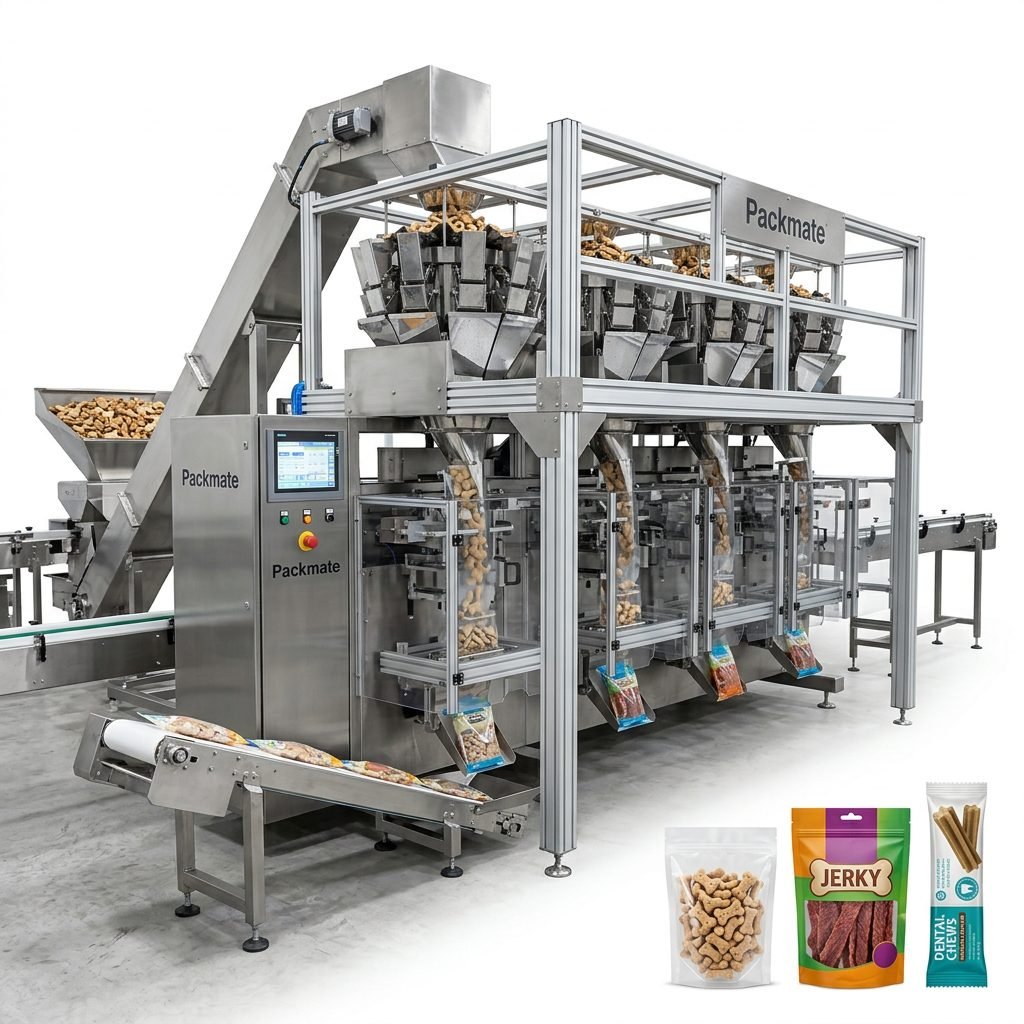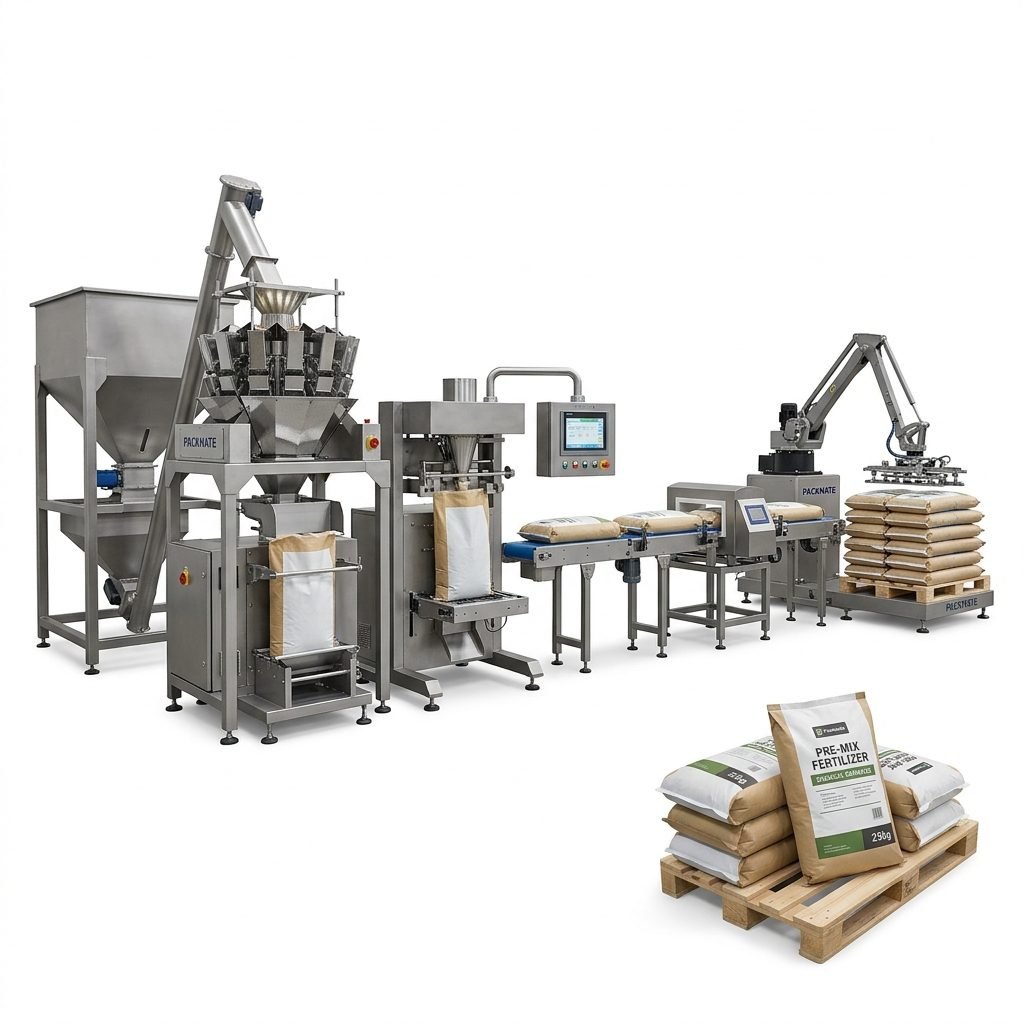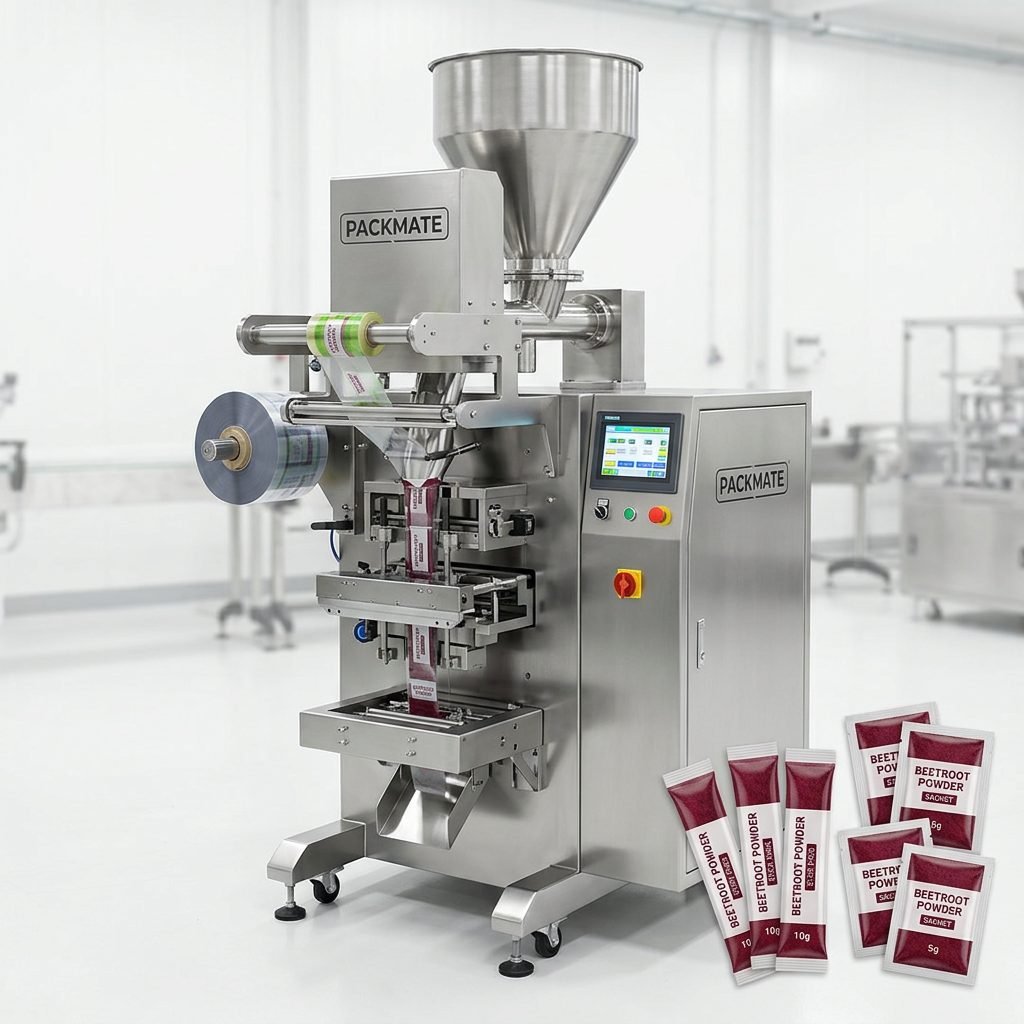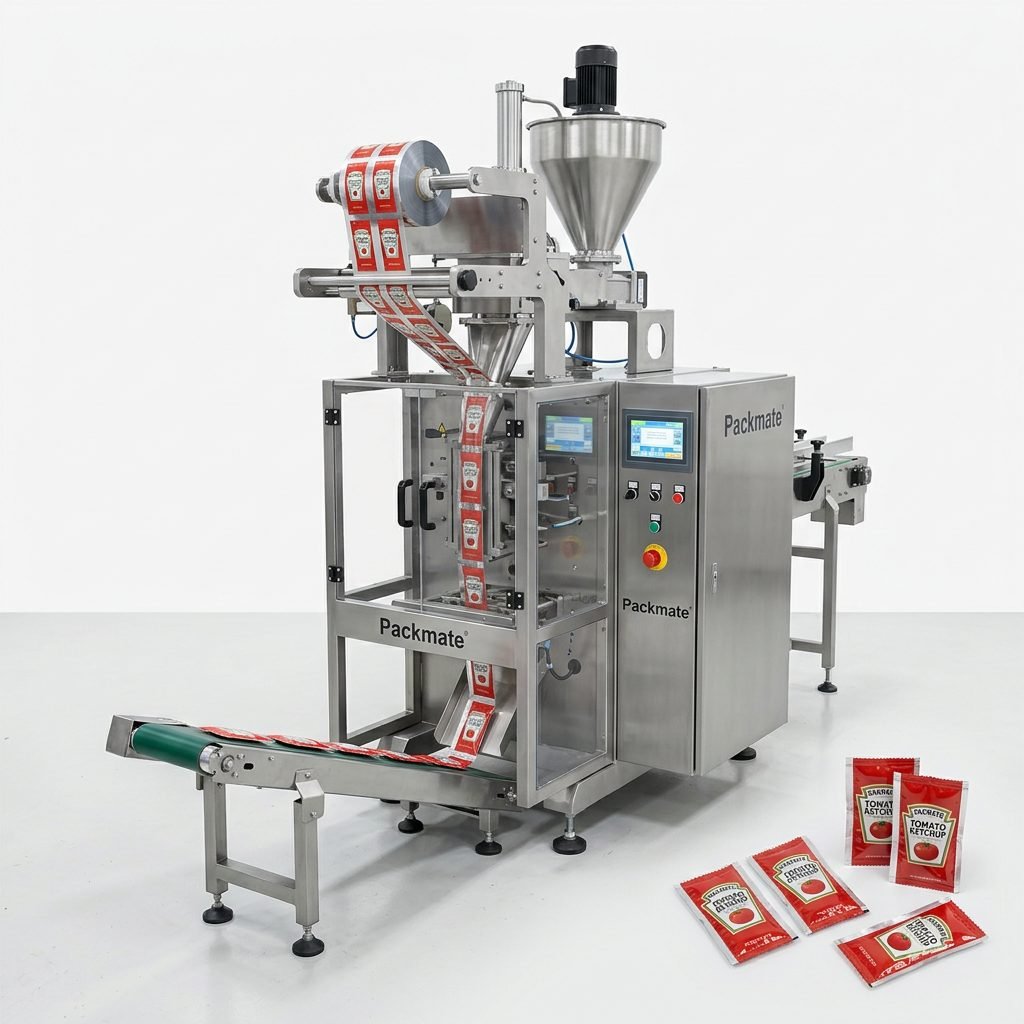
In the fast-paced world of manufacturing, where precision, safety, and speed are non-negotiable, the right software can be the difference between a profitable operation and a struggling one. For industries with the highest stakes—food, pharmaceuticals, and health products—packaging line optimization software is not merely a tool; it is the central nervous system of production. This article delves into the critical features, benefits, and selection criteria for the best packaging line optimization software tailored to these sensitive and highly regulated sectors.
Why Specialized Software is Non-Negotiable
The packaging lines for food, pharma, and health products operate under a unique set of constraints. Regulatory compliance (like FDA, GMP, HACCP), batch traceability, stringent hygiene standards, and the need to handle diverse product forms—from powders and granules to liquids and tablets—demand a specialized approach. Generic manufacturing execution systems (MES) often fall short. The best packaging line optimization software is built from the ground up to address these specific challenges, transforming data into actionable intelligence for flawless execution.
Core Capabilities of Top-Tier Optimization Software
When evaluating software, look for these indispensable features that directly impact efficiency and compliance:
- Real-Time Production Monitoring & OEE Tracking: Gain a live dashboard view of your entire packaging line. Track Overall Equipment Effectiveness (OEE) by measuring availability, performance, and quality in real-time to pinpoint bottlenecks instantly.
- Advanced Data Analytics & Predictive Maintenance: Move beyond reactive fixes. Sophisticated software analyzes historical and real-time data to predict equipment failures before they happen, scheduling maintenance during planned downtime to avoid costly unplanned stops.
- Complete Lot & Batch Traceability: From raw material intake to the finished pallet, every unit is tracked. This is critical for quality control, rapid recall execution, and satisfying audit trails for regulatory bodies.
- Integration with Enterprise Systems (ERP, SCADA): Seamless integration with your enterprise resource planning and supervisory control systems creates a single source of truth, synchronizing production schedules, inventory, and quality data.
- Recipe & Changeover Management: Efficiently manage packaging specifications for different products. The best software minimizes changeover times through digital work instructions and preset configurations, maximizing line flexibility and uptime.
Tangible Benefits for Food, Pharma, and Health Producers
Investing in specialized optimization software delivers a rapid and measurable return on investment across several key areas:
1 Skyrocketing Operational Efficiency: By eliminating guesswork and providing data-driven insights, companies can increase line throughput by 15-25%, significantly reducing waste and energy consumption per unit produced.
2 Uncompromising Quality & Compliance: Automated data logging ensures every step meets standard operating procedures (SOPs). This built-in compliance reduces human error, ensures product safety, and makes passing audits from organizations like the FDA a streamlined process. For a deeper look at quality in action, explore some of our documented successful case studies.
3 Enhanced Supply Chain Agility: With perfect visibility into production status and inventory levels, you can respond faster to market demands, manage shorter shelf-life products effectively, and provide accurate delivery forecasts to customers.
The Human Factor: Empowering Your Team
Great software doesn’t replace people; it empowers them. Intuitive interfaces and role-based dashboards give machine operators, line supervisors, and plant managers the information they need in a format they can use immediately. This leads to faster decision-making, improved problem-solving, and a more engaged workforce focused on continuous improvement rather than manual data entry.
Choosing Your Software Partner: A Practical Guide
Selecting software is as much about choosing a partner as it is about technology. Here’s a focused checklist for your evaluation:
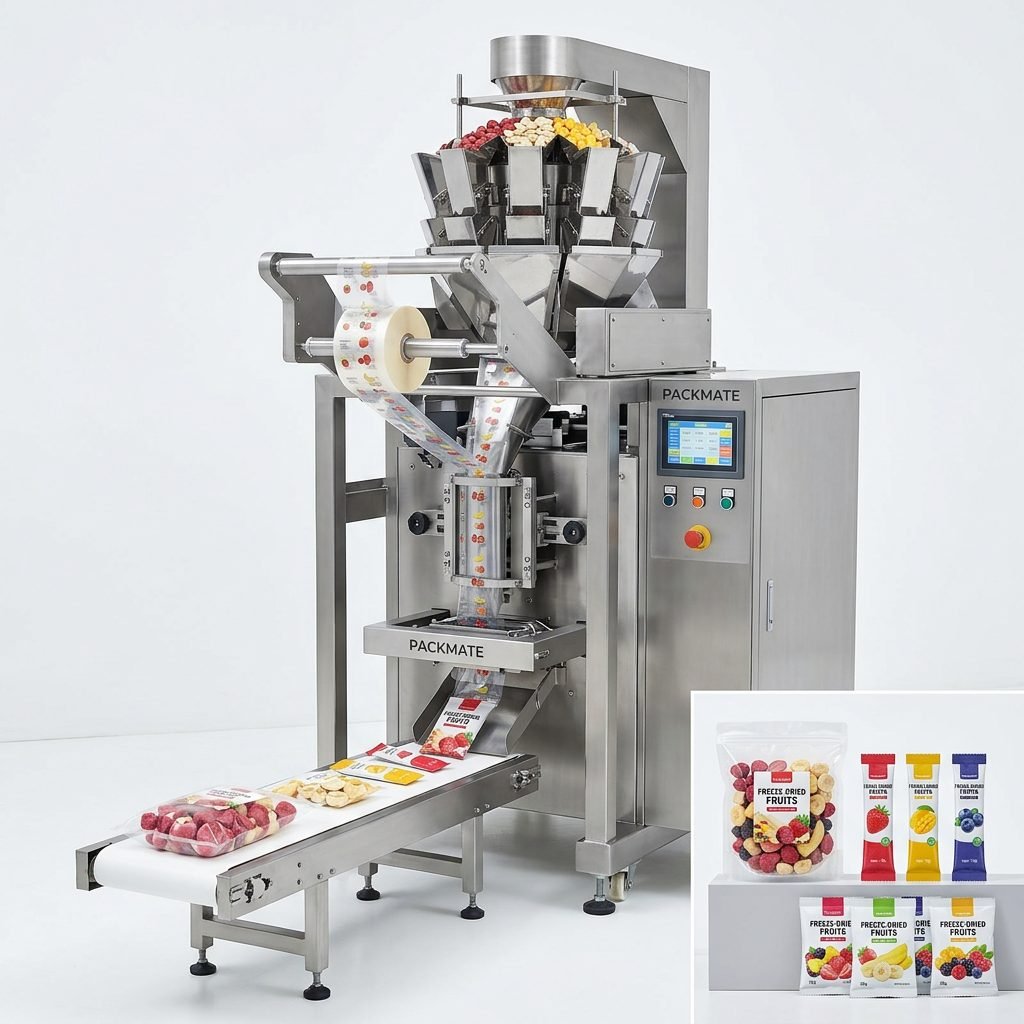
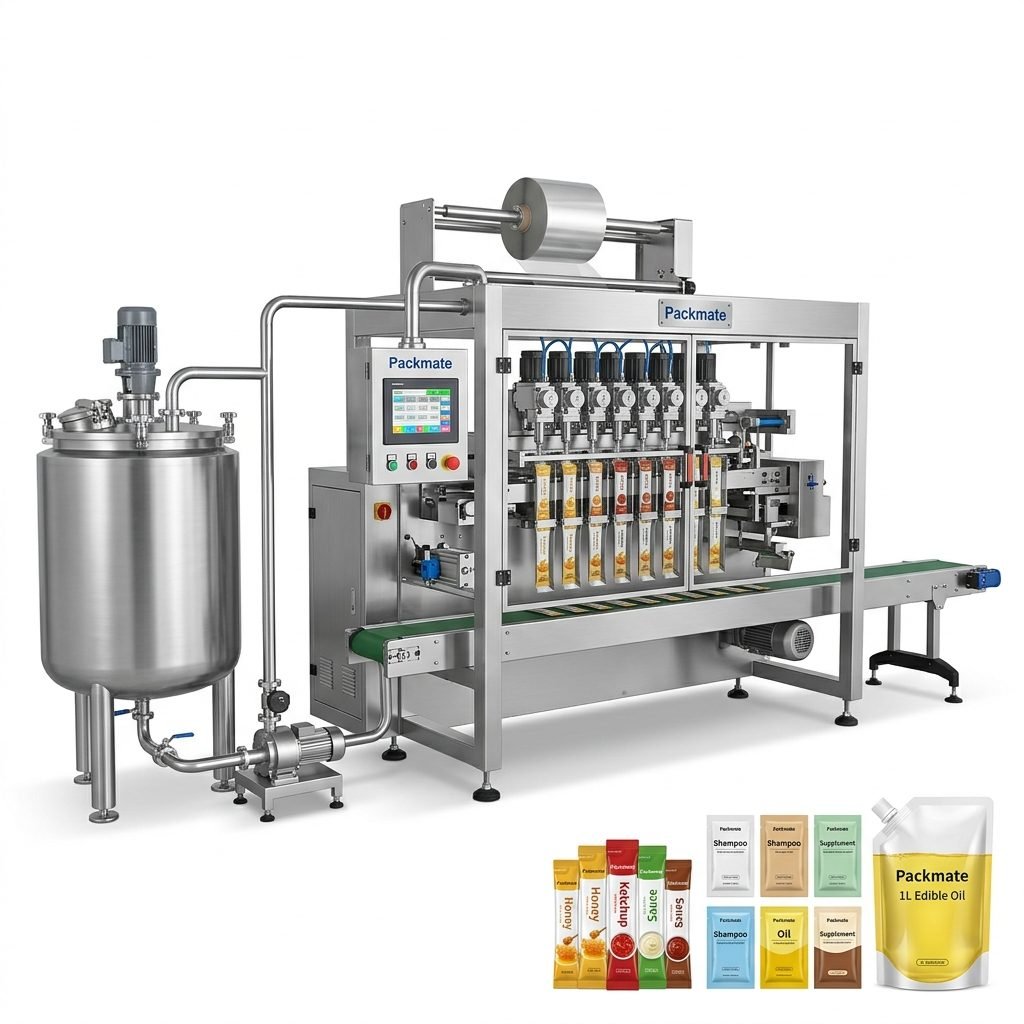
- Industry-Specific Expertise: Does the vendor have a proven track record in food, pharma, or health products? Ask for references and demos configured for your product type (e.g., stick packs for supplements, blister packs for tablets).
- Scalability & Flexibility: Can the solution grow with you? It should support adding new lines, integrating new machine types (from sachet to large bag fillers), and adapting to future regulatory changes.
- Implementation & Support: Look for a vendor that offers comprehensive onboarding, training, and ongoing technical support. The goal is a smooth transition and long-term reliability. Learn more about our commitment to this in our dedicated service section.
- Total Cost of Ownership (TCO): Consider all costs: licensing, implementation, integration, training, and ongoing support. The most valuable software provides a clear ROI that justifies the investment.
The Future: AI and the Smart Packaging Line
The next frontier is the integration of Artificial Intelligence (AI) and Machine Learning (ML). Future-ready software will not only predict machine failure but also autonomously adjust line speeds for optimal efficiency, perform advanced quality checks via computer vision integration, and generate self-optimizing production schedules. Choosing a software platform with a roadmap toward these intelligent capabilities future-proofs your investment.
For companies like Packmate, with over 30 years of experience delivering turnkey packaging solutions, the synergy between robust hardware and intelligent software is the cornerstone of a modern production line. The right optimization software is the catalyst that unlocks the full potential of your physical assets, ensuring you remain competitive, compliant, and capable of meeting the world’s demand for safe, high-quality products. Discover the foundation of our approach by reviewing our comprehensive company profile and history.
Frequently Asked Questions (FAQs)
1. How does packaging line optimization software differ from a standard PLC or SCADA system?
While PLCs control machine functions and SCADA provides basic monitoring, optimization software sits above them, aggregating data from all sources (PLCs, scales, vision systems, ERP). It applies advanced analytics to provide insights for business and process improvement, such as OEE, traceability, predictive analytics, and performance trends, which basic control systems cannot deliver.
2. Is this type of software suitable for small to mid-sized manufacturers, or is it only for large enterprises?
Absolutely suitable. Modern software is often modular and cloud-based, allowing smaller producers to start with core features like production monitoring and OEE tracking at a manageable cost. They can then scale up by adding modules for traceability or analytics as their business grows, ensuring the investment aligns with their needs.
3. What is the typical implementation timeline for such software?
Timelines vary based on line complexity and integration needs. A focused project for a single line with standard interfaces can often be live in 8-12 weeks. For a multi-line, full-scale implementation with deep ERP integration, 6 months or more is realistic. A phased rollout is a common and effective strategy.
4. How does the software ensure data security, especially for sensitive pharmaceutical formulas?
Reputable vendors build security into the core. This includes role-based access controls, data encryption (both at rest and in transit), secure authentication, and compliance with standards like ISO 27001. Data residency options (on-premise or private cloud) are also typically available for handling the most sensitive intellectual property.
5. Can the software integrate with older, legacy packaging machinery?
Yes, in most cases. A key capability of a good software platform is its connectivity through a wide range of standard industrial protocols (OPC UA, Modbus, Ethernet/IP). Even for very old machines without digital interfaces, retrofit kits with sensors and gateways can often bridge the gap, bringing legacy equipment into the digital monitoring fold.